Key Takeaways
-
Start by checking if air is still blowing from vents to determine whether the problem is in the cooling system (warm air) or blower/ventilation (weak/no air), as this single clue splits the diagnostic path into two very different directions.
-
Never attempt a DIY refrigerant recharge; use a professional instead because wrong refrigerant type, incorrect charge amounts, or opening lines can damage the system, and EPA Section 609 certification is legally required for paid A/C service.
-
Common causes include low refrigerant from leaks, compressor/clutch failure, blown fuses or relays, blower motor or resistor problems, and condenser or cooling fan issues; identifying which symptoms you have helps narrow down the actual culprit.
-
Perform simple at-home checks: verify fuses in the owner's manual, listen for compressor clutch clicks when turning A/C on/off, check if cooling fan spins, inspect cabin air filter, and test airflow at different fan speeds to help identify the problem.
-
If your engine temperature gauge climbs or warning lights come on, stop driving immediately and shut off the engine, as A/C failure and engine overheating can be related on some vehicles and ignoring overheating is dangerous.
-
Prevent sudden A/C failure by running the system weekly even in cool weather to keep seals lubricated, replacing cabin filters on schedule, keeping the front of your vehicle clear of debris, and scheduling yearly A/C checks before summer arrives.
It happens to almost every driver at some point. You hop in the car on a hot Tampa afternoon, push the A/C button, and nothing good comes out. Maybe the air is warm. Maybe there is barely any air at all. Either way, your car AC stopped working suddenly, and you want answers fast.
Take a deep breath. You are not alone, and this is often easier to sort out than it feels. The trick is to stop guessing and start noticing. A few simple clues can tell you where the trouble likely lives. Is air still blowing? Is it warm or just weak? Did anything change right before it quit?
In this friendly how-to guide, we will walk you through a simple, safe way to figure out what is going on. We will cover quick checks you can do in your driveway, the most common causes, and when to hand things over to a pro. Whether you drive a daily commuter, a work truck, a bus, or an RV, these steps will point you in the right direction.
Start With the Most Important Clue: Is Air Still Blowing?
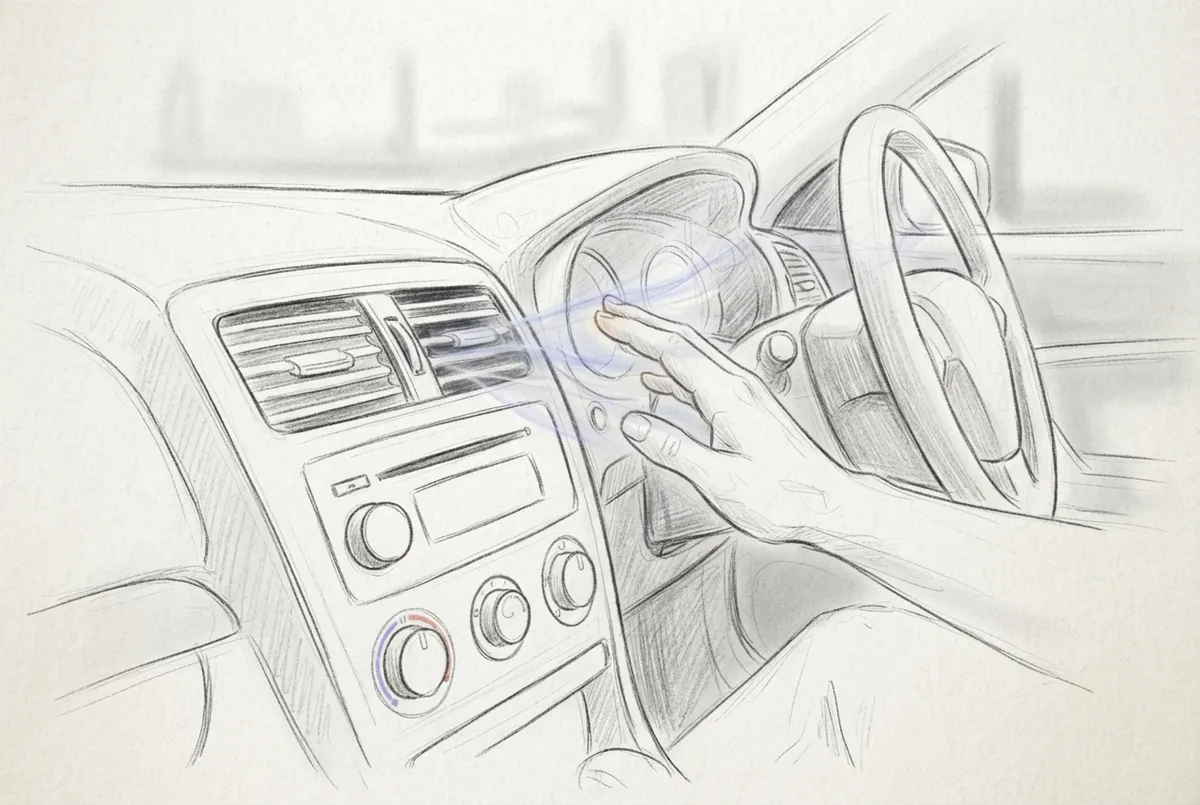
Before you do anything else, ask one question. When you turn the fan up, does air still come out of the vents? This one clue splits the problem into two very different paths.
If air is moving but it is warm, the trouble is usually in the cooling side of the system. That could mean low refrigerant, a compressor problem, a damaged condenser, a cooling fan issue, or a control fault. If you want a deeper look at that path, our guide on 10 reasons your AC is blowing warm air goes into more detail.
If air is weak or missing, the trouble points more toward the blower and ventilation side. Think blown fuse, bad relay, worn resistor, failing blower motor, or a clogged cabin filter.
| What You Notice | Likely Area | Common Causes |
|---|---|---|
| Airflow is normal, air is warm | Cooling system or controls | Low refrigerant, compressor or clutch fault, damaged condenser, cooling fan, blend door |
| Airflow is weak or gone | Blower and ventilation | Blown fuse, relay, resistor, blower motor, clogged cabin filter |
| Cools, then stops, then returns | Intermittent issue | Electrical connection, relay, sensor, clutch, icing evaporator |
How to Check Your Car AC Step by Step
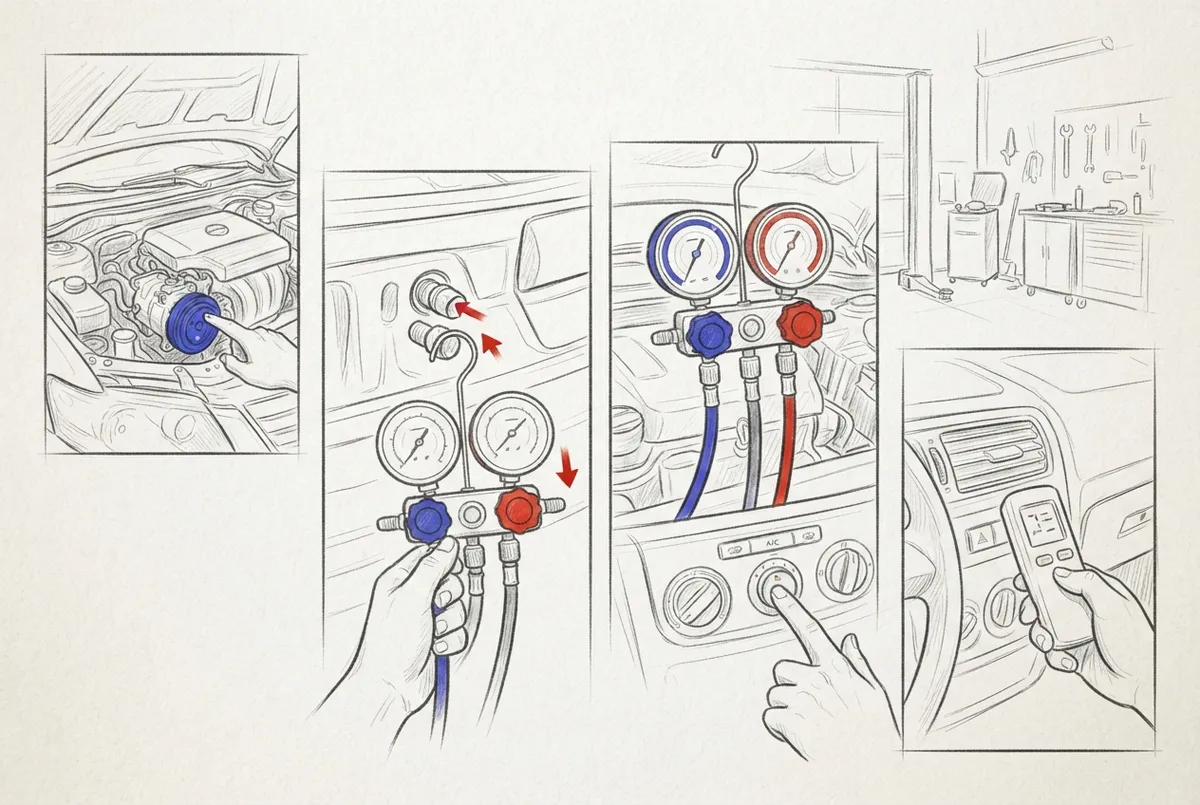
Here is a simple routine you can follow in a few minutes. You do not need special tools for most of it. Just stay safe, keep the car parked on level ground, and never touch moving engine parts.
- Run the engine and set the A/C to max cold. Turn the fan to high and choose the coldest setting. Make sure the A/C button light is on.
- Feel the airflow at each vent. Try every fan speed. If air only works on one speed, that often points to a blower resistor.
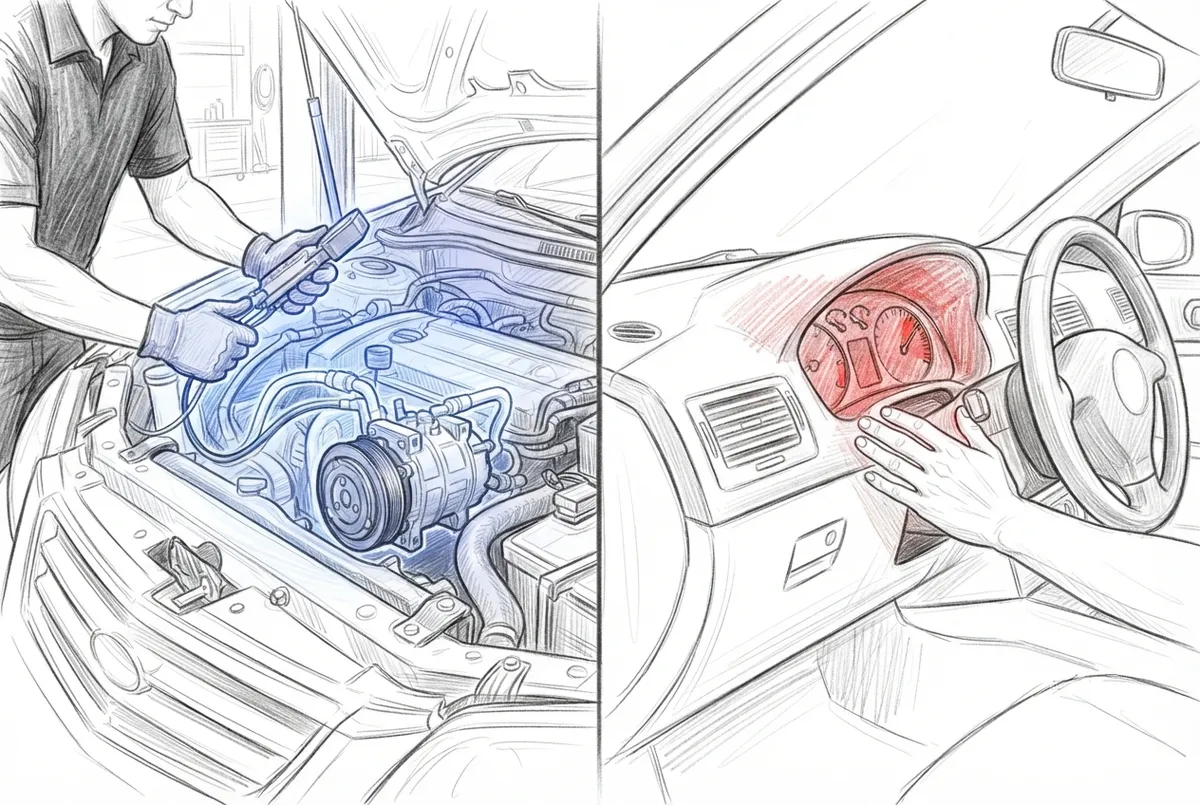
- Listen for the click. With the engine running, switch the A/C on and off. You may hear or see the compressor clutch engage. If you never hear a click, there may be a control or clutch issue.
- Check the fuse box. Your owner’s manual shows which fuses and relays run the A/C and blower. A blown fuse is a simple fix, but it can also be a sign of a bigger electrical problem.
- Look at the front of the car. With the engine running and A/C on, the cooling fan near the radiator should spin. If it never moves, that can hurt cooling.
- Check the cabin air filter. A filthy filter can choke airflow. Keep in mind it does not explain every case of suddenly warm air.
- Watch the temperature gauge. If the engine starts to overheat, stop safely and deal with that first.
If you find a clear culprit, great. If not, that is perfectly normal. A/C systems have many connected parts, and the symptoms can overlap.
Common Reasons a Car AC Stops Working Suddenly
Let us look at the usual suspects. Knowing them helps you talk with a technician and avoid paying for parts you do not need.
Low Refrigerant From a Leak
Your A/C is a sealed system. Refrigerant is not like oil or washer fluid that you top off every few months. If the level drops, there is a leak somewhere. Hoses, seals, the condenser, and the evaporator are all common leak spots.
That is why repeatedly adding refrigerant is not a real fix. The leak keeps going, your money keeps leaking out with it, and you may even risk further damage. If this sounds familiar, take a peek at 13 AC leak mistakes that cost car owners more money.
A Compressor or Clutch Problem
The compressor is the heart of your A/C. It moves refrigerant through the system. If the compressor or its clutch fails, you may get warm air even though the fan blows strong. Sometimes you will hear grinding or squealing before it quits. Learn more in our post on how to fix an AC compressor in your vehicle.
A Blown Fuse or Bad Relay
Electrical parts can fail without warning. A fuse or relay that controls the compressor or blower can stop the whole show. The good news is that these are small parts. The tricky part is finding out why they failed in the first place.
Blower Motor or Resistor Trouble
If your vents are quiet or air only comes out on high, the blower motor or resistor may be wearing out. This is common in trucks and buses that run long hours. Our guide on truck AC blower motor repair fixes shows what often works.
Condenser or Cooling Fan Issues
The condenser sits near the front of the vehicle and releases heat from the refrigerant. Road debris can damage it. If the cooling fan stops spinning, heat builds up and cooling drops. In stop-and-go Tampa traffic, this can show up fast. Read more about the signs in 10 signs you need AC condenser repair.
An Icing Evaporator
Sometimes the evaporator freezes up, which blocks airflow and leaves you with weak or warm air. It may start cooling again after the ice melts. If your A/C works, quits, then comes back, this could be why. See what causes AC coils to freeze in your vehicle for the full story.
Quick Symptom Guide
- Warm air with strong fan: Think refrigerant, compressor, clutch, condenser, or fan.
- Weak or no air: Think fuse, relay, resistor, blower motor, or cabin filter.
- Air works then stops: Think electrical connection, sensor, clutch, or icing.
- Strange noises: Think compressor, clutch, or a failing blower motor.
- Musty smell with weak air: Think dirty cabin filter or moisture in the ventilation system.
What to Avoid When Your AC Quits
It is tempting to grab a do-it-yourself recharge can and hope for the best. We understand. But this often causes more trouble than it solves.
Refrigerant type and the exact charge amount vary by vehicle. Charging by pressure alone, or using the wrong refrigerant, can damage the system. Opening refrigerant lines at home is also a bad idea.
There is a legal side too. In the United States, anyone who services or repairs motor-vehicle A/C systems for pay must have EPA Section 609 certification and use approved refrigerant-handling equipment. The EPA also prohibits intentionally venting refrigerant and requires it to be recovered before repairs when a release could reasonably be expected. Recovered refrigerant must be recycled or reclaimed before it goes back in.
In plain terms, handling refrigerant is a job for trained people with the right tools. If you want to learn more about certification, we also offer A/C training for technicians. And if you are weighing your options, see our post on DIY vs. shop car AC repair.
Is It Safe to Keep Driving?
Usually, losing your A/C is an annoyance, not an emergency. You can often keep driving with the windows down and the vents set to fresh air. Still, there are times to pull over.
If your engine temperature gauge climbs or a warning light comes on, stop safely and shut the engine off. A/C trouble and overheating can be separate problems. But on some vehicles, a failed cooling fan or a related issue can affect engine cooling too. Never ignore overheating. Our article on emergency AC repair when your car overheats explains why this matters.
Also stay cool and safe. Heat can be dangerous for kids, pets, and older passengers. In Florida, a hot cab can become uncomfortable very quickly.
What a Professional Diagnosis Looks Like
Many drivers wonder what a shop actually does when they bring in a car with a dead A/C. A good diagnosis is a careful, step-by-step process, not a guess.
- Talk with you. The technician asks when the problem started and what you noticed.
- Inspect the basics. Fuses, relays, controls, belts, and the cabin filter get checked.
- Check the compressor and fans. The tech makes sure the clutch engages and the fans run.
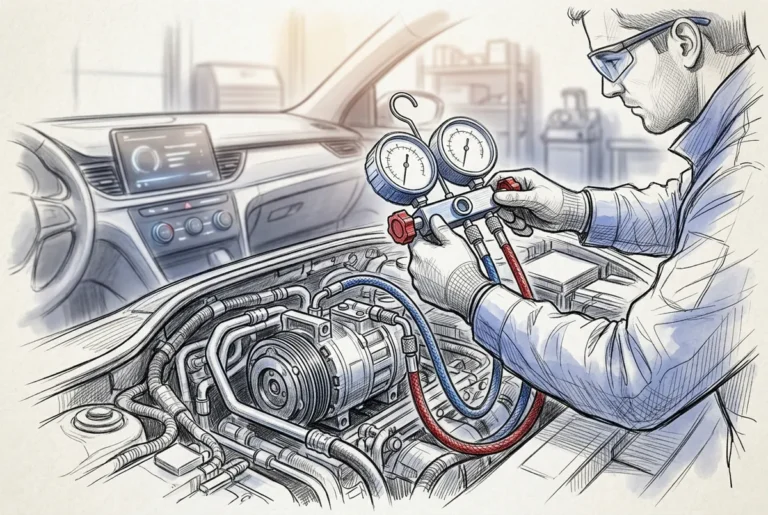
- Measure system pressures. Gauges help show how the system is behaving.
- Hunt for leaks. Proper leak detection methods find where refrigerant is escaping.
- Explain the findings. You get a clear plan and a price before repairs begin.
This approach saves money because you replace only what is truly broken. If you are curious about pricing, check out 3 key facts about car AC diagnostic cost in 2026. Costs vary based on your vehicle, the refrigerant it uses, and the part that failed, so an honest inspection is the best way to get a real number.
Tips for Trucks, Buses, RVs, and Heavy Equipment
Not every vehicle is a family sedan, and bigger systems come with bigger needs. If you run a work truck, shuttle, RV, or construction machine, a sudden A/C failure can mean tired operators, lost time, and unhappy passengers.
- Truck drivers: Long hours in the heat make A/C more than a comfort. Learn about signs you need truck AC repair.
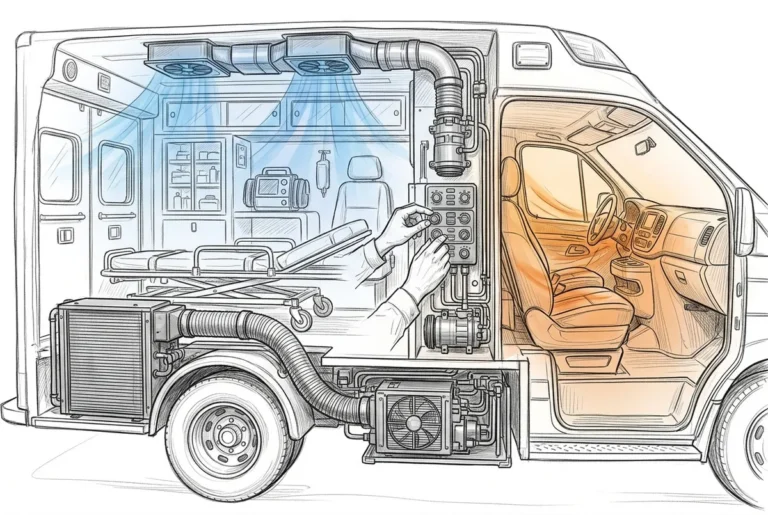
- Bus operators: Passenger comfort and satisfaction depend on steady cooling. See what proper bus AC maintenance involves.
- RV owners: A cooling failure in the middle of a trip is no fun. Our tips on RV air conditioner repair parts mistakes can help.
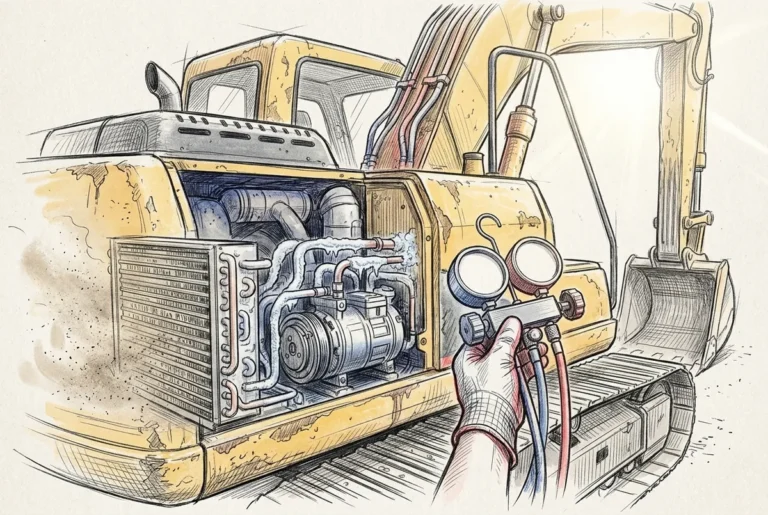
- Heavy equipment operators: Cool cabs reduce fatigue and downtime. Read how to get heavy equipment AC repair done right.
- Fleet owners: Regular checks beat emergency repairs. See preventive vs. reactive fleet AC maintenance.
How to Help Prevent a Sudden A/C Failure
You cannot stop every surprise, but a little care goes a long way. Small habits can catch trouble early, before it turns into a sweaty, frustrating day.
- Run your A/C for a few minutes each week, even in cooler weather, to keep seals lubricated.
- Replace the cabin air filter on schedule.
- Listen for new noises and pay attention to slow drops in cooling.
- Keep the front of the vehicle clear of leaves and debris.
- Schedule a yearly A/C check before summer heat hits.
For a handy list, see 5 AC maintenance tips every Tampa vehicle owner needs. Prevention is almost always cheaper and easier than a roadside surprise.
Why Choose a Specialist in Tampa
When your A/C quits, it helps to work with people who do one thing and do it well. Marks Air is a family-owned, woman-owned A/C specialist that has served Tampa since 1971. The team focuses on air conditioning for cars, trucks, buses, RVs, and heavy equipment, with diagnostics, repairs, parts, and installations all under one roof.
Marks Air is also a member of the Mobile Air Climate Systems Association (MACS), which helps the team stay current with industry standards. You can see what neighbors say by reading customer reviews, or visit us on Google — Marks Air to see more from Tampa drivers. You can also find the shop on Yelp.
If you are still deciding whether to repair or replace a part, our post on AC repair vs. AC replacement can help you think it through.
Final Thoughts
When your car AC stopped working suddenly, remember the big clue: is air still blowing? Start there, run through the simple checks, and note anything unusual. Skip the quick recharge can, and let a trained technician find the real cause. That way you fix the problem once and get back to cool, comfortable driving.
You do not have to sweat this out alone. Ready to get cold air flowing again? Schedule service with the friendly team at Marks Air, or call us at 813-988-1671 to talk through what your vehicle is doing. We would love to help you beat the Tampa heat.
FAQs
Q: Why did my car AC suddenly stop blowing cold air?
A: The most common reasons are low refrigerant from a leak, a compressor or clutch problem, a blown fuse or relay, or a cooling fan or condenser issue. Check whether air is still blowing from the vents first, since that helps narrow down the cause. A technician can pinpoint the exact problem with a proper inspection.
Q: Why is my car AC blowing warm air but the fan still works?
A: When the fan works but the air is warm, the trouble is usually in the cooling side of the system. That can mean low refrigerant, a compressor or clutch fault, a damaged condenser, a cooling fan problem, or a control fault. It is best to have it tested rather than guessing.
Q: Should I recharge my car AC or have it checked for a leak?
A: Have it checked for a leak. Refrigerant is not a routine top-off item, so low levels usually mean there is a leak to repair. Using the wrong refrigerant or charging by pressure alone can also damage the system, and paid refrigerant service requires EPA Section 609 certification.
Q: Can a blown fuse or bad relay cause my car AC to stop working?
A: Yes, it can. A blown fuse or failed relay can shut down the compressor or the blower, which stops cooling or airflow. Since a fuse often blows for a reason, it is smart to have the electrical system checked if it happens more than once.
Q: Is it safe to drive when my car AC stops working?
A: Usually yes, as long as the engine is running normally. Roll down the windows and stay hydrated. If your engine starts to overheat, pull over safely right away, because a failed cooling fan or related issue can affect engine cooling on some vehicles.