
Key Takeaways
-
Implement weekly evaporator filter cleaning and monthly condenser cleaning to prevent airflow restriction and system strain that reduces cooling efficiency by significant margins.
-
Conduct full system inspections annually before summer season to catch hidden issues early, avoiding emergency breakdowns that knock entire buses out of service during peak demand.
-
Monitor compressor oil monthly and verify refrigerant charge seasonally, as low levels are the leading cause of compressor failure—the most expensive component to replace.
-
Create individual maintenance logs for each bus and train drivers to report AC issues immediately, enabling technicians to spot patterns and prevent small problems from becoming major repairs.
-
Schedule professional refrigerant recovery, leak detection, and electrical diagnostics rather than attempting in-house, as improper handling causes safety hazards and EPA violations.
-
Coach and transit buses require more frequent filter service and refrigerant checks than school buses due to year-round high-hour operation, so adjust maintenance schedules accordingly.
If you operate a bus — whether it’s a school bus, transit vehicle, shuttle, or coach — you already know that a broken A/C system is more than just an inconvenience. It’s a passenger comfort issue, a service reliability problem, and in Tampa’s heat, a serious safety concern. Bus A/C systems work hard every single day, and without the right care, they wear out fast. The good news? A solid bus AC system maintenance routine can prevent most breakdowns before they happen. In this guide, we’ll walk you through exactly what proper maintenance involves, how often tasks need to happen, and what warning signs to watch for. Whether you manage a fleet of transit buses or a single school bus, this information will help you keep things running cool all year long.

Why Bus AC System Maintenance Matters So Much
Bus A/C systems are far more demanding than the ones in your personal car. They run longer hours, cool larger spaces, and carry the responsibility of keeping dozens of passengers comfortable. When an A/C system fails on a bus, the consequences ripple outward — delayed schedules, unhappy riders, and expensive emergency repairs. Preventive maintenance flips that equation entirely.
Routine maintenance helps extend the life of critical components, prevents costly repairs, and keeps your buses on the road where they belong. For fleet operators, this is especially important because a single system failure can knock an entire vehicle out of service. Staying ahead of problems with regular checkups is always the smarter and more affordable approach. You can learn more about why proactive care pays off by reading about preventive vs. reactive fleet AC maintenance.
The Core Components You Need to Monitor
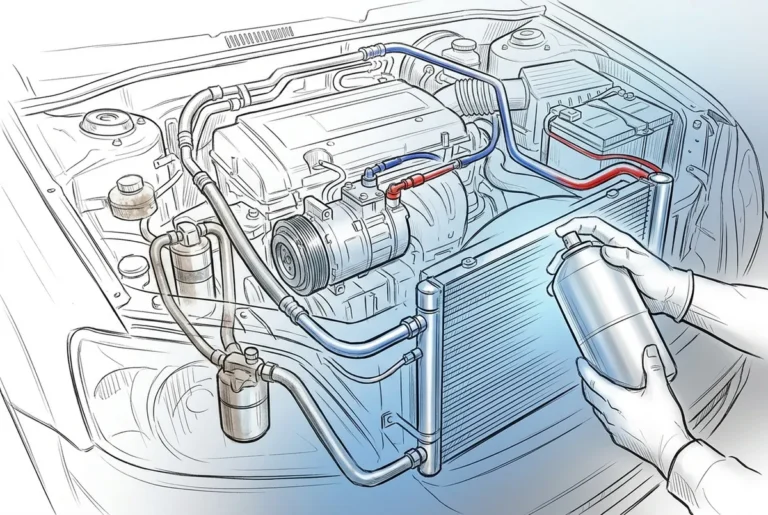
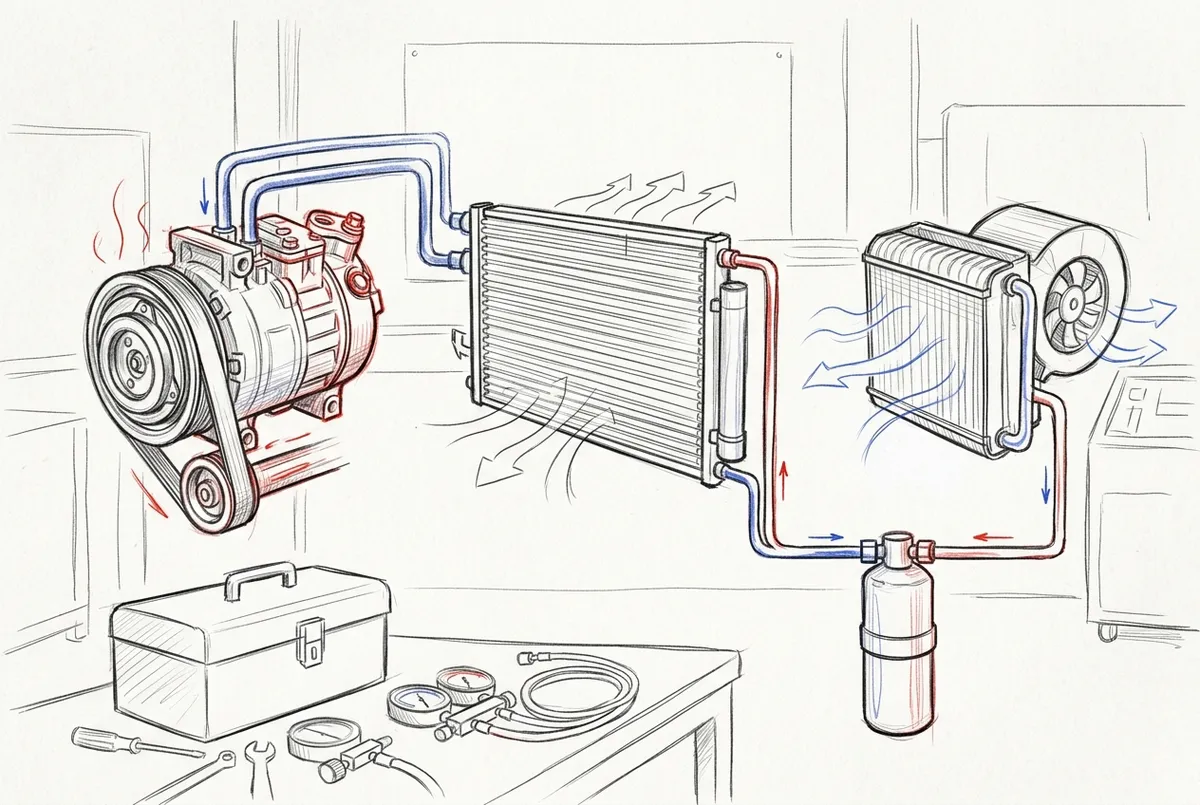
Before you can maintain a bus A/C system well, you need to understand what’s inside it. Bus HVAC systems are made up of several key parts that each need regular attention. Neglecting any one of them can cause a chain reaction of problems.
- Compressor: The heart of the system. It pressurizes refrigerant and keeps the cooling cycle moving.
- Condenser: Releases heat from the refrigerant to the outside air. Must stay clean to work properly.
- Evaporator: Absorbs heat from inside the bus cabin, cooling the air passengers feel.
- Blower and condenser fans: Move air across the coils to enable heat exchange.
- Refrigerant: The fluid that carries heat through the system.
- Hoses, fittings, and lines: Transport refrigerant between components.
- Filters: Trap dust and debris before they can clog the evaporator.
- Electrical controls: Sensors, relays, and control boxes that manage system operation.
If you want to dive deeper into specific parts, check out this helpful resource on 3 transit bus air conditioning parts you must know.
Bus AC Maintenance Task Frequency Guide
One of the most common questions bus operators ask is: “How often should each task be done?” The answer depends on the component. Some items need weekly attention, while others only require annual checks. Here’s a clear breakdown to help you plan your schedule.
| Maintenance Task | Recommended Frequency | Why It Matters |
|---|---|---|
| Evaporator and return-air filter cleaning | Weekly or frequently | Dirty filters restrict airflow and reduce cooling output |
| Condenser cleaning | Monthly | Blocked condensers reduce heat transfer and strain the system |
| Blower fan and evaporator coil inspection | Monthly | Ensures proper airflow and catches early signs of wear |
| Compressor oil check | Monthly | Low oil leads to compressor damage and early failure |
| Hose and fitting inspection | Every few months | Catches leaks before refrigerant loss causes system failure |
| Refrigerant charge verification | Seasonally or annually | Proper charge is essential for efficient, effective cooling |
| Full system inspection | Annually (before summer) | Catches hidden issues before peak cooling season begins |
Sticking to a schedule like this keeps small issues from turning into big, expensive ones. For fleet managers, setting up a digital maintenance log for each vehicle is a great way to stay organized and never miss a service interval.
Step-by-Step: What a Full Bus AC Inspection Covers
A thorough bus AC system maintenance inspection goes beyond just checking whether cold air is blowing. Technicians go through the entire system methodically. Here’s what a complete inspection should include:
- Check refrigerant charge levels. Low refrigerant means poor cooling performance. Technicians use gauges to verify proper pressure and charge levels. If levels are low, that indicates a leak that needs to be found and fixed.
- Inspect and clean the condenser. Dirt, debris, and bugs clog condenser fins over time. A clean condenser is critical because restricted airflow reduces heat transfer and can significantly lower cooling performance.
- Clean or replace evaporator filters. Filters should be cleaned frequently — some schedules call for weekly service. A clogged filter starves the evaporator of airflow and makes the whole system work harder.
- Inspect blower and condenser fans. Fans must spin freely and at the right speed. Wobbling, noise, or slow rotation signals a bearing or motor problem that needs immediate attention.
- Check hoses, lines, and fittings. Look for signs of wear, cracking, looseness, or oil residue that might indicate a refrigerant leak. Vibration damage is especially common on buses due to road conditions.
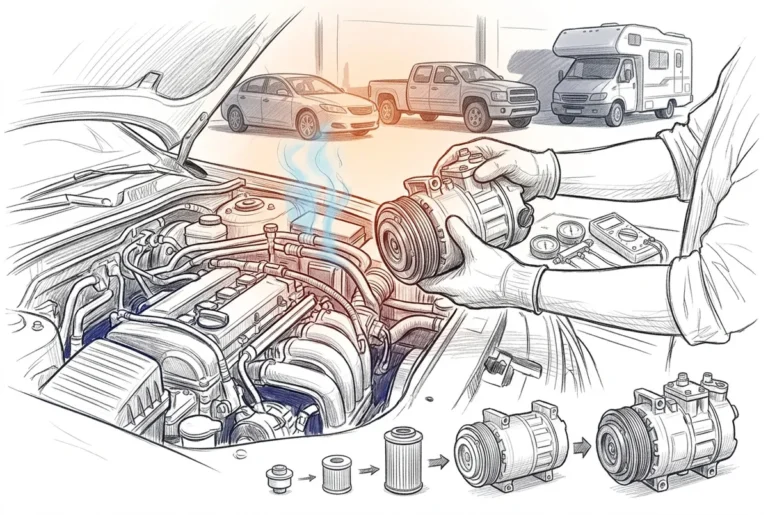
- Evaluate compressor condition. Check belt tension, mounting bolts, oil condition, and listen for unusual noises during operation. The compressor is the most expensive component to replace, so catching problems early is crucial.
- Test electrical components. Inspect relays, sensors, wiring connections, and control boxes for burn marks, corrosion, or loose connections. Electrical faults are a surprisingly common cause of A/C failures.
- Verify drain line function. Clogged drain lines cause water to back up into the cabin. Make sure condensate drains freely and completely.
For a broader look at how to handle key repairs, the guide on heavy duty AC evaporator replacement is a great resource to bookmark.
The Most Common Bus AC Problems and Their Causes
Even with good maintenance habits, problems can still develop. Knowing what to look for helps you catch issues early. Here are the most common problems bus operators run into:
- Warm air blowing: Usually caused by low refrigerant, a dirty condenser, or a failed compressor. If your bus A/C is blowing warm air, don’t wait — read more about 10 reasons your AC is blowing warm air to diagnose the issue quickly.
- Reduced airflow: Most often caused by clogged evaporator filters or a failing blower motor.
- Refrigerant leaks: Hoses, O-rings, and fittings degrade over time and can cause slow refrigerant loss. Regular inspections catch leaks early before major damage occurs.
- Compressor failure: Often triggered by low refrigerant (which reduces lubrication), low compressor oil, or a worn drive belt.
- Electrical faults: Failed relays, corroded connections, or damaged sensors can prevent the system from turning on or cycling properly.
- Drain line clogs: Cause water pooling inside the bus, leading to odors and potential interior damage.
Understanding these common failure points helps technicians and fleet managers prioritize inspections. For tips on detecting one of the sneakiest problems, check out how to detect AC leaks before they get worse — the same principles apply to buses.
School Bus vs. Coach Bus: Key Maintenance Differences
Not all buses are the same, and neither are their A/C maintenance needs. Here’s a quick comparison to help you understand the differences:
| Factor | School Bus A/C | Coach/Transit Bus A/C |
|---|---|---|
| System size | Smaller, simpler systems | Larger, more complex rooftop or rear-mounted units |
| Operating hours | Seasonal (school year) | Year-round, high daily usage |
| Filter service frequency | Weekly during season | Weekly or more frequently |
| Refrigerant check interval | Before each season starts | Seasonally or more often |
| Compressor wear risk | Moderate | Higher due to constant operation |
Coach and transit buses typically need more frequent attention simply because they run more hours per day. Fleet operators managing multiple buses should consider a dedicated maintenance calendar to track each vehicle’s service history individually.
Tips for Building a Strong Bus AC Maintenance Program
A reactive approach — fixing things after they break — costs far more than staying ahead of problems. Building a proactive maintenance program doesn’t have to be complicated. Here are some practical tips to get started:
- Create a maintenance log for each bus. Document every inspection, cleaning, repair, and parts replacement. This history helps technicians spot patterns and catch recurring issues faster.
- Schedule a pre-season full system inspection every year. Before Tampa’s hot season kicks in, have every bus inspected from compressor to drain line. Catching issues in spring means fewer breakdowns in July.
- Train drivers to report A/C issues immediately. Drivers are the first to notice when airflow drops or warm air appears. Early reporting prevents small issues from becoming major repairs.
If your team needs formal training on A/C systems, Marks Air’s training programs cover everything from EPA 609 certification to hands-on MVAC best practices. Having knowledgeable staff makes your maintenance program far more effective. Marks Air is also a proud member of the Mobile Air Climate Systems Association (MACS), which means they stay current with the latest industry standards and best practices.
Finding the Right Parts for Bus AC Repairs
Maintenance is only as good as the parts you use. Using quality components means fewer callbacks, longer-lasting repairs, and better overall system performance. For bus operators in the Tampa area, having access to reliable parts quickly is a huge advantage when a vehicle is out of service.
Marks Air stocks a full line of A/C parts including their own KOOL-TEMP parts line and components from trusted brands. Many items are available the same day, which is critical when you need to get a bus back on the road fast. You can also explore the most important commercial vehicle A/C parts to better understand what your system needs. Follow Marks Air on Facebook and Instagram for updates on parts availability and service tips.
When to Call a Professional for Bus AC Service
Some maintenance tasks — like filter cleaning and visual inspections — can be handled in-house with trained staff. But other jobs require professional equipment and expertise. Here’s when you should bring in a qualified A/C technician:
- When refrigerant needs to be recovered, tested, or recharged (requires certified equipment)
- When a refrigerant leak is suspected and needs to be located and repaired
- When the compressor shows signs of failure or makes unusual noises
- When electrical diagnosis is needed for control failures or sensor issues
- When a full system overhaul or component replacement is required
Trying to handle refrigerant work without proper certification and tools can lead to safety hazards and EPA violations. For complex bus A/C repairs, it’s always best to work with specialists who understand heavy-duty and commercial vehicle systems. Check out what customers are saying about quality A/C service on Yelp, and see for yourself why professional service makes a difference. You can also visit Marks Air on Google to read reviews and get directions to their Tampa facility.
Keep Your Bus Fleet Cool All Year Long
Proper bus AC system maintenance isn’t a one-time event — it’s an ongoing commitment that pays off in reliability, passenger comfort, and reduced repair costs. By following a consistent schedule, training your staff, using quality parts, and partnering with experienced professionals, you can keep every bus in your fleet running cool no matter how hot Tampa gets.
Whether you need a routine seasonal inspection, a full diagnostic on a system that’s underperforming, or same-day parts to get a bus back in service, the team at Marks Air has been serving Tampa’s vehicle and fleet A/C needs since 1971. Don’t wait for a breakdown to take action. Schedule your bus A/C service today or give us a call at 813-988-1671 — we’re here to help keep your fleet cool and your passengers comfortable.
FAQs
Q: How often should a bus AC system be serviced?
A: Great question! The answer depends on the component. Filters should be cleaned weekly, condensers monthly, and refrigerant levels checked seasonally. A full system inspection is recommended at least once a year — ideally right before summer hits. Staying on this schedule helps you avoid surprise breakdowns and keeps your passengers cool.
Q: What are the most common problems in bus air conditioning systems?
A: The most common issues include low refrigerant (often caused by a slow leak), dirty or clogged filters, failing blower motors, and compressor wear. Electrical problems — like bad relays or corroded connections — are also surprisingly frequent. Catching these early with routine inspections is the key to avoiding big repair bills.
Q: Why is my bus AC blowing warm air?
A: Warm air usually points to one of a few culprits: low refrigerant charge, a clogged condenser, a dirty evaporator filter, or a compressor that’s struggling. Don’t ignore it — warm air is your system telling you something needs attention. A professional diagnostic can pinpoint the exact cause quickly and get things back to normal.
Q: What should be included in a bus AC preventive maintenance checklist?
A: A solid checklist should cover filter cleaning, condenser cleaning, blower and fan inspection, refrigerant charge verification, compressor oil check, hose and fitting inspection, drain line clearing, and electrical component testing. Doing these tasks on a regular schedule — weekly, monthly, and annually — keeps your system healthy and your bus on the road.
Q: What causes bus AC compressor failure?
A: Compressor failure is most commonly caused by low refrigerant (which reduces lubrication), low compressor oil, worn drive belts, or moisture contamination in the system. It’s one of the most expensive repairs you can face, which is exactly why regular maintenance is so worthwhile. Catching belt wear or oil issues early can add years to your compressor’s life.