Key Takeaways
-
Replace worn compressor, condenser, receiver-drier, hoses, and expansion device together during upgrades to prevent future failures and restore cooling capacity—not just individual parts.
-
Modern refrigerant conversions (R-134a to HFO-1234yf) require certified technicians to match refrigerant to system seals and oils; using the wrong type causes damage and legal compliance issues.
-
Full system upgrades cost $1,200–$3,000+ for vehicles but deliver measurable performance gains: reduced engine strain, improved fuel efficiency, and fewer breakdowns compared to repeated repairs.
-
Signs your AC needs upgrade over repair: compressor failed multiple times, system 10-15 years old with multiple repairs, repeated refrigerant leaks, or struggling even after recharge.
-
Proper upgrade process requires EPA-certified technicians, refrigerant recovery, vacuum evacuation, leak testing, and precise weight-based charging—skipping steps causes poor performance and leaks.
-
Mobile AC upgrades work for all vehicle types: cars gain fuel efficiency, fleets reduce downtime, RVs ensure reliable cooling, and heavy equipment reduces operator fatigue with durable systems.
If your vehicle’s A/C is blowing warm air, struggling to keep up in Tampa’s heat, or showing signs of age, you may be wondering whether a repair will cut it—or if it’s time for something more. Mobile AC system upgrades are a smart investment for drivers, fleet operators, and heavy equipment owners who want better cooling, fewer breakdowns, and a more reliable ride. Unlike a simple recharge or patch job, a proper upgrade addresses the root cause of poor performance and sets your system up for years of dependable comfort. Whether you drive a car, truck, bus, RV, or piece of heavy machinery, understanding what an upgrade actually involves can help you make the best decision for your vehicle and your budget. Let’s break it all down in plain language.
What Are Mobile AC System Upgrades?
Mobile AC system upgrades refer to improvements made to the air conditioning system in a vehicle or mobile equipment. These go beyond a simple refrigerant top-off or leak repair. An upgrade typically involves replacing worn or outdated components with better, more efficient versions—or updating the system to work with modern refrigerants and controls.
Common reasons drivers and operators pursue upgrades include poor cooling performance, frequent refrigerant leaks, compressor failures, or simply wanting to modernize an older vehicle’s A/C. If you’ve been wondering whether your system needs a tune-up or a full refresh, you can read more about AC repair vs. AC replacement to get a clearer picture.

Signs Your Mobile AC System Needs an Upgrade
Not every A/C problem requires an upgrade—but some definitely do. Here are the most common signs that a basic repair won’t be enough:
- Your A/C blows warm or barely cool air even after a refrigerant recharge
- Your compressor has failed more than once in a short period
- The system is more than 10–15 years old and has had multiple repairs
- You’re experiencing repeated refrigerant leaks from aging hoses or seals
- Your vehicle operates in extreme heat or heavy-duty conditions regularly
- The system uses an older refrigerant that is becoming harder to find or comply with
If any of these sound familiar, it’s worth having a professional A/C diagnostic done to assess exactly what your system needs. You can also check out 10 reasons your AC is blowing warm air for more insights.
What Parts Are Usually Replaced During an Upgrade?
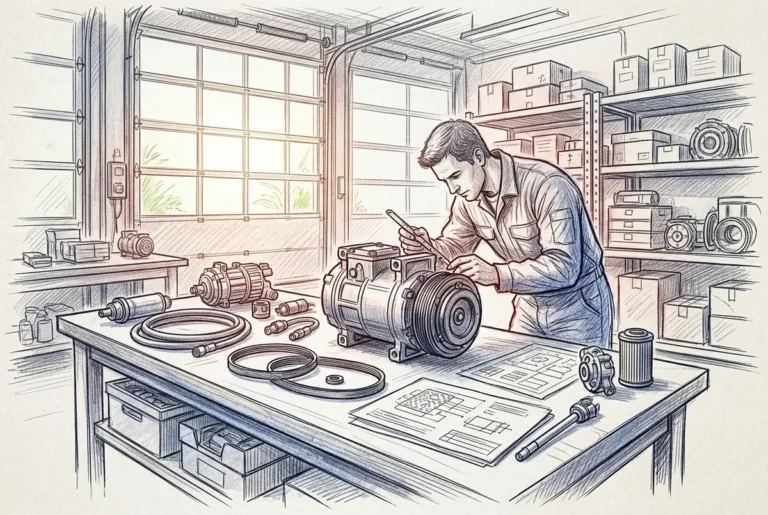
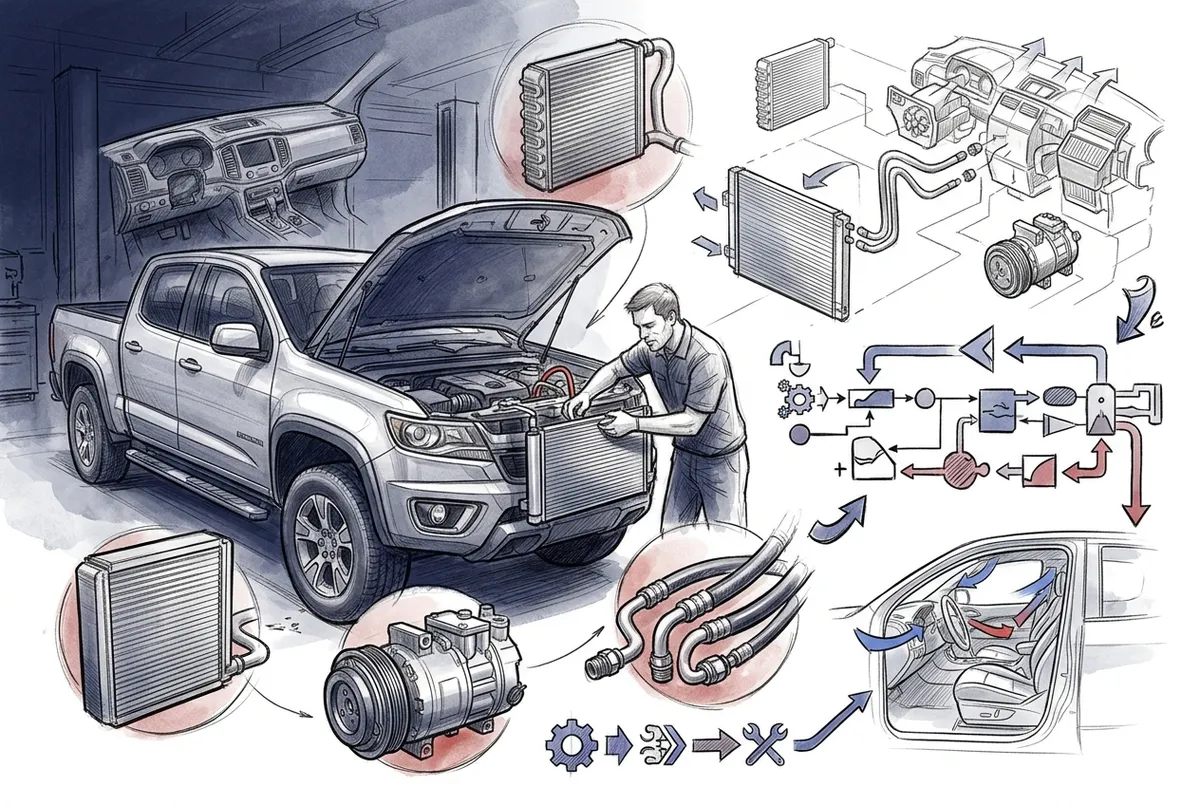
A mobile AC system upgrade isn’t just swapping one part—it’s often a combination of components that work together. Replacing them at the same time prevents future failures and makes sure the whole system performs as designed.
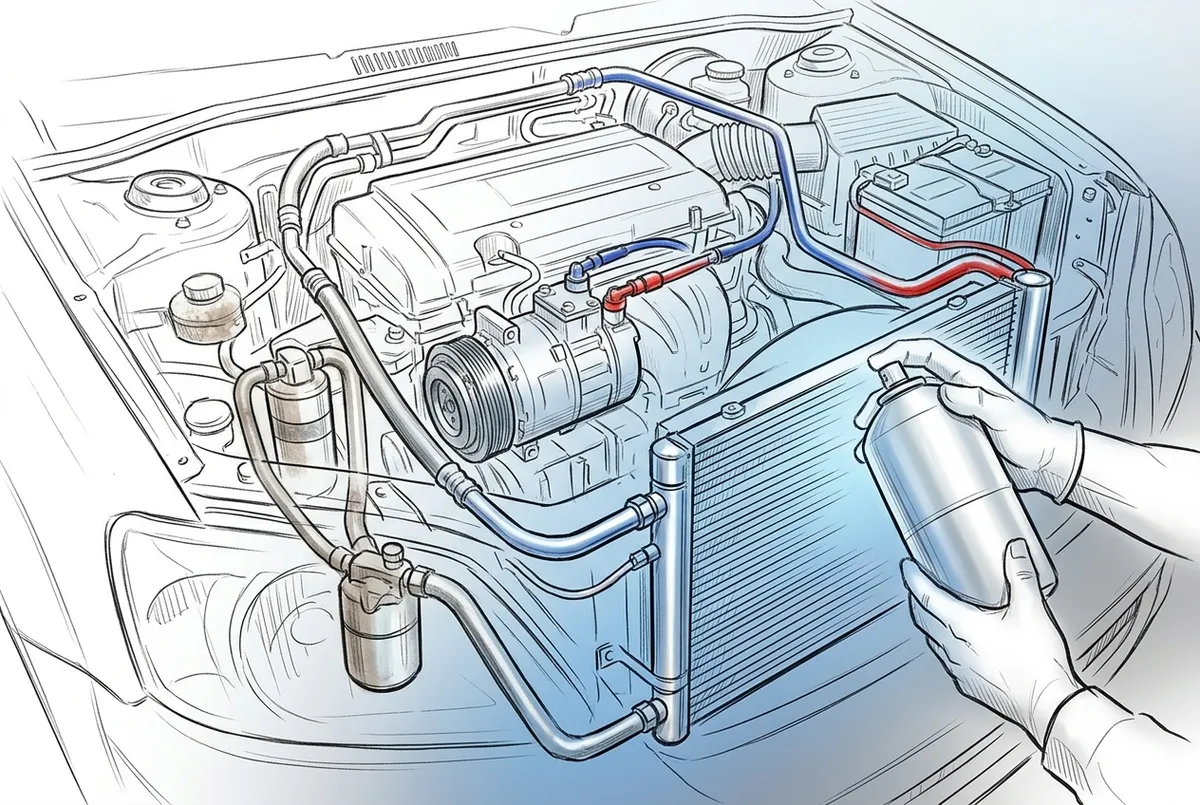
Here are the parts most commonly addressed during a full mobile AC system upgrade:
- Compressor: This is the heart of the system. An old or worn compressor reduces cooling capacity significantly.
- Condenser: A higher-capacity condenser improves heat rejection and overall system efficiency.
- Receiver-Drier or Accumulator: These components absorb moisture and filter debris. They should always be replaced when other major parts are changed.
- Expansion Device: The orifice tube or thermal expansion valve controls refrigerant flow. Upgrading this can improve performance.
- Hoses and Lines: Old, cracked, or undersized hoses are a common source of leaks. New hoses ensure a sealed, efficient system.
- Service Valves and Fittings: Upgrading these makes future service easier and helps prevent refrigerant loss.
Want to learn more about individual parts? Check out 6 A/C parts every vehicle owner should know in 2026 for a helpful overview. You can also browse available A/C parts to see what’s in stock.
Refrigerant Compatibility and Upgrades
Refrigerant is one of the biggest factors in any mobile AC system upgrade. Older vehicles may use R-134a, while newer models often require HFO-1234yf. These refrigerants are not interchangeable, and using the wrong one can damage your system or create legal compliance issues.
When upgrading, technicians must match the refrigerant to the system’s design, seals, and oils. This is especially important in fleet and commercial applications where regulatory compliance matters. To understand the differences involved, take a look at 12 things to know about R-134a to 1234yf conversion.
Marks Air is a member of the Mobile Air Climate Systems Association (MACS), which means they stay current with the latest refrigerant standards, training, and best practices in the mobile A/C industry.
Mobile AC Upgrade Options by Vehicle Type
Different vehicles have different needs when it comes to mobile AC system upgrades. Here’s a quick comparison to help you understand what’s typically involved:
| Vehicle Type | Common Upgrade Focus | Key Benefit |
|---|---|---|
| Cars & Trucks | Compressor, condenser, refrigerant retrofit | Improved cabin cooling and fuel efficiency |
| Buses & Transit Vehicles | High-capacity systems, electric compressors | Passenger comfort and regulatory compliance |
| RVs & Specialty Vehicles | Full system replacement, custom installations | Reliable cooling during long trips or camping |
| Heavy Equipment | Durable components, sealed systems | Reduced operator fatigue and equipment downtime |
| Fleet Vehicles | Standardized upgrades across multiple units | Lower maintenance costs and consistent performance |
If you manage a fleet and want to reduce costs, these fleet vehicle AC repair tips are worth reading. For truck drivers specifically, custom AC systems for trucks can be a game-changer on long hauls.
The Upgrade Process: Step by Step
A proper mobile AC system upgrade follows a clear, careful process. Skipping steps can lead to poor performance, refrigerant leaks, or system damage. Here’s what a quality upgrade looks like from start to finish:
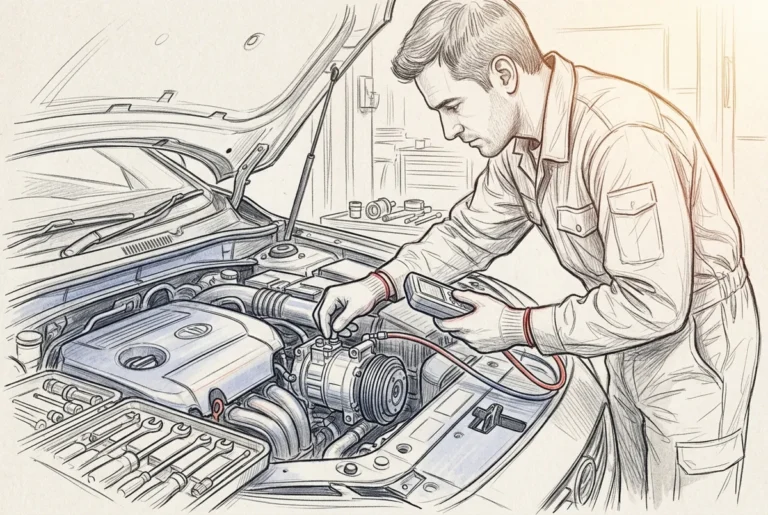
- System Diagnosis: A technician inspects the entire A/C system to identify failing or underperforming components.
- Refrigerant Recovery: All existing refrigerant is safely recovered using certified equipment before any work begins.
- Component Replacement: Worn parts are removed and replaced with quality upgrade components suited to your vehicle type.
- Leak Testing: The system is pressure-tested to confirm all connections and fittings are sealed properly.
- Vacuum Evacuation: A deep vacuum removes moisture and air from the system before charging.
- Refrigerant Charge by Weight: The correct refrigerant amount is charged precisely by weight—not by pressure guessing.
- Performance Verification: Vent temperatures, pressures, and airflow are measured to confirm the system is working as intended.
This process requires proper training and certified equipment. That’s why working with an experienced shop matters so much. You can learn more about technician credentials and best practices on the Marks Air training page.
Do Mobile AC Upgrades Actually Improve Performance and Efficiency?
Yes—when done correctly, mobile AC system upgrades make a real difference. A worn compressor may only deliver a fraction of its original cooling capacity. A clogged condenser can cause the system to work harder, which puts strain on the engine and increases fuel use. Replacing these components with properly sized, high-quality parts restores the system to peak performance.
In fleet and commercial settings, this also translates to reduced downtime and better operator comfort—both of which have real business value. If you’re curious about preventive vs. reactive fleet AC maintenance, you’ll find that proactive upgrades almost always win in the long run.
How Much Do Mobile AC System Upgrades Cost?
Costs vary depending on the vehicle type, the number of components replaced, and the refrigerant involved. Here’s a general breakdown to help set expectations:
| Upgrade Scope | Typical Cost Range | Notes |
|---|---|---|
| Compressor replacement only | $400 – $900+ | Varies by vehicle and compressor type |
| Compressor + condenser + drier | $700 – $1,500+ | Recommended to replace together |
| Full system upgrade | $1,200 – $3,000+ | Includes all major components and refrigerant |
| Custom or heavy equipment systems | $2,000 – $5,000+ | Depends on equipment and system complexity |
For a more detailed look at pricing, visit how much auto AC repair costs in 2026. Getting a proper diagnosis first is the best way to avoid paying for more than you need.
Why Technician Training and Proper Equipment Matter
Modern mobile A/C systems are more complex than ever. Many newer vehicles use electric compressors, advanced sensors, and sophisticated thermal management systems. Working on these requires technicians who are trained and certified.
At Marks Air, technicians are trained in EPA 609 certification, HFO-1234yf handling, and MVAC best practices. The shop also offers mobile HVAC training in Tampa for those looking to build or sharpen their own skills. Having the right knowledge and equipment ensures upgrades are done safely and correctly—every time.
Why Marks Air Is Tampa’s Go-To for Mobile AC Upgrades
Since 1971, Marks Air has been Tampa’s trusted specialist for vehicle and equipment air conditioning. As a family-owned, woman-owned business, they bring decades of hands-on experience and genuine care to every job. They stock a full line of A/C parts—including their KOOL-TEMP line and brands like SPAL, ACT, and gpd—so upgrades can often be completed quickly without waiting on parts orders.
Whether you drive a personal car, manage a fleet, or operate heavy construction equipment, Marks Air has the tools, parts, and expertise to handle your mobile AC system upgrade the right way. Visit Marks Air on Google to read reviews from real Tampa customers and see why so many locals trust them for their A/C needs. You can also check out their Yelp page for additional customer feedback.
Stay connected with the latest tips and updates by following them on Facebook and Instagram.
Make Your Move Toward Better Cooling
Mobile AC system upgrades aren’t just about comfort—they’re about reliability, efficiency, and getting more life out of your vehicle or equipment. Whether you’re a car owner sweating through Tampa summers, a fleet manager trying to cut downtime, or an RV enthusiast planning your next adventure, a properly upgraded A/C system makes every mile better.
Don’t wait for a full breakdown before taking action. If your system is struggling, let the experts take a look. Schedule your A/C service appointment with Marks Air today, or give them a call at 813-988-1671 to talk through what your vehicle needs. Cool, comfortable driving is closer than you think.
FAQs
Q: What does a mobile AC system upgrade actually include?
A: Great question! A mobile AC system upgrade typically involves replacing key components like the compressor, condenser, receiver-drier, expansion device, and hoses—all at once. It also includes refrigerant recovery, vacuum evacuation, and a proper refrigerant charge by weight to make sure everything performs at its best.
Q: Can an older vehicle’s AC system be converted to a newer refrigerant?
A: Yes, it can—but it needs to be done carefully! Refrigerant conversions (like R-134a to HFO-1234yf) require matching the refrigerant to the system’s oils, seals, and design. A certified technician can assess your vehicle and handle the conversion safely and legally.
Q: When should I repair my mobile AC system versus upgrading it?
A: If the issue is minor—like a small leak or a clogged filter—a repair is usually enough. But if your compressor has failed, the system is very old, or you’ve had repeated problems, an upgrade is often the smarter long-term investment. A professional diagnostic will help you figure out the best path forward.
Q: Do mobile AC upgrades improve fuel efficiency?
A: They can! A worn compressor or inefficient condenser forces the engine to work harder, which burns more fuel. Upgrading to properly sized, high-quality components reduces that strain and can help restore better fuel economy. It’s a win for your wallet and your comfort!
Q: How long does a mobile AC system upgrade take?
A: It depends on the vehicle and the scope of the upgrade, but many jobs can be completed in a single day at a well-equipped shop. Complex or custom installations—like those for heavy equipment or buses—may take longer. Calling ahead for a diagnostic appointment is the best way to get an accurate time estimate.