Key Takeaways
-
Preventive maintenance accounts for 32.51% of fleet maintenance revenue in 2024 and prevents costly emergency repairs by catching AC issues early through regular inspections and refrigerant checks.
-
Fleet vehicles average 12+ years old and require frequent AC servicing; warm air from vents, strange noises, and intermittent cooling are critical warning signs requiring immediate professional attention.
-
Modern AC diagnostics growing at 18% annually can detect refrigerant leaks and electrical faults early; use professional-grade equipment at regular intervals and keep vehicle records to predict component failures.
-
Choose specialized AC service providers with broad experience across vehicle types, quality parts inventory, and industry certifications rather than general mechanics for faster turnaround and expertise.
-
Preventive AC maintenance costs significantly less than reactive repairs—a scheduled inspection prevents expensive compressor failures and extended vehicle downtime that impacts fleet productivity.
-
Different fleet types need tailored AC strategies: delivery vans need compressor stress checks, long-haul trucks require safety-critical AC reliability, and buses must meet regulatory compliance standards.
Running a fleet of vehicles in Tampa is no small task. You have drivers to manage, schedules to keep, and customers depending on you. The last thing you need is a broken AC system sidelining one of your vehicles on a sweltering Florida afternoon. AC repair in Tampa is critically important, especially when your livelihood depends on keeping vehicles on the road. Fleet vehicle AC repair isn’t just about comfort — it’s about productivity, driver safety, and your bottom line.
The good news? You don’t have to let AC problems sneak up on you. With a little planning and the right service partner, you can keep your entire fleet cool and running smoothly. Whether you manage delivery vans, service trucks, buses, or heavy equipment, these four practical tips will help you stay ahead of costly breakdowns. Let’s dive in!
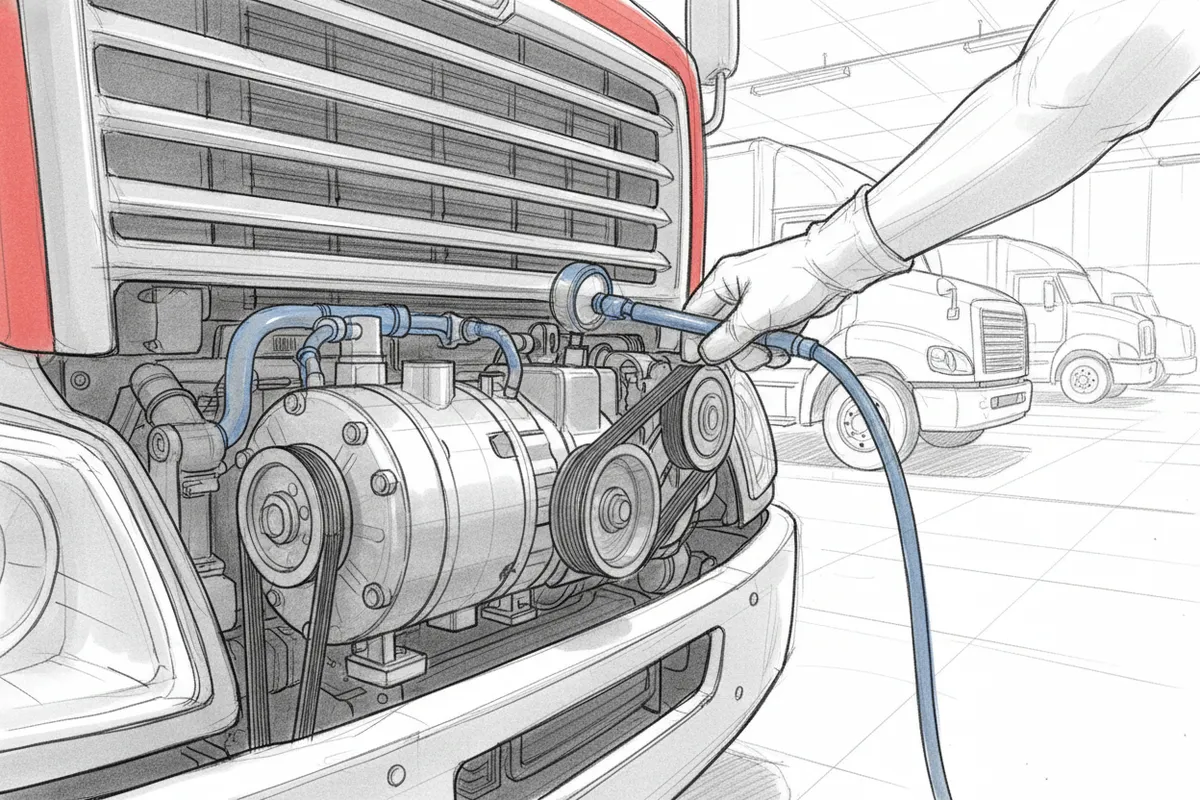
Why Fleet Vehicle AC Repair Deserves Your Attention
The numbers tell a compelling story. The U.S. automotive HVAC market is projected to grow from $8.98 billion in 2024 to $17.87 billion by 2032, growing at a 9.0% annual rate. That kind of growth reflects how seriously fleet operators now take climate control systems. Drivers in extreme heat face real fatigue and safety risks, which means a broken AC isn’t just uncomfortable — it can lead to accidents and lost productivity.
Fleet vehicles also tend to age significantly. The average fleet vehicle is about 12 years old, with some running for 15 years or more. Older vehicles need more frequent AC servicing and refrigerant maintenance. Ignoring your fleet’s AC systems is a recipe for expensive emergency repairs down the road. Auto AC repair has never been more important than it is right now, and fleet managers are wise to prioritize it.
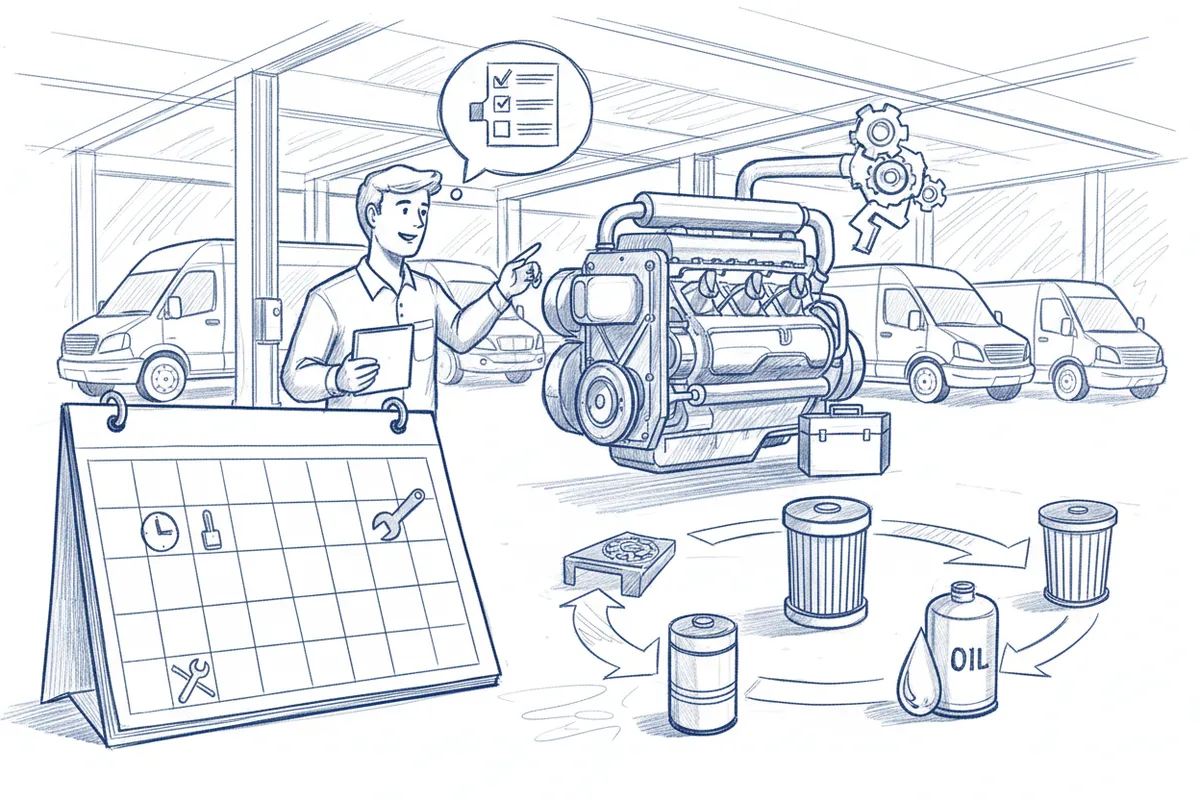
Tip 1: Build a Preventive Maintenance Schedule
Preventive maintenance is the single biggest thing you can do to protect your fleet’s AC systems. In 2024, preventive maintenance packages accounted for 32.51% of all fleet maintenance revenue — a clear sign that smart fleet managers are investing in regular inspections before problems arise.
A solid preventive maintenance plan for fleet vehicle AC repair should include:
- Regular AC system inspections at set mileage or time intervals
- Refrigerant level checks and recharging when needed
- Inspection of belts, hoses, and compressor components
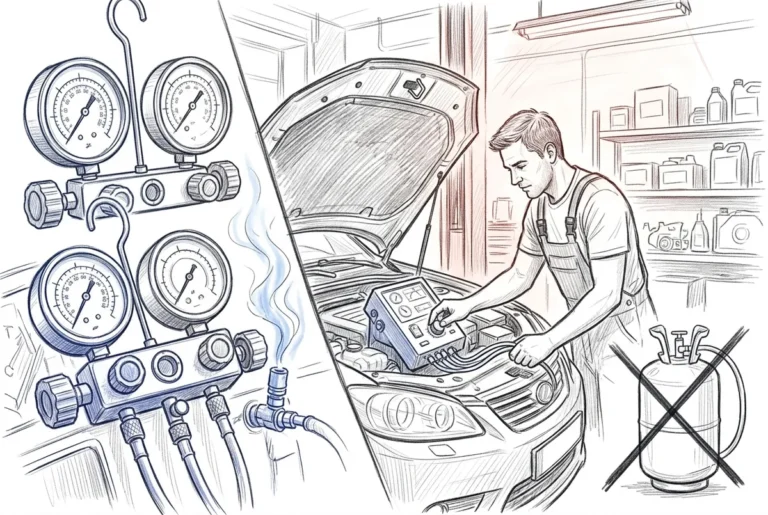
- Leak detection using professional-grade diagnostic tools
- Cabin filter replacements to maintain airflow efficiency
- Condenser and evaporator coil cleaning
Setting up a consistent schedule means problems get caught early, when repairs are simpler and cheaper. These AC maintenance tips apply directly to fleet operations and can save you thousands over time. Think of it like changing the oil — you wouldn’t skip that for a whole fleet, right?
When you bring your fleet vehicles in for routine checks, a specialist can spot worn components before they fail completely. This is especially important for deciding whether AC repair or replacement makes the most financial sense for each vehicle in your fleet.
Tip 2: Know the Most Common AC Problems in Fleet Vehicles
Fleet vehicles take a beating. High mileage, constant use, and exposure to Florida’s heat and humidity all add up. Knowing what to watch for helps you act fast and avoid bigger repair bills.
Here are the most common AC issues in aging fleet vehicles:
- Refrigerant leaks — Hoses and seals degrade over time, causing refrigerant loss and weak cooling.
- Compressor failure — The compressor works hard in hot climates and can wear out, especially in high-mileage vehicles.
- Clogged condensers — Dirt and debris block airflow, reducing cooling efficiency significantly.
- Electrical issues — Wiring problems can disable the AC system entirely, sometimes without warning.
- Blower motor failures — A failing blower motor means air can’t circulate through the cabin even if the system is charged.
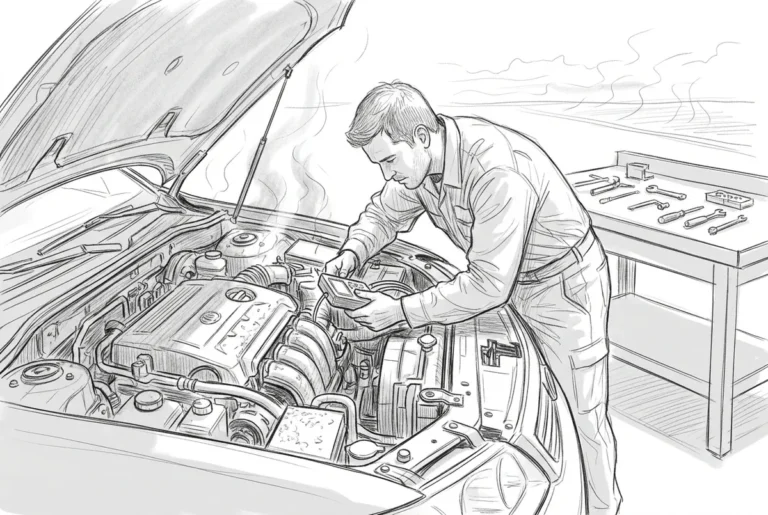
If your drivers report warm air blowing from vents, strange noises, or AC that cycles on and off, take it seriously. Warm air from your AC vents is one of the clearest warning signs that something needs attention right away. Catching these issues early keeps repair costs manageable. The team at Marks Air has been diagnosing and fixing exactly these kinds of problems for Tampa fleets since 1971.
Here’s a quick reference table for common fleet AC symptoms and what they typically mean:
| Symptom | Likely Cause | Urgency Level |
|---|---|---|
| Warm air from vents | Low refrigerant or compressor issue | High |
| Strange noises when AC runs | Compressor or belt problem | High |
| AC works intermittently | Electrical fault or thermostat issue | Medium |
| Weak airflow | Clogged filter or failing blower motor | Medium |
| Musty smell from vents | Mold or bacteria on evaporator coil | Low-Medium |
| Water leaking inside cabin | Blocked condensate drain | Low |
Tip 3: Use Diagnostics to Get Ahead of Failures
Modern AC diagnostics have changed the game for fleet vehicle AC repair. Advanced tools can detect refrigerant leaks, identify electrical faults, and pinpoint component failures faster than ever before. The automotive predictive maintenance market is growing at 18% annually and is expected to reach $100 billion by 2032 — and for good reason. Catching problems before they cause breakdowns is just smart business.
Here’s how to use diagnostics effectively for your fleet:
- Schedule diagnostic scans at regular service intervals, not just when problems arise.
- Encourage drivers to report issues immediately — don’t let small problems become big ones.
- Keep records for every vehicle so you can spot patterns and predict when AC components will need attention.
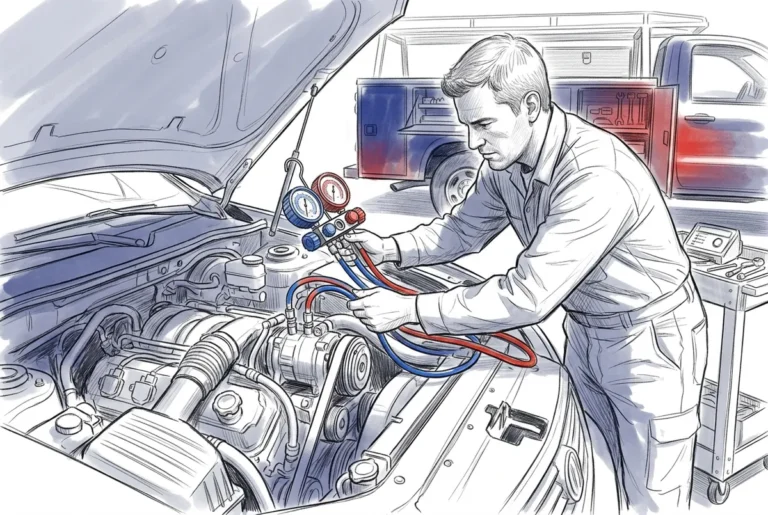
- Work with a specialist who has professional-grade AC diagnostic equipment for accurate results.
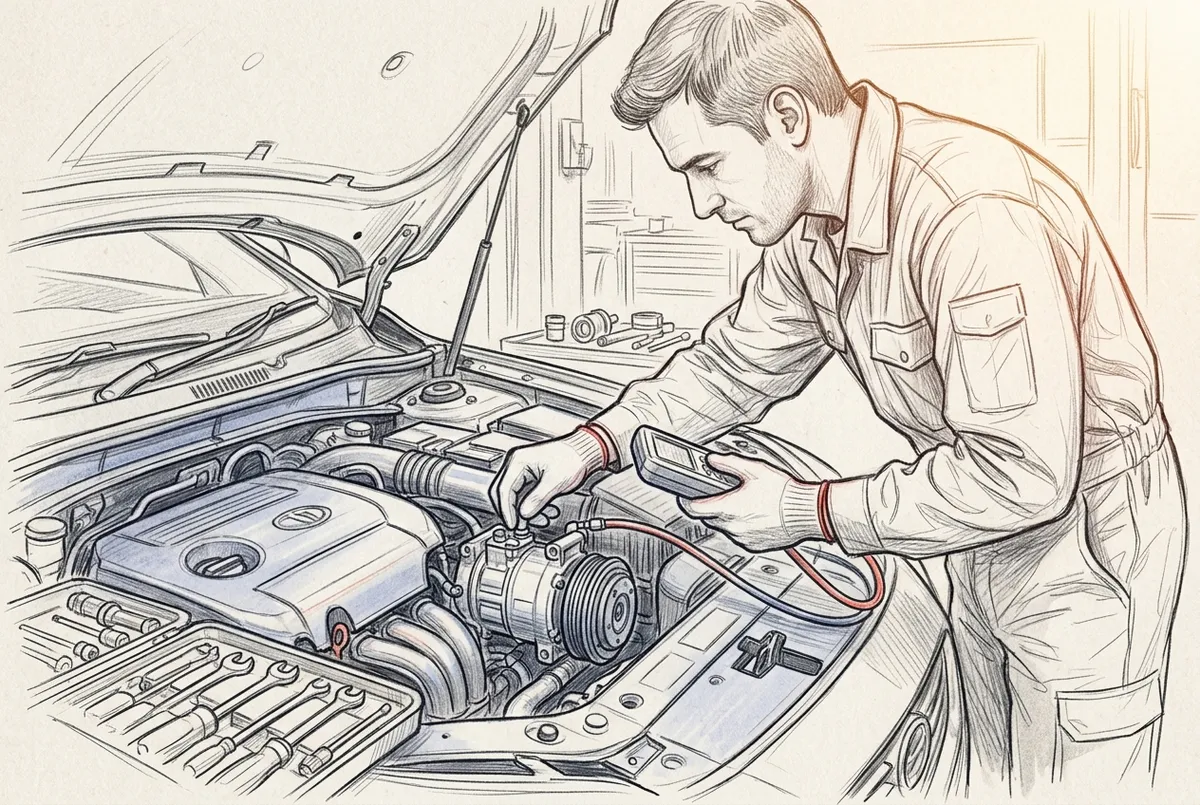
Professional diagnostics are especially valuable for older vehicles in your fleet. A thorough AC diagnostic check helps you make informed decisions about repairs versus replacements, saving money in the long run. You can also explore the full range of AC services available for fleet vehicles, from diagnostics to full system installations.
Marks Air uses professional diagnostic equipment to evaluate AC systems quickly and accurately. With over five decades of experience specializing exclusively in vehicle AC systems, the team knows exactly what to look for — and what to do about it. You can see what Tampa fleet customers are saying by checking out Marks Air reviews on Yelp.
Tip 4: Choose the Right Parts and Service Partner
Not all AC parts are created equal, and not all shops have the expertise to handle fleet-scale AC repair. For fleet vehicle AC repair, you need two things: quality parts and a service partner with real AC expertise.
When choosing parts and a service provider, look for these qualities:
- A shop that specializes in vehicle AC systems, not a general mechanic
- Access to a wide inventory of parts so your vehicles aren’t waiting days for components
- Experience working on multiple vehicle types — trucks, buses, vans, and heavy equipment
- A team that stays current with industry training and certifications
- A warranty on repairs and parts for peace of mind
Outsourced fleet service providers now capture over 41% of fleet maintenance revenue — and it’s easy to see why. Specialized shops offer deeper expertise, better parts availability, and faster turnaround than most in-house maintenance teams can provide. Quality AC parts are the foundation of any lasting repair, and working with a shop that stocks the right components makes a real difference.
Marks Air stocks a comprehensive inventory of AC parts, including its own KOOL-TEMP parts line and components from trusted brands. Same-day availability on many parts means your fleet vehicles spend less time in the shop and more time on the road. The shop is also a member of the Mobile Air Climate Systems Association (MACS), which means their technicians stay aligned with the latest industry standards. You can also check out their work and updates on Marks Air’s Facebook page.
Fleet AC Costs: Preventive vs. Reactive Maintenance
One of the most common questions fleet managers ask is: does preventive maintenance actually save money? The short answer is yes — significantly. Here’s a simple comparison to illustrate the difference:
| Maintenance Type | Typical Scenario | Average Cost Impact | Downtime Risk |
|---|---|---|---|
| Preventive AC Service | Scheduled inspection and refrigerant check | Lower — catches issues early | Minimal — planned service |
| Reactive AC Repair | Emergency compressor replacement after failure | Higher — major component failure | Significant — unplanned breakdown |
| Full System Replacement | Neglected system with multiple failed parts | Highest — full system cost | Extended — vehicle off the road |
If you’re curious about what AC repairs typically cost for individual vehicles or fleet-scale work, this breakdown of auto AC repair costs in 2026 gives you a clear picture of what to expect. Avoiding common AC repair mistakes is another easy way to keep costs under control across your fleet.
Special Considerations for Different Fleet Types
Not every fleet is the same, and AC repair needs can vary quite a bit depending on what types of vehicles you operate. Here’s a quick overview:
- Delivery and service vans: High stop-and-go use puts stress on AC compressors. Regular checks are essential.
- Heavy trucks and long-haul vehicles: Driver comfort is a safety issue on long routes. AC failures can’t wait.
- Buses and transit vehicles: Passenger comfort and regulatory compliance both depend on reliable AC systems.
- Construction and agricultural equipment: Operator cabins need reliable cooling to prevent heat-related fatigue in demanding environments.
- Electric vehicles in fleets: EV AC systems work differently than traditional vehicles and require specialized service knowledge.
Marks Air works on all of these vehicle types at its Tampa facility, making it a one-stop solution for fleet operators with diverse equipment needs. Whether you’re managing a bus company, a delivery service, or a construction firm, having one trusted AC specialist handle your entire fleet simplifies everything. Read what other Tampa fleet customers think about the service and expertise on offer.
Getting Started with Fleet Vehicle AC Repair in Tampa
Taking action doesn’t have to be complicated. Here’s a simple three-step process to get your fleet’s AC systems in great shape:
- Audit your fleet — List every vehicle, note its age, mileage, and last AC service date.
- Schedule a diagnostic — Bring vehicles in for professional AC inspections, starting with your oldest or highest-mileage units.
- Set up a maintenance plan — Work with your AC specialist to establish a regular service schedule for the whole fleet.
It’s really that straightforward. The hardest part is getting started, and once you have a plan in place, keeping your fleet cool becomes much more manageable. You can explore common AC questions to learn more before you book your first appointment. And if you want to follow along with tips and updates, follow Marks Air on Instagram for the latest AC advice from the Tampa team.
Ready to stop worrying about surprise AC breakdowns? Visit us on Google — Marks Air to see our location details and read what Tampa fleet customers are saying. Then take the next step and get your fleet’s AC systems the professional attention they deserve.
Keep Your Fleet Cool and Your Business Moving
Fleet vehicle AC repair doesn’t have to be a stressful, reactive scramble. With the right preventive maintenance plan, professional diagnostics, quality parts, and a trusted service partner, you can keep every vehicle in your fleet running comfortably — no matter how hot Tampa gets. Your drivers will thank you, your customers will notice the professionalism, and your bottom line will reflect the savings from fewer emergency repairs.
Marks Air has been Tampa’s trusted AC specialist since 1971, working on everything from cars and trucks to buses, RVs, and heavy equipment. The team is here to help you build a smarter approach to fleet AC maintenance — one that saves money, reduces downtime, and keeps your whole operation running smoothly.
Don’t wait for the next breakdown to take action. Schedule your fleet AC service appointment today or give the team a call at 813-988-1671 to talk through your fleet’s specific needs. Let’s keep Tampa’s fleets cool together!
FAQs
Q: How often should fleet vehicles receive AC repair and servicing?
A: Most fleet vehicles benefit from an AC inspection at least once a year, ideally before summer heat peaks. High-mileage vehicles or those operating in hot climates like Tampa may need checks every six months to stay ahead of wear and refrigerant loss.
Q: What is included in a fleet vehicle AC system inspection?
A: A thorough inspection typically covers refrigerant levels, leak detection, compressor condition, belt and hose integrity, electrical connections, blower motor function, and cabin filter condition. It’s a head-to-toe look at everything that keeps your AC blowing cold and strong.
Q: Is preventive AC maintenance really cheaper than waiting for a breakdown?
A: Absolutely! Preventive maintenance catches small issues — like a slow refrigerant leak or a worn belt — before they turn into a full compressor failure or system replacement. Planned service visits also mean less unplanned downtime, which protects your fleet’s schedule and your bottom line.
Q: Can one shop handle AC repairs for a mixed fleet of trucks, vans, and heavy equipment?
A: Yes, if you choose an AC specialist with broad experience across vehicle types. Marks Air in Tampa services cars, trucks, buses, RVs, and heavy equipment all in one location, making it easy for fleet managers to consolidate their AC service needs with a single trusted provider.
Q: What are the signs that a fleet vehicle needs urgent AC repair?
A: Watch for warm air blowing from vents, strange noises when the AC runs, AC that cycles on and off, very weak airflow, or visible refrigerant leaks under the vehicle. Any of these symptoms mean it’s time to get that vehicle in for a professional diagnostic right away.