Key Takeaways
-
EPA 609 certification is legally required for anyone servicing motor vehicle A/C systems for any form of compensation, including bartering or favors, regardless of shop size or experience level.
-
Always choose an EPA-approved training provider from the official list (ASE, MACS, ESCO, SkillCat, TEEX) because certification from unapproved sources will not be valid and waste your time and money.
-
EPA 609 covers motor vehicle A/C systems only and is completely separate from EPA 608, which covers stationary HVAC/R building systems—they cannot substitute for each other.
-
Get certified before beginning any compensated A/C work to avoid fines and legal consequences; waiting until after you start servicing systems is a risky career move.
-
Every technician who performs compensated MVAC service must hold individual EPA 609 certification—it is not transferable, so shop managers must ensure each team member completes training separately.
-
Supplement EPA 609 certification with ongoing education on modern refrigerants like HFO-1234yf and new technologies to stay competitive as the automotive A/C industry continues evolving.
If you work on vehicle air conditioning systems in Tampa — or anywhere in the U.S. — EPA 609 certification training is not optional. It is the law. Whether you are a seasoned technician or just starting out, getting certified the right way matters. But many people make avoidable mistakes during the process. These mistakes can cost time, money, and even legal trouble. This guide walks you through 13 common errors so you can sidestep them completely. From misunderstanding who needs certification to picking the wrong training provider, we have got you covered. By the end, you will know exactly what to do — and what not to do — to get your EPA Section 609 certification with confidence. Let’s dive in and make this process as smooth as possible for you!
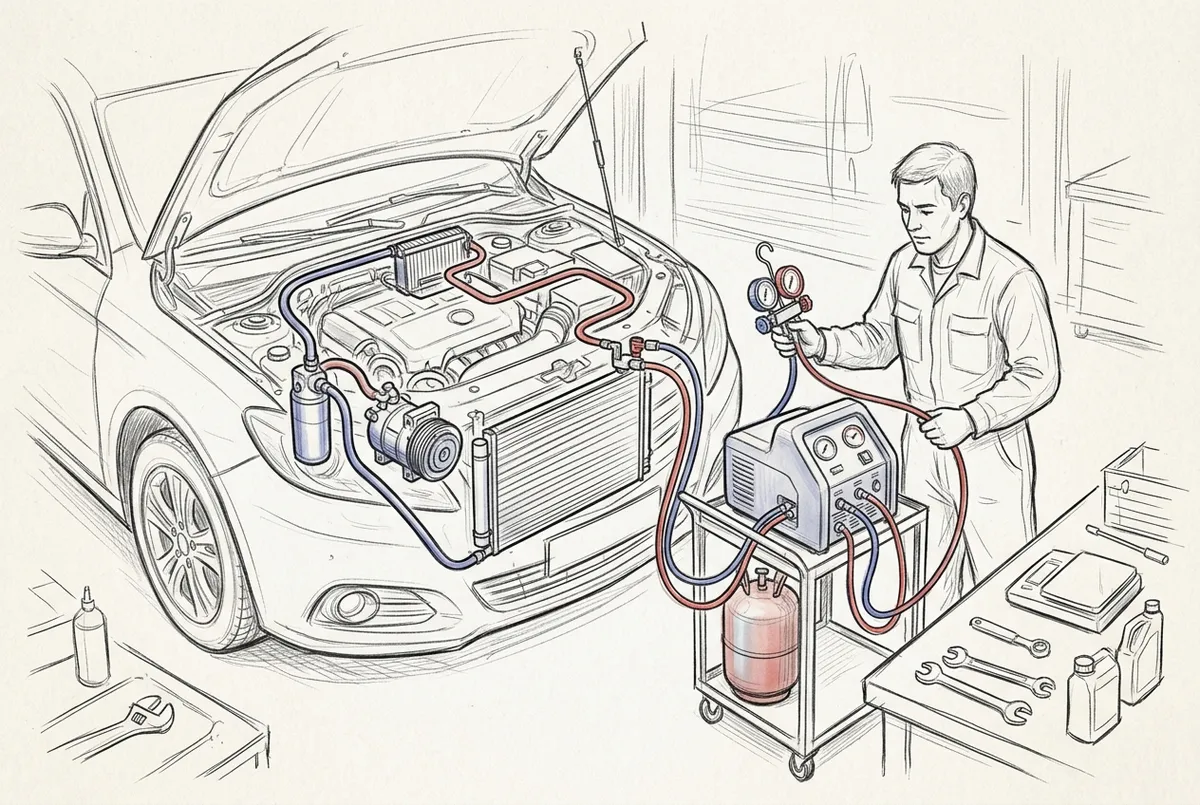
What Is EPA 609 Certification Training?
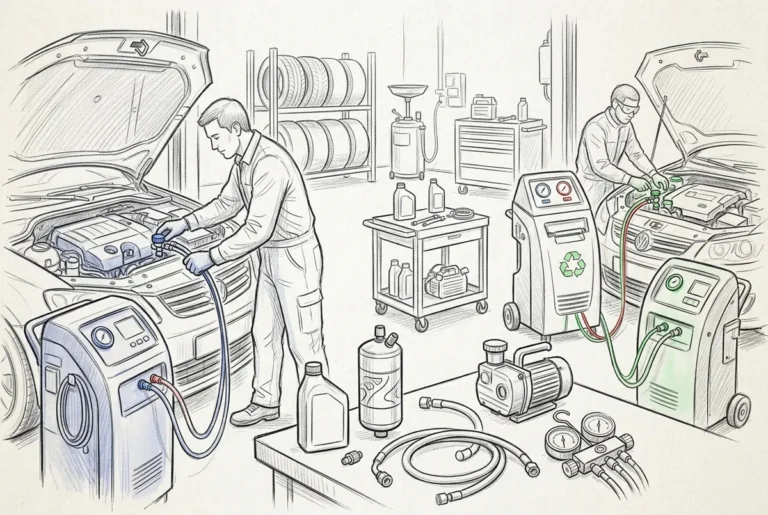
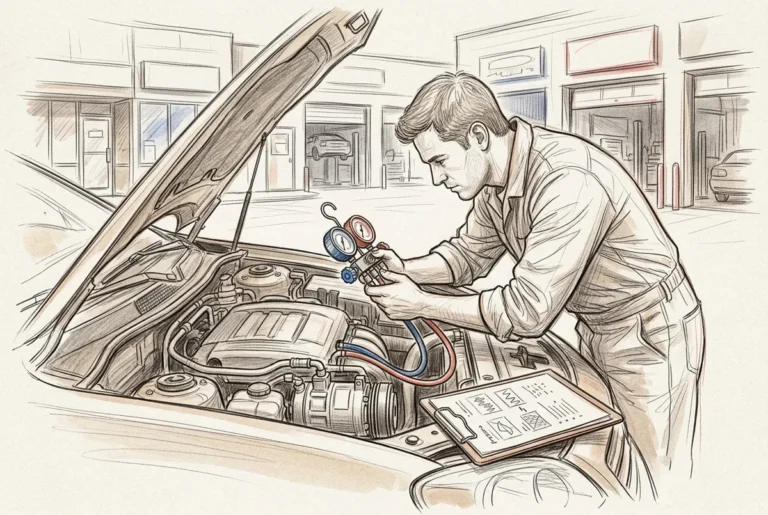
EPA Section 609 of the Clean Air Act requires anyone who services motor vehicle air conditioning (MVAC) systems for compensation to be certified. This includes payment in cash, bartering, or any other form of consideration. The certification covers refrigerant recovery, recycling, and safe handling practices. Its goal is to reduce the release of harmful refrigerants into the atmosphere. You can learn more about A/C training programs at Marks Air, including EPA 609 and other certifications designed for mobile A/C professionals.
Section 609 applies specifically to motor vehicle A/C systems. It is separate from EPA Section 608, which covers stationary HVAC/R equipment. These are two different certifications, and one does not substitute for the other. If you service car, truck, bus, or RV air conditioning systems, Section 609 is the one you need.
Mistake 1: Thinking You Do Not Need It
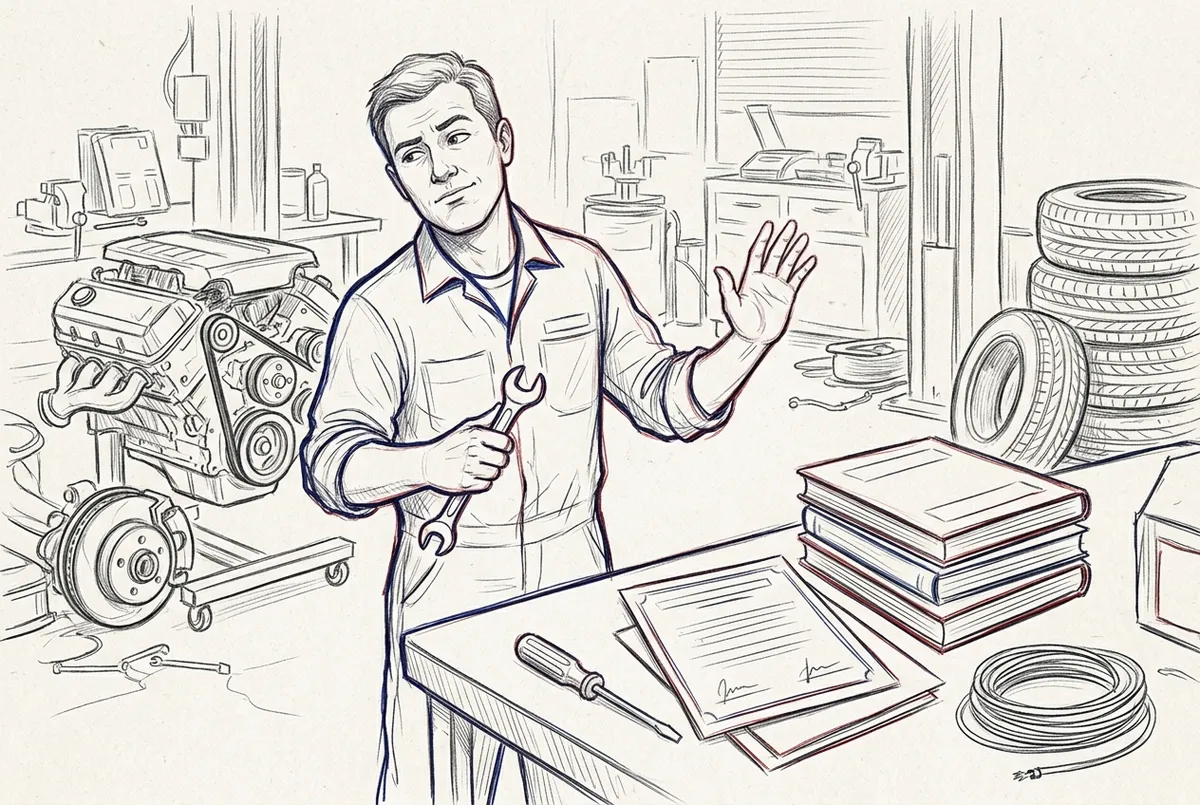
This is the most common mistake. Some technicians assume certification only applies to large shops or full-time mechanics. That is not true. If you service MVAC systems for any form of compensation — even a favor traded for services — the law requires you to be certified. A/C service professionals at every level need to take this requirement seriously.
Mistake 2: Confusing Section 609 With Section 608
Section 608 covers stationary HVAC/R systems like building air conditioners. Section 609 covers motor vehicle A/C systems only. Many beginners mix these up and think one certification covers everything. They do not. Make sure you are pursuing the correct certification for your line of work. If you are unsure, check the Marks Air FAQ page for quick answers.
Mistake 3: Choosing an Unapproved Training Provider
Not every online course or study guide counts. The EPA maintains a list of approved Section 609 training providers. These include well-known names like ASE, MACS, ESCO, SkillCat, and TEEX. Completing a program not on the EPA’s approved list means your certification will not be valid. Always verify the provider before you enroll and pay.
Marks Air is a proud member of the Mobile Air Climate Systems Association (MACS), one of the most recognized EPA 609 training and certification organizations in the industry. MACS has certified more than 600,000 technicians since 1990.
Mistake 4: Not Preparing for the Exam
The Section 609 exam is not overly difficult, but it does require preparation. For example, ASE’s exam includes 30 questions, and you need at least 24 correct answers to pass. MACS requires a passing score of 84%. Study the material seriously. Do not assume you can wing it just because you have field experience.
Key Topics Covered on the Section 609 Exam
- Refrigerant types used in motor vehicle A/C systems
- Proper refrigerant recovery and recycling procedures
- Environmental impact of refrigerant emissions
- Federal regulations under the Clean Air Act
- Safe handling and storage of refrigerants
- Equipment standards for recovery and recycling machines
Mistake 5: Waiting Until You Are Already Servicing Systems
Some technicians start working on MVAC systems and plan to get certified later. This is a risky move. Servicing systems without certification can lead to fines and legal consequences. Get certified before you begin any compensated A/C work. It is a simple step that protects your career and your customers.
Mistake 6: Assuming Certification Expires Quickly
Good news here — EPA Section 609 certification is generally treated as a lifetime certification. The EPA is not currently requiring routine recertification. However, this does not mean you should stop learning. Refrigerant technology evolves, and staying current matters. For example, the shift from R-134a to newer refrigerants like HFO-1234yf is something every technician should understand. You can read more about what you need to know about R-134a to 1234yf conversion to stay ahead of the curve.
Mistake 7: Skipping Training on Modern Refrigerants
The automotive A/C world has changed a lot in recent years. Newer vehicles use HFO-1234yf instead of the older R-134a refrigerant. Your Section 609 training may not fully cover these newer systems. Consider supplementing your EPA 609 certification with additional specialized A/C training that covers HFO-1234yf handling and equipment. This keeps your skills sharp and your service offerings competitive.
Mistake 8: Not Keeping Your Certification Records
Once you pass your exam, keep your certification documentation safe. Some employers and refrigerant suppliers may ask for proof. Losing your records can cause unnecessary headaches. Store a digital copy and a physical copy in a secure location. Many approved providers will reissue documentation, but it is easier to just keep it organized from the start.
Mistake 9: Thinking Online Training Is Not Legitimate
Many technicians assume in-person training is the only valid option. That is not the case. Several EPA-approved Section 609 programs are fully online, including options through SkillCat, MACS, and others. Online programs offer flexibility for busy technicians without sacrificing quality or validity. Just make sure the online provider is on the EPA’s current approved list.
Mistake 10: Overlooking Refrigerant Purchase Rules
Certified technicians may be eligible to purchase certain automotive refrigerants that are restricted to uncertified individuals. However, rules and product-size restrictions apply and can change. Do not assume your certification automatically grants access to all refrigerant products. Always check current EPA guidelines and retailer requirements before purchasing. This is an area where staying informed saves you frustration at the counter.
Comparison of Top EPA-Approved Section 609 Training Providers
| Provider | Format | Exam Questions | Passing Score |
|---|---|---|---|
| ASE | Online | 30 questions | 24 correct (80%) |
| MACS | Online | Not published | 84% |
| ESCO Institute | Online / In-person | Varies | Varies |
| SkillCat | Online (mobile-friendly) | Varies | Varies |
| TEEX | Online | Varies | Varies |
Mistake 11: Ignoring How Certification Affects Your Whole Team
If you run a shop or manage a fleet, every technician who services MVAC systems for compensation must be individually certified. Certification is not transferable. One certified person on your team does not cover the rest. This is especially important for fleet vehicle operators who have multiple technicians performing A/C maintenance. Each person must hold their own valid Section 609 certification.
Steps to Get Your Whole Team Certified
- Identify all team members who perform compensated MVAC service.
- Choose an EPA-approved Section 609 training provider.
- Schedule training sessions (online options make group scheduling easier).
- Ensure everyone passes the required exam and receives documentation.
- Keep records of each team member’s certification on file.
Mistake 12: Not Connecting Training to Real-World Service Skills
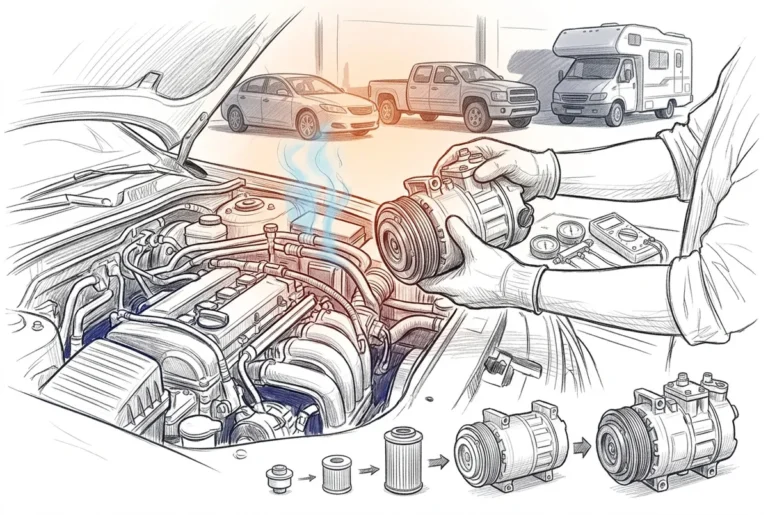
Passing the exam is the first step, not the last. Certification confirms you understand the rules. But hands-on experience with actual MVAC systems is what makes a great technician. Combine your EPA 609 training with real-world practice on quality A/C parts and components. The more you work with recovery equipment, refrigerant lines, and compressors, the better your results for customers.
If you are in the Tampa area and want to build on your certification with expert guidance, consider reaching out to Marks Air. With more than 50 years of focused experience on mobile A/C systems, the team understands what it takes to go from certified on paper to skilled in the shop. You can also read Marks Air reviews on Yelp to see what other technicians and vehicle owners say about the training and services offered.
Mistake 13: Not Taking Ongoing Education Seriously
The automotive A/C industry keeps evolving. Electric vehicles, new refrigerant blends, and updated EPA regulations mean the landscape will keep changing. Your Section 609 certification is your foundation, but ongoing education is what keeps you competitive. Explore resources like why auto A/C repair is more important than ever in 2026 and stay connected with industry updates through associations like MACS.
Benefits of Ongoing A/C Education After Certification
- Stay current with new refrigerants and handling procedures
- Build customer trust with up-to-date technical knowledge
- Reduce costly repair errors on modern vehicles
- Expand service offerings for EVs and hybrid vehicles
- Meet evolving employer and insurance requirements
Quick Reference: What Section 609 Certification Covers
| Category | Details |
|---|---|
| Who it covers | Anyone servicing MVAC systems for compensation |
| What it covers | Motor vehicle A/C systems only (not stationary HVAC/R) |
| Legal basis | Section 609 of the Clean Air Act |
| Certification duration | Lifetime (no routine recertification currently required) |
| Approved providers | ASE, MACS, ESCO, SkillCat, TEEX, and others on the EPA list |
| Main focus areas | Refrigerant recovery, recycling, handling, and environmental protection |
Summary: The Right Way to Approach EPA 609 Certification
Getting your EPA 609 certification training right the first time is straightforward when you know the rules. Choose an EPA-approved provider, prepare for the exam, and keep your documentation safe. Make sure every compensated technician on your team is individually certified. Do not stop learning after you pass — new refrigerants and regulations will keep coming.
For technicians and shop owners in the Tampa Bay area, Marks Air’s training programs offer a trusted local resource for EPA 609 and beyond. The team also follows industry developments closely as a MACS member, which means their training reflects the latest standards. You can connect with Marks Air on Facebook for updates on training schedules and new service offerings. And if you want to check their location and read customer feedback, visit Marks Air on Google to get directions and see what satisfied customers are saying.
Whether you are a solo technician, a fleet manager, or a shop owner building a team, EPA 609 certification is your essential first step. Do it right, avoid these 13 mistakes, and you will be well on your way to a compliant, professional, and successful mobile A/C career.
Ready to take the next step? Reach out to schedule your training or service appointment with the Marks Air team today, or give us a ring at 813-988-1671 — we would love to help you move forward with confidence!
FAQs
Q: What is EPA 609 certification training, and do I really need it?
A: EPA Section 609 certification training is a federally required program for anyone who services motor vehicle air conditioning systems for compensation under the Clean Air Act. Yes, you really do need it — skipping it can result in fines and legal trouble. The good news is it is straightforward to complete through an EPA-approved provider!
Q: How is EPA 609 different from EPA 608 certification?
A: Great question! EPA 608 covers stationary HVAC/R systems like building air conditioners, while EPA 609 is specifically for motor vehicle A/C systems. If you work on cars, trucks, buses, or RVs, Section 609 is the certification you need — and one does not substitute for the other.
Q: Does EPA 609 certification ever expire?
A: The good news is that EPA Section 609 certification is currently treated as a lifetime certification — no routine recertification is required at this time. That said, we always encourage technicians to keep learning, especially as new refrigerants and updated regulations continue to roll out in the industry.
Q: Can I complete EPA 609 certification training online?
A: Absolutely! Several EPA-approved Section 609 training programs are available fully online, including options through MACS, SkillCat, ASE, and others. Just make sure the provider you choose is on the EPA’s official approved list before you enroll and pay — that one step makes all the difference.
Q: Which refrigerants does EPA 609 training cover?
A: EPA 609 training covers refrigerants used in motor vehicle A/C systems, including R-134a and increasingly HFO-1234yf, which is now standard in many newer vehicles. The training focuses on proper recovery, recycling, and safe handling to protect the ozone layer and reduce greenhouse gas emissions — all super important stuff for modern auto A/C work!