Key Takeaways
-
Always start blower motor diagnosis by checking the fuse and relay first, as a blown fuse is one of the most common causes and costs nothing but a few minutes to inspect.
-
If your blower only works on high speed but not low or medium, a failed blower motor resistor or control module is likely the culprit—this is cheaper to replace than the full motor.
-
Use a multimeter to test for 12 volts DC power and proper ground at the blower motor connector before replacing any parts; this diagnostic step prevents unnecessary component replacements.
-
Debris wrapped around the blower wheel from leaves, dust, and pine needles is a surprisingly frequent cause of motor failure; clean the blower housing and replace cabin air filters to prevent premature burnout.
-
Corroded connector pins and chafed wiring harnesses can cause intermittent blower operation and mask a perfectly good motor; inspect and clean electrical connections before diagnosing motor failure.
-
A failed blower motor delivers no air through vents even when the AC refrigerant system works perfectly, so always check blower function before assuming the problem is a refrigerant leak.
Your truck’s AC blower motor is one of those parts you never think about — until it stops working. Then suddenly, you’re sweating through your shirt on a Tampa highway with no airflow coming from the vents. Not fun. Whether you’re a long-haul driver, a fleet manager, or someone who relies on their truck every day, a broken blower motor can make every trip miserable. The good news? Many blower motor problems are straightforward to diagnose and fix when you know what to look for. In this guide, we’ll walk you through 6 proven truck AC blower motor repair fixes that actually work, so you can get back to cool, comfortable driving as quickly as possible.
What Does the Blower Motor Actually Do?
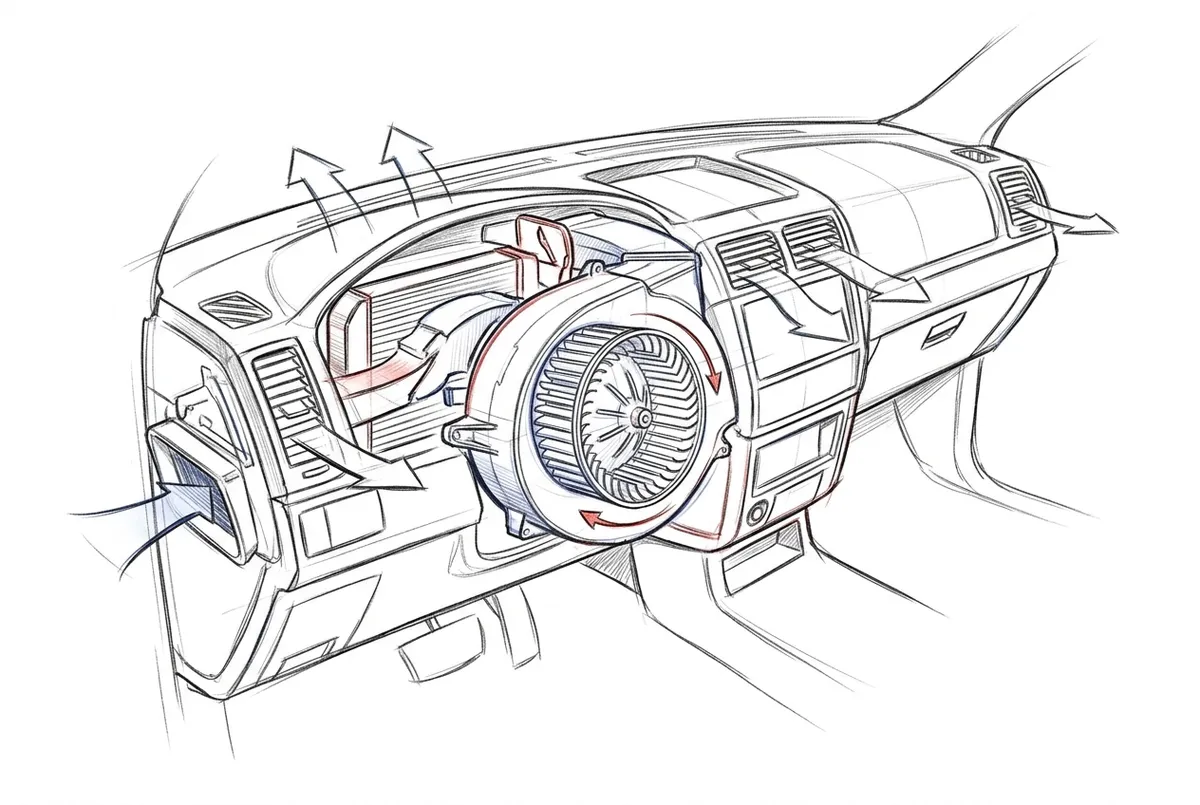
Before we dive into fixes, let’s quickly cover the basics. The blower motor is essentially the fan inside your truck’s HVAC system. It pushes air across the evaporator core and forces that cooled (or heated) air through your dashboard vents and into the cab. Without it, even a perfectly charged AC system won’t deliver any airflow to you. Think of it as the heart that pumps air through your truck’s cabin — if it stops, everything else is just sitting there doing nothing. Understanding this helps you appreciate why professional AC services treat the blower motor as a critical component worth inspecting at every diagnostic visit.
Common Symptoms of a Failing Truck AC Blower Motor
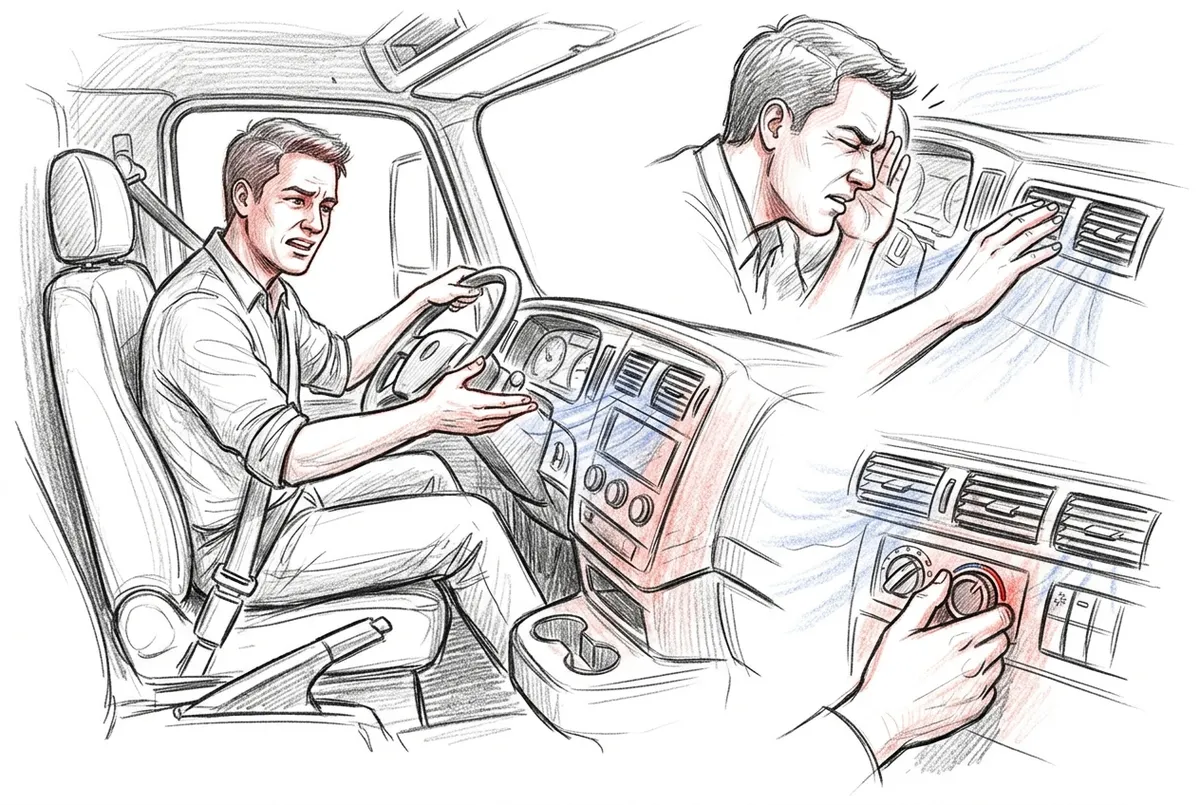
Knowing what to watch for can save you time and money. Here are the most common signs that your truck’s blower motor needs attention:
- No airflow at all from any vent, even when the AC is running
- Airflow only works on certain fan speeds (commonly only on high)
- Weak or reduced airflow even at maximum fan setting
- Squealing, rattling, or grinding noises when the blower runs
- Intermittent operation — the fan cuts in and out randomly
- A burning smell coming from the vents when the blower runs
- The motor only works after tapping or jarring the dashboard
If you’re experiencing any of these symptoms, don’t ignore them. They tend to get worse over time, and some can point to electrical issues that go beyond just the motor itself. You can also check out 10 reasons your AC is blowing warm air for a broader look at airflow problems in vehicles.
6 Truck AC Blower Motor Repair Fixes That Actually Work
Fix 1: Check the Fuse and Relay First
Before anything else, always start with the simplest possible cause. A blown fuse is one of the most common reasons a blower motor suddenly stops working. Your truck’s fuse box (usually in the cab or under the hood) will have a dedicated fuse for the blower circuit. Pull it out and inspect it visually, or use a test light to confirm it’s good.
The blower relay is equally worth checking. A faulty relay can cut power to the motor intermittently or completely. This step costs nothing but a few minutes and can save you from an unnecessary parts replacement. Most truck repair manuals or your owner’s guide will show you which fuse and relay to check.
Fix 2: Test for Power and Ground at the Blower Connector
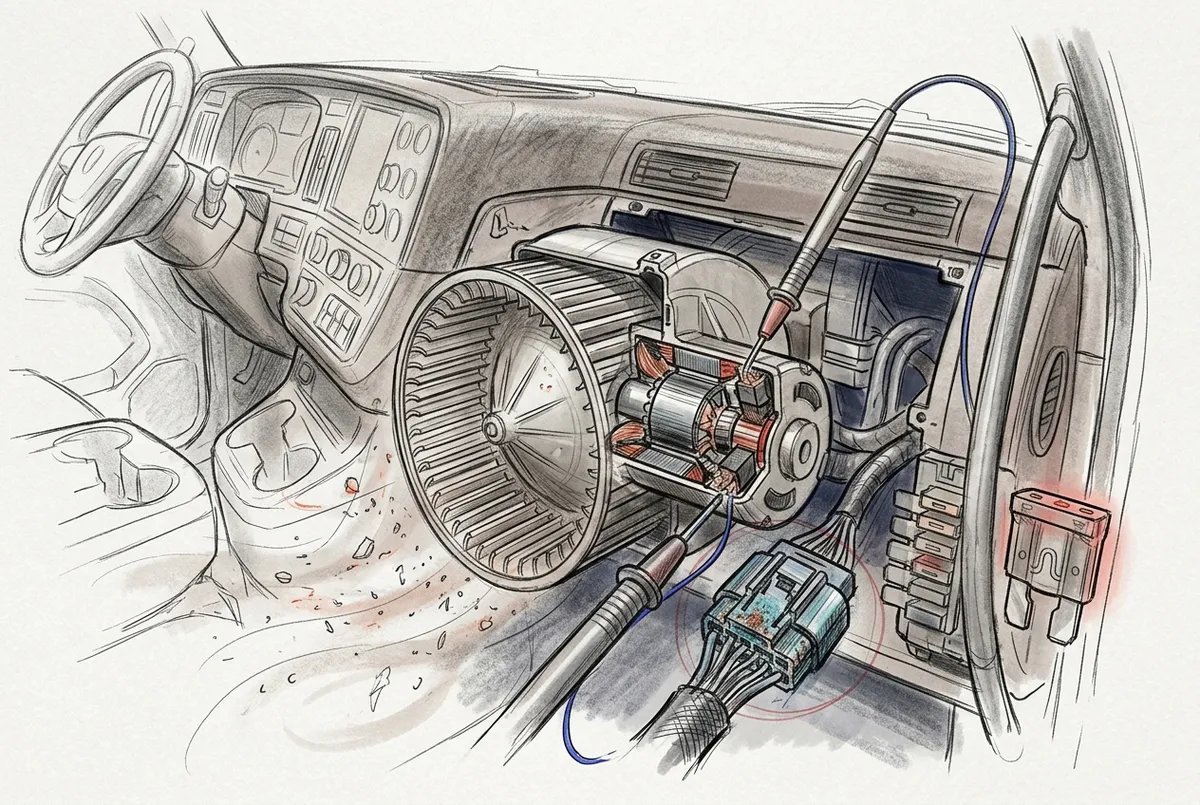
If the fuse and relay check out, the next step is to verify that the blower motor is actually receiving 12 volts of power and a good ground signal at its electrical connector. This is the industry’s standard first diagnostic step and is consistently recommended in professional repair guides.
- Locate the blower motor connector (usually under the passenger-side dashboard or near the firewall)
- Use a multimeter to check for 12V DC power at the connector with the fan switched on
- Verify a solid ground connection at the motor chassis or ground wire
- If power and ground are present but the motor doesn’t spin, the motor itself has likely failed
- If power is absent, trace the circuit back to the switch, resistor, or module
This simple test can tell you a lot before you spend money on parts. If you’re not comfortable with a multimeter, a trusted AC diagnostic service can handle this quickly and accurately.
Fix 3: Replace the Blower Motor Resistor or Control Module
Here’s a really common scenario: your blower works fine on high speed but refuses to run on low or medium. Sound familiar? Nine times out of ten, that points to a failed blower motor resistor (or blower control module on newer trucks). The resistor controls the lower fan speed settings, so when it fails, only the direct-power high-speed setting remains functional.
The resistor is typically mounted near the blower motor housing and is often an inexpensive part. Replacing it is usually much cheaper than a full motor swap. If your truck uses a solid-state blower control module instead of a traditional resistor, the fix is the same — replace the module. This is one of the most overlooked causes of blower issues and one of the easiest wins in truck AC blower motor repair.
Fix 4: Clean Out Debris from the Blower Housing
Leaves, dust, pine needles, and other debris can sneak into the HVAC air intake and get pulled into the blower housing. Over time, this debris wraps around the blower wheel, creates noise, restricts airflow, and puts extra strain on the motor. In fact, overloaded blower motors caused by debris are a surprisingly frequent cause of premature motor failure in trucks.
Here’s what to do:
- Check and replace the cabin air filter if your truck has one — a clogged filter starves the motor of airflow
- Remove the blower motor and inspect the blower wheel for wrapped debris
- Clean the wheel carefully with compressed air or a soft brush
- Check the HVAC air intake box for accumulated leaves or debris
This fix is often overlooked but can dramatically improve airflow and extend motor life. It’s also a great preventive measure — keeping your intake area clean is one of the top AC maintenance tips for any vehicle in a warm, humid climate like Tampa’s.
Fix 5: Inspect and Repair Wiring and Connectors
Electrical gremlins can make a perfectly good blower motor seem dead. Heat, vibration, and age all take a toll on the wiring harness in a truck. Corroded connector pins, chafed wires, and loose grounds can interrupt power to the blower at random — which explains intermittent operation.
- Unplug the blower motor connector and inspect for green or white corrosion on the pins
- Use electrical contact cleaner to clean the connector terminals
- Check the wiring harness for any spots where the insulation has rubbed through
- Confirm that all ground points related to the HVAC circuit are tight and clean
- Repair or replace any damaged wiring sections
For fleet operators managing multiple trucks, wiring issues are especially worth noting. They’re a common source of recurring blower problems that can be misdiagnosed as motor failure. Check out fleet vehicle AC repair tips that can save you real money over time.
Fix 6: Replace the Blower Motor
If you’ve worked through all the checks above and the motor still won’t run properly, it’s time to replace it. Most truck blower motors are sealed units with limited serviceable parts inside — worn brushes and failed bearings are the typical internal culprits, but they usually can’t be cost-effectively repaired on their own. Replacement is the smarter call in most cases.
Blower motor replacement costs vary. Parts typically start around $100 and can go higher depending on your truck’s make and model, with labor adding to the total. Aftermarket replacement motors are widely available and can offer significant savings over OEM pricing. Always make sure the replacement motor matches your truck’s specifications — voltage rating, rotation direction, and connector type all matter. If you need quality AC parts in Tampa, Marks Air stocks a full line of components for trucks, including the brands technicians trust most.
Quick Comparison: Blower Motor vs. Blower Resistor Failure
| Symptom | Likely Cause | Typical Fix |
|---|---|---|
| No airflow at any speed | Blown fuse, bad motor, or wiring | Check fuse, test motor, inspect wiring |
| Only works on high speed | Failed blower resistor or module | Replace resistor or control module |
| Rattling or grinding noise | Debris in blower wheel or worn bearings | Clean housing or replace motor |
| Intermittent operation | Bad wiring, connector, or failing motor | Inspect connectors and wiring; replace motor if needed |
| Weak airflow on all speeds | Clogged filter or debris in housing | Replace cabin filter, clean blower wheel |
Where Is the Blower Motor Located in a Truck?
In most trucks, the blower motor is located under the dashboard on the passenger side, often near the firewall. However, the exact location varies by make, model, and year. Some heavy trucks and work vehicles may have the motor in a different location depending on the HVAC system layout. Always check your service manual before starting any repair to avoid unnecessary disassembly.
If you’re unsure where to start or don’t have the right tools, it makes perfect sense to bring your truck to a professional. An experienced technician can locate the motor, run proper diagnostics, and give you a clear picture of what actually needs to be fixed. This is exactly where Marks Air’s decades of specialized experience comes in — the team has been diagnosing and repairing AC systems on trucks, buses, RVs, and heavy equipment in Tampa since 1971.
Can a Bad Blower Motor Affect AC Cooling?
Yes, absolutely. Your AC system might be perfectly charged with refrigerant and working great mechanically, but if the blower motor isn’t pushing air through the evaporator core, you won’t feel any cooling in the cab. The refrigerant does the cooling work, but the blower motor delivers that cooled air to you. Without it, the system is essentially cooling air that just sits inside the HVAC housing and never reaches the driver or passengers.
This is an important distinction for truck drivers and fleet managers to understand. Don’t assume that warm air from the vents always means a refrigerant problem. A quick blower system check can save you from an unnecessary and more expensive refrigerant service. Learn more about the difference between AC repair vs. AC replacement so you can make the right call every time.
When to Call a Professional for Truck AC Blower Motor Repair
Some blower motor repairs are simple enough for a mechanically inclined truck owner to handle. But there are situations where professional help is the smarter and safer choice:
- You’ve replaced the motor, resistor, and fuse but the problem persists
- There’s visible damage to the wiring harness that requires proper repair
- Your truck is under warranty and you don’t want to void it with DIY work
- The blower motor is in an awkward, hard-to-access location on your specific truck
- You’re managing a fleet and need a fast, reliable turnaround
- The motor runs but you still have poor airflow despite a clean filter and housing
Marks Air is Tampa’s go-to specialist for exactly these situations. You can schedule service online or give them a call to bring your truck in for a thorough AC diagnostic. As a proud member of the Mobile Air Climate Systems Association (MACS), Marks Air stays current with the latest industry standards and repair techniques. You can also read what other customers have experienced by checking Marks Air customer reviews or visiting Marks Air on Google to see why Tampa truck owners trust them with their AC systems.
You can also connect with the team on Facebook or check out Marks Air on Yelp for more customer experiences and shop updates.
Final Thoughts
A failing truck AC blower motor doesn’t have to mean a long, sweaty ordeal. By working through these 6 repair fixes in order — from the fuse all the way to a full motor replacement — you can pinpoint the problem efficiently and get back to cool, comfortable driving. The key is a methodical approach: don’t just throw parts at the problem. Check the simple stuff first, use proper diagnostic steps, and call in professional help when the situation calls for it.
Tampa heat is no joke, especially when you’re spending long hours behind the wheel of a truck or managing a fleet on tight schedules. Whether you want to try a few checks yourself or hand the job off to a trusted specialist, the most important thing is to act before a small blower issue becomes a bigger, more expensive AC problem. Don’t wait — call Marks Air at 813-988-1671 to get your truck’s AC blower motor diagnosed and repaired by Tampa’s most experienced automotive AC team. You can also explore related resources on the Marks Air blog or check out fleet vehicle AC diagnostics to keep your entire fleet running cool all year long.
FAQs
Q: Why is my truck AC blower motor not working at all?
A: The most common culprits are a blown fuse, a failed relay, a bad blower motor resistor, or the motor itself burning out. Start by checking the fuse — it’s the easiest and cheapest fix. If everything checks out electrically but the motor still won’t spin, it’s likely time for a replacement.
Q: How do I know if it’s the blower motor or the blower resistor that’s bad?
A: A great clue is which fan speeds work. If your blower only runs on high speed but won’t work on low or medium, the resistor (or blower control module) is almost certainly the problem. If the blower doesn’t work at any speed, suspect the motor, fuse, or wiring instead.
Q: How much does truck AC blower motor repair cost?
A: Costs vary depending on the truck and the extent of the repair. Parts alone can start around $100, with labor and the specific motor type pushing the total higher. Replacing just the blower resistor is often much cheaper than replacing the full motor, so proper diagnosis first saves you money.
Q: Can a bad blower motor cause my truck’s AC to stop cooling?
A: Absolutely — even if your refrigerant is perfectly charged, a failed blower motor means no air is being pushed through the vents. You’ll feel little to no airflow regardless of how well the rest of the AC system is working, so the blower is always worth checking when cooling seems weak.
Q: What causes a truck AC blower motor to make a squealing or grinding noise?
A: Squealing usually points to worn motor bearings or bushings, while rattling and grinding often mean debris — like leaves or sticks — has gotten wrapped around the blower wheel. Catching this early matters, because debris overload can burn out the motor faster and turn a simple cleaning job into a full replacement.