
Key Takeaways
-
Skip DIY recharge kits under $50 if your AC problem involves leaks, compressor failure, or damaged hoses; these kits only mask symptoms temporarily and can damage components, making professional diagnosis essential to identify the actual root cause.
-
AC repair costs range from $150-$300 for recharges to $800-$2,000+ for compressor replacement; most drivers pay $430-$1,200 total, so getting a proper diagnostic before committing to repairs prevents overpaying for unnecessary work.
-
Newer vehicles using R-1234yf refrigerant cost significantly more to service than older R-134a models due to higher refrigerant costs and specialized equipment requirements, making vehicle age a major price factor.
-
Early detection of warning signs like warm air, strange noises, musty smells, or visible leaks keeps repair costs lower; ignoring a small leak can lead to compressor failure, turning a $200-$600 fix into an $800-$2,000+ replacement.
-
Request a detailed written estimate that specifies parts, labor, and warranty coverage before authorizing repairs, and choose a shop with proven multi-vehicle experience to ensure honest pricing and lasting results.
-
Fleet managers should schedule preventive maintenance and bundle vehicle inspections to reduce labor costs, rather than waiting for breakdowns that cause costly downtime and higher emergency repair bills.
It’s a scorching Tampa afternoon, you hop in your car, crank the AC, and… nothing but warm air blows in your face. Sound familiar? You’re not alone. Every summer, thousands of Tampa drivers face this exact moment of panic, wondering how much car ac repair price will set them back. The good news? You’re about to get a clear, honest breakdown of what these repairs actually cost, so you can make a smart decision without feeling like you’re getting taken for a ride.
Whether you’re a daily commuter, a truck driver logging miles across the state, a fleet manager watching every dollar, or an RV owner planning your next adventure, understanding car ac repair price helps you budget wisely. We’ll walk through real numbers, compare your options, and help you figure out whether that DIY recharge kit is worth it or if it’s time to call in the pros. Let’s dive in!

Why Car AC Repair Price Varies So Much
Here’s the thing about car ac repair price: there’s no single number that fits every situation. Your AC system has multiple parts working together, and when one fails, the cost depends entirely on which part it is.
Think of your car’s AC system like a chain. A simple recharge might cost you a couple hundred bucks. But if your compressor gives out, you could be looking at a bill in the thousands. Understanding this range helps you avoid sticker shock when you bring your vehicle in for AC services.
The Main Factors That Drive Costs Up or Down
- Which component failed (recharge vs. compressor vs. full system)
- Your vehicle’s make, model, and age
- Whether your car uses older R-134a or newer R-1234yf refrigerant
- Labor rates in your area, including Tampa’s local market
- Whether it’s a simple fix or requires extensive diagnostic work
- Parts availability and whether OEM or aftermarket components are used

Car AC Repair Price: A Full Breakdown by Service
Let’s get into the numbers you actually came here for. Below is a clear picture of what different repairs typically cost, based on current industry data.
| Service Type | Average Cost Range |
|---|---|
| AC Diagnostics & Leak Detection | $200 |
| Standard Refrigerant Recharge | $150 – $300 |
| AC Hose Repair or Replacement | $350 average |
| Compressor Clutch Replacement | $450 – $850 (plus $150–$250 labor) |
| Condenser Replacement | $450 – $900 |
| Evaporator Replacement | $900 – $2,200+ |
| Full Compressor Replacement | $800 – $2,000+ |
| Total System Replacement | $2,750+ |
Most drivers end up somewhere between $430 and $1,200 total, depending on what’s wrong. That’s a wide range, which is exactly why a proper diagnosis matters before you agree to any repair.
Why Diagnostics Matter Before You Commit to a Price
Skipping the diagnostic step is one of the biggest mistakes vehicle owners make. Without knowing the actual cause, you might pay for a recharge that doesn’t fix the real problem underneath. Our team recommends starting with a proper inspection, something you can learn more about through our car AC diagnostic cost guide.
DIY Recharge Kits vs. Professional Shop Service
Now let’s tackle the big question: should you grab a recharge kit from the auto parts store, or head straight to a professional shop? Both paths have tradeoffs worth considering.
The Case for DIY Recharge Kits
DIY kits look tempting. They’re cheap, usually under $50, and promise a quick fix. But here’s the catch: these kits only address low refrigerant. If your AC problem stems from a leak, a failing compressor, or a damaged hose, that kit won’t solve anything.
- You risk overcharging the system, which can damage components
- DIY kits don’t fix leaks, they just mask symptoms temporarily
- Improper handling of refrigerant can harm the environment and your car
- You still need a professional diagnosis if the problem returns
- Newer vehicles using R-1234yf often require specialized equipment DIY kits don’t provide
The Case for Professional Shop Repair
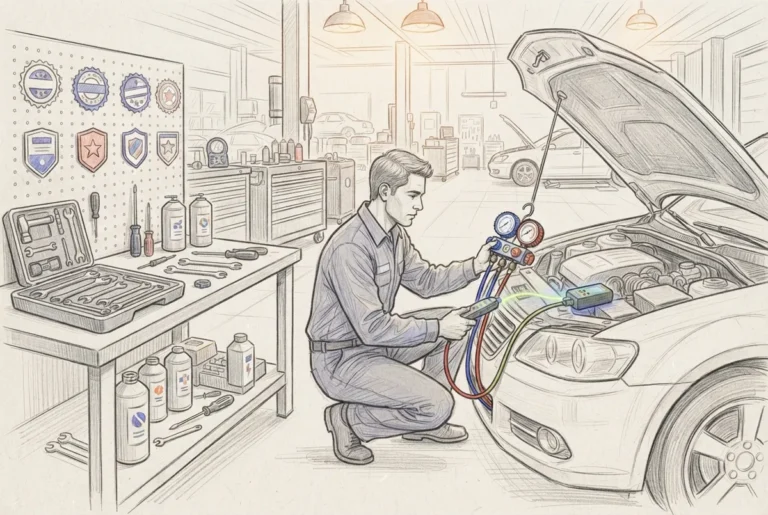
Professional repair costs more upfront, but it addresses the actual root cause. A trained technician can spot leaks, test system pressure, and recommend the right fix the first time. This saves you money in the long run by avoiding repeat visits.
- Accurate diagnosis using professional-grade equipment
- Proper handling of refrigerant, especially costly R-1234yf
- Warranty coverage on parts and labor
- Expertise across multiple vehicle types, from cars to heavy trucks
- Long-term reliability instead of a temporary patch
For most drivers, the professional route wins out. It’s why so many Tampa residents trust experienced shops for lasting results rather than gambling on a quick fix.
How Vehicle Type Affects Car AC Repair Price
Not all vehicles are created equal when it comes to AC repair costs. Here’s how different vehicle categories typically stack up.
Personal Cars and Trucks
Standard passenger vehicles usually fall within the average ranges mentioned earlier. Simple fixes like recharges stay affordable, while compressor work climbs higher depending on the make and model.
Commercial Trucks and Fleet Vehicles
Fleet owners and truck drivers face a different challenge: downtime. A broken AC system isn’t just uncomfortable, it can violate safety regulations for long-haul drivers. Fleet managers often need faster turnaround and bulk pricing on parts. Learn more about smart budgeting strategies in our guide on fleet vehicle AC repair tips that save you money.
Buses and Transit Vehicles
Bus AC systems are larger and more complex, which typically means higher repair costs but also higher stakes. Passenger comfort and safety depend on these systems working reliably in Tampa’s heat.
RVs and Recreational Vehicles
RV AC systems often combine vehicle cooling with cabin comfort features, making repairs slightly more involved. Owners planning road trips should budget extra time and cost for thorough system checks.
Heavy Equipment
Construction and agricultural equipment operators need reliable AC to prevent operator fatigue during long shifts. These systems can be more industrial in design, sometimes affecting parts availability and repair timelines.
R-134a vs. R-1234yf: How Refrigerant Type Impacts Price
Here’s something many drivers don’t realize until they get their bill: the type of refrigerant your car uses makes a real difference in cost.
Older vehicles typically use R-134a refrigerant, which is widely available and relatively affordable. Newer vehicles, especially those built in the last several years, use R-1234yf. This refrigerant costs significantly more per pound and requires specialized recovery and recharge equipment.
- R-134a systems: generally lower service costs, widely available parts
- R-1234yf systems: higher refrigerant costs, specialized equipment needed
- Conversion between the two: possible but requires professional expertise
If you’re driving a newer vehicle, expect your recharge and repair costs to run higher than a friend with an older model. For more details, check out our breakdown on R-134a to 1234yf conversion facts.
5 Steps to Get a Fair Car AC Repair Price
Nobody wants to overpay for a repair. Follow these steps to make sure you’re getting honest pricing.
- Start with a proper diagnostic instead of guessing at the problem
- Ask for a detailed, written estimate before work begins
- Confirm whether pricing includes both parts and labor
- Check if the shop offers a warranty on repairs
- Choose a shop with proven experience across multiple vehicle types
A trustworthy shop will walk you through exactly what’s wrong and why the price makes sense. That transparency matters, especially when you’re trusting someone with your vehicle’s comfort system.
Signs You Need Repair Now, Not Later
Waiting too long on AC issues can turn a simple fix into an expensive one. Watch for these warning signs.
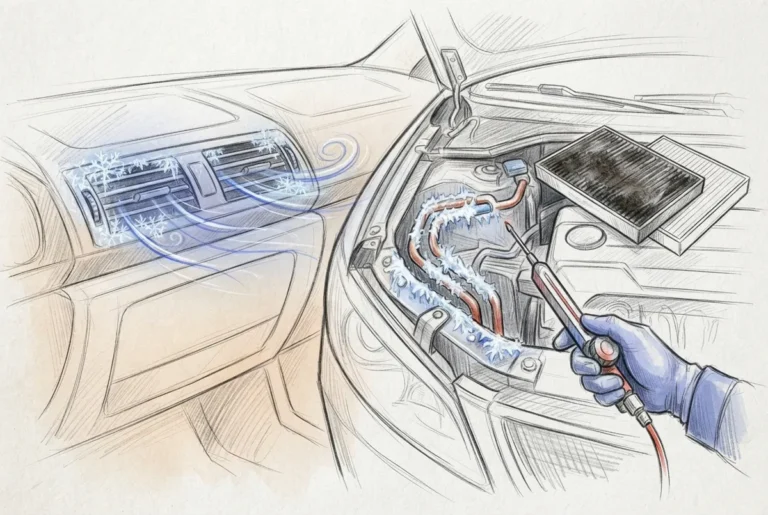
- Warm air blowing even with AC set to max cold
- Strange noises when the AC compressor kicks on
- Musty smells coming from the vents
- Weak airflow despite the fan running at full speed
- Visible leaks or oily residue near AC components
If you notice any of these, don’t wait until you’re stuck in Tampa traffic sweating it out. Catching problems early often keeps your car ac repair price lower overall. For a deeper look, read our article on 10 reasons your AC is blowing warm air.
Why Choose an Experienced Local Specialist
Since 1971, Marks Air has focused exclusively on air conditioning systems for cars, trucks, buses, RVs, and heavy equipment right here in Tampa. This decades of focused experience means the team knows exactly how to diagnose problems quickly and avoid unnecessary repairs that inflate your bill.
As a family-owned and woman-owned business, Marks Air stocks a full line of parts including the KOOL-TEMP line and trusted brands like SPAL, ACT, and Omega, often available same day. The shop is also a member of the Mobile Air Climate Systems Association (MACS), staying current with industry standards. You can browse the full AC parts selection or learn about the shop’s history on the About Marks Air page.
Curious what other customers have experienced? Check out customer reviews, browse feedback on Yelp, or visit us on Google — Marks Air to see what Tampa drivers are saying. You can also follow along on Instagram or Facebook for tips and updates.
Fleet Owners: Special Considerations for Cost Control
If you manage a fleet, car ac repair price adds up fast across multiple vehicles. Smart fleet owners take a proactive approach instead of waiting for breakdowns.
- Schedule regular preventive maintenance instead of reactive fixes
- Bundle multiple vehicle inspections together to save on labor
- Keep detailed records of repairs to spot recurring issues
- Work with a shop that understands commercial vehicle AC systems
For a deeper comparison, our article on preventive vs. reactive fleet AC maintenance breaks down exactly how much you can save with the right approach.
The Bottom Line on Car AC Repair Price
So, is it cheaper to fix a leak or replace the compressor? Generally, leak repairs cost less upfront, ranging from $200 to $600, while compressor replacement runs $800 to over $2,000. However, ignoring a small leak can lead to compressor failure down the road, turning a cheap fix into an expensive one.
The smartest move is getting an honest diagnosis first. That way, you know exactly what you’re paying for and why. Whether you’re driving a sedan, hauling freight, or managing a fleet of buses, understanding these costs upfront puts you in control.
Ready to Get Your AC Fixed Right?
Don’t let another hot Tampa day pass with warm air blasting in your face. Whether you need a quick diagnostic, a full compressor swap, or ongoing fleet maintenance, getting the right price starts with the right shop. Schedule service today, or simply call us at 813-988-1671 to talk through your vehicle’s specific needs. Your comfort is worth it, and we’re here to make sure you get honest pricing and lasting results every time.
FAQs
Q: How much does a car AC recharge cost?
A: A standard AC recharge typically runs between $150 and $300, depending on your vehicle and refrigerant type. If your car uses the newer R-1234yf refrigerant, expect to land closer to the higher end. It’s always worth getting a diagnostic first to make sure a recharge is actually what your system needs!
Q: What is the average cost to replace a car AC compressor?
A: Compressor replacement usually falls between $800 and $2,000 or more, including parts and labor. It sounds like a lot, but a compressor is basically the heart of your AC system, so quality work here really pays off long term. We always recommend choosing a shop with real experience in this specific repair.
Q: Why is my car AC repair quote so high?
A: Higher quotes often come down to which part failed, your vehicle’s refrigerant type, or the complexity of the job. Newer vehicles with R-1234yf systems, for example, naturally cost more to service than older R-134a models. Don’t be afraid to ask your shop to walk you through exactly what’s included in that price!
Q: Is it cheaper to fix a car AC leak or replace the compressor?
A: Fixing a leak is typically cheaper upfront, ranging from about $200 to $600, while compressor replacement can run well over $1,000. That said, ignoring a leak too long can eventually damage your compressor anyway. Catching problems early really is your best friend here.
Q: Can I fix my car AC myself to save money?
A: DIY recharge kits can seem like a great shortcut, and sometimes they work for simple low-refrigerant situations. But they won’t fix leaks or failing parts, and newer refrigerant systems often need specialized tools anyway. For lasting results, a professional diagnosis really is worth the peace of mind.