Key Takeaways
-
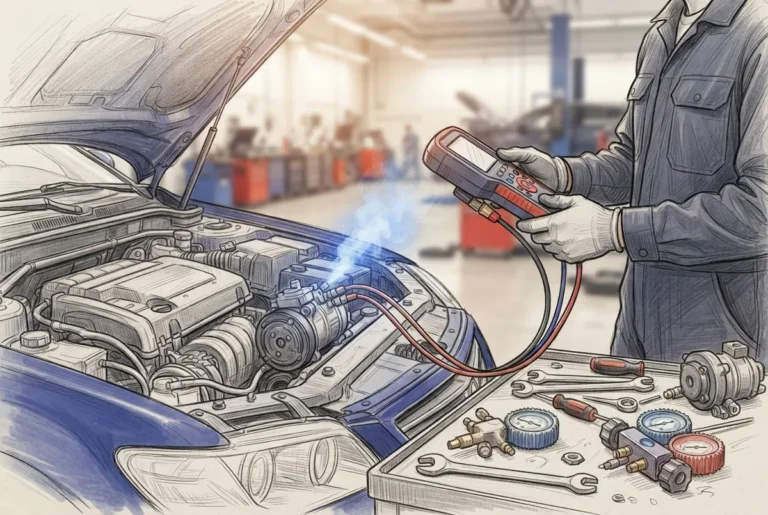
Reputable A/C shops diagnose the actual problem with pressure, temperature, electrical, and leak detection tests before adding refrigerant, avoiding wasteful recharges that don't fix underlying issues.
-
Technicians must hold EPA Section 609 certification to legally service vehicle A/C systems, ensuring they safely handle refrigerants and follow environmental regulations.
-
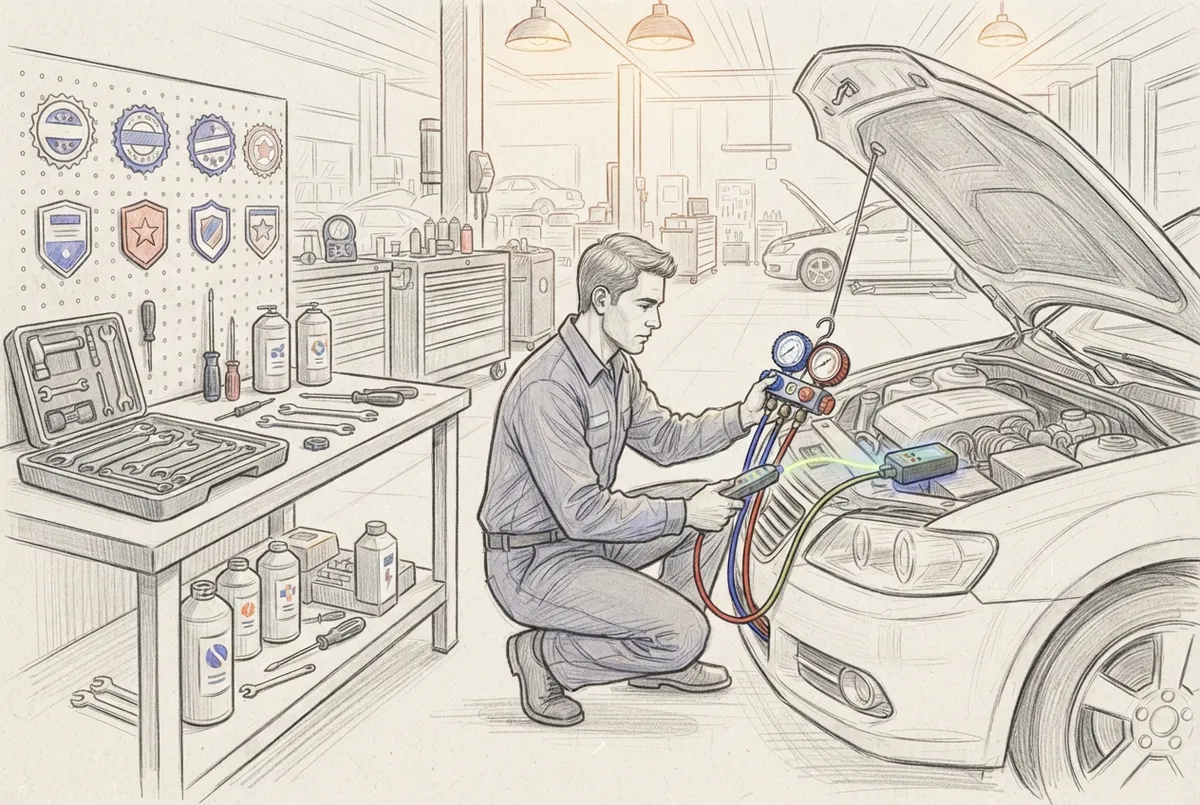
A trustworthy shop uses proper leak detection tools (electronic detectors, UV dye, nitrogen testing) to locate refrigerant leaks, preventing customers from repeatedly paying for temporary recharges.
-
Quality shops understand that R-134a and R-1234yf refrigerants are incompatible and require different equipment, and stock the correct type for your vehicle's year and model.
-
Written estimates before work begins, clear explanations of problems in plain language, and warranties on parts and labor indicate a shop that prioritizes customer trust and transparency.
-
Shops that serve diverse vehicle types (cars, trucks, RVs, buses, heavy equipment) and follow a structured repair process demonstrate broader expertise and consistent, reliable service quality.
Nothing ruins a Tampa afternoon faster than a car A/C that suddenly blows warm air. Whether you’re driving to work, hauling freight across the state, or hitting the road in your RV, a working air conditioner isn’t a luxury here. It’s survival gear. But how do you know if the a/c car repair shop you’re trusting is actually doing the job right?
That question matters more than most drivers realize. A shop that just tops off refrigerant without checking for leaks might get your air cold again for a week or two. Then you’re back where you started, except now you’ve spent money and time for nothing. This guide breaks down exactly what a trustworthy A/C repair shop should do, so you can spot the good ones from the guesswork artists. Whether you own a sedan, run a fleet of delivery trucks, manage a bus route, or maintain heavy equipment on a job site, these 12 signs apply to you.
1. They Start With a Real Diagnosis, Not a Quick Recharge
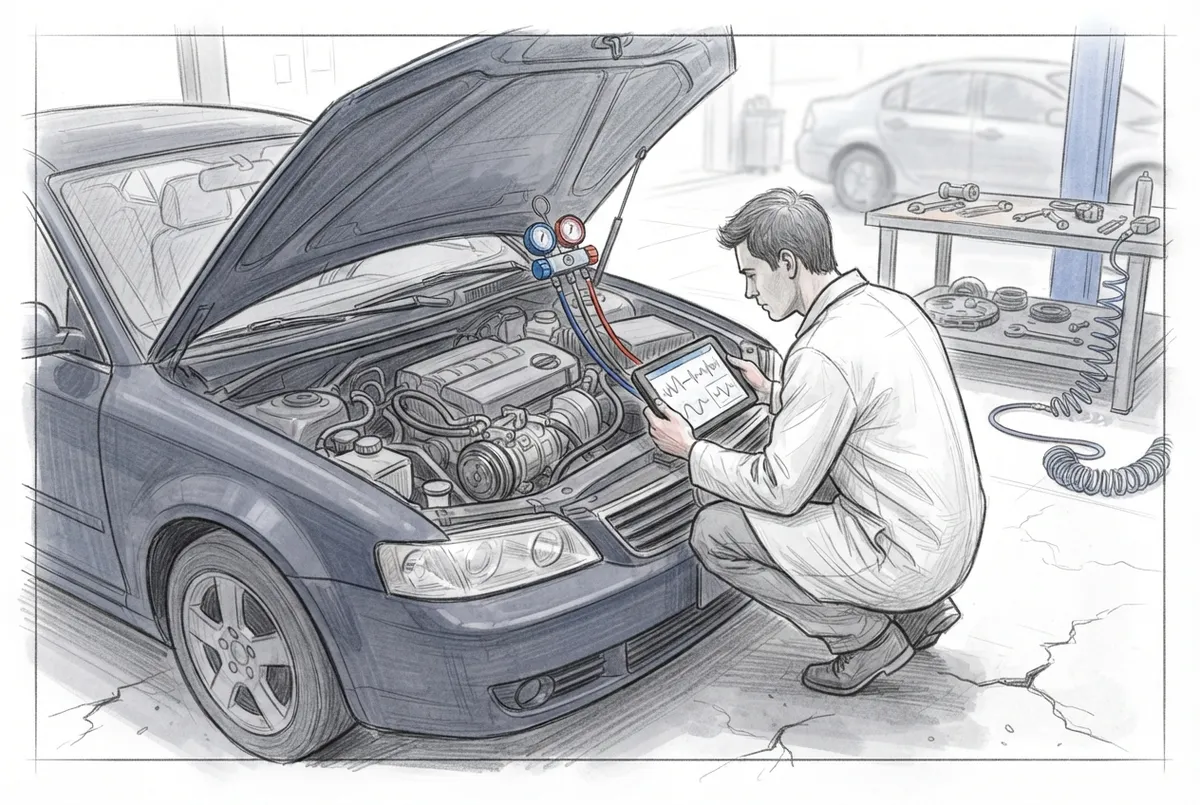
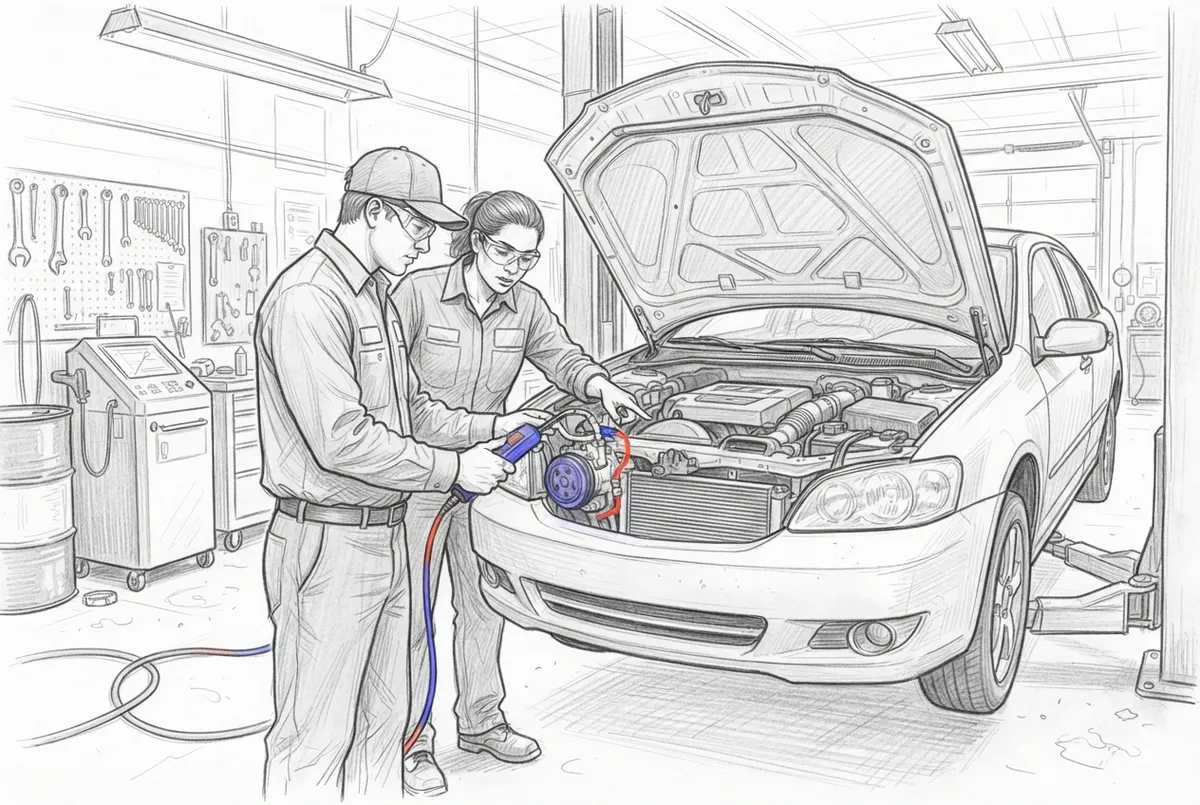
A quality a/c car repair shop never jumps straight to adding refrigerant. Warm air from your vents can come from a dozen different problems, including electrical faults, blocked airflow, or a failing component. The right shop begins with a symptom assessment and a visual inspection before touching your system.
Skilled technicians follow this up with pressure and temperature checks, electrical testing, and leak detection. This step-by-step approach protects you from paying for a recharge that won’t fix the actual problem. If you’re curious about the full breakdown of causes, check out 10 Reasons Your AC Is Blowing Warm Air (And How to Fix It) for more detail.
2. They Use Proper Leak Detection Tools
Refrigerant doesn’t just disappear. If your system is low, there’s almost always a leak somewhere. A reliable shop uses electronic detectors, ultraviolet dye, or nitrogen testing to pinpoint exactly where refrigerant is escaping.
This matters because recharging a leaking system is a temporary fix at best. Within weeks, you’ll be right back to warm air and wasted money. Shops that skip this step are setting you up to pay twice for the same problem.
3. They’re Certified Under EPA Section 609
This one isn’t optional. In the United States, anyone who services a motor-vehicle air-conditioning system for payment must hold EPA Section 609 certification. This rule protects the environment and ensures technicians know how to handle refrigerants safely.
Ask your shop about their certifications before you hand over your keys. A shop that takes training seriously, like the programs offered through Marks Air’s training division, is investing in doing the job correctly, not just quickly.
4. They Know the Difference Between R-134a and R-1234yf
Refrigerant type matters a lot more than most drivers think. Older vehicles typically use R-134a, while newer models rely on HFO-1234yf. These two refrigerants should never be mixed, and a system built for one shouldn’t be serviced with the other unless an approved, vehicle-specific procedure exists.
The EPA identifies HFO-1234yf as a lower-global-warming-potential option with a GWP of 4, and it comes with distinct fittings and safety requirements. A shop that understands these differences, and stocks the right equipment for both, is one you can trust. Curious about the switch-over process? See 12 Things to Know About R-134a to 1234yf Conversion.
Quick Refrigerant Comparison
| Feature | R-134a | HFO-1234yf |
|---|---|---|
| Common Use | Older vehicles | Newer vehicles (2011+) |
| Global Warming Potential | Higher | 4 (much lower) |
| Ozone Depleting | No | No |
| Fitting Type | Standard | Distinct, non-interchangeable |
| Mixing Allowed | No | No |
5. They Give You a Written Estimate
A shop worth its salt puts things in writing. Before any work starts, you should receive an estimate that covers diagnostic fees, parts, and labor. This protects you from surprise charges and gives you a clear picture of what you’re paying for.
Written estimates also help you compare options if you’re shopping around. It’s a simple thing, but it says a lot about how a shop treats its customers.
6. They Explain What’s Actually Wrong
You shouldn’t need a mechanic’s degree to understand your repair. A good technician walks you through the findings in plain language. Maybe it’s a cracked hose, a failing compressor, or a clogged condenser. Whatever it is, you deserve a clear explanation.
This kind of transparency builds trust, and it helps you make informed decisions about your vehicle. If you want to learn more about your car’s system before your visit, browse 6 A/C Parts Every Vehicle Owner Should Know in 2026.
7. They Offer a Warranty on Parts and Labor
Repairs should come with confidence, not crossed fingers. A trustworthy a/c car repair shop backs its work with a warranty covering both parts and labor. This shows they stand behind their diagnosis and their repair quality.
Before you commit to a repair, ask exactly what the warranty covers and for how long. It’s a fair question, and any honest shop will answer it without hesitation.
8. They Stock Quality Parts and Get Them Fast
Downtime is expensive, especially for truck drivers and fleet operators who can’t afford to sit around waiting on backordered parts. Shops that keep a solid inventory of components, from compressors to condensers to hose fittings, can get you back on the road faster.
Look for shops with strong supplier relationships and same-day parts availability. For example, Marks Air’s parts department stocks its own KOOL-TEMP line along with trusted brands, which helps keep repairs moving without unnecessary delays.
9. They Handle More Than Just Cars
Your air conditioning needs don’t stop at passenger vehicles. Trucks, buses, RVs, and heavy equipment all rely on A/C systems too, and each comes with its own quirks. A shop with broad experience across vehicle types brings more problem-solving skill to the table.
Here’s a quick look at what different vehicle owners typically need:
- Car owners want fast, affordable diagnostics for daily commuting comfort
- Truck drivers need reliable repairs that minimize time off the road
- Bus operators require system maintenance that keeps passengers safe and comfortable
- RV owners look for upgrades and repairs suited to long trips and varied climates
- Heavy equipment operators need durable A/C solutions for tough job site conditions
- Fleet owners want consistent service across multiple vehicles to control costs
A shop that understands these differences can tailor solutions instead of offering one-size-fits-all fixes.
10. They Follow a Consistent Repair Process
Good shops don’t wing it. They follow a repeatable process that ensures nothing gets missed. Here’s a general sequence you should expect from a professional A/C repair visit:
- Initial symptom review and conversation about your vehicle’s history
- Visual inspection of hoses, connections, and visible components
- Pressure and temperature testing of the system
- Electrical diagnosis of switches, relays, and the compressor clutch
- Leak detection using dye, electronic tools, or nitrogen testing
- Identification of the correct refrigerant type for your vehicle
- Recovery of existing refrigerant using approved equipment
- Repair or replacement of faulty parts, such as the compressor or evaporator
- System evacuation to remove air and moisture
- Recharge with the manufacturer-specified refrigerant amount
- Final performance test to confirm proper cooling
- Written summary of work performed and warranty details
This kind of structured process is a hallmark of a shop that knows what it’s doing. If you want help finding a shop that follows these steps closely, this guide on How to Find Reliable Auto A/C Service in Tampa Bay is a great starting point.
11. They Understand Seasonal Demand and Plan Ahead
Automotive A/C searches can jump roughly fourfold from April through June and stay high through Labor Day. That means shops get busy fast once temperatures climb, and appointment slots fill up quickly.
Smart drivers schedule inspections before the first major heat wave instead of waiting until their A/C fails on a 95-degree day. A shop that encourages preventive checkups, rather than waiting for emergencies, is thinking about your long-term comfort. Fleet managers especially benefit from planning ahead, as covered in Preventive vs. Reactive Fleet AC Maintenance: Which Wins?.
12. They Have a Strong Local Reputation
Reputation tells you a lot before you ever walk through the door. Look at online reviews, ask around, and check how long a shop has been serving your area. A business with decades of history has earned that trust through consistent results.
Marks Air has been serving Tampa since 1971, working on everything from personal cars to buses, RVs, and heavy equipment. As a family-owned and woman-owned business, and a proud member of the Mobile Air Climate Systems Association (MACS), the shop has built its name on specialized knowledge rather than trying to be everything to everyone. You can read what customers have to say by checking Marks Air reviews, browsing feedback on Yelp, or following along on Instagram and Facebook for updates and tips.
What Repairs Typically Cost
Pricing varies a lot depending on your vehicle and the failed part, but here’s a general idea of what you might expect:
| Repair Type | Typical Price Range |
|---|---|
| Diagnostic Service | $75 – $150 |
| Refrigerant Recharge (with leak repair) | $150 – $400 |
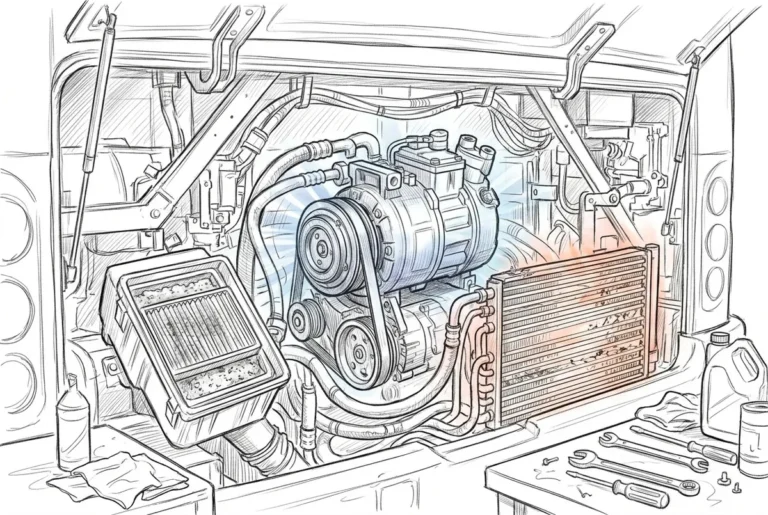
| Compressor Replacement | $400 – $700+ |
| Condenser Repair | $200 – $500 |
| Evaporator Replacement | $500 – $700+ |
These figures are rough market estimates and can shift based on your vehicle type, labor rates, and whether parts are OEM or aftermarket. For a deeper cost breakdown specific to Tampa drivers, take a look at How Much Does Auto AC Repair Cost in 2026?.
Common Symptoms That Mean It’s Time to Call a Shop
Not sure if your vehicle needs professional attention? Watch for these warning signs:
- Warm or lukewarm air coming from the vents
- Weak airflow even when the fan is on high
- Cooling that comes and goes without warning
- Strange noises when you turn on the A/C
- Musty or unpleasant smells from the vents
- Visible oily residue near hoses or fittings
- A compressor clutch that won’t engage
Any of these symptoms deserve a professional look. Ignoring them often leads to bigger, more expensive repairs down the road.
Wrapping It Up
Finding the right a/c car repair shop doesn’t have to feel like guesswork. Look for certified technicians, transparent pricing, proper leak detection, and a shop that understands your specific vehicle, whether that’s a sedan, a semi-truck, a transit bus, an RV, or heavy equipment. These 12 signs give you a solid checklist to use the next time your air conditioning needs attention.
If you’re in the Tampa area and ready for a shop that’s been perfecting this craft since 1971, we’d love to help. You can schedule service with our team today, or simply call us at 813-988-1671 to talk through your vehicle’s symptoms. You can also visit us on Google — Marks Air to see what our neighbors around Tampa are saying. Stay cool out there, friends.
FAQs
Q: How much does it cost to repair a car air conditioner?
A: It really depends on what’s wrong, but many repairs land somewhere between $150 and $700. A simple leak fix costs less than a full compressor replacement, so getting a proper diagnosis first is always worth it.
Q: How do I know whether my car needs an A/C recharge or a leak repair?
A: If your system is low on refrigerant, there’s almost always a leak somewhere causing it. A good shop will test for leaks before recharging, since adding refrigerant to a leaking system only offers a short-term fix.
Q: Why is my car A/C blowing warm air or working intermittently?
A: This can happen for lots of reasons, including low refrigerant, a failing compressor, electrical issues, or blocked airflow. It’s not always as simple as needing a recharge, so a full inspection helps pinpoint the real cause.
Q: Is R-134a the same as R-1234yf, and can they be mixed?
A: Nope, these are two different refrigerants and they should never be mixed together. Your vehicle is designed for one specific type, so a good technician will always check which one your system needs before doing any work.
Q: How often should a vehicle’s air-conditioning system be inspected?
A: We generally recommend a yearly checkup, ideally before the hot season kicks into high gear. Catching small issues early saves you from bigger repairs and keeps you comfortable all summer long.