Key Takeaways
-
Check your cabin air filter first—a clogged filter is one of the most common AC failures and can cause your evaporator coil to freeze over, restricting airflow and reducing cooling performance.
-
Run through quick checks before calling a technician: verify AC is set to cool mode, inspect fuses for burns, look for ice buildup, and check if the compressor clutch engages when you turn on the AC.
-
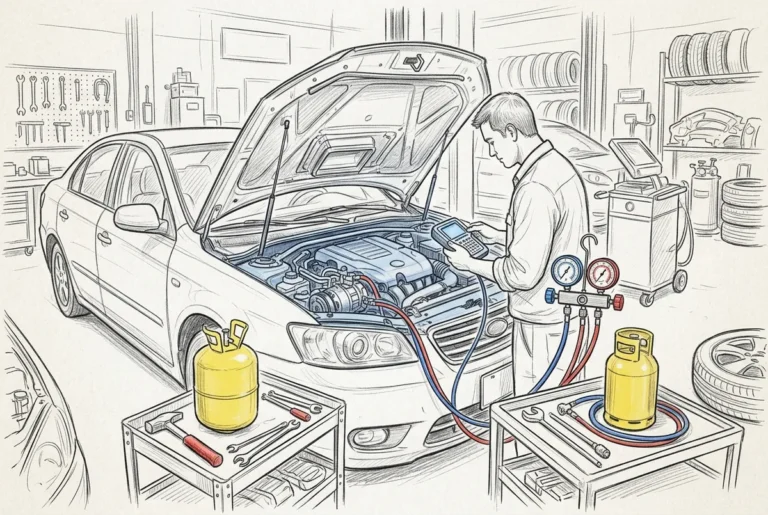
Refrigerant leaks, failed compressors, and bad capacitors require professional EPA-certified technicians—never attempt DIY repairs on sealed systems as improper handling can cause serious damage and legal issues.
-
Replace your cabin air filter every 12,000-15,000 miles and run your AC year-round to keep seals lubricated; regular preventive maintenance significantly extends your AC system’s lifespan.
-
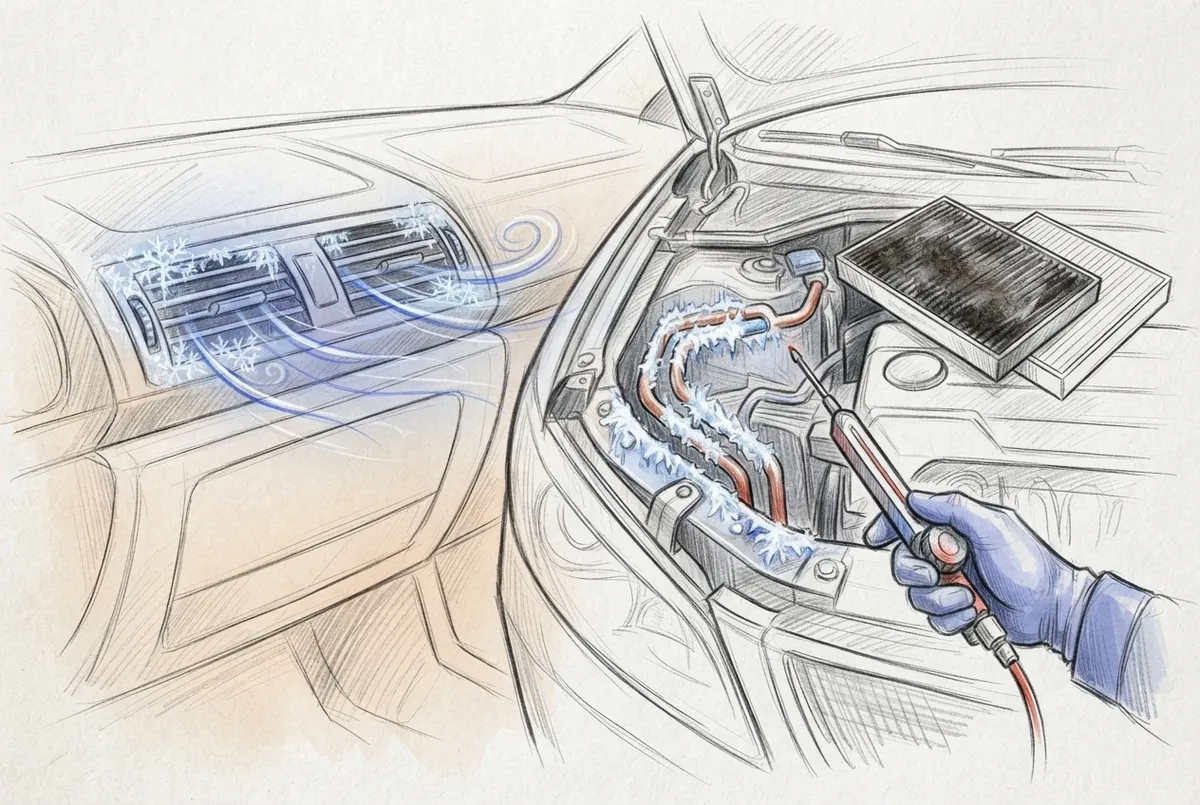
Turn off your AC immediately if you notice ice on the evaporator coil or copper lines, as continuing to run the system risks severe compressor damage—let it thaw completely before restarting.
-
Different vehicles face unique AC challenges: trucks suffer compressor wear from long hours, RVs deal with rooftop unit deterioration, and buses struggle with high-capacity system strain in extreme heat.
You hop into your car after a long day, crank the AC, and… nothing but hot air. Sound familiar? If you’re sitting in Tampa traffic wondering “why is my AC not working,” you’re definitely not alone. Between the brutal humidity and stop-and-go driving, vehicle air conditioning systems take a beating here. The good news? Most AC problems come down to a handful of common culprits, and many can be checked in just a few minutes before you ever need to call a professional.
Whether you’re a daily commuter, a truck driver logging long hauls, an RV owner planning your next trip, or a fleet manager keeping dozens of vehicles on the road, a broken AC system isn’t just uncomfortable. It can be a safety issue too. This guide walks you through the most common reasons your AC stops working, what you can check yourself, and when it’s time to bring in the experts at Marks Air, Tampa’s family-owned AC specialist since 1971. Let’s get you back to cool, comfortable driving.
The Three Main Categories of AC Failure
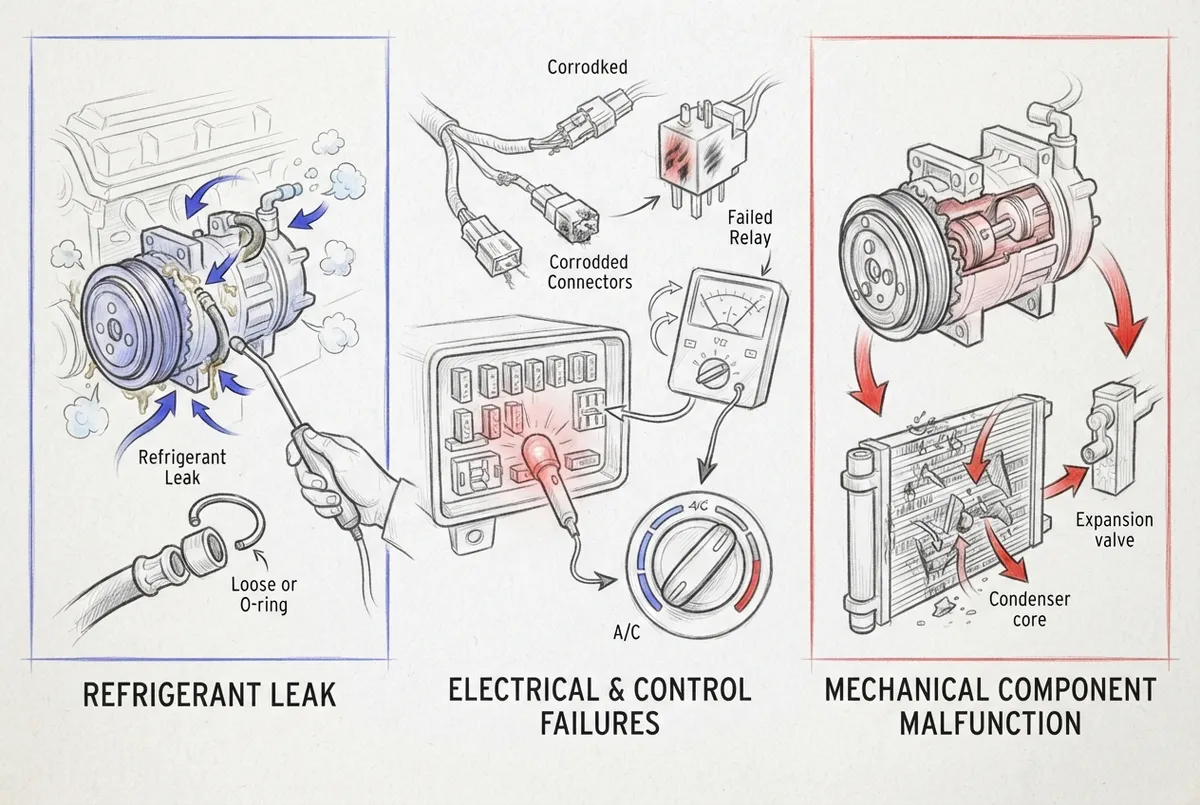
Before you start troubleshooting, it helps to know that almost every AC problem falls into one of three buckets. Understanding these categories makes it much easier to figure out what’s going on with your vehicle.
- Power and control issues: Blown fuses, dead switches, or electrical problems that stop your AC from even turning on.
- Airflow restrictions: Dirty filters, blocked vents, or debris that prevent cool air from reaching you.
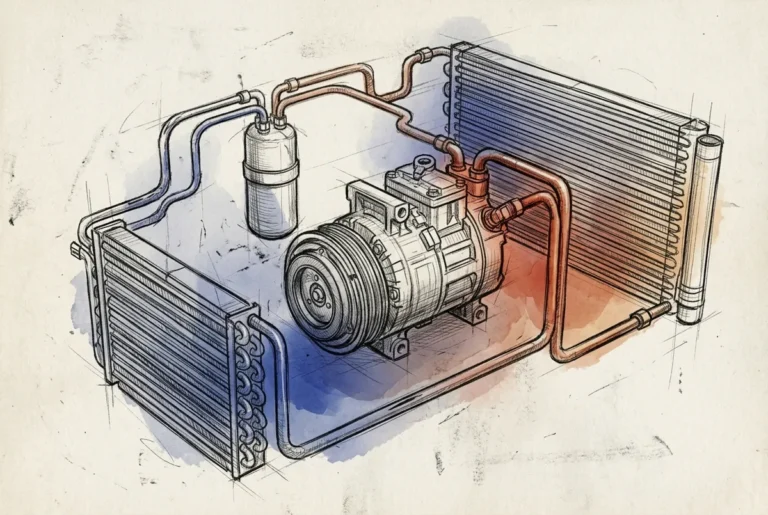
- Mechanical or sealed-system failures: Refrigerant leaks, failing compressors, or bad capacitors that stop the cooling process altogether.
Most of the time, the fix starts simple. In fact, many air conditioner failures trace back to a handful of easy checks you can do yourself in under 15 minutes. Let’s break these down one at a time.
Quick Checks Before You Call a Technician
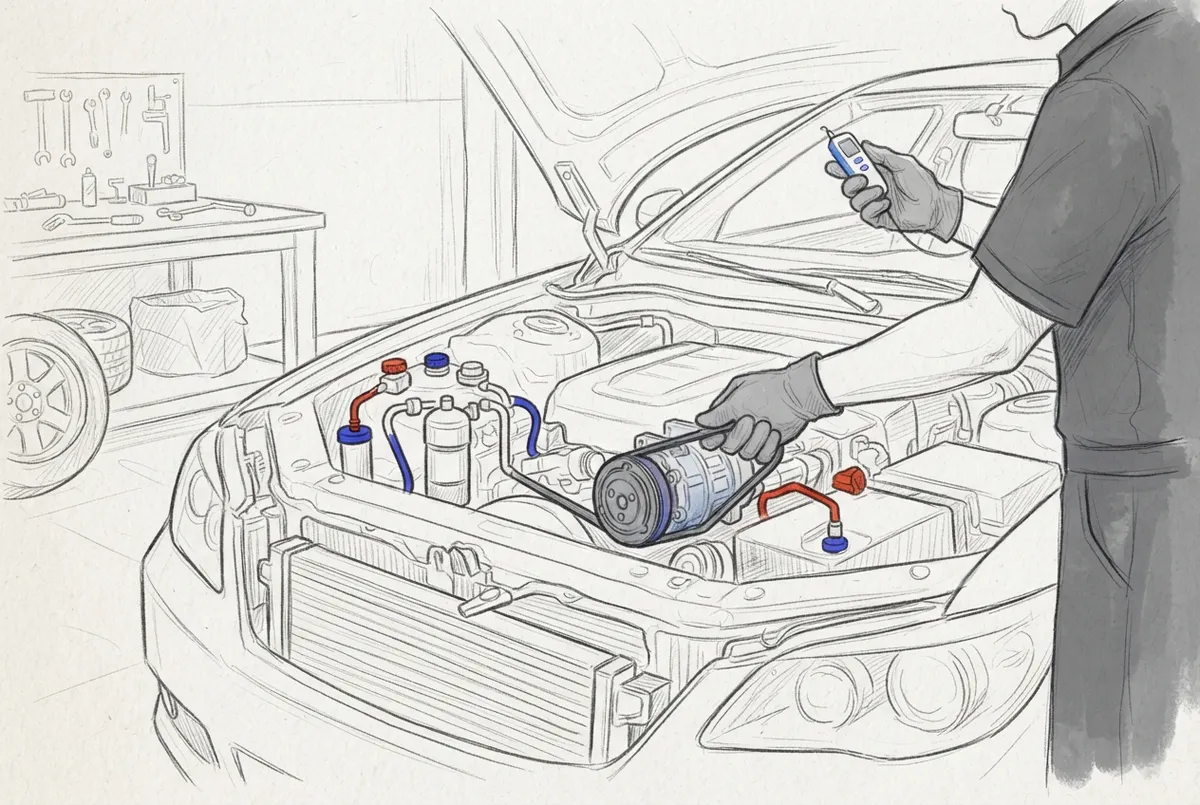
Before you assume the worst, run through this simple checklist. It only takes a few minutes and can save you a trip to the shop entirely.
1. Check Your Controls and Settings
It sounds almost too simple, but it happens more than you’d think. Make sure your AC is actually set to cool mode, not heat or defrost. Double-check the fan speed is turned up and the temperature dial isn’t accidentally set too high. In vehicles with digital climate controls, a low battery in a key fob or control module can sometimes cause odd behavior too.
2. Look for Blown Fuses or Tripped Breakers
Vehicle AC systems run on electrical circuits just like your home, though they use your battery and alternator instead of household power. A blown fuse in the fuse box can cut power to the compressor clutch or blower motor instantly. Check your owner’s manual for the fuse diagram and inspect the AC-related fuses for any that look burnt or broken.
3. Inspect the Cabin Air Filter
A clogged or dirty air filter is one of the most common reasons an AC system blows weak or warm air. When airflow gets restricted, your evaporator coil can even freeze over, making the problem worse. Most cabin air filters are easy to access and should be replaced every 12,000 to 15,000 miles, more often if you drive in dusty or high-traffic conditions.
4. Check Under the Hood
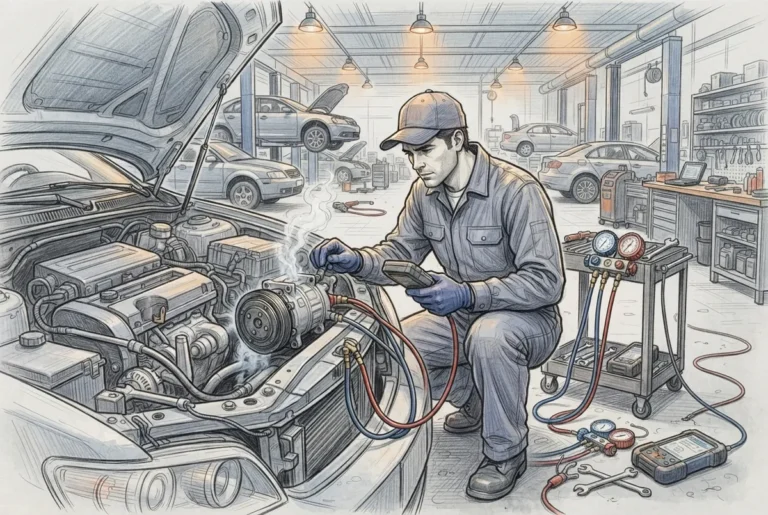
Pop the hood and look at your AC compressor. Is the clutch engaging when you turn on the AC? Do you hear any unusual noises, like squealing or clicking? Also check that the condenser, located in front of your radiator, isn’t blocked by leaves, bugs, or road debris. Just like outdoor AC units need clearance to breathe, your vehicle’s condenser needs unobstructed airflow to do its job.
Common Reasons Your AC Stopped Working
If the quick checks didn’t solve your problem, here are the most common issues that require a closer look. Understanding these can help you describe the problem accurately when you schedule service with a technician.
Refrigerant Leaks
Refrigerant leaks are one of the most serious sealed-system issues your AC can face. Without enough refrigerant, your system simply can’t remove heat from the cabin air. Leaks often happen at hose connections, seals, or the evaporator itself due to age, vibration, or corrosion. Never try to fix a refrigerant leak yourself. It requires specialized equipment and EPA certification to handle safely and legally.
Failed Compressor or Clutch
The compressor is the heart of your AC system. If it fails, nothing else matters, no refrigerant will circulate and no cold air will blow. Common signs include loud grinding noises, a clutch that won’t engage, or visible oil residue around the compressor housing. Compressor failures often stem from lack of lubrication, electrical faults, or simply old age.
Bad Capacitors or Blower Motors
In some systems, especially larger vehicles like buses and heavy trucks, capacitors help start and run the blower motor and compressor. A failed capacitor can prevent the whole system from powering up, even if everything else looks fine. Similarly, a worn-out blower motor can leave you with plenty of cold refrigerant but zero airflow into the cabin.
Ice Buildup on Coils
If you notice ice forming on your evaporator coil or the copper lines under the hood, turn your AC off immediately. Ice buildup usually points to either low refrigerant or restricted airflow, and running the system this way can seriously damage your compressor. Let the ice melt completely before attempting to restart the system, then have it inspected.
AC Problems by Vehicle Type
Different vehicles face different AC challenges depending on how they’re used. Here’s a quick breakdown of what tends to go wrong across various applications Marks Air services.
| Vehicle Type | Common AC Issues | Why It Matters |
|---|---|---|
| Passenger Cars | Dirty filters, refrigerant leaks, weak compressors | Comfort and safety during daily commutes |
| Trucks & Fleets | Compressor wear from long hours, hose fabrication needs | Driver alertness and DOT compliance on long hauls |
| Buses & Transit | High-capacity system strain, blower motor failures | Passenger comfort and safety in Tampa heat |
| RVs | Rooftop unit wear, electrical connection issues | Comfort during long trips and camping stays |
| Heavy Equipment | Dust intrusion, vibration-related leaks | Operator fatigue prevention on job sites |
Why AC Problems Are Different for Each Type of Driver
Not every AC issue affects every driver the same way. Here’s how these problems show up for different groups on the road.
For Everyday Car Owners
You just want cold air when you turn the key, especially during Tampa’s scorching summers. A weak or non-existent AC system isn’t just uncomfortable, it can be dangerous on long drives. Regular maintenance, like what’s outlined in our guide on essential AC maintenance tips, can help you avoid surprise breakdowns.
For Truck Drivers and Fleet Operators
Long-haul drivers depend on a working AC system for comfort and focus during extended shifts. A broken AC in a truck cab isn’t just annoying, it can affect driver safety and compliance with rest regulations. Fleet managers should check out our tips on fleet vehicle AC repair strategies that reduce downtime and repair costs.
For Bus Operators
Public transit vehicles carry passengers who expect a comfortable ride, no matter how hot it gets outside. A failed AC system on a bus can lead to complaints, safety concerns, and even service disruptions. Our resource on proper bus AC system maintenance covers what transit companies need to know.
For RV Enthusiasts
There’s nothing worse than a broken AC unit mid-road trip, especially when you’re miles from home. RV air conditioning systems face unique challenges from vibration and extended outdoor exposure. Learn more about avoiding costly errors in our article on RV air conditioner repair mistakes to avoid.
For Heavy Equipment Operators
Construction and agricultural equipment often run for hours in direct sun with operators inside enclosed cabs. A malfunctioning AC system can lead to fatigue, reduced focus, and productivity losses on the job site. Marks Air’s experience with heavy equipment AC repair means these systems get the specialized attention they need.
Steps to Take When Your AC Stops Cooling
If you’re dealing with an AC that’s blowing warm or not working at all, follow these steps in order.
- Check your control settings and make sure the system is set to cool mode with the fan running.
- Inspect fuses and electrical connections for anything visibly damaged or burnt.
- Look at your cabin air filter and replace it if it’s dirty or clogged.
- Check the condenser for blocked airflow from debris or buildup.
- Listen for unusual noises coming from the compressor when the AC is engaged.
- Turn off the system immediately if you notice ice on any components.
- Contact a certified technician if the problem isn’t resolved after these checks.
Trying to diagnose sealed-system issues like refrigerant leaks or compressor failures without proper tools can cause more harm than good. That’s when it makes sense to bring your vehicle to a shop that specializes exclusively in AC systems, like Marks Air, rather than a general repair shop that handles AC as an afterthought.
Why Choose a Specialist Over a General Repair Shop
Vehicle AC systems are more complex than most people realize, involving refrigerant handling, electrical diagnostics, and precise part replacements. Marks Air has focused exclusively on air conditioning systems since 1971, working on everything from passenger cars to buses, RVs, and heavy equipment. This specialization means faster, more accurate diagnostics and repairs that actually last.
- Same-day access to parts through the in-house KOOL-TEMP line and trusted brands like SPAL, ACT, and Omega.
- EPA-certified technicians trained in refrigerant handling and modern R-134a to 1234yf conversion standards.
- Decades of hands-on experience across every vehicle type, from truck AC compressors to transit bus systems.
- Warranty-backed repairs that give you peace of mind long after you leave the shop.
- Membership in the Mobile Air Climate Systems Association (MACS), keeping technicians current on industry standards.
You can also read what other Tampa customers have experienced by checking Marks Air’s customer reviews or browsing feedback on Yelp. For a closer look at the shop’s reputation and services, you can also see the profile on HVACService.io.
Preventing Future AC Problems
The best way to avoid asking “why is my AC not working” again is regular preventive care. Simple habits can extend the life of your system significantly.
- Replace your cabin air filter on schedule, even if it seems fine.
- Run your AC year-round, even in cooler months, to keep seals lubricated.
- Have refrigerant levels checked annually to catch small leaks early.
- Keep your condenser clear of debris and road grime.
- Schedule a professional inspection before Tampa’s peak summer heat arrives.
For fleet owners and businesses managing multiple vehicles, following a structured maintenance checklist can prevent costly surprises. Our article on preventive versus reactive fleet AC maintenance breaks down why staying ahead of problems saves money in the long run.
When It’s Time to Call a Professional
Some AC issues are simply beyond a quick DIY fix. If you’ve gone through the basic checks and your system still isn’t cooling, it’s time to bring in an expert. Repeated breaker trips, persistent ice buildup, strange odors, or a compressor that won’t engage are all signs of a deeper issue that needs professional diagnostics.
Marks Air offers comprehensive AC diagnostic and repair services for cars, trucks, buses, RVs, and heavy equipment throughout the Tampa area. The shop also stocks a full range of AC parts for same-day repairs, so you’re not left waiting around in the heat. If you’re a technician looking to sharpen your own skills, Marks Air also offers AC training programs covering EPA 609 certification and modern refrigerant standards.
Wrapping Up: Get Back to Cool, Comfortable Driving
A broken AC system doesn’t have to ruin your day, or your route, in Tampa’s heat. Most issues start simple, like a dirty filter or a blown fuse, but some require the trained eye of a specialist to fix correctly and permanently. Whether you’re driving a sedan, hauling freight, operating a transit bus, or running heavy equipment on a job site, keeping your AC in top shape matters for comfort, safety, and productivity.
Don’t wait until you’re stuck sweating in traffic to address the problem. Reach out today and schedule service with Marks Air’s experienced team, or simply call us at 813-988-1671 to get your vehicle back on track. You can also see what customers are saying by visiting the Marks Air location on Google, or follow along on Instagram and Facebook for tips and updates. And while you’re taking care of your vehicle, don’t forget your own comfort too, the friendly folks at Brockway Orthodontics and the relaxing team at Mobile Area Massage of Tampa Bay are great local resources worth knowing about too. Stay cool out there, Tampa!
FAQs
Q: Why is my AC running but not blowing cold air?
A: This usually means your system is dealing with restricted airflow or low refrigerant, both very common issues. A clogged cabin air filter is often the culprit, so check that first before assuming anything more serious is going on. If your filter looks clean and it’s still blowing warm, it may be time to have the refrigerant levels checked by a professional.
Q: What does it mean if my AC outdoor unit or under-hood components aren’t turning on?
A: In vehicles, this often points to a blown fuse, a bad relay, or an electrical connection issue in the compressor clutch. It’s worth checking your fuse box first since that’s a quick and easy fix you can often handle yourself. If everything looks fine there, it’s likely time to have a technician take a closer look at the electrical system.
Q: Can a dirty air filter really cause my AC to stop working?
A: Absolutely, and it’s one of the most common reasons we see at the shop. A dirty filter restricts airflow so much that it can cause your evaporator coil to freeze over, making the whole system shut down or blow warm air. The fix is usually simple and affordable, just swap out the filter and you’re often good to go.
Q: Why is there ice on my AC coils or copper lines?
A: Ice buildup typically signals either low refrigerant or blocked airflow through the system. If you notice this happening, turn your AC off right away and let everything thaw out completely before running it again. Continuing to run the system with ice buildup can cause serious damage to your compressor, so it’s best to get it checked soon after.
Q: How do I know if my AC capacitor or compressor is going bad?
A: Listen for grinding, squealing, or clicking noises when you turn the AC on, these are classic warning signs. You might also notice the compressor clutch isn’t engaging at all, or the system runs but produces no cold air whatsoever. These symptoms usually mean it’s time to bring your vehicle in for a professional diagnostic rather than trying to troubleshoot further on your own.