Key Takeaways
-
In Tampa's extreme heat (91°F+ with high humidity), a vehicle AC failure is a genuine health emergency that can cause heat stroke, dehydration, and dangerous interior temperatures exceeding 130°F within minutes, especially for children, elderly passengers, and those with medical conditions.
-
Refrigerant leaks are the most common cause of sudden AC failure and require EPA-certified technicians to handle safely, particularly for newer HFO-1234yf refrigerant; modern systems can lose cooling capacity rapidly once pressure drops.
-
When your vehicle AC fails, immediately pull over to a shaded area, hydrate, and check basic components like fuses before calling for professional help—have your vehicle's year, make, model, and symptom description ready to help technicians arrive prepared.
-
Mobile technicians can handle many parking lot repairs (refrigerant recharges, fuse replacements, belt changes), but complex repairs like compressor replacement, evaporator core damage, or condenser replacement require a fully equipped shop with specialized diagnostic tools.
-
Emergency AC repair costs range from $150-$300 for recharges to $500-$1,500+ for compressor replacement, with additional premiums for after-hours service; diagnostic fees ($75-$150) are often applied toward total repair costs at reputable shops.
-
Regular preventive maintenance—including annual refrigerant checks, semi-annual belt/hose inspections, and monthly AC system tests—is far less expensive than emergency repairs and prevents dangerous breakdowns during Tampa's extended summer heat season.
When your car’s AC dies on I-275 during Tampa’s brutal August heat, every minute without cool air feels like an eternity—and finding the right automotive AC specialist becomes your top priority. Most people think of home cooling systems when they hear “emergency AC repair Tampa,” but vehicle AC failures are a completely different problem. They require specialized tools, specific automotive expertise, and a rapid response that keeps you safe on the road.
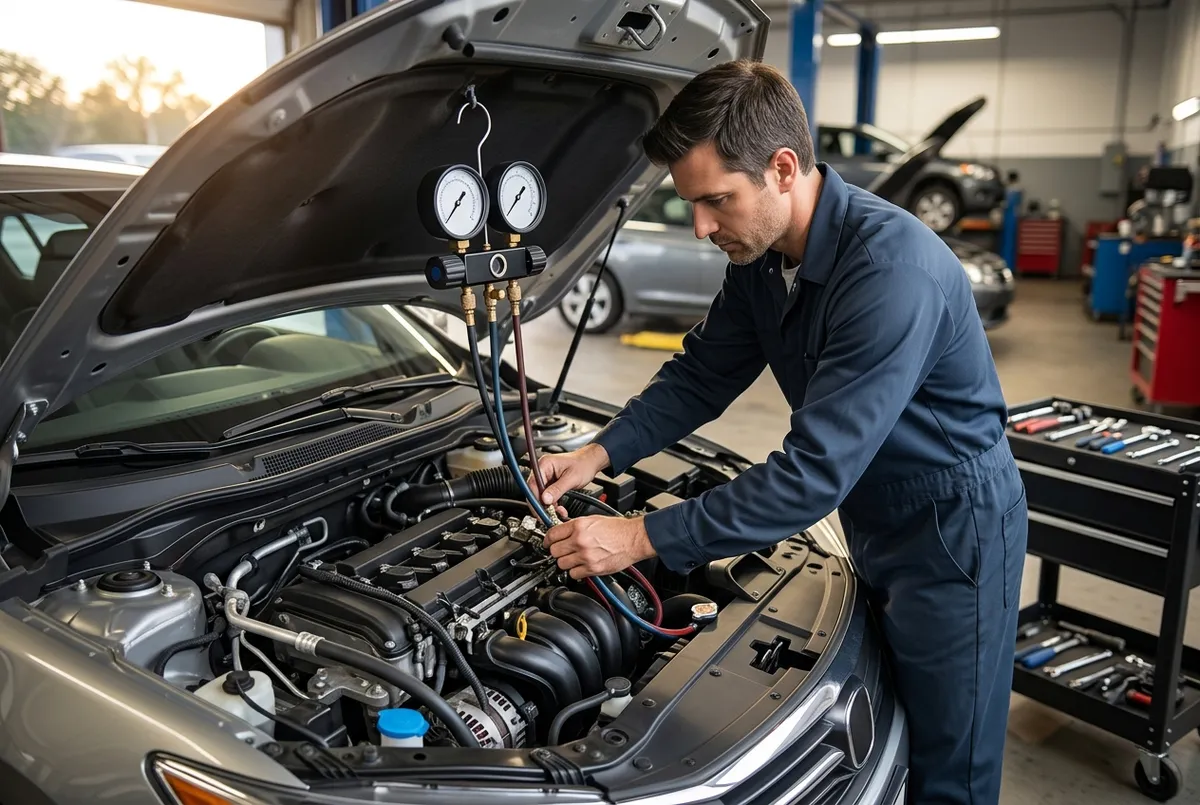
Tampa’s heat is relentless. With average high temperatures hitting 91°F and humidity that makes the air feel like a wet blanket, a broken vehicle AC isn’t just uncomfortable—it can be dangerous. Whether you drive a personal car, a commercial truck, a bus, an RV, or a piece of heavy equipment, losing your cooling system in this climate demands immediate action. This guide walks you through everything you need to know about emergency AC repair for vehicles in Tampa, from recognizing the warning signs to getting fast, reliable help.
Why Vehicle AC Failures Are True Emergencies in Tampa
It’s easy to dismiss a broken car AC as a minor inconvenience. But in Tampa, it’s much more serious than that. The city’s average high temperature of 91°F, combined with oppressive humidity, can turn the inside of a parked or slow-moving vehicle into a dangerous oven within minutes.
Health risks from heat exposure in vehicles are real and serious. Prolonged exposure to extreme heat causes heat exhaustion, heat stroke, and severe dehydration. These risks are highest for elderly passengers, young children, and anyone with a heart condition or respiratory illness. A vehicle with no AC in Tampa’s summer heat can reach interior temperatures of 130°F or more on a sunny day.
Tampa’s extreme temperatures and humidity make the situation even worse. High humidity prevents sweat from evaporating efficiently, which means your body’s natural cooling system doesn’t work as well. This accelerates heat-related illness significantly.
Safety concerns for elderly passengers and children are especially important. Children and seniors have less ability to regulate body temperature, making them far more vulnerable to heat-related emergencies. A quick errand or short trip can become a health crisis without functioning AC.
Commercial vehicle compliance and driver regulations add another layer of urgency. Professional truck drivers and bus operators are subject to health and safety regulations that require comfortable, safe working conditions. A failed AC system in a commercial vehicle isn’t just uncomfortable—it can create liability issues and force vehicles out of service until repairs are made.
Common Causes of Sudden Automotive AC Breakdowns
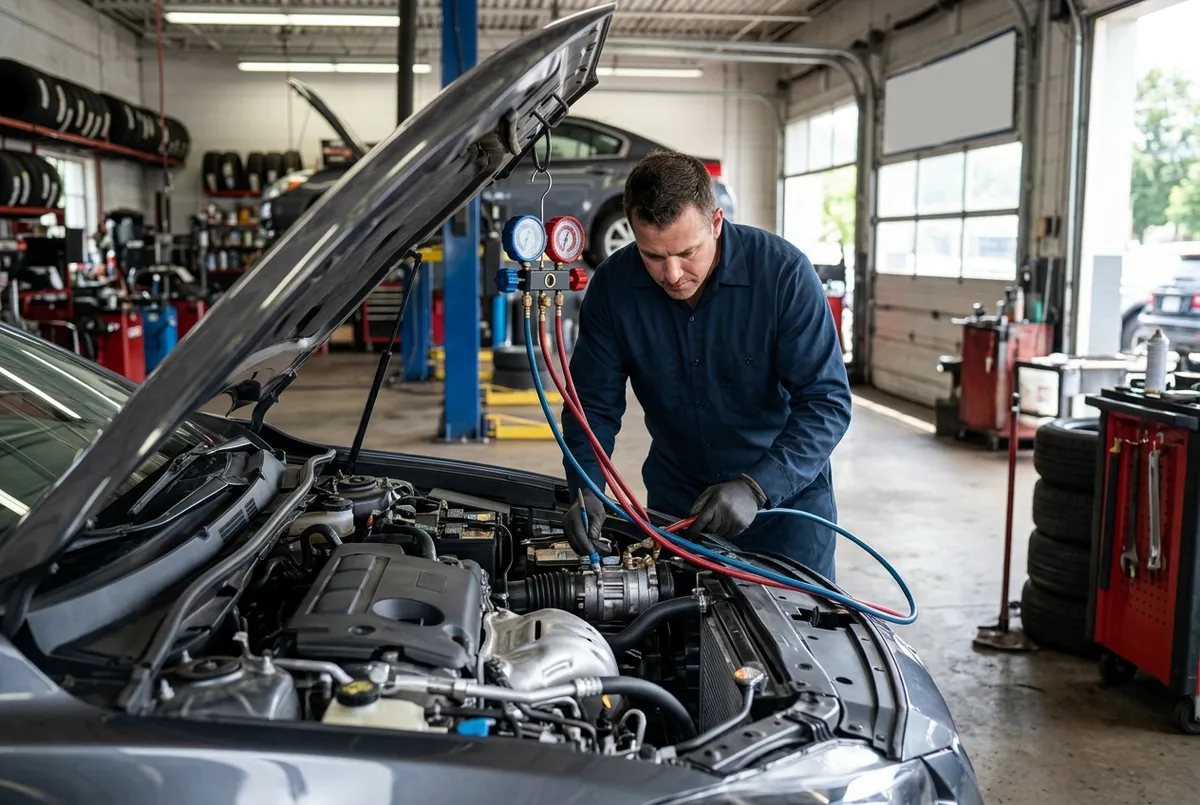
Understanding why your AC failed is the first step toward fixing it. Automotive AC systems are complex, but most sudden failures come down to a handful of common culprits.
Refrigerant leaks and system pressure loss are the most frequent cause of AC failure. Over time, hoses, fittings, and seals develop small cracks or deteriorate, allowing refrigerant to escape. When pressure drops too low, the system can’t cool effectively—or shuts off entirely to prevent compressor damage. Refrigerant leaks require professional handling because modern refrigerants, including the newer HFO-1234yf used in many 2017+ vehicles, require EPA certification to handle safely.
Compressor clutch and belt failures often show up without much warning. The compressor is the heart of your AC system. If the clutch that engages it wears out, or if the drive belt snaps, your AC goes cold instantly. You might hear a loud squeal or grinding noise right before it happens.
Here are the most common signs of compressor trouble:
- Loud clicking or rattling noise when AC is switched on
- AC works intermittently or only on certain fan settings
- Warm air blowing even at full cold setting
- Visible damage or cracks on the drive belt
Electrical system malfunctions and blown fuses can cut power to your AC system entirely. Faulty relays, damaged wiring, or a blown fuse are often quick fixes—but finding the root cause requires diagnostic equipment.
Condenser damage from road debris is common in Tampa’s heavy traffic. The condenser sits at the front of the vehicle and is exposed to rocks, dirt, and debris. A punctured condenser causes rapid refrigerant loss and immediate system failure.
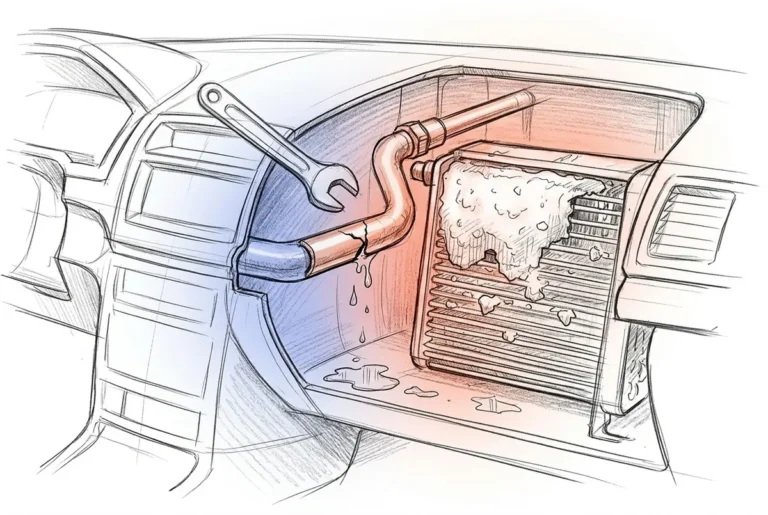
Evaporator core blockages and moisture issues develop more slowly but can cause sudden failures in humid climates like Tampa. When the evaporator gets clogged with dust, mold, or debris, airflow drops and the system freezes up or stops cooling altogether.
Immediate Steps When Your Vehicle AC Stops Working
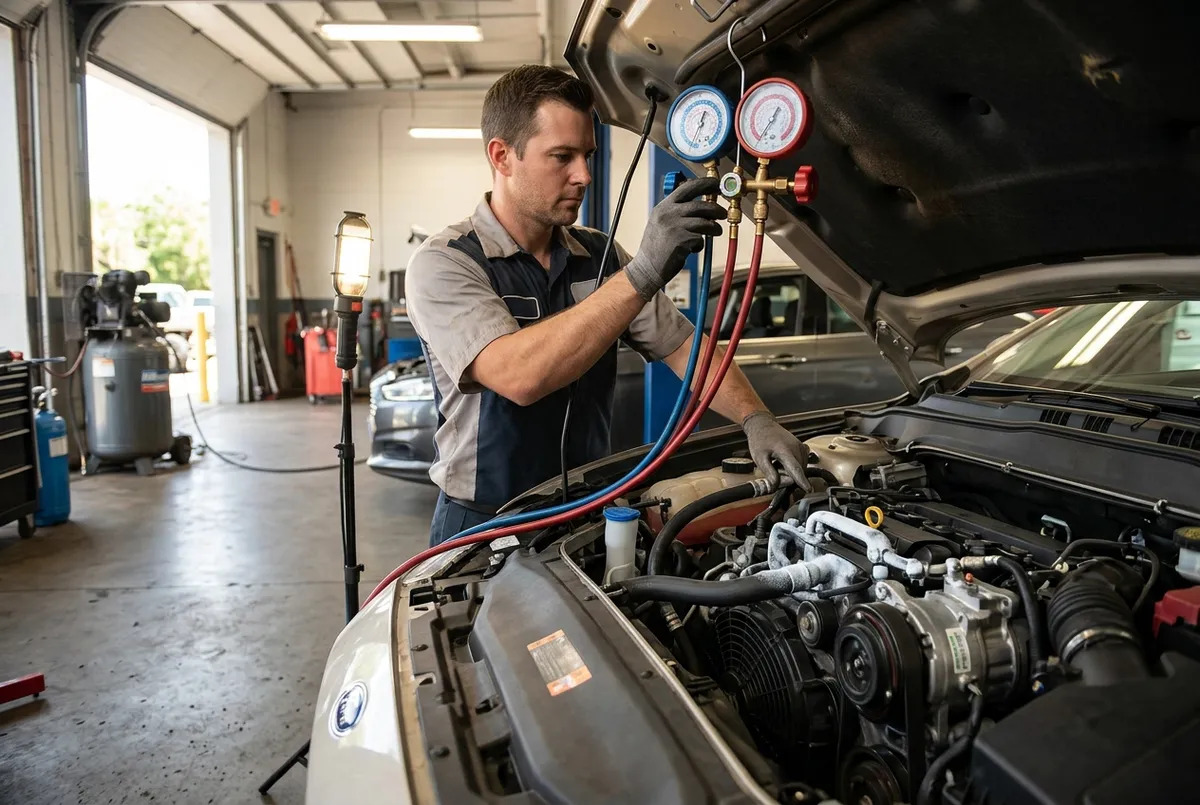
If your vehicle AC suddenly stops working, staying calm and taking the right steps quickly makes a big difference. Here’s what to do:
- Pull over safely if you feel overheated. Don’t push through if you or your passengers feel dizzy, nauseous, or lightheaded. Find a shaded parking area or a covered garage and get out of the vehicle.
- Turn off the engine and open windows. Once parked, crack the windows or open the doors to let hot air escape. This helps reduce interior temperature quickly.
- Hydrate immediately. Drink water right away. Heat exposure dehydrates you faster than you expect, especially in Tampa’s humidity.
- Check the basics yourself. Look at your dashboard for warning lights. Check if the AC is switched on and the fan is running. A blown fuse is sometimes all it takes—check your owner’s manual for fuse box location.
- Use temporary cooling measures. Wet towels on your neck and wrists can lower body temperature while you wait for help. Battery-powered fans also help in a pinch.
- Call for professional help immediately. Don’t delay. Have your vehicle’s year, make, model, and a description of the symptoms ready when you schedule service or call a specialist.
When calling for emergency AC repair in Tampa, be ready to describe exactly what happened: Did the AC stop suddenly or gradually? Are there unusual smells or sounds? Is warm air still blowing? This information helps technicians arrive prepared with the right tools and parts.
Mobile Emergency AC Repair Services vs Shop Repairs
When your vehicle AC fails, you have two main options: wait for a mobile technician to come to you, or get your vehicle to a specialized shop. Both have their place, and the right choice depends on your situation.
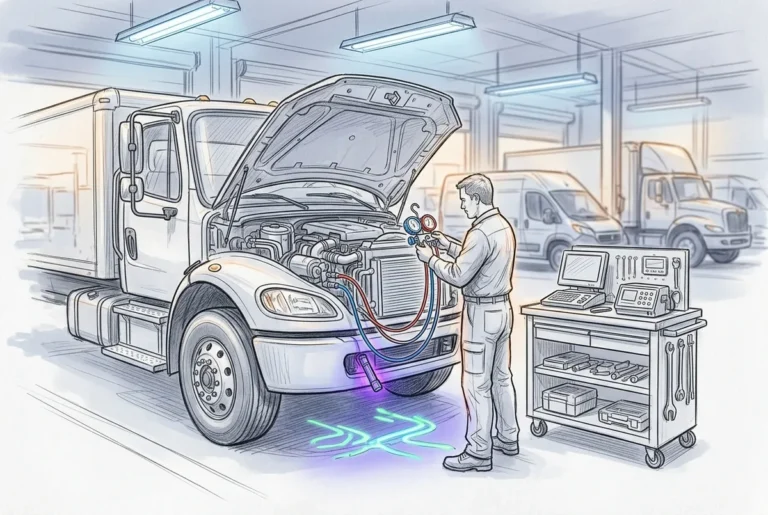
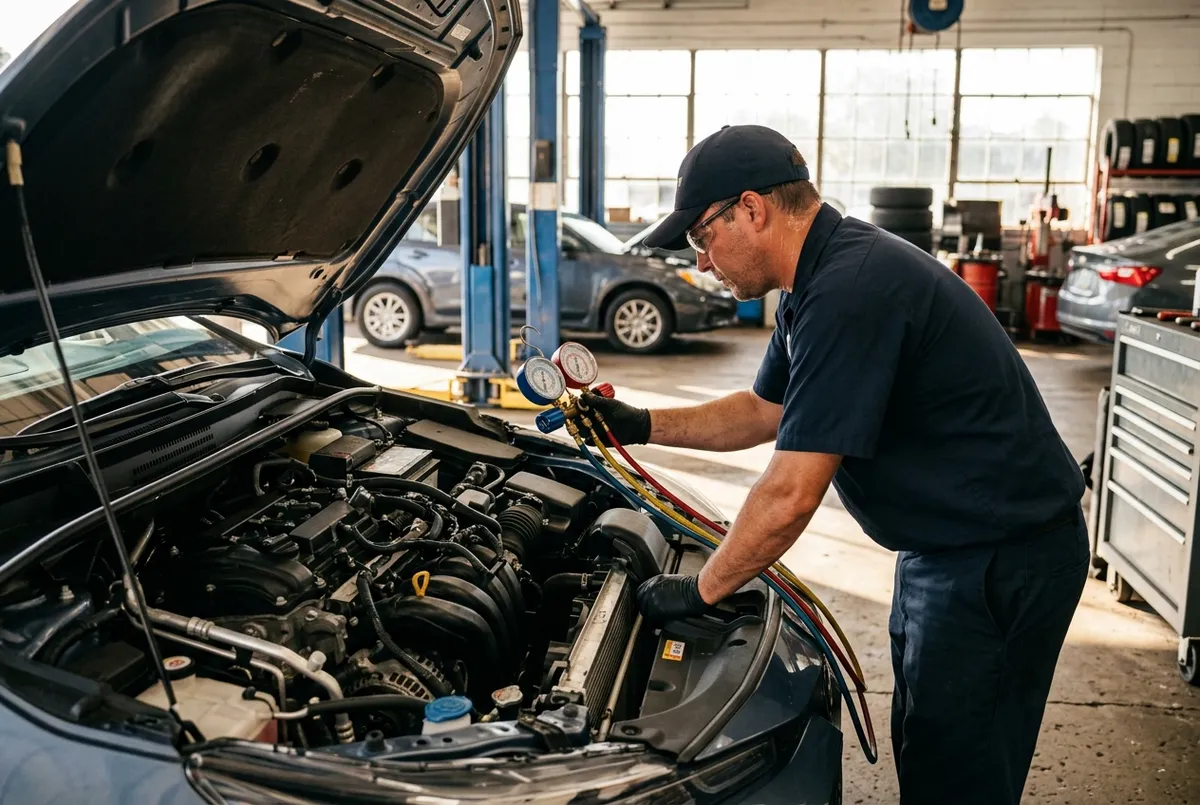
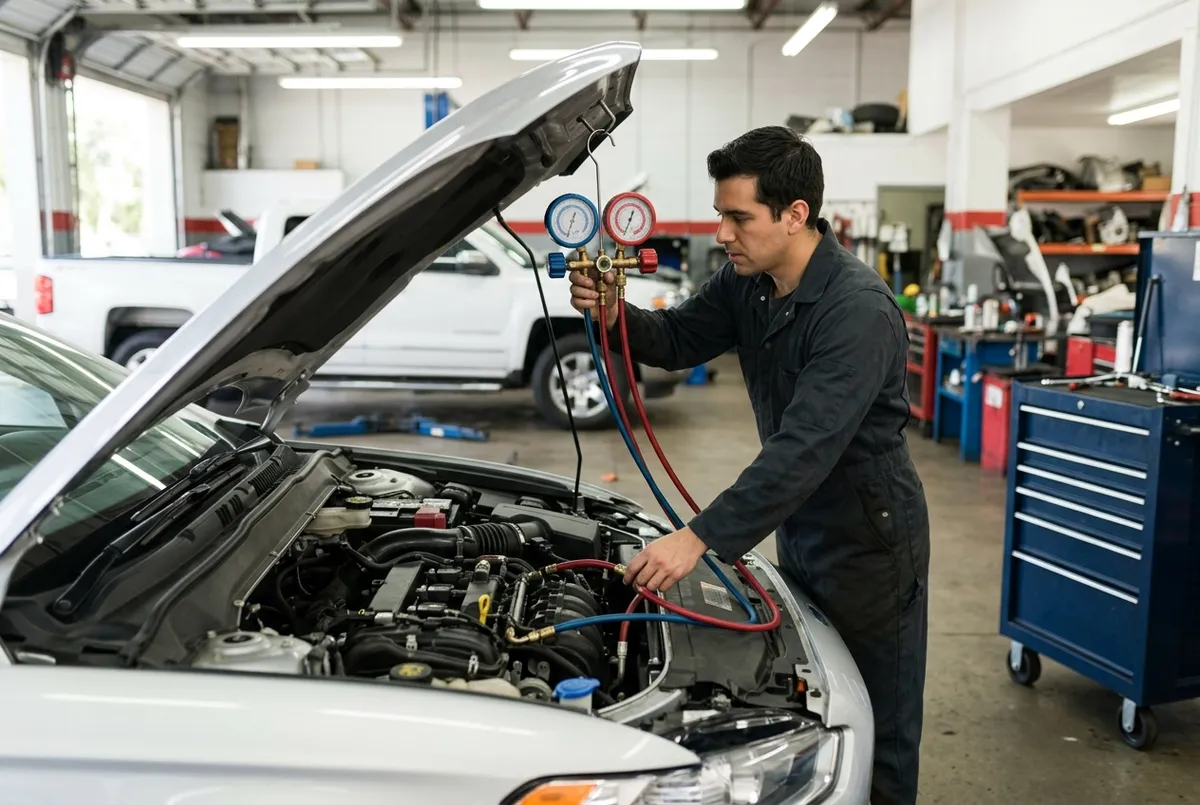
Benefits of on-site diagnostic capabilities are real. A skilled mobile technician with proper equipment can diagnose many AC problems right in a parking lot. They can check system pressure, test electrical components, and identify refrigerant leaks on the spot.
Types of repairs possible in parking lots include refrigerant recharges, fuse and relay replacements, belt replacements, and basic electrical fixes. These are common repairs that a well-equipped mobile tech can handle without a full shop setup.
When towing to a shop is necessary:
- Compressor replacement requiring special tools and alignment
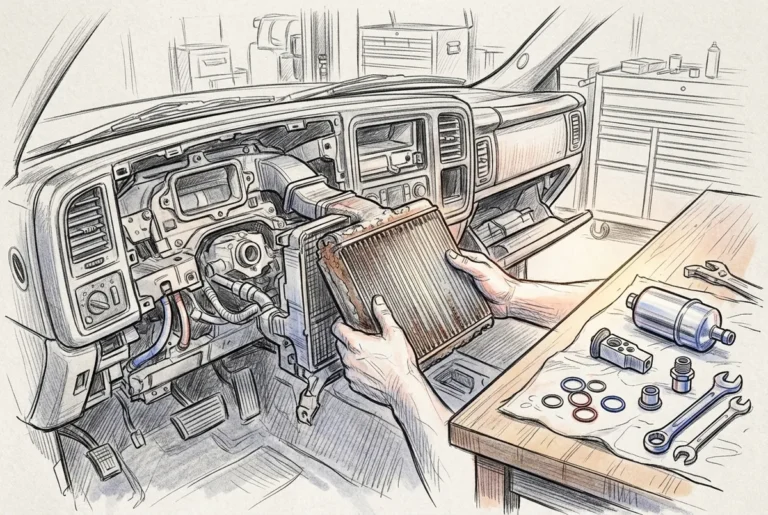
- Evaporator core repairs that need dashboard removal
- Condenser replacement requiring front-end disassembly
- Complex electrical diagnostics needing specialized scan equipment
Cost differences and time considerations matter too. Mobile service often carries a travel or convenience fee. A shop visit may take longer upfront but allows for a more thorough repair. For comprehensive AC services that fix the problem completely and come with a warranty, bringing your vehicle to a fully equipped facility like Marks Air in Tampa is often the smarter long-term choice.
Emergency AC Repair for Different Vehicle Types
Not all vehicle AC systems are the same. Emergency repair needs vary significantly depending on what you’re driving or operating.
Special considerations for RV roof units make RV AC repairs more complex. Most RVs use rooftop air conditioning units that differ entirely from automotive systems. They require different refrigerants, unique mounting hardware, and access from the roof. In Tampa’s heat, a failed RV AC during a camping trip or long drive is a serious problem. RV enthusiasts should look for specialists with experience in these systems specifically.
Commercial truck sleeper cab systems are another specialized area. Long-haul trucks often have dual AC systems—one for the cab and one for the sleeper area. Drivers rely on these systems for rest between hauls. A failure means driver discomfort, potential health risks, and possible regulation violations. Fast repair or access to the right AC parts is critical to keeping these vehicles on the road.
Bus and shuttle passenger cooling requirements go beyond driver comfort. Public transit buses, school buses, and shuttle services carry passengers who depend on reliable cooling. Many states have specific requirements for passenger vehicle climate control. A failed bus AC can mean pulling a vehicle from service entirely, which affects schedules and generates complaints.
Heavy equipment operator cabin systems are often overlooked but critically important. Construction equipment operators work long shifts in direct sun. Without functioning cabin AC, operator fatigue sets in quickly, increasing the risk of accidents. Downtime for heavy equipment is expensive, making fast diagnostics and repair a priority for any fleet manager.
Marks Air has been serving Tampa since 1971, handling AC repairs for all of these vehicle types at their fully equipped facility. As a proud member of the Mobile Air Climate Systems Association (MACS), they stay current with the latest standards for every vehicle category.
Cost Factors for Emergency Automotive AC Repairs
Emergency AC repair costs vary widely depending on the problem, vehicle type, and timing. Here’s a general overview of what affects your final bill:
| Repair Type | Typical Cost Range | Notes |
|---|---|---|
| Refrigerant Recharge | $150–$300 | Higher for HFO-1234yf systems |
| Leak Detection & Repair | $200–$500+ | Depends on leak location |
| Compressor Replacement | $500–$1,500+ | Varies by vehicle type |
| Condenser Replacement | $300–$900 | Labor intensive on some models |
| Diagnostic Fee | $75–$150 | Often applied toward repair cost |
After-hours service premiums apply when you need emergency repairs outside normal business hours. Expect to pay a surcharge on top of standard labor rates for late-night or weekend calls.
Refrigerant recharge pricing has increased in recent years, especially for newer HFO-1234yf refrigerant, which is more expensive than older R-134a. Always ask upfront what refrigerant your vehicle uses.
Diagnostic fee structures vary by shop. Many reputable shops apply the diagnostic fee toward the cost of the repair, which is fair and transparent. Always ask about this policy before authorizing any work. Check out our FAQs page for more information on pricing questions.
Preventing AC Emergencies Through Regular Maintenance
The best emergency is the one that never happens. Regular maintenance is the most effective way to avoid being stranded in Tampa’s summer heat with a broken vehicle AC.
Seasonal inspection schedules for Tampa climate should include a full AC check before summer begins (March or April is ideal) and again mid-season. Tampa’s heat puts AC systems under stress for more months per year than almost anywhere else in the country.
Here are the top preventive maintenance tasks to stay ahead of AC failures:
- Have refrigerant levels checked and topped off annually
- Inspect belts and hoses for cracks or wear every six months
- Clean or replace cabin air filters every 15,000 miles
- Test the compressor clutch operation during routine service visits
- Check condenser fins for debris or damage after highway driving
Early warning signs to watch for between service visits include:
- AC takes longer than usual to cool the cabin
- Musty or unusual odors from the vents
- Clicking, squealing, or grinding noises when AC turns on
- Visible moisture under the dashboard inside the cabin
- Higher-than-normal engine temperature when AC is running
DIY maintenance tasks between services include keeping your cabin air filter clean, parking in shade when possible to reduce system strain, and running the AC for a few minutes every week even in cooler months to keep seals lubricated and the system functional.
Benefits of preventive service contracts are worth considering for fleet owners and heavy users. A scheduled maintenance plan reduces emergency repair costs, extends system life, and keeps commercial vehicles compliant and on the road. You can explore available AC service options to find the right maintenance plan for your vehicles.
Investing in regular maintenance is always less expensive than emergency repairs. And when you work with experienced specialists, you also benefit from their knowledge about what to watch for in your specific vehicle type. Check out what customers are saying about their experiences on our reviews page or read our Yelp reviews to see why Tampa drivers trust specialists with their AC systems year after year.
Stay Connected for Tips and Updates
Want to stay on top of AC maintenance tips and service reminders? Follow Marks Air on Facebook for seasonal tips, special offers, and vehicle AC advice tailored to Tampa drivers. You can also visit us on Google to read customer reviews and get directions to our Tampa facility.
Don’t Let Tampa’s Heat Beat You
Vehicle AC emergencies in Tampa are a genuine safety concern, not just an inconvenience. Whether you drive a personal car, operate a commercial truck, manage a bus fleet, or run heavy equipment, a functioning AC system is essential for health, safety, and productivity in this climate. Knowing what to do when your AC fails—and who to call—can make all the difference.
Marks Air has been Tampa’s trusted automotive AC specialist since 1971. As a family-owned, woman-owned business, they bring decades of focused expertise to every repair, from simple refrigerant recharges to full system replacements across every vehicle type. Their fully equipped Tampa facility, same-day parts availability, and commitment to quality mean you’re in good hands. Don’t wait until you’re stranded on the highway in the August heat—reach out to schedule your AC service today or call us at 813-988-1671 and let Tampa’s AC experts keep you cool all year long.
FAQs
Q: How quickly can mobile AC technicians reach me on Tampa highways?
A: Response times vary depending on traffic and technician availability, but many mobile AC technicians in Tampa aim to reach you within one to two hours. For the fastest and most thorough service, it’s often worth arranging a tow to a fully equipped specialist shop like Marks Air, where diagnostics and parts are ready to go on the same day.
Q: Will my auto insurance cover emergency AC repairs?
A: Standard auto insurance policies typically don’t cover AC repairs unless the damage was caused by a covered event like a collision or road debris impact. It’s always a good idea to check with your insurer to see what’s included in your policy—some comprehensive plans do cover certain mechanical failures.
Q: Can emergency repairs fix AC problems permanently or are they temporary?
A: Many emergency repairs—like compressor replacements, condenser fixes, or refrigerant leak repairs done at a fully equipped shop—are permanent, high-quality fixes backed by a warranty. Quick roadside patches like a temporary refrigerant top-off without fixing the underlying leak are more of a short-term measure to get you to a specialist safely.
Q: What’s the difference between automotive and residential AC refrigerants?
A: Automotive AC systems use refrigerants like R-134a or the newer HFO-1234yf, which are specifically formulated for the pressure ranges and temperature extremes found in vehicle systems. Residential AC systems typically use R-410A or R-22, which are entirely different compounds not compatible with automotive equipment—so it’s important to always use a specialist who works specifically on vehicle AC systems.
Q: Should I keep driving with a broken AC if I need to reach my destination?
A: Short trips in mild weather might be manageable, but driving in Tampa’s summer heat without AC—especially with children, elderly passengers, or pets on board—poses real health risks. If the AC failure is accompanied by warning lights, unusual smells, or engine temperature changes, pull over immediately and call a specialist rather than risking further damage or a medical emergency.