Key Takeaways
-
Tampa's extreme heat and humidity make a properly functioning vehicle AC system essential; a simple recharge isn't always the fix since low refrigerant indicates a leak or system problem that must be diagnosed first.
-
Comprehensive AC service includes full system inspection, leak testing, compressor evaluation, and performance verification—not just refrigerant top-off—which prevents costly repeat repairs within weeks.
-
Warning signs like cold air only at highway speeds, hissing sounds, odd smells, or foggy windows indicate you need a full diagnostic rather than a basic recharge to avoid wasting money on incomplete fixes.
-
Using the correct refrigerant type specified by your vehicle manufacturer is critical; most older vehicles use R-134a while newer models use R-1234yf, and mixing them damages the system.
-
Before booking service, ask upfront about diagnostic fees, refrigerant type availability, labor warranties, repair timeline, and same-day service options to avoid hidden costs and delays.
-
Specialized AC shops with decades of focused experience and proper parts inventory on hand offer faster repairs and more reliable results than general repair shops for Tampa-area drivers.
Tampa summers are no joke. Between the heat, the humidity, and the traffic jams on I-275, a weak car AC can turn any drive into a sweaty mess. That’s why vehicle AC service in the greater Tampa area matters so much to everyone who spends time behind the wheel, whether you’re driving a sedan, a semi-truck, a school bus, or a piece of heavy equipment on a job site.
Good news: you don’t have to guess your way through this. In this friendly guide, we’ll walk through what real vehicle AC service looks like, why a quick recharge isn’t always the fix you need, and how to spot trouble before it turns into a breakdown. We’ll also share some helpful facts about local service options across Tampa, Clearwater, Largo, Lutz, and nearby communities. Grab a cold drink, settle in, and let’s talk cool air.
What Vehicle AC Service Actually Includes
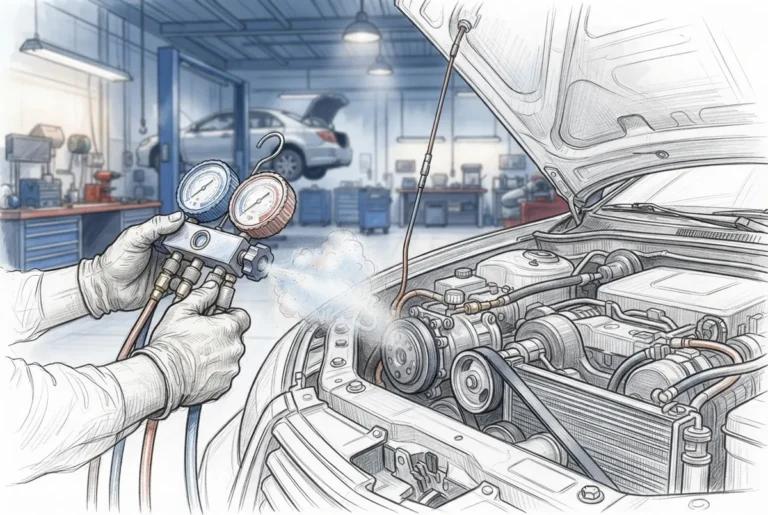
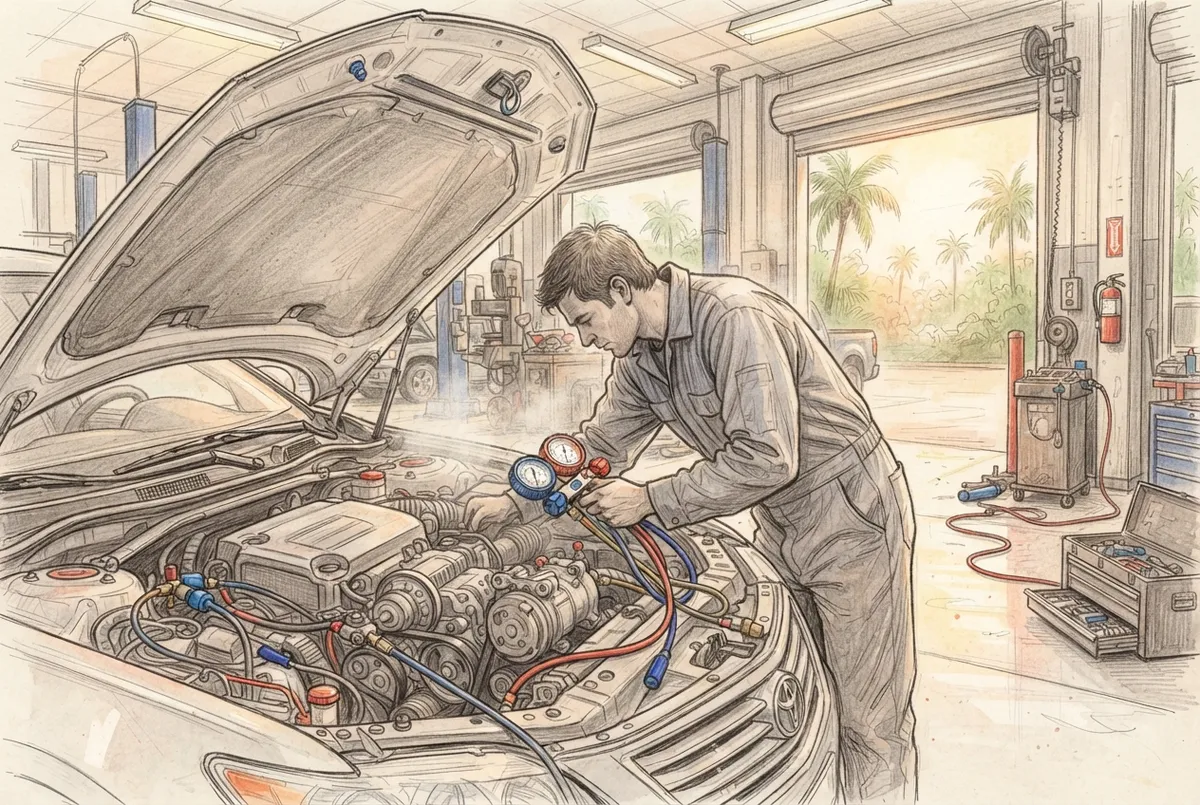
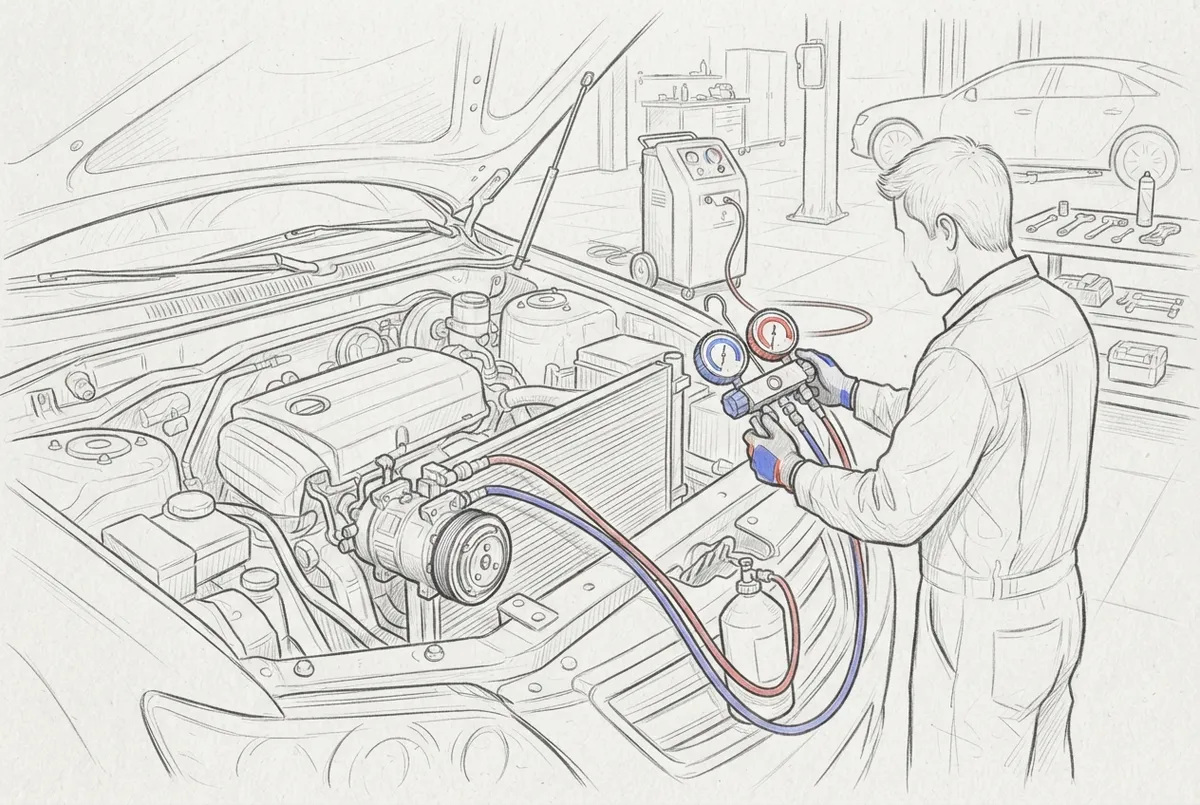
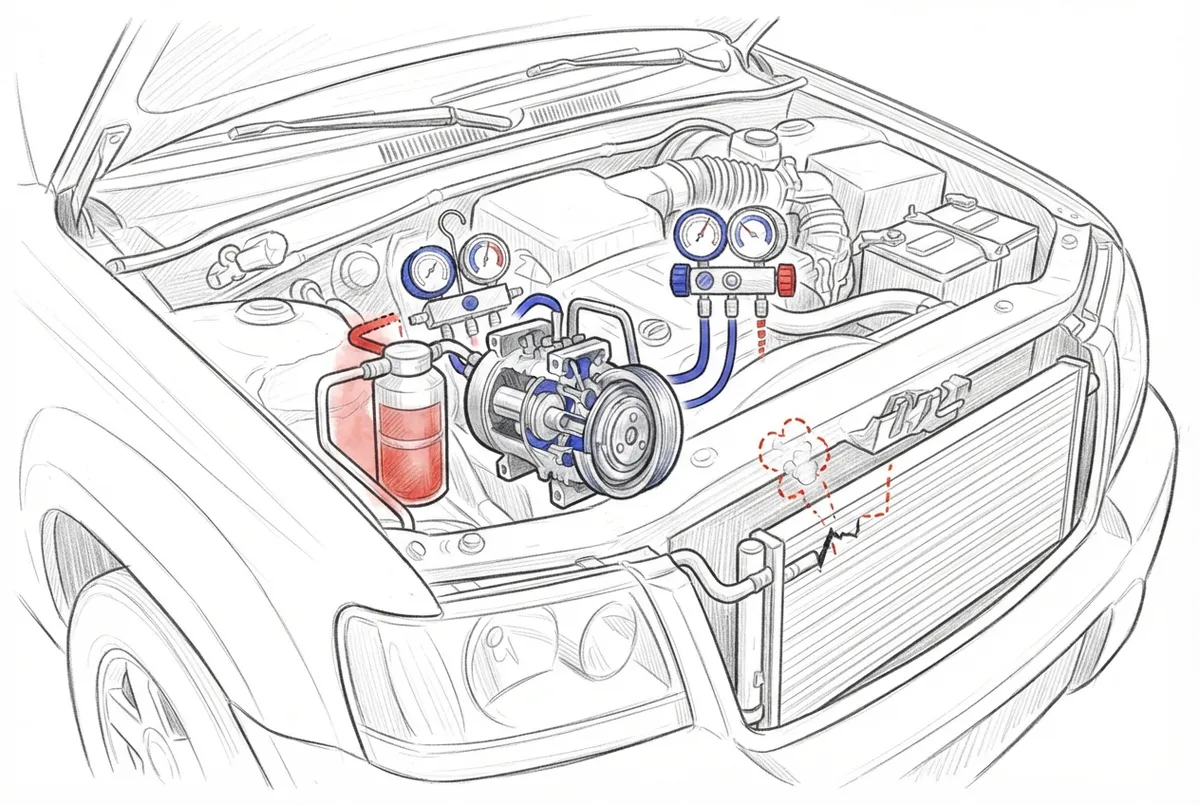
A lot of folks think AC service just means adding refrigerant. It’s actually a bit more thorough than that, and honestly, that’s a good thing. A proper vehicle AC service usually checks the whole system, not just the gas level.
Here’s what a thorough visit typically covers:
- Full system inspection, including hoses, belts, and connections
- Refrigerant recovery, evacuation, and recharge to manufacturer specs
- Leak testing using dye or electronic leak detectors
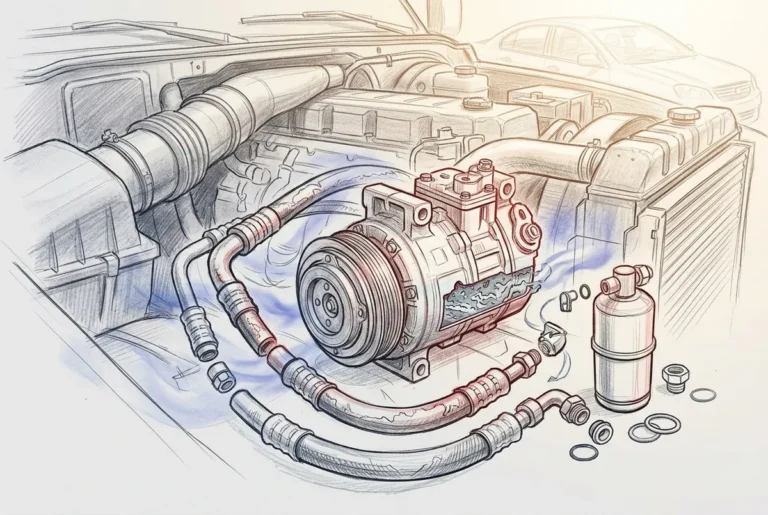
- Compressor evaluation for noise, cycling, or clutch issues
- Condenser and evaporator diagnosis for airflow and cooling problems
- Expansion valve or orifice tube inspection
- Blower motor and electrical control testing
- Performance verification with vent temperature checks
This kind of complete check is what separates a lasting repair from a quick fix that fails again in a few weeks. If you want to see how a dedicated shop breaks this down step by step, check out this guide on what AC repair involves in 2026.
Why a Recharge Alone Might Not Solve Your Problem
Here’s something every Tampa driver should know. If your AC is low on refrigerant, that’s not normal. Your AC system is sealed, so refrigerant shouldn’t just disappear on its own. Low refrigerant almost always means there’s a leak somewhere, or another part of the system has a problem.
A quick recharge might feel cold for a week or two, but if nobody found the actual leak, you’ll be back to warm air before you know it. That’s money spent twice for one fix. A trustworthy technician will always look for the root cause first, then recharge the system properly. Learn more about avoiding this trap in our article on AC leak mistakes that cost car owners more money.
Common Signs You Need More Than a Recharge
- AC blows cold at highway speed but warm at idle
- Cooling worked fine last month but has faded fast
- You hear hissing, clicking, or grinding from under the hood
- There’s an odd smell coming from your vents
- Windows fog up even with the AC running
If any of these sound familiar, it’s worth booking a real inspection rather than a simple top-off. Our team put together a deeper breakdown in Why Is My AC Not Working? Vehicle AC Troubleshooting Guide.
Vehicle AC Service Across the Greater Tampa Area
The greater Tampa area covers a lot of ground, and thankfully, vehicle AC service options are spread out to match. Drivers in South Tampa, Westchase, Lutz, Clearwater, Largo, and Odessa all have access to shops offering everything from basic recharges to full compressor swaps.
Some regional providers list multiple Tampa-area locations, with service points tied to ZIP codes like 33604, 33609, 33618, 33625, 33634, and 33647. Others operate a handful of shops stretching from Lakeland to Clearwater. This wide coverage is genuinely helpful, especially for commuters and fleet vehicles that travel across county lines every day.
Marks Air has been part of this community since 1971, working exclusively on air conditioning for cars, trucks, buses, RVs, and heavy equipment right here in Tampa. As a family-owned and woman-owned business, the shop has built decades of hands-on experience with local heat and humidity conditions that put extra strain on AC systems. You can read more about that history on the About Marks Air page.
Typical Time for Service
Some quick-service providers advertise a basic AC recharge completed in under 30 minutes when there’s no leak involved. But if your technician finds a leak or a failing part, the visit naturally takes longer, since proper diagnosis and repair take more care than a simple top-off. Complex jobs like compressor or evaporator replacement may require a full day or more, depending on parts availability.
Comparing Common Vehicle AC Repairs
It helps to know roughly what you’re dealing with before you head to a shop. Here’s a simple breakdown of common repair categories and what usually causes them.
| Repair Type | Common Cause | Typical Signs |
|---|---|---|
| Refrigerant Recharge | Small leak or normal seepage over years | Weak but present cooling |
| Compressor Replacement | Worn clutch, bearing failure, or seized unit | Loud noise, no cold air, clutch won’t engage |
| Condenser Repair | Road debris damage or corrosion | Warm air, especially at idle |
| Evaporator Repair | Internal leak, mold buildup, or corrosion | Musty smell, reduced airflow |
| Expansion Valve/Orifice Tube | Blockage or valve failure | Inconsistent cooling, icing on lines |
| Electrical/Blower Issues | Faulty relay, resistor, or wiring | Fan won’t change speeds or won’t run |
If you’re dealing with warm air specifically, our article on 10 Reasons Your AC Is Blowing Warm Air (And How to Fix It) walks through each possible cause in plain language.
Vehicle AC Service for Different Types of Drivers
Not every vehicle owner has the same needs, and that’s perfectly okay. Let’s talk about a few groups and what matters most for each.
Car Owners
If you’re driving a personal car around Tampa, comfort and reliability are probably your top concerns. Nobody wants to sit in traffic on Dale Mabry with warm air blasting in their face. Regular checkups can catch small leaks before they become expensive compressor failures. Our guide on 5 AC Maintenance Tips Every Tampa Vehicle Owner Needs is a great starting point.
Truck Drivers and Fleet Operators
Long-haul drivers depend on working AC for comfort during extended hours behind the wheel. A failed system isn’t just uncomfortable, it can affect alertness and safety on long routes. Fleet managers should also think about preventive scheduling rather than waiting for breakdowns, which we cover in Preventive vs. Reactive Fleet AC Maintenance: Which Wins?
Bus Operators
Public transit and shuttle companies carry passengers who expect a comfortable ride, especially during Florida’s long, hot season. A well-maintained AC system also supports safety by keeping windows clear of fog and drivers alert. Check out What Does Proper Bus AC System Maintenance Actually Involve? for more detail.
RV Enthusiasts
RV owners often deal with more complex AC setups, sometimes involving multiple units or older components. Whether you’re prepping for a road trip or dealing with an on-the-road breakdown, having a specialist who understands RV systems is a huge relief. Our piece on 6 RV Air Conditioner Repair Parts Mistakes to Avoid is worth a read before your next trip.
Heavy Equipment Operators
Construction and industrial crews rely on functioning cab AC to prevent operator fatigue during long shifts outdoors. Downtime on a job site costs real money, so quick, reliable repairs matter here more than almost anywhere else. Learn more in How to Get Heavy Equipment AC Repair Done Right.
Automobile Fleet Owners
Companies managing multiple vehicles need consistent service records, fast turnaround, and dependable parts availability. Skipping small issues across a fleet can multiply costs quickly, so a proactive plan makes a real difference. Our resource on 4 Fleet Vehicle AC Repair Tips That Save You Money breaks this down further.
Refrigerant Matters More Than You Think
Not all refrigerants are the same, and using the wrong one can actually damage your system. Most older vehicles use R-134a, while many newer models have shifted to R-1234yf. Mixing them or substituting one for the other isn’t a safe shortcut.
A proper service should always use the refrigerant type and amount specified by your vehicle’s manufacturer. If you’re curious about the ongoing shift toward newer refrigerants, our article 12 Things to Know About R-134a to 1234yf Conversion covers the basics in simple terms.
Parts, Training, and Local Trust
One thing that sets a specialized AC shop apart is having the right parts on hand. Marks Air stocks a full lineup, including its own KOOL-TEMP parts line along with trusted brands like SPAL, ACT, BCC, gpd, and Omega. Many parts are available same-day, which is a big help when you’re trying to get back on the road fast. You can browse available components on the AC Parts page.
Beyond repairs, Marks Air also offers hands-on training programs, including EPA 609 certification, HFO-1234yf training, and MVAC best practices. This commitment to education helps keep technicians across the industry sharp and up to date. The shop is also a member of the Mobile Air Climate Systems Association (MACS), which reflects a serious dedication to staying current with industry standards. If you’re interested in growing your own skills, take a look at the Training programs available.
What to Ask Before Booking Vehicle AC Service
A little bit of homework goes a long way. Before you commit to a shop, it helps to ask a few simple questions.
- Does the price include diagnosis, or is that billed separately?
- What refrigerant type does my vehicle need, and do you carry it?
- Is there a warranty on parts and labor?
- How long will the repair likely take?
- Do you offer same-day or mobile service if I’m in a pinch?
Getting clear answers upfront helps avoid surprises later. For more tips on choosing a shop you can trust, see How To Find Reliable Auto A/C Service in Tampa Bay.
Real Experience Makes a Difference
When your AC has been on the fritz for days, the last thing you want is a guessing game. Choosing a shop with decades of focused experience means fewer unnecessary repairs and more lasting results. Marks Air has spent over five decades working exclusively on vehicle air conditioning, and that kind of specialization tends to show in the quality of the work.
Curious what other customers have experienced? You can read honest feedback on the Reviews page, follow shop updates on Instagram, connect through Facebook, or check independent ratings on Yelp. You can also visit us on Google — Marks Air to see what neighbors across Tampa have to say.
Wrapping Up: Stay Cool This Season
Vehicle AC service in the greater Tampa area isn’t something to put off, especially with our long, humid summers stretching well into the fall. Whether you’re driving a family car, running a fleet, managing a bus route, or operating heavy equipment, a properly working AC system keeps you comfortable, alert, and safe on the road.
If your car, truck, bus, or RV has been blowing warm air or acting up lately, don’t wait for it to get worse. Reach out and schedule service with a team that’s been keeping Tampa cool since 1971, or simply call us at 813-988-1671 to get your questions answered today. Your future self, sweating less in traffic, will thank you.
FAQs
Q: How much does vehicle AC repair cost in the Greater Tampa area?
A: It really depends on what’s wrong. A simple recharge might run you less than a full diagnostic and leak repair, while compressor or evaporator replacement costs more due to parts and labor. The best way to know for sure is to get an inspection, since guessing at costs without seeing the vehicle rarely gives you the full picture.
Q: Where can I get a car AC recharge in Tampa, Clearwater, or St. Petersburg?
A: Good news, you’ve got plenty of options across the Greater Tampa area, from dedicated AC specialists to general repair shops. Just make sure whoever you choose checks for leaks first, since a recharge alone won’t fix an underlying problem.
Q: How do I know whether my car needs an AC recharge or a leak repair?
A: If your AC was working fine and gradually got weaker, that’s usually a sign of a slow leak somewhere in the system. A trained technician can pressure test the system and use dye or electronic detectors to pinpoint exactly where refrigerant is escaping before recommending a fix.
Q: Why is my car AC cold while driving but warm at idle?
A: This is a pretty common complaint here in Tampa traffic. It often points to a condenser airflow issue, a failing cooling fan, or low refrigerant, since your AC relies on airflow that naturally increases at higher speeds.
Q: Do Tampa-area auto AC shops offer same-day, mobile, or warranty service?
A: Many shops do offer these conveniences, though availability varies from place to place. It’s always smart to ask directly about same-day appointments, mobile options, and warranty terms before you book, so there are no surprises later.