Key Takeaways
-
Replace cabin air filters on a regular schedule based on mileage or time, not just appearance—dirty filters are the leading cause of reduced cooling performance and accelerate wear on other components.
-
The compressor is the critical heart of bus A/C systems; catching early signs of failure (warm air, grinding noises, clutch disengagement) prevents damage to other parts and saves significantly on repair costs.
-
Preventive maintenance on wear items like belts, blower motors, and hoses is essential—these smaller components fail frequently and cause the majority of bus A/C breakdowns, making proactive replacement far cheaper than reactive repairs.
-
Keep condenser coils clean and inspect evaporators regularly to prevent efficiency loss; clogged condensers and frozen evaporators are common problems that reduce system performance and increase operational strain.
-
Transit bus A/C systems are more demanding than personal vehicle systems due to longer run hours, heavier loads, and constant cycling; this makes understanding component compatibility and sourcing quality parts critical for fleet operations.
-
Electric buses retain the same core refrigerant-side components (compressor, condenser, evaporator) as traditional buses, but source power from batteries rather than engine belts, changing maintenance priorities for wear items like drive belts.
If you operate a transit bus, shuttle, or coach, you already know how critical a working air conditioning system is. Passengers expect a cool, comfortable ride — especially in Florida’s intense summer heat. When the A/C starts failing, things can go south fast. Unhappy passengers, increased complaints, and potential safety concerns are just a few of the headaches that come with a broken bus cooling system.
The good news? Most bus A/C problems come back to a handful of key components. Understanding these parts — and knowing when to replace them — can save your fleet serious time and money. Whether you manage a public transit fleet, run a shuttle service, or operate school buses, this guide is for you. Let’s walk through the three most important transit bus air conditioning parts that every fleet operator should know, plus maintenance tips to keep things running smoothly all year long.
Why Transit Bus A/C Systems Are Different
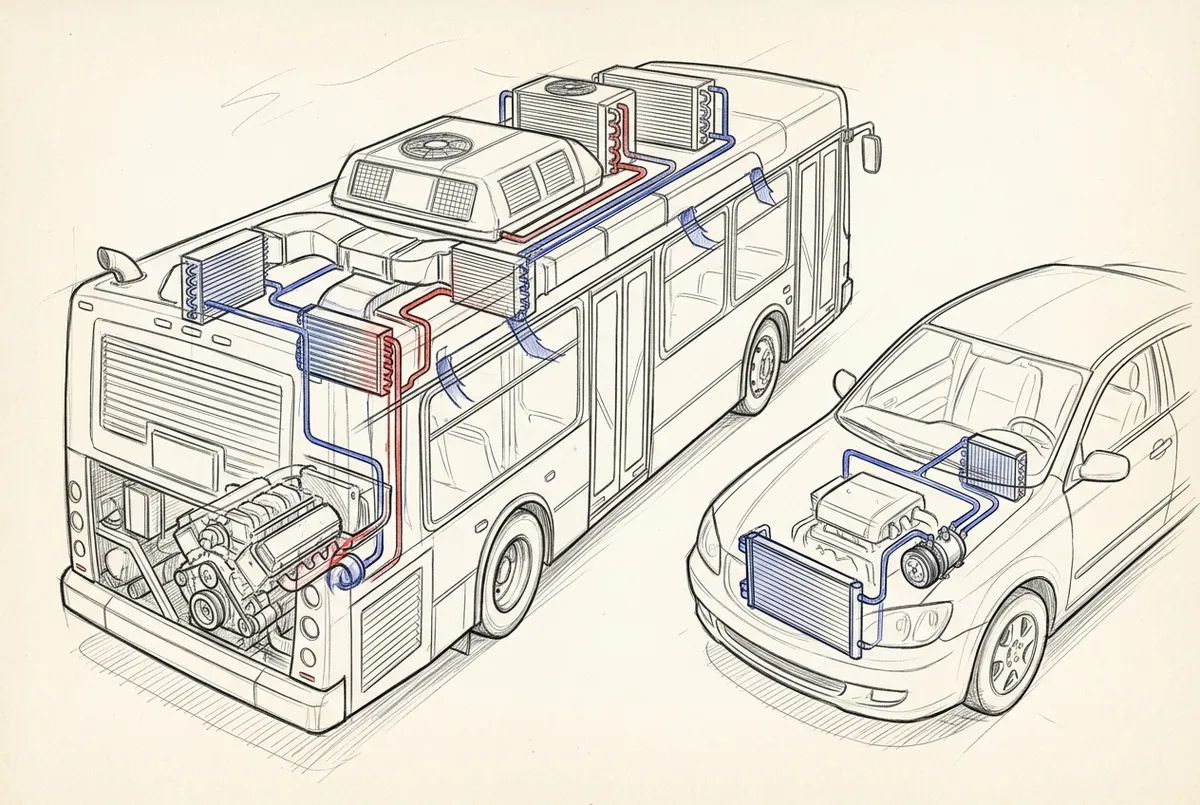
Transit bus air conditioning systems are much more demanding than your average car A/C. They have to cool large passenger cabins, often while the bus is idling in stop-and-go traffic. The systems run longer hours, handle more load, and face constant wear and tear compared to a personal vehicle.
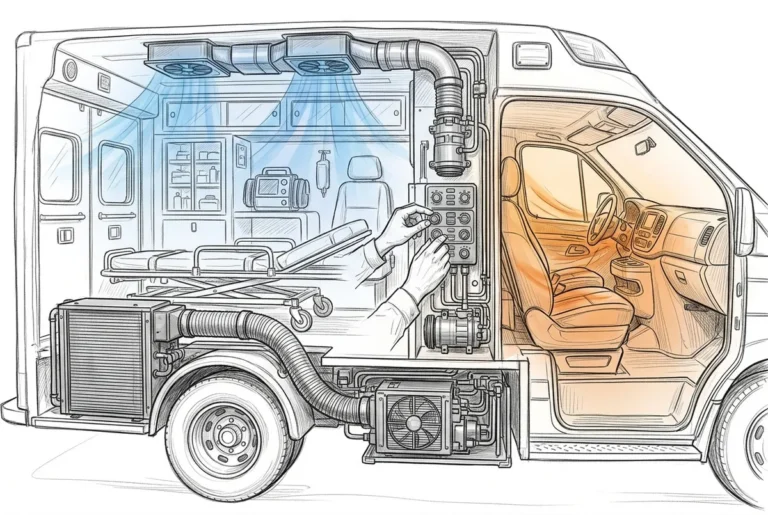
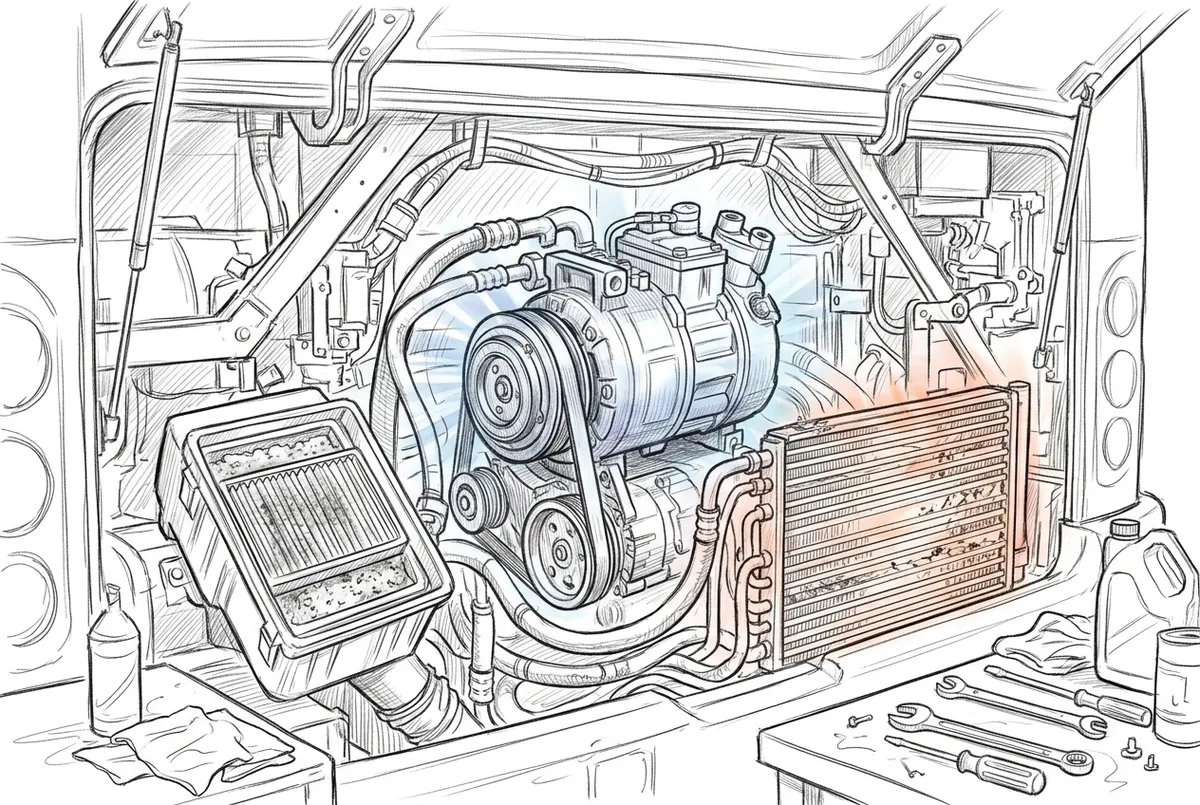
Bus HVAC systems typically include rooftop or rear-mounted units with compressors, condensers, evaporators, blower motors, expansion devices, hoses, belts, filters, and electrical components. Brands like Mobile Climate Control and Trans/Air by Lippert are widely used across transit fleets. Both OEM and aftermarket parts are available, giving fleet managers flexibility in how they source replacements.
If you want a deeper look at how commercial vehicle A/C systems work, check out our guide on the most important commercial vehicle AC parts — it’s a great starting point for fleet operators at any experience level.
Part 1: The A/C Compressor
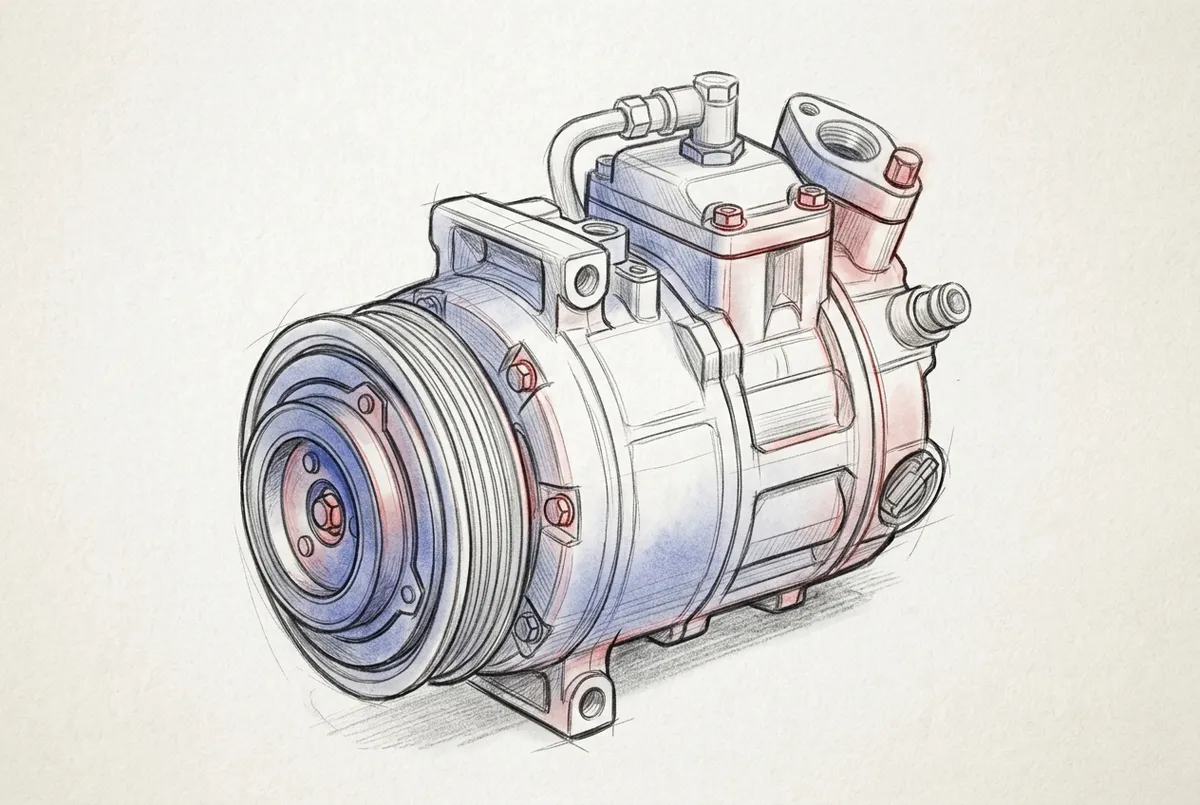
The compressor is the heart of any transit bus air conditioning system. It pressurizes the refrigerant and moves it through the entire cooling loop. Without a working compressor, the bus simply will not cool down — period.
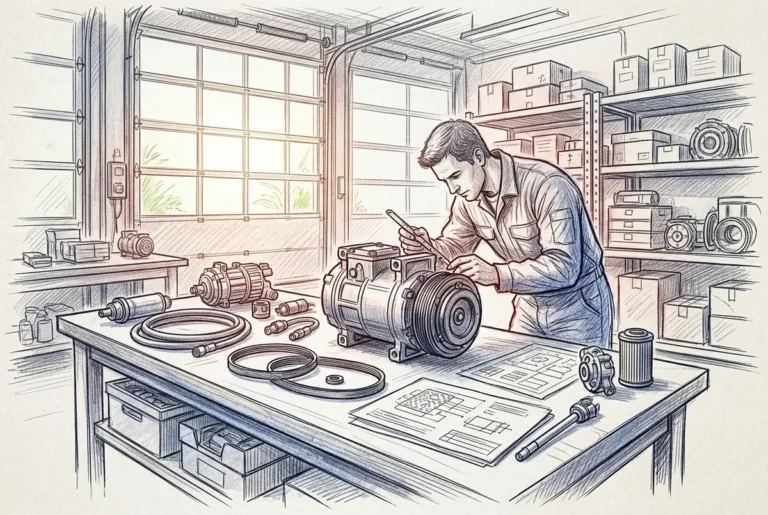
Bus compressors take on heavy-duty workloads. They run for long periods and endure vibration, heat, and constant cycling. This makes them one of the most common parts that need replacing over time. For reference, some catalog pricing for bus A/C compressors starts around $418.68 per unit, depending on the make and model of the bus.
Signs Your Bus Compressor Needs Attention
- Warm air blowing from vents even when the A/C is on full blast
- Loud grinding, squealing, or clunking noises from the compressor area
- The compressor clutch fails to engage when the system is activated
- Refrigerant leaks visible around the compressor housing
- Unusual vibration felt throughout the A/C system
Catching compressor issues early is key. Ignoring a failing compressor can damage other parts of the system, leading to much more expensive repairs down the road. Check out our article on how to fix an AC compressor in your vehicle for more diagnostic tips. You can also learn about OEM truck AC compressor mistakes to avoid in 2026 to make smarter purchasing decisions.
OEM vs. Aftermarket Compressors
Fleet managers often face the choice between OEM (original equipment manufacturer) and aftermarket compressors. OEM parts are made to exact factory specs, but they tend to cost more. Aftermarket options can offer significant savings while still delivering reliable performance — but quality varies by brand.
| Compressor Type | Pros | Cons |
|---|---|---|
| OEM Compressor | Exact fit, factory warranty, high reliability | Higher cost, longer lead times |
| Aftermarket Compressor | Cost-effective, often available same day | Quality varies, may require verification of fit |
At Marks Air, we stock a full line of A/C compressors and related parts — including our KOOL-TEMP parts line — so Tampa-area fleet operators can get what they need quickly. Explore our full A/C parts inventory to see what’s available for your bus fleet.
Part 2: The Condenser and Evaporator
The condenser and evaporator are two sides of the same coin. Together, they handle the actual heat exchange process that cools the air inside the bus. Understanding both is essential for any transit fleet operator.
How the Condenser Works
The condenser sits on the outside of the bus (often on the roof or rear unit) and releases heat from the refrigerant into the outside air. Think of it as the part that dumps the heat out of the cabin. If the condenser gets clogged with dirt, bugs, or debris — or if it develops a leak — the entire system loses efficiency fast.
- Clean condenser coils regularly to prevent airflow restrictions
- Inspect for fin damage, which reduces heat transfer efficiency
- Check for refrigerant leaks around fittings and connections
- Make sure condenser fans are operating at full speed
How the Evaporator Works
The evaporator is the indoor component. It absorbs heat from the cabin air as refrigerant evaporates inside it. The result is cool, conditioned air being blown into the passenger compartment. A dirty or frozen evaporator means reduced cooling and potential moisture problems inside the bus.
- Replace air filters on schedule to protect the evaporator from dust buildup
- Watch for musty odors, which can signal mold growth on evaporator coils
- Inspect drain lines to prevent water from pooling in the cabin
- Address refrigerant leaks promptly to avoid evaporator freeze-up
For heavy-duty applications, proper evaporator maintenance is especially important. Our detailed resource on heavy duty AC evaporator replacement walks you through what the process looks like when the time comes for a full swap. And if you’re dealing with leaks anywhere in the system, our guide on how to detect AC leaks before they get worse is well worth a read.
Part 3: Wear Items — Belts, Blower Motors, Filters, and Hoses
Here’s the part that many fleet managers underestimate: the smaller wear items. Belts, blower motors, cabin filters, and hoses may seem minor compared to a compressor or condenser — but these components fail frequently and cause a significant number of bus A/C breakdowns. Ignoring them is one of the most common fleet maintenance mistakes.
Belts and Pulleys
Drive belts connect the compressor to the engine and keep the whole system spinning. A worn or cracked belt can snap without warning, taking down the entire A/C system instantly. Pulleys should also be inspected for wobble or bearing wear. Replacing belts on a schedule — rather than waiting for them to break — is always the smarter move.
Blower Motors and Wheels
Blower motors push conditioned air through the cabin. A failing blower motor means weak airflow or no airflow at all — even if the rest of the A/C system is working perfectly. Blower wheels can also accumulate debris over time, reducing performance. If you’re noticing uneven cooling in different sections of the bus cabin, the blower system is a great place to start your diagnosis. Our article on truck AC blower motor repair fixes covers several practical solutions.
Hoses and Fittings
A/C hoses carry refrigerant throughout the system under pressure. Over time, hoses crack, harden, or develop leaks at fittings. A single leaking hose can slowly drain the system of refrigerant, causing gradual performance loss that is easy to miss until the bus stops cooling entirely. Custom hose fabrication is often needed for older buses or specialty configurations — something the team at Marks Air’s A/C service department handles regularly. For more on this topic, see our resource on fleet AC hose fabrication facts every fleet manager needs.
Cabin Air Filters
Filters protect the evaporator and keep air quality high inside the passenger cabin. A clogged filter restricts airflow, makes the system work harder, and accelerates wear on the blower motor and evaporator. For transit buses that run daily, filters should be inspected frequently and replaced on a regular schedule — not just when they look dirty.
Preventive Maintenance: The Smart Way to Manage Bus A/C
Reactive repairs always cost more than preventive maintenance. For transit fleets, a bus that goes out of service unexpectedly is a major operational headache. A proactive maintenance schedule keeps your buses on the road and your passengers happy.
Here is a simple preventive maintenance checklist for transit bus A/C systems:
- Inspect and replace cabin air filters on a mileage or time-based schedule — dirty filters are the number one cause of reduced cooling performance.
- Check refrigerant levels at the start of each cooling season and after any major service — low refrigerant is a sign of a leak that needs to be found and fixed.
- Inspect belts and pulleys for wear, cracking, or fraying at regular intervals — belt failure is a preventable cause of total A/C shutdown.
- Clean condenser coils to remove bugs, dirt, and debris — blocked condensers make the entire system work harder and run hotter.
- Test blower motor operation and check for unusual noise or reduced airflow — catching early bearing wear saves you from a full motor replacement later.
- Inspect hoses and fittings for cracks, bulges, or refrigerant oil residue — oil staining near a fitting is often the first sign of a slow leak.
Our guide on preventive vs. reactive fleet AC maintenance goes deeper on why proactive care almost always wins in the long run. You can also check out our fleet-specific tips in 4 fleet vehicle AC repair tips that save you money.
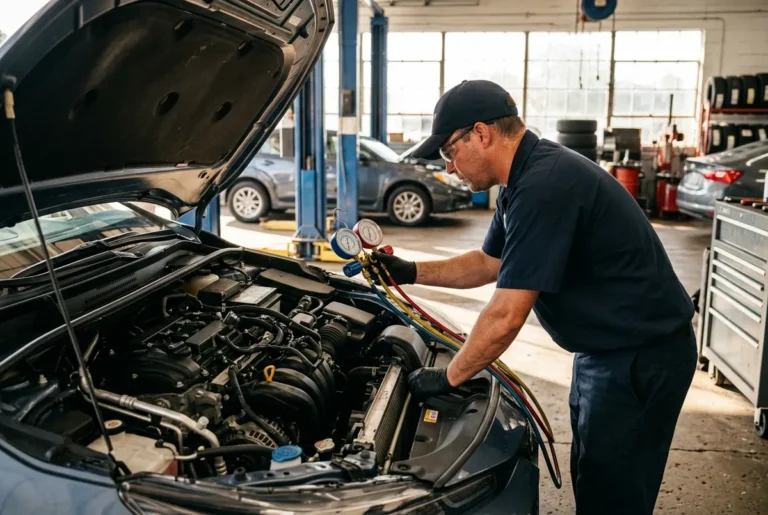
For fleet operators in Tampa, regular diagnostics are easy to schedule. Fleet vehicle AC diagnostics help you catch small problems before they become big, expensive ones. Marks Air is a proud member of the Mobile Air Climate Systems Association (MACS), staying current with the latest industry standards and best practices for bus and fleet A/C service.
Electric Buses: Do the Parts Change?
More transit agencies are adding electric buses to their fleets in 2026. The core cooling functions in electric bus HVAC systems — compressor, condenser, evaporator, and blower — remain the same as traditional diesel-powered buses. The main difference is the power source: electric bus A/C systems draw power from the battery pack rather than a belt-driven engine compressor.
This means some parts (like drive belts) may not apply, but the refrigerant-side components still wear and fail over time. Service needs for the thermal management side of electric bus A/C remain just as important as ever. If your fleet is transitioning to EVs, check out our overview of HFO-1234yf refrigerant for fleets — refrigerant type matters more than ever in modern bus systems.
Choosing the Right Parts for Your Fleet
Not all bus A/C parts are created equal. Here’s a quick framework for making smart purchasing decisions:
- Match the part to the application — confirm compatibility with your specific bus make, model, and A/C system brand before ordering.
- Consider availability — same-day availability matters when a bus is out of service. Stocking critical wear items locally reduces downtime significantly.
- Balance cost and quality — the cheapest part isn’t always the best value. Look for reliable brands with a track record in commercial bus applications.
If you want a broader look at the commercial A/C parts landscape in the Tampa area, our article on how to find the right commercial AC parts in Tampa is a great resource. You can also visit Marks Air on Google to read reviews from fleet operators and other commercial customers who’ve worked with us.
We’d also love to connect with you on Facebook and Instagram, where we share A/C tips, fleet maintenance advice, and updates from our Tampa shop. You can also read customer reviews on Yelp to see what Tampa fleet operators are saying about our work.
Keep Your Bus Fleet Cool All Year Long
Transit bus air conditioning parts may seem complex at first — but once you understand the three core categories (compressors, condensers and evaporators, and wear items), managing your fleet’s A/C health becomes much more straightforward. Staying on top of preventive maintenance, sourcing quality parts, and working with a knowledgeable A/C specialist makes all the difference.
At Marks Air, we’ve been helping Tampa-area bus operators, fleet managers, and commercial vehicle owners keep their A/C systems running strong since 1971. Whether you need parts, a full system inspection, or technician training through our A/C training programs, we’re here to help. Don’t wait for a breakdown to take action — schedule your bus A/C service with our team today and keep your fleet cool, comfortable, and on schedule all year long.
FAQs
Q: What parts are included in a transit bus air conditioning system?
A: A transit bus A/C system includes several core components: a compressor, condenser, evaporator, expansion device, blower motor, hoses, fittings, belts, pulleys, and cabin air filters. Together, these parts work as a team to move heat out of the cabin and keep passengers cool — even on the hottest Tampa days!
Q: Which transit bus A/C parts wear out the fastest?
A: Cabin air filters, drive belts, and blower motor bearings tend to wear out the fastest because they’re in constant use. Staying on top of these smaller wear items with a regular maintenance schedule is the easiest way to avoid bigger, more costly repairs down the road.
Q: How often should transit bus A/C systems be serviced?
A: For most transit fleets, a full A/C inspection at the start of each cooling season is a great baseline — but high-use buses may benefit from more frequent check-ups. Filters and belts should be checked on a mileage or time-based schedule rather than waiting for something to fail.
Q: What is the difference between OEM and aftermarket bus A/C parts?
A: OEM parts are made to exact factory specifications and typically come with a manufacturer warranty, while aftermarket parts offer cost savings and are often available same-day. Both can be great choices — the key is making sure the part is compatible with your specific bus A/C system and sourced from a reliable supplier.
Q: What causes a transit bus air conditioner to stop cooling?
A: The most common culprits are low refrigerant from a leak, a failed compressor clutch, a clogged condenser, a dirty evaporator, or a broken drive belt. A proper diagnostic inspection can pinpoint the issue quickly so the bus gets back on the road without a long delay.