Key Takeaways
-
Low refrigerant almost always indicates a leak in the sealed AC system, not normal wear—a quick recharge without fixing the leak will fail within weeks or months in Tampa's heat.
-
Tampa's hot, humid climate causes minor AC problems to snowball fast; what might be overlooked elsewhere can turn into complete system failure within weeks due to strain on cooling systems.
-
Proper AC diagnosis requires pressure testing, leak detection, compressor testing, and electrical checks—not just adding refrigerant; this separates lasting fixes from temporary band-aids.
-
Typical Tampa AC repair costs range from $75–$300 for diagnostics to $500–$1,600 for major repairs like compressor or evaporator replacement; always get a written estimate first.
-
Most shops don't handle both R-134a (older vehicles) and R-1234yf (newer models) refrigerants equally well; confirm your car's refrigerant type and the shop's equipment capability before booking.
-
Replace your cabin air filter every 12,000–15,000 miles (more often during Tampa's pollen season) and run your AC year-round briefly to catch small problems before they become expensive emergencies.
Picture this: you slide into your car after a long day, crank the AC, and… nothing but warm air hits your face. If you live in Tampa, you know this feeling can ruin your whole afternoon. The good news? You’re not alone, and this is one of the most common reasons drivers search for car air conditioning repair in Tampa every single day. Whether you’re a busy parent, a truck driver hauling freight through the summer heat, or someone who just wants to enjoy a cool ride to work, understanding what’s happening under your hood can save you time, money, and a whole lot of sweat.
At Marks Air, we’ve been keeping Tampa vehicles cool since 1971, and we’ve heard just about every AC complaint you can imagine. This friendly guide walks you through why your car AC might be struggling, what a proper repair actually involves, and how to pick a shop you can trust. Let’s get you back to cool, comfortable drives.
Why Tampa’s Climate Makes Car AC Repair So Important
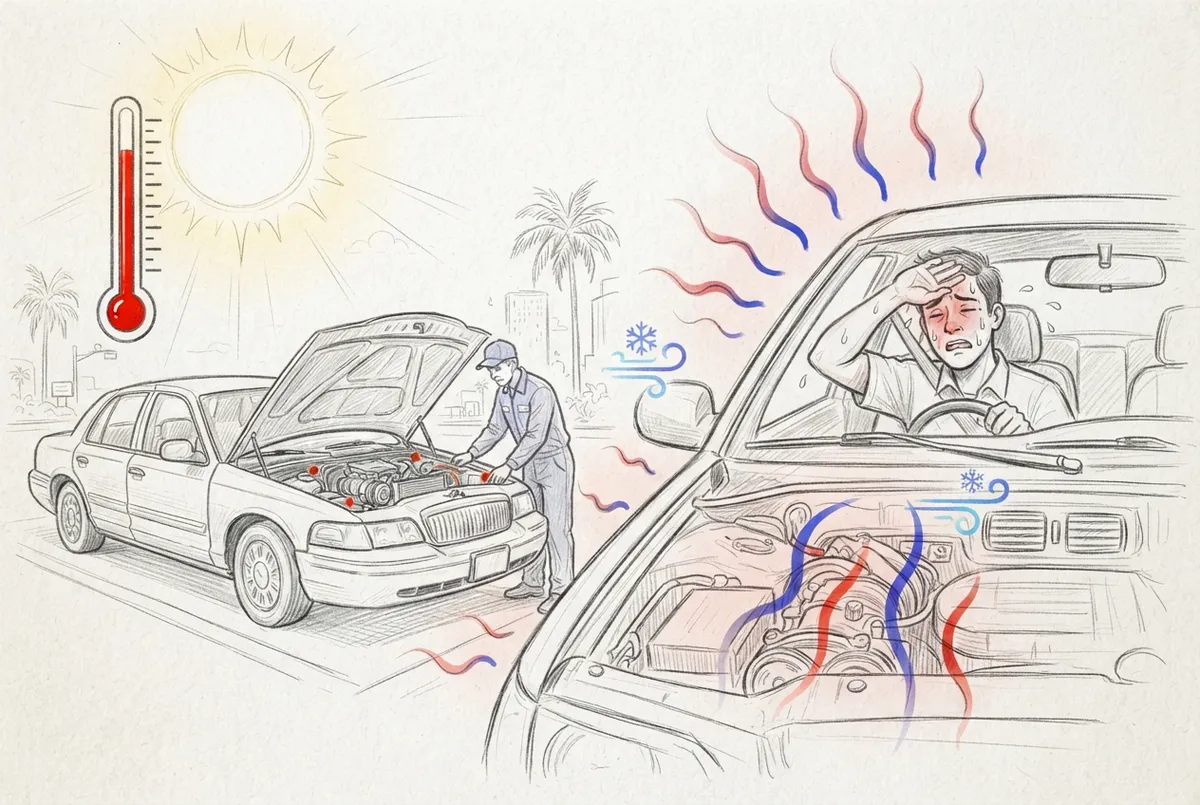
Tampa isn’t just warm, it’s hot and humid for most of the year. That combination puts serious strain on your vehicle’s cooling system. Your AC isn’t just about comfort, either. It helps clear foggy windows, keeps you alert behind the wheel, and protects your car’s interior from that sticky, damp feeling that humidity brings.
When your system struggles in this climate, small problems tend to snowball fast. A minor refrigerant leak that might go unnoticed in a cooler state can turn into a full system failure here in a matter of weeks. That’s why AC repair in Tampa is so important for your vehicle compared to other, milder regions.
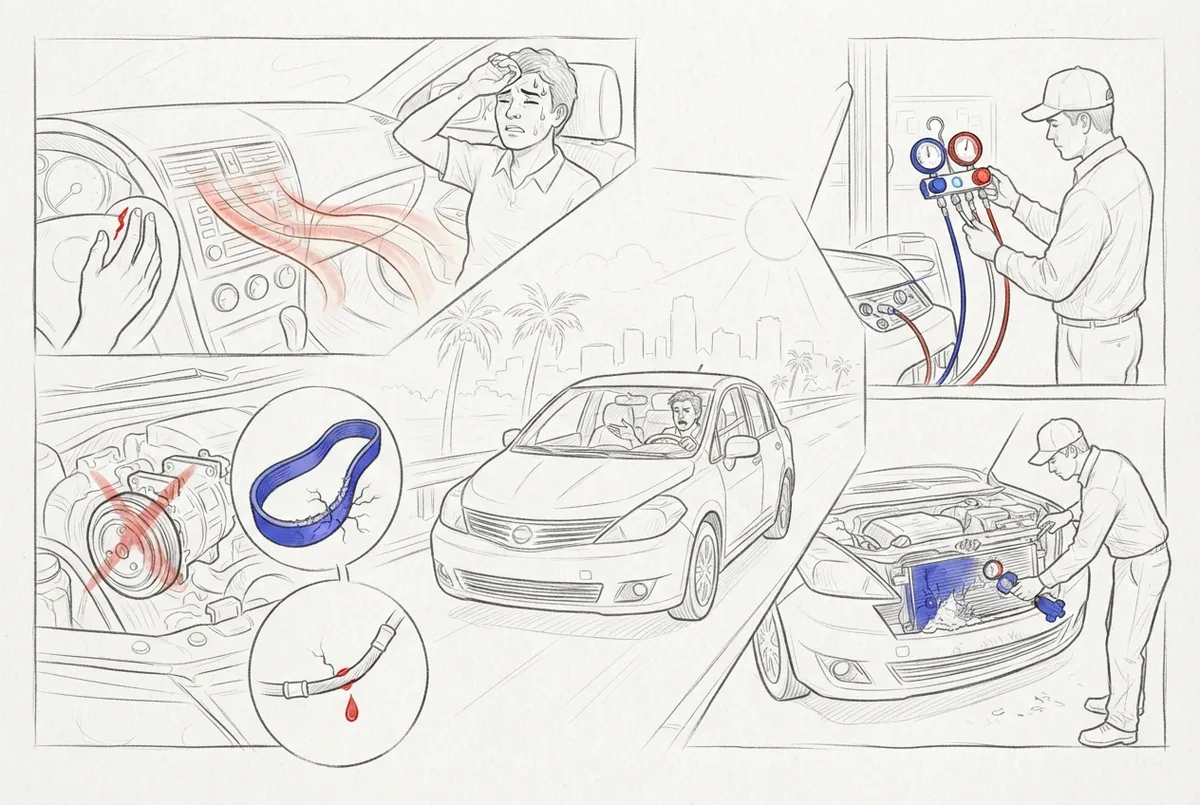
Common Signs You Need Car Air Conditioning Repair in Tampa
Not sure if your AC issue is minor or major? Here are the warning signs Tampa drivers report most often:
- Warm or lukewarm air instead of cold air from the vents
- Weak airflow even when the fan is on full blast
- Cooling that comes and goes, especially in stop-and-go traffic
- Strange noises from the compressor when the AC is running
- Musty or moldy smells coming from the vents
- Water pooling inside the cabin near the floor
- A compressor that simply won’t turn on at all
If you’re noticing any of these, don’t wait it out. Small issues rarely fix themselves, and Tampa heat has a way of making things worse fast. For a deeper breakdown of causes, check out 10 reasons your AC is blowing warm air (and how to fix it).
Low Refrigerant Usually Means a Leak, Not Normal Wear
Here’s something a lot of drivers don’t realize: your car’s AC system is sealed. It shouldn’t lose refrigerant over time just from normal use. If your mechanic says your refrigerant is low, that almost always points to a leak somewhere in the system.
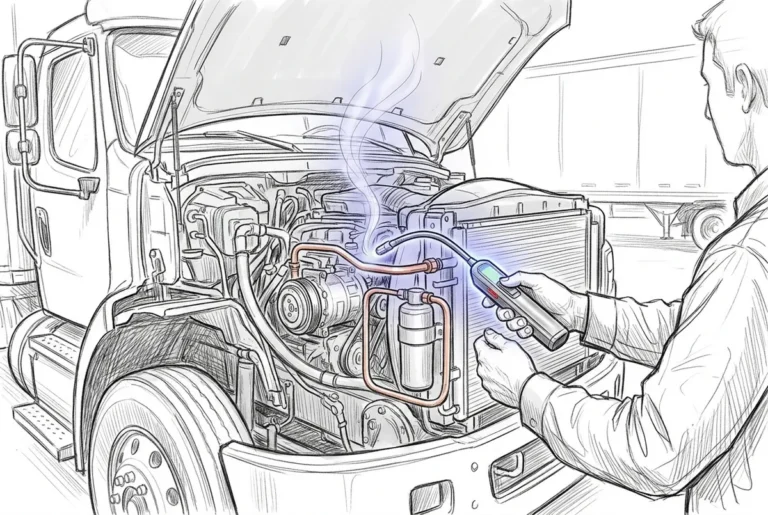
A quick recharge might make your AC blow cold for a little while, but if the leak isn’t found and fixed first, you’ll be right back where you started within weeks or months. A proper repair means finding the leak using pressure testing or UV-dye detection, fixing it, then recovering, evacuating, and recharging the system correctly. Learn more about this process in our guide on 13 AC leak mistakes that cost car owners more money.
Common Leak Points in a Car AC System
Leaks tend to show up in predictable spots. Here’s where technicians typically look first:
- Refrigerant hoses and O-ring seals
- The compressor and its clutch assembly
- The condenser, usually located near the front bumper
- The evaporator, tucked inside the dashboard
- The receiver-drier or accumulator
- The expansion valve or orifice tube
If you want to dig deeper into hose issues specifically, take a look at why your car A/C hose might be leaking refrigerant.
When Weak Airflow Isn’t a Refrigerant Problem
Here’s a curveball: sometimes your AC has plenty of refrigerant, but the air barely trickles out. This usually points to something blocking airflow rather than a cooling issue. Common culprits include:
- A clogged cabin air filter (this one’s easy to fix and often overlooked)
- A failing blower motor that can’t push air through the vents
- A blocked or frozen evaporator coil
- Restricted ductwork somewhere in the system
- Electrical faults affecting the blower or fan speed controls
Most experts recommend swapping your cabin air filter every 12,000 to 15,000 miles, but Tampa’s dusty pollen seasons might mean doing it more often. Curious about coil freezing? Our article on what causes AC coils to freeze in your vehicle explains this in simple terms.
R-134a vs. R-1234yf: What Tampa Drivers Should Know
Refrigerant type matters more than most people realize. Older vehicles typically use R-134a, while many newer models use R-1234yf. According to the U.S. Environmental Protection Agency, HFC-134a carries a global-warming potential of 1,430, while HFO-1234yf sits around just 4. The EPA’s Technology Transitions rule now limits new light-duty vehicles from model year 2025 onward to refrigerants with a global-warming potential of 150 or less, but your existing vehicle can still be serviced with whatever refrigerant it was designed for.
This matters because not every shop has the right equipment for both refrigerant types. Before booking a repair, always ask which refrigerant your vehicle uses and confirm the shop can handle it properly. For a full comparison, see 12 things to know about R-134a to 1234yf conversion.
What a Proper Diagnostic Process Looks Like
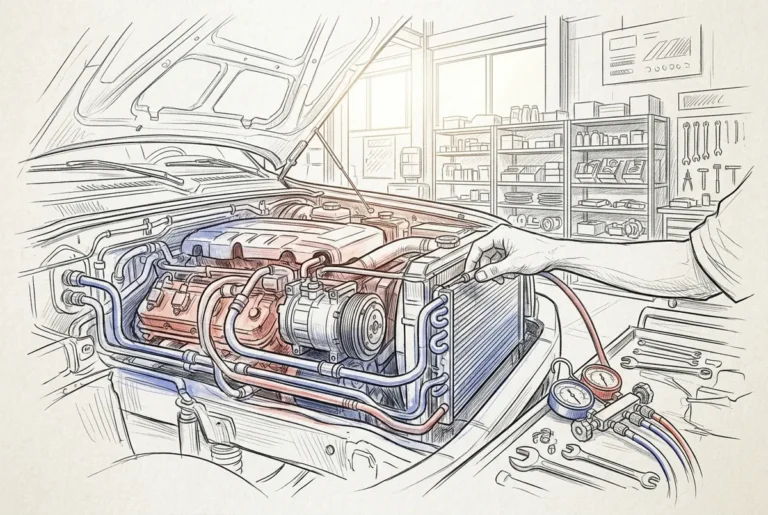
A thorough car air conditioning repair in Tampa should never start with just adding refrigerant and hoping for the best. Here’s what a solid diagnostic process usually includes:
- Visual inspection of hoses, fittings, and components for damage
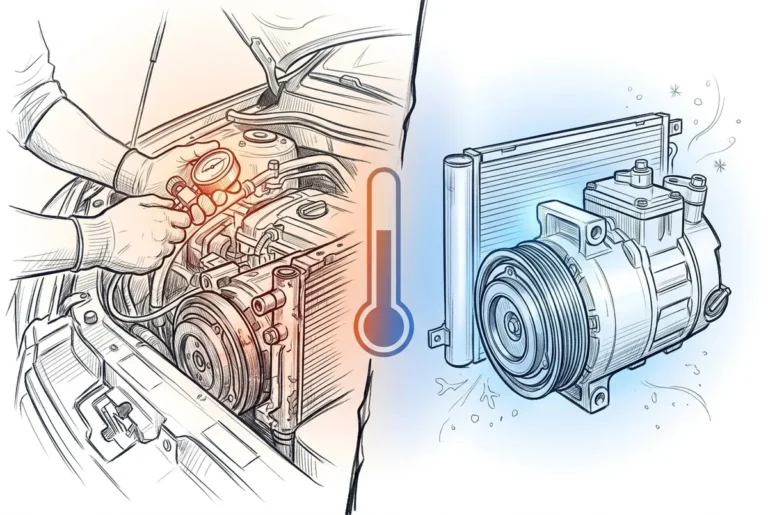
- Pressure testing to check for leaks and system performance
- UV-dye or electronic leak detection for hidden leaks
- Compressor and clutch engagement testing
- Electrical diagnosis of fuses, wiring, and pressure sensors
- Cabin air filter inspection
- Vent temperature check to confirm proper cooling output
This kind of careful, step-by-step diagnosis is what separates a lasting fix from a temporary band-aid. It’s a philosophy Marks Air has followed for decades, and it’s part of why we’re proud to be a member of the Mobile Air Climate Systems Association (MACS).
Typical Car AC Repair Costs in Tampa
One of the most common questions we hear is simply, “How much is this going to cost me?” While every situation is different, here’s a general breakdown based on typical Tampa pricing:
| Service | Typical Cost Range |
|---|---|
| Diagnostic or inspection | $75 – $300 |
| Recover, evacuate, and recharge | $150 – $300 (up to $550 in some cases) |
| Minor repairs (hoses, seals, fittings) | $150 – $800 |
| Compressor clutch or pulley replacement | $200 – $900 |
| Condenser replacement | $300 – $900 or more |
| Evaporator replacement | $500 – $1,500 or more |
| Compressor replacement | $500 – $1,600 |
These figures give you a helpful starting point, but always get a written estimate before agreeing to work. For a full cost breakdown, check out how much auto AC repair costs in 2026.
How to Choose the Right Auto AC Shop in Tampa
Not all repair shops are created equal, especially when it comes to something as specialized as vehicle air conditioning. Here’s what to look for:
- Technicians trained specifically in mobile AC systems, not just general auto repair
- Equipment for both R-134a and R-1234yf refrigerants
- Clear, upfront diagnostic fees with no surprise charges
- Solid parts and labor warranties on completed work
- Positive reviews from real local customers
- Proper leak-repair procedures instead of just refrigerant top-offs
Before you commit, it’s worth reading through customer feedback. You can see what Marks Air customers say about their experience, browse honest feedback on Yelp, or check out our detailed listing on HVACService.io. Our full-service approach is outlined further in how to find reliable auto A/C service in Tampa Bay.
Serving More Than Just Cars: A Note for Fleet and Specialty Vehicle Owners
Car owners aren’t the only ones who feel the Tampa heat. Truck drivers logging long hauls need reliable cooling to stay alert and compliant with safety expectations. Bus operators depend on working AC systems to keep passengers safe and comfortable. RV enthusiasts want their cooling systems ready for the next camping trip, and heavy equipment operators need functioning climate control to avoid fatigue on the job site.
Marks Air handles all of these applications under one roof, from custom truck systems to bus AC maintenance to heavy equipment repairs. If you manage a fleet, our guide on fleet vehicle AC repair tips that save you money is worth a look. And if you’re overseeing multiple trucks, don’t miss 8 Tampa fleet AC repair mistakes that cost you more.
Preventive Maintenance Beats Emergency Repairs
Nobody wants to be stuck on the side of I-275 with a broken AC in July. A little proactive care goes a long way toward avoiding that scenario. Simple habits like running your AC year-round (even briefly in winter), replacing your cabin filter regularly, and getting an annual inspection can catch small problems before they become expensive ones.
For more tips, our article on 5 AC maintenance tips every Tampa vehicle owner needs covers the basics in plain, simple language. And if you do find yourself in a true emergency, our team offers guidance in emergency AC repair Tampa: fast relief when your car overheats.
Why Experience and Specialization Matter
Since 1971, Marks Air has focused exclusively on air conditioning systems for cars, trucks, buses, RVs, emergency vehicles, and heavy equipment. That’s over five decades of narrowing in on one thing and doing it well. Our team stocks a full line of parts, including our own KOOL-TEMP line along with trusted brands like SPAL, ACT, BCC, gpd, and Omega, many available the same day you need them. You can browse our full inventory on the AC parts page.
We also offer hands-on training programs, including EPA 609 certification, HFO-1234yf training, and MVAC best practices, helping the next generation of technicians stay sharp on AC training fundamentals. This commitment to education reflects our belief that good repairs start with good knowledge, not guesswork.
What Sets Marks Air Apart in the Tampa Area
As a family-owned, woman-owned business, we take pride in treating every customer like a neighbor, not a transaction. Whether you’re bringing in a sedan for a quick recharge or coordinating repairs for an entire fleet, our team walks you through the process honestly and clearly. Beyond vehicles, we’ve even supplied components used in specialty applications like a fire truck compressor, showing the range of our parts expertise.
You can learn more about our story on the About Marks Air page, or follow along with our latest updates on Instagram and Facebook. And if you’re new to the area, it’s always smart to check out local resources, whether that’s finding a trustworthy provider like InCare for health needs or a dependable family dentist such as Brockway Orthodontics for orthodontic care. Building a network of trusted local businesses just makes life easier.
Ready to Get Your Cool Air Back?
Living in Tampa without reliable car AC just isn’t an option, especially once the summer humidity rolls in. Whether you’re dealing with warm air, weird noises, or a compressor that won’t kick on, getting a proper diagnosis is the first step toward a lasting fix. Don’t settle for a quick recharge that leaves you sweating again in a few weeks.
Our friendly team is ready to help, and we’d love to show you why so many Tampa drivers trust us with their vehicles. Feel free to schedule service online, or if you’d rather talk it through first, call us at 813-988-1671. You can also visit us on Google — Marks Air to see directions, hours, and reviews from folks just like you. Let’s get your ride cool, comfortable, and ready for whatever Tampa’s weather throws at you next.
FAQs
Q: How much does car air conditioning repair cost in Tampa?
A: It really depends on what’s wrong, but diagnostics typically run $75 to $300, while a basic recharge might cost $150 to $300. Bigger repairs like compressor or evaporator replacement can range from $500 to $1,600, so getting a written estimate first is always a smart move.
Q: Why is my car AC blowing warm air in Tampa?
A: Warm air usually points to low refrigerant from a leak, a failing compressor, or an electrical issue that’s keeping the AC from engaging properly. The best way to know for sure is a proper diagnostic check rather than guessing at home.
Q: Does low refrigerant always mean my car has an AC leak?
A: Pretty much, yes! Your AC system is sealed, so it shouldn’t lose refrigerant just from normal driving. If it’s low, there’s almost always a leak somewhere that needs to be found and fixed before recharging.
Q: What is the difference between R-134a and R-1234yf refrigerant?
A: R-134a has been used in vehicles for years but has a higher global-warming potential, while R-1234yf is the newer, more eco-friendly option found in many recent models. It’s important to know which one your car uses so the shop can service it with the right equipment.
Q: How long does car AC repair take in Tampa?
A: A simple recharge or minor repair might be done same-day, while bigger jobs like compressor or evaporator replacement could take a day or two depending on parts availability. Our team always gives you a realistic timeline upfront so there are no surprises.