Key Takeaways
-
Warm air from your AC usually indicates a refrigerant leak, failing compressor, or electrical fault—simply adding refrigerant without diagnosing the root cause wastes money and requires returning to the shop within weeks.
-
Refrigerant never disappears on its own; low levels always indicate a leak that must be found and sealed before recharging, or the problem will recur shortly after repair.
-
Strange noises like squealing or grinding when the AC compressor kicks on signal imminent failure; ignoring this allows metal debris to spread throughout the system, turning a moderate repair into a costly full system overhaul.
-
Tampa's heat, humidity, and salt air cause unique AC wear patterns requiring shops with local experience; shops new to the area may miss corrosion and stress factors that local technicians recognize immediately.
-
Modern AC systems require proper diagnosis using specialized tools to identify pressure switch failures, electrical faults, and refrigerant type (R-134a vs. HFO-1234yf), making certified EPA-trained technicians essential.
-
A complete AC repair must include pressure testing, leak detection, proper refrigerant recovery/recycling, and recharging to manufacturer specs—not just topping off refrigerant, which violates federal Clean Air Act Section 609 requirements.
There’s nothing worse than hopping into your hot car after a long Tampa afternoon, cranking the AC, and getting… nothing but warm air. If you’ve been there, you know the sinking feeling. The good news is that most auto AC repair in Tampa problems have clear warning signs, and catching them early can save you real money. Whether you’re a daily commuter, a truck driver logging highway miles, or a fleet manager keeping dozens of vehicles on the road, knowing what to watch for makes all the difference.
This guide walks through eight signs your vehicle needs professional attention, plus what actually happens during a proper repair. We’ll also cover refrigerant types, pricing factors, and how to pick a shop you can trust. By the end, you’ll feel confident spotting trouble before it turns into a breakdown on I-275 during rush hour.

1. Your AC Blows Warm or Room-Temperature Air
This is the classic complaint, and it’s usually the first thing drivers notice. Warm air can mean a refrigerant leak, a failing compressor, or an electrical fault somewhere in the system. According to 10 Reasons Your AC Is Blowing Warm Air (And How to Fix It), this symptom rarely has just one cause, which is why guessing at a fix often wastes money.
A trained technician will check vent temperature, system pressure, and compressor function before touching anything. Simply adding refrigerant without finding the real problem is a band-aid, not a repair.
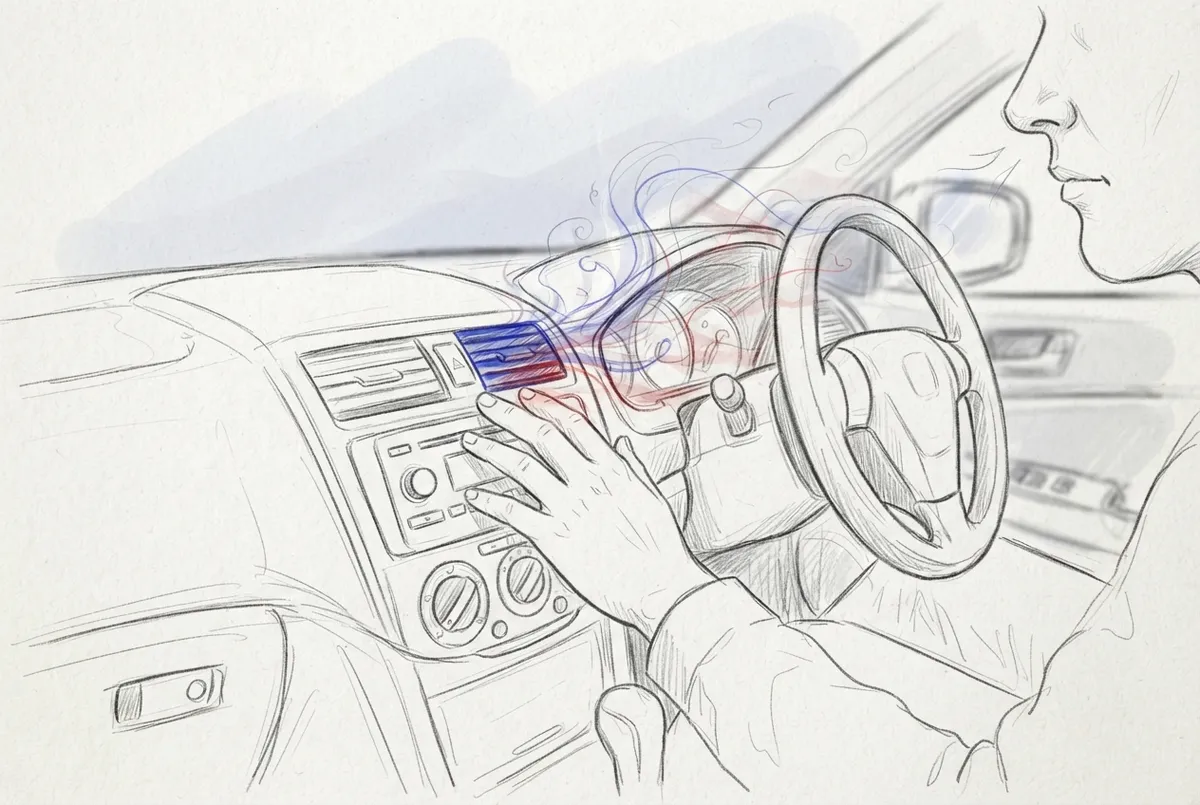
2. You Notice a Sweet or Oily Smell Near the Vents
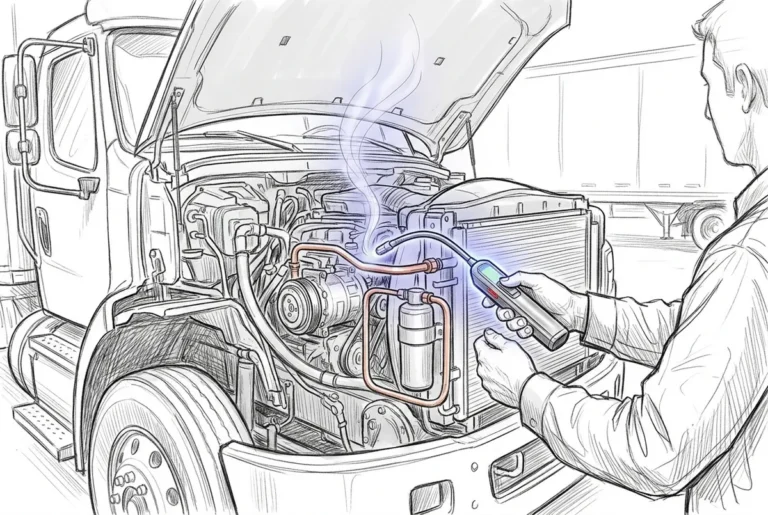
A sweet smell often points to a refrigerant leak, while an oily residue near hose fittings or the compressor confirms it. Refrigerant carries a small amount of oil to lubricate the system, so any oily spot is basically a road map to the leak.
Catching a leak early prevents bigger compressor damage down the line. For a deeper look at leak patterns, check out 12 Leak Detection and Repair Facts Tampa Drivers Need.
Why Leaks Matter More Than You Think
A low refrigerant level almost always means a leak, not normal wear. Refrigerant doesn’t just disappear on its own. A complete auto ac repair in Tampa should always include leak testing and correction before any recharge, since simply topping off refrigerant without sealing the leak just means you’ll be back in the shop within weeks.
3. Strange Noises When the Compressor Kicks On
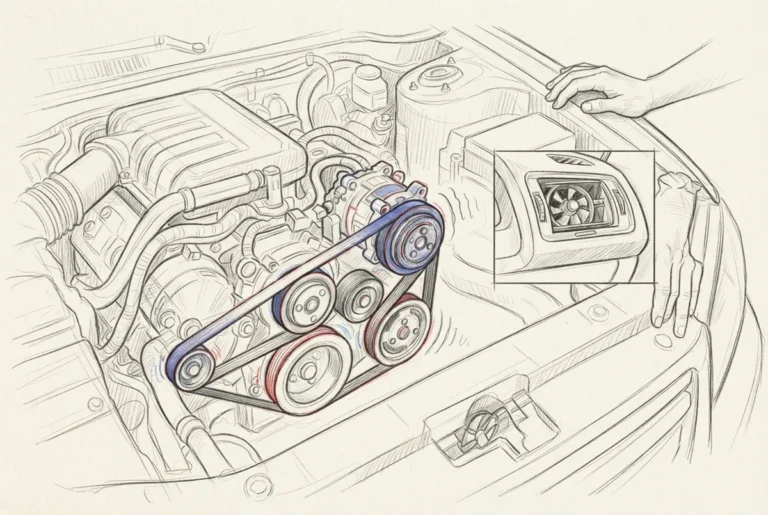
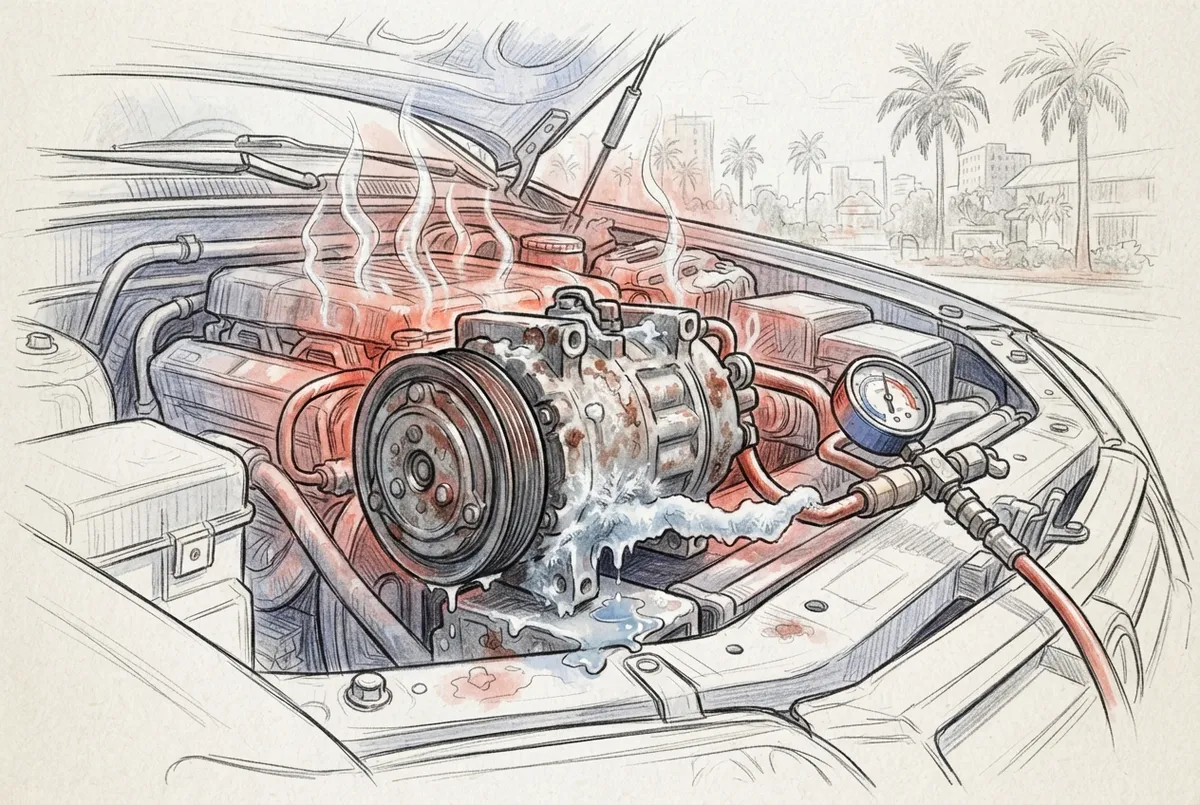
Squealing, grinding, or clicking sounds when your AC turns on usually mean compressor trouble. The compressor is the heart of the whole system, pressurizing refrigerant so it can absorb heat from your cabin air.
If you hear these sounds, don’t ignore them. A failing compressor can send metal debris throughout the entire AC system, turning a moderate repair into a full system overhaul. Learn more about diagnosing this issue in How to Fix an AC Compressor in Your Vehicle.
4. Weak Airflow Even When the AC Feels Cold
Sometimes the air is cold, but there’s barely any of it reaching you. This often traces back to a clogged cabin air filter, a struggling blower motor, or blocked ductwork. Florida’s pollen, dust, and construction debris clog filters faster than you’d expect.
A quick filter swap sometimes solves it. Other times, the blower motor itself needs replacing. Either way, this is an easy fix when caught early.
5. The AC Cycles On and Off Repeatedly
Short-cycling, where your AC turns on and off rapidly, often points to a failed pressure switch or electrical fault. This isn’t just annoying, it also puts extra strain on your compressor over time.
Electrical issues in modern climate-control systems can be tricky to diagnose without the right tools. This is where experience really counts, and it’s part of why proper training matters so much for technicians working on today’s vehicles.
6. Visible Damage to the Condenser
Your condenser sits at the front of your vehicle, right behind the grille, which makes it vulnerable to road debris, rocks, and minor collisions. A bent fin or physical damage restricts airflow and refrigerant flow, killing cooling performance.
Tampa’s busy highways and construction zones mean condensers take a beating. If you’ve had a fender bender or driven through debris, it’s worth having the condenser inspected.
Common Culprits Behind Poor Cooling
- Refrigerant leaks from hoses, seals, or connections
- Compressor failure or worn-out clutch
- Condenser blockage from road debris or bent fins
- Electrical faults in pressure switches or relays
- Blower motor problems limiting airflow
- Restricted cabin air filters
- Blend-door or climate-control actuator faults
7. Your Vehicle Is Due for Routine AC Service
Even without obvious symptoms, Florida’s heat and humidity put extra stress on AC systems year-round. Preventive checkups catch small issues before they become expensive repairs. Check out 5 AC Maintenance Tips Every Tampa Vehicle Owner Needs for a simple maintenance routine.
Fleet owners and truck drivers especially benefit from scheduled inspections, since downtime costs money fast. A little prevention goes a long way toward avoiding a breakdown during a delivery run or a summer road trip.
8. You’re Not Sure Which Refrigerant Your Vehicle Uses
This might not feel like a “symptom,” but it’s a sign you need professional help before any service happens. Older vehicles typically use R-134a, while many newer models use HFO-1234yf. These refrigerants require different equipment and must never be mixed.
Getting this wrong can damage your system or void a warranty. If you’re unsure, a shop familiar with both types, and current on R-134a to 1234yf conversion standards, can identify the correct refrigerant and handle it properly.
What a Proper Auto AC Repair Actually Involves
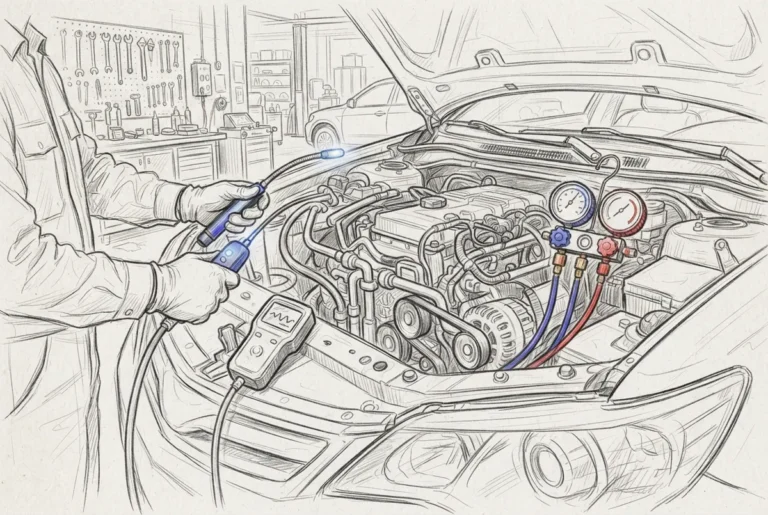
A trustworthy shop doesn’t just top off refrigerant and send you on your way. Here’s what a thorough diagnostic and repair process typically looks like:
- Check vent temperatures and overall system performance
- Measure high and low side pressures using gauges
- Inspect the compressor for proper operation and clutch engagement
- Test for refrigerant leaks using dye or electronic detection
- Examine electrical components, including pressure switches and relays
- Check airflow through the cabin filter, blower motor, and ducts
- Repair or replace the failed component, then recover and recycle refrigerant properly
- Recharge the system to manufacturer specifications and retest performance
This process matters because federal rules require it. Under Section 609 of the Clean Air Act, any paid technician who handles refrigerant must be certified through an EPA-approved program. Shops must also use approved recovery and recycling equipment, and refrigerant can never be intentionally released during service. You can read more directly from the U.S. Environmental Protection Agency’s MVAC guidance on these requirements.
Refrigerant Types and What They Mean for Your Vehicle
Not all AC systems are created equal, and refrigerant choice depends heavily on your vehicle’s age and manufacturer. Here’s a quick breakdown:
| Refrigerant | Common In | Key Notes |
|---|---|---|
| R-134a | Older vehicles, pre-2015 models generally | Widely used for decades, being phased out for newer builds |
| HFO-1234yf | Many newer vehicles, especially 2015 and later | Lower global warming potential, requires specific equipment |
| HFC-152a | Some specialty and newer applications | Used in select systems under EPA Section 609 guidance |
The EPA has also set new global-warming-potential limits. For light-duty passenger vehicles, a limit of 150 applies to model year 2025 vehicles and later. Heavier vehicles, including medium-duty trucks and vans, will see this same limit apply starting with model year 2028. Existing vehicles can still be serviced with their original approved refrigerant, so there’s no need to worry if you’re driving an older car or truck.
What Fleet Owners and Truck Drivers Should Know
If you manage a fleet of delivery vans, box trucks, or long-haul rigs, AC downtime isn’t just uncomfortable, it’s a productivity problem. Drivers dealing with broken AC in Tampa’s summer heat face real fatigue and safety risks.
Fleet-focused shops should offer quick turnaround, transparent pricing, and experience across a range of vehicle types. For fleet-specific advice, take a look at 4 Fleet Vehicle AC Repair Tips That Save You Money and Preventive vs. Reactive Fleet AC Maintenance: Which Wins?.
RVs, Buses, and Heavy Equipment Need Special Attention Too
Not every AC job is a sedan or pickup truck. RV owners heading out for a camping trip need systems that can handle long hours of continuous cooling. Bus operators need reliable systems that keep passengers comfortable and safe. Heavy equipment operators, meanwhile, rely on cab AC to prevent fatigue during long shifts in construction or agricultural settings.
Marks Air handles all of these applications at one Tampa facility, backed by decades of hands-on experience since 1971. The shop stocks parts from trusted brands and its own KOOL-TEMP line, so repairs for buses, RVs, and heavy machinery don’t get stuck waiting on backordered components.
How to Choose the Right Auto AC Repair Shop in Tampa
Not all shops are created equal, and choosing the right one saves you time, money, and frustration. Here’s what to look for:
- Transparent diagnostic fees and written estimates before work begins
- Section 609-certified technicians handling all refrigerant work
- Clear warranty terms on parts and labor
- Experience with your vehicle’s specific refrigerant type
- Leak-repair capability, not just recharge services
- Positive customer feedback and community reputation
Marks Air has served the Tampa area since 1971 as a family-owned, woman-owned business focused exclusively on automotive and heavy-duty air conditioning. The shop is also a proud member of the Mobile Air Climate Systems Association (MACS), which means the team stays current on industry standards and emerging refrigerant technology.
Cost Factors to Keep in Mind
Prices for auto ac repair in Tampa vary widely depending on the root cause. A simple leak repair costs less than a full compressor replacement. Diagnostic fees, parts availability, and labor time all play a role. For a detailed cost breakdown, see How Much Does Auto AC Repair Cost in 2026? and Automotive AC Repair Cost: What Tampa Drivers Pay in 2026.
Always ask for a written estimate before work begins. A trustworthy shop will explain exactly what’s wrong and why, rather than pushing an expensive fix without a clear diagnosis.
Why Local Experience Matters in Tampa’s Climate
Tampa’s combination of heat, humidity, and salt air creates unique wear patterns on AC systems that shops in cooler climates rarely see. Corrosion happens faster here, and systems work harder for more months out of the year. A shop with decades of local experience understands these patterns better than one that’s new to the area.
Marks Air’s team brings over five decades of focused attention to exactly this kind of work. You can browse customer reviews or check out feedback on Yelp and Facebook to see how the shop has helped drivers across the Tampa Bay area. You can also visit us on Google — Marks Air to see photos, hours, and more customer stories.
Ready to Beat the Heat?
Dealing with a broken AC in Tampa’s climate isn’t something you want to put off. Whether you’re driving a personal car, managing a fleet, or keeping heavy equipment running smoothly, a proper diagnosis and repair makes all the difference. The team at Marks Air has been solving these exact problems since 1971, with certified technicians, a full parts inventory, and decades of specialized experience across cars, trucks, buses, RVs, and equipment.
Don’t wait until you’re stuck in traffic with warm air blasting in your face. Schedule service today or call us at 813-988-1671 to get your AC diagnosed and fixed right the first time.
FAQs
Q: How much does auto AC repair cost in Tampa?
A: It really depends on what’s wrong. A simple leak fix might run you less than a full compressor swap. The best way to know for sure is to get a written estimate from a shop that actually diagnoses the problem first, instead of just guessing.
Q: Why is my car AC blowing warm air in Tampa?
A: This happens for a bunch of reasons, from a sneaky refrigerant leak to a tired compressor or an electrical hiccup. The good news is that a proper diagnostic check can pinpoint the exact cause pretty quickly, so you’re not just throwing money at random fixes.
Q: How do I know if my car AC needs refrigerant or has a leak?
A: Here’s a little secret: low refrigerant almost always means there’s a leak somewhere. Refrigerant doesn’t just evaporate into thin air on its own, so if your system is low, something’s letting it escape and that needs fixing before any recharge.
Q: Does my vehicle use R-134a or R-1234yf refrigerant?
A: It depends on your vehicle’s age and manufacturer. Generally, older cars use R-134a while many newer ones use HFO-1234yf. A quick look at your vehicle’s AC label or a call to your trusted shop will clear this up in no time.
Q: How often should a car’s air-conditioning system be serviced in Florida?
A: Given how hard Florida’s heat and humidity work your AC system, a yearly checkup is a smart habit. Catching small issues early saves you from bigger headaches (and bigger bills) down the road, especially during our long, steamy summers.