Key Takeaways
-
Diagnose the actual problem before replacing the compressor; weak capacitors, relays, or clogged filters are often the real culprit, not the compressor itself.
-
Running a failing compressor can damage other AC system parts, so address warning signs immediately rather than waiting for complete failure.
-
Professional repair requires proper refrigerant recovery, brazing techniques, nitrogen pressurization, and vacuum testing below 300 microns to prevent repeat failures.
-
Common warning signs include warm air output, grinding noises, visible oil stains, clutch not engaging, and reduced airflow that indicate immediate diagnostic attention needed.
-
Preventive maintenance like regular AC use, scheduled filter changes, and prompt leak repairs significantly reduces compressor strain and extends system lifespan.
-
A pressure drop greater than 10% between discharge and point-of-use is a useful benchmark for detecting hidden leaks or restrictions before major damage occurs.
Nothing ruins a hot Tampa afternoon faster than warm air blasting from your vents. Whether you drive a sedan, haul freight across the state, or run a fleet of buses, a failing AC compressor can turn your day upside down. The good news? Understanding how to repair an AC compressor doesn’t require a mechanical engineering degree. It just takes the right steps, some patience, and knowing when to call in the pros.
This guide walks you through the process, from spotting warning signs to understanding what happens during a proper repair. We’ll cover advice for car owners, truck drivers, bus operators, RV enthusiasts, heavy equipment operators, and fleet managers alike. By the end, you’ll know exactly what to expect and why Marks Air has been Tampa’s go-to shop for this kind of work since 1971.
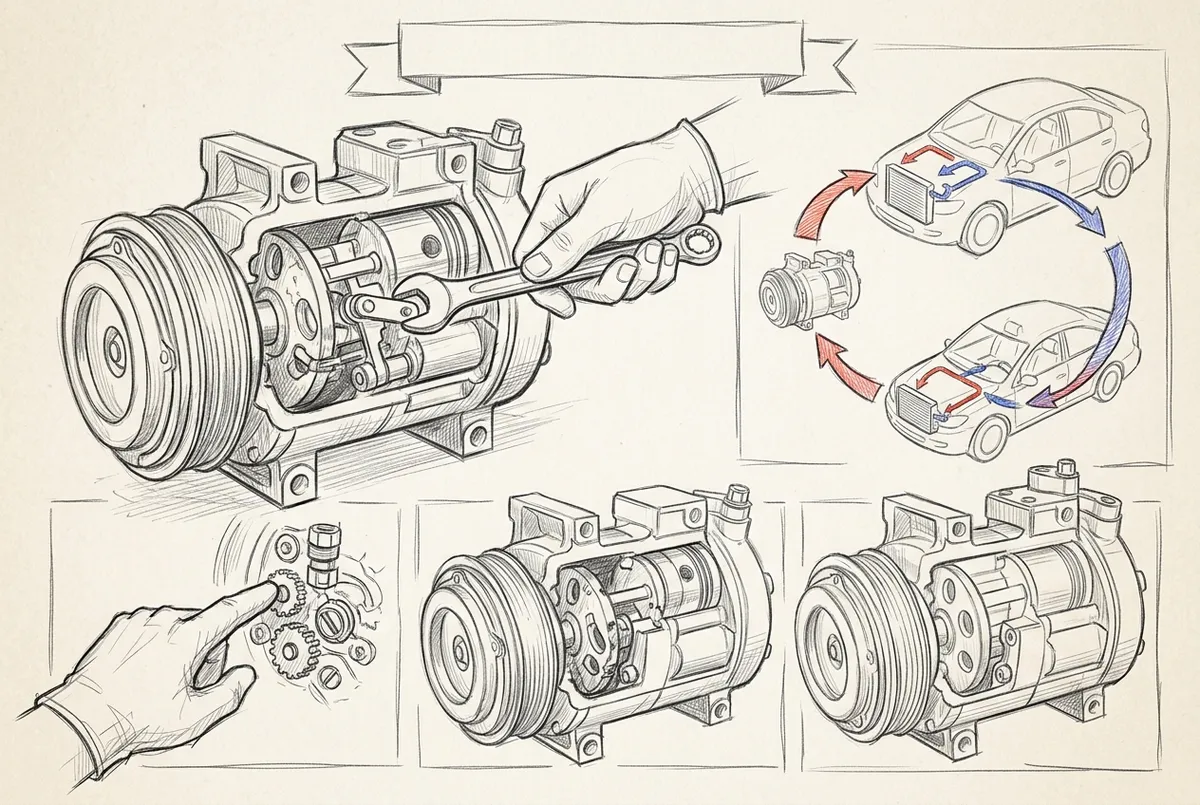
What Does It Mean to Repair an AC Compressor?
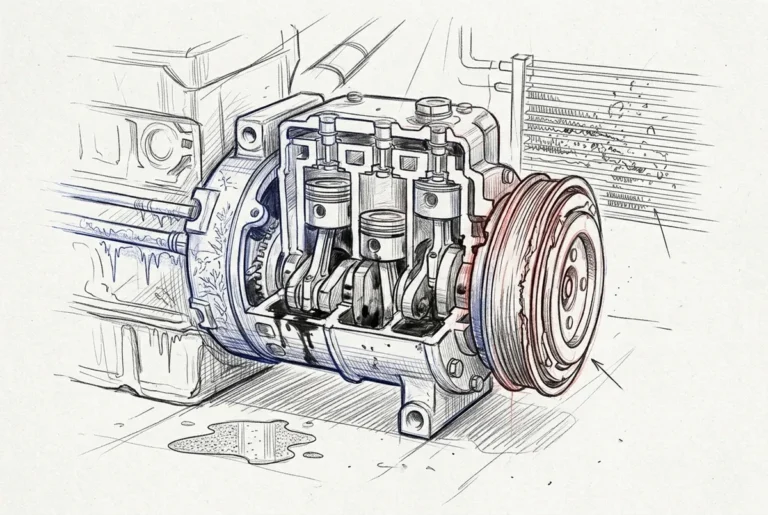
The compressor is the heart of your air conditioning system. It pumps refrigerant through the system, creating the pressure changes that make cold air possible. When it fails, your AC either blows warm air or stops working completely.
Repairing a compressor doesn’t always mean replacing the whole unit. Sometimes the fix is much simpler. Technicians first diagnose what’s actually wrong before deciding whether to repair supporting parts or swap the compressor entirely.
Signs Your Compressor Needs Attention
Catching problems early can save you money and downtime. Here are common warning signs to watch for:
- Warm air blowing from vents even with AC set to max cold
- Loud grinding, clicking, or squealing noises from the compressor area
- Visible oil stains or refrigerant residue near AC lines
- AC clutch not engaging when you turn on the system
- Frequent tripped breakers or blown fuses related to the AC circuit
- Reduced airflow along with weak cooling performance
If you notice any of these symptoms, don’t wait. Running a vehicle with a failing compressor can cause more damage to other parts of the system, according to guidance outlined in the HVACR School compressor failure checklist.
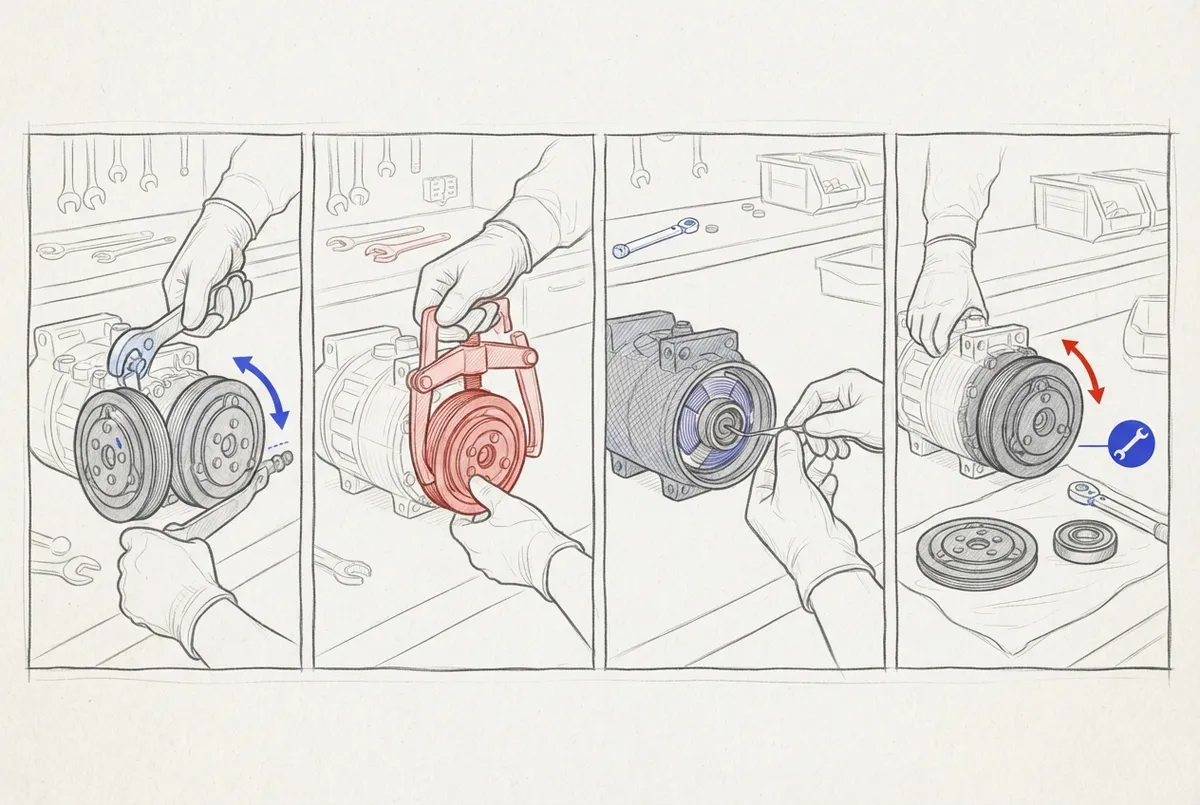
Step-by-Step: How to Repair an AC Compressor
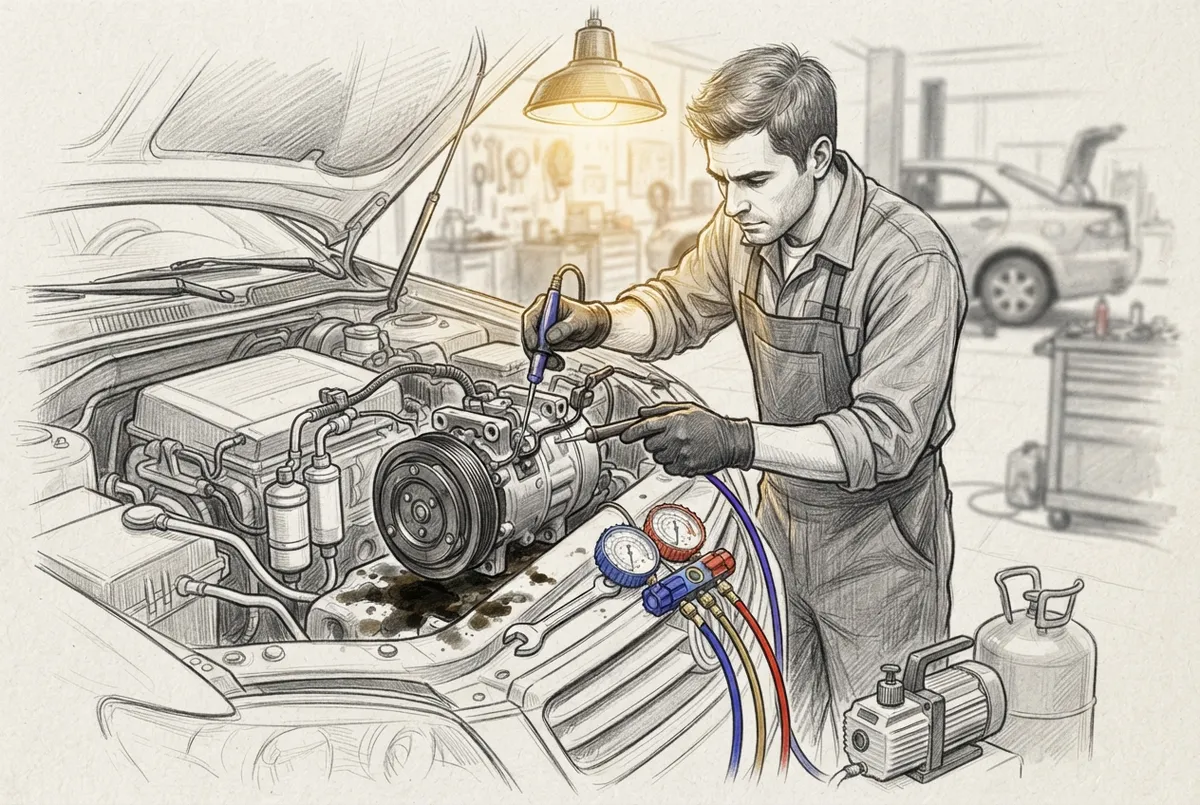
Here’s a simplified breakdown of the process technicians follow when diagnosing and repairing compressor issues:
- Safety first. The system gets de-energized completely. Technicians use lockout/tagout procedures and verify zero voltage before touching any wiring or components.
- Check electrical components. Breakers, wiring, capacitors, and relays get tested. A weak capacitor or damaged relay is often the real culprit, not the compressor itself.
- Test motor windings. Technicians use a multimeter to measure resistance in the compressor’s windings. This helps confirm if the motor itself has failed.
- Inspect for contamination and leaks. Burnt connectors, oil stains, and moisture in the system all point to specific problems that need addressing.
- Check airflow and refrigerant levels. Blocked airflow or low refrigerant can strain a compressor without it actually being broken.
- Decide: repair or replace. If the compressor itself has failed, replacement is usually the safer, longer-lasting choice.
- If replacing, recover refrigerant properly. Old refrigerant gets safely recovered before any parts come out.
- Remove the old filter-drier and compressor. These get swapped together since a contaminated system can cause repeat failures.
- Braze in the new compressor. The new unit gets connected using proper brazing techniques to avoid leaks.
- Pressurize with nitrogen and leak test. This step confirms there are no leaks before moving forward.
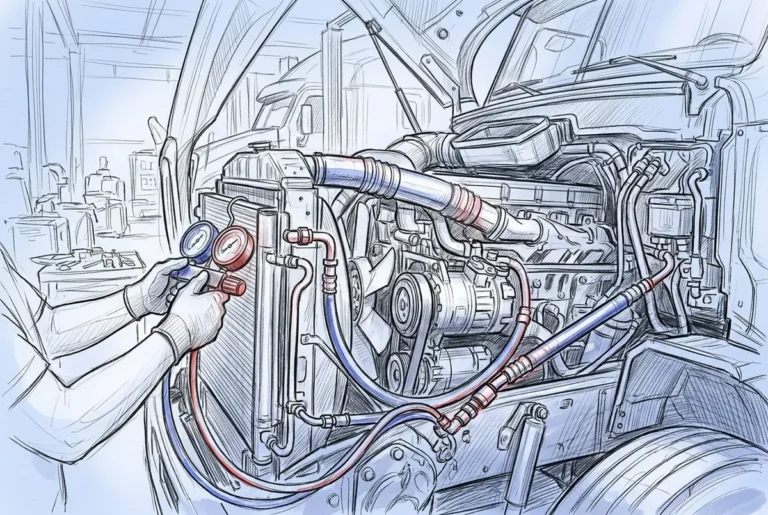
- Pull a deep vacuum. Systems are typically pulled below 300 microns, with a decay test ensuring it doesn’t rise above 500 microns within 10 minutes.
- Recharge by weight. Refrigerant gets added according to manufacturer specifications, not guesswork.
- Run and verify performance. Suction and discharge pressures, amperage, and superheat/subcooling readings all get checked to confirm everything is working correctly.
This process reflects widely accepted practices described in resources like the Industrial Air Compressor Repair strategic guide, adapted here for vehicle and mobile AC systems.
Common Causes of Compressor Failure
Compressor failure rarely happens in isolation. It’s often a symptom of something else going wrong in the system. Understanding root causes helps prevent repeat failures.
- Failed start components like capacitors or relays
- Electrical faults, including damaged wiring or corroded connectors
- Low or contaminated refrigerant
- Airflow restrictions from clogged filters or blocked condensers
- Moisture or debris contamination inside the system
- Age and normal wear after years of heavy use
Interestingly, some of these issues aren’t compressor problems at all. Dirty filters or blocked outdoor units can increase strain on the system, sometimes restoring normal cooling once cleared without ever touching the compressor. This mirrors advice from Carrier’s homeowner guidance on airflow-related cooling issues, which applies similarly to vehicle AC systems.
Repair or Replace? A Quick Comparison
| Situation | Likely Fix | Typical Outcome |
|---|---|---|
| Weak capacitor or relay | Component replacement | Compressor often works fine afterward |
| Clogged filter or blocked condenser | Cleaning and airflow restoration | Cooling improves without compressor work |
| Failed compressor motor windings | Full compressor replacement | New unit installed with fresh refrigerant charge |
| Contaminated refrigerant system | Recovery, flush, new filter-drier | System cleaned before recharge |
| Persistent leaks near compressor seals | Leak repair or compressor swap | Depends on leak location and severity |
If you’re unsure which category your vehicle falls into, that’s exactly what a diagnostic visit is for. Our team can walk you through AC services designed to pinpoint the real issue quickly.
What This Means for Different Drivers
Car Owners
If your personal vehicle’s AC stops blowing cold air, don’t ignore it. Tampa summers are brutal, and a quick diagnostic visit can determine if you’re looking at a simple fix or a full compressor swap. Check out our guide on 10 Reasons Your AC Is Blowing Warm Air for more detail.
Truck Drivers and Fleet Operators
For long-haul drivers, a broken compressor isn’t just uncomfortable, it can affect safety and compliance during long shifts. Fleet managers should consider proactive strategies outlined in our piece on fleet vehicle AC repair tips that save you money.
Bus Operators
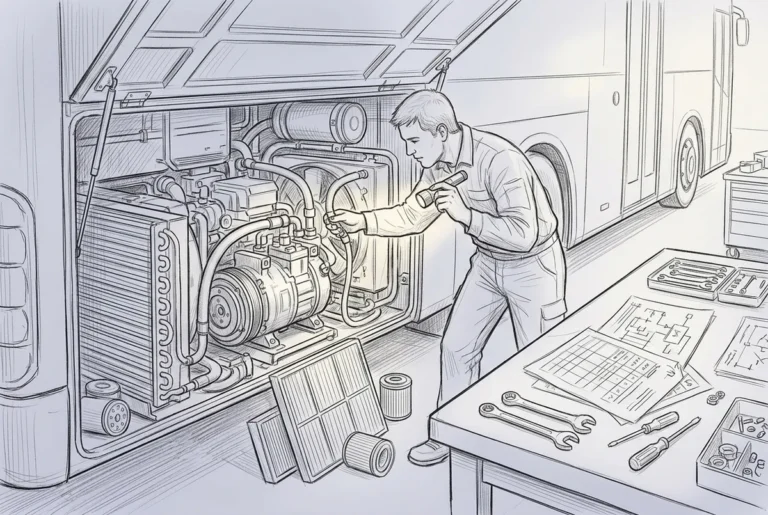
Passenger comfort and safety both depend on reliable AC systems. Transit companies benefit from scheduled maintenance rather than waiting for a breakdown. Learn more about what proper upkeep involves in our article on bus AC system maintenance.
RV Enthusiasts
Nothing kills a camping trip faster than a warm RV cabin in July. If you’re noticing weak airflow or strange noises before your next trip, get it checked early. Our resource on RV air conditioner repair parts mistakes to avoid can help you plan ahead.
Heavy Equipment Operators
Operator fatigue caused by heat can slow down job sites and increase safety risks. Regular AC servicing keeps equipment cabs comfortable and productive. See our guide on heavy equipment AC repair done right.
Automobile Fleet Owners
Managing multiple vehicles means balancing cost and uptime. Preventive maintenance often beats reactive repairs in the long run. Our comparison of preventive vs. reactive fleet AC maintenance breaks down which approach wins.
Preventing Future Compressor Problems
Prevention is always cheaper than repair. Here are simple habits that reduce strain on your AC compressor:
- Run your AC regularly, even in cooler months, to keep seals lubricated
- Replace cabin air filters on schedule to maintain good airflow
- Address small refrigerant leaks before they grow into bigger problems
- Keep condenser fins clean and free of debris
- Schedule routine inspections instead of waiting for a breakdown
These tips align with recommendations in our article on 5 AC maintenance tips every Tampa vehicle owner needs. A pressure drop greater than 10% between discharge and point-of-use can be a useful benchmark for spotting hidden leaks or restrictions before they cause bigger issues.
Why Professional Diagnosis Matters
DIY compressor work carries real risk. Refrigerant handling requires certification, and improper brazing or vacuum procedures can lead to repeat failures. A shop with decades of focused experience, like Marks Air, brings specialized tools and know-how that most home garages simply don’t have.
Our technicians train extensively, covering topics like EPA 609 certification and MVAC best practices through our training programs. We’re also proud members of the Mobile Air Climate Systems Association (MACS), which keeps us aligned with current industry standards.
Need parts for a DIY project or want backup for a fleet job? Browse our AC parts selection, including our KOOL-TEMP line and trusted brands like SPAL, ACT, BCC, gpd, and Omega. For specialty applications, we even carry components like the fire truck compressor used in emergency vehicle fleets.
What to Expect From a Compressor Repair Visit
Wondering what a typical service appointment looks like? Here’s the general flow:
- Initial diagnostic to identify the root cause of the problem
- Clear explanation of findings and repair options before any work begins
- Transparent pricing so you know what to expect
- Quality parts installation backed by warranty coverage
- Final performance testing to confirm your AC is working properly
Curious about pricing? Our article on 5 key factors that determine AC compressor replacement cost breaks down what influences the final bill. And if you’re weighing your options entirely, check out Repair vs. Replace: Which Fixes Your AC Compressor?
Ready to Get Your AC Back on Track?
A failing compressor doesn’t have to ruin your summer. Whether you’re driving across Tampa in your daily commuter or managing a fleet of delivery trucks, understanding the repair process helps you make smart decisions. Small maintenance habits go a long way, but when it’s time for expert help, having a trusted shop on speed dial makes all the difference.
Marks Air has served Tampa since 1971 as a family-owned, woman-owned business specializing exclusively in AC systems for vehicles and heavy equipment. We’ve seen it all, from stubborn sedans to massive fleet trucks, and we bring that experience to every job. Check out what our customers say by visiting our reviews page, or visit us on Google — Marks Air to see recent feedback firsthand. You can also follow along on Instagram or Facebook for tips and updates, and browse our Yelp page for even more customer stories. You can also find us listed on HVACService.io for additional service details.
While you’re planning your day around vehicle maintenance, why not treat yourself too? If you need a little relaxation after a long day of fleet management or road trips, Mobile Area Massage of Tampa Bay offers convenient service right where you need it.
Don’t let a warm cabin slow you down this summer. Schedule your AC service today or call us at 813-988-1671 to get your compressor checked by Tampa’s trusted AC specialists.
FAQs
Q: Can an AC compressor be repaired, or does it usually need replacement?
A: Great question! Sometimes a simple fix like a new capacitor or relay does the trick, and your compressor works fine afterward. But if the motor windings themselves have failed, replacement is usually the safer, longer-lasting choice. A quick diagnostic visit will tell you exactly which situation you’re dealing with.
Q: What are the signs of a bad AC compressor?
A: Watch for warm air blowing from your vents, strange grinding or clicking noises, or the AC clutch not engaging at all. Oil stains near AC lines and frequent tripped breakers are also red flags. Catching these early can save you time and money down the road!
Q: How much does AC compressor repair or replacement cost?
A: Costs vary based on your vehicle type, the extent of damage, and whether it’s a simple component swap or full replacement. Factors like refrigerant type and labor complexity play a role too. We’re happy to walk you through a transparent estimate once we’ve diagnosed your specific situation.
Q: Is it safe to run an AC with a failing compressor?
A: We wouldn’t recommend it! Running a failing compressor can cause damage to other parts of your AC system, turning a smaller repair into a bigger, pricier one. It’s best to get it checked out as soon as you notice warning signs.
Q: What maintenance helps prevent compressor failure?
A: Simple habits go a long way here! Running your AC regularly, replacing cabin filters on schedule, and addressing small refrigerant leaks early all reduce strain on your compressor. Routine inspections are also your friend when it comes to catching problems before they grow.