Key Takeaways
-
Dirty evaporator coils cause freezing indirectly by blocking airflow, which prevents proper heat transfer and drops coil temperature below freezing, turning condensation into ice buildup.
-
A clogged cabin air filter is the most common freeze-up cause in practice, making it the first thing to check before assuming coil problems—and it’s one of the easiest fixes.
-
Low refrigerant charge from system leaks is a major freezing culprit that requires professional leak detection tools to diagnose and fix properly.
-
Turn off your AC immediately if you suspect freezing to avoid compressor strain and expensive damage; let the system thaw naturally before running it again.
-
Weak blower fans, blocked vents, and mechanical failures like stuck expansion valves can all cause freeze-ups, so multiple components should be checked during diagnosis.
-
Regular preventive maintenance—including seasonal inspections, air filter replacements, and professional coil cleaning—prevents most freeze-ups before they start.
Picture this: you hop into your car on a scorching Tampa afternoon, crank the AC, and instead of that sweet blast of cold air, you get a weak trickle and a weird hissing sound. Pop the hood or check your vents, and you might find ice where ice definitely shouldn’t be. If you’ve ever wondered, “can dirty coils cause AC to freeze,” you’re asking a smart question that a lot of drivers, fleet managers, and RV owners ask us here at Marks Air. The short answer is yes, dirty coils can absolutely play a role in freezing up your air conditioning system. But the full story is a little more layered, and understanding it can save you time, money, and a whole lot of sweaty discomfort.
In this friendly guide, we’ll walk through exactly how dirty coils lead to freezing, what other culprits might be involved, and how you can spot the warning signs before your AC quits on you in traffic. Whether you drive a sedan, haul freight across the state, or run a fleet of buses through Tampa’s humidity, this one’s for you.
Can Dirty Coils Cause AC to Freeze? The Straightforward Answer
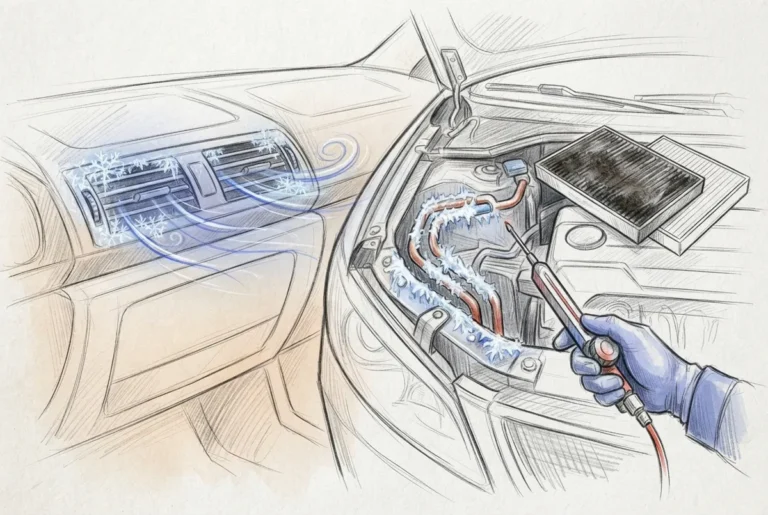
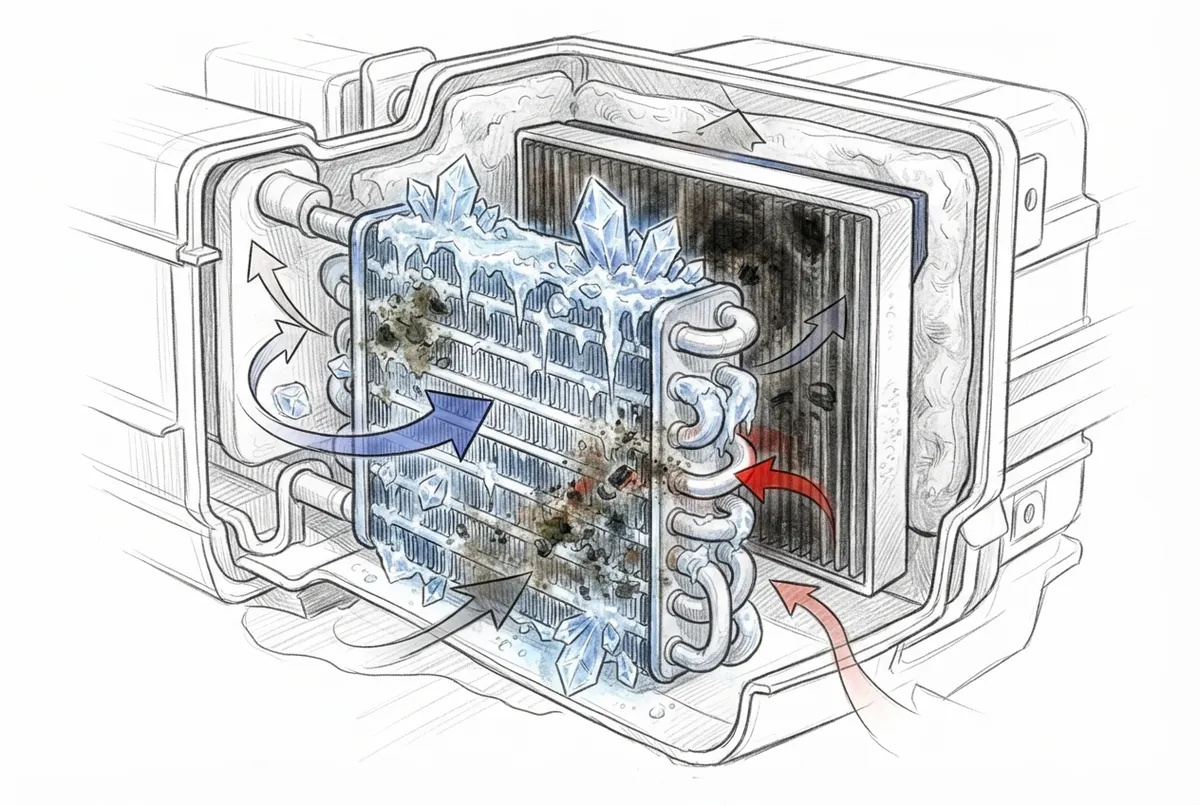
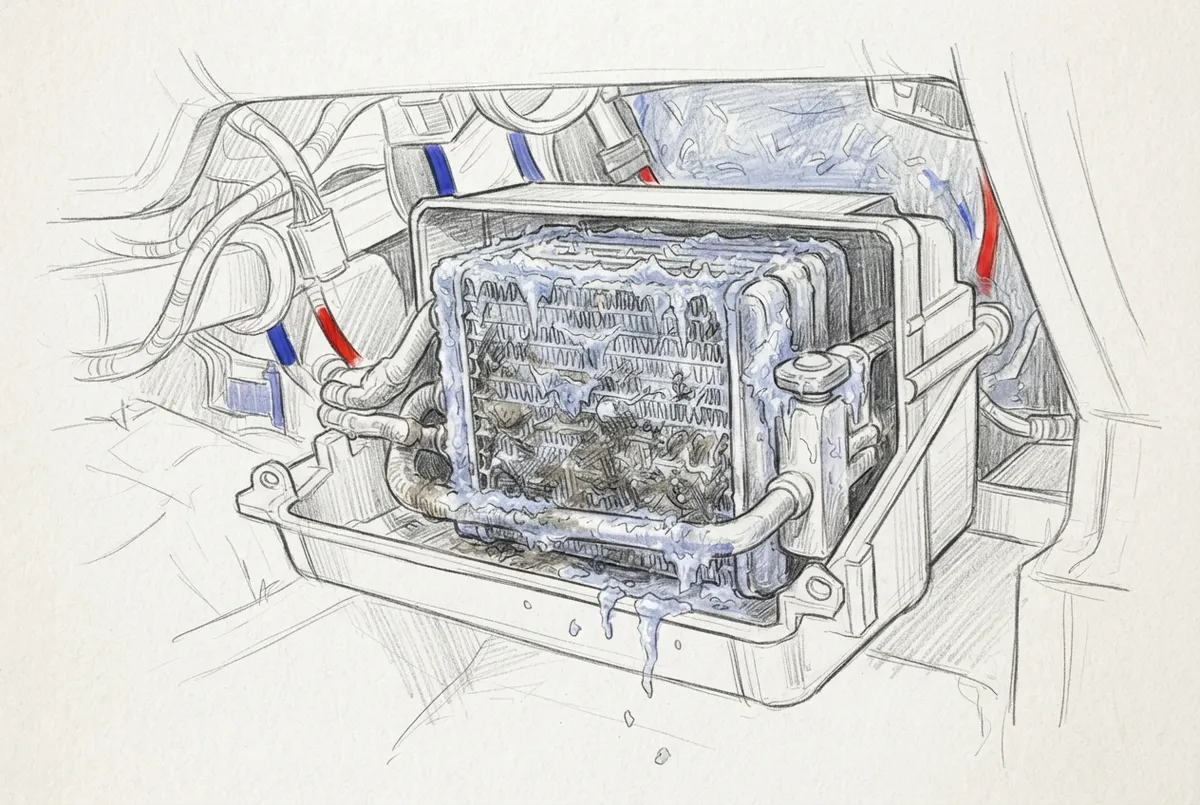
Yes, dirty coils can cause your AC to freeze, but it usually happens indirectly. When the evaporator coil gets coated in dirt, dust, or grime, it can’t transfer heat the way it’s supposed to. That buildup blocks proper airflow across the coil surface, which can make the coil temperature drop below freezing. Once that happens, moisture in the air starts turning into ice right on the coil.
Think of it like a clogged straw. Air needs to move freely across the coil to keep temperatures balanced. When dirt piles up, that airflow gets choked off, and the coil can get colder than it should. It’s a common issue we see at our Tampa shop, especially on vehicles that haven’t had a checkup in a while.
Why Airflow Matters So Much
Your AC system depends on a steady flow of air moving across the evaporator coil. This airflow helps regulate the coil’s temperature and keeps condensation from freezing solid. When dirt, debris, or grime block that path, the coil can’t do its job properly.
Here’s what typically happens when airflow gets restricted:
- The coil temperature drops lower than normal because heat isn’t being absorbed properly
- Moisture that would normally drip away as condensation freezes onto the coil instead
- Ice builds up layer by layer, further blocking airflow
- The system works harder, straining the compressor and other components
- Cooling performance drops even though the compressor is running
If you’ve noticed weaker airflow from your vents lately, it might be worth a look under the hood before things get worse. Our team at Marks Air handles this kind of diagnostic work every day, and we’re happy to take a look at your AC service needs.
Dirty Evaporator Coils vs Dirty Condenser Coils
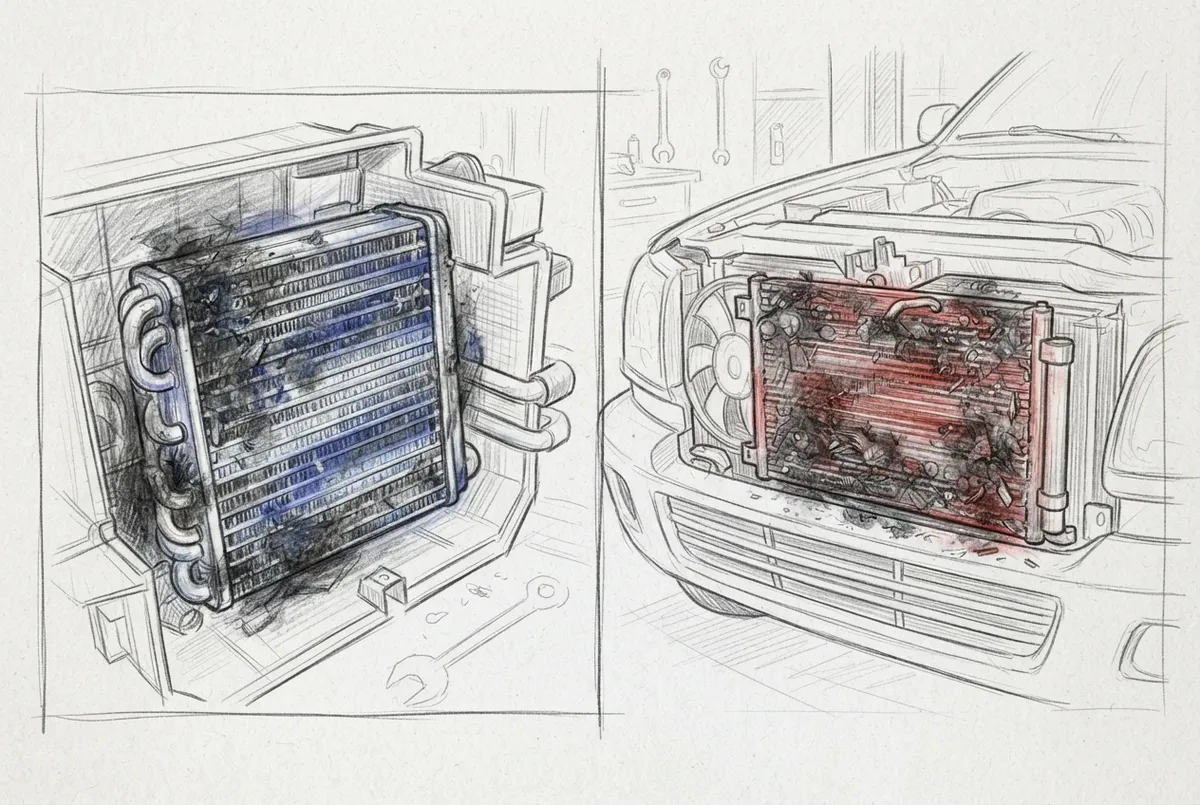
Not all dirty coils are created equal when it comes to freezing risk. It helps to understand the difference between the two main coils in your AC system.
| Coil Type | Location | Freezing Risk | Common Signs of Dirt Buildup |
|---|---|---|---|
| Evaporator Coil | Inside the cabin air handling unit | High — directly linked to freezing | Weak airflow, musty smell, visible ice |
| Condenser Coil | Front of vehicle, near radiator | Lower — more linked to poor cooling | Reduced cooling power, higher compressor strain |
Dirty condenser coils can definitely hurt your system’s overall performance, but most HVAC experts note that indoor airflow problems and evaporator coil issues are more directly tied to freeze-ups. That said, a dirty condenser can still overwork your system and contribute to bigger problems down the road, so both deserve attention.
Other Common Causes of a Frozen AC Coil
Dirty coils are just one piece of the puzzle. In our decades of experience working on vehicles all across Tampa, we’ve seen a handful of other issues show up just as often, sometimes even more often.
1. Dirty Air Filters
A clogged cabin air filter is one of the most common reasons an AC coil freezes. It restricts airflow the same way a dirty coil does, and it’s often the easier fix. If you haven’t checked your filter in a while, that’s a great place to start.
2. Low Refrigerant Charge
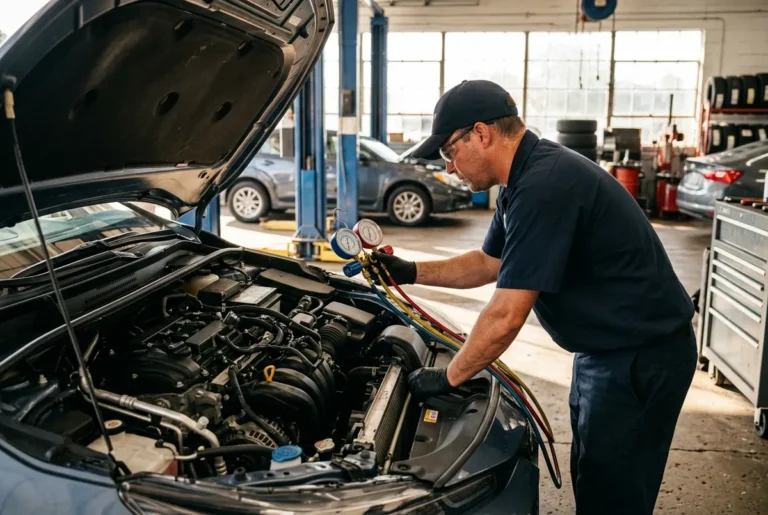
Low refrigerant is another major cause of freezing. When refrigerant levels drop, the pressure inside the system drops too, which can make the coil temperature fall below freezing. This usually points to a leak somewhere in the system, something our technicians check for using proper leak detection tools.
3. Weak or Failing Blower Fan
If your blower fan isn’t pushing enough air, the coil can get too cold, just like with a dirty filter or coil. A failing blower motor is a common issue we see, especially in older vehicles and heavy-duty trucks that log a lot of miles.
4. Blocked Vents or Registers
Sometimes the problem isn’t the coil or the fan at all. Closed vents or blocked registers can restrict airflow enough to cause icing, especially in vehicles with complex ductwork like buses and RVs.
5. Mechanical or Electrical Issues
Faulty sensors, a stuck expansion valve, or electrical problems can all throw off the delicate balance your AC system needs to run correctly. These issues often require a trained technician to diagnose properly.
Here’s a quick numbered rundown of the most common freeze-up causes we encounter, ranked roughly by how often we see them in the shop:
- Dirty or clogged cabin air filters
- Low refrigerant charge from leaks
- Dirty evaporator coils restricting airflow
- Weak or failing blower fans
- Blocked vents, closed registers, or duct restrictions
- Mechanical or electrical component failures
How to Tell If Your AC Coil Is Frozen
Sometimes it’s obvious, and sometimes the signs are sneakier. Here’s what to watch for:
- Weak or no airflow coming from the vents
- Air that starts cold but gradually warms up during a drive
- Visible ice or frost on visible AC lines or components
- Water pooling under the dashboard or vehicle after you turn off the AC
- A hissing or gurgling sound from the AC system
- Musty or damp odors coming from the vents
- Turn off the AC system completely, including the compressor
- Let the system thaw naturally, this can take a few hours depending on the ice buildup
- Avoid running the AC again until the underlying issue has been diagnosed
- Check the cabin air filter for visible dirt or blockage
- Inspect visible coil components for dirt, debris, or damage if accessible
- Schedule a professional diagnostic if the problem isn’t obvious or keeps coming back
- Replace or clean your cabin air filter regularly
- Schedule seasonal AC inspections before Tampa’s hottest months hit
- Watch for early signs of reduced airflow or weaker cooling
- Address refrigerant leaks quickly instead of letting them worsen
- Keep vents and registers clear of obstructions
- Have coils professionally cleaned as part of routine maintenance
If you spot any of these symptoms, it’s worth getting things checked out sooner rather than later. Small issues tend to snowball into bigger, pricier repairs the longer they’re ignored.
What to Do If Your AC Coil Freezes
If you suspect your coil has frozen up, don’t panic. Here’s a simple step-by-step approach:
Running your AC while it’s frozen can strain the compressor and cause more expensive damage. It’s always better to switch it off and let a professional sort out the root cause.
Why This Matters More for Different Types of Vehicles
Freezing coils aren’t just an inconvenience, they can mean different things depending on what you drive.
Car Owners
For everyday drivers, a frozen AC coil often means an uncomfortable commute and a nagging worry about repair costs. Catching it early with routine maintenance keeps your ride comfortable through Tampa’s long, humid summers.
Truck Drivers and Fleet Operators
For professional drivers, AC problems aren’t just about comfort, they’re about safety and regulation compliance during long hauls. A frozen coil mid-route can turn into a serious problem fast, which is why many fleet managers turn to fleet vehicle AC repair tips to stay ahead of breakdowns.
Bus Operators
Passenger comfort and safety are non-negotiable for transit companies. A frozen coil on a bus full of passengers in Tampa’s summer heat is a problem nobody wants, which makes preventive maintenance essential.
RV Enthusiasts
Nothing ruins a camping trip faster than a broken AC system in a hot RV. If your unit has been icing up during travel, it might be time to explore RV air conditioner repair parts and avoid common mistakes owners make.
Heavy Equipment Operators
Operator fatigue is a real safety concern on construction sites. A frozen AC coil in heavy equipment can mean downtime you can’t afford, especially during peak summer projects.
Automobile Fleet Owners
Managing multiple vehicles means multiplying the risk of AC issues. Staying proactive with preventive fleet AC maintenance can save serious money over time compared to reactive repairs.
Preventing Frozen Coils Before They Start
The good news is that most freeze-up causes are preventable with regular care. Here’s a simple checklist to keep your AC running smoothly:
Our team at Marks Air has been helping Tampa drivers, fleet operators, and equipment owners keep their AC systems running strong since 1971. We’re a family-owned, woman-owned shop that genuinely cares about getting you back on the road comfortably, and we’re proud to be a member of the Mobile Air Climate Systems Association (MACS), staying current with industry standards.
When to Call a Professional
If your system keeps freezing even after you’ve cleaned filters and checked for obvious blockages, it’s time to bring in a professional. Recurring freeze-ups often point to deeper issues like refrigerant leaks, compressor problems, or electrical faults that require specialized tools to diagnose correctly.
Our technicians handle everything from routine A/C parts replacements to full diagnostics for cars, trucks, buses, RVs, and heavy equipment. We also offer training programs for technicians who want to sharpen their skills on modern refrigerant systems, including EPA 609 certification and HFO-1234yf best practices.
Curious what other drivers say about their experience? You can check out customer reviews or read what folks are saying on Yelp. You can also find us listed on HVACService.io as a trusted A/C specialist in the Tampa area.
A Quick Word on Related AC Problems
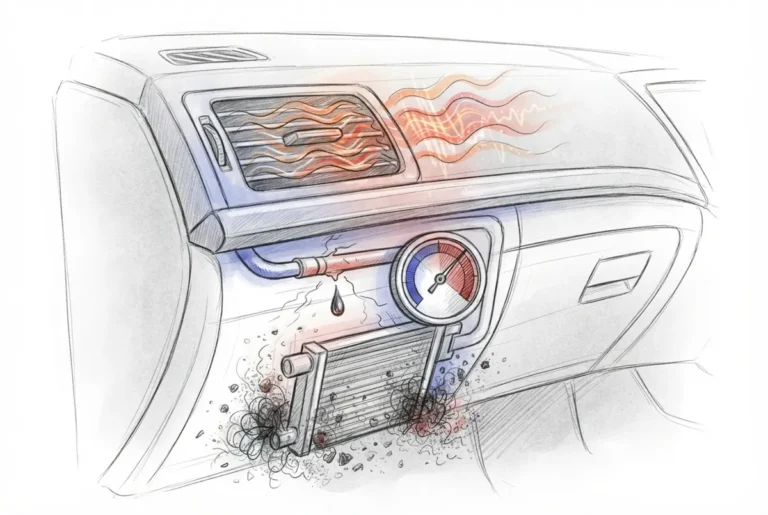
Frozen coils often show up alongside other AC headaches, like warm air blowing from the vents or strange noises during operation. If you’re dealing with a system that seems to run but doesn’t cool properly, our guide on reasons your AC is blowing warm air might help you connect the dots. And if you’re weighing whether to repair or replace an aging system, our breakdown of AC repair versus replacement can help you make a confident decision.
For those who like to keep their rig or vehicle looking as sharp as it runs cool, our friends over at Buckhorn Power Wash do great work keeping exteriors clean and fresh, a nice complement to a well-maintained AC system.
Final Thoughts on Dirty Coils and Frozen AC Systems
So, can dirty coils cause AC to freeze? Absolutely, but they’re rarely acting alone. Dirty filters, low refrigerant, weak blower fans, and blocked vents often team up with coil buildup to create that frustrating frozen AC scenario. The best defense is regular maintenance and catching small issues before they snowball.
If your AC has been acting up, icing over, or just not blowing as cold as it used to, don’t wait until it fails completely. Our Tampa team has been solving these exact problems since 1971, and we’d love to help you stay cool no matter what you drive. Schedule service with our team today, or give us a ring and call us at 813-988-1671 to get your AC back in top shape. You can also see what our Tampa customers are saying by visiting our Marks Air location on Google, or follow along with shop updates on Instagram and Facebook. Stay cool out there, Tampa!
FAQs
Q: Can dirty evaporator coils cause an AC to freeze?
A: Yes, dirty evaporator coils are a real culprit here! When dirt builds up, it blocks airflow and stops the coil from absorbing heat properly, which can drop its temperature below freezing. It’s one of the most common issues we see at our Tampa shop, and it’s usually fixable with a good cleaning and inspection.
Q: Can dirty condenser coils cause AC freezing too?
A: Dirty condenser coils are more likely to hurt your overall cooling performance than directly cause freezing. That said, a strained condenser can overwork your whole system, so it’s still worth keeping clean. Think of it as part of the bigger picture rather than the main freeze-up villain.
Q: What is the most common cause of a frozen AC coil?
A: In our experience, a dirty or clogged cabin air filter tops the list most often. It’s a simple, sneaky little culprit that restricts airflow just enough to cause big problems. The good news? It’s also one of the easiest fixes around.
Q: Should I turn off my AC if the coil is frozen?
A: Absolutely, yes! Running a frozen system can strain your compressor and lead to pricier repairs down the road. Switch it off, let it thaw naturally, and get the root cause checked out before turning it back on.
Q: When should I call a professional about a freezing AC unit?
A: If you’ve cleaned the filter, checked for obvious blockages, and the freezing keeps coming back, it’s time to bring in the pros. Our team at Marks Air has been sorting out tricky AC mysteries since 1971, and we’re always happy to help you get back on the road cool and comfortable.