Key Takeaways
-
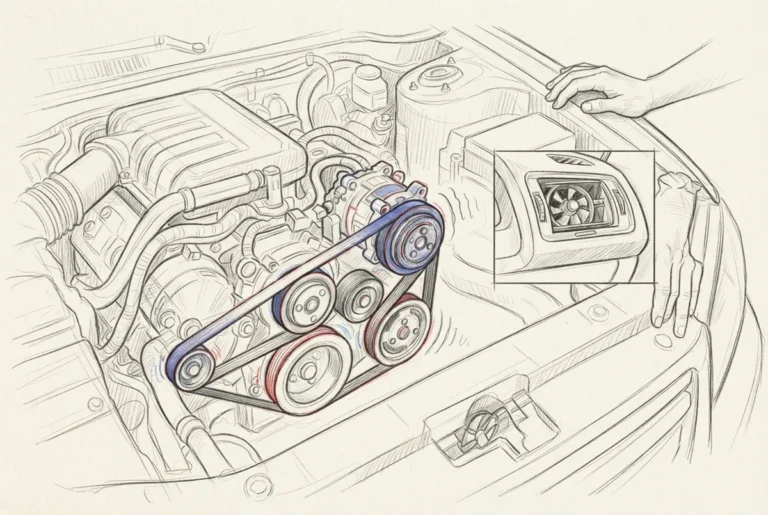
Catch A/C problems early by recognizing warning signs like weak airflow, unusual noises, foul odors, moisture inside the cabin, refrigerant leaks, and rapid cycling to avoid costly repairs.
-
Choose shops that specialize exclusively in A/C systems rather than general mechanics, as they have better diagnostic tools, more expertise, and deeper parts inventory for complex repairs.
-
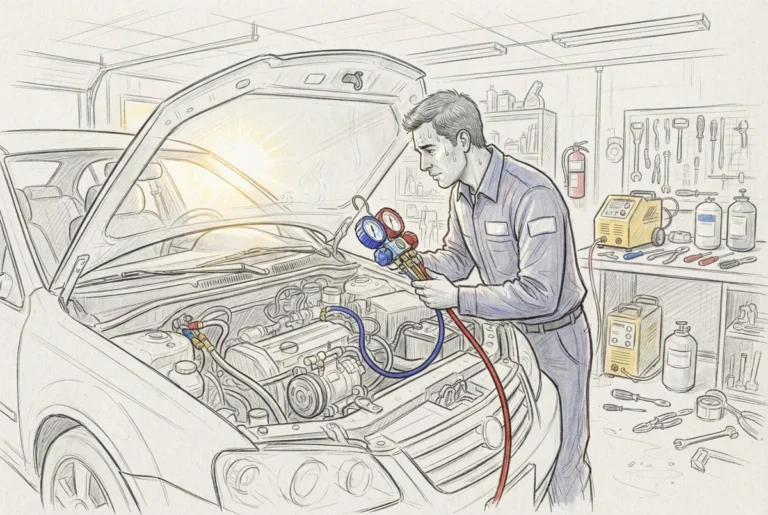
Always request a thorough diagnostic before any repairs and avoid shops that skip diagnostics and simply recharge refrigerant without identifying the root cause of the problem.
-
A quality shop will locate and repair refrigerant leaks before recharging the system, as simply adding refrigerant without fixing leaks is a temporary fix leading to repeat problems.
-
Verify warranty coverage on both parts and labor, check online reviews for consistent positive feedback, and confirm the shop stocks quality parts to ensure same-day repair completion.
-
Run your A/C regularly even in cooler months, replace cabin air filters annually, schedule professional inspections, and address leaks promptly to extend your system's lifespan and prevent major failures.
Tampa summers are no joke. When the temperature climbs past 90 degrees and your car’s A/C starts blowing warm air, frustration sets in fast. Whether you drive a personal car, a work truck, a bus, or a piece of heavy equipment, a failed air conditioning system is more than just uncomfortable — it can affect your health, your productivity, and your safety on the road.
Finding the right automotive air conditioning repair near me doesn’t have to feel overwhelming. With the right knowledge, you can spot a quality shop, understand what the repair process involves, and get back to cool, comfortable driving quickly. This guide walks you through everything you need to know — step by step.
Know the Warning Signs Your A/C Needs Attention
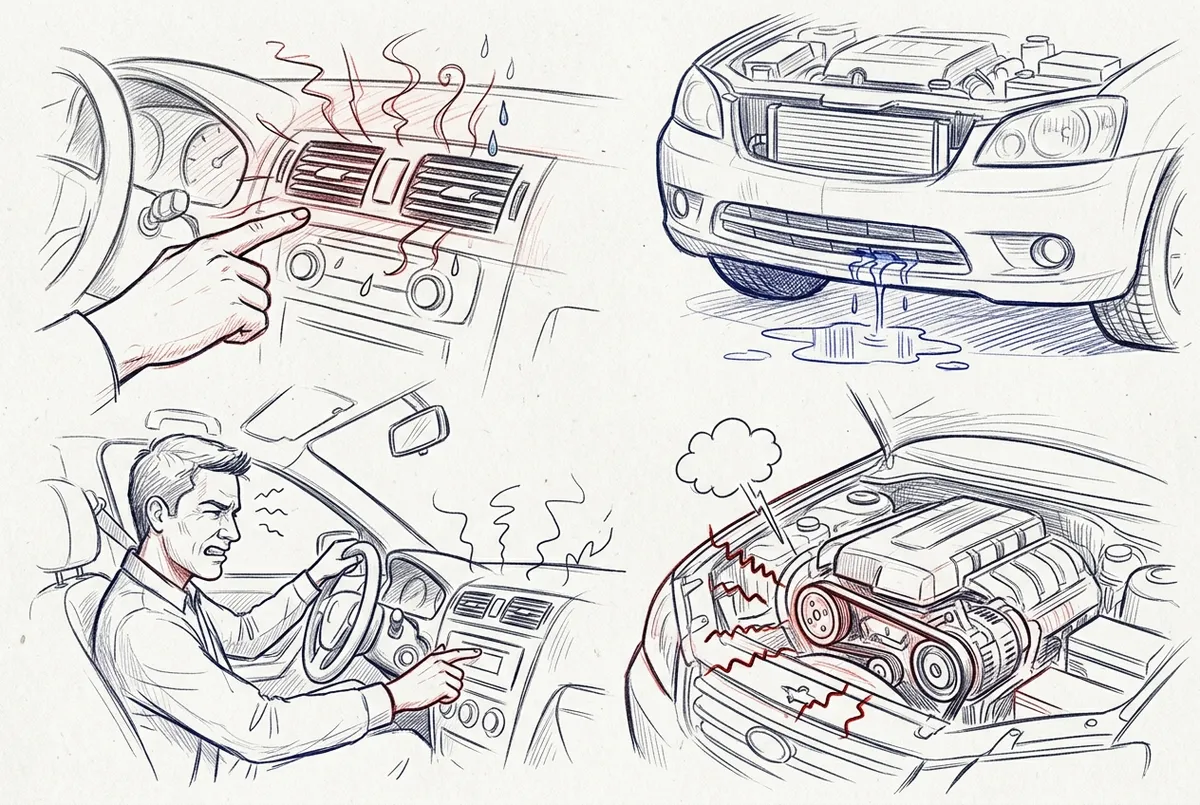
Before you start searching for automotive air conditioning repair near you, it helps to know what’s actually wrong. Catching problems early can save you money and prevent bigger repairs down the road. You can also check out 5 signs you need car AC repair near me for a quick overview.
Here are the most common warning signs to watch for:
- Weak or warm airflow: The most obvious sign — your A/C just isn’t cooling like it used to.
- Unusual noises: Rattling, banging, or squealing when the A/C kicks on can signal compressor or belt issues.
- Foul odors: Musty or moldy smells often point to bacteria growth in the evaporator or a clogged cabin air filter.
- Moisture inside the cabin: Water pooling on the floor or foggy windows can indicate a drainage or seal problem.
- Visible refrigerant leaks: Oily spots under the hood or around A/C fittings are a telltale sign.
- A/C cycling on and off rapidly: This can mean low refrigerant or a failing pressure switch.
If you notice your A/C is blowing warm air, don’t ignore it. These issues rarely fix themselves and almost always get worse over time.

Step-by-Step: How to Find the Best A/C Repair Near You
Once you know something’s wrong, the next step is finding a trustworthy shop. Not every auto repair shop has the specialized equipment and expertise to handle A/C systems properly. Here’s how to narrow it down.
Step 1: Look for A/C Specialists, Not Just General Mechanics
A shop that focuses specifically on air conditioning systems will have better diagnostic tools, more experience, and a deeper parts inventory. General repair shops can handle basic work, but complex jobs — like compressor replacement, custom system installs, or refrigerant conversions — benefit from a specialist’s touch. You can learn more about how to find reliable auto A/C service in Tampa Bay to guide your search.
Step 2: Check Reviews and Reputation
Online reviews tell you a lot about a shop’s quality and customer service. Look for consistent positive feedback, especially from customers who describe similar vehicle types or repair needs. Read Marks Air reviews on Yelp to see what Tampa customers are saying about their experiences. You can also visit Marks Air on Google to read verified customer feedback and get directions to the shop.
Step 3: Ask About Their Diagnostic Process
A quality shop will always start with a thorough diagnostic before recommending any repairs. Good diagnostics include:
- Inspecting belts, hoses, and seals for wear or damage
- Checking the compressor for proper operation
- Testing for refrigerant leaks using specialized equipment
- Evaluating electrical controls and pressure readings
- Reviewing the overall system before adding any refrigerant
Skipping diagnostics and just recharging refrigerant is a red flag. Proper refrigerant charging must match the exact manufacturer specification for your vehicle — guessing can damage the system and hurt performance. For more details, check out 3 key facts about car AC diagnostic cost in 2026.
Step 4: Verify Parts Quality and Availability
Ask the shop whether they stock quality parts or rely on ordering everything from outside suppliers. A shop with a solid parts inventory can often complete repairs same-day. Look for shops that carry trusted brands and have experience sourcing parts for a wide range of vehicles — from cars and trucks to buses, RVs, and heavy equipment. Marks Air stocks a full line of A/C parts, including their KOOL-TEMP line and components from brands like SPAL, ACT, BCC, gpd, and Omega.
Step 5: Confirm Warranty and Service Guarantees
A reputable shop will stand behind their work. Always ask about warranty coverage on both parts and labor before agreeing to any repairs. A clear warranty signals confidence in the quality of their work.
What to Expect During an Automotive A/C Repair Service
Understanding the repair process helps you ask better questions and feel more confident in the shop you choose. Here’s a general overview of what a full A/C service involves.
System Inspection and Diagnosis
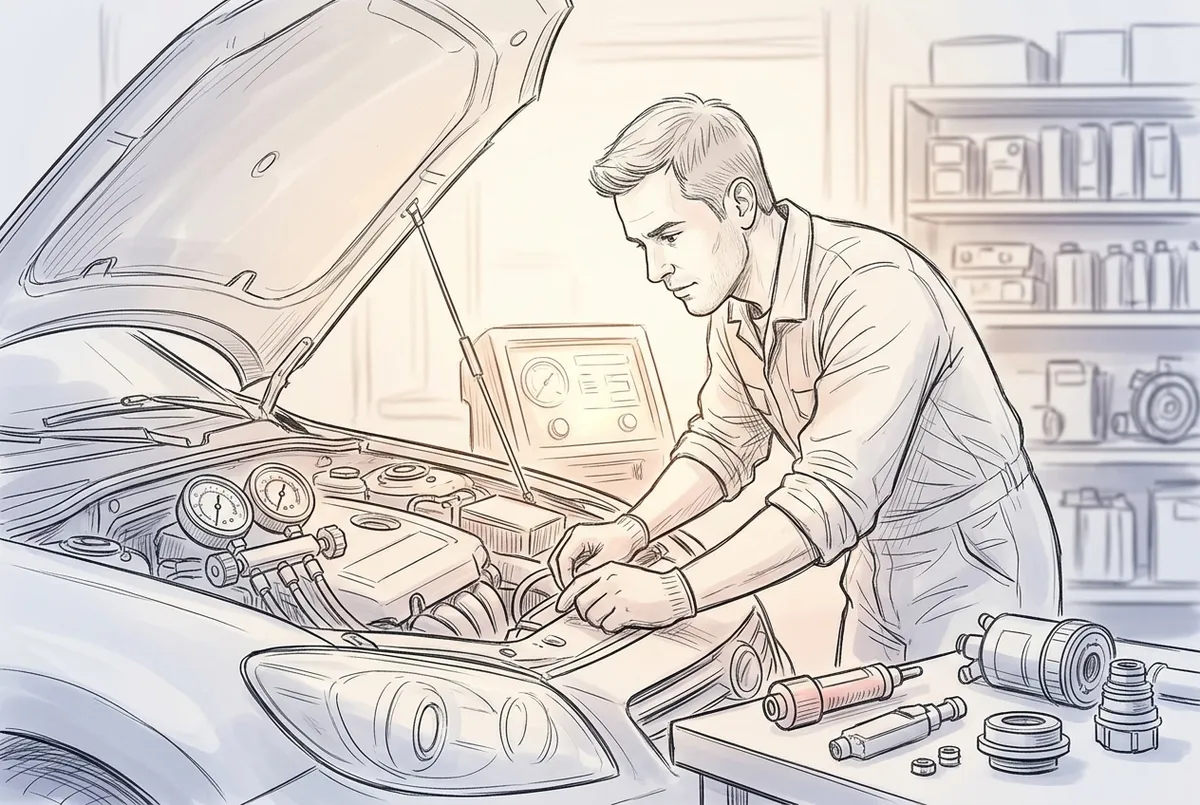
The technician starts by inspecting the entire A/C system. This includes belts, the compressor, the condenser, the evaporator, refrigerant hoses, seals, and electrical components. The goal is to find the root cause — not just mask the symptoms. You can explore Marks Air’s A/C services to get a better sense of what a thorough service looks like.
Leak Detection and Repair
If refrigerant is low, there’s almost always a leak. A good shop will locate and repair the leak before recharging the system. Simply adding refrigerant without fixing the leak is a short-term fix that leads to repeat problems. Learn about AC leak mistakes that cost car owners more money to avoid common pitfalls.
Component Replacement
Depending on the diagnosis, the technician may need to replace one or more components. Common replacements include:
- A/C compressor
- Condenser or evaporator
- Refrigerant hoses or fittings
- Expansion valve or orifice tube
- Blower motor or cabin air filter
For trucks specifically, truck AC condenser replacement is one of the more common repairs in fleet and commercial vehicle settings.
Evacuation and Recharge
After repairs, the system is evacuated (old refrigerant removed) and then recharged with the correct amount of refrigerant to the manufacturer’s specification. This step is critical — too little or too much refrigerant will hurt system performance.
A/C Repair Cost: What to Expect in 2026
Cost is always a concern, and A/C repair prices can vary widely depending on the vehicle type and the scope of work. Here’s a general breakdown to set your expectations.
| Repair Type | Typical Cost Range | Notes |
|---|---|---|
| Basic A/C Diagnostic | $50 – $150 | Essential first step; often credited toward repairs |
| Refrigerant Recharge (R134a) | $150 – $300 | Prices vary by location and refrigerant type |
| Leak Detection and Repair | $200 – $600+ | Depends on leak location and severity |
| Compressor Replacement | $500 – $1,500+ | Higher for heavy-duty vehicles and specialty equipment |
| Full System Replacement | $1,500 – $4,000+ | Varies widely by vehicle type and application |
For a more detailed breakdown, visit how much does auto AC repair cost in 2026. Knowing typical costs helps you evaluate quotes and avoid overpaying.
Special Considerations for Trucks, Buses, RVs, and Heavy Equipment
Not all A/C repairs are the same. If you operate a truck, bus, RV, or piece of heavy equipment, your A/C needs are more complex than a standard passenger car. Here are key points for each vehicle type.
Trucks and Commercial Vehicles
Truck drivers spend long hours on the road, and a functioning A/C system isn’t optional — it’s a safety issue. Commercial truck air conditioning service often involves heavy-duty components that require specialized expertise. Fleet operators should also consider fleet vehicle AC diagnostics to stay ahead of breakdowns across multiple vehicles.
Buses and Transit Vehicles
Passenger comfort and safety depend on a reliable bus A/C system, especially in Tampa’s heat. Proper bus AC system maintenance involves regular inspections, component checks, and refrigerant management across larger, more complex systems.
RVs and Specialty Vehicles
RV owners have unique A/C challenges because their systems are often custom-configured and used in varied conditions. Common issues include RV air conditioner repair parts mistakes that lead to repeat failures. Finding a shop experienced with RV systems makes a big difference.
Heavy Equipment and Construction Machinery
Operators of construction and agricultural equipment work in extreme heat. A broken A/C leads to operator fatigue, reduced productivity, and safety risks. Getting heavy equipment AC repair done right requires technicians with experience in large, non-standard systems.
Why Tampa Drivers Rely on Marks Air
When it comes to automotive air conditioning repair near me in the Tampa area, Marks Air has been the trusted choice since 1971. As a family-owned, woman-owned business, Marks Air specializes exclusively in vehicle A/C systems — no oil changes, no tire rotations, just deep expertise in air conditioning for cars, trucks, buses, RVs, and heavy equipment.
Marks Air is proud to be a member of the Mobile Air Climate Systems Association (MACS), which means their technicians stay current with the latest industry standards, refrigerant technologies, and best practices. They also offer A/C training programs, including EPA 609 certification and HFO-1234yf training, for technicians who want to sharpen their skills.
Follow them on Facebook and Instagram for tips, updates, and A/C advice from the team at Marks Air.
Tips for Keeping Your A/C in Great Shape Year-Round
Prevention is always better than repair. Here are simple habits that extend the life of your vehicle’s A/C system.
- Run your A/C regularly: Even in cooler months, running the A/C periodically keeps seals lubricated and the system in good working order.
- Replace the cabin air filter: A clogged filter reduces airflow and strains the system. Check it at least once a year.
- Schedule annual inspections: A professional inspection can catch small issues before they become big, expensive repairs.
- Address leaks promptly: If your A/C seems to lose cooling power over time, have it checked for leaks right away.
- Avoid running A/C at full blast immediately: Let the car air out briefly before cranking the A/C on a hot day — it reduces strain on the compressor.
For more helpful guidance, read 5 AC maintenance tips every Tampa vehicle owner needs to keep your system running strong all year long.
Red Flags to Avoid When Choosing an A/C Repair Shop
Not every shop that claims to offer automotive air conditioning repair near you is worth your time or money. Watch out for these warning signs.
- Skipping diagnostics: Any shop that recommends adding refrigerant without a full inspection is cutting corners.
- Vague pricing: Legitimate shops provide clear estimates before starting work.
- No warranty offered: Quality shops stand behind their work. No warranty is a red flag.
- Pressure to add unnecessary services: A trustworthy shop explains what you need and why — they don’t push extras.
- Lack of experience with your vehicle type: Make sure the shop has handled your specific type of vehicle before.
Avoiding these common mistakes can save you significant time, stress, and money. You can also review 10 auto AC repair mistakes that cost you more money for a deeper look at what to avoid.
Conclusion: Stay Cool and Find the Right Shop
Finding reliable automotive air conditioning repair near me comes down to knowing what to look for. Start with a shop that specializes in A/C systems, checks reviews, asks the right questions about diagnostics, and confirms they carry quality parts. Whether you’re a car owner, truck driver, fleet manager, bus operator, RV enthusiast, or heavy equipment operator, the right A/C repair shop makes all the difference.
In Tampa, Marks Air has been delivering exactly that since 1971 — focused expertise, quality parts, and service you can count on. Ready to get your A/C back in top shape? Schedule your A/C service with Marks Air today, or give us a call at 813-988-1671 — we’re here to help you stay cool no matter what you drive.
FAQs
Q: How do I find the best automotive air conditioning repair near me?
A: Start by looking for shops that specialize specifically in vehicle A/C systems rather than general auto repair. Check online reviews, ask about their diagnostic process, and confirm they carry quality parts and offer a warranty on their work.
Q: What are the signs my car’s A/C needs repair?
A: Common signs include weak or warm airflow, unusual noises when the A/C turns on, foul or musty odors, moisture inside the cabin, and visible refrigerant leaks. If you notice any of these, it’s a good idea to get your system inspected right away.
Q: What is the difference between an A/C recharge and an A/C repair?
A: A recharge simply refills the refrigerant in your system, while a full repair involves diagnosing and fixing the underlying issue — like a leak, a bad compressor, or a failed component. A recharge without fixing a leak is only a temporary fix.
Q: How much does automotive air conditioning repair cost in 2026?
A: Costs vary depending on the repair needed — a basic diagnostic might run $50 to $150, while a compressor replacement can cost $500 to $1,500 or more. Getting a full diagnostic first helps you understand exactly what you’re paying for.
Q: How often should I have my vehicle’s A/C system serviced?
A: Most experts recommend an annual A/C inspection to catch small issues before they become expensive problems. If you live in a hot climate like Tampa, regular checks are especially important since the system works harder year-round.