
Key Takeaways
-
Schedule professional AC inspections each spring before peak summer heat, and quarterly or semiannually for fleet vehicles, to catch small problems before they become expensive repairs.
-
Dirty coils and airflow problems alone can reduce cooling system efficiency by up to 15%, forcing longer run times and higher energy consumption while shortening equipment lifespan.
-
A proper AC tune-up includes thermostat checks, electrical connections, coil cleaning, refrigerant charge verification, airflow inspection, and condensate drain checks—not just refrigerant top-offs.
-
Replace cabin air filters at least every three months or sooner if you notice reduced airflow, and check filters monthly especially in dusty conditions or if you haul cargo regularly.
-
Watch for warning signs like weak airflow, strange smells, unusual noises, visible moisture, or longer cool-down times, and get professional attention immediately rather than waiting for complete failure.
-
In Florida's heat and salt air environment, routine AC maintenance is essential rather than optional, as year-round use and coastal corrosion put extra strain on every component.
Picture this: it’s July in Tampa, the heat index is pushing triple digits, and your car’s AC suddenly starts blowing warm air. Sound familiar? Whether you’re driving a sedan to work, hauling freight across the state, or running a fleet of transit buses, a failing air conditioner is more than an inconvenience. It’s a safety issue, a comfort issue, and often an expensive repair waiting to happen. The good news is that routine AC system maintenance can prevent most of these headaches before they start.
Routine AC system maintenance simply means checking and caring for your vehicle’s cooling system on a regular schedule, rather than waiting for something to break. Just like your engine needs oil changes, your air conditioning system needs attention too. This applies to cars, trucks, buses, RVs, and even heavy equipment sitting out in the Florida sun all day. In this guide, we’ll walk through what routine maintenance actually involves, how often you need it, and why it matters so much for anyone who depends on reliable cooling. Let’s dive in.

What Is Routine AC System Maintenance, Exactly?
Routine AC system maintenance is preventive care designed to keep your cooling system working at full strength. Think of it as a checkup for your air conditioner, similar to how you’d take your car in for regular service. The goal is simple: catch small problems before they become big, expensive ones.
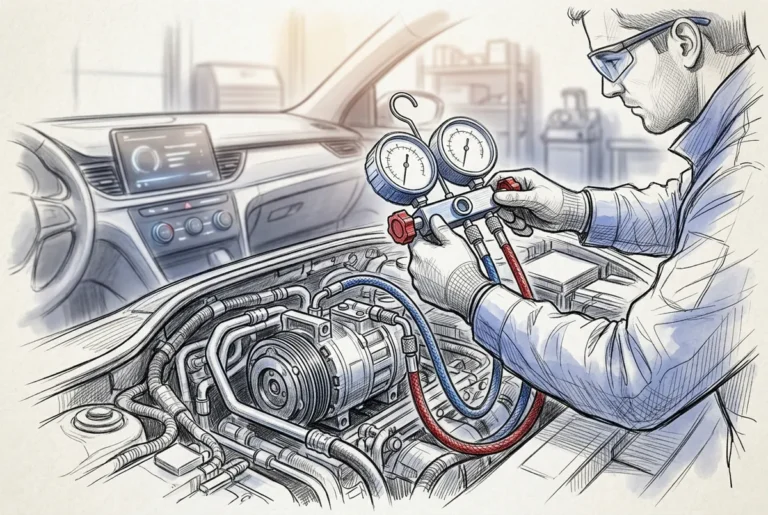
For vehicle air conditioning, this means inspecting components like the compressor, condenser, evaporator, refrigerant lines, and electrical connections. A technician checks that everything is working the way it should, cleans parts that collect dirt and debris, and looks for early signs of trouble like refrigerant leaks or worn belts. This kind of care extends equipment life, keeps cabins comfortable, and helps avoid roadside breakdowns during Tampa’s brutal summer months.
Why This Matters More in Florida’s Climate
Tampa drivers know the heat doesn’t play around. Vehicles here run their AC systems almost year-round, which puts extra strain on every component. Salt air near the coast can also speed up corrosion on metal parts. That combination means routine maintenance isn’t optional here, it’s essential. Skipping it often leads to bigger problems, as outlined in our article on why AC repair in Tampa is so important for your vehicle.

What a Professional AC Tune-Up Actually Includes
A lot of people assume an AC checkup is just adding refrigerant. That’s not the case, and honestly, that approach can hide bigger issues. A proper tune-up covers several key areas.
- Thermostat and controls check: The technician verifies the system starts, runs, and shuts off correctly, and that the controls respond as they should.
- Electrical connections: Loose or corroded connections get tightened, and motor voltage and current get measured to catch early warning signs.
- Coil cleaning: Both the evaporator and condenser coils get cleaned. Dirty coils make the system work harder, run longer, and use more energy.
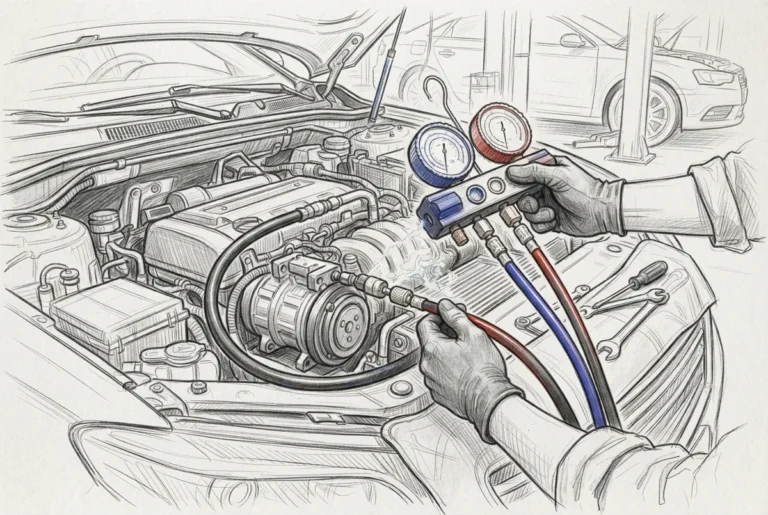
- Refrigerant charge check: The refrigerant level gets compared to the manufacturer’s specs. Refrigerant should never just be topped off without checking for a leak first.
- Airflow and blower inspection: Blower components get cleaned or adjusted to make sure air is moving properly through the system.
- Condensate drain check: Technicians inspect the drain pan and line for blockages, since a clogged drain can lead to water damage and higher humidity inside the cabin.
According to ENERGY STAR’s maintenance guidance, airflow problems alone can reduce a cooling system’s efficiency by up to 15%. Dirty coils make things worse, forcing the system to run longer and use more energy while shortening its lifespan. That’s a big deal whether you’re running one car or a whole fleet.
How Often Should You Schedule AC Maintenance?
The honest answer is: it depends on how you use your vehicle. But there are some solid general guidelines that apply across the board.
- Check air filters monthly, especially if you drive in dusty conditions or haul cargo.
- Replace filters at least every three months, or sooner if you notice reduced airflow.
- Schedule a professional inspection each spring, before peak summer heat arrives.
- Fleet vehicles and commercial equipment often need quarterly or semiannual professional checkups.
- Watch for warning signs like weak airflow, strange noises, or musty smells, and get those checked right away.
ENERGY STAR recommends a professional cooling-system checkup each spring for most systems, timed before the demand of summer really kicks in. For Tampa, where summer basically never ends, getting ahead of the season matters even more. If it’s been a while since your last checkup, our guide on 5 AC maintenance tips every Tampa vehicle owner needs is a great place to start.
Maintenance Schedules by Vehicle Type
| Vehicle Type | Filter Checks | Professional Inspection | Special Considerations |
|---|---|---|---|
| Personal Cars | Monthly | Annually (spring) | Watch for weak airflow or odd smells |
| Long-Haul Trucks | Monthly or per trip log | Quarterly | Higher run-time means faster wear |
| Transit Buses | Monthly | Quarterly to semiannual | Passenger comfort and safety compliance |
| RVs | Before each trip | Annually or pre-season | Long idle periods can cause issues |
| Heavy Equipment | Weekly in heavy use | Semiannual to annual | Dust and debris exposure is high |
Maintenance Tips for Different Types of Drivers
Every vehicle owner has different needs, so let’s break down what routine AC maintenance looks like for a few common situations.
For Everyday Car Owners
If you’re just driving to work and running errands, your biggest job is paying attention. Notice when the air isn’t as cold as it used to be, or when you hear a new noise when you turn the AC on. These are early signs worth checking out. Our article on 10 reasons your AC is blowing warm air covers common culprits you might be able to spot early.
For Truck Drivers and Fleet Operators
Long-haul drivers spend hours in their cabs, so a working AC system isn’t a luxury, it’s a necessity for staying alert and comfortable. Fleet managers should build routine maintenance into their operations schedule rather than waiting for a breakdown on the road. Check out our tips on fleet vehicle AC repair tips that save you money for practical guidance.
For Bus Operators
Passenger comfort and safety go hand in hand for transit companies. A bus with a struggling AC system on a hot Tampa afternoon isn’t just uncomfortable, it can become a real safety concern for riders. Learn more about what’s involved in proper bus AC system maintenance.
For RV Enthusiasts
RVs often sit unused for weeks, which can cause seals to dry out and refrigerant to settle unevenly. Before any big trip, it’s worth having your system checked. Our guide on RV air conditioner repair mistakes to avoid highlights common pitfalls RV owners run into.
For Heavy Equipment Operators
Construction and agricultural equipment work in some of the harshest conditions out there. Dust, vibration, and constant sun exposure all take a toll on AC components. Preventing operator fatigue starts with keeping cabs cool, which is why routine servicing matters so much here. See our guide on how to get heavy equipment AC repair done right for more details.
Simple Maintenance Steps You Can Do Yourself
Not everything requires a professional technician. There are a few things any vehicle owner can safely check between visits.
- Look at your cabin air filter monthly and replace it if it looks dirty or clogged.
- Keep the area around outdoor condenser components (on RVs and heavy equipment) free of leaves and debris.
- Run your AC system for a few minutes weekly, even in cooler months, to keep seals lubricated.
- Listen for unusual noises like squealing, grinding, or clicking when the AC turns on.
- Pay attention to smells. A musty odor often points to a drainage or mold issue.
Always disconnect power before touching any exterior components yourself, and leave electrical or refrigerant work to a trained technician. Handling refrigerant improperly isn’t just risky for your system, it can also be unsafe for you.
Signs Your AC System Needs Professional Attention
Sometimes routine maintenance isn’t enough, and you need a deeper look. Watch for these warning signs:
- Air that’s warm or only slightly cool, even on max settings
- Strange smells coming from the vents
- Unusual noises like grinding, hissing, or rattling
- Visible moisture or puddles under the vehicle
- Longer cool-down times than usual
- Frequent cycling on and off
If you notice any of these, don’t wait. Small issues caught early are almost always cheaper to fix than problems that are ignored for months. Our team can walk you through our full range of AC services to figure out exactly what your vehicle needs.
Why Choose a Specialist for Your AC Maintenance
Not every repair shop has deep experience with air conditioning systems specifically. Marks Air has been focused exclusively on vehicle AC systems in Tampa since 1971, working on everything from personal cars to buses, RVs, and heavy equipment. This kind of specialization means technicians know exactly what to look for and how to avoid unnecessary repairs.
The shop stocks a full line of AC parts, including its own KOOL-TEMP line along with trusted brands like SPAL, ACT, BCC, gpd, and Omega, so most repairs can happen the same day. Marks Air is also a member of the Mobile Air Climate Systems Association (MACS), which means the team stays current with industry standards and refrigerant regulations. You can browse the full AC parts inventory or check out more about the company’s history and mission.
Curious what other customers have experienced? You can read honest feedback on customer reviews, browse ratings on Yelp, or see what people are saying on Facebook. You can also visit us on Google — Marks Air to see photos and local reviews firsthand.
Does Routine Maintenance Really Save Money?
This is one of the most common questions we hear, and it’s a fair one. The honest answer is that savings vary depending on your vehicle’s condition, age, and how it’s used. However, industry guidance consistently points to a few clear truths.
Proper refrigerant charge, clean coils, and good airflow are major factors in how efficiently your system runs and how long your compressor lasts. When these things are neglected, your system works harder than it needs to, which can lead to higher fuel consumption from running the compressor inefficiently and a shorter equipment lifespan. While we won’t promise a specific percentage in savings, avoiding a major breakdown is almost always cheaper than a routine tune-up. Our comparison of AC repair versus AC replacement breaks down how these costs stack up over time.
Training and Staying Current on AC Standards
For fleet managers and technicians who want to build in-house expertise, staying current on certifications matters. Programs like EPA 609 certification and HFO-1234yf training help technicians handle refrigerants safely and correctly. Marks Air offers AC training programs covering these exact topics, which is a great option for shops and fleets that want to build internal maintenance capability.
While you’re getting your vehicle serviced, it’s also worth taking care of yourself. If you’re waiting on a repair, consider stopping by Smile District for a dental checkup, or unwind with a relaxing treatment from Mobile Area Massage of Tampa Bay. Taking care of your vehicle and yourself go hand in hand.
Ready to Schedule Your Routine AC Checkup?
Routine AC system maintenance isn’t glamorous, but it’s one of the smartest things you can do for your vehicle, your fleet, or your equipment. Regular filter checks, seasonal professional inspections, and quick attention to warning signs can save you from a sweaty, stressful breakdown down the road. Whether you’re driving a sedan around Tampa or managing a fleet of buses, staying ahead of small issues keeps everyone cooler and safer.
If it’s been a while since your last checkup, now’s a great time to get ahead of the Florida heat. Schedule your service today or give our friendly team a call directly at 813-988-1671. We’re here to help keep you cool, one AC system at a time.
FAQs
Q: How often should an air conditioner receive professional maintenance?
A: For most vehicles, one professional checkup each spring works great, timed right before the summer heat kicks in. Fleet vehicles or heavy equipment used constantly might need quarterly visits instead. Either way, catching small issues early always beats dealing with a breakdown later.
Q: What is included in a routine AC tune-up?
A: A good tune-up checks your controls, tightens electrical connections, cleans the coils, and verifies refrigerant levels against manufacturer specs. Technicians also inspect airflow and the condensate drain to catch problems before they grow. It’s a lot more thorough than just adding refrigerant, which is a common misconception!
Q: How often should I change my AC filter?
A: Check it monthly, and plan to replace it at least every three months as a general rule. If you’re driving through dusty job sites or hauling cargo regularly, you might need to swap it out even sooner. A clean filter makes a bigger difference than people realize.
Q: Can routine AC maintenance lower energy costs?
A: It certainly can help, since dirty coils and poor airflow force your system to work harder than necessary. While exact savings vary by vehicle and usage, keeping your system clean and properly charged is one of the best ways to protect efficiency. Think of it as giving your AC an easier job to do.
Q: Can I do any AC maintenance myself?
A: Absolutely, checking your filter, listening for odd noises, and keeping vents clear are all things you can handle. Just remember to leave refrigerant handling and electrical work to a trained technician, since those tasks can be risky without the right training. We’re always happy to help with the trickier stuff!