Key Takeaways
-
A properly sealed AC system shouldn't lose refrigerant at all; repeated low levels indicate a leak requiring professional diagnosis, not routine top-offs.
-
Schedule professional AC inspections annually or every 12-24 months, more frequently for heavy-duty vehicles, fleet cars, or those in extreme heat to catch small issues before they cause expensive compressor failures.
-
Replace cabin air filters every 12,000-15,000 miles and clear condenser debris regularly to maintain efficient cooling and protect the blower motor from premature wear.
-
Watch for warning signs like warm air output, grinding noises, weak airflow, or frequent refrigerant needs, which indicate immediate repair needs rather than routine maintenance issues.
-
Professional AC specialists catch issues general mechanics miss through specialized training in EPA 609 certification and modern refrigerant types like HFO-1234yf used in newer vehicles.
-
Document all AC repairs and note your vehicle's refrigerant type to help technicians identify patterns and ensure proper refrigerant compatibility during future service visits.
Picture this: it’s a sticky Tampa afternoon, the kind where the pavement seems to shimmer, and you slide into your car expecting a blast of cool air. Instead, you get a weak, warm sigh from the vents. Nobody wants that moment. The good news? A little preventative car AC maintenance goes a long way toward making sure it never happens to you.
Whether you drive a family sedan, haul freight across the state, operate a transit bus, chase adventure in an RV, or manage a fleet of work trucks, your air conditioning system deserves regular attention. Think of it like a checkup for your car’s cooling health. Catching small issues early saves you from big, expensive breakdowns later. In this guide, we’ll walk through exactly what preventative car AC maintenance looks like, how often you need it, and why it matters no matter what you drive.
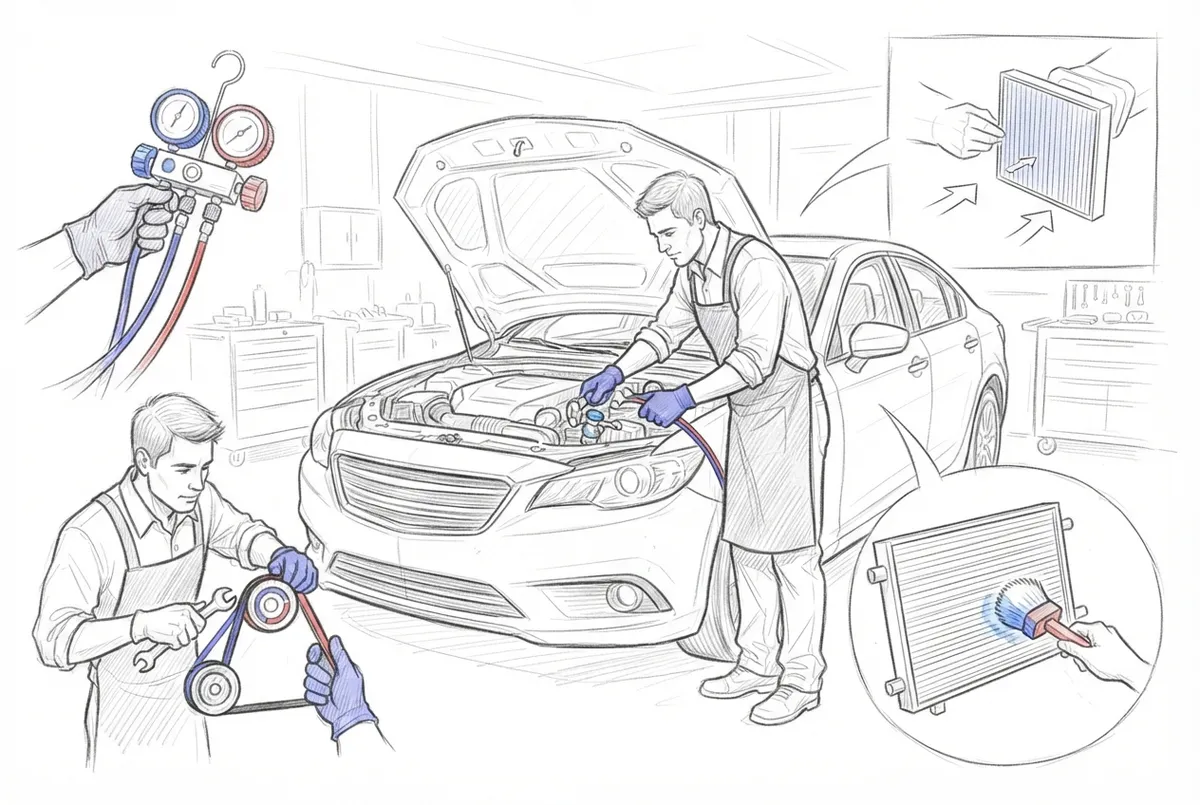
What Preventative Car AC Maintenance Actually Means
Preventative car AC maintenance isn’t about topping off refrigerant every few months. In fact, that’s one of the biggest myths out there. A properly sealed AC system shouldn’t lose refrigerant at all. If your system keeps running low, that’s your car telling you there’s a leak somewhere, not asking for a routine refill.
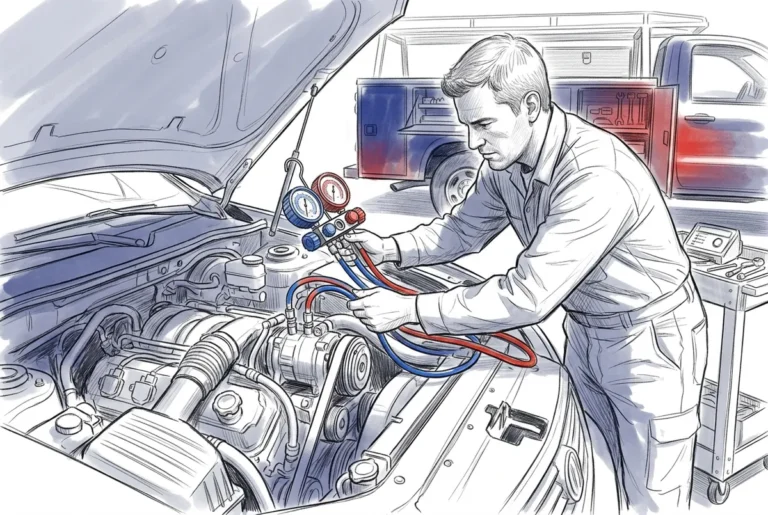
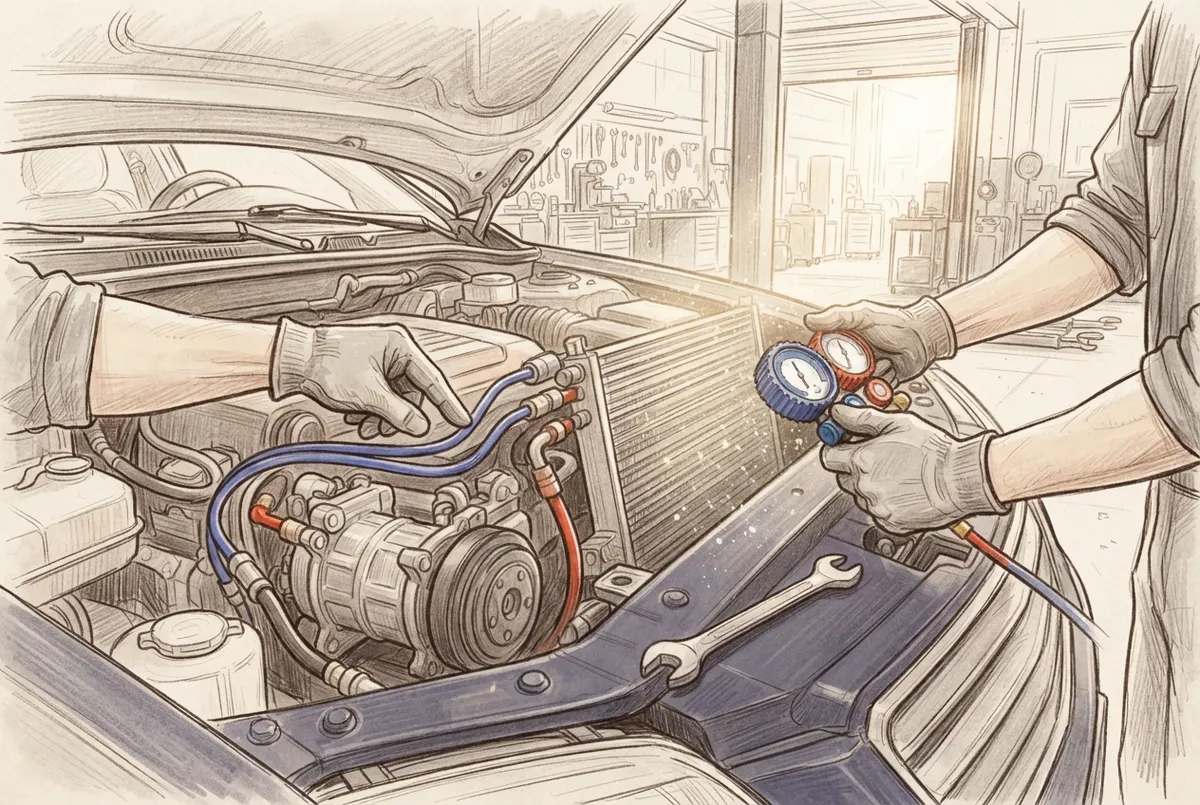
Real preventative maintenance focuses on inspection and early diagnosis. A technician checks the whole system before small problems turn into costly repairs. This approach protects expensive parts like your compressor, condenser, evaporator, and blower motor from unnecessary wear.
At Marks Air, we’ve been helping Tampa drivers keep their cool since 1971. As a family-owned, woman-owned shop, we understand that trust matters just as much as technical skill. We’re also a member of the Mobile Air Climate Systems Association (MACS), which keeps our team current on the latest industry standards.
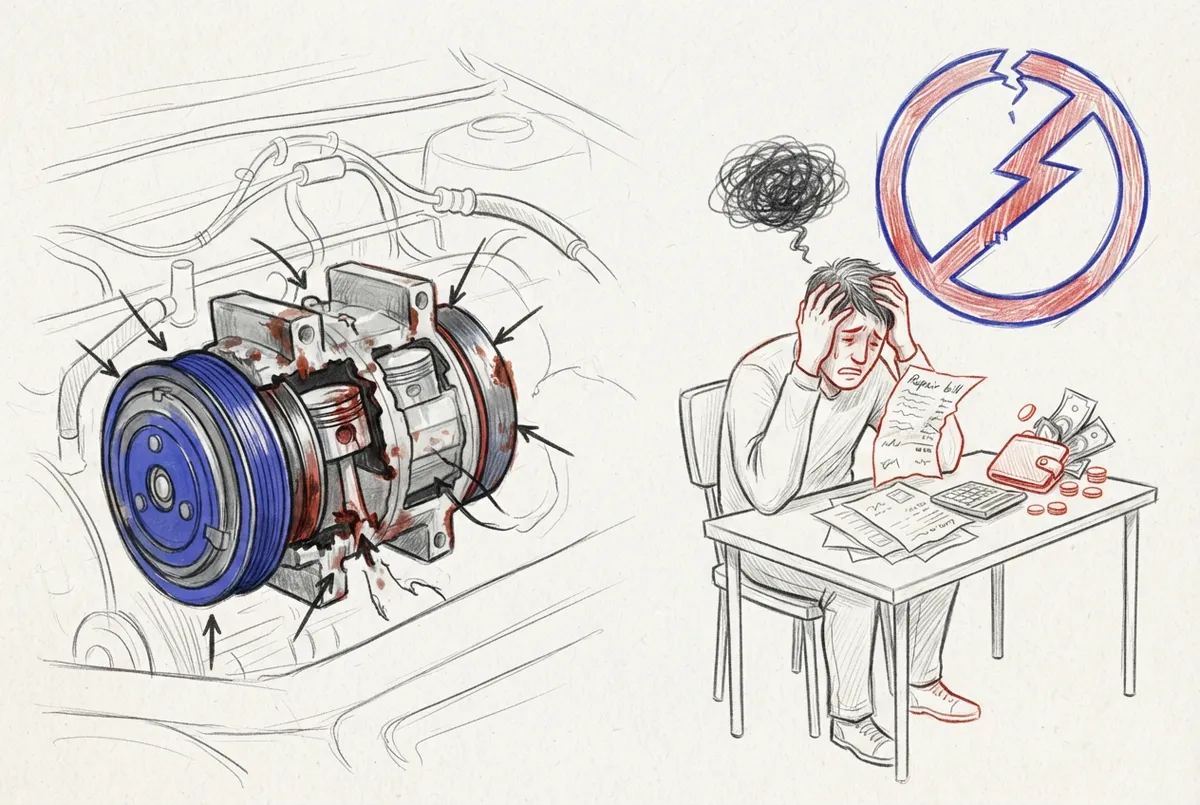
Why Skipping Maintenance Costs You More
It’s tempting to ignore your AC until it fully stops working. But waiting almost always costs more in the long run. A small refrigerant leak left unchecked can starve your compressor of lubrication, leading to a total compressor failure. That’s a much bigger repair bill than a simple leak fix.
Here’s why staying ahead of problems pays off:
- Early detection catches leaks before they damage other components
- Clean condensers keep your system running efficiently, saving fuel and strain
- Fresh cabin air filters protect your health and your blower motor
- Routine inspections extend the life of pricey parts like compressors and evaporators
- Consistent cooling keeps drivers alert and comfortable, especially during long shifts
If you’re curious about how routine care pays off financially, our article on why routine AC system maintenance saves you money breaks it down in more detail.
How Often Should You Schedule an AC Inspection
There’s no single magic number that works for every vehicle. Your owner’s manual should always be your first guide. That said, most AC specialists recommend a professional inspection about once a year, or every 12 to 24 months.
Some situations call for more frequent checkups:
- Vehicles driven daily in Florida’s intense heat and humidity
- Trucks and buses used in heavy-duty or long-haul service
- Fleet vehicles that rack up high mileage quickly
- RVs stored for long stretches between trips
- Heavy equipment operating in dusty, outdoor job sites
If any of these describe your situation, consider scheduling inspections closer to every six months. It’s a small investment of time that protects a much bigger investment in your vehicle.
What Happens During a Professional AC Inspection
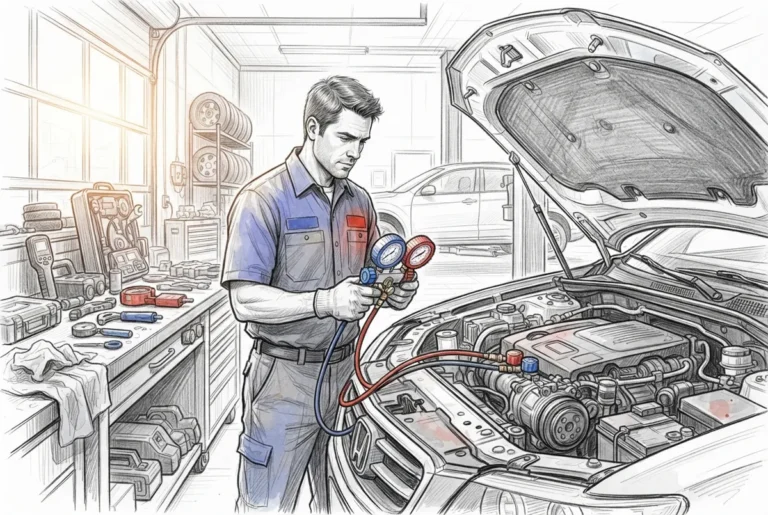
A thorough preventative inspection covers far more than just checking if cold air comes out. Here’s what a trained technician typically reviews:
| Inspection Area | What Technicians Check |
|---|---|
| Cooling Performance | Vent temperature and overall cooling output |
| Refrigerant System | Pressure levels and signs of leaks at fittings and ports |
| Compressor | Operation, cycling behavior, and unusual noises |
| Belts and Hoses | Wear, cracking, and proper tension |
| Condenser | Airflow restriction from debris or damage |
| Evaporator | Function and drainage |
| Electrical Controls | Sensors, relays, and blower motor operation |
| Cabin Air Filter | Cleanliness and airflow restriction |
Our team walks through each of these steps during a visit, and you can learn more about the full scope of our AC services before you come in. We also keep a well-stocked inventory of AC parts, including our own KOOL-TEMP line along with trusted brands, so repairs rarely require a long wait.
Simple Steps You Can Take Between Visits
You don’t have to wait for a shop visit to help your AC system stay healthy. A few simple habits between professional checkups make a real difference.
Keep an Eye on Airflow and Sound
Notice if airflow feels weaker than usual or if you hear odd clicking or squealing when the AC kicks on. These are early warning signs worth mentioning at your next visit.
Check for Unpleasant Odors
A musty smell often points to a dirty cabin air filter or moisture buildup in the evaporator. This is usually a quick, affordable fix if caught early.
Clear Debris From Around the Condenser
Leaves, bugs, and road grime can build up on the condenser, located near the front of your vehicle. Restricted airflow here raises system pressure and hurts cooling performance. Gentle cleaning helps, but be careful. The fins are delicate and easy to bend or damage.
Replace the Cabin Air Filter on Schedule
Most vehicles need a new cabin air filter around every 12,000 to 15,000 miles, though this varies by vehicle and driving conditions. If you drive in dusty areas or heavy traffic often, consider checking it more frequently.
Signs You Shouldn’t Ignore
Preventative care is great, but sometimes your AC sends signals that repairs are needed right away. Watch for these warning signs:
- Warm air blowing even at highway speeds or idle
- Inconsistent cooling that comes and goes
- Grinding, squealing, or knocking noises from the compressor area
- Windows that won’t defog properly
- A system that needs frequent refrigerant recharges
- Visible oil residue near hoses or fittings, which often signals a leak
If you notice any of these, it’s time to get things checked. Our guide on 10 reasons your AC is blowing warm air can help you understand what might be going on before you even bring it in.
Refrigerant Rules You Should Know
Refrigerant handling isn’t just a technical detail. It’s regulated by law in the United States. The EPA’s Section 609 requirements mean that any paid technician servicing your vehicle’s AC must be certified and use approved equipment. Refrigerant can never be intentionally released into the air, and recovered refrigerant must be recycled or reclaimed before reuse.
There’s also an important shift happening in refrigerant types. Newer vehicles increasingly use HFO-1234yf, a lower-impact refrigerant, while older vehicles may still use R-134a. The EPA’s guidance on acceptable refrigerants notes that light-duty vehicles built in model year 2025 and later must meet stricter global warming potential limits. Medium-duty and heavy-duty vehicles follow a similar timeline starting model year 2028. Refrigerants should never be mixed, so always follow the specification listed on your vehicle’s label.
If you’re wondering what this means for your specific vehicle, our article on R-134a to 1234yf conversion covers the details in plain language.
Maintenance Needs by Vehicle Type
Different vehicles face different AC challenges. Here’s a quick breakdown of what matters most for each type of driver.
| Vehicle Type | Key Maintenance Focus |
|---|---|
| Personal Cars | Annual inspection, cabin filter checks, leak detection |
| Semi Trucks and Long-Haul | Frequent checks due to constant use and vibration wear |
| Buses and Transit | Reliable cooling for passenger comfort and safety compliance |
| RVs | Pre-trip inspections after storage periods |
| Heavy Equipment | Dust filtration and compressor protection in harsh conditions |
| Fleet Vehicles | Scheduled rotations to minimize downtime across multiple units |
Fleet managers especially benefit from a proactive plan. Our comparison of preventive versus reactive fleet AC maintenance shows just how much downtime and cost you can avoid by staying ahead of problems.
Why Choose a Specialist Over a General Shop
Not every mechanic focuses on AC systems the way a dedicated specialist does. Since 1971, our Tampa shop has worked exclusively on air conditioning for cars, trucks, buses, RVs, and heavy equipment. That focus means we catch issues a general repair shop might miss.
We also invest in ongoing education. Our training programs cover EPA 609 certification, HFO-1234yf handling, and MVAC best practices, so our technicians stay sharp on the latest standards. You can read what customers have to say about their experience in our reviews section, browse feedback on Yelp, or follow our work on Facebook and Instagram for behind-the-scenes looks at real repairs.
Building Your Personal Maintenance Schedule
Ready to put a plan into action? Here’s a simple approach to follow:
- Check your owner’s manual for manufacturer-recommended AC service intervals
- Schedule a professional inspection at least once a year, more often for heavy use
- Replace your cabin air filter every 12,000 to 15,000 miles or sooner if needed
- Watch for warning signs like odd noises, weak airflow, or warm air
- Keep records of past repairs to help technicians spot patterns over time
- Ask your technician about refrigerant type compatibility for your specific vehicle
Following these steps helps you stay ahead of costly breakdowns and keeps your ride comfortable all year long, even during Tampa’s hottest months.
Let’s Keep You Cool, Tampa
Preventative car AC maintenance isn’t just a nice-to-have. It’s one of the smartest ways to protect your vehicle, your comfort, and your wallet. Whether you’re behind the wheel of a family car, managing a fleet, or keeping a bus route running smoothly, a little attention now saves a lot of hassle later.
Our team has been part of the Tampa community since 1971, and we treat every vehicle that comes through our doors like it belongs to family. Feel free to schedule service with us today, or give us a call at 813-988-1671 to talk through what your vehicle needs. You can also see what our neighbors are saying by visiting our Marks Air location on Google. We’re here, we’re local, and we’re ready to help you stay cool.
FAQs
Q: How often should I have my car’s AC inspected?
A: Most AC specialists recommend an inspection about once a year, or every 12 to 24 months, but always check your owner’s manual first. If you drive a lot in Tampa’s heat or operate a fleet vehicle, twice a year is a smart idea too.
Q: Why does my car AC keep losing refrigerant?
A: A properly sealed system shouldn’t lose refrigerant at all, so recurring low levels almost always mean there’s a leak somewhere. Rather than repeatedly topping it off, it’s best to have a technician find and fix the actual source of the problem.
Q: Can I recharge my car AC myself?
A: You technically can buy DIY recharge kits, but they don’t fix leaks or diagnose deeper issues, and they can sometimes make things worse. A professional recharge includes leak testing and proper evacuation, which gives you a much longer-lasting fix.
Q: What is included in a professional car AC inspection?
A: A good inspection checks cooling performance, refrigerant pressure, compressor operation, belts, hoses, condenser airflow, evaporator function, and your cabin air filter. It’s a full checkup, not just a quick glance under the hood.
Q: When should I replace my cabin air filter?
A: Most vehicles need a fresh cabin air filter around every 12,000 to 15,000 miles, though dusty or high-traffic conditions may call for sooner replacement. If airflow feels weak or you notice odd smells, it’s worth checking right away.