Key Takeaways
-
Schedule A/C service before complete failure occurs; catching issues early through regular inspections prevents expensive repairs and avoids being stranded with warm air during peak heat season.
-
Low refrigerant always indicates a leak—simply refilling without finding and fixing the leak is ineffective; hire a certified technician to locate the leak, repair it, then properly evacuate and recharge the system.
-
Ensure your technician is EPA-certified (Section 608 for stationary systems, EPA 609 for mobile A/C) to legally and safely handle refrigerant recovery and prevent environmental harm.
-
A thorough inspection must include electrical components like capacitors, contactors, and motors, not just refrigerant checks; electrical failures can cause unexpected breakdowns without warning.
-
Demand a complete diagnostic report with multiple measurements against manufacturer specs, including thermostat accuracy, refrigerant pressure, electrical voltage, and airflow temperature split—not just a single vent temperature feel test.
-
Keep detailed service documentation including equipment specs, test results, work performed, and defects found; this protects commercial fleets and meets EPA requirements for systems with larger refrigerant volumes.
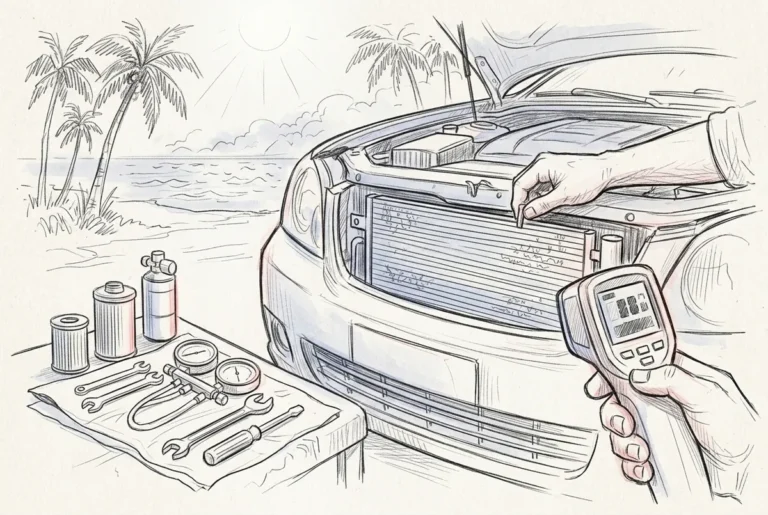
Tampa heat doesn’t play around. One minute your car A/C is blasting cold air, and the next you’re sweating through your shirt at a red light on Dale Mabry. If you’re a car owner, truck driver, bus operator, RV traveler, or you manage a fleet, you already know how fast a small A/C issue can turn into a big headache. A proper ac service and inspection catches problems early, before they leave you stranded in traffic with warm air blowing in your face.
Here’s the thing: most A/C failures don’t happen overnight. They build up slowly through worn belts, weak seals, low refrigerant, or dirty components nobody thought to check. This article walks through eight common mistakes people make when it comes to ac service and inspection, so you can avoid them and keep your cool all summer long. Whether you drive a sedan, a semi, a transit bus, or an RV, these tips apply to you.
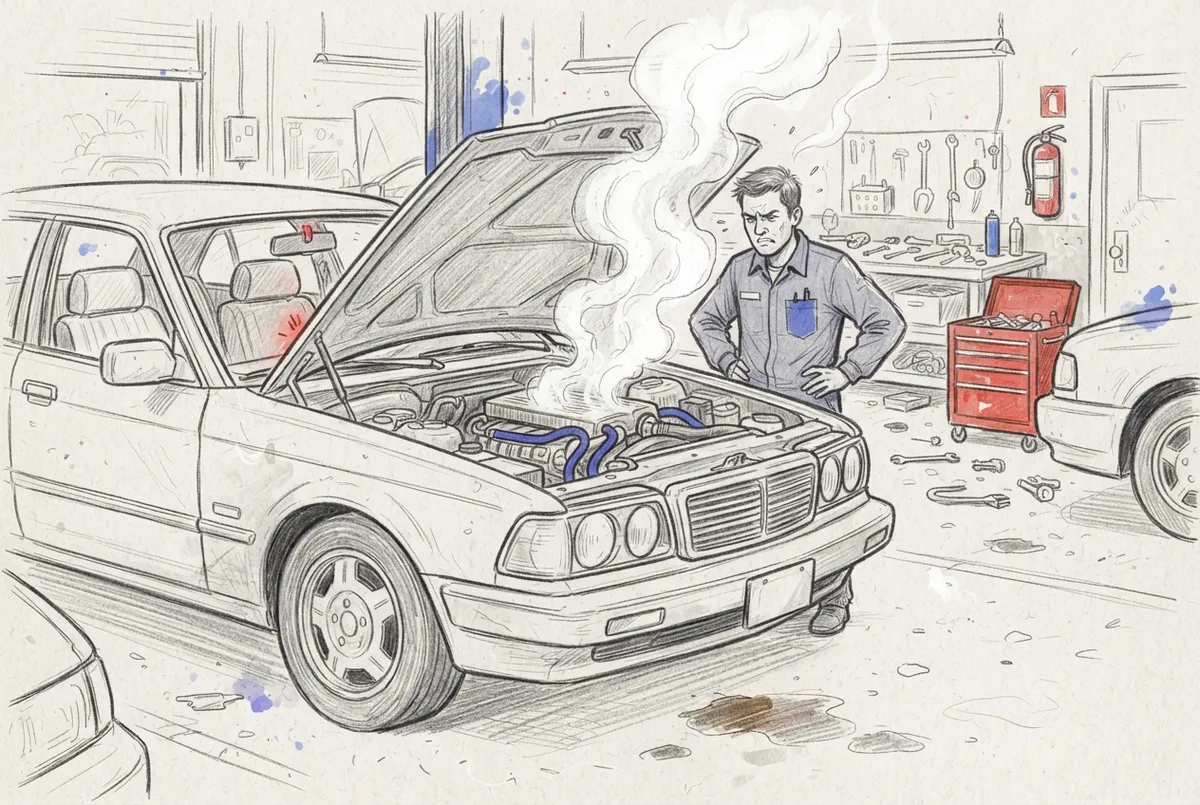
1. Skipping Regular Inspections Until the A/C Fails Completely
The biggest mistake is waiting until your A/C completely quits before calling anyone. By that point, you’re usually looking at a bigger repair bill than if you’d caught the issue early.
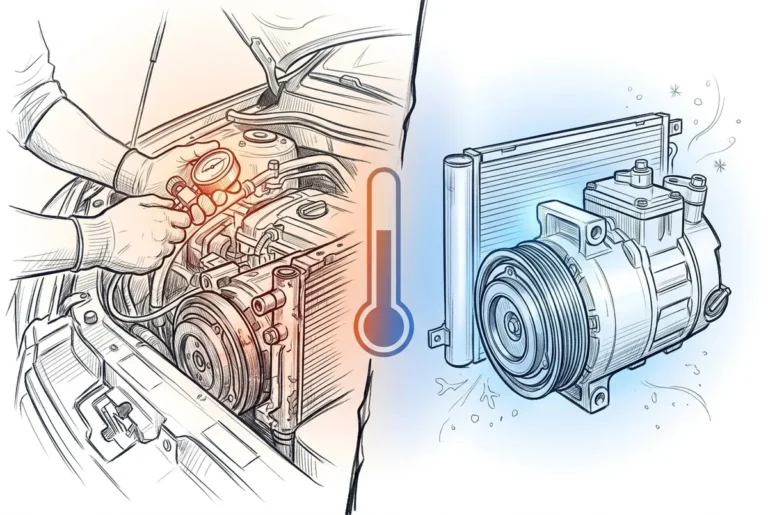
A proper ac service and inspection checks your system before small issues become expensive ones. Technicians look at your thermostat, coils, blower assembly, filters, and refrigerant lines to catch trouble early. Many residential-style guidelines suggest servicing systems at least once a year, often before the hot season hits, and that same logic applies to vehicle A/C systems too.
If you’re a fleet owner or manage buses, waiting for a breakdown means lost routes and unhappy passengers. Car owners waiting until August to check their A/C often find themselves without cool air during the hottest stretch of the year. Don’t wait. Schedule service before the heat catches up with you.
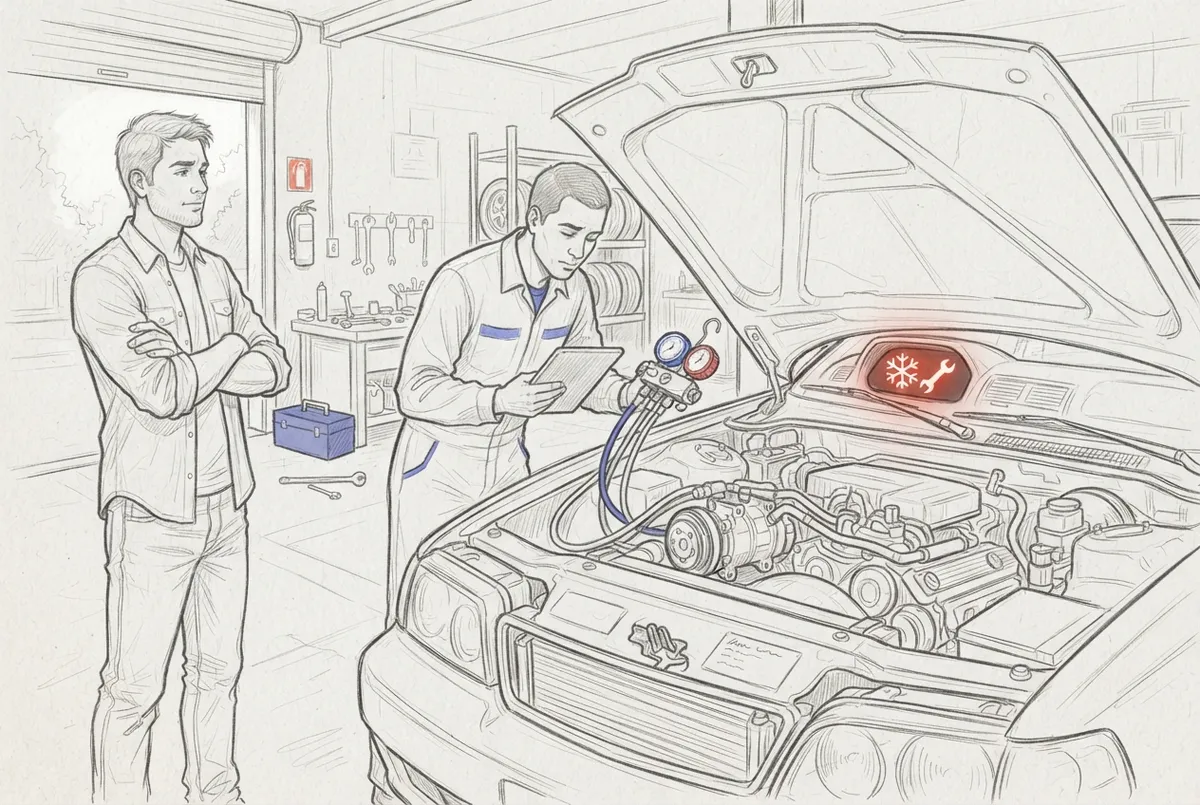
2. Ignoring Low Refrigerant Warning Signs
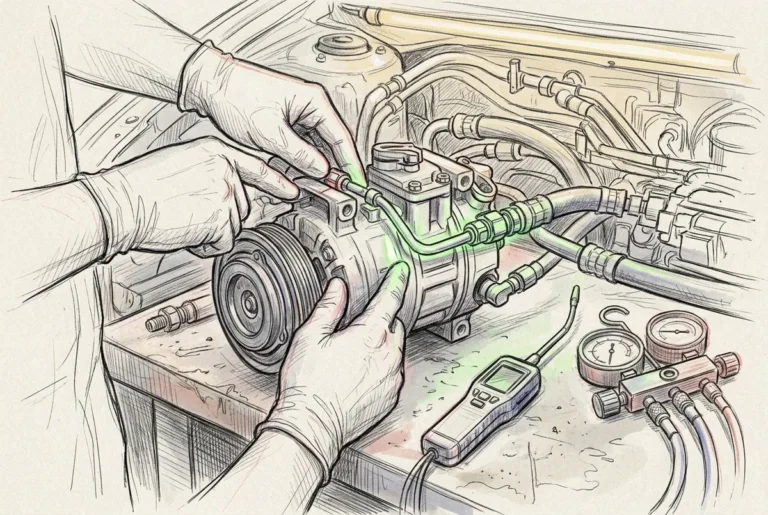
A lot of drivers think low refrigerant is just something that happens over time, like it’s normal wear and tear. It’s not. Low refrigerant almost always means there’s a leak somewhere in the system.
Simply adding more refrigerant without finding the leak is like filling a bucket with holes. The problem keeps coming back, and you keep paying for refills. A qualified technician should find the leak, fix it properly, then evacuate and recharge the system according to manufacturer specs.
Watch for these warning signs of low refrigerant:
- Air blowing warm or only slightly cool
- Hissing or bubbling sounds near the A/C lines
- Oily residue around fittings or hoses
- Longer time needed for the cabin to cool down
- Ice buildup on the compressor or lines
If you notice any of these, don’t ignore them. Read more about common AC leak mistakes that cost car owners more money to understand what’s at stake.
3. Assuming All Technicians Are Certified to Handle Refrigerant
Not every mechanic is legally allowed to touch your refrigerant system. In the United States, technicians working on stationary air-conditioning equipment generally need EPA Section 608 certification if refrigerant release could reasonably happen during the job.
This certification matters because the EPA prohibits intentional venting of refrigerant into the atmosphere. It also requires proper recovery practices anytime a system is opened, repaired, or disposed of. Certified technicians know how to handle these substances safely and legally, protecting both you and the environment.
Marks Air takes this seriously, offering training programs that cover EPA 609 certification (the mobile A/C equivalent), HFO-1234yf handling, and MVAC best practices. As a member of the Mobile Air Climate Systems Association (MACS), the shop stays current with industry standards so your vehicle gets serviced the right way.
4. Overlooking Electrical Components During Inspection
A lot of folks think A/C service is only about refrigerant and cold air. But electrical components play a huge role too. Capacitors, contactors, wiring, and fan motors all need to be checked during a thorough inspection.
Technicians typically measure voltage and amperage, look for loose or corroded connections, and test how motors and compressors respond under load. If a capacitor is weak or a contactor is pitted, your A/C might run inconsistently or fail without warning.
For truck drivers and fleet operators especially, electrical issues can strand a vehicle at the worst possible time. Regular checks of these components help avoid that scenario entirely. Check out our A/C parts page if you need replacement capacitors, motors, or wiring components for your fleet.
5. Neglecting the Condensate Drain and Airflow Checks
Nobody thinks about the condensate drain until it’s clogged and causing problems. This small component drains moisture away from your evaporator coil, and when it clogs, you can get musty smells, reduced airflow, or even water pooling where it shouldn’t.
A good inspection includes checking the drain, drain pan condition, ductwork, and insulation. Technicians also measure supply and return temperatures, along with the temperature split, to understand whether airflow is working properly.
This matters a lot for buses and RVs, where airflow needs to reach multiple zones evenly. If one section of your bus stays warm while another blows cold, airflow blockage could be the culprit. Learn more from our guide on what proper bus AC system maintenance actually involves.
6. Relying on a Single Temperature Reading Instead of Full Diagnostics
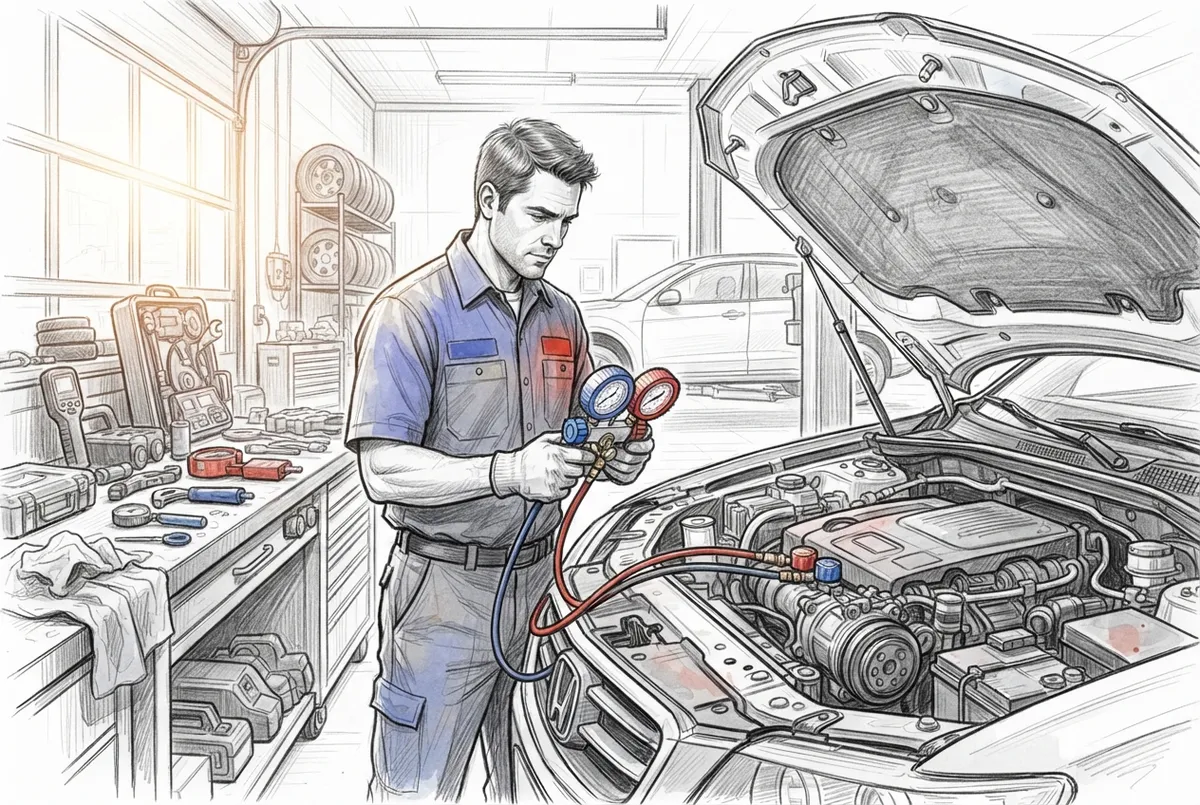
Some shops will check one vent, feel the air, and call it good. That’s not a real inspection. A proper ac service and inspection interprets multiple measurements against the manufacturer’s specifications, not just a quick feel test.
Here’s what a thorough diagnostic process typically includes:
| Component Checked | What’s Measured | Why It Matters |
|---|---|---|
| Thermostat | Accuracy and response time | Ensures proper cooling cycles |
| Refrigerant lines | Pressure and temperature | Detects leaks or undercharging |
| Electrical system | Voltage and amperage | Prevents unexpected failures |
| Airflow | Static pressure, temperature split | Confirms even cooling throughout cabin |
| Compressor | Operation under load | Identifies wear before failure |
Skipping this level of detail means problems can hide in plain sight. If you’re comparing options, our page on AC repair vs. AC replacement can help you understand when a full diagnostic points toward one option over the other.
7. Using Non-Compliant or Low-Quality Parts
When a repair calls for new parts, using the wrong ones can undo all the good work of a proper inspection. Cheap, poorly matched components often fail faster and can even damage other parts of the system.
Marks Air stocks its own KOOL-TEMP parts line along with trusted brands like SPAL, ACT, BCC, gpd, and Omega, many available the same day. This matters for fleet owners and truck drivers who can’t afford to wait a week for a part to ship in from somewhere else.
For heavy equipment operators, having the right compressor or hose fitting on hand can mean the difference between a quick fix and days of downtime. Take a look at our KOOL-TEMP AC parts lineup to see what’s available for your equipment.
8. Forgetting to Document Inspection Results and Recommendations
A final mistake people make is not asking for a clear service report after an inspection. Without documentation, you have no record of what was checked, what was found, or what still needs attention.
A useful report should include the equipment’s model and serial number, test results, refrigerant type, work performed, any defects found, and clear recommendations. It should also separate what’s an immediate safety concern from what’s simply an optional upgrade.
This is especially important for commercial fleets. Owners of certain systems containing larger refrigerant volumes are required to keep service invoices and documentation for leak inspections. According to EPA guidance on refrigerant management, systems above certain thresholds face specific leak-rate rules and repair-verification requirements. Keeping good records protects you if questions ever come up down the road.
How Often Should You Schedule an AC Service and Inspection?
There’s no one-size-fits-all answer here, but a few factors matter most: your vehicle’s age, how often it’s used, and the environment it operates in. Here’s a general breakdown:
- Personal vehicles: At least once a year, ideally before summer heat kicks in
- Commercial trucks and fleets: Every few months due to heavy daily use
- Buses and transit vehicles: Frequent inspections tied to passenger safety standards
- RVs: Before major trips and at the start of camping season
- Heavy equipment: Based on manufacturer guidance and usage hours
Tampa’s climate makes this even more important. High heat and humidity put extra strain on A/C systems year-round, not just in summer. If you’re unsure where your vehicle stands, our article on how to know when to service car AC in Tampa breaks it down further.
Why Choose a Specialist for Your AC Service and Inspection
General repair shops often treat A/C as an afterthought. Marks Air has focused exclusively on vehicle air conditioning since 1971, working on everything from personal cars to buses, RVs, construction equipment, and even emergency vehicles that rely on a reliable fire truck compressor to keep crews safe on hot calls.
This kind of focused experience means technicians spot issues faster and avoid unnecessary repairs. As a family-owned and woman-owned business, Marks Air brings a personal touch that larger shops often lack. You can read customer reviews or visit us on Google — Marks Air to see what Tampa drivers and fleet managers are saying.
You can also connect with the shop through Instagram and Facebook for updates on services, or check out independent reviews on Yelp and HVACService.io. And if you’re in the Ocoee area needing dental care after a long day working on your vehicle, Charming Smiles of Ocoee is a trusted local option worth knowing about too.
Final Thoughts on AC Service and Inspection
Avoiding these eight mistakes can save you money, time, and a whole lot of sweat this summer. A thorough ac service and inspection isn’t just about staying comfortable, it’s about catching small problems before they become expensive repairs or safety issues on the road.
Whether you’re driving a personal car, managing a fleet of trucks, running a bus route, or maintaining heavy equipment, Marks Air has the experience and parts inventory to keep your system running right. Don’t wait for your A/C to quit on you during a Tampa heatwave. Schedule service today or call us at 813-988-1671 to get your system checked by technicians who’ve been doing this since 1971.
FAQs
Q: What is included in an ac service and inspection?
A: A thorough visit checks your thermostat, coils, blower assembly, electrical components, refrigerant lines, and airflow. Technicians measure temperatures, pressures, and voltage, then give you a clear report of what’s working well and what needs attention. Think of it as a full checkup for your vehicle’s cooling system, not just a quick glance.
Q: How often should my vehicle’s A/C be serviced and inspected?
A: Most personal vehicles do well with at least one inspection a year, ideally before summer hits hard. Fleet trucks, buses, and heavy equipment often need more frequent checks due to daily wear and tear. If you’re ever unsure, it’s always better to ask a technician than to guess.
Q: Does low refrigerant always mean there’s a leak?
A: Pretty much, yes. Refrigerant doesn’t just disappear over time in a properly sealed system, so low levels almost always point to a leak somewhere. A good technician will find and fix that leak first, then recharge the system properly so the problem doesn’t come right back.
Q: How much does an ac service and inspection typically cost?
A: Costs vary depending on your vehicle type, what’s found during inspection, and whether repairs are needed on top of the basic check. Cars, trucks, buses, and heavy equipment all have different needs, so pricing isn’t one-size-fits-all. The best way to know for sure is to reach out and get a straightforward quote for your specific situation.
Q: Do commercial fleets need documented A/C inspections?
A: Yes, especially for systems with larger refrigerant volumes, where documented leak inspections and repair verification may be required. Keeping good records also just makes good business sense, since it helps you track maintenance history and avoid surprise breakdowns. Ask your service provider for a detailed report every time your fleet gets serviced.