Key Takeaways
-
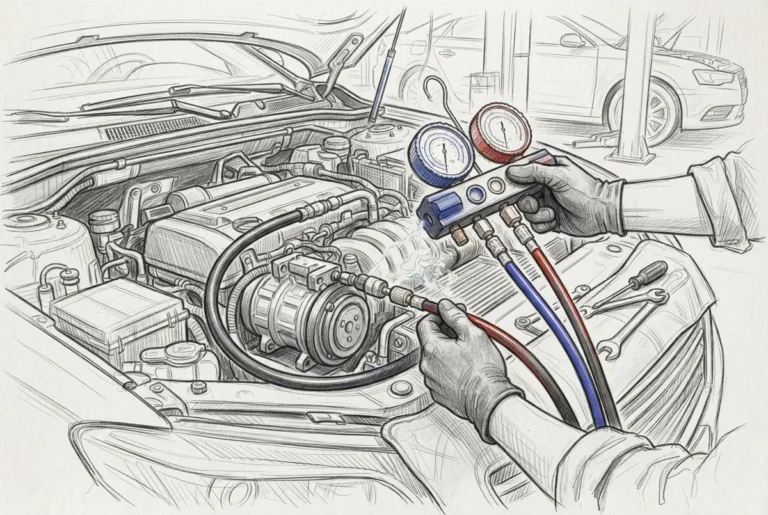
Book a pre-summer A/C inspection before heat arrives to check refrigerant levels, compressor operation, condenser airflow, and cabin air filter condition, preventing costly mid-summer breakdowns.
-
Low refrigerant almost always indicates a leak that must be professionally repaired; simply adding more refrigerant is a temporary band-aid that can damage your system and violates EPA regulations.
-
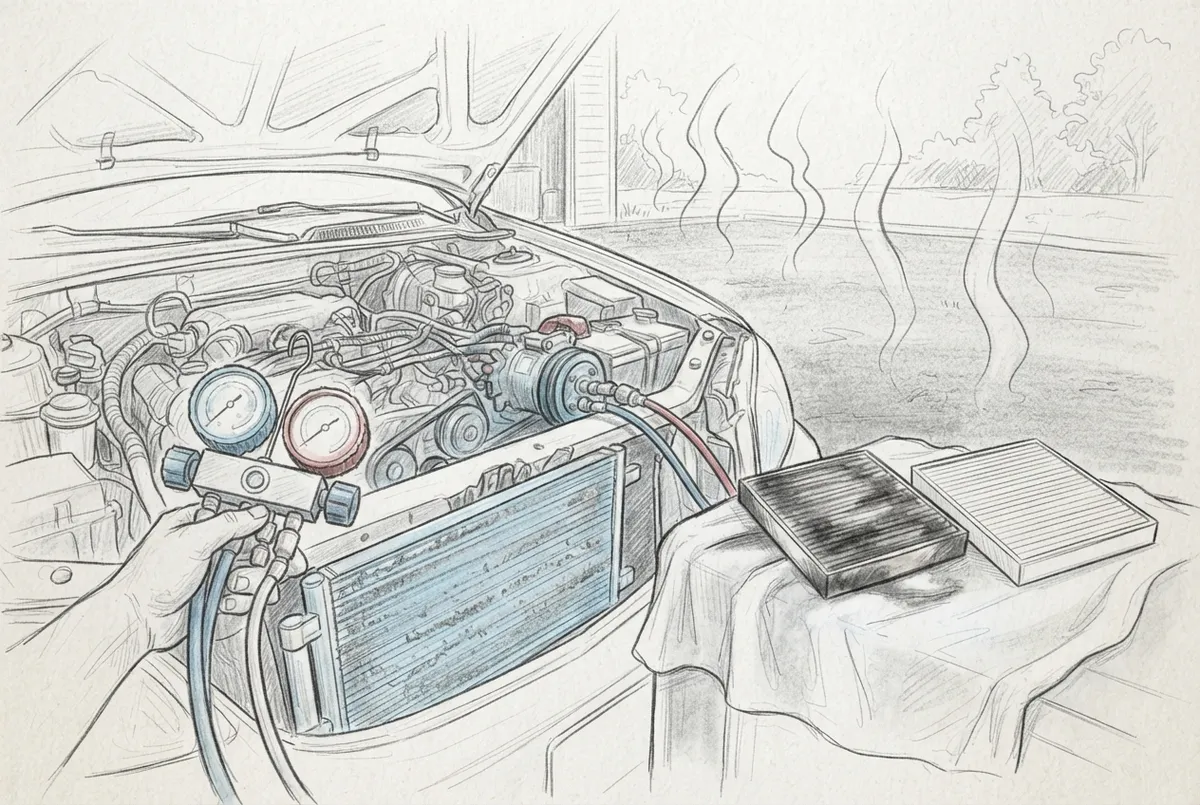
Replace your cabin air filter regularly, especially if driving through dusty or high-traffic areas, as a clogged filter reduces cooling performance and forces your blower motor to work harder.
-
Clean the condenser gently to remove leaves, bugs, and dirt buildup, as blockages significantly reduce cooling efficiency during stop-and-go traffic or idling in Florida heat.
-
Check your engine cooling system health before summer—including coolant level, radiator condition, and hoses—since running A/C adds extra load that can strain an already weak cooling system.
-
Watch for early warning signs like weak airflow, warm air output, compressor noises, or musty smells, and get professional help immediately to prevent bigger repair bills.
Tampa summers don’t play around, and neither should your car’s air conditioner. If you’ve ever hopped into a scorching hot car and prayed the A/C would catch up, you already know how important it is to get ahead of the heat. Preparing car for hot weather isn’t just about comfort—it’s about safety, reliability, and avoiding a breakdown when the temperature gauge and the humidity are both climbing. Whether you drive a sedan to work, haul freight across the state, or operate a bus full of passengers, your cooling system needs some love before the heat really settles in.
The good news? A little preparation goes a long way. In this guide, we’ll walk through seven practical steps to get your vehicle’s A/C ready for whatever the Florida sun throws at it. We’ll also cover warning signs to watch for, how refrigerant issues work, and why certified service matters more than ever. Let’s get your ride cool, calm, and collected before the mercury rises.
1. Schedule a Pre-Summer A/C Performance Check
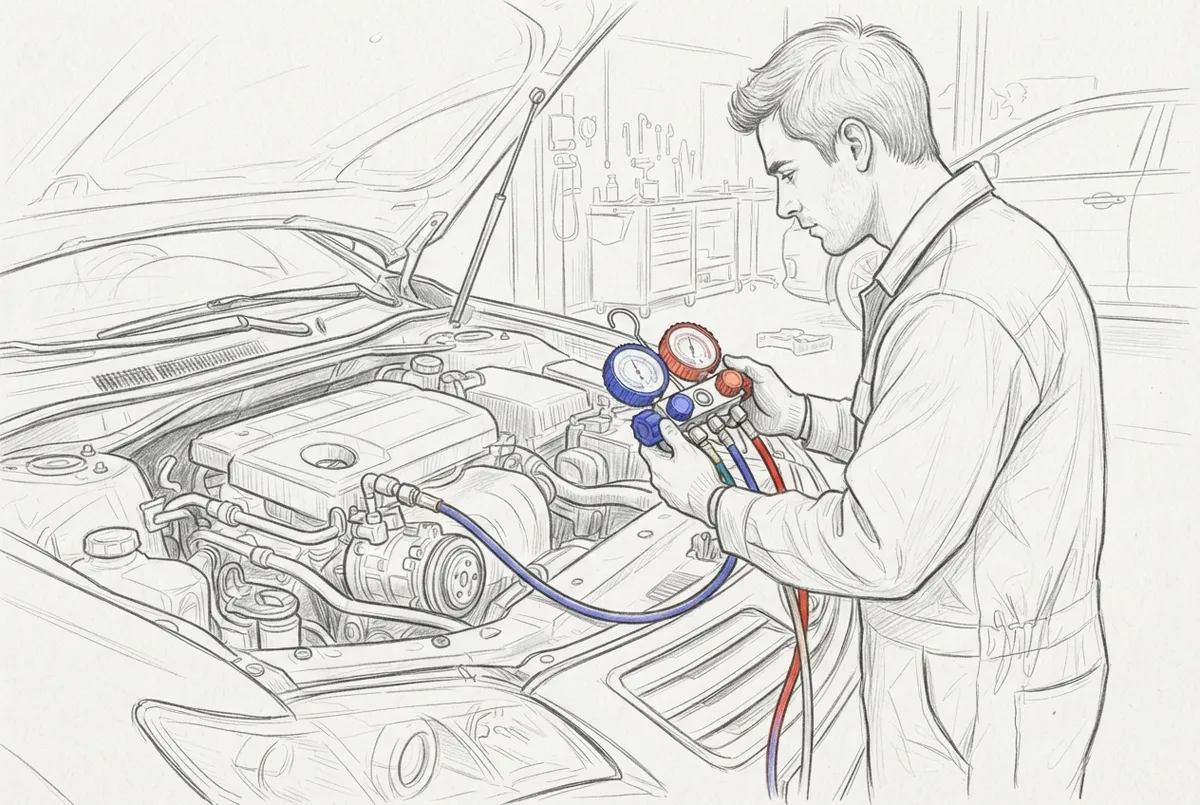
The single best thing you can do for preparing car for hot weather is book an inspection before it gets brutally hot outside. A proper check looks at cooling performance, refrigerant charge, leaks, the compressor, drive belt, hoses, condenser, evaporator, blower motor, electrical controls, and the cabin air filter. Waiting until your A/C completely quits means you’re stuck without cool air during the worst possible week of the year.
Marks Air has been handling these kinds of inspections in Tampa since 1971, and one thing hasn’t changed: early checkups save money and stress. If a repair is needed, getting it done weeks before the heat wave hits gives everyone breathing room. You can schedule service now instead of waiting for a hot afternoon meltdown.
What a Good Inspection Covers
- Refrigerant level and leak detection
- Compressor operation and unusual noises
- Condenser airflow and physical damage
- Cabin air filter condition
- Blower motor speed and electrical controls
- Engine cooling system health, including coolant and hoses
2. Understand the Truth About Low Refrigerant
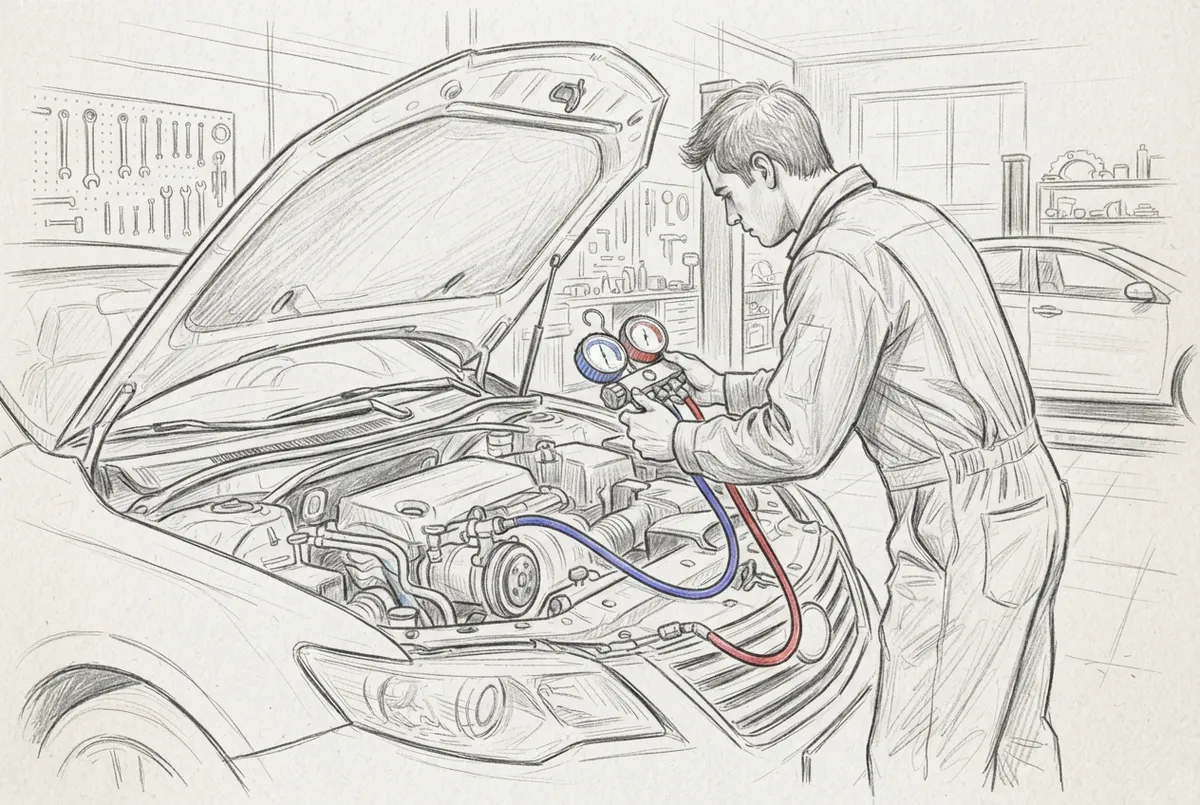
Here’s something a lot of drivers don’t realize: refrigerant doesn’t just “run low” over time like gas in a tank. Low refrigerant almost always means there’s a leak somewhere in the system. Adding more refrigerant without fixing the leak might cool things down for a little while, but it’s a band-aid, not a fix, and it can actually damage your system if it gets overcharged.
A qualified technician needs to find the leak, repair it, then evacuate and recharge the system properly. This isn’t a weekend driveway project—refrigerant servicing is regulated by the EPA under Section 609 of the Clean Air Act. Anyone doing this work for pay must be certified and use approved recovery equipment. That’s not us being overly cautious; it’s federal law designed to prevent refrigerant from venting into the atmosphere.
Marks Air technicians are trained on these exact standards, and the shop is proud to be a member of the Mobile Air Climate Systems Association (MACS), which keeps the team current on refrigerant handling rules and best practices.
3. Replace a Clogged Cabin Air Filter
Think of your cabin air filter as the lungs of your A/C system. When it’s clogged with dust, pollen, or debris, airflow gets restricted, cooling performance drops, and your blower motor has to work harder than it should. A dirty filter can also cause musty smells and poor air quality inside the car.
Replacement intervals vary depending on your vehicle and how dusty your driving conditions are. If you’re driving through construction zones, agricultural areas, or heavy traffic often, you may need to swap it out more frequently than the owner’s manual suggests. This is a simple, affordable fix that makes a noticeable difference. Check out our A/C parts selection if you’re ready to grab a replacement filter or other components.
4. Clean and Inspect the Condenser
Your condenser is the part of your A/C system that dumps heat outside the car. If it’s covered in leaves, bugs, dirt, or has bent fins, it can’t do its job properly. This becomes especially noticeable in stop-and-go traffic or when idling in the Florida heat, since there’s less airflow naturally pushing through the grille.
Cleaning the condenser needs a gentle touch. Bending the fins or damaging the fittings can create new problems, including leaks. If you notice weaker cooling specifically during traffic jams, that’s often a strong clue the condenser needs attention. Our team walks through this in more detail in our article on why A/C repair matters so much for Tampa vehicles.
5. Check the Engine Cooling System, Not Just the A/C
Here’s a step people often skip: your A/C system doesn’t work in isolation. Running the air conditioner adds extra load on your engine, especially during idling, towing, hill climbing, or heavy traffic. If your engine cooling system isn’t healthy, that added strain can push things over the edge.
Before hot weather hits, take a look at:
- Coolant level and condition
- Radiator condition and airflow
- Cooling fan operation
- Thermostat function
- Hoses for cracks, bulges, or leaks
A vehicle with a strong engine cooling system supports reliable A/C performance all summer long, especially for trucks and fleet vehicles logging long miles in the heat.
6. Know the Warning Signs of A/C Trouble
Sometimes your car tells you something’s wrong before it completely stops cooling. Catching these signs early can save you from a bigger repair bill down the road. Here’s what to watch for:
- Weak or low airflow from the vents
- Air that isn’t actually cold
- Cooling that works while driving but fails at idle
- Strange noises coming from the compressor
- A/C that cuts in and out randomly
- Bad smells when you turn the system on
- Water leaking inside the cabin
- Temperature gauge climbing higher than normal
If any of these sound familiar, it’s worth getting a professional look before the problem grows. We cover many of these symptoms in detail in our guide on why A/C blows warm air and what to do about it.
7. Use Smart Habits Behind the Wheel
Preparing car for hot weather isn’t only about mechanical fixes—your driving habits matter too. Here’s a simple trick that actually works: when you get into a car that’s been baking in the sun, roll down the windows for a minute before turning on the A/C. This lets the trapped hot air escape instead of forcing your system to cool superheated cabin air from scratch.
Once that initial blast of heat clears out, roll the windows up and switch to recirculation mode. This tells your A/C to cool the air that’s already inside the cabin instead of constantly pulling in hot outside air. It’s a small habit that can meaningfully speed up cooling time and reduce strain on your system.
| Driving Habit | Effect on A/C Performance |
|---|---|
| Venting hot air before A/C use | Speeds up initial cooling |
| Using recirculation mode | Reduces workload on compressor |
| Idling with A/C on for long periods | Increases engine and A/C strain |
| Ignoring warning signs | Leads to bigger repair costs |
| Regular filter replacement | Maintains strong airflow and cooling |
Different Vehicles, Different Needs
Not every vehicle faces the same challenges when it comes to summer heat prep. Here’s a quick breakdown by vehicle type:
Personal Cars and Trucks
Daily drivers need routine inspections, filter changes, and prompt attention to warning signs. A weak A/C system on a Tampa commute in August is more than an inconvenience—it’s genuinely uncomfortable and can be a safety issue on long drives.
Fleet Vehicles and Long-Haul Trucks
Fleet owners and truck drivers depend on reliable cooling for driver comfort and productivity. Downtime from A/C failure isn’t just annoying, it’s costly. Routine fleet vehicle A/C maintenance keeps trucks on schedule and drivers comfortable during long hauls.
Buses and Transit Vehicles
Passenger comfort and safety are top priorities for bus operators. A failed A/C system on a packed bus in Tampa’s summer heat is a serious problem. Comprehensive maintenance schedules help transit companies avoid mid-route breakdowns.
RVs
RV cooling systems face unique demands, especially during long trips or extended parking in direct sun. RV owners should check both the vehicle A/C and any auxiliary cooling systems before hitting the road.
Heavy Equipment
Construction and agricultural equipment operators spend long hours in the cab. A functioning A/C system helps prevent operator fatigue, which matters for both safety and productivity on the job site.
Why Certified Service Matters
It’s tempting to think you can just buy a can of refrigerant and top off your system yourself. But federal regulations exist for good reason. Under EPA rules, paid A/C service work requires Section 609 certification and approved recovery equipment. Intentional venting of refrigerant is prohibited, and mishandling refrigerants can hurt both your system and the environment.
Newer vehicles also use different refrigerants than older models, including HFO-1234yf alongside the more familiar R-134a. Mixing refrigerants or using the wrong one can cause serious damage, so it’s important to work with technicians who know exactly what your vehicle needs. Marks Air offers A/C training programs covering EPA 609 certification and HFO-1234yf procedures, so our team stays sharp on the latest standards.
Trust matters when you’re handing over your vehicle. You can read customer reviews on Yelp or check out what our customers say about their experience with our shop. We’re also proud to connect with the Tampa community on Facebook and Instagram, sharing tips and updates throughout the year.
Building Your Hot Weather Prep Checklist
To wrap up the practical side of things, here’s a simple checklist you can follow before hot weather really sets in:
- Book a full A/C performance inspection
- Ask about refrigerant levels and leak testing
- Replace the cabin air filter if it’s due
- Have the condenser checked and cleaned if needed
- Confirm your engine cooling system is in good shape
- Watch for early warning signs like weak airflow or odd smells
- Practice smart cooling habits like venting and using recirculation mode
Following this list doesn’t just keep you comfortable—it protects your investment and helps you avoid unexpected breakdowns during Tampa’s hottest months. If you want more specific advice for your vehicle type, our blog covers everything from car A/C troubleshooting to fleet maintenance strategies.
Marks Air has spent decades focused only on A/C systems for cars, trucks, buses, RVs, and heavy equipment, which means we’ve seen just about every hot-weather A/C problem there is. That kind of specialized experience helps us diagnose issues faster and avoid unnecessary repairs. You can see our full range of services on our A/C services page, or learn more about our family-owned, woman-owned business and our long history in Tampa.
Ready to Beat the Heat?
Preparing car for hot weather doesn’t have to be stressful or complicated. With a little planning and the right team on your side, you can drive through Tampa’s toughest summer days in total comfort. Don’t wait for a sweaty commute to remind you that your A/C needs attention—get ahead of it now.
Our team would love to help you get your vehicle, truck, bus, RV, or equipment ready for the season. Schedule your A/C service today or call us at 813-988-1671 to talk with our friendly Tampa team. You can also visit us on Google — Marks Air to see directions, hours, and reviews from your neighbors right here in Tampa. Stay cool out there!
FAQs
Q: How do I prepare my car’s air conditioner for hot weather?
A: Start with a full A/C inspection that checks refrigerant, the compressor, condenser, and cabin air filter well before the hottest weather arrives. Catching small issues early means you’ll stay cool and comfortable all summer long, without any surprise breakdowns.
Q: Does low refrigerant always mean there’s an A/C leak?
A: Pretty much, yes! Refrigerant doesn’t get used up like fuel, so if your levels are low, there’s almost always a leak somewhere that needs to be found and fixed properly.
Q: How often should a car cabin air filter be replaced?
A: It really depends on your vehicle and driving conditions, so it’s best to follow your owner’s manual as a starting point. If you drive through dusty or heavy traffic areas often, you may want to swap it out a bit more frequently.
Q: Should I use recirculation mode in hot weather?
A: Absolutely, once you’ve vented out that initial blast of trapped hot air. Recirculation mode helps your system cool air that’s already inside the cabin instead of working overtime on hot outside air.
Q: Can I recharge my car A/C myself, or should I use a certified technician?
A: We always recommend a certified technician for this one! Federal law requires proper EPA 609 certification and approved recovery equipment for paid refrigerant service, and doing it right protects both your system and the environment.