Key Takeaways
-
Warm or lukewarm air from vents most often signals low refrigerant from a leak, but a compressor, blocked condenser, control, or blend door problem can cause it too, so get a proper check.
-
Weak airflow is usually an airflow problem, not low refrigerant; check the cabin air filter first, since it is the easiest and cheapest fix to test.
-
Cooling that fades at idle but works on the highway often points to a weak cooling fan or a condenser blocked by debris, which is common in stop-and-go traffic.
-
Adding refrigerant from a recharge can without finding the leak gives only temporary cooling, and overfilling can harm the sealed system.
-
Water pooling under a parked car after using A/C is normal condensation, but water inside the cabin, especially on the passenger floor, suggests a blocked condensate drain that needs prompt attention.
-
Grinding, squealing, or a slipping belt should be inspected right away, since a failing compressor or pulley can damage the belt that drives other critical parts.
Picture this: it is a sunny afternoon in Tampa, the sun is blazing, and you hop into your car hoping for a rush of cold air. Instead, you get a lukewarm puff that smells a little funny. Sound familiar? You are definitely not alone, and the good news is that your car is trying to tell you something.
Spotting the signs of failing car ac system early can save you from a sweaty commute and a bigger repair bill. Most A/C problems start small. A weak breeze, a strange noise, or a musty smell can all be early clues. Whether you drive a family sedan, a long-haul truck, a transit bus, or an RV, the warning signs are surprisingly similar.
In this friendly guide, we will walk through the most common symptoms, what they might mean, and what to do next. Keep in mind that these signs are clues, not a final diagnosis. A trained technician can test your system and find the real cause.
Why Car A/C Systems Start to Fail
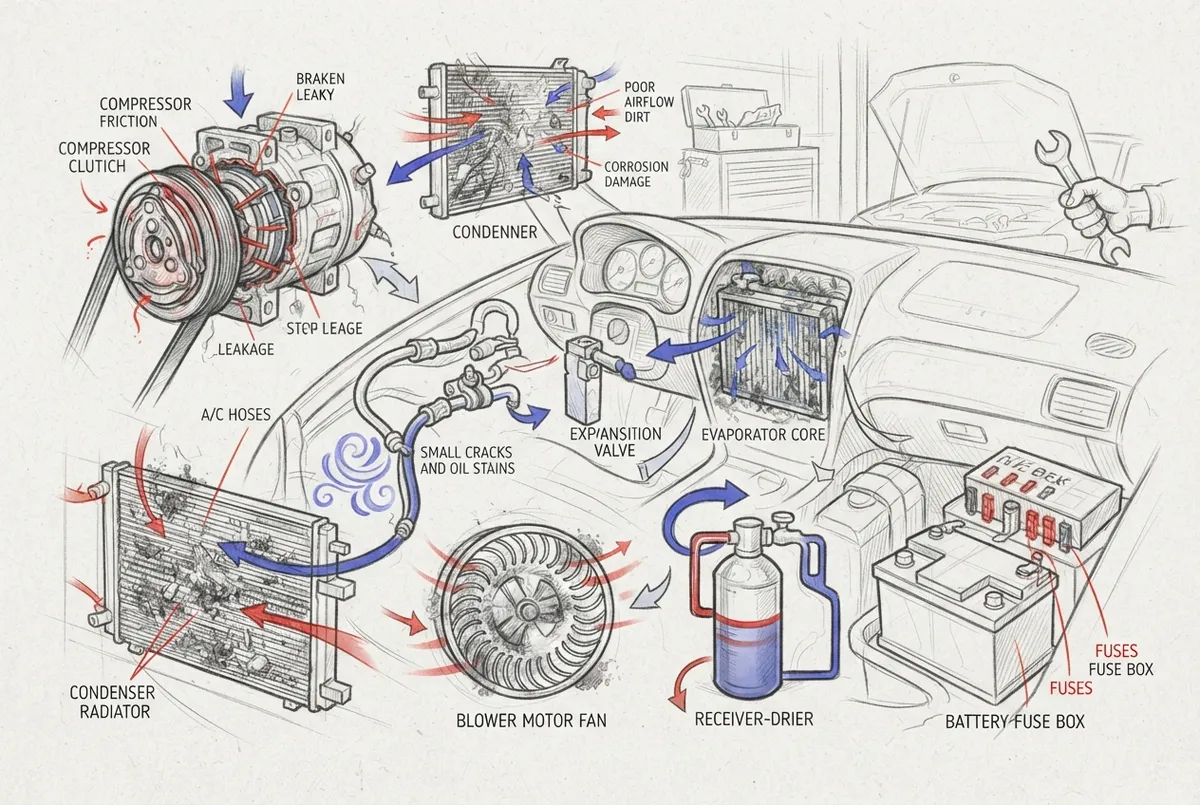
Your car’s A/C is a sealed, pressurized system. It uses refrigerant, a compressor, a condenser, an evaporator, and a set of hoses and electrical controls to move heat out of your cabin. When one part has trouble, the whole system can feel it.
Tampa’s heat and humidity make things tougher. Your A/C runs hard for much of the year, which adds wear to belts, clutches, seals, and fans. Over time, small leaks, clogged filters, and worn parts can add up. If you want to learn more about why this matters locally, check out our post on why A/C repair in Tampa is so important for your vehicle.
8 Signs of a Failing Car A/C System
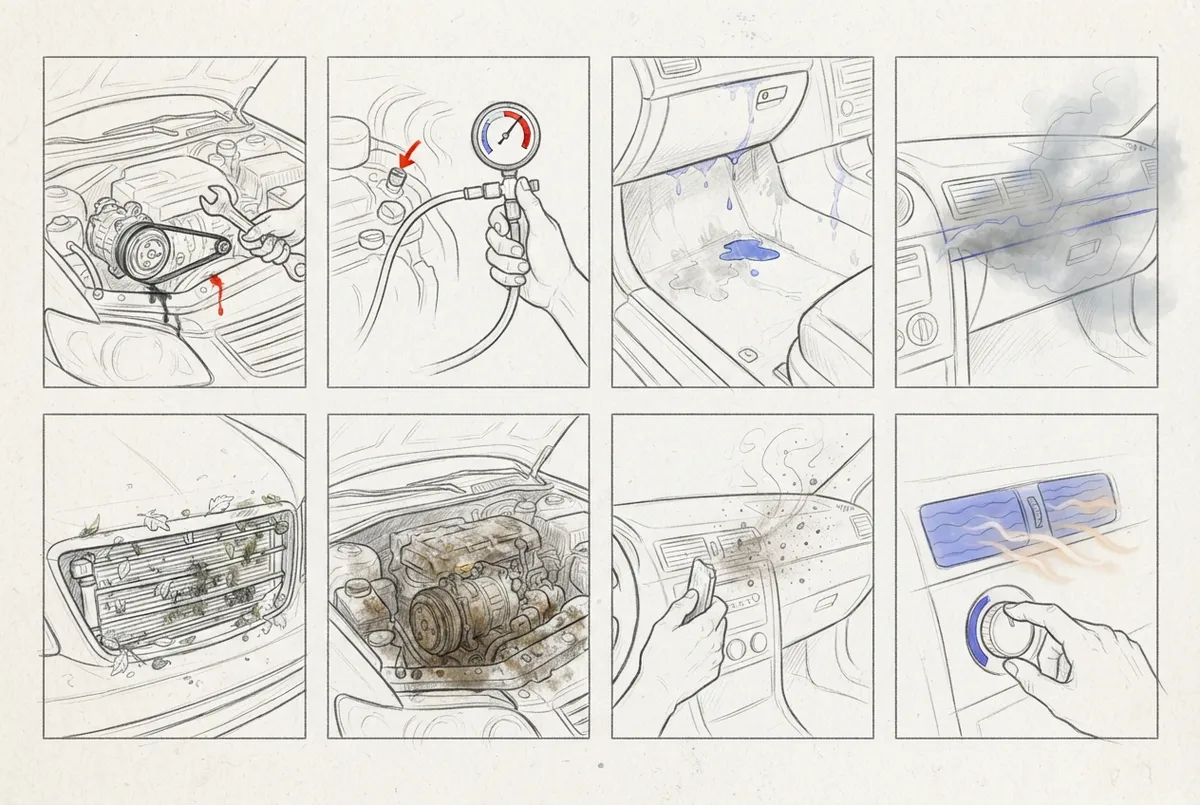
Let’s go through the warning signs one by one. Each one points to a few possible causes, so think of this as a checklist of clues.
1. Warm or Lukewarm Air From the Vents
This is the classic symptom. When the air coming out is not cold, the cause could be low refrigerant, which is often due to a leak. It could also be a compressor issue, a blocked condenser, an electrical control problem, or a stuck blend door.
The tricky part is that warm air alone does not tell you which part failed. That is why a proper check matters. For a deeper look at this one, read 10 reasons your AC is blowing warm air.
2. Weak Airflow, Even on High
Is the air cold but barely moving? Weak airflow is more often linked to airflow problems than to low refrigerant. Common causes include:
- A clogged cabin air filter
- A failing blower motor
- Blocked or damaged ducts
- An evaporator that is icing up
The cabin air filter is the easiest thing to check first. If your vehicle is a truck, our guide on truck A/C blower motor repair fixes can help you understand your options.
3. Cooling That Comes and Goes
Maybe your A/C blows cold on the highway but turns warm at red lights. Or it cools one minute and fades the next. This pattern can point to several things:
- A refrigerant charge that is a bit off
- A compressor control problem
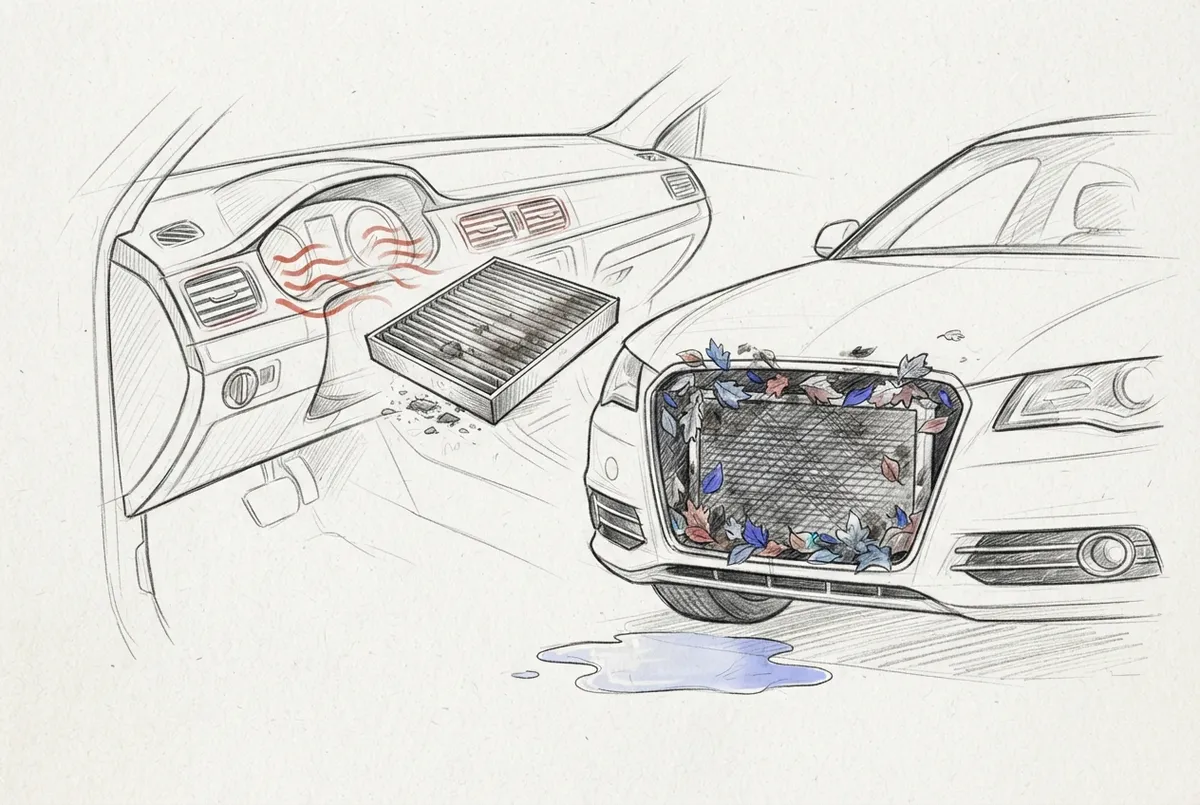
- A condenser blocked by leaves, bugs, or road debris
- A cooling fan that is not working properly
Airflow across the condenser is much stronger when you are driving. At idle, a weak fan can leave the system struggling. This is a very common complaint in stop-and-go Tampa traffic.
4. Strange Noises When the A/C Is On
Your A/C should be fairly quiet. If you hear new squealing, grinding, or rattling when you switch it on, take notice. These sounds may come from a worn belt, a pulley, the compressor clutch, or the compressor itself.
A light hissing sound can be normal. Refrigerant makes noise as it flows, especially right after you shut the car off. So sound alone does not prove a leak. Still, a new or persistent noise deserves a look. Ignoring a grinding compressor, for example, can lead to a much bigger repair. Our article on how to fix an A/C compressor in your vehicle explains what is involved.
5. Musty or Sour Smells
A funky smell when you turn on the A/C is more than annoying. Musty or sour odors often come from moisture-related growth on the evaporator or from a dirty cabin filter. Tampa’s humidity makes this extra common.
Swapping the cabin filter may help. If the smell sticks around, the evaporator may need cleaning, or the condensate drain may need inspection. A technician can check both quickly.
6. Windows That Fog Up and Will Not Clear
Your A/C does more than cool. It also removes moisture from the air, which helps clear your windshield when you use the defrost setting. If your windows fog up and stay foggy, your system may not be pulling out humidity the way it should.
That said, fogging can have other causes, such as wet floor mats or a leaking heater core. So treat it as a clue and not as proof that your A/C has failed.
7. Water Inside the Cabin
Here is a fun fact that calms a lot of worried drivers. A puddle of water under your parked car after using the A/C is usually normal. That is just condensation draining from the evaporator.
However, water on the passenger-side floor inside the car is a different story. It can mean the condensate drain is blocked or disconnected. Left alone, that water can lead to mold, bad odors, and damage to carpet and electronics.
8. The A/C Clutch Will Not Engage or the System Shuts Off
If you turn on the A/C and never hear or feel the compressor click on, something may be stopping it. Electrical controls, low refrigerant protection switches, a blown fuse, or a failing clutch can all keep the compressor from engaging.
Modern systems are built to shut the compressor off to protect themselves. So when the compressor will not run, there is often a reason behind it. Finding that reason is the key to a lasting fix.
Quick Reference: Symptoms and Likely Clues
Use this table as a handy starting point. Remember, a symptom can have more than one cause.
| What You Notice | Possible Clues | Urgency |
|---|---|---|
| Warm air from vents | Low refrigerant, compressor, condenser airflow, controls, blend door | Schedule soon |
| Weak airflow | Clogged cabin filter, blower motor, blocked ducts, icing evaporator | Check filter first |
| Cold only while driving | Refrigerant charge, compressor control, blocked condenser, weak fan | Schedule soon |
| Squealing or grinding | Belt, pulley, clutch, or compressor wear | Inspect right away |
| Musty smell | Evaporator moisture, dirty cabin filter, clogged drain | Moderate |
| Foggy windows | Poor dehumidification, or other moisture sources | Moderate |
| Water inside cabin | Blocked or disconnected condensate drain | Fix promptly |
What You Can Check Yourself
Before you call a shop, a few simple checks can give you helpful information. They will not replace a real diagnosis, but they can help you describe the problem clearly.
- Turn the A/C to max cold and the fan to high. Note whether the air is cold, cool, or warm.
- Check the airflow. Switch through the fan speeds and feel whether the airflow changes.
- Listen for noises. Note when they happen, such as at startup, at idle, or while driving.
- Look at the front of the car. With the engine off, peek at the condenser behind the grille for leaves or debris.
- Inspect the cabin air filter. If it looks dirty, replace it and see if airflow improves.
Write down what you find. The more detail you give your technician, the faster they can narrow things down.
Tips for Different Vehicle Owners
A/C trouble looks a little different depending on what you drive. Here is how it often shows up for each group.
- Car owners: Warm air and musty smells are the most common complaints, especially in summer heat.
- Truck drivers: Long hours behind the wheel make a failing A/C a real comfort and safety issue. Blower and compressor problems are common.
- Bus operators: Passenger comfort depends on steady cooling. Weak airflow and uneven cooling can show up fast with a full load.
- RV enthusiasts: Cooling that fades during a trip can ruin a camping weekend. Leaks and airflow problems are frequent culprits.
- Heavy equipment operators: A hot cab leads to fatigue and downtime. Clogged condensers from dust and dirt are a frequent issue.
- Fleet owners: Small A/C problems across many vehicles add up. Regular checks help you stay ahead of breakdowns.
If you manage multiple vehicles, take a look at our tips on fleet vehicle A/C repair and the debate over preventive vs. reactive fleet A/C maintenance.
Why Adding Refrigerant Is Not Always the Answer
It can be tempting to grab a recharge can and call it a day. But your A/C is a sealed system. If refrigerant is low, it usually went somewhere, which means there is probably a leak.
Adding more without finding the leak may give you a short burst of cooling, but the problem will likely come back. Overfilling can also harm the system. A professional diagnosis typically checks vent performance, system pressures, electrical controls, fan and compressor operation, and uses leak-detection methods when refrigerant loss is suspected.
To learn more about spotting trouble before it grows, see how to detect A/C leaks in your truck, or read about common A/C leak mistakes that cost car owners more.
Can You Keep Driving With a Failing A/C?
Often, yes, but it depends on the symptom. If the air is just a little warm, you can usually drive while you schedule a visit. A comfort issue is not an emergency.
Some signs, though, call for faster action:
- Loud grinding or screeching from the compressor or belt
- A belt that looks frayed or is slipping
- Water pooling inside the cabin
- A/C trouble paired with engine overheating
The A/C compressor is often driven by the same belt that runs other important parts. A failing pulley or seized compressor can damage that belt and cause bigger problems. If you are ever unsure, it is smart to get it checked. In a pinch, our post on emergency A/C repair in Tampa shows what fast help looks like.
How Mechanics Diagnose a Failing A/C System
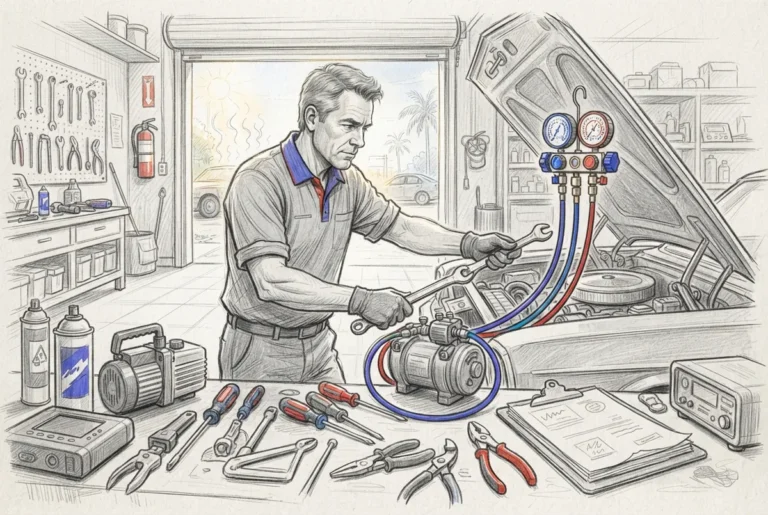
Wondering what happens when you bring your vehicle in? A good A/C diagnosis is a step-by-step process, not guesswork. Here is what it often looks like:
- Listen to your concerns. Your notes on when and how the problem happens are very useful.
- Check vent performance. The technician measures how well the system cools under controlled conditions.
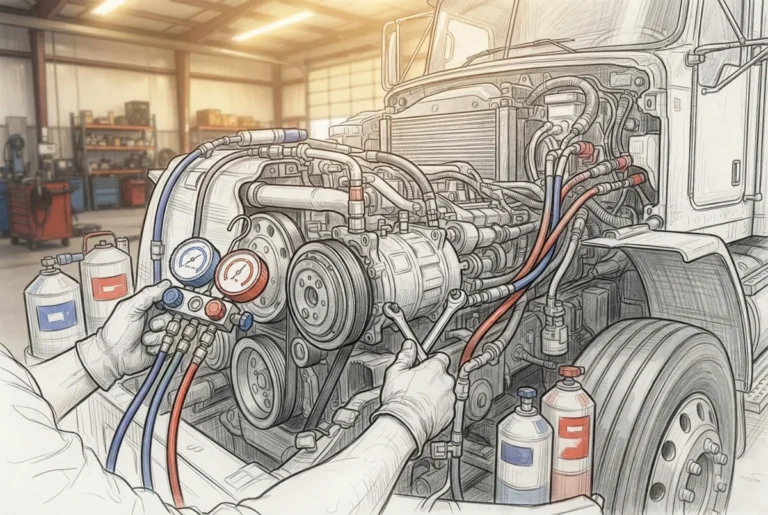
- Test system pressures. Gauges help show whether refrigerant levels and compressor performance are normal.
- Inspect electrical controls, fans, and compressor operation. This confirms that everything turns on when it should.
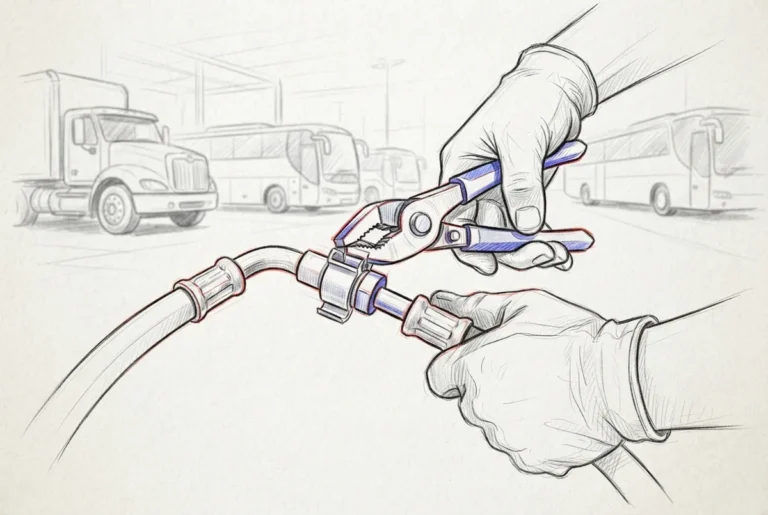
- Use leak detection if needed. Methods like dye, electronic detectors, or pressure testing can pinpoint where refrigerant is escaping.
- Explain the findings and options. You should get a clear plan before any repair begins.
Curious about pricing? Our guides on car A/C diagnostic cost and auto A/C repair cost in 2026 can help you plan.
Keep Your A/C Healthy: Simple Prevention Tips
The best way to handle a failing A/C is to catch problems before they start. A little care goes a long way, especially in our hot, humid climate.
- Run your A/C regularly, even in cooler months, to keep seals lubricated.
- Replace the cabin air filter on the schedule your owner’s manual suggests.
- Keep the front of the vehicle clear of debris and rinse the condenser gently when needed.
- Address small noises and weak cooling early.
- Schedule a yearly A/C check before summer hits.
For more ideas, browse our 5 A/C maintenance tips every Tampa vehicle owner needs, or see if it is time for a tune-up.
When It Is Time to Call the Pros
Some A/C problems are easy to spot but hard to fix without the right tools. If you notice more than one of the signs above, or the problem keeps coming back, it is time to bring in a specialist.
Marks Air is a family-owned, woman-owned A/C specialist that has been serving Tampa since 1971. We focus on air conditioning for cars, trucks, buses, RVs, and heavy equipment, so we see these warning signs every day. Our shop handles diagnostics, leak detection, repairs, and full installations. You can learn more about our story on our About Marks Air page or explore our full list of A/C services.
We are proud to be a member of the Mobile Air Climate Systems Association (MACS), which helps us stay current on industry standards. Do you like to see what others say first? Read our customer reviews or see what our neighbors share on Google for Marks Air.
Looking for parts yourself? Check our A/C parts selection, including components for repairs of all sizes.
Final Thoughts: Listen to Your A/C
Your car’s A/C rarely fails without warning. Warm air, weak airflow, odd noises, funny smells, foggy windows, and water in the cabin are all your system’s way of waving a little flag. The sooner you act on the signs of failing car ac system, the more likely you are to keep repairs simple and affordable.
You do not have to figure it out alone. If your A/C is acting up, we would love to help you get back to cool, comfortable driving. Schedule service with Marks Air today, or call us at 813-988-1671 to talk with our friendly team. Stay cool out there, Tampa!
FAQs
Q: Why is my car A/C blowing warm air?
A: Warm air can come from low refrigerant, often due to a leak, but it can also point to a compressor problem, a blocked condenser, an electrical control issue, or a stuck blend door. Because so many things can cause it, a quick professional check is the best way to find the real culprit.
Q: Why does my car A/C get cold only while driving and warm up at idle?
A: This often points to weak airflow across the condenser when the car is not moving. A failing cooling fan, a condenser clogged with debris, or a refrigerant charge problem can all cause it. A technician can test the fan and system pressures to know for sure.
Q: Is water dripping under my car after using the A/C normal?
A: Yes, a puddle under your parked car is usually just normal condensation from the evaporator, so no need to worry. Water inside the cabin, especially on the passenger-side floor, is different and may mean a blocked or disconnected drain that needs attention.
Q: What do squealing, grinding, or hissing sounds from my car A/C mean?
A: Squealing or grinding can point to a belt, pulley, clutch, or compressor issue, so it is smart to have it inspected soon. A light hiss can be normal as refrigerant flows, so sound alone does not prove a leak, but any new or lasting noise deserves a look.
Q: Can I keep driving if my car A/C is making noise or blowing warm air?
A: Warm air alone is usually a comfort issue, and you can drive while you schedule service. Loud grinding, a slipping belt, or A/C trouble with engine overheating call for a faster visit, since those can lead to bigger damage.