Key Takeaways
-
Vehicle AC systems require specialized technicians trained in mobile air conditioning, not home HVAC work—verify shops have EPA Section 609 certification for refrigerant handling before booking service.
-
A trustworthy shop provides written estimates detailing the diagnosed problem, recommended repair, parts/labor breakdown, and warranty terms; if they can't explain these clearly, it's a red flag.
-
Refrigerant top-offs without leak repairs are temporary fixes that waste money—proper repair locates and fixes the leak first, then recharges with the correct refrigerant type for your vehicle.
-
Proximity matters less than experience, parts availability, and turnaround time; a shop 15 minutes away that does work right the first time costs less than a nearby shop requiring repeat visits.
-
Before committing to a shop, confirm they specialize in your vehicle type, offer warranty coverage, stock parts in-house, and credit diagnostic fees toward repair costs.
-
Emergency AC service is needed immediately if you notice burning smells, electrical sparking, complete cooling failure in extreme heat, or fleet vehicles stuck without AC during long routes.
Your AC just quit blowing cold air, and Tampa’s heat is not playing games today. Whether you’re driving a family sedan, hauling freight across I-4, running a transit route, or camping in your RV, a broken AC turns any trip into a sweaty ordeal. Typing “ac repair place near me” into your phone is the easy part. Picking the right shop out of a long list of results is where most people get stuck.
This guide walks you through exactly what to look for in a nearby AC repair shop, what a fair diagnosis and estimate should look like, and how to tell a quick fix from a real, lasting repair. We’ll also cover the differences between fixing a car, a semi-truck, a bus, an RV, or heavy equipment, since each one has its own quirks. By the end, you’ll know how to pick a shop with confidence instead of just picking the closest pin on a map.
What “AC Repair Place Near Me” Actually Means for Vehicles
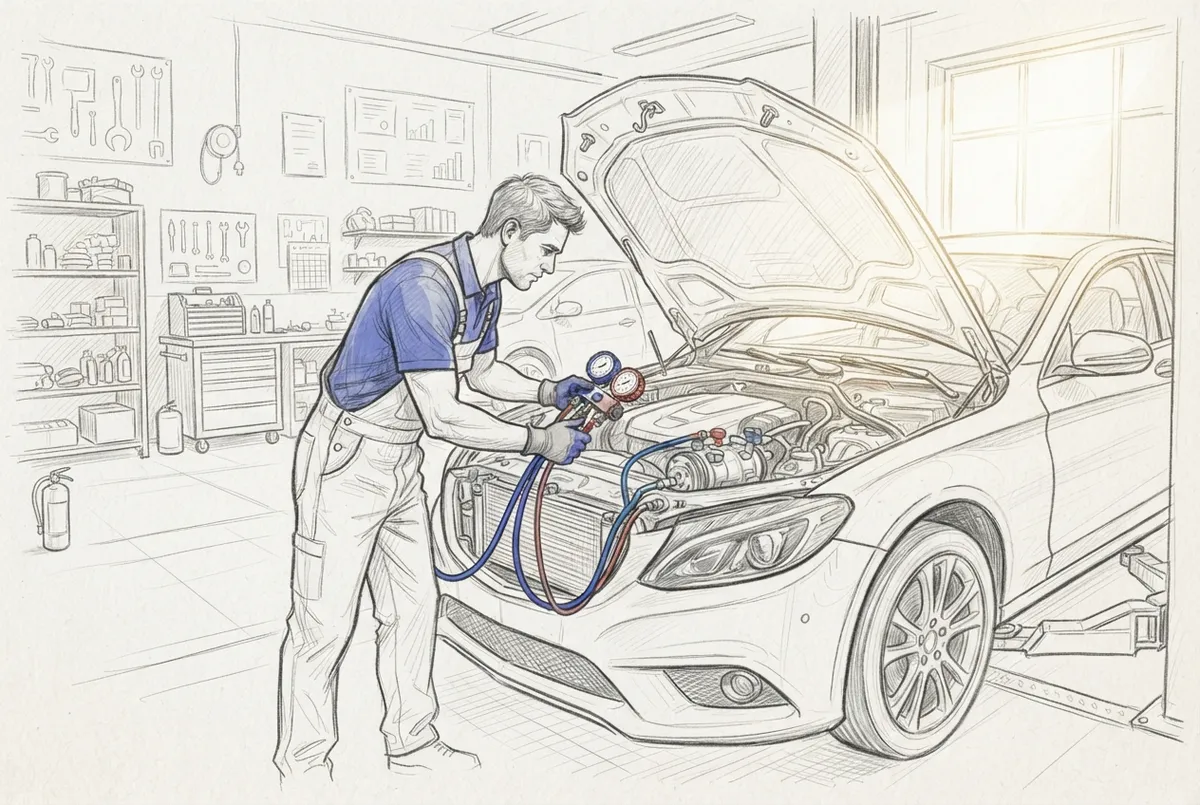
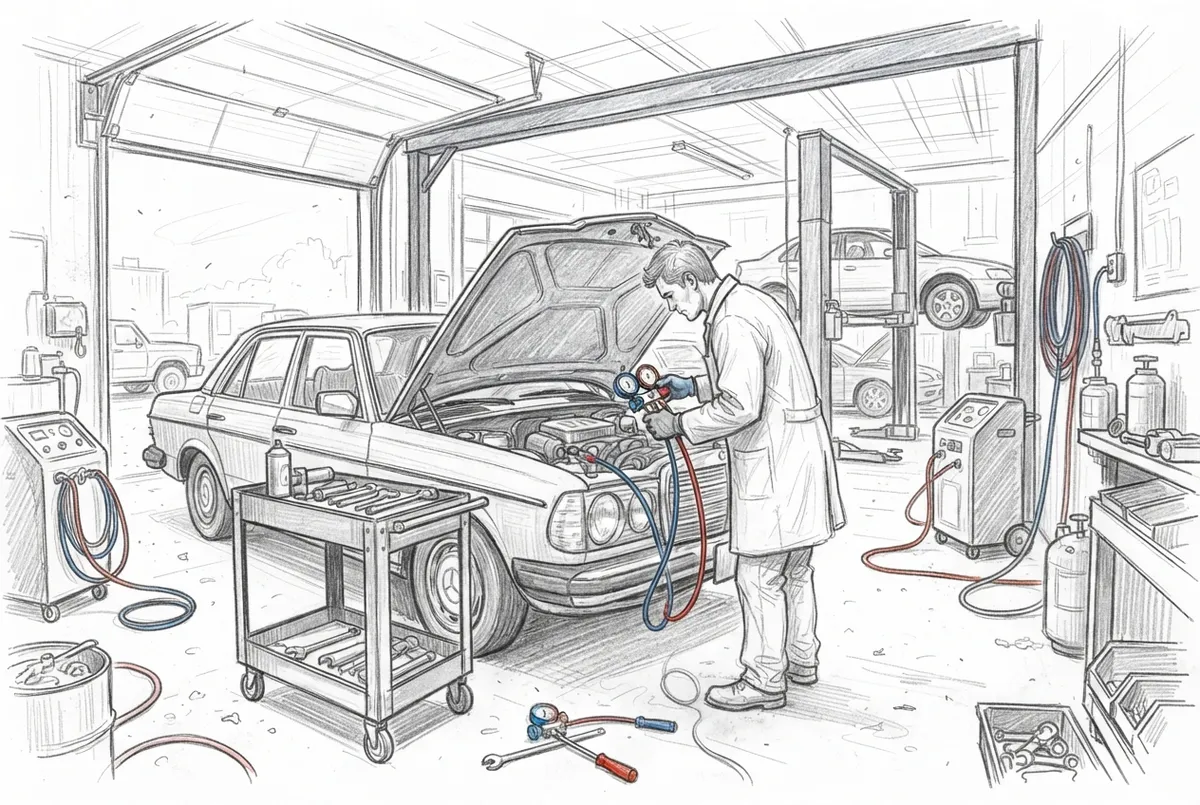
When most people search this phrase, they’re not thinking about home air conditioning. They want someone nearby who can fix the AC in their car, truck, bus, RV, or equipment. That’s an important distinction, because vehicle AC systems work differently than the ones in houses, and they need technicians trained specifically for mobile air conditioning.
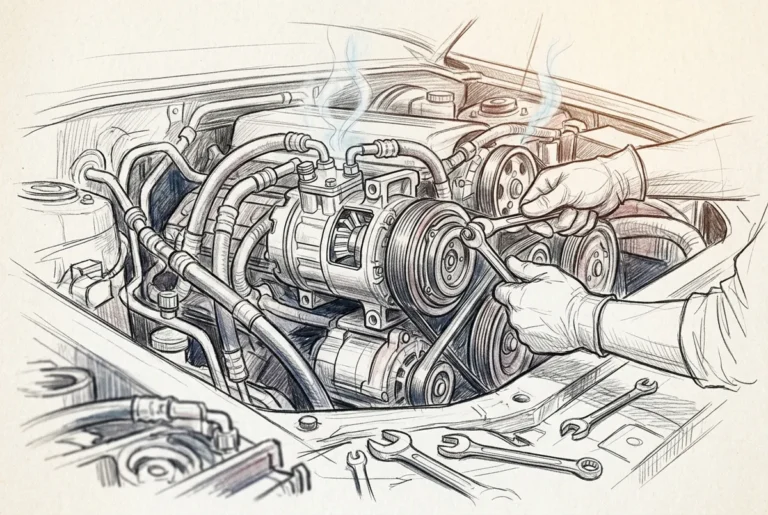
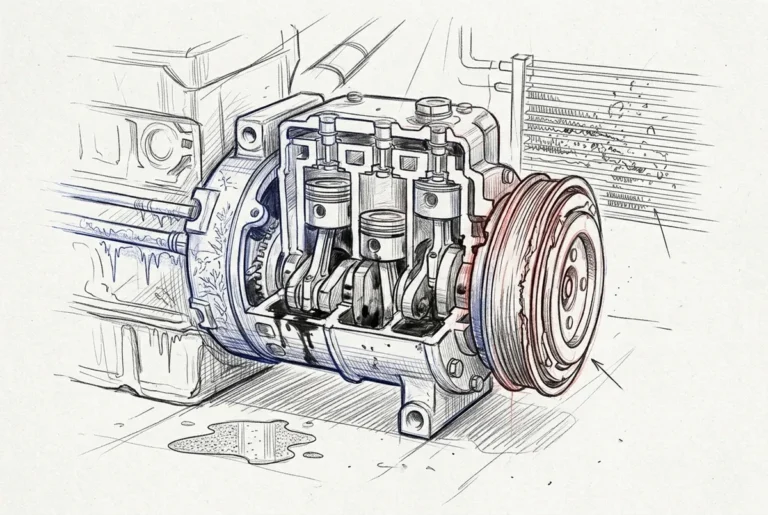
Vehicle AC repair involves things like compressors, condensers, evaporators, hoses, and refrigerant that has to match your specific vehicle. It’s a different skill set than home HVAC work. A shop like Marks Air has spent decades focused only on this kind of work, covering everything from personal cars to fire trucks and farm equipment.
Why Proximity Isn’t Everything
Sure, a nearby shop saves you a drive. But distance shouldn’t be your only factor. A shop five minutes away that does rushed, incomplete repairs will cost you more time and money than driving fifteen extra minutes to a place that does it right the first time.
- Same-day or next-day availability matters more than being the closest option
- A shop with the right parts in stock beats one that has to order everything
- Technician experience with your specific vehicle type saves you from repeat visits
- Clear, written estimates prevent surprise charges later

How to Check If a Shop Is Licensed, Insured, and Certified
Before you hand over your keys, do a little homework. It only takes a few minutes and can save you from a bad experience.
- Verify the business address and service area. A real shop has a physical location you can visit, not just a phone number.
- Ask about insurance. A legitimate repair shop carries liability coverage in case something goes wrong during service.
- Check for EPA certification. Under EPA Section 608 rules, technicians who handle refrigerant on stationary equipment need certification. Vehicle AC work falls under a related but separate framework (EPA Section 609), so ask specifically about mobile AC refrigerant handling credentials.
- Read recent reviews. Look at Yelp or the shop’s Facebook page for honest feedback from real customers.
- Ask about warranty terms. A shop confident in its work will back repairs with a written warranty on parts and labor.
You can also check customer reviews directly on a shop’s website, or see what people are saying by visiting Marks Air’s profile on Google to read firsthand feedback from Tampa drivers and fleet managers.
What a Fair AC Diagnosis and Estimate Should Include
A trustworthy shop doesn’t guess. They inspect your system, explain what’s wrong, and give you a written estimate before starting work. Here’s what that estimate should cover:
| Estimate Component | Why It Matters |
|---|---|
| Diagnosed problem | Tells you exactly what’s failing, not just “low on refrigerant” |
| Recommended repair | Explains the fix, not just a temporary patch |
| Parts and labor breakdown | Shows you’re not overpaying for either |
| Refrigerant or disposal charges | Prevents hidden fees at pickup |
| Warranty terms | Protects you if the same issue returns |
| Diagnostic fee credit | Many shops apply the diagnostic charge toward the repair cost |
If a shop can’t explain these details clearly, that’s a red flag. A good technician wants you to understand what you’re paying for. Marks Air’s team walks Tampa customers through this process on every job, whether it’s a quick capacitor swap or a full AC system installation.
Common AC Problems by Vehicle Type
Different vehicles fail in different ways. Knowing the common culprits helps you describe the problem accurately when you call for service.
Cars and Light Trucks
Personal vehicles often suffer from refrigerant leaks, worn-out compressors, or clogged condensers. If your car’s AC blows warm air, check out 10 Reasons Your AC Is Blowing Warm Air for a breakdown of likely causes before you call a shop.
Semi-Trucks and Fleet Vehicles
Long-haul trucks put more strain on AC systems from constant use. Blower motor failures, hose leaks, and compressor wear are common. Fleet owners should read up on fleet vehicle AC repair tips to reduce downtime and repair costs across multiple trucks.
Buses and Transit Vehicles
Passenger buses need reliable AC for rider comfort and safety, especially in Florida heat. Regular bus AC system maintenance catches small issues before they turn into full breakdowns that pull a vehicle out of service.
RVs and Specialty Vehicles
RV AC systems face unique challenges from long idle periods and varied climates during travel. Owners should avoid the mistakes covered in 6 RV Air Conditioner Repair Parts Mistakes to Avoid before their next trip.
Heavy Equipment and Construction Machinery
Operators sitting in hot cabs all day need working AC to avoid fatigue and stay productive. Heavy equipment AC repair often involves different components than standard vehicles, so experience with this equipment type matters a lot.
Simple Checks You Can Do Before Calling for Repair
You don’t need special tools or training to rule out a few easy fixes first. Here’s what’s safe to check on your own:
- Make sure the AC is actually turned on and set to the coldest setting
- Check your fuse box or circuit for a blown fuse
- Look at your cabin air filter and replace it if it’s dirty or clogged
- Listen for unusual noises like grinding or squealing when the AC runs
- Check for a burning smell, which could mean an electrical issue
What you should NOT do is open up electrical components or try to handle refrigerant yourself. Refrigerant handling requires proper certification and equipment, and doing it wrong can damage your system or cause injury. Leave that part to a trained technician.
When AC Trouble Becomes an Emergency
Some AC problems can wait a day or two. Others need attention right away. Call for emergency or same-day service if you notice:
- A burning smell or visible smoke coming from vents
- Electrical sparking or unusual sounds under the dash
- No cooling at all during dangerous heat, especially with kids, elderly passengers, or pets in the vehicle
- Fleet vehicles stuck without AC during long routes or deadlines
If you’re facing a breakdown mid-drive during a Tampa heatwave, read Emergency AC Repair Tampa: Fast Relief When Your Car Overheats for guidance on what to do next. Always ask a shop upfront about after-hours fees and how fast they can get you in.
Repair or Replace? Making the Right Call
Sometimes a repair isn’t enough, and full replacement makes more financial sense. Here’s a quick way to think about it:
| Consider Repair When | Consider Replacement When |
|---|---|
| The system is under 8 years old | The compressor has failed and the system is older |
| One component failed (capacitor, hose, etc.) | Multiple components are failing at once |
| Refrigerant leak is small and fixable | Repeated leaks despite past repairs |
| Repair cost is under 30% of replacement | Repair costs keep piling up over time |
For a deeper comparison, check out AC Repair vs. AC Replacement: Which Is Right for You? A good shop will give you an honest recommendation instead of pushing the more expensive option every time.
Why a Refrigerant Top-Off Alone Isn’t a Real Fix
Here’s something a lot of people don’t realize: if your AC is low on refrigerant, there’s almost always a leak somewhere. Simply adding more refrigerant without finding and fixing that leak means you’ll be back in the same spot within weeks or months.
A proper repair locates the leak, fixes it, and then recharges the system with the correct amount and type of refrigerant for your vehicle. This is especially important with newer refrigerants like HFO-1234yf, which behave differently than older R-134a systems. If you’re unsure which refrigerant your vehicle uses, this guide on R-134a to 1234yf conversion breaks down what’s changed and why it matters.
What Routine AC Maintenance Should Include
Preventive care catches small problems before they become expensive repairs. A solid maintenance visit typically checks:
- Electrical connections and compressor performance
- Condensate drainage and airflow
- Cabin air filter condition
- Coil cleanliness
- Refrigerant charge levels and system pressure
Regular maintenance is one of the smartest ways to avoid a surprise breakdown during Florida’s brutal summer months. For a full rundown, see 5 AC Maintenance Tips Every Tampa Vehicle Owner Needs.
Why Marks Air Has Earned Trust in Tampa Since 1971
Marks Air is a family-owned, woman-owned shop that has focused exclusively on vehicle air conditioning since 1971. That’s over five decades of experience with cars, trucks, buses, RVs, emergency vehicles, and heavy equipment, right here in Tampa.
The shop stocks a full lineup of parts, including its own KOOL-TEMP line along with trusted brands like SPAL, ACT, BCC, gpd, and Omega, so most repairs don’t require waiting days for parts to arrive. Browse the available inventory on the AC parts page to see what’s in stock for your vehicle type.
Marks Air is also a member of the Mobile Air Climate Systems Association (MACS), which keeps the team current on industry standards and refrigerant handling practices. For fleet managers and technicians looking to sharpen their own skills, the shop even offers AC training programs covering EPA 609 certification, HFO-1234yf handling, and MVAC best practices.
If you’re comparing specialized shops to bigger chains, this comparison of family-owned AC shops versus chains explains why specialized experience often wins out over volume-focused operations.
Questions to Ask Any AC Repair Shop Before Booking
Before you commit to a shop, run through this quick checklist:
- Do you specialize in my type of vehicle (car, truck, bus, RV, or heavy equipment)?
- Is your diagnostic fee credited toward the repair cost?
- What’s your typical turnaround time for this kind of repair?
- Do you offer a warranty on parts and labor?
- Can you show me proof of certification for refrigerant handling?
- Do you have the parts in stock, or will I need to wait?
A shop that answers these questions clearly and confidently is one worth trusting with your vehicle.
Getting Your AC Fixed Right, the First Time
Finding the right AC repair place near you doesn’t have to feel overwhelming. Focus on experience, transparency, and proper certification instead of just picking the closest option on a map. Whether you’re driving a personal car, managing a fleet of trucks, keeping buses running on schedule, maintaining an RV for your next trip, or servicing heavy equipment, the right shop makes all the difference.
Marks Air has been Tampa’s trusted AC specialist for vehicles and equipment since 1971, and the team is ready to help you stay cool no matter what you drive. You can also find more helpful tips and updates on Instagram, or read independent reviews through HVACService.io. And if you’re in the Tampa Bay area needing other trusted local services, folks often recommend Mobile Area Massage of Tampa Bay for relaxation after a long day, or Bucheli Trim Carpentry for quality home carpentry work.
Ready to get your AC fixed by a team that’s been doing this since 1971? Schedule service with Marks Air today, or give the shop a call directly at 813-988-1671 to get your vehicle back to cool, comfortable driving.
FAQs
Q: How do I find the best AC repair place near me?
A: Start by checking reviews, verifying licensing and insurance, and confirming the shop specializes in your vehicle type. A quick call asking about warranty terms and diagnostic fees tells you a lot about how they treat customers before you even walk in the door.
Q: How much does AC repair cost near me?
A: Costs vary widely depending on the problem, from a simple capacitor swap to a full compressor replacement. A trustworthy shop will always give you a written estimate after diagnosis, so you know the full cost before any work begins.
Q: Do AC technicians need certification to handle refrigerant?
A: Yes, technicians handling refrigerant need proper certification under EPA rules, whether it’s Section 608 for stationary systems or Section 609 for vehicle AC. Always feel comfortable asking a shop about their technicians’ credentials before booking service.
Q: Is a refrigerant top-off enough to fix my AC?
A: Not usually. If your system is low on refrigerant, there’s almost always a leak causing it, and simply adding more refrigerant just delays the real fix. A proper repair finds and seals the leak before recharging the system correctly.
Q: What should I do if my AC stops working during extreme heat?
A: Pull over safely, roll down windows for airflow, and call a shop that offers same-day or emergency service. Don’t wait it out, especially if you’re driving with kids, elderly passengers, or pets, since cabin heat can become dangerous fast.