Key Takeaways
-
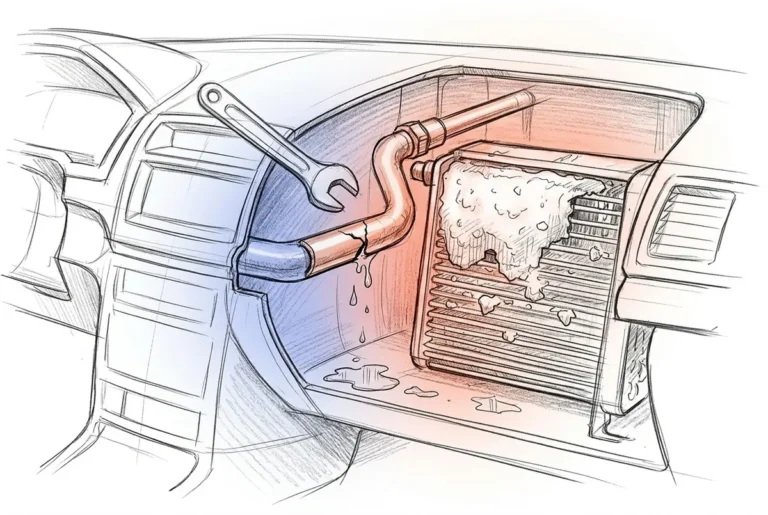
Low refrigerant almost always indicates a leak; simply adding more refrigerant provides temporary relief but won't fix the underlying problem, so proper leak detection is essential before any recharge.
-
A complete A/C diagnosis checks all system components (compressor, condenser, evaporator, expansion valve, hoses, sensors) rather than just refrigerant levels to prevent small issues from becoming expensive $500-$1,500+ repairs.
-
Only Section 609-certified technicians are legally allowed to service refrigerant systems; DIY refrigerant work risks frostbite, chemical exposure, and violates EPA regulations.
-
Schedule A/C service annually and a full system check every two years; catching signs like weak airflow, strange noises, or musty smells early prevents costlier compressor or evaporator replacements.
-
R-1234yf refrigerant is replacing R-134a in vehicles starting 2025 due to EPA global warming potential limits; confirm your vehicle's refrigerant type before repair to ensure technicians have proper SAE-approved equipment.
-
Request written estimates separating parts, labor, and diagnostics; verify the shop has Section 609 certified technicians and warranties on parts and labor before authorizing repairs.
Picture this: it’s a sunny Tampa afternoon, the temperature is pushing 95 degrees, and you slide into your car expecting a cool blast of relief. Instead, you get warm, sticky air that makes you want to roll down the windows and hope for the best. If this sounds familiar, you’re definitely not alone. A c car repair is one of the most common needs for drivers in Florida, where a working air conditioner isn’t a luxury, it’s survival gear. Whether you’re a daily commuter, a truck driver logging long miles, or a fleet manager keeping vehicles on the road, understanding how car A/C systems work (and fail) can save you time, money, and a whole lot of sweat.
In this friendly guide, we’ll walk through what a c car repair actually involves, common warning signs, typical costs, and how to pick a shop you can trust. Since 1971, Marks Air has been helping Tampa drivers stay cool, and we’re happy to share what we’ve learned along the way.
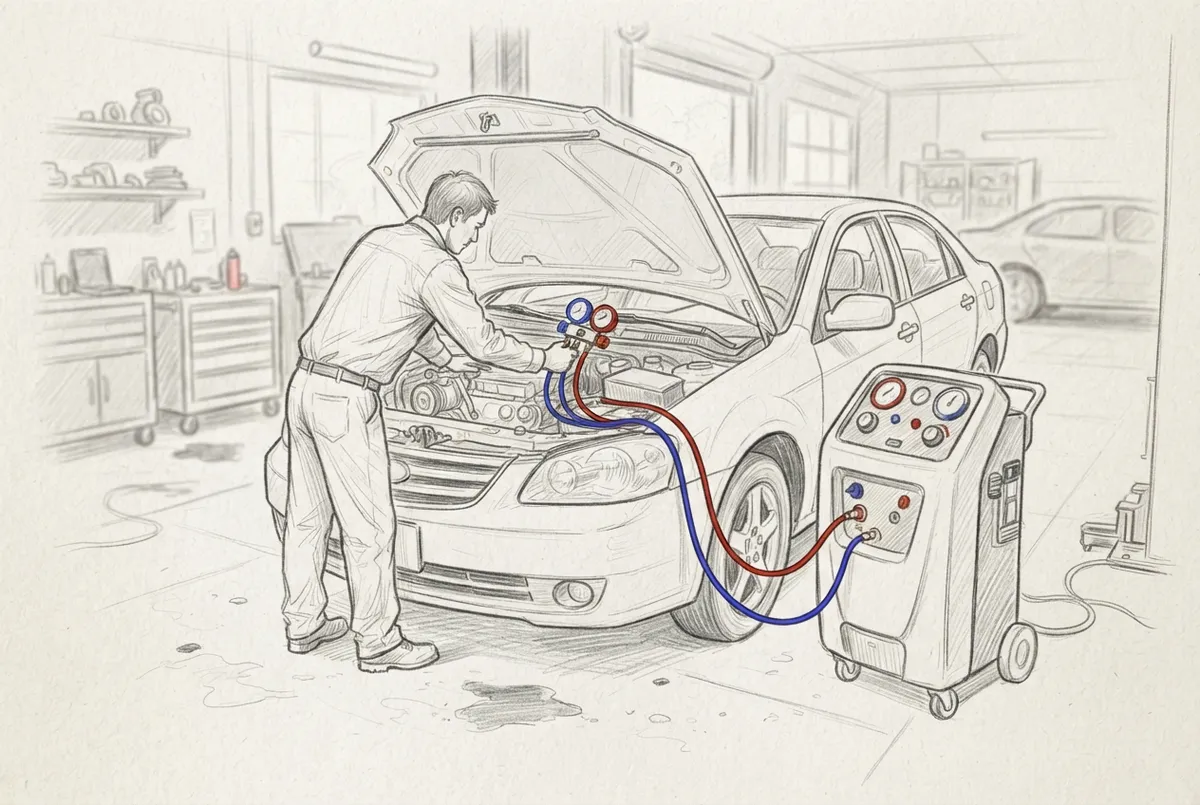
What Does A C Car Repair Actually Involve?
A c car repair covers a lot more than just adding refrigerant when your air feels warm. Your vehicle’s air conditioning is actually a whole system working together, and each part has a specific job to do. When one piece fails, the whole system can struggle to keep you cool.
Here are the main components a technician checks during a c car repair:
- Compressor and clutch, which pump refrigerant through the system
- Condenser, which cools the refrigerant down
- Evaporator, which pulls heat and moisture from cabin air
- Expansion valve or orifice tube, which controls refrigerant flow
- Receiver-drier or accumulator, which filters out moisture
- Hoses, sensors, relays, and the blower motor
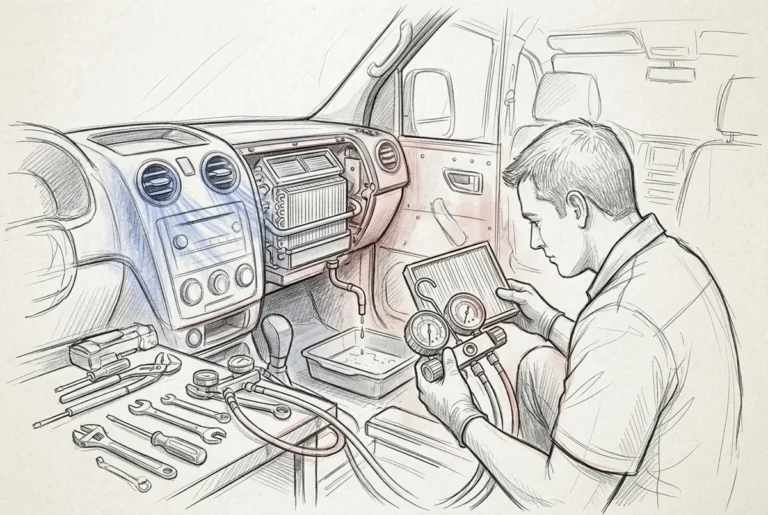
A proper diagnosis looks at all of these parts, not just the refrigerant level. Our team at Marks Air Ac Services always starts with a full system check before recommending any repair.
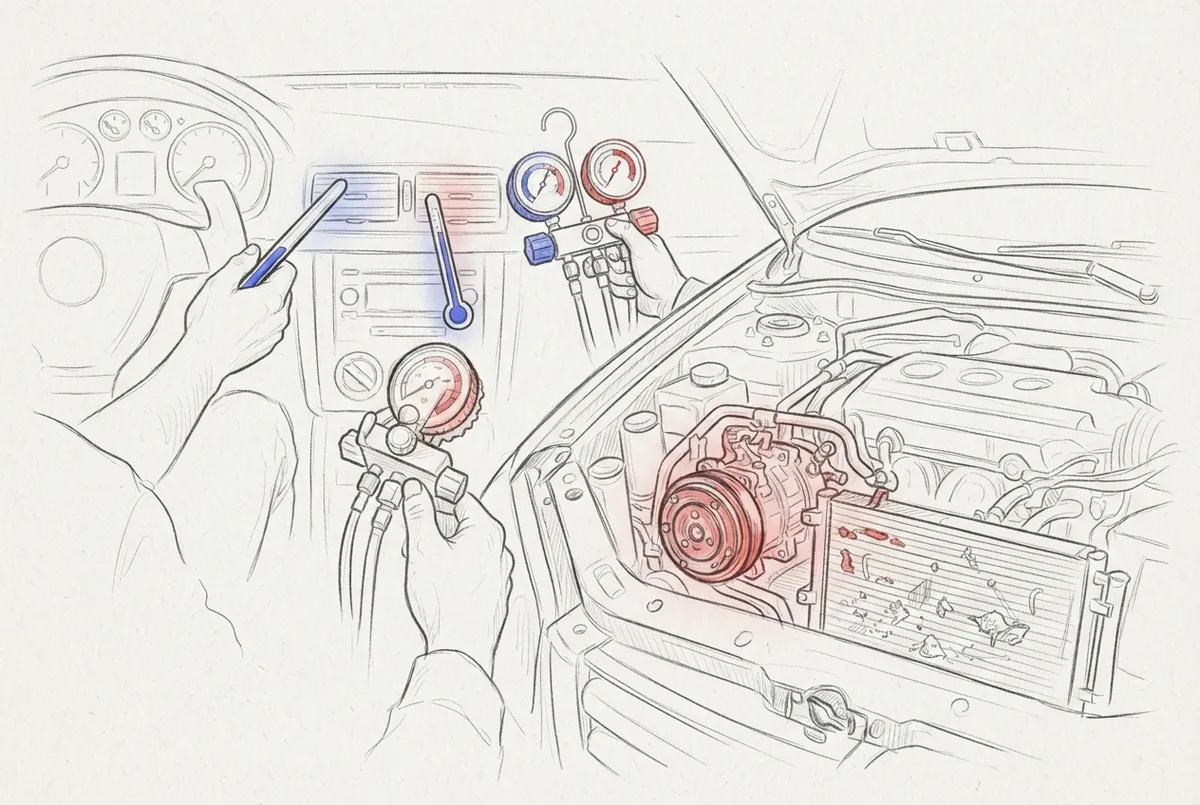
Common Signs You Need A C Car Repair
Your car often gives you clues before the A/C completely quits. Catching these signs early can prevent a small fix from turning into a bigger, pricier one.
- Warm or weak airflow coming from the vents
- Cooling that comes and goes without warning
- Strange noises from the compressor or under the dashboard
- Musty or unpleasant smells when the A/C runs
- Water pooling on the floor inside your car
- A compressor that won’t turn on at all
If you’re noticing any of these, check out our article on 10 Reasons Your AC Is Blowing Warm Air for a deeper look. Waiting too long can turn a simple repair into a compressor or evaporator replacement, which costs a lot more.
How Mechanics Diagnose A Car A/C Problem
A trustworthy shop won’t just guess. They’ll follow a step-by-step process to find the real problem, not just treat the symptom.
- Test overall system performance against manufacturer specs
- Inspect electrical controls, fuses, and airflow
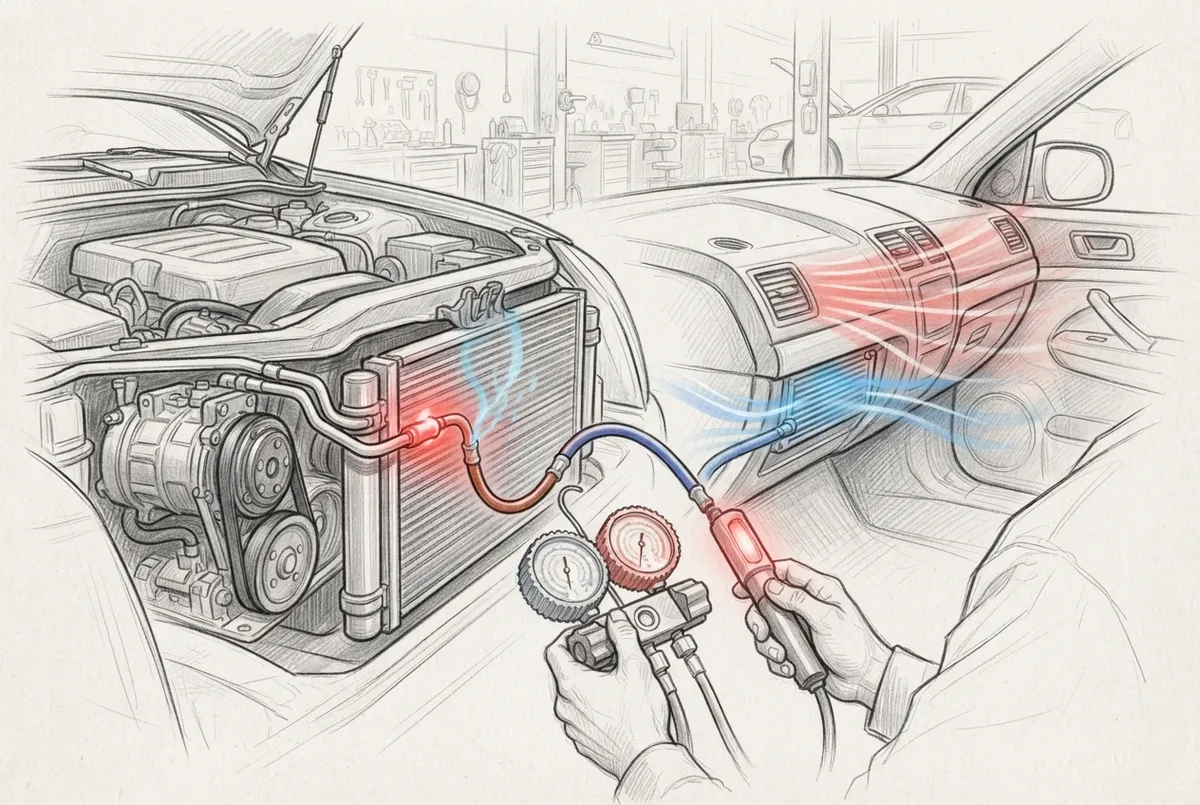
- Measure high-side and low-side refrigerant pressures
- Confirm which refrigerant type your vehicle uses
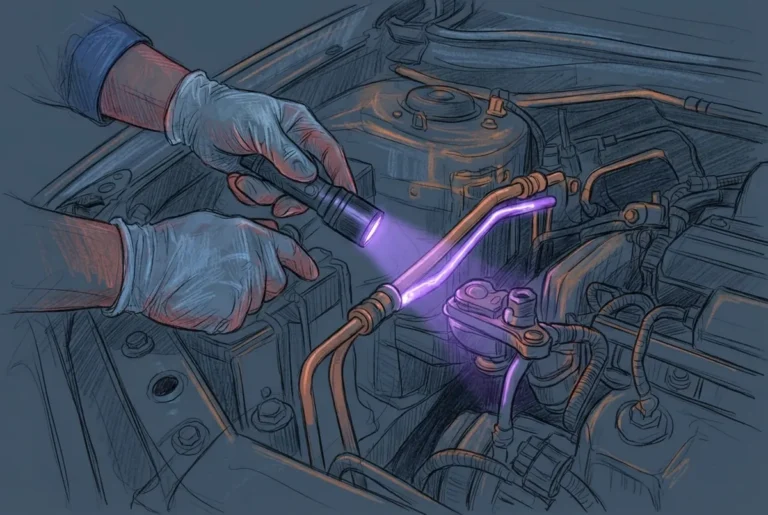
- Run leak detection using electronic tools, UV dye, or pressure testing
- Recommend repairs based on actual findings, not assumptions
This is exactly why simply adding refrigerant rarely fixes anything long-term. Low refrigerant almost always means there’s a leak somewhere. Adding more refrigerant might get you a few cool days, but the underlying problem is still there, quietly waiting to come back. Our leak detection guide breaks down exactly how we find these hidden leaks.
Understanding Refrigerant Types: R-134a vs R-1234yf
Not all car A/C systems use the same refrigerant, and this matters a lot when it comes to repairs. Older vehicles typically use R-134a, while many newer cars use R-1234yf.
| Feature | R-134a | R-1234yf |
|---|---|---|
| Common Use | Older vehicles | Newer vehicles (2025+ compliance) |
| Global Warming Potential | 1,430 | 4 |
| Flammability | Non-flammable | Mildly flammable |
| Equipment Needed | Standard recovery machine | SAE-approved equipment |
According to the EPA, light-duty passenger vehicles must meet a global warming potential limit of 150 starting with model year 2025, pushing more manufacturers toward R-1234yf. If you’re curious about switching systems, our guide on R-134a to 1234yf conversion covers what you need to know.
How Much Does A C Car Repair Cost?
Costs vary quite a bit depending on what’s wrong and which vehicle you drive. Here’s a general breakdown based on typical reported ranges:
| Service | Typical Cost Range |
|---|---|
| A/C Diagnosis | $80 – $250 |
| Refrigerant Recharge | $100 – $350 |
| Leak Repair | $150 – $650 |
| Condenser Replacement | $350 – $900 |
| Compressor Replacement | $500 – $1,500 |
| Evaporator Replacement | $700 – $1,200+ |
| Cabin Air Filter | $20 – $60 |
These numbers can shift based on your vehicle, location, and labor rates. For a closer look at Tampa pricing, check out our article on how much auto AC repair costs.
Who Needs A C Car Repair Services?
Every driver in Tampa depends on a working A/C system, but different groups have unique needs when it comes to keeping cool.
Car Owners
If you’re driving your family around Tampa in the summer heat, a broken A/C isn’t just uncomfortable, it’s a safety concern. Kids and pets overheat fast in a parked car, and even short drives feel miserable without cooling.
Truck Drivers And Fleet Operators
Long-haul drivers spend hours behind the wheel, and a failing A/C system can lead to fatigue and reduced focus. Fleet managers also need fast turnaround times to avoid costly downtime. Our fleet vehicle AC repair tips can help you plan smarter maintenance schedules.
Bus Operators
Public transit and shuttle companies must keep passengers comfortable and safe, especially in Florida’s heat. Learn more about what’s involved in our guide on proper bus AC system maintenance.
RV Enthusiasts
Nothing ruins a road trip faster than a cooling system that quits mid-drive. RV A/C systems often need specialized parts and know-how, which we cover in our RV air conditioner repair guide.
Heavy Equipment Operators
Construction and agricultural crews rely on functioning cabs to prevent operator fatigue during long outdoor shifts. Explore our tips on heavy equipment AC repair to keep your machines running cool.
Can You Do A C Car Repair Yourself?
Some basic checks are safe to do on your own, but opening up the refrigerant system is a job best left to trained professionals. Here’s what’s generally safe for DIY inspection:
- Checking your cabin air filter for dirt or clogs
- Looking for visible cracks or wear on hoses and belts
- Checking fuses related to the A/C system
- Feeling for airflow blockages near vents
What you should NOT attempt at home includes opening pressurized refrigerant lines or releasing refrigerant yourself. This can cause frostbite, chemical exposure, or even fire risks. Plus, it’s not great for the environment. In the United States, only Section 609-certified technicians are legally allowed to service refrigerant systems for payment. Marks Air offers Ac Training for those interested in learning proper certification and best practices.
How To Choose A Trustworthy A C Repair Shop
Not every shop treats your vehicle the same way, so it helps to know what to look for before handing over your keys.
- Confirm the shop has Section 609 certified technicians
- Ask which refrigerant your vehicle requires
- Request a written estimate that separates parts, labor, and diagnostics
- Ask how they test for leaks
- Check on parts and labor warranties
- Read reviews from other customers in your area
You can see what other Tampa drivers say about their experience by checking our Reviews page, or visit us on Google — Marks Air to read even more feedback. We’re also proud members of the Mobile Air Climate Systems Association (MACS), which keeps us up to date on industry standards.
How Often Should You Service Your Car’s A/C?
Regular maintenance can prevent small issues from becoming expensive repairs. According to MAHLE Aftermarket, most passenger vehicles benefit from an A/C check every 12 months, with a fuller service recommended every two years. Of course, always follow your vehicle manufacturer’s specific maintenance schedule when possible.
Simple habits that help extend your A/C system’s life include:
- Running the A/C for a few minutes weekly, even in cooler months
- Replacing cabin air filters on schedule
- Getting a professional inspection before summer heat hits
- Addressing odd smells or noises right away instead of waiting
For more preventive tips, take a look at our article on AC maintenance tips every Tampa vehicle owner needs.
Why Choose Marks Air For Your A C Car Repair
Marks Air has been a family-owned, woman-owned business in Tampa since 1971, focusing exclusively on air conditioning systems for cars, trucks, buses, RVs, and heavy equipment. We stock a wide range of parts, including our own KOOL-TEMP line along with trusted brands like SPAL, ACT, BCC, gpd, and Omega, many available the same day. You can browse our full selection on our Ac Parts page.
We also believe in transparency, which is why we answer common questions on our Faqs page and share helpful tips regularly on our Blog. You can also follow along on Instagram or Facebook for updates, and check out honest customer feedback on Yelp or HVACService.io.
Wrapping Up: Stay Cool On Every Tampa Drive
A working air conditioner isn’t just about comfort in Tampa, it’s about staying safe and focused behind the wheel. Whether you’re driving a family sedan, managing a fleet of trucks, or maintaining heavy equipment, understanding a c car repair basics helps you make smarter decisions and avoid unnecessary costs. Don’t wait until you’re stuck sweating in traffic to address a warm-air problem.
Ready to get your vehicle’s A/C running like new? Schedule service with our friendly team today, or simply call us at 813-988-1671 to talk through your options. We’re here to help keep you, your passengers, and your entire fleet cool all year long.
FAQs
Q: Why is my car A/C blowing warm air?
A: This usually means low refrigerant caused by a leak, a failing compressor, or an electrical issue somewhere in the system. It’s a good idea to get a professional diagnosis rather than guessing, since the fix could be simple or more involved.
Q: How much does a c car repair typically cost?
A: It really depends on what’s wrong. Simple recharges might run $100-$350, while bigger jobs like compressor replacement can be $500-$1,500 or more. A proper diagnosis first helps you avoid paying for repairs you don’t actually need.
Q: Does low refrigerant always mean my car has a leak?
A: Pretty much, yes! Refrigerant doesn’t just disappear on its own, so low levels almost always point to a leak somewhere in the system. Simply adding more refrigerant might help temporarily, but it won’t fix the root cause.
Q: Can I recharge my car’s A/C myself?
A: We totally understand wanting to save some money, but opening a pressurized refrigerant system carries real risks like frostbite and chemical exposure. It’s also against EPA rules unless you’re Section 609 certified, so it’s best left to trained pros.
Q: How often should I get my car’s A/C serviced?
A: A yearly check-up is a smart habit, with a more thorough service recommended every two years for most vehicles. Staying ahead of small issues can save you from bigger, pricier repairs down the road, especially here in Tampa’s heat.