Key Takeaways
-
Replace air filters monthly or per manufacturer schedule as the single most critical maintenance task to prevent airflow reduction and system damage.
-
Check refrigerant charge every 6 months since natural seepage accounts for up to 0.6% annually, and low refrigerant is the most common reason ambulance AC fails to cool properly.
-
Inspect and clear condensate drain tubes monthly to prevent water backup that can damage electrical components and compromise patient compartment integrity.
-
Partner with EPA 609 certified technicians experienced with independent HVAC systems rather than standard vehicle AC shops, as ambulance units often use self-contained systems separate from chassis cooling.
-
Implement preventive maintenance schedules instead of reactive repairs to avoid emergency failures during calls, reduce overall costs, and maintain patient care standards required by CAAS and NFPA guidelines.
-
Train paramedics and drivers to recognize early warning signs like weak airflow, warm air, unusual smells, and strange noises so problems are caught before they become critical failures.
When an ambulance rolls up to an emergency, the last thing anyone needs is a broken AC system. Whether it’s a blazing Tampa summer or a long overnight shift, the air conditioning in an ambulance isn’t just about comfort — it’s about patient care and crew performance. A failing HVAC system can compromise a patient’s condition and leave paramedics exhausted before they even reach the hospital.
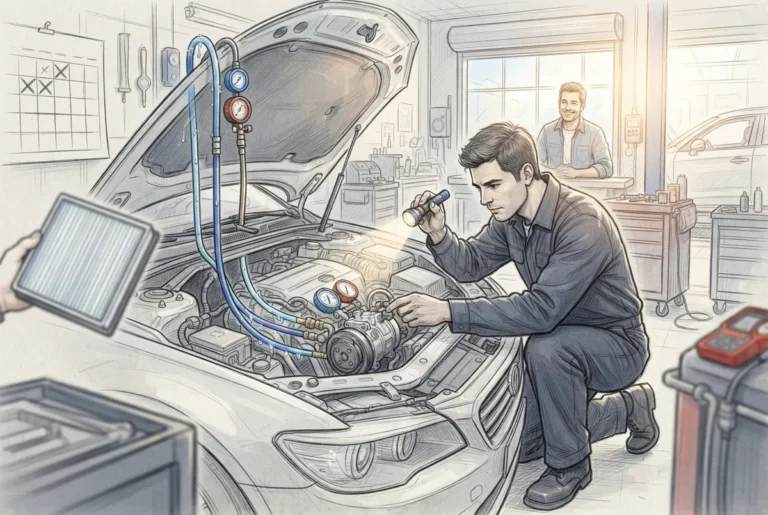
Ambulance AC maintenance is a serious business. These vehicles carry specialized, independent HVAC systems that require dedicated attention — quite different from servicing a standard car or truck. Fleet managers, EMS supervisors, and emergency vehicle operators all need to understand what proper upkeep looks like. Whether you manage a single unit or an entire fleet, keeping that cooling system in top shape is non-negotiable.
Let’s walk through 15 practical, easy-to-follow tips that will help you maintain your ambulance AC system the right way. You’ll also learn when it’s time to bring in a specialist — like the team at Marks Air AC Services — who know emergency vehicle HVAC systems inside and out.
Why Ambulance AC Maintenance Is Different
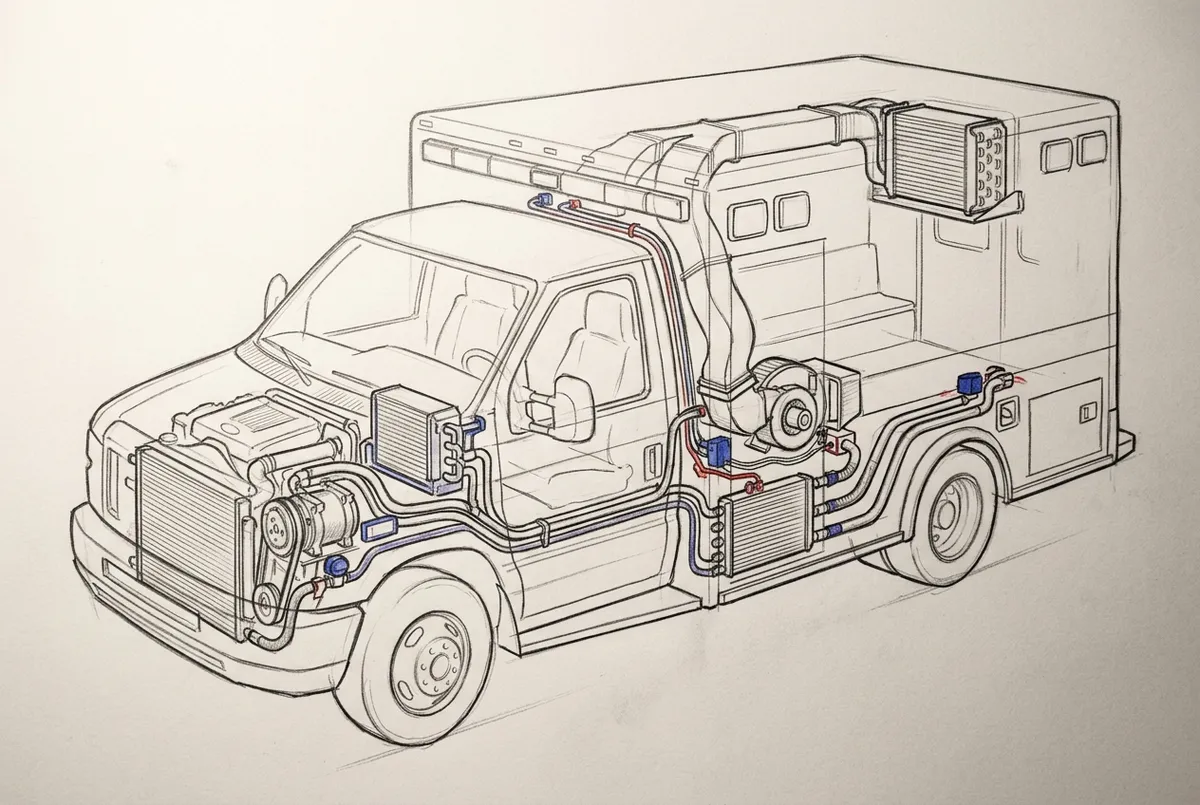
Ambulance HVAC systems are not your average vehicle air conditioners. Many ambulances use self-contained or independent HVAC systems separate from the chassis cooling. For example, some units run on 120V shoreline power and include a dedicated air conditioning unit mounted in the rear patient compartment. Braun ambulance units list shoreline HVAC systems rated at 12,000 Btu/h cooling and 9,000 Btu/h heating — that’s a serious system.
Because ambulance HVAC is tied to patient care standards and safety regulations — including guidelines from CAAS, NFPA-related ambulance design standards, and local EMS authority requirements — maintenance is part of an operational obligation, not just preventive upkeep. You can learn more about emergency vehicle HVAC system facts to better understand what sets these units apart.
The 15 Essential Ambulance AC Maintenance Tips
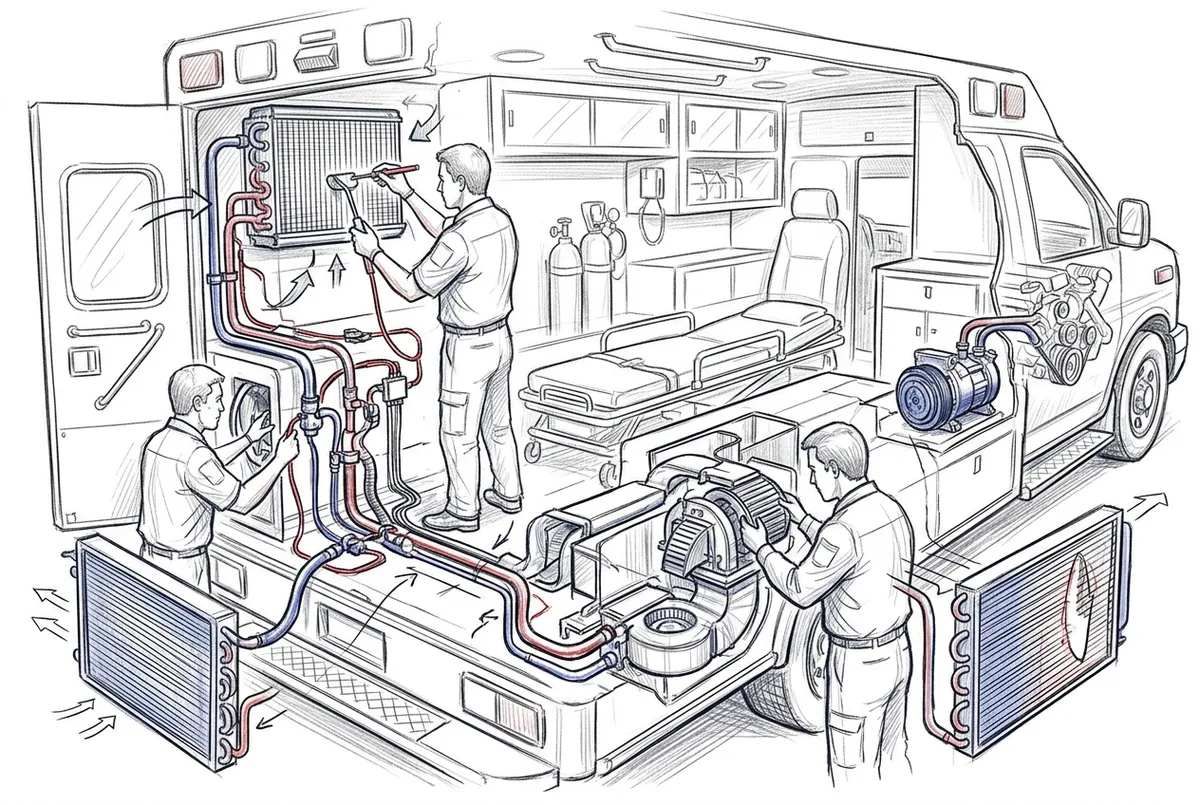
1. Replace Air Filters on a Regular Schedule
This is the single most important maintenance task for any ambulance HVAC system. Dirty filters choke airflow and dramatically reduce cooling performance. Filter replacement should be done according to the vehicle manufacturer’s schedule or more frequently in dusty, high-use environments. This simple step protects the entire system downstream.
2. Inspect Drain Tubes for Blockages
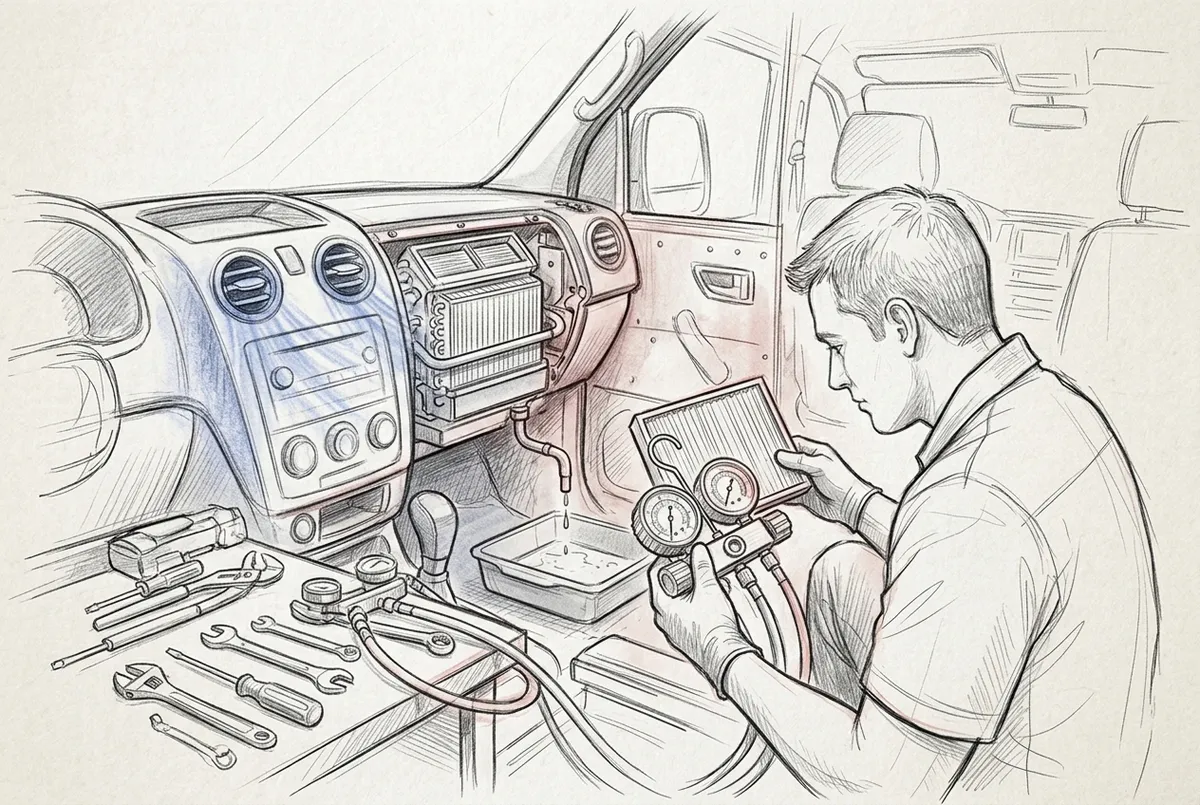
Condensation must exit the system properly. Blocked drain tubes lead to tray overflow, water intrusion into the compartment, and potential damage to electrical components. Check drain lines regularly and clear any debris, mold buildup, or kinks that could cause water to back up.
3. Check the Blower Motor Function
The blower motor pushes conditioned air through the cabin. If it runs weak or makes unusual noises, airflow drops and crew comfort suffers. Truck AC blower motor repair tips apply equally well to ambulance units — inspect for worn brushes, failing bearings, or wiring faults during every service visit.
4. Clean Condenser Fins Thoroughly
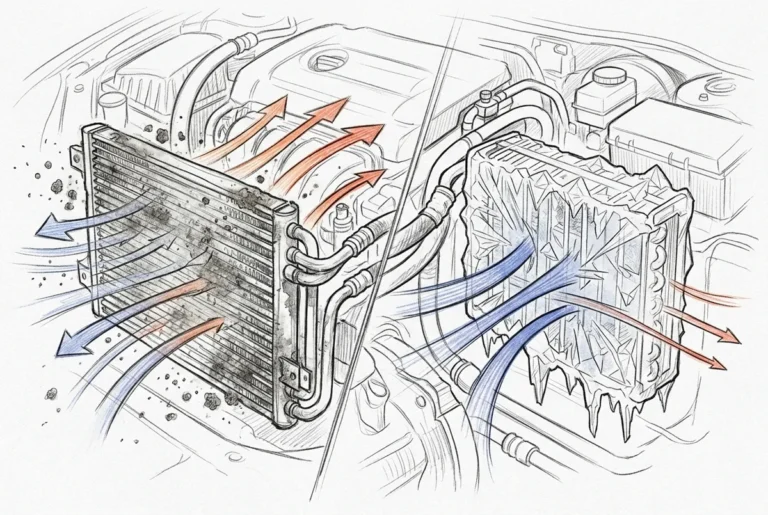
Condenser fins collect dirt, bugs, and debris quickly — especially on ambulances that idle for long hours in urban environments. Clogged fins restrict heat transfer and reduce cooling efficiency. Use a soft brush or compressed air to clean them carefully without bending the fins.
5. Verify the Refrigerant Charge
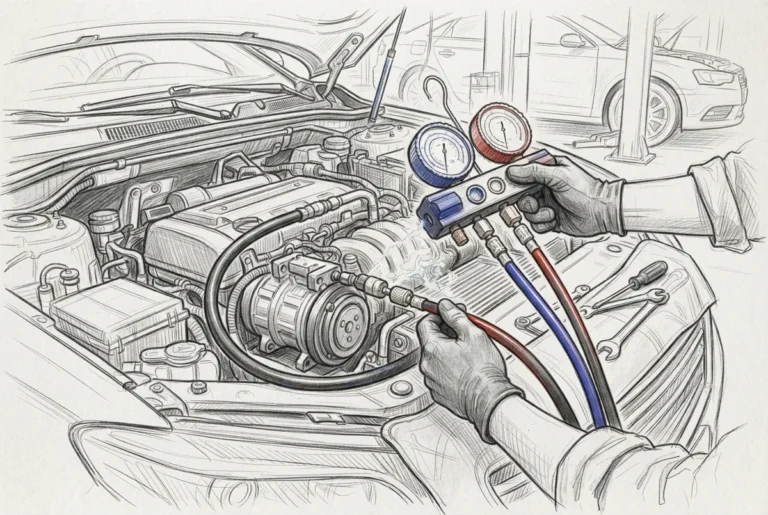
Low refrigerant is one of the most common reasons an ambulance AC stops cooling properly. Technicians should check the system charge during every scheduled service. Keep in mind that natural seepage can account for up to 0.6% of refrigerant annually — so even a well-sealed system may lose a small amount over time. Always use certified technicians for refrigerant work, as required by EPA 609 guidelines. Our team at Marks Air holds proper certifications and is a proud member of the Mobile Air Climate Systems Association (MACS).
6. Look for Oil Seepage at Fittings
Oil residue around AC fittings is a red flag. It often signals a refrigerant leak or a failing seal. Catching these early prevents more costly repairs and keeps the system operating at full capacity. During every inspection, wipe fittings clean and recheck them after a short run cycle to spot fresh seepage.
7. Inspect Hoses and Belts for Wear
Rubber hoses and belts degrade over time — especially in vehicles that run long hours in hot climates like Tampa. Cracked hoses lead to refrigerant loss; slipping or broken belts can take out the entire compressor drive. Fleet AC hose fabrication facts can help fleet managers understand when fabricated replacements are the right call.
8. Test All Wiring and Electrical Connections
Ambulances operate in demanding conditions with constant vibration, extreme temperatures, and heavy electrical loads. Wiring for the HVAC system is vulnerable to chafing, corrosion, and loose connections. A quick visual and continuity check during scheduled service can prevent unexpected failures during a call.
9. Service the AC Compressor Regularly
The compressor is the heart of your AC system. It works hard and needs proper lubrication, belt tension, and refrigerant pressure to stay healthy. Learn more about how to fix an AC compressor in your vehicle and what warning signs indicate it’s time for replacement before it fails completely on the road.
10. Keep Shoreline Power Connections Clean and Functional
Many ambulance HVAC systems rely on 125-volt AC shoreline power when the vehicle is stationary. The CAAS Ground Vehicle Standard specifically references the operator-level maintenance requirements for this system. Inspect shoreline connectors for corrosion, damaged insulation, and secure connections at every service interval.
11. Monitor Evaporator Performance
The evaporator is responsible for absorbing heat inside the compartment. A dirty or damaged evaporator reduces cooling power significantly. Heavy duty AC evaporator replacement guidance is especially relevant for ambulances, which use larger, more complex evaporator assemblies than standard vehicles.
12. Run Diagnostics After Every Major Repair
Whenever any component is serviced or replaced, run a full AC diagnostic before returning the vehicle to service. This confirms the system is operating within spec and catches any secondary issues the repair may have revealed. Fleet vehicle AC diagnostics best practices apply perfectly to ambulance fleets.
13. Follow Manufacturer Maintenance Schedules
Every ambulance HVAC manufacturer provides a recommended maintenance schedule. Whether your units use Frazer self-contained systems, Braun shoreline units, or another configuration, follow the documented service intervals precisely. These schedules are designed around the specific thermal loads and duty cycles of emergency vehicles.
14. Train Operators on Basic HVAC Awareness
Paramedics and drivers spend more time with the vehicle than any technician does. Training them to recognize early warning signs — weak airflow, unusual smells, warm air, or strange noises — helps catch problems before they become serious failures. AC training programs can equip your team with the knowledge they need to stay alert to HVAC issues on the job.
15. Partner with a Specialist Who Knows Emergency Vehicles
Not every shop is equipped to service ambulance HVAC systems. You need a technician who understands the difference between chassis-powered cooling and independent self-contained systems, who stocks the right parts, and who can work efficiently to minimize vehicle downtime. Quality AC parts availability matters — especially when a unit needs to get back in service fast.
Common Ambulance AC Problems and Quick Solutions
Knowing what to look for makes maintenance faster and more effective. Here are the most frequent ambulance AC issues and what typically causes them:
- Warm air from vents: Low refrigerant charge, dirty condenser, or compressor failure
- Weak airflow: Clogged air filter, failing blower motor, or blocked ductwork
- Water on the floor: Blocked drain tube or cracked drain pan
- Unusual smells: Mold in the evaporator or contaminated refrigerant
- AC not turning on: Electrical fault, blown fuse, or failed shoreline connection
- Intermittent cooling: Refrigerant leak, faulty pressure switch, or failing compressor clutch
If you’re seeing any of these symptoms, check out 10 reasons your AC is blowing warm air for a detailed breakdown of causes and fixes.
Ambulance AC Maintenance Schedule at a Glance
| Task | Frequency | Priority |
|---|---|---|
| Air filter inspection/replacement | Monthly or per manufacturer spec | Critical |
| Drain tube inspection | Monthly | High |
| Condenser fin cleaning | Every 3 months | High |
| Refrigerant charge check | Every 6 months | Critical |
| Hose and belt inspection | Every 6 months | High |
| Wiring and electrical check | Annually or after major repairs | Medium |
| Full AC diagnostic | Annually or post-repair | Critical |
| Shoreline power connection check | Monthly | High |
How Preventive Maintenance Compares to Reactive Repairs
Keeping up with ambulance AC maintenance saves money and prevents dangerous situations. Here’s a quick look at the difference between proactive and reactive approaches:
- Preventive approach: Scheduled service catches small issues early, keeps refrigerant charged, and extends component life — average repair costs stay low.
- Reactive approach: Waiting for a failure means emergency repairs, potential patient care disruptions, and significantly higher costs for parts and labor.
- Hybrid approach: Scheduled service combined with operator-level daily checks gives the best balance of cost control and reliability for busy EMS fleets.
For fleet managers overseeing multiple units, a preventive strategy is always the right call. Learn more about preventive vs. reactive fleet AC maintenance and why the numbers consistently favor staying ahead of problems.
What to Look for in an Ambulance AC Service Provider
When choosing a shop to handle your ambulance AC maintenance, look for these key qualities:
- Experience servicing emergency and specialty vehicles
- EPA 609 certified technicians for refrigerant handling
- Same-day parts availability to minimize downtime
- Knowledge of both chassis-based and independent HVAC configurations
- Transparent diagnostics with no unnecessary upselling
Marks Air in Tampa has been serving emergency vehicles, buses, heavy equipment, and specialty vehicles since 1971. The team brings decades of focused AC experience to every job. Visit us on Google — Marks Air to see what our customers say about our emergency vehicle AC work, or read Marks Air reviews to hear directly from fleet managers and operators we’ve helped.
You can also follow us on Facebook and Instagram for maintenance tips, service updates, and behind-the-scenes looks at the work we do every day.
Quick Reference: Steps for a Basic Ambulance AC Inspection
- Check and replace the air filter if dirty or per schedule
- Inspect and clear all condensate drain tubes
- Test blower motor on all speed settings
- Visually inspect condenser fins for debris and damage
- Check all accessible hoses, fittings, and belts for wear or seepage
- Verify refrigerant pressure and look for oil staining at connections
- Inspect shoreline power connections and wiring harness condition
- Run a full functional test and document results
This simple eight-step walk-through covers the basics every technician or operator should complete during each service interval. For deeper diagnostics, always bring in a certified specialist. Check out our AC service FAQs if you have questions about what a full inspection includes.
Final Thoughts
Ambulance AC maintenance isn’t optional — it’s a core part of keeping your emergency vehicles ready, your crew comfortable, and your patients safe. From filter changes and drain tube checks to refrigerant verification and electrical inspections, every step on this list contributes to a system that won’t let you down when it matters most.
In Tampa’s heat, HVAC failure in an emergency vehicle isn’t just inconvenient — it can be dangerous. Staying on top of your maintenance schedule, training your operators, and working with experienced specialists makes all the difference.
Ready to get your ambulance AC system inspected or serviced? Schedule your ambulance AC service with Marks Air today, or give us a ring at 813-988-1671. We’re here to keep your emergency vehicles running cool, every single call.
FAQs
Q: What is included in ambulance AC maintenance?
A: Ambulance AC maintenance typically covers air filter replacement, drain tube inspection, condenser fin cleaning, refrigerant charge verification, blower motor testing, hose and belt inspection, and electrical wiring checks. Because many ambulances use self-contained or independent HVAC systems, the service process can differ from standard vehicle AC work — so it’s worth finding a technician experienced with emergency vehicle setups.
Q: How often should an ambulance HVAC system be serviced?
A: Most ambulance manufacturers recommend a monthly operator-level check covering filters and drain tubes, with a more thorough service every three to six months. A comprehensive annual diagnostic is also a great idea, especially for high-mileage or heavily used units. Sticking to that schedule keeps the system reliable and avoids expensive emergency repairs!
Q: Why does an ambulance AC stop cooling properly?
A: The most common culprits are a low refrigerant charge, a clogged air filter, dirty condenser fins, or a failing compressor. Electrical issues — like a bad pressure switch or a loose wiring connection — can also cause intermittent cooling. Running a full diagnostic is the fastest way to pinpoint the problem and get the unit back to full cooling power.
Q: How is ambulance AC maintenance different from regular vehicle AC service?
A: Ambulance HVAC systems often include self-contained units powered by shoreline 120V AC power rather than the chassis engine — making them more like a commercial HVAC system mounted in a vehicle. They also have to meet specific EMS and vehicle safety standards, which means maintenance must be thorough and well-documented. Working with a specialist who understands both vehicle and independent HVAC configurations is the smart move.
Q: Should ambulance air filters be cleaned or replaced?
A: Most ambulance HVAC manufacturers recommend replacing filters rather than cleaning them, as cleaning doesn’t fully restore filtration efficiency. Frazer, for example, highlights routine filter replacement as the most important maintenance task for preserving cooling performance. When in doubt, replace — a new filter is inexpensive compared to the damage a dirty one can cause to the rest of the system.