Key Takeaways
-
Family-owned A/C shops that specialize exclusively in vehicle systems build deeper expertise than generalists because they encounter repetitive problems across different vehicle types, resulting in more accurate diagnostics and reliable repairs.
-
Verify EPA Section 609 certification for technicians, licensing, insurance, written estimates, and warranty coverage before booking—family ownership alone doesn't guarantee technical skill or fair pricing.
-
Specialized vehicle A/C knowledge differs fundamentally from home HVAC; truck drivers, fleet managers, bus operators, and RV owners benefit most from shops focused solely on automotive cooling systems.
-
Check independent customer reviews on Yelp, Facebook, and Google instead of relying on marketing claims; local reputation built over decades is more reliable than chain brand recognition for predicting service quality.
-
Typical vehicle A/C repairs range from $150-$600 for minor fixes to $500-$1,200+ for major work like compressor replacement; always get a written estimate before work starts to avoid surprises.
-
A trustworthy shop will honestly compare repair versus replacement options based on system age and failure patterns, rather than pushing the more expensive choice for higher profit margins.
Your truck’s A/C just died in the middle of a Tampa summer, and now you’re stuck picking a repair shop fast. Do you call a big chain with flashy ads, or trust a family-owned A/C repair business that’s been fixing vehicles for decades? This choice matters more than you might think, whether you’re a daily driver, a fleet manager, or someone hauling passengers on a hot bus route.
Here’s the good news: you don’t have to guess. This guide walks through what actually separates a family-owned shop from the bigger chains, what questions to ask, and how to know you’re getting honest work at a fair price. We’ll cover cars, trucks, buses, RVs, and heavy equipment, because A/C trouble doesn’t care what you drive. By the end, you’ll know exactly what to look for before handing over your keys.
What Makes a Family-Owned A/C Repair Business Different?
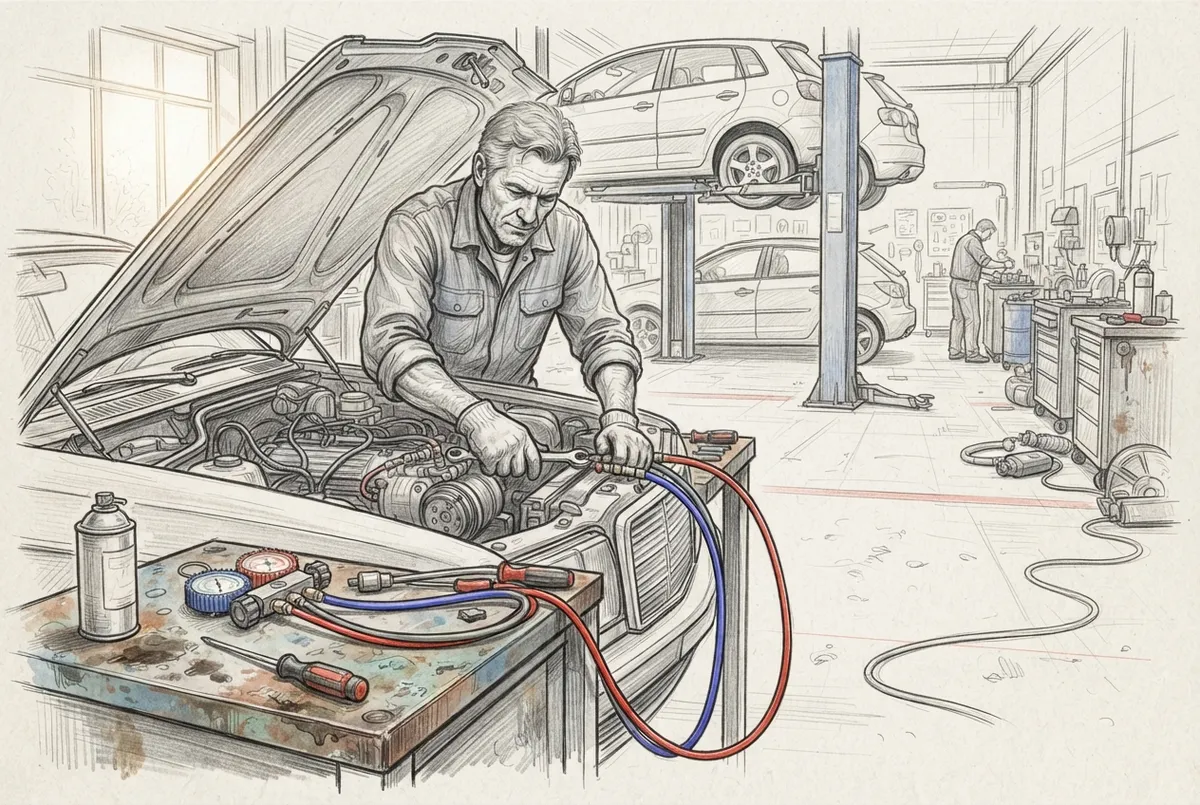
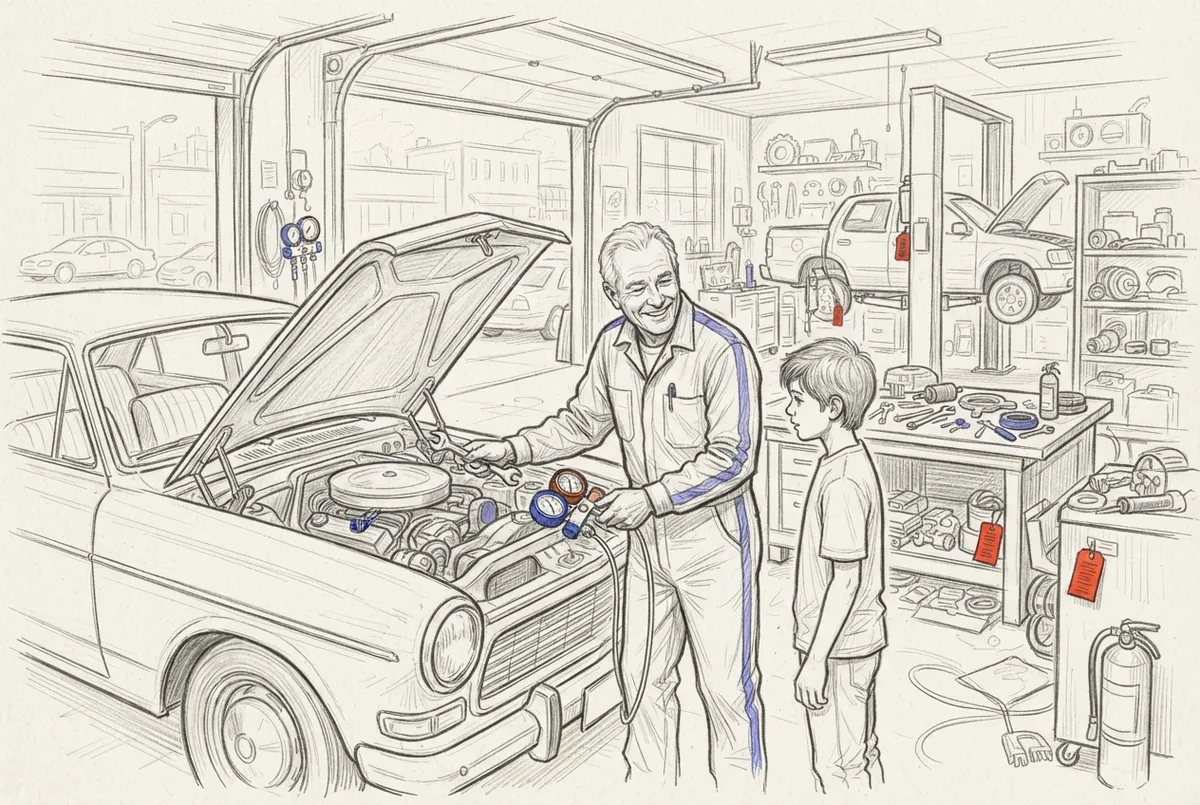
A family-owned A/C repair business is usually run by the same family for years, sometimes generations. The owners often work on-site, know their regular customers by name, and care about their reputation in the community. That’s a nice feeling, but it’s not the whole story.
Family ownership alone doesn’t guarantee great technical skill or fair pricing. You still need to check licensing, insurance, and technician training. A good family shop backs up its friendly service with real credentials and documented results, not just a warm smile.
Marks Air is one example of this balance. It’s a family-owned, woman-owned business that’s been fixing vehicle A/C systems in Tampa since 1971. That’s over five decades of hands-on experience with cars, trucks, buses, RVs, and heavy equipment. You can read more about Marks Air’s history and approach to see how long-term family ownership can translate into real expertise.
Family-Owned Shops vs. Big Chains: A Quick Comparison
| Factor | Family-Owned A/C Shop | Large Chain |
|---|---|---|
| Owner Access | Often direct access to owner | Corporate management, less personal contact |
| Local Reputation | Built over years in one community | Brand reputation, less local history |
| Specialization | May focus deeply on one niche (like vehicle A/C) | Often broader services, less specialization |
| Pricing Transparency | Usually straightforward, local pricing | Can vary by franchise location |
| Parts Availability | May stock specialty parts in-house | Depends on supply chain and location |
Why Specialization Matters More Than You Think
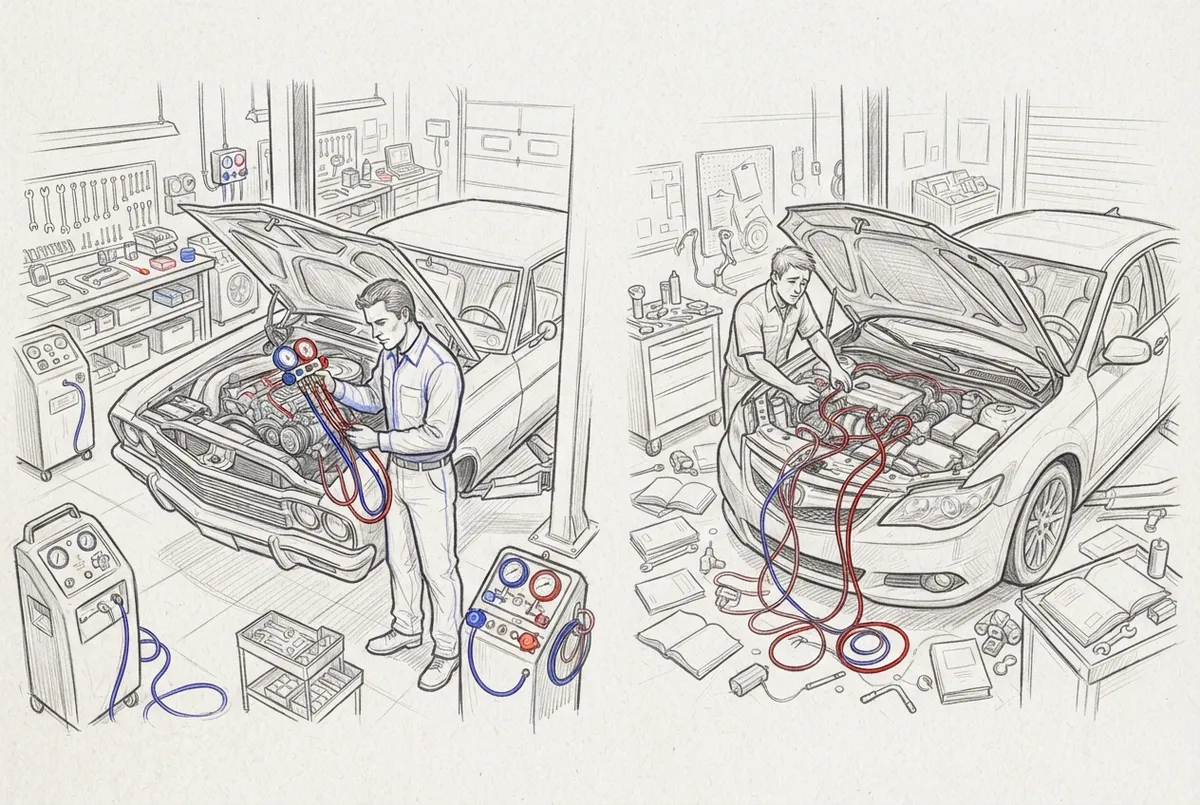
Not every A/C shop understands the difference between a car’s cooling system and a bus’s or heavy equipment’s system. Vehicle A/C is its own world, separate from home HVAC. It has unique parts, pressure levels, and refrigerant types.
A family-owned business that focuses only on vehicle A/C tends to build deeper expertise. They see more of the same problems, over and over, across different vehicle types. That repetition builds real skill.
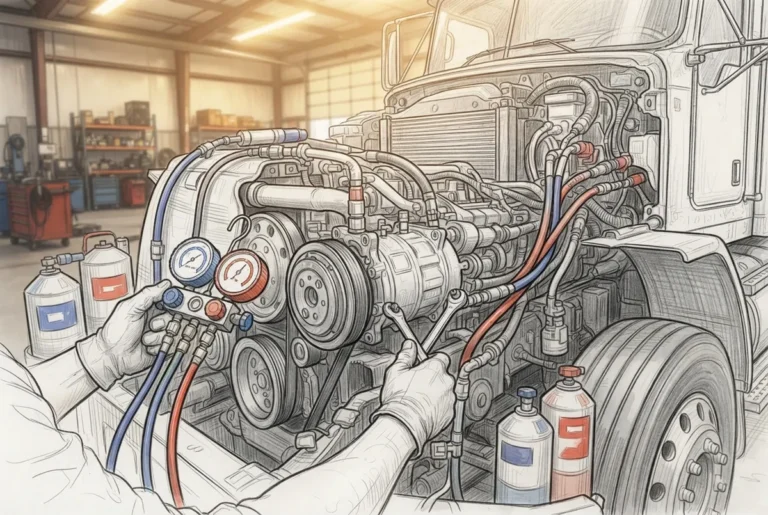
For example, truck drivers dealing with a failing blower motor need a shop that understands heavy-duty systems, not just passenger cars. Check out this guide on truck A/C blower motor repair fixes that actually work to see how specialized knowledge solves real problems.
Who Benefits from Specialized Vehicle A/C Service?
- Car owners who want fast, accurate diagnostics instead of guesswork
- Truck drivers who need reliable cooling for long hauls and safety compliance
- Bus operators keeping passengers comfortable and systems running smoothly
- RV enthusiasts who need cooling that holds up during long trips and off-grid camping
- Heavy equipment operators protecting workers from fatigue in hot cabs
- Fleet owners managing multiple vehicles and needing consistent, dependable service
Checking Credentials: What to Look for Before You Book
A friendly family business is great, but you still need proof of skill. Here’s what actually matters when picking any A/C repair shop, family-owned or not.
1. EPA Certification
Technicians working on stationary A/C equipment need EPA Section 608 certification. For vehicle A/C systems, technicians need EPA Section 609 certification instead. This certification never expires once earned, but it proves the tech knows how to handle refrigerant safely and legally.
If you’re curious about what this training actually covers, this article on EPA 609 certification training mistakes to avoid breaks it down clearly.
2. Licensing and Insurance
Ask if the shop is licensed to operate and carries proper insurance. This protects you if something goes wrong during the repair. A trustworthy shop will answer this question without hesitation.
3. Clear, Written Estimates
You should get a written estimate before any work starts. This estimate should explain the diagnosis, the fix, the parts needed, and the total cost. No surprises later.
4. Warranty on Parts and Labor
A solid shop stands behind its work. Ask what’s covered and for how long. This shows confidence in their repairs.
5. Real Customer Reviews
Don’t just take the shop’s word for it. Check independent reviews on platforms like Yelp or social media pages like Facebook and Instagram. Real customer feedback tells you how a shop treats people over time.
You can also read customer reviews for Marks Air to see firsthand accounts from Tampa drivers and fleet managers.
How Much Does Vehicle A/C Repair Actually Cost?
Pricing varies a lot depending on the problem, your vehicle type, and your location. National estimates suggest a typical repair falls between $150 and $600, with minor fixes around $100 to $300 and bigger jobs from $300 to $800. These numbers are directional, not guarantees, so always confirm current pricing with your local shop.
For a detailed breakdown specific to Tampa drivers, check out how much auto A/C repair costs in 2026. Fleet owners and truck drivers should also look at what Tampa drivers actually pay for automotive A/C repair to plan budgets accurately.
Common Repairs and Their General Cost Range
| Repair Type | Typical Cost Range | Notes |
|---|---|---|
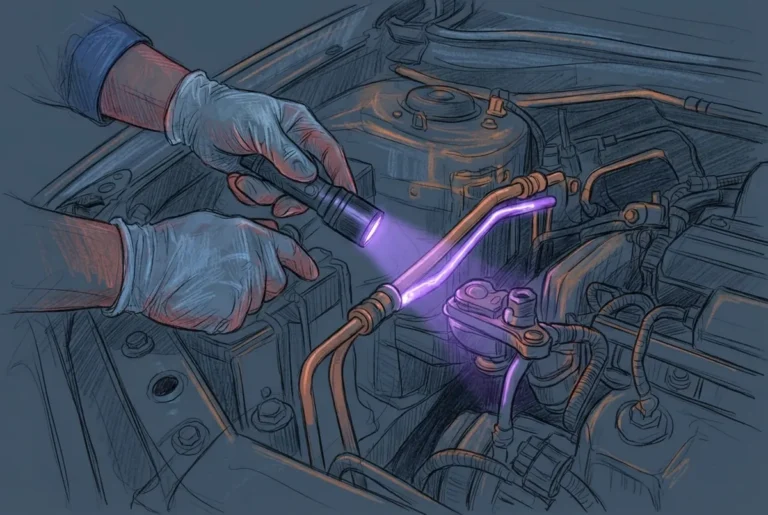
| Refrigerant Leak Repair | $150-$600 | Depends on leak location and severity |
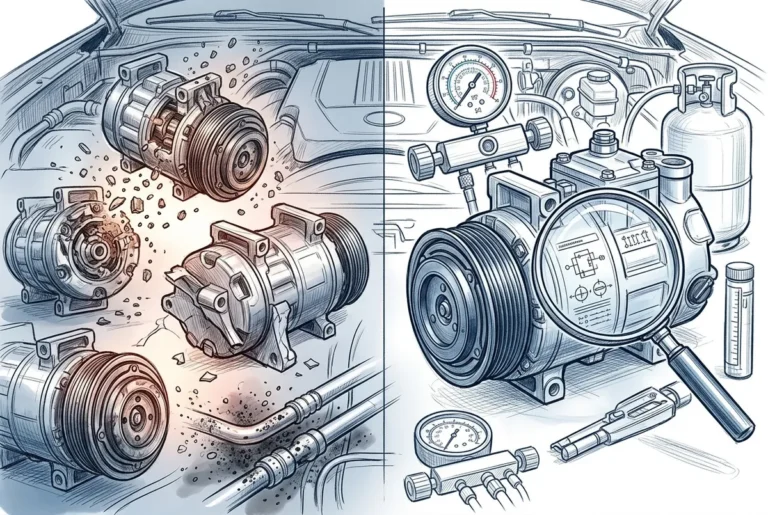
| Compressor Replacement | $500-$1,200+ | Varies by vehicle type and compressor size |
| Blower Motor Repair | $150-$450 | Common in trucks and buses |
| Condenser Replacement | $300-$800 | More complex on heavy-duty vehicles |
| Diagnostic Fee | $75-$200 | Should be disclosed upfront |
Repair or Replace? Making the Right Call
Sometimes a repair makes sense. Other times, replacing the whole system saves money long-term. A trustworthy family-owned shop will explain both options honestly, not just push the more expensive choice.
Ask these questions before deciding:
- How old is the current system, and how much life is left in it?
- Will this repair likely lead to another breakdown soon?
- What’s the total cost difference between repair and replacement?
- Does the replacement come with a stronger warranty?
- Is this a one-time fix or a pattern of recurring problems?
For a deeper comparison, this guide on A/C repair versus replacement walks through the decision step by step.
Special Considerations by Vehicle Type
Trucks and Fleet Vehicles
Fleet owners face unique challenges. Downtime costs money, and drivers need reliable cooling for long routes. Preventive maintenance often beats reactive repairs. Learn more from this comparison of preventive versus reactive fleet A/C maintenance.
Buses and Transit Vehicles
Passenger comfort and safety both depend on working A/C systems. Bus operators should look into what proper bus A/C system maintenance actually involves to avoid mid-route breakdowns.
RVs and Recreational Vehicles
RV owners often deal with unique cooling needs during long trips. Common mistakes can lead to bigger headaches down the road. This article on RV air conditioner repair parts mistakes to avoid covers what to watch for.
Heavy Equipment
Construction and agricultural equipment operators need reliable cooling to prevent fatigue in hot cabs. Proper repair matters just as much here as it does for passenger vehicles. See how to get heavy equipment A/C repair done right for practical tips.
Parts Matter Just as Much as Labor
Even the best technician can’t do great work with poor parts. Ask your shop what brands they use and whether parts are OEM or aftermarket. Quality parts often come with better warranties and longer life.
Shops that stock their own inventory, like proprietary parts lines, can often get you back on the road faster. Explore available A/C parts and inventory options to understand what a well-stocked shop should offer.
Training and Industry Standards
A shop’s commitment to ongoing training says a lot about its long-term reliability. Look for businesses connected to respected industry groups, such as being a member of the Mobile Air Climate Systems Association (MACS). This kind of involvement shows a shop stays current with refrigerant regulations and repair standards.
Some shops also offer A/C training programs for technicians, covering certifications and best practices. This benefits the whole industry and often means the shop itself holds a high internal standard.
Questions to Ask Before You Book Service
Before committing to any shop, family-owned or otherwise, ask these questions:
- Is the business owner-operated, and how long has it served the local area?
- Are technicians certified and background-checked?
- Is the diagnostic fee disclosed before work begins?
- Do you offer emergency or same-day service?
- Which vehicle brands and types do you specialize in?
- Do you offer maintenance plans to prevent future breakdowns?
A trustworthy shop answers these questions clearly and confidently. If you get vague answers or pressure tactics, that’s a red flag worth noting.
Why Local Reputation Still Matters
A family-owned business often survives because of repeat customers and word-of-mouth referrals. That kind of trust takes years to build and can vanish quickly with poor service. Checking independent listings, like this Tampa A/C service listing, can help you compare shops based on documented history rather than just marketing claims.
You can also visit us on Google — Marks Air to see location details, hours, and customer feedback in one place. Local presence combined with verified reviews gives you a clearer picture than flashy ads ever could.
Making Your Final Decision
Choosing between a family-owned A/C repair business and a bigger chain doesn’t have to be complicated. Focus on what actually matters: certifications, transparent pricing, honest diagnostics, and a track record you can verify. A family-owned shop often brings decades of specialized knowledge and a genuine desire to keep customers coming back for years.
If you’re in Tampa and dealing with A/C trouble in your car, truck, bus, RV, or heavy equipment, don’t wait until you’re stuck in the heat with no relief. Reach out today to schedule service or call us at 813-988-1671 to get expert help from a team that’s been solving vehicle A/C problems since 1971. Your comfort and safety are worth it.
FAQs
Q: What are the benefits of choosing a family-owned A/C repair business?
A: Family-owned shops often bring personal accountability, deep local reputation, and years of hands-on experience with specific vehicle types. You get direct access to owners who genuinely care about their community standing. That said, always verify certifications and reviews too, since family ownership alone doesn’t guarantee technical skill.
Q: How can I verify whether an A/C repair company is licensed and insured?
A: Simply ask the shop directly, and a trustworthy business will answer without hesitation. You can also check state licensing boards or look for insurance documentation posted at the shop. Independent review platforms often mention licensing status too, giving you extra peace of mind.
Q: Does a vehicle A/C technician need special certification to work with refrigerant?
A: Yes, technicians handling vehicle A/C refrigerant need EPA Section 609 certification under the Clean Air Act. This certification proves they understand safe refrigerant handling and recovery. It’s a great sign of professionalism when a shop’s techs hold this credential.
Q: How do I know if my vehicle’s A/C needs repair or full replacement?
A: Consider the age of your system, how often it’s broken down before, and the total repair cost compared to replacement. If repairs keep piling up, replacement might save you money long-term. A good shop will walk you through both options honestly instead of pushing the pricier choice.
Q: What questions should I ask before hiring a local A/C repair shop?
A: Ask how long they’ve served your area, whether technicians are certified, and if diagnostic fees are disclosed upfront. Also ask about warranty coverage and whether they offer emergency service. Clear, confident answers to these questions are a great sign you’ve found a reliable shop.