Key Takeaways
-
Verify EPA Section 608 or 609 certification and state licensing before trusting any AC repair shop, as these credentials prove legal refrigerant handling qualifications.
-
Insist on a proper diagnostic before any repairs are recommended, including electrical testing, refrigerant pressure readings, and leak detection to avoid unnecessary parts replacement.
-
Request a written, itemized estimate covering labor, diagnostic fees, parts brands, refrigerant type/quantity, and warranty terms to compare shops and avoid surprise charges.
-
Choose shops with experience across your specific vehicle type (sedans, heavy trucks, buses, RVs, equipment) rather than generalist mechanics unfamiliar with your system's design.
-
Check customer reviews and verify insurance coverage and warranty policies, as these indicate a shop's confidence in their work and ability to handle callbacks.
-
Avoid shops that pressure you toward full system replacement without testing, demand large upfront payments, or cannot prove current licensing and EPA certification.
Nothing ruins a Tampa afternoon faster than a car, truck, or bus with a broken A/C. The heat here isn’t playful. It’s the kind of heat that makes a warm blast from your vents feel like a personal insult. So when your air conditioning quits, you want to find the best mechanics for AC repair fast, without gambling on a shop that guesses instead of diagnoses.
This guide walks you through exactly what separates a great A/C technician from an average one. We’ll cover certifications, pricing, red flags, and what a real diagnostic visit should look like. Whether you drive a sedan, haul freight, run a bus route, camp in an RV, or manage a fleet, this article is built for you. Let’s get you back to cool air and peace of mind.
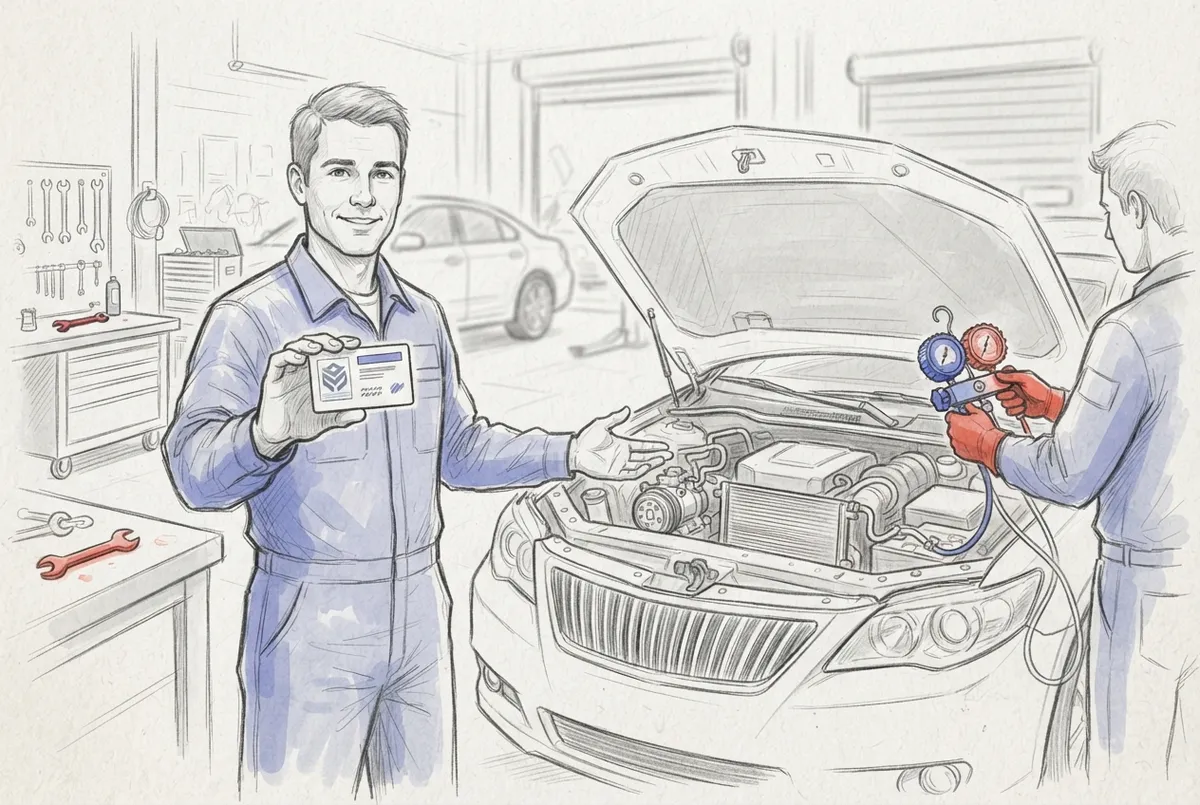
1. They Hold the Right Licenses and EPA Certifications
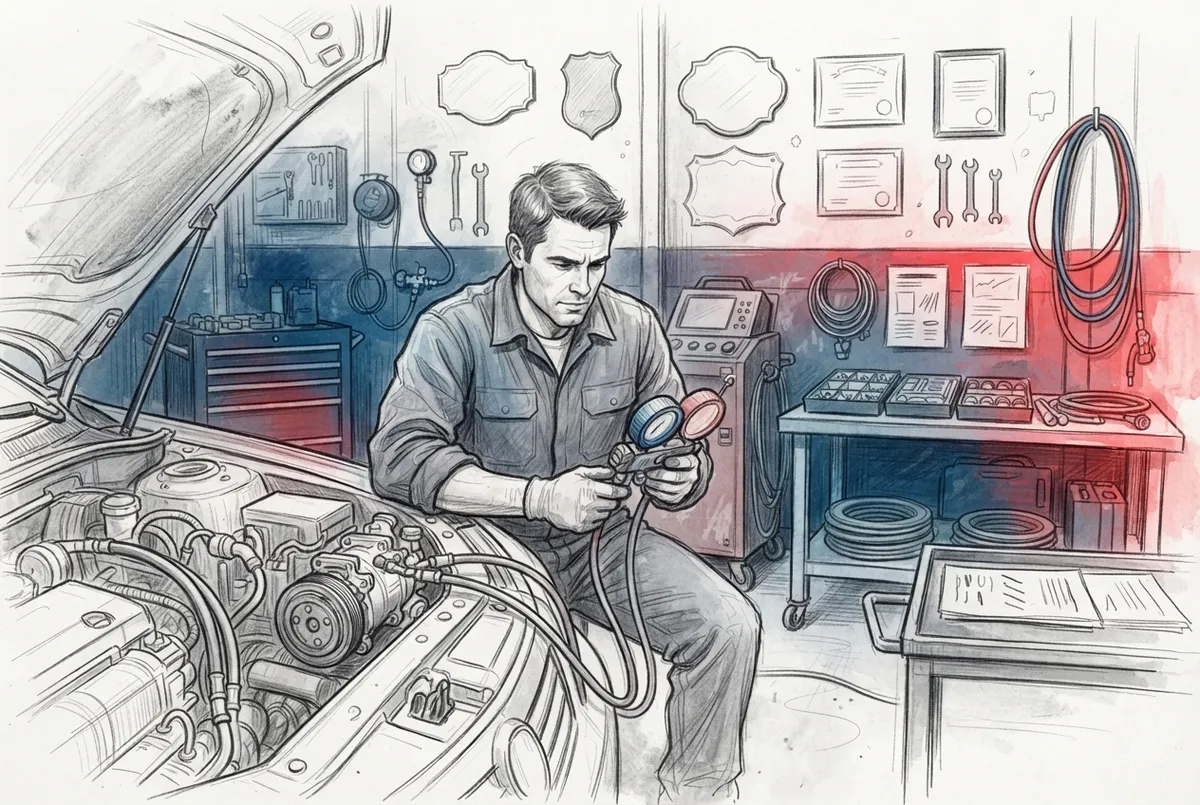
The best mechanics for AC repair don’t just “know cars.” They carry proof they’re qualified to touch refrigerant systems. Any technician who works on stationary or mobile equipment that could release regulated refrigerant needs an EPA Section 608 Technician Certification, at minimum for the applicable category.
There are four certification types recognized by the EPA: Type I, Type II, Type III, and Universal. Universal certification covers all three equipment categories, which is a strong sign a shop invests in broad training. Note that EPA credentials don’t expire, but many states and employers still require ongoing training to keep skills current.
- Ask if the technician holds EPA Section 608 or EPA 609 (for motor vehicle A/C) certification
- Confirm the shop’s business license is active with your state or local licensing board
- Look for additional credentials, like NATE certification or manufacturer-specific training
- Check if the company participates in quality-assurance programs recognized by ENERGY STAR
It’s worth noting that EPA certification is different from a state contractor license. One authorizes safe refrigerant handling. The other authorizes the business to legally operate as a contractor. The best shops have both covered.
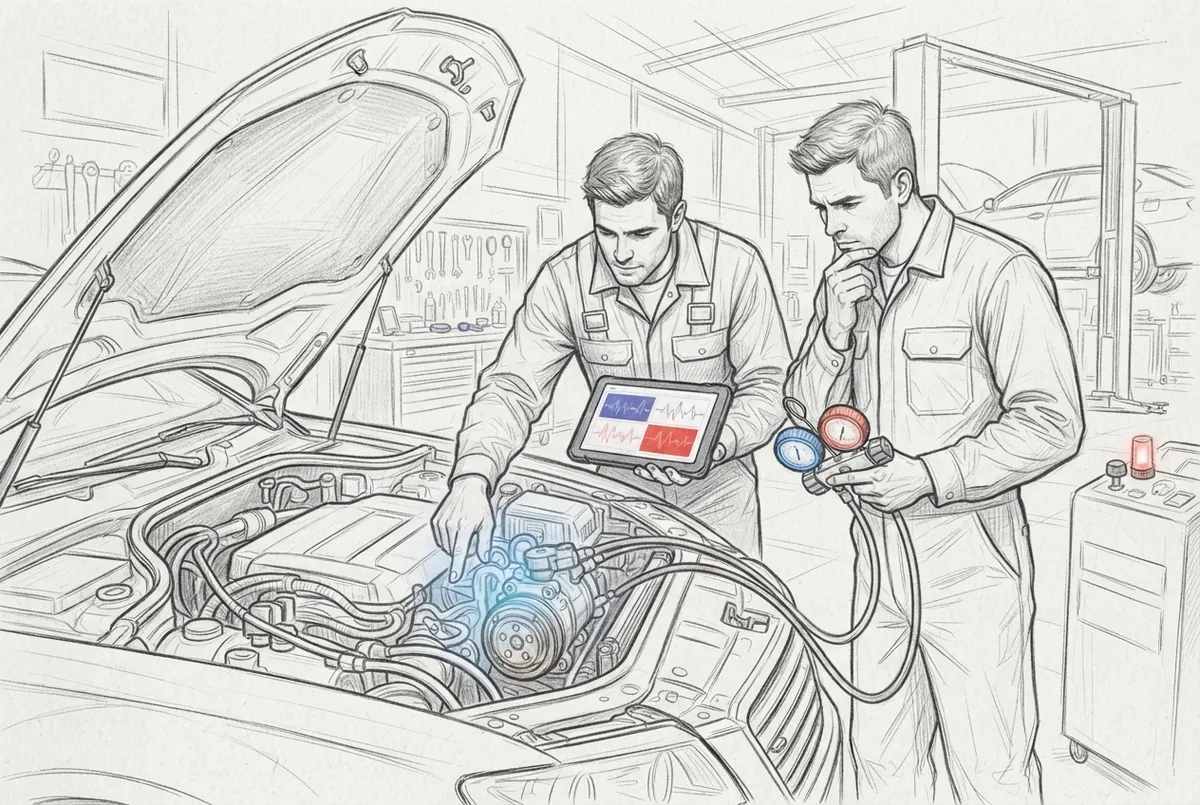
2. They Diagnose Before They Recommend Anything
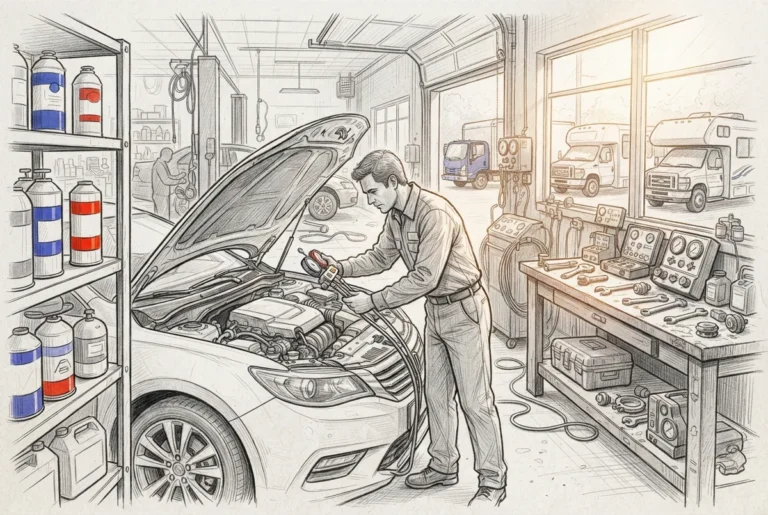
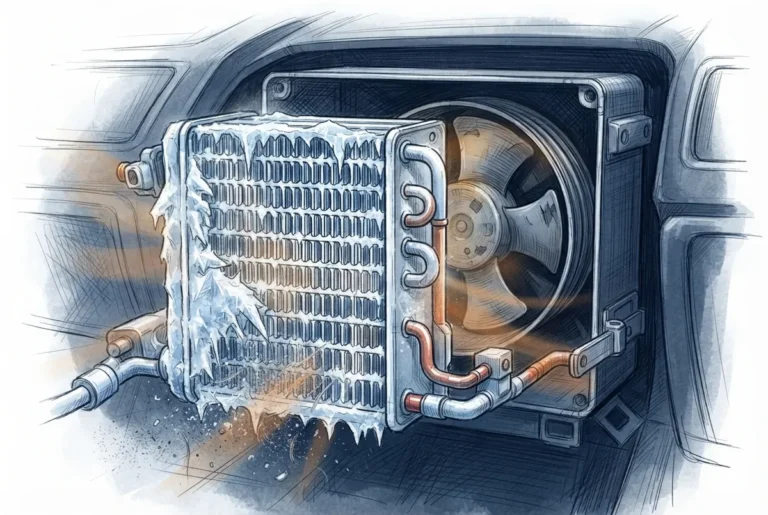
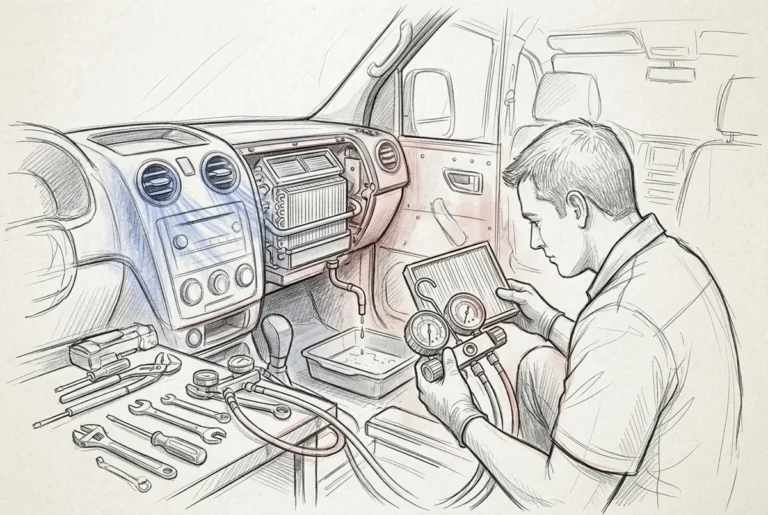
A trustworthy mechanic never jumps straight to “you need a new compressor” without testing first. Real diagnostics include electrical testing, airflow checks, refrigerant-pressure evaluation, leak assessment, and condensate-drain inspection.
If a shop wants to sell you a full system replacement before running these checks, that’s a warning sign. Diagnostics take time, but they save you money by catching the actual problem instead of throwing parts at a guess.
What a Proper A/C Diagnostic Visit Should Include
- Visual inspection of hoses, belts, and connections
- Electrical system and compressor clutch testing
- Refrigerant pressure readings on both high and low sides
- Leak detection using dye or electronic sniffers
- Airflow and cabin temperature testing
- Written explanation of findings before any repair begins
For a closer look at how proper diagnostics work, this breakdown of car AC diagnostic costs explains what you’re really paying for and why it matters.
3. They Give You a Written, Itemized Estimate
Nobody likes surprise charges. The best mechanics for AC repair put everything in writing before touching your vehicle. That estimate should include labor, diagnostic fees, parts, refrigerant type and quantity, disposal fees, taxes, and any other charges.
Comparing a few estimates side by side helps you spot red flags, like a bid that’s suspiciously low or one that’s vague about what’s actually included.
| Estimate Element | Why It Matters |
|---|---|
| Diagnostic fee | Shows the shop tests before quoting repairs |
| Refrigerant type and amount | Prevents overcharging or using the wrong refrigerant |
| Labor breakdown | Clarifies what work is actually being billed |
| Parts list with brand names | Helps you compare OEM vs. aftermarket options |
| Warranty terms | Protects you if the repair fails early |
If you want a deeper dive into pricing expectations, check out this guide on how much auto AC repair costs in 2026.
4. They Carry Insurance and Stand Behind Their Work
A shop worth trusting carries liability insurance and offers clear warranties on both parts and labor. Ask directly: what happens if the repair doesn’t hold up? A confident, experienced shop will have a straightforward answer and a process for handling callbacks.
This matters even more for fleet owners and bus operators, where downtime costs real money. A shop backed by decades of experience, insurance, and a solid warranty program reduces your risk significantly.
5. They Have Real Experience With Your Type of Vehicle or Equipment
AC systems in a sedan look nothing like the systems in a transit bus or a piece of heavy equipment. The best mechanics for AC repair specialize across categories, not just passenger cars.
Vehicle and Equipment Types to Consider
- Cars and light trucks: Everyday commuting and family vehicles needing fast, reliable diagnostics
- Heavy trucks and fleets: Long-haul rigs needing durable repairs and minimal downtime
- Buses and transit vehicles: Passenger comfort and safety compliance are non-negotiable
- RVs: Cooling systems that need to perform in remote locations, far from a shop
- Heavy equipment: Construction and agricultural machines where operator comfort prevents fatigue and mistakes
Marks Air, a family-owned and woman-owned shop in Tampa since 1971, built its reputation working across all of these categories. If you’re curious about their background, the About Marks Air page shares the story behind decades of specialized A/C service.
6. They Stock Quality Parts and Explain Your Options
Great mechanics don’t just fix your A/C. They explain what parts they’re using and why. Whether it’s OEM or aftermarket, you deserve to know the difference in cost, durability, and warranty coverage.
Shops that stock a wide range of components, including trusted industry brands, tend to fix things faster because they aren’t waiting days for a shipment. You can browse examples of what a well-stocked A/C parts inventory looks like on the AC Parts page, which covers everything from compressors to hose fittings.
7. They’re Transparent About Repair vs. Replacement
Sometimes a repair is the smart move. Other times, replacement makes more financial sense long-term. The best mechanics walk you through both options honestly, based on your system’s age, refrigerant type, and repair history.
If your system uses older refrigerant, a technician should also explain conversion options clearly. For example, many older vehicles need an R-134a to 1234yf conversion as refrigerant regulations continue to shift. A shop that walks you through this instead of upselling you blindly is one worth trusting.
8. They Have Verified Reviews and a Strong Local Reputation
Before you commit to any shop, check what real customers say. Reviews often reveal patterns, like whether a shop is upfront about pricing or tends to surprise customers with add-on charges.
Marks Air’s customers frequently highlight quick turnaround and honest communication. You can browse customer reviews directly, or see what people are saying on Yelp. It’s also smart to check a shop’s Visit us on Google — Marks Air listing for photos, ratings, and recent feedback from Tampa drivers and fleet managers.
Social proof matters too. Following a shop’s Facebook page or Instagram account can give you a behind-the-scenes look at their day-to-day work and community involvement.
9. They Invest in Ongoing Training and Industry Standards
A/C technology changes constantly, especially with new refrigerants and efficiency requirements. The best mechanics for AC repair keep learning. Look for shops that offer or require EPA 609 certification, HFO-1234yf training, and MVAC best practices for their staff.
Being a member of the Mobile Air Climate Systems Association (MACS) is another strong signal. It shows a shop stays connected to industry standards rather than relying on outdated methods. Marks Air also runs its own training programs, helping the next generation of technicians learn proper diagnostic and repair techniques.
Red Flags That Signal an Unreliable Shop
Not every shop deserves your trust or your money. Watch for these warning signs before handing over your keys.
- Pressure to replace the whole system without any diagnostic testing
- Vague flat-rate pricing with no itemized breakdown
- No proof of insurance or licensing when asked directly
- Refrigerant work performed by uncertified staff
- Demands for large upfront payments before any work begins
- No warranty offered on parts or labor
If you notice any of these during a shop visit or phone call, it’s smart to keep looking. The FAQs page at Marks Air answers many common questions upfront, which is exactly the kind of transparency you want to see from any shop.
Quick Comparison: What to Expect at Each Price Point
| Repair Type | Typical Complexity | What Drives the Cost |
|---|---|---|
| Recharge and leak check | Low to moderate | Refrigerant type, labor time, leak location |
| Compressor replacement | Moderate to high | Part cost, labor, associated component wear |
| Hose fabrication or repair | Moderate | Custom fitting, material, vehicle access |
| Full system replacement | High | Equipment cost, labor, permits if applicable |
For a deeper breakdown tailored to fleet and commercial vehicles, this resource on fleet vehicle AC repair tips is a great next read.
Wrapping It All Up
Finding the best mechanics for AC repair doesn’t have to feel like guesswork. Look for proper licensing, EPA certification, honest diagnostics, written estimates, and a track record of happy customers. Whether you’re driving a family car, managing a fleet, running a bus route, or keeping heavy equipment cool on a job site, the right shop makes all the difference between a quick fix and a headache that keeps coming back.
Marks Air has been serving Tampa’s drivers, fleet managers, and equipment operators since 1971, with the training, parts, and hands-on experience to back it up. If your A/C needs attention, don’t wait for the next heat wave to catch you off guard. Schedule service today, or simply call us at 813-988-1671 to talk with a real technician about what’s going on with your system.
FAQs
Q: How do I find the best mechanics for AC repair near me?
A: Start by checking for EPA certification, valid licensing, and solid reviews from real customers. It also helps to ask about their experience with your specific vehicle type, whether that’s a car, truck, bus, or RV. A shop like Marks Air, with decades of focused A/C experience in Tampa, is a great example of what to look for.
Q: Does an A/C repair technician need EPA Section 608 certification?
A: Yes, any technician handling regulated refrigerant needs EPA certification, either Section 608 for stationary equipment or Section 609 for motor vehicle A/C systems. This certification proves they know how to handle refrigerant safely and legally. It’s one of the easiest ways to confirm a shop takes compliance seriously.
Q: How much does auto air conditioner repair usually cost?
A: Costs vary widely depending on the issue, ranging from a simple recharge to a full compressor replacement. Getting a written, itemized estimate helps you understand exactly what you’re paying for. We break down typical pricing ranges in our guide on auto AC repair costs.
Q: How can I tell if my AC needs a repair or full replacement?
A: A proper diagnostic visit should reveal whether the issue is a simple fix, like a leak or worn part, or something bigger. If a shop suggests replacement without testing first, that’s a red flag worth questioning. Honest technicians will walk you through both options and explain the reasoning clearly.
Q: What are warning signs of an unreliable A/C repair shop?
A: Watch out for pressure to replace your whole system without testing, vague pricing, or a shop that can’t show proof of insurance. Demands for large upfront payments before work begins are another red flag. Trustworthy shops are transparent every step of the way, from diagnosis to final invoice.