Key Takeaways
-
A/C service involves inspecting the compressor, condenser, evaporator, hoses, belts, and electrical components—not just topping off refrigerant. Skipping these checks can lead to bigger and costlier problems.
-
Refrigerant doesn’t get ‘used up’ like fuel; if your A/C is low, there’s almost certainly a leak. Use UV dye and electronic leak detectors to find leaks in hoses, fittings, compressor seals, and condensers before they cause compressor failure.
-
The A/C compressor is the most expensive part of your system. Protect it by fixing leaks promptly and maintaining regular service—a small $200 leak repair now prevents a $1,000+ compressor replacement later.
-
Ensure your technician uses the correct refrigerant type for your vehicle. The industry is transitioning from R-134a to HFO-1234yf, which requires different equipment; using the wrong refrigerant damages your system.
-
Fleet operators need a preventive maintenance plan with scheduled inspections, parts inventory, and service records for each vehicle. Reactive repairs cause costly downtime; prevention always wins financially.
-
Watch for warning signs: warm air, unusual noises, weak airflow, musty odors, visible leaks, or frequent cycling on and off. Address these immediately to prevent expensive repairs and ensure summer comfort.
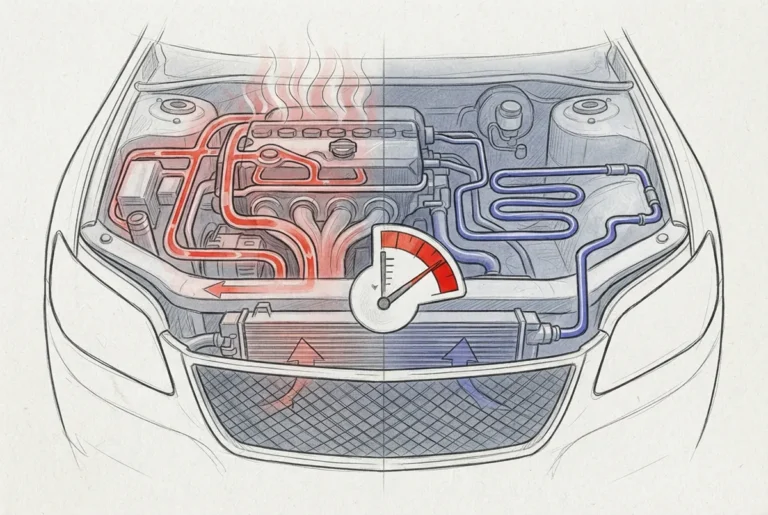
Tampa heat is no joke. When your vehicle’s air conditioning stops working, even a short drive can feel unbearable. Whether you’re a daily commuter, a truck driver logging long miles, or a fleet manager keeping a dozen vehicles on the road, a proper A/C service is one of the smartest investments you can make. The good news? Understanding how your vehicle’s cooling system works — and when to get it checked — can save you time, money, and a whole lot of sweat.
This guide breaks down 10 essential A/C service facts that every vehicle owner should know. From car owners to RV enthusiasts to heavy equipment operators, there’s something here for everyone. Let’s dive in and keep things cool!
1. A/C Service Is About More Than Just Refrigerant
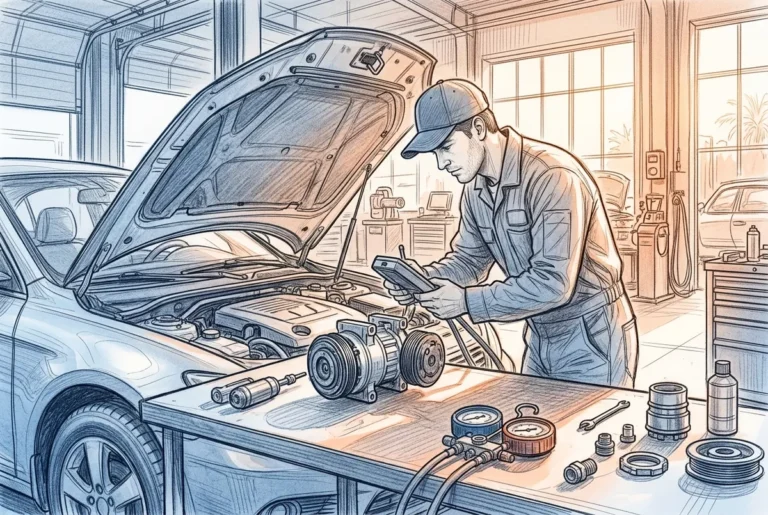
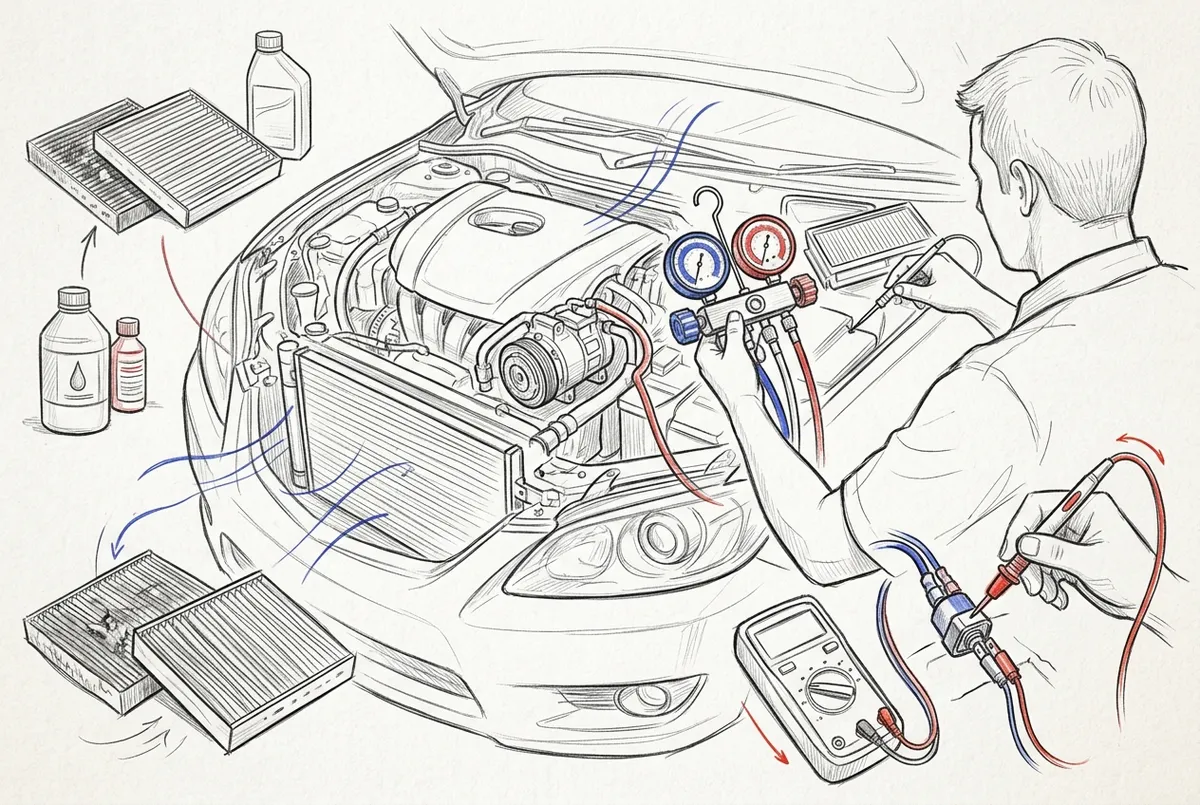
Many people think an A/C service just means topping off refrigerant. That’s a common misconception. A full A/C service includes inspecting the compressor, condenser, evaporator, hoses, belts, and electrical components. Skipping these checks can lead to bigger (and pricier) problems down the road.
Think of it like an oil change — you’re not just adding oil, you’re checking the whole system. A complete A/C inspection catches small issues before they turn into full breakdowns.
2. Warning Signs You Need A/C Service Right Away
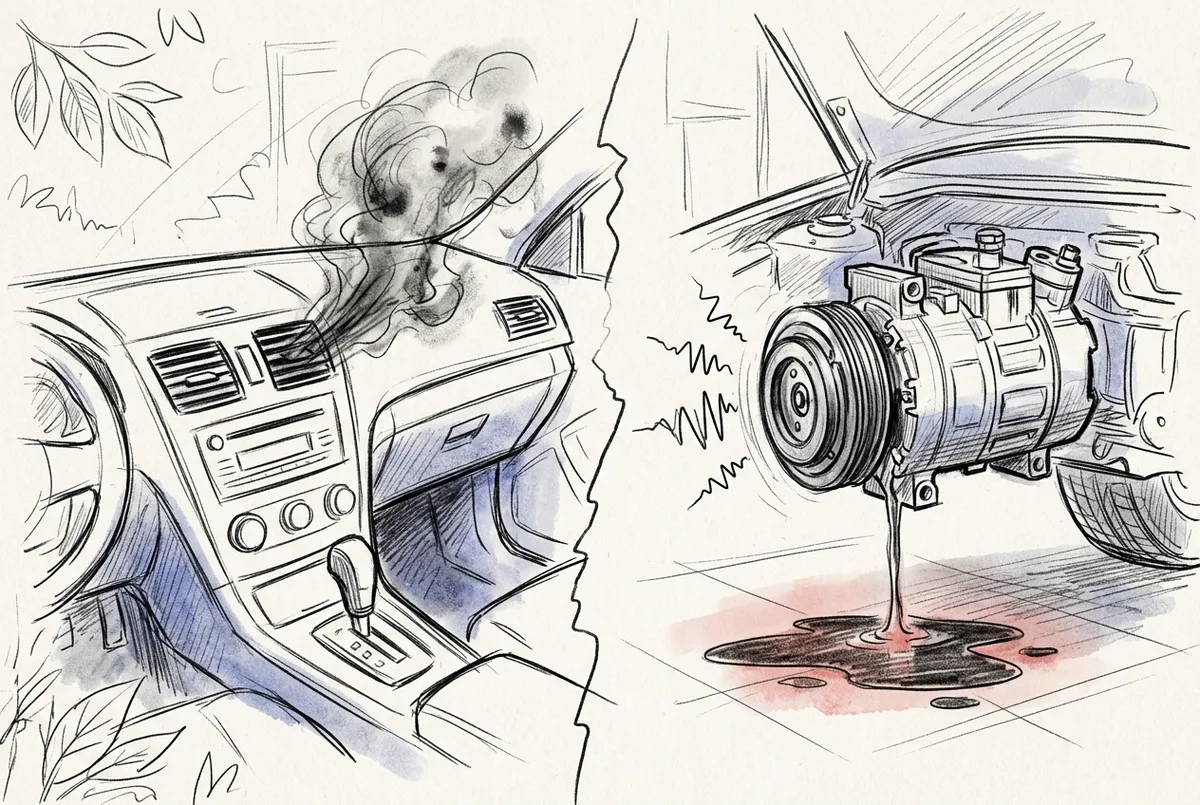
Your vehicle will often tell you when something’s wrong. Don’t ignore these red flags:
- Warm or lukewarm air blowing from vents
- Unusual noises when the A/C is turned on
- Weak or reduced airflow
- Unpleasant or musty odors from the vents
- Visible refrigerant leaks under the vehicle
- A/C cycling on and off too frequently
If you’re noticing any of these signs, it’s time to act fast. You can learn more in this helpful guide on 10 reasons your AC is blowing warm air. Catching issues early almost always means a simpler, cheaper fix.
3. Different Vehicles Need Different A/C Approaches
A sedan’s A/C system is very different from a transit bus or a piece of construction equipment. Each vehicle type has unique components, refrigerant requirements, and service needs. Here’s a quick breakdown:
| Vehicle Type | Common A/C Challenges | Service Frequency |
|---|---|---|
| Cars & Light Trucks | Refrigerant leaks, compressor wear | Every 1-2 years |
| Commercial Trucks | Heavy-duty compressor failure, hose damage | Every 6-12 months |
| Buses & Transit Vehicles | High passenger load, system strain | Every 6 months |
| RVs & Specialty Vehicles | System age, extended use during travel | Annually or before trips |
| Heavy Equipment | Extreme heat exposure, vibration damage | Every 6 months |
For those managing fleets, staying on top of each vehicle’s service schedule is critical. Check out these fleet vehicle A/C repair tips that save you money.
4. Refrigerant Type Matters More Than Ever in 2026
The automotive industry has been transitioning from R-134a refrigerant to the newer HFO-1234yf. This newer refrigerant has a much lower environmental impact. However, the two types require different equipment and handling procedures.
Using the wrong refrigerant can seriously damage your A/C system. Always make sure your service technician knows which refrigerant your vehicle requires. For more on this important topic, read about R-134a to 1234yf conversion.
5. A/C Leaks Are Sneaky — But Detectable
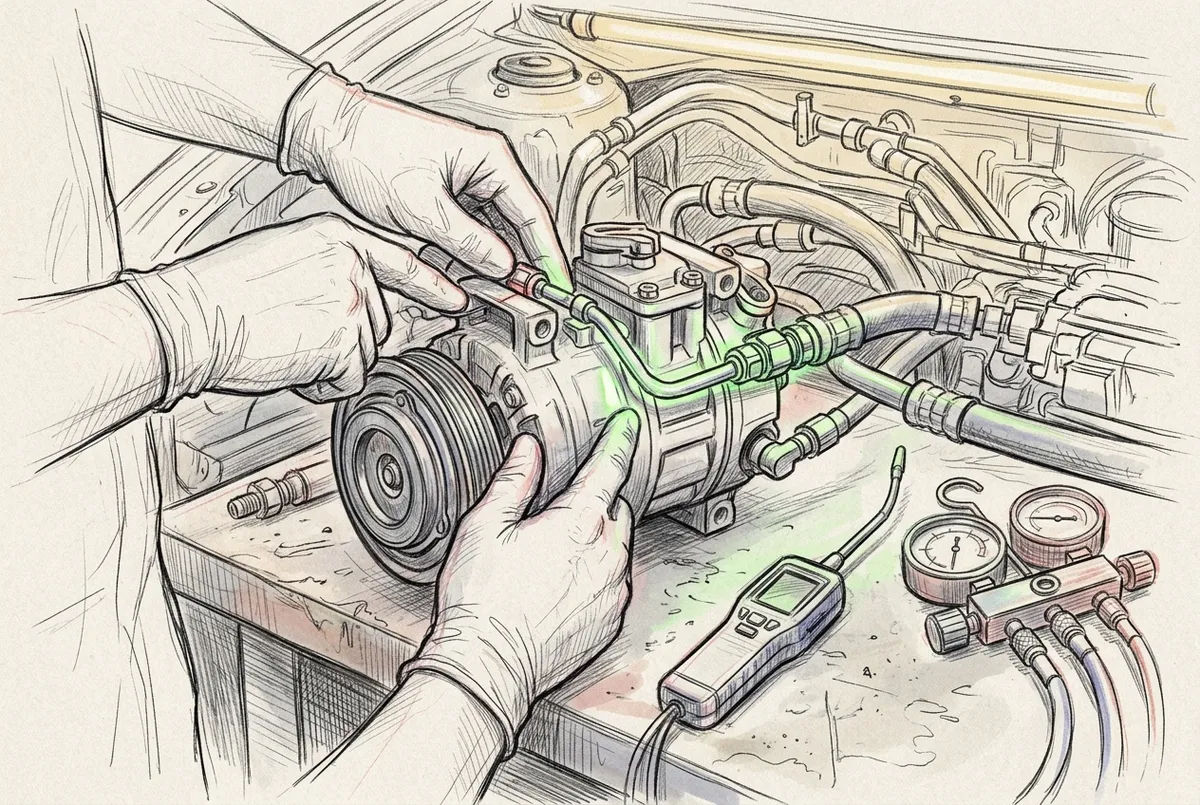
Refrigerant doesn’t get “used up” like fuel. If your A/C is low on refrigerant, there’s almost certainly a leak somewhere. Leaks can occur in hoses, fittings, the compressor, or the evaporator. They range from slow and barely noticeable to fast and obvious.
Technicians use UV dye and electronic leak detectors to find them. Here are common leak locations:
- Compressor shaft seals
- Evaporator core (inside the dash)
- Hose connections and O-rings
- Condenser (especially after road debris impact)
- Schrader valves
Don’t just refill the refrigerant and hope for the best. Fix the leak! You can learn more in this guide on A/C leak mistakes that cost car owners more money.
6. The A/C Compressor Is the Heart of Your System
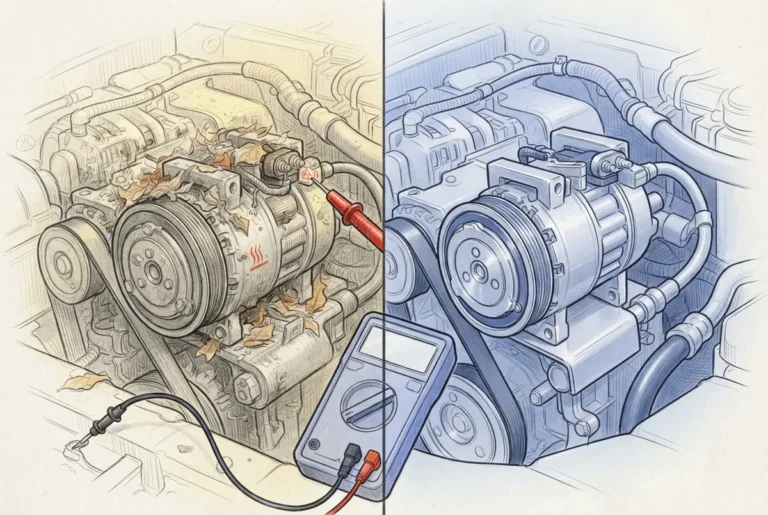
The compressor is the most critical — and most expensive — part of your vehicle’s A/C system. It pressurizes the refrigerant and keeps the whole system working. When it fails, your A/C stops cooling entirely.
Common causes of compressor failure include:
- Running a low-refrigerant system for too long
- Contaminated refrigerant or lubricating oil
- Physical damage from road debris
- Normal wear and tear over time
- Poor installation of a previous repair
Protecting your compressor starts with regular A/C service. If you suspect compressor trouble, don’t wait — learn more about how to fix an AC compressor in your vehicle.
7. Regular A/C Service Saves You Real Money
Skipping routine A/C service might seem like a way to save money. In reality, it often leads to much more expensive repairs. A small refrigerant leak that costs relatively little to fix can turn into a failed compressor costing hundreds or even thousands of dollars if ignored.
| Service Type | Typical Cost Range | What It Prevents |
|---|---|---|
| A/C Inspection | Low cost | Catching early issues |
| Leak Repair (minor) | Moderate | Compressor damage |
| Refrigerant Recharge | Moderate | System strain, part wear |
| Compressor Replacement | High | Full system failure |
| Full System Replacement | Very High | N/A — end stage |
For a deeper look at what A/C repairs cost, check out this guide on how much auto A/C repair costs in 2026. Staying proactive is always the smarter financial move.
8. Fleet Operators Need a Scheduled A/C Maintenance Plan
If you manage a fleet of vehicles, A/C service can’t be reactive. You need a plan. When one truck or bus breaks down in summer heat, it doesn’t just inconvenience drivers — it disrupts schedules, costs money in downtime, and can affect safety.
A smart fleet A/C maintenance plan includes:
- Scheduled inspections for every vehicle in the fleet
- A parts inventory for common A/C components
- Records tracking each vehicle’s service history
- Prompt repairs when issues are spotted
Want to see how preventive service stacks up against reactive repairs? Read this comparison of preventive vs. reactive fleet A/C maintenance. Spoiler: prevention wins every time.
9. Certified Technicians Make a Huge Difference
Not all A/C service is created equal. Working with a certified, experienced technician means your vehicle gets the right diagnosis the first time. In the automotive A/C world, EPA 609 certification is a key credential for technicians who handle refrigerants. It’s required by law in the United States.
Technician training is actually a growing priority in 2026. With newer refrigerants like HFO-1234yf and more complex vehicle systems, specialized knowledge matters more than ever. Marks Air — Tampa’s trusted A/C specialist since 1971 — even offers comprehensive A/C training programs including EPA 609 certification and HFO-1234yf courses. The team is proud to be a member of the Mobile Air Climate Systems Association (MACS), staying current with the latest industry standards.
10. Choosing the Right A/C Service Shop Matters
With so many options out there, finding the right A/C service shop can feel overwhelming. Here’s what to look for when choosing where to take your vehicle:
- A/C specialization: Look for a shop that focuses specifically on automotive A/C systems, not a general repair shop that does A/C on the side.
- Experience and credentials: Years in business and industry certifications are strong indicators of quality.
- Parts availability: A good shop should have access to a wide range of quality A/C parts — ideally in stock for same-day service.
- Transparent diagnostics: The best shops explain what’s wrong and why before starting any repair.
- Warranty on repairs: Reputable shops stand behind their work with a warranty.
For more guidance on finding the right shop, check out how to find reliable auto A/C service in Tampa Bay. You can also read honest customer experiences on Yelp and see what the community is saying about local shops before you commit.
Bonus Tips for Keeping Your A/C Running Strong
Beyond scheduled service, there are simple habits that help your vehicle’s A/C last longer and perform better:
- Run your A/C for at least 10 minutes once a week, even in cooler months — this keeps seals lubricated and prevents refrigerant from leaking slowly
- Park in the shade when possible to reduce heat load on your A/C system
- Replace cabin air filters regularly — a clogged filter reduces airflow significantly
- Don’t blast cold air immediately on startup — let the engine warm up slightly first
For RV owners heading out on a summer trip, it’s smart to get a full inspection before you hit the road. Learn about RV air conditioner repair mistakes to avoid so your adventure stays comfortable from start to finish.
Why Tampa Vehicle Owners Trust Marks Air
Tampa summers are hot and humid — and they’re not getting any cooler. That’s why having a reliable A/C service partner in your corner is so important. Marks Air has been Tampa’s go-to A/C specialist since 1971, serving cars, trucks, buses, RVs, and heavy equipment from one fully equipped facility. As a family-owned, woman-owned business, they bring personal care and deep expertise to every job.
The team stocks a full line of A/C parts — including the KOOL-TEMP parts line — so you’re never waiting long for the components you need. You can follow Marks Air on Facebook for helpful tips, updates, and special offers. And when you’re ready to schedule service, visit Marks Air on Google to find them easily and read what their happy customers have to say.
Conclusion
A well-maintained A/C system isn’t a luxury — it’s a necessity, especially in Tampa’s relentless heat. Whether you drive a personal car, manage a commercial fleet, or operate heavy equipment, regular A/C service protects your investment, keeps you comfortable, and prevents costly breakdowns. The 10 facts above give you a solid foundation for making smart decisions about your vehicle’s cooling system.
Don’t wait until you’re sweating through a broken A/C on the highway. Take action today and keep every ride cool and comfortable. Schedule your A/C service appointment with Marks Air or give the team a call at 813-988-1671 — Tampa’s A/C specialists are ready to help you stay cool all year long!
FAQs
Q: How often should I get an A/C service on my vehicle?
A: For most personal vehicles, an A/C service every one to two years is a great rule of thumb. If you drive a commercial truck, bus, or heavy equipment, you’ll want to check in every six to twelve months — these systems work harder and face tougher conditions. When in doubt, a quick inspection never hurts!
Q: Can I drive my vehicle if the A/C isn’t working?
A: Technically yes, but it’s not a great idea — especially in Tampa’s heat. A faulty A/C system can sometimes signal deeper mechanical issues, and driving in extreme heat without cooling can affect driver alertness and safety. It’s always smarter to get it checked out sooner rather than later.
Q: Why is my A/C blowing cold and then warm alternately?
A: Intermittent cooling usually points to a few common culprits — a refrigerant leak, a failing compressor clutch, or a clogged expansion valve. It can be tricky to diagnose without the right equipment, so a visit to an A/C specialist is the best move. Don’t ignore it; intermittent problems tend to get worse over time.
Q: Is A/C service different for RVs compared to regular cars?
A: Yes, RV A/C systems are often larger, more complex, and may use different components than standard passenger vehicles. They also tend to work harder during long trips in hot weather. It’s a good idea to get your RV’s A/C inspected before any big summer adventure to avoid being stranded without cool air!
Q: What’s the difference between an A/C recharge and a full A/C service?
A: An A/C recharge simply adds refrigerant back to the system — but it doesn’t fix the reason the refrigerant ran low in the first place. A full A/C service includes a complete inspection of all components, leak detection, and any necessary repairs. A full service gives you lasting results, not just a temporary fix.