Key Takeaways
-
42% of A/C failures stem from lack of routine maintenance, while refrigerant leaks cause 30% of emergencies—regular inspections reduce breakdown risk by 50%.
-
Emergency A/C repairs cost $600–$1,100 compared to $300–$550 for routine service; delaying action can escalate costs to $5,000+ for major system failures.
-
Seven critical warning signs demand immediate professional attention: warm air blowing, unusual noises, strange odors, repeated cycling, visible refrigerant leaks, complete shutdown, and interior water leaks.
-
Never attempt DIY repairs on refrigerant or electrical issues; hire technicians with EPA Section 608/609 certification who have experience with your specific vehicle type.
-
Perform preventive maintenance before summer: inspect A/C systems, check refrigerant levels, replace cabin filters, and test compressor clutch engagement to avoid emergencies.
-
Smart HVAC technology with IoT sensors can detect A/C problems early, cutting response times in half for fleet operators and helping avoid costly breakdowns during peak heat.
Picture this: It’s a sweltering Tampa summer day, you’re stuck in traffic, and your vehicle’s A/C suddenly stops blowing cold air. Your first instinct might be to roll down the windows and hope for the best. But here’s the thing — ignoring a vehicle A/C emergency can turn a minor fix into a costly repair fast. Knowing when to act quickly can save you time, money, and a lot of discomfort. Whether you drive a personal car, a commercial truck, a bus, an RV, or heavy equipment, your A/C system deserves prompt attention when something goes wrong. In fact, searches for emergency AC repair spike nearly 400% from winter to late fall — proof that A/C crises don’t come with a warning. This guide walks you through 7 key signs that your vehicle needs urgent A/C attention, plus tips to help you respond wisely and find the right help fast.
Why Vehicle A/C Emergencies Happen
Vehicle air conditioning systems work hard, especially in Florida’s brutal heat. Understanding why breakdowns happen helps you stay one step ahead. According to industry data, 42% of A/C failures come from a lack of regular maintenance, while refrigerant leaks account for 30% of A/C emergencies. Poor airflow causes over 50% of system breakdowns during heatwaves — and Tampa summers are no joke.
Homeowners who stick to a regular maintenance schedule are 50% less likely to face emergencies. The same logic applies to your vehicle. Routine checkups go a long way toward keeping you cool when it matters most. You can learn more about 5 AC maintenance tips every Tampa vehicle owner needs to stay ahead of costly surprises.
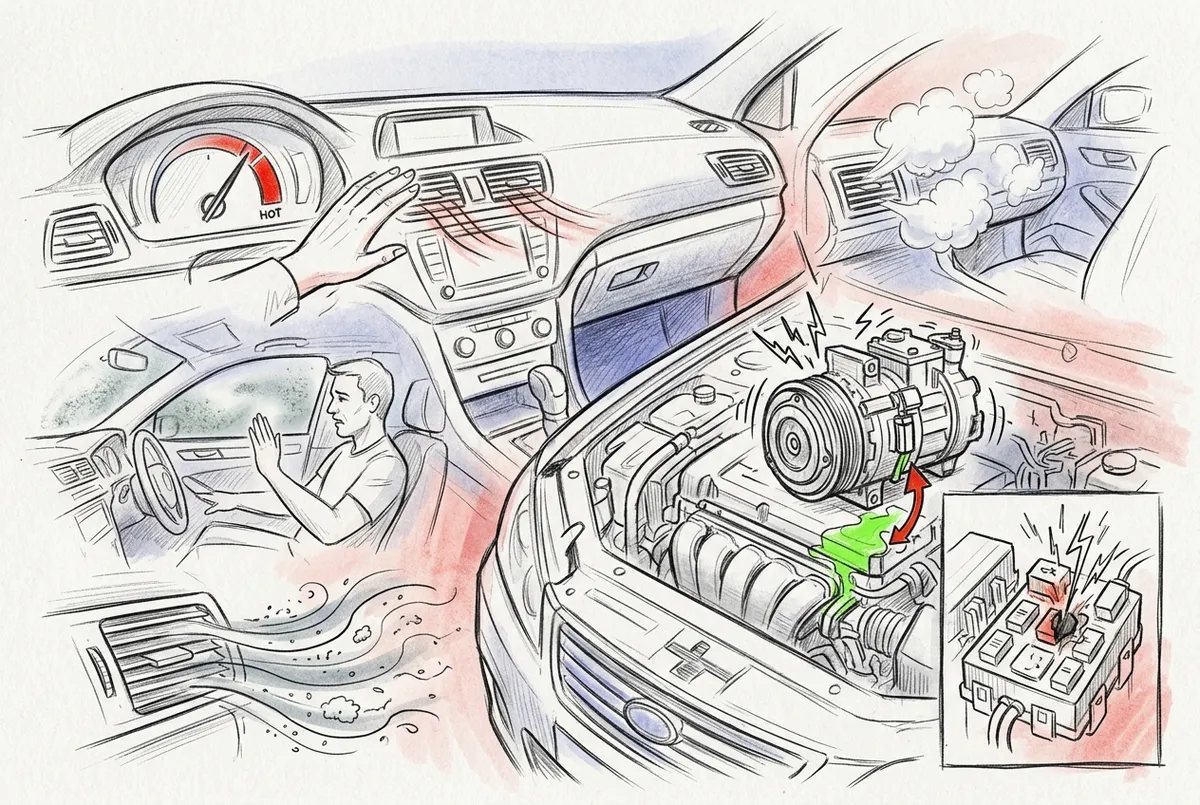
The 7 Signs You Need Emergency AC Repair Right Now
1. Your A/C Is Blowing Warm Air
This is the most obvious red flag. If your vents are pushing out warm or hot air instead of cold, something is seriously wrong. It could be a refrigerant leak, a failed compressor, or a clogged expansion valve. Don’t wait on this one — especially if you’re driving in Tampa’s summer heat. Check out 10 reasons your AC is blowing warm air and how to fix it for a deeper look at the common causes.
2. You Hear Unusual Noises When the A/C Runs
Strange sounds like grinding, squealing, or rattling when your A/C kicks on are a warning you shouldn’t ignore. These noises often point to a failing compressor clutch or debris caught in the blower fan. Left unaddressed, a small mechanical issue can escalate into a full system failure — and a much bigger repair bill.
3. You Smell Something Off Inside the Cabin
A musty, burning, or chemical smell coming from your vents is never a good sign. Musty odors can indicate mold buildup in the evaporator. A burning smell may signal electrical issues. A chemical or sweet scent could point to a refrigerant leak — which requires immediate professional attention due to safety risks. If you notice any unusual odors, it’s time to call for emergency AC repair right away.
4. The System Cycles On and Off Repeatedly
If your A/C keeps turning on and off without maintaining a steady temperature, this is called short cycling. It’s often a sign of low refrigerant, a faulty thermostat sensor, or an overheating compressor. Short cycling puts extra strain on the entire system and dramatically shortens its lifespan if not addressed quickly.
5. There’s Visible Refrigerant Leaking
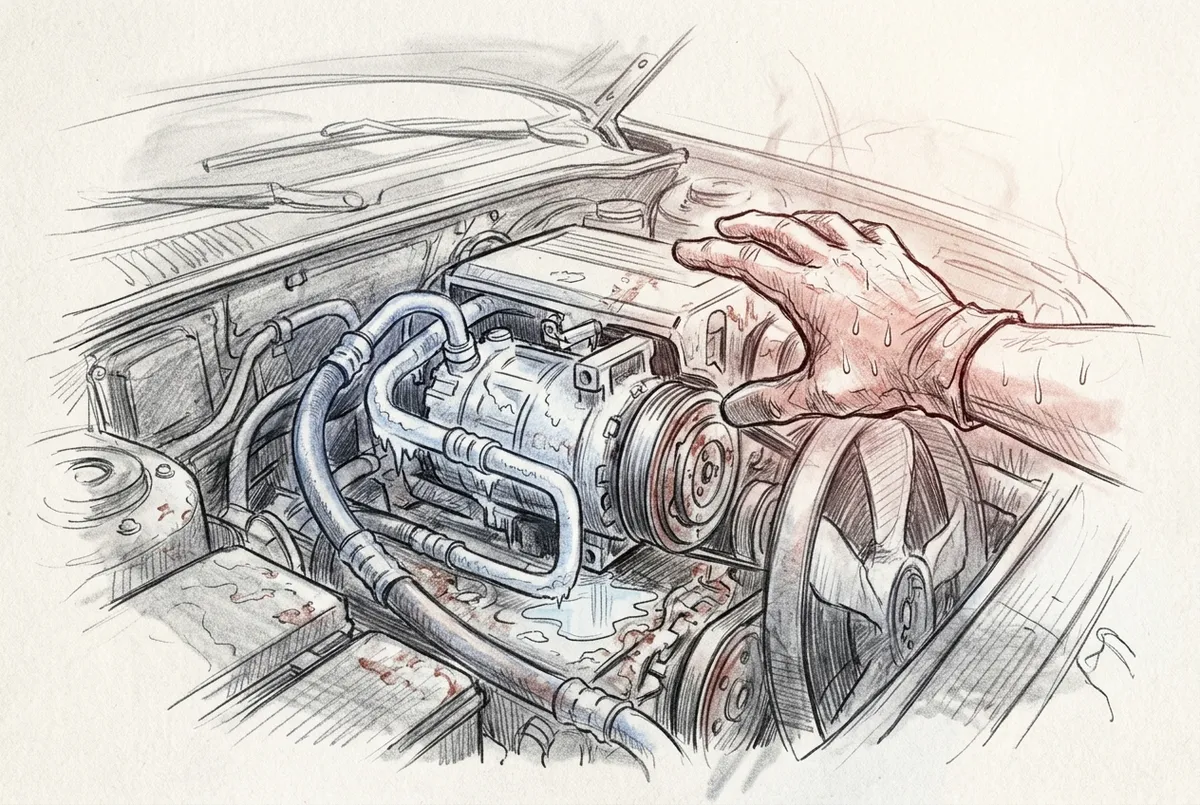
Refrigerant leaks are one of the most common A/C emergencies, making up 30% of all urgent calls. If you notice oily residue near A/C connections or around the compressor, that’s a clear sign of a leak. Refrigerant is essential to the cooling cycle — without it, your system simply can’t cool the air. Plus, handling refrigerant requires EPA Section 608 certification, so this is strictly a job for qualified technicians. You can learn more about what’s involved in proper vehicle AC services at a certified shop.
6. Your A/C Stops Working Completely
A total A/C shutdown in the middle of summer is a genuine emergency — especially for truck drivers, bus operators, and heavy equipment operators who depend on a functional cab to stay safe and productive. Complete failure could stem from a blown fuse, electrical fault, failed compressor, or a combination of issues. Emergency AC repair in Tampa is available to get you back on the road quickly and safely.
7. You Notice Water Leaking Inside Your Vehicle
Finding water pooling on your floorboard or dashboard is alarming. While some condensation is normal in A/C operation, excess water dripping inside the cabin usually means a clogged drain line. If left unattended, this can lead to mold growth and interior damage — making a small fix turn into a much bigger headache.
Emergency A/C Repair Cost: What to Expect
Nobody likes surprise costs, so here’s a straightforward breakdown of what emergency vehicle A/C repair typically runs compared to routine service. Emergency repairs cost more because of the urgency, complexity, and specialized parts required.
| Service Type | Typical Cost Range | Notes |
|---|---|---|
| Routine A/C Repair | $300 – $550 | Planned, non-urgent service |
| Emergency A/C Repair | $600 – $1,100 | Urgent, often complex repairs |
| Major System Failure | Up to $5,000+ | Compressor replacement, system damage |
| Full System Replacement | $10,000 – $50,000+ | Heavy equipment and specialty vehicles |
These numbers reinforce why acting fast matters. The sooner you address a problem, the less likely it is to escalate into a more expensive repair. And if you’re weighing your options, this guide on AC repair vs. AC replacement can help you make a smart decision.
What to Do When You Face a Vehicle A/C Emergency
When your A/C fails, a calm and methodical response makes a big difference. Here are the steps to follow:
- Pull over safely if you’re driving and conditions become unsafe due to extreme heat, particularly for heavy equipment operators or bus drivers with passengers on board.
- Turn off the A/C to prevent further damage to the compressor or other components while the system is compromised.
- Check for obvious signs like refrigerant leaks, unusual odors, or visible damage under the hood.
- Don’t attempt a DIY fix on refrigerant or electrical issues — improper repairs can create safety hazards and increase costs significantly.
- Contact a certified A/C technician right away for a proper diagnosis and fast repair.
How to Choose the Right Emergency A/C Technician for Your Vehicle
Not every mechanic is qualified to handle complex vehicle A/C systems, especially for buses, RVs, heavy equipment, and commercial fleets. Here’s what to look for when choosing a technician for emergency AC repair:
- EPA Section 608 or 609 certification — required for handling refrigerants legally and safely
- Experience with your specific vehicle type — cars, trucks, buses, RVs, and heavy equipment each have different A/C configurations
- Access to quality parts — a shop that stocks components in-house can turn repairs around much faster
- Transparent diagnostics — a good technician explains what’s wrong and why before starting work
- Warranty on repairs — protects you if an issue reoccurs after the fix
If you want to dig deeper into what to look for, this guide to finding reliable auto A/C service in Tampa Bay is a great starting point. You can also check out customer reviews to see what others are saying about their experience.
Smart Technology Is Changing Emergency A/C Response
The A/C repair industry is evolving fast. Smart HVAC adoption increased 23% in 2026, and AI-driven diagnostics are making it easier to detect problems before they become full-blown emergencies. IoT sensors and predictive maintenance tools can alert fleet operators to early signs of A/C failure — cutting response times in half.
For fleet owners and bus operators managing multiple vehicles, this technology is a game changer. Instead of waiting for a breakdown, smart systems flag issues early. Pairing that with regular inspections and a trusted local A/C specialist keeps your fleet running smoothly year-round.
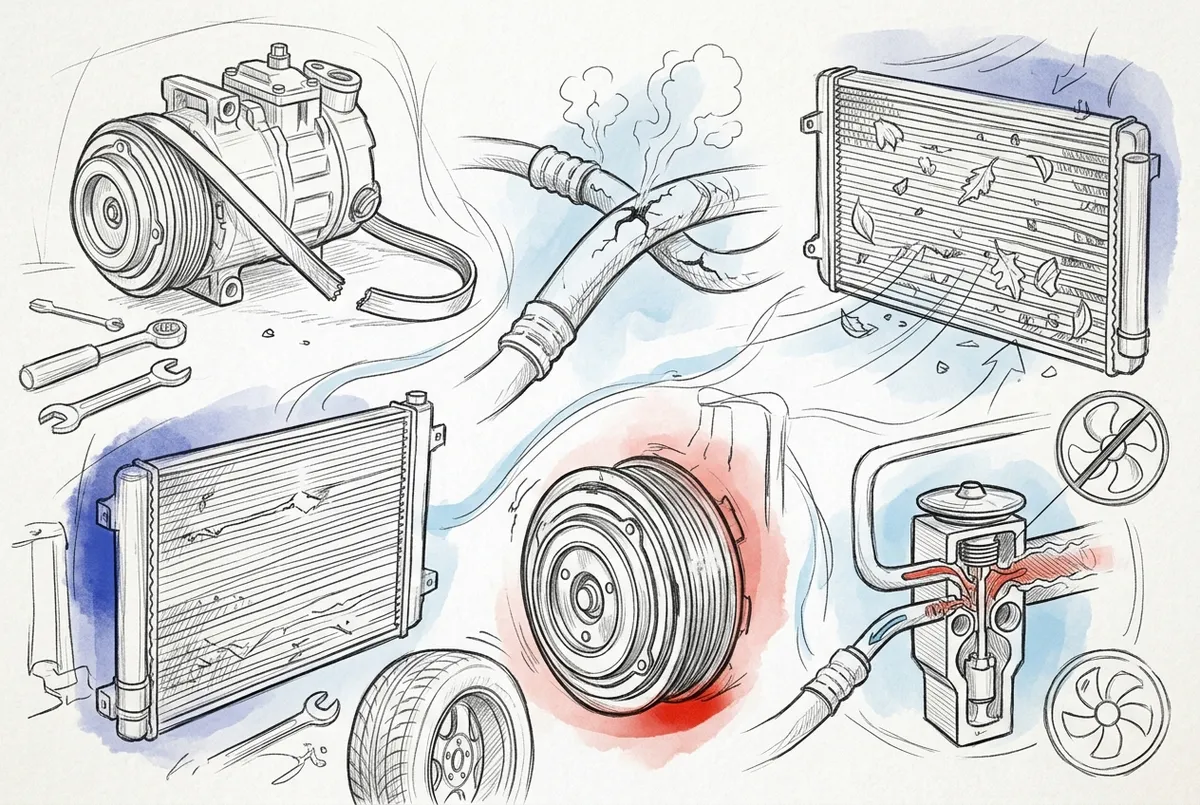
Common Causes of Vehicle A/C Failures at a Glance
- Lack of routine maintenance (42% of all A/C failures)
- Refrigerant leaks (30% of A/C emergencies)
- Continuous operation without adequate airflow (50%+ of heatwave breakdowns)
- Worn or failing compressor clutch
- Clogged condenser or evaporator coils
- Electrical faults or blown fuses
- Broken or cracked A/C hoses
If you want to know exactly which A/C components are most vulnerable, check out 6 A/C parts every vehicle owner should know in 2026. And when you need replacement parts fast, Marks Air’s in-house AC parts inventory includes same-day availability on many key components.
Prevention Is Always Cheaper Than Emergency Repairs
The best emergency is the one that never happens. Regular A/C service dramatically reduces your risk. Drivers who maintain their A/C systems consistently are 50% less likely to face sudden breakdowns. That’s a stat worth taking seriously — especially in a city like Tampa where the heat is relentless from April through October.
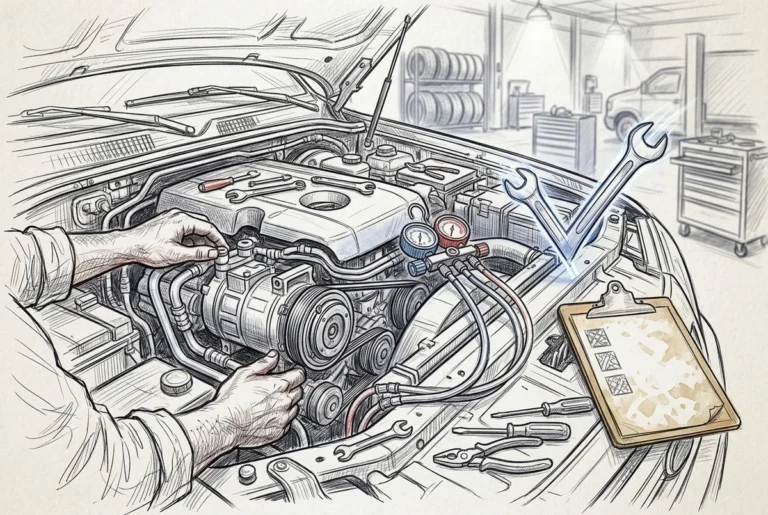
Here’s a simple preventive maintenance checklist to keep in mind:
- Schedule a full A/C inspection at the start of every summer season
- Check refrigerant levels regularly — low refrigerant is a slow leak waiting to get worse
- Replace cabin air filters on schedule to maintain proper airflow
- Inspect all A/C hoses and connections for signs of wear or cracking
- Test the compressor clutch engagement before peak season arrives
You can also learn more about why your vehicle needs an A/C tune-up in Tampa to stay ahead of the summer heat.
Why Tampa Vehicle Owners Trust Marks Air
Marks Air has been Tampa’s go-to A/C specialist since 1971. As a family-owned, woman-owned business, they focus exclusively on vehicle and equipment air conditioning — which means they’re not generalists; they’re specialists who know A/C systems inside and out. From personal cars and commercial trucks to RVs, buses, and heavy equipment, they handle it all at their fully equipped Tampa facility.
They’re also a proud member of the Mobile Air Climate Systems Association (MACS), keeping their team aligned with the latest A/C standards and technology. Follow their updates on Facebook and see why so many Tampa vehicle owners keep coming back year after year. You can also check out their reviews on Google to hear directly from satisfied customers.
Conclusion
A vehicle A/C emergency doesn’t have to derail your day — as long as you know the signs and act quickly. From warm air blowing from vents to strange smells and complete system shutdowns, each warning sign is a signal to get professional help fast. The longer you wait, the more a small issue can spiral into a costly repair. Regular maintenance is your best defense, but when emergencies do strike, having a trusted local specialist on speed dial makes all the difference.
Don’t sweat it out any longer than you have to. Schedule your emergency AC service with Marks Air today or call us at 813-988-1671 to get expert help fast. Your comfort — and your vehicle — deserve nothing less.
FAQs
Q: What are the signs I need emergency AC repair for my vehicle right now?
A: If your vehicle’s A/C is blowing warm air, making strange noises, producing unusual smells, or has stopped working entirely, those are clear signs you need emergency AC repair immediately. Don’t wait — these issues can escalate quickly, especially during Tampa’s brutal summer heat!
Q: How much does emergency AC repair cost for a vehicle?
A: Emergency vehicle A/C repairs typically range from $600 to $1,100, compared to $300–$550 for routine service. Major failures like a compressor replacement can reach $5,000 or more, which is why catching issues early really pays off.
Q: Why are emergency AC repairs more expensive than regular ones?
A: Emergency repairs cost more because they require urgent scheduling, immediate parts availability, and often involve more complex diagnostics under pressure. The good news is that regular maintenance dramatically reduces the likelihood of needing emergency service in the first place!
Q: What should I look for when hiring a technician for emergency AC repair?
A: Look for EPA Section 608 or 609 certification, experience with your specific vehicle type (car, truck, bus, RV, or heavy equipment), transparent diagnostics, in-house parts availability, and a warranty on all repairs. These qualities ensure you get fast, reliable results.
Q: How can I prevent vehicle AC emergencies in the future?
A: The best prevention is regular maintenance — get your A/C inspected before summer, check refrigerant levels, replace cabin filters on schedule, and inspect hoses for wear. Drivers who stay on top of maintenance are 50% less likely to face a sudden A/C breakdown!