Key Takeaways
-
Get a proper diagnostic before assuming compressor failure—symptoms like warm air or grinding noises can be caused by bad capacitors, worn contactors, damaged wiring, or refrigerant leaks, so misdiagnosis leads to unnecessary expenses.
-
Ensure technicians are EPA Section 608/609 certified and follow proper refrigerant recovery, evacuation, and system cleanup; skipping contamination cleanup after compressor failure often causes repeat failures within months.
-
Always request a written, itemized estimate that details the diagnosed cause, parts and labor separately, refrigerant type, warranty terms, and any contamination cleanup work required before committing to replacement.
-
Choose a shop experienced with your specific vehicle type—passenger cars, trucks, buses, RVs, and heavy equipment have different complexity levels and service needs, especially important in Tampa's year-round AC demands.
If your car’s AC is blowing warm air in Tampa’s brutal heat, you’re probably wondering if you need a whole new compressor or something simpler. That’s a fair question, and it’s one we hear all the time here in Tampa. Sitting in traffic on I-275 with no cool air is more than annoying, it’s downright miserable when temperatures climb into the 90s.
The good news is that ac compressor replacement tampa jobs don’t have to be scary or confusing once you understand what’s actually going on under the hood. Whether you’re a daily commuter, a long-haul trucker, a bus operator, an RV owner heading out for a road trip, or you manage a whole fleet of vehicles, this guide breaks down what you need to know. We’ll walk through real signs of compressor trouble, what a proper replacement involves, rough cost ranges, and how to pick a shop you can actually trust. Let’s get your ride cool again.
1. Know the Real Signs of a Failing AC Compressor
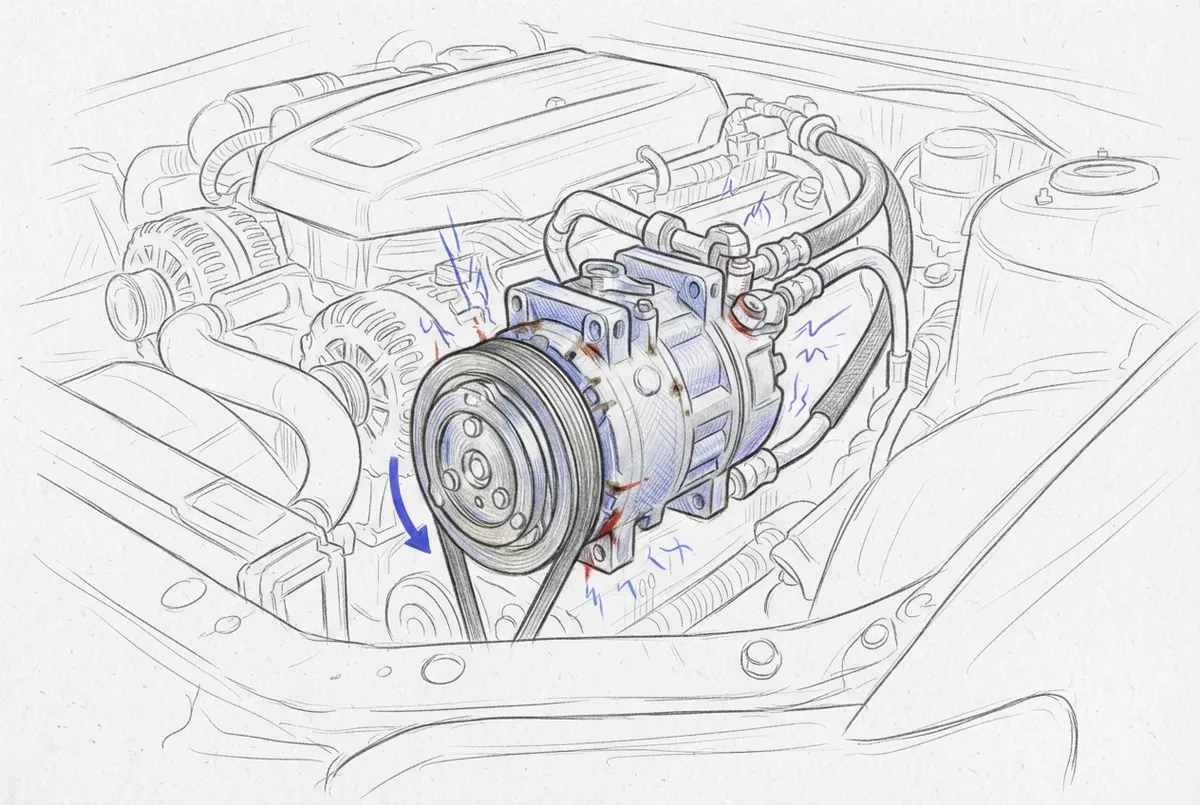
Your AC compressor is basically the heart of your cooling system. It pumps refrigerant between the coils so cold air can blow through your vents. When it starts failing, your car usually gives you some warning signs first.
Here are the most common symptoms drivers report before a compressor fully gives out:
- Warm air blowing even with the AC cranked to max
- Loud grinding, squealing, or clunking noises from under the hood
- The AC clutch not engaging when you turn the system on
- Visible oily residue or refrigerant leaks near the compressor
- The AC working intermittently, cooling one minute and warm the next
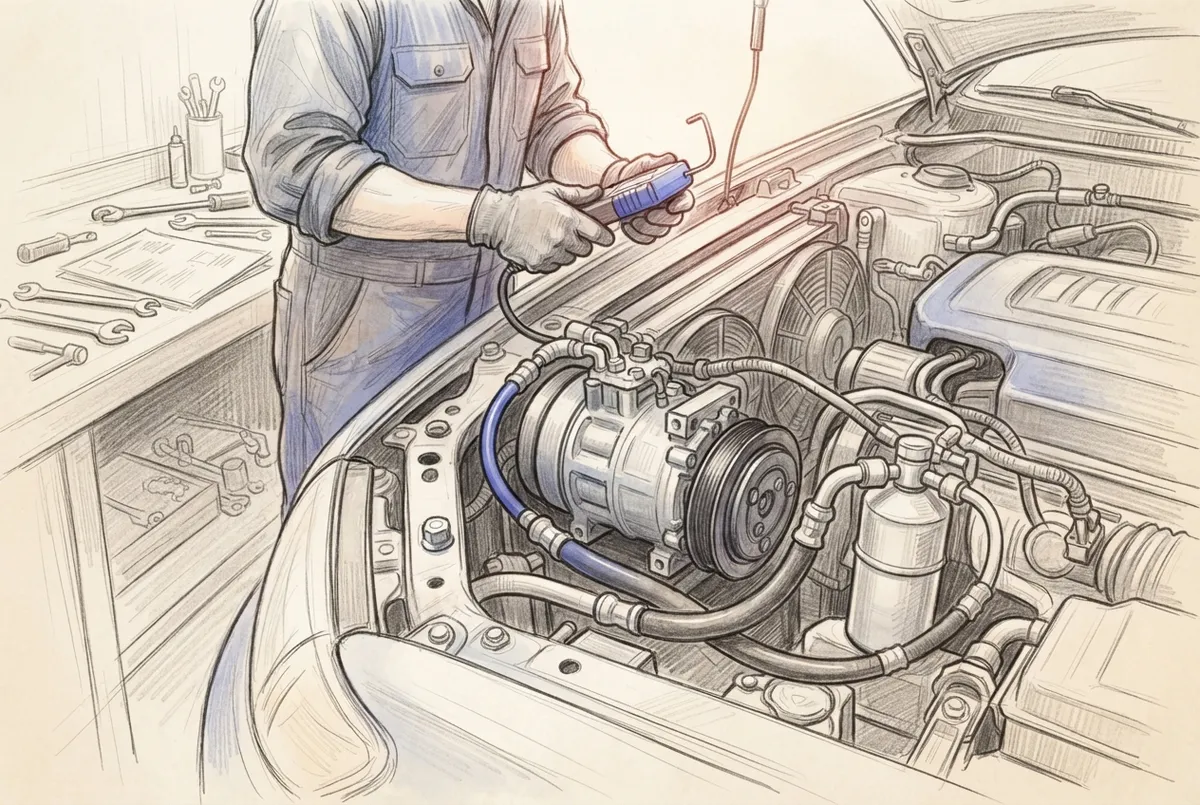
Here’s the tricky part though: many of these symptoms don’t always point to the compressor itself. A bad capacitor, a worn-out contactor, damaged wiring, a broken fan, or a simple refrigerant leak can all mimic compressor failure. That’s why a proper diagnostic check always comes first. Guessing wrong means paying for a repair you didn’t need, so it pays to get this checked before assuming the worst. Our team walks through common troubleshooting steps with every vehicle that comes through our doors.
2. Understand What Compressor Replacement Actually Involves
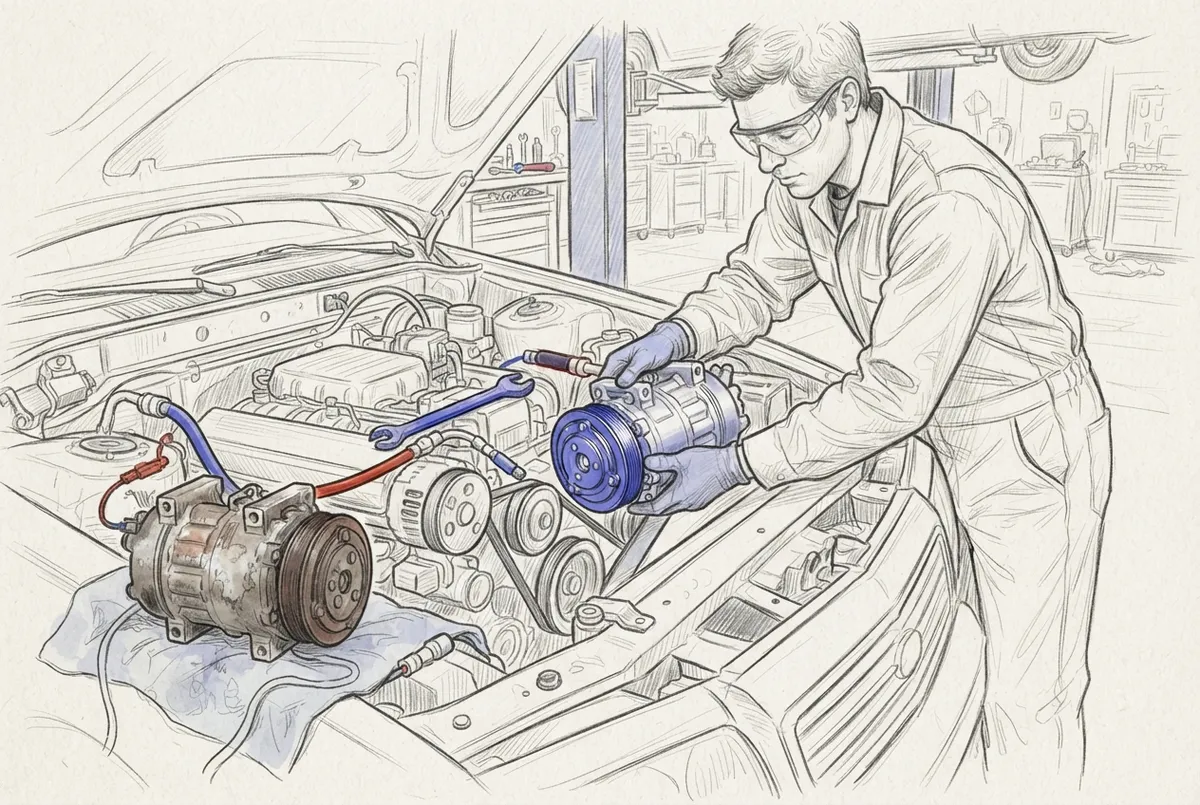
Once a technician confirms the compressor really is the problem, replacement is a multi-step job. It’s not just popping in a new part and calling it done. Here’s the general process:
- Recovering the old refrigerant safely, following EPA rules
- Removing the failed compressor and inspecting surrounding parts
- Replacing any contaminated filter-driers or hoses if needed
- Installing the new compressor and reconnecting the system
- Evacuating the system to remove air and moisture
- Recharging with the correct refrigerant amount per manufacturer specs
If the old compressor failed because of overheating, metal debris, or contamination, skipping the cleanup step is a huge mistake. Installing a shiny new compressor into a dirty system often leads to a repeat failure within months. This is one of the biggest auto AC repair mistakes that ends up costing drivers more money down the road.
Why EPA Certification Matters Here
Any technician working on your refrigerant lines needs to be EPA Section 608 or 609 certified, depending on the vehicle type. This isn’t just a technicality. It’s federal law, and it’s there to protect the environment and make sure refrigerant is handled properly. According to the U.S. EPA, technicians must follow strict recovery and evacuation practices before opening any refrigerant circuit. Marks Air’s team stays current on these requirements, and we even offer A/C training programs covering EPA 609 certification and modern refrigerant handling for other techs in the industry.
3. Get a Realistic Idea of AC Compressor Replacement Costs
Pricing for AC compressor replacement in Tampa varies quite a bit depending on your vehicle type, the compressor brand, and how much additional work is needed. Online estimates for home HVAC systems sometimes get confused with vehicle AC costs, so it helps to look at ranges specific to your situation.
| Vehicle Type | Typical Complexity | What Affects Price |
|---|---|---|
| Passenger cars | Low to moderate | Compressor brand, labor, refrigerant type |
| Light to heavy trucks | Moderate to high | Compressor size, accessibility, fleet downtime |
| Buses and transit vehicles | High | System size, multiple units, passenger comfort standards |
| RVs | Moderate | Custom or upgraded systems, part availability |
| Heavy equipment | High | Specialized components, on-site service needs |
Broader repair-cost guides for the Tampa area suggest compressor-related work can run anywhere from roughly $1,200 on the low end up to $5,500 or more for complex jobs, though these figures often reference home AC systems rather than vehicles. The real takeaway is that published numbers are just a starting point. Always ask for a written, itemized estimate before agreeing to any work, and check out how to budget for AC compressor replacement cost so there are no surprises.
What a Trustworthy Estimate Should Include
A good estimate isn’t just a single number. It should spell out:
- The diagnosed cause of failure, not just “compressor bad”
- Parts and labor listed separately
- Refrigerant type and recharge amount
- Any cleanup work for contamination or debris
- Warranty terms on both parts and labor
4. Choose the Right Shop for Your Vehicle Type
Not every shop is set up to handle every kind of vehicle. A shop great with sedans might not have the equipment or experience for a transit bus or heavy equipment. This matters a lot depending on who you are:
For Car Owners
You want fast, reliable service that gets you back on the road without a hassle. Look for a shop that explains the diagnosis clearly and doesn’t rush straight to “you need a new compressor” without checking other components first.
For Truck Drivers and Fleet Operators
Downtime costs money. You need a shop that understands scheduling around routes and can move quickly on parts availability. Same-day parts access can be the difference between one day off the road and a week.
For Bus Operators
Passenger comfort and safety compliance are top priorities. A failed AC system on a transit bus in Tampa’s summer heat isn’t just uncomfortable, it can be a real safety concern for riders.
For RV Enthusiasts
Your AC system might be more custom than a standard vehicle, especially if you’ve upgraded or modified your rig. You want a shop familiar with RV air conditioner repair parts and common pitfalls in that space.
For Heavy Equipment Operators
Operator fatigue from heat is a real productivity and safety issue on job sites. Reliable AC service keeps your crew comfortable and your equipment running.
For Automobile Fleet Owners
Consistency across multiple vehicles matters. You need a shop that can track service history and help you plan preventive maintenance rather than reacting to breakdowns one at a time.
Marks Air has been serving all these groups in Tampa since 1971, and being a family-owned, woman-owned business means we treat every customer like a neighbor, not a number. We’re also proud to be a member of the Mobile Air Climate Systems Association (MACS), which keeps us sharp on industry standards.
5. Ask the Right Questions Before You Commit
Before you say yes to any compressor replacement, run through this quick checklist:
- Did the shop diagnose the actual cause of failure, not just guess?
- Are they checking electrical components, pressures, and airflow too?
- Is the estimate written and itemized, not just a verbal number?
- Does the warranty cover both parts and labor?
- Are the technicians properly certified to handle refrigerant?
- Do they stock quality parts, like KOOL-TEMP and trusted brand components, so repairs don’t get delayed?
Tampa’s climate is no joke. With long, hot cooling seasons, your AC system works overtime most of the year. That means reliable repairs matter more here than almost anywhere else. High runtime alone doesn’t mean your compressor is bad, but it does mean regular maintenance and quick attention to warning signs go a long way. Check out our tips on AC maintenance for Tampa vehicle owners to help avoid a compressor failure before it starts.
Rising electricity rates and hotter summers have also made efficient, well-maintained AC systems more important than ever for comfort and cost control across the Tampa Bay area. Whether it’s your daily driver or a full fleet, don’t wait until you’re stuck sweating at a red light to get things checked out.
Wrapping It Up: Cool Air Is Just a Call Away
Dealing with a failing AC compressor is stressful, but it doesn’t have to be complicated. Get a real diagnosis, ask for a clear written estimate, and choose a shop that understands your specific vehicle, whether that’s a sedan, a semi-truck, a transit bus, an RV, or a piece of heavy equipment. Tampa’s heat isn’t going anywhere, so reliable cooling really is worth the investment.
Marks Air has proudly served Tampa drivers, fleets, and equipment operators since 1971, and we’d love to help you stay cool. See what our customers are saying by checking out our reviews or reading feedback on Yelp and Facebook. You can also follow our latest projects on Instagram or browse our detailed service listing on HVACService.io. Curious about our specialty parts for tough jobs, like a fire truck compressor? We stock those too.
Ready to get your AC checked out the right way? Schedule your service appointment today or give us a ring and call us at 813-988-1671. You can also visit us on Google — Marks Air to see our Tampa location and read what your neighbors have to say. Let’s get you back to cool, comfortable driving.
FAQs
Q: How much does AC compressor replacement cost in Tampa?
A: It really depends on your vehicle type and what’s causing the failure, but published estimates for the area range from around $1,200 to over $5,500 for more complex jobs. The best way to know for sure is to get a written, itemized estimate from a shop that’s actually inspected your system, not just a ballpark number over the phone.
Q: Can a bad capacitor make my AC compressor seem like it failed?
A: Absolutely, and this trips up a lot of folks! A faulty capacitor, worn contactor, or even wiring issues can mimic the exact same symptoms as a dead compressor, like warm air or a clutch that won’t engage. That’s why a proper diagnostic check is so important before anyone recommends a full replacement.
Q: Is it better to repair or replace my AC compressor?
A: It honestly depends on what caused the failure and how the rest of your system is holding up. If the compressor failed due to something else, like contamination or overheating, that root cause needs fixing too, or a replacement compressor could fail again pretty quickly.
Q: How long does AC compressor replacement usually take?
A: For most passenger vehicles, you’re looking at a few hours in a well-equipped shop, though larger vehicles like buses or heavy equipment can take longer. Parts availability plays a big role too, which is why working with a shop that stocks components on-site really speeds things up.
Q: Do I need a certified technician for AC compressor work?
A: Yes, and this one really matters! Anyone opening up your refrigerant system needs proper EPA certification, since federal rules require specific recovery and handling practices to protect both you and the environment.