Key Takeaways
-
Low refrigerant always indicates a leak somewhere; simply topping it off provides temporary relief and masks the underlying problem that will resurface within weeks.
-
A proper AC diagnosis must include vent temperature checks, belt/fan inspection, system pressure measurement, and leak detection tools before any repair work begins.
-
Compressor or clutch failure can cause warm air output despite adequate refrigerant levels; early detection prevents costly damage and more expensive repairs.
-
EPA Section 609 certification is legally required for refrigerant service in the US; choosing a certified shop ensures proper recovery and environmental responsibility.
-
R-134a and R-1234yf refrigerants are not interchangeable; mixing them causes serious system damage, so always verify your vehicle's refrigerant type from the underhood label.
-
Standard AC service costs $430-$521 for recharge and leak inspection, while compressor replacement ranges $1,319-$2,515; obtain a diagnostic quote before committing to repairs.
There’s nothing worse than sliding into your car on a scorching Tampa afternoon, cranking the AC, and feeling… nothing but warm, sticky air. If you’ve been searching for real answers about car ac not cooling repair, you’re in the right place. Whether you drive a sedan to work, haul freight across the state, or manage a whole fleet of vehicles, a weak or warm AC isn’t just uncomfortable. It can be a sign of a bigger problem brewing under the hood.
We put together this friendly, no-nonsense guide with 13 practical fixes and facts that actually explain what’s going on with your system. You’ll learn the most common causes, what a proper repair looks like, and how to avoid costly mistakes. Grab some iced tea, get comfortable, and let’s cool things down together.
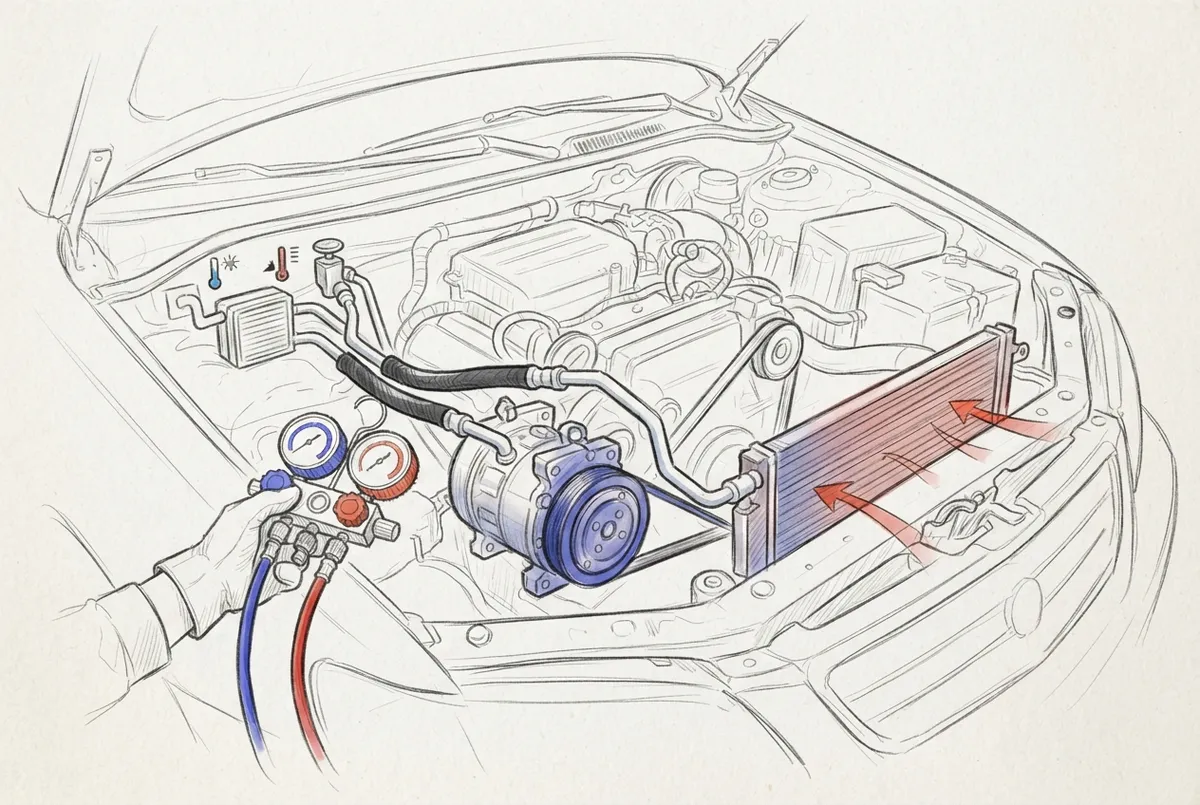
1. Understand Why Warm Air Doesn’t Always Mean “Add More Refrigerant”
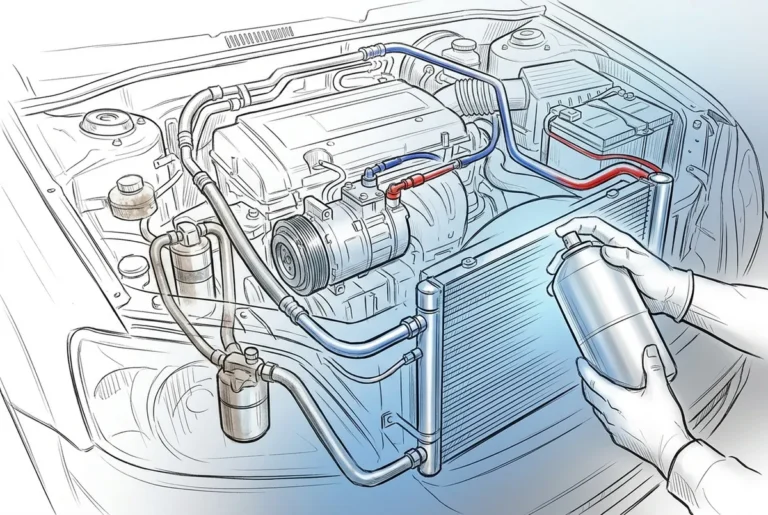
Here’s a truth many drivers don’t know: low refrigerant almost always means there’s a leak somewhere. Simply topping it off might feel like a quick win, but it usually only offers temporary relief. The underlying issue is still there, quietly waiting to cause trouble again in a few weeks.
A proper car ac not cooling repair starts with finding out why the refrigerant is low in the first place, not just refilling the tank and hoping for the best. This is one of the biggest lessons we share with customers and students in our training programs.
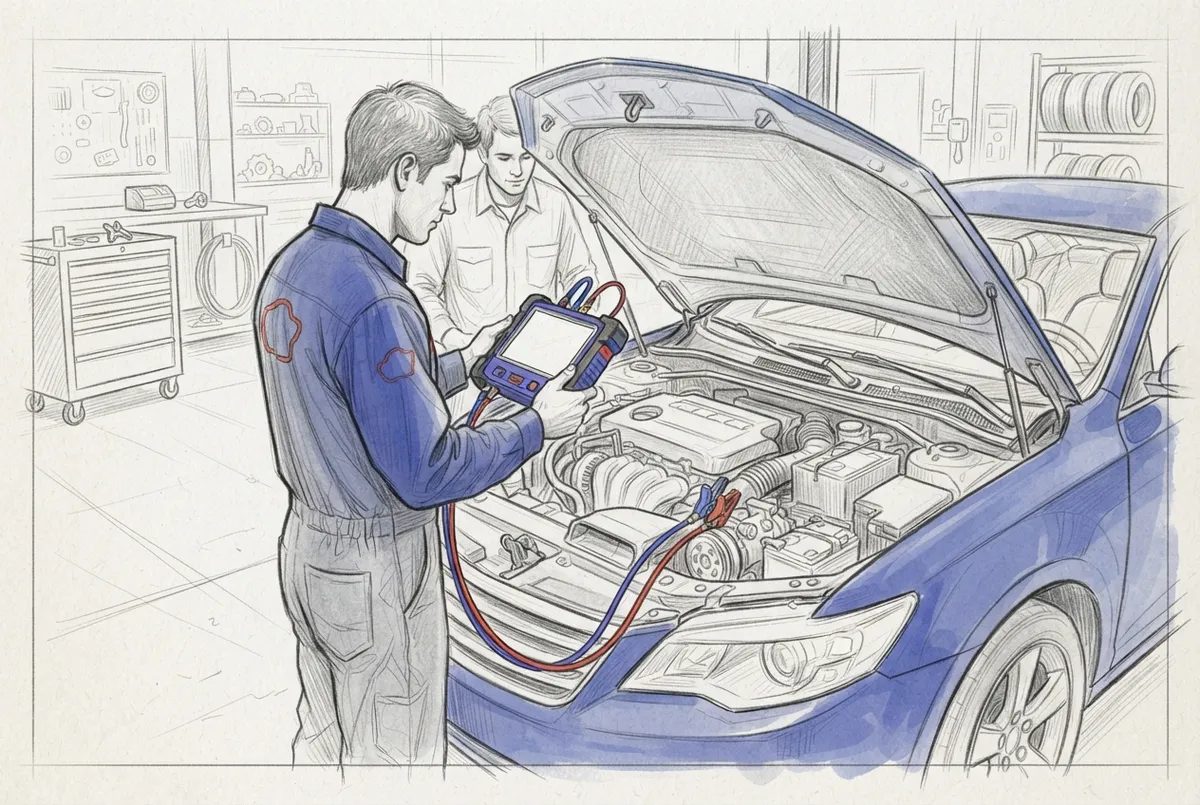
2. Get a Real Diagnosis Before Anyone Touches Your System
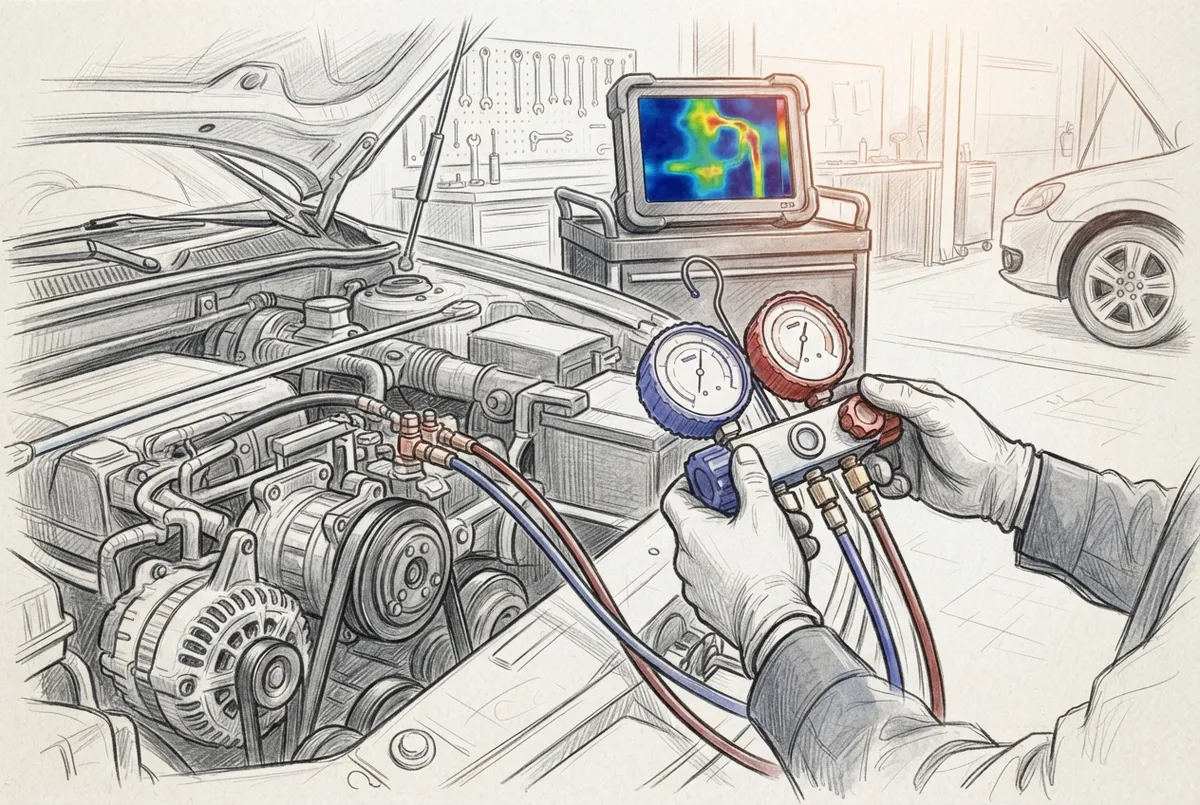
Skipping diagnostics is like guessing which fuse blew without checking the panel. A qualified technician should check vent temperatures, inspect belts and fans, measure system pressures, and test for leaks using tools like electronic detectors or UV dye.
This step matters because it separates a good repair from a guessing game. At Marks Air, our AC services always begin with a full diagnostic check, not a quick recharge and a hopeful goodbye.
What a Thorough Diagnostic Usually Includes
- Checking vent airflow and temperature output
- Inspecting belts, fans, hoses, and electrical wiring
- Measuring high and low side system pressures
- Testing for leaks with approved detection methods
- Reviewing the cabin air filter and blower motor function
3. Rule Out a Failing Compressor or Clutch
The compressor is the heart of your AC system. When it fails, or when the clutch that engages it wears out, your air conditioner may blow warm air even if refrigerant levels look fine. You might hear odd noises or notice the AC cycling on and off unpredictably.
Compressor issues are one of the pricier repairs, but ignoring them usually leads to bigger damage down the road. Learn more about spotting these symptoms early in our guide on how to fix an AC compressor in your vehicle.
4. Check for a Blocked or Damaged Condenser
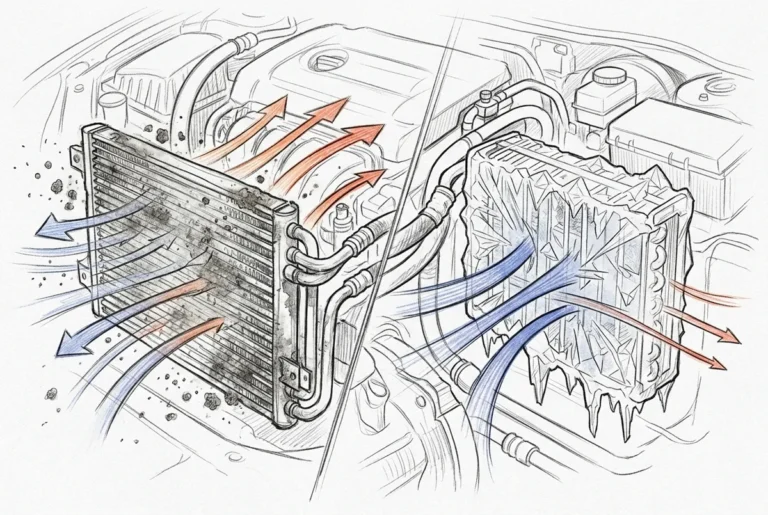
Your condenser sits at the front of your vehicle, and it takes a beating from road debris, bugs, and dirt. When it’s clogged or physically damaged, it can’t release heat properly, which means your cabin stays warm no matter how high you crank the fan.
A visual inspection can often catch obvious blockages, but a technician can confirm whether the condenser needs cleaning or full replacement.
5. Inspect the Cooling Fans
Cooling fans help move air across the condenser, especially when you’re idling in Tampa traffic. If a fan motor fails or the wiring shorts out, your AC may work fine at highway speeds but struggle when you’re sitting still at a red light.
This is a common but often overlooked cause of the classic “blows cold on the highway, warm in traffic” complaint.
6. Look at Airflow Problems Inside the Cabin
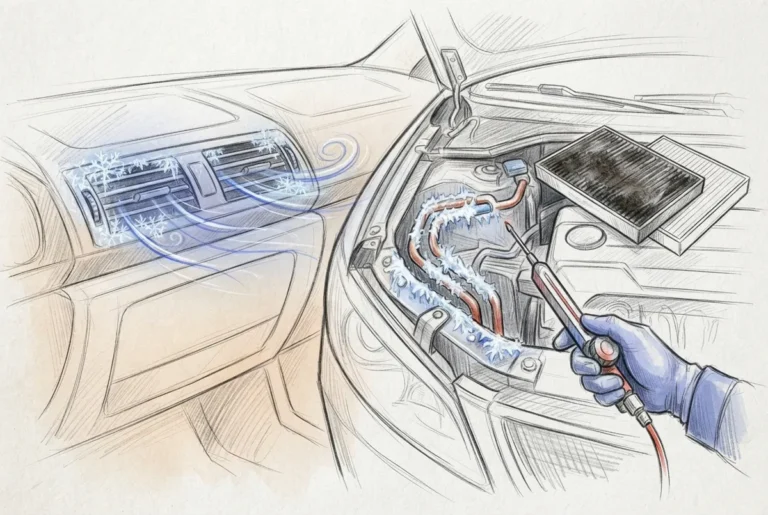
Sometimes the issue isn’t the cooling system at all. A clogged cabin air filter or a failing blower motor can seriously reduce airflow, making it feel like your AC isn’t cooling even when the refrigerant and compressor are working just fine.
This is an easy, affordable fix that’s worth checking first before assuming the worst. For more common warm-air culprits, check out our article on 10 reasons your AC is blowing warm air.
7. Understand the Proper Leak Repair Process
If your technician confirms a leak, here’s what a proper fix generally looks like, step by step:
- Locate the exact source of the leak using approved detection tools
- Repair or replace the damaged component, hose, or seal
- Recover the remaining refrigerant using certified equipment
- Evacuate the system to remove air and moisture
- Recharge with the correct refrigerant type and exact weight specified by the manufacturer
- Test the system for proper cooling and confirm there are no further leaks
Skipping any of these steps can leave your system vulnerable to repeat failures. This is exactly why we walk customers through every stage during a visit, and it’s the same process we teach in our EPA 609 certification courses.
8. Know the Difference Between R-134a and R-1234yf Refrigerant
Not all car air conditioners use the same refrigerant. Older vehicles typically use R-134a, while many newer vehicles use R-1234yf. These two are not interchangeable, and mixing them can cause serious damage to your system.
| Refrigerant Type | Common Vehicle Age | Key Consideration |
|---|---|---|
| R-134a | Older vehicles, pre-2014 in many cases | Widely used for decades, requires dedicated equipment |
| R-1234yf | Many newer vehicles | Mildly flammable, requires specialized handling and equipment |
Always check your vehicle’s underhood label to confirm which refrigerant your system requires. Our team keeps up with both types and stays current through our membership in the Mobile Air Climate Systems Association (MACS), so we’re always working with the latest standards.
9. Know Why Certification Matters for Refrigerant Handling
In the United States, paid refrigerant service on motor vehicles requires EPA Section 609 certification and approved handling equipment. This isn’t just red tape. It’s there to protect the environment and make sure refrigerant is recovered, recycled, or reclaimed properly instead of vented into the air.
When you choose a certified shop, you’re choosing a team that follows the rules and handles refrigerant responsibly. You can learn more about these standards directly from the EPA’s regulatory requirements for MVAC system servicing.
10. Avoid These Common DIY Mistakes
We get it. It’s tempting to grab a can of refrigerant from the auto parts store and handle it yourself. But there are a few mistakes that can turn a simple problem into an expensive one:
- Topping off refrigerant without confirming the actual cause of the loss
- Mixing different refrigerant types in the same system
- Using stop-leak products without professional guidance
- Ignoring warning signs like strange noises or inconsistent cooling
- Ignoring the recommended refrigerant weight for your specific vehicle
These shortcuts can damage components and make future repairs more complicated and costly. If you want to understand more pitfalls to avoid, take a look at our post on 10 auto AC repair mistakes that cost you more money.
11. Know What Repairs Typically Cost
Costs can vary quite a bit depending on your vehicle, location, and the specific problem. Here’s a general breakdown based on recent industry data to help you budget:
| Service Type | Estimated Cost Range |
|---|---|
| Standard AC service visit (recharge and leak inspection) | $430 to $521 |
| AC recharge only | $285 to $369 |
| Leak inspection only | $122 to $179 |
| Compressor replacement | $1,319 to $2,515 |
| Hose repair | Around $350 |
These figures come from recent ConsumerAffairs research on car AC repair costs and industry estimates from Synchrony. Actual pricing depends on your vehicle and the exact repair needed, so it’s always smart to get a proper diagnostic quote first. For a deeper dive into pricing, check our guide on how much auto AC repair costs in 2026.
Why Prices Vary So Much
Vehicle make and model, the type of refrigerant required, and the complexity of the fault all play a role. A simple hose repair on a sedan costs far less than a compressor swap on a heavy truck or transit bus.
12. Consider Your Vehicle Type When Planning Repairs
Car ac not cooling repair looks a little different depending on what you drive. Here’s how it breaks down for different types of vehicles:
- Car owners: Usually deal with leaks, compressor wear, or clogged condensers from daily driving in Tampa traffic and heat.
- Truck drivers: Long-haul routes put extra stress on compressors and hoses, making regular checks essential for comfort and safety on the road.
- Bus operators: Passenger comfort and safety depend on a properly functioning system, especially during Florida’s long summer season.
- RV enthusiasts: Cooling systems on RVs often need specialized parts and attention, especially after long storage periods or extended trips.
- Heavy equipment operators: Cab AC systems prevent operator fatigue during long shifts on job sites, which matters for both safety and productivity.
- Fleet owners: Preventive maintenance across multiple vehicles saves money and reduces unexpected downtime.
No matter which category you fall into, the fundamentals of proper diagnosis and repair stay the same. If you manage several vehicles, our article on fleet vehicle AC repair tips that save you money is worth a read.
13. Choose a Shop With Real Experience and the Right Equipment
Not every mechanic specializes in air conditioning systems, and that matters more than people realize. AC systems are their own specialty, with unique tools, refrigerants, and diagnostic steps that differ from general engine repair.
Marks Air has focused exclusively on air conditioning systems for cars, trucks, buses, RVs, and heavy equipment since 1971 right here in Tampa. We’re a family-owned, woman-owned shop that stocks a full range of parts, including our own KOOL-TEMP line along with trusted brands like SPAL, ACT, BCC, gpd, and Omega, so most repairs can be completed the same day. Explore our AC parts selection to see what we keep in stock.
We also believe in transparency and community. You can read real customer experiences on our reviews page, follow us on Facebook or Instagram for shop updates, or check out what people are saying on Yelp. You can also visit us on Google — Marks Air to see reviews and directions to our Tampa location.
When It’s Time to Call in the Professionals
If your AC is blowing warm, cycling strangely, or making unusual noises, it’s time to get it checked out properly. Waiting too long can turn a simple leak repair into a full compressor replacement, which costs significantly more.
We understand Tampa heat doesn’t wait for a convenient time, and neither should your repair. Our team has decades of focused experience, and we back our work with a warranty because we stand behind what we fix.
Ready to stop sweating through your commute? Schedule service today, or if you need help right away, call us at 813-988-1671. We’re here to get your air conditioning back to ice-cold, reliable comfort, one vehicle at a time.
FAQs
Q: Why is my car AC blowing warm air?
A: It could be a few things, like low refrigerant from a leak, a failing compressor, a blocked condenser, or even a clogged cabin filter. The good news is a proper diagnostic can pinpoint the exact cause so you’re not just guessing or wasting money on the wrong fix.
Q: How do I know if my car AC is low on refrigerant or has a leak?
A: If your AC cools for a bit and then fades, or blows warm on and off, low refrigerant is often the culprit. Since low refrigerant almost always points to a leak somewhere, a technician can confirm this with pressure tests and leak detection tools like UV dye or electronic sniffers.
Q: Can I recharge my car AC myself, or should I take it to a shop?
A: We totally understand the appeal of a DIY fix, but topping off refrigerant without knowing the cause of the loss usually only masks the problem temporarily. Plus, refrigerant service legally requires EPA 609 certification, so a professional shop is really the safest and most reliable route.
Q: How much does it cost to diagnose and repair a car AC that is not cooling?
A: A standard AC service visit, including recharge and leak inspection, typically runs between $430 and $521, while compressor replacements can range from $1,319 to $2,515. Costs vary based on your vehicle and the specific issue, so getting a proper diagnostic first helps you budget accurately.
Q: What is the difference between R-134a and R-1234yf refrigerant?
A: R-134a is commonly found in older vehicles, while R-1234yf is used in many newer models. They’re not interchangeable, and mixing them can seriously damage your system, so it’s important your technician confirms the correct type from your vehicle’s label before any service.