Key Takeaways
-
Implement preventive AC maintenance schedules rather than waiting for driver complaints, as Tampa’s intense heat and humidity cause compressor, belt, and condenser wear that escalates costs when ignored.
-
Act immediately on early warning signs like weak airflow, unusual noises, musty odors, or rapid cycling to prevent small refrigerant recharges from becoming expensive compressor replacements.
-
Verify the correct refrigerant type (R-134a vs. R-1234yf) before any AC service, as mixing refrigerants damages seals, reduces efficiency, and voids warranties on newer vehicles.
-
Create a written maintenance plan documenting service intervals, refrigerant levels, repair history, and pre-summer inspections to avoid inconsistent service and preventable breakdowns.
-
Choose EPA 609-certified fleet AC specialists with commercial vehicle experience, same-day diagnostic capability, and in-house parts inventory rather than general mechanics to minimize downtime.
-
Train drivers to recognize and report AC symptoms early and invest in quality OEM-specified parts instead of cheap alternatives, as low-cost components fail faster and cause secondary system damage.
Running a fleet in Tampa is no small task. Between managing schedules, drivers, and maintenance costs, the last thing you need is a vehicle sitting idle because the air conditioning quit. And in Tampa’s relentless heat and humidity, a broken AC isn’t just uncomfortable — it’s a real problem that affects driver performance, safety, and your bottom line.
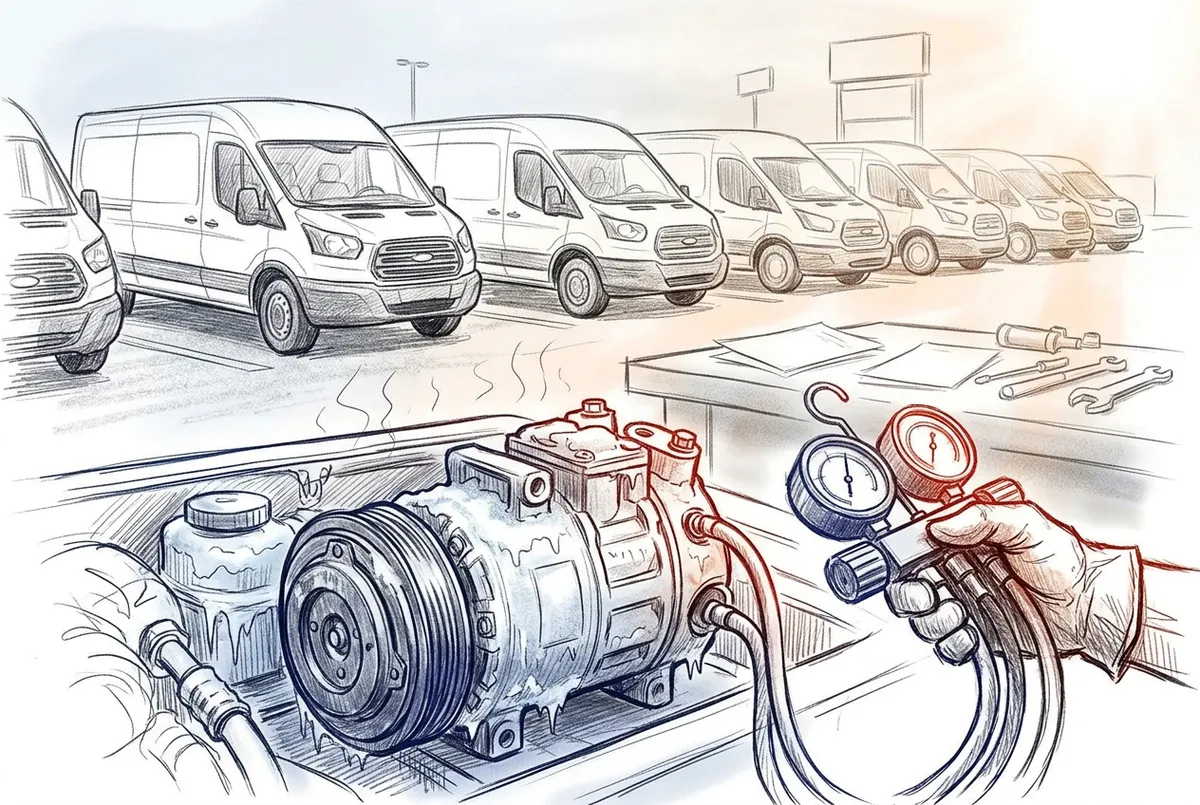
The good news? Most costly fleet AC failures are preventable. The bad news? Many fleet owners and managers unknowingly make the same mistakes over and over again. Whether you manage a handful of delivery vans or a large commercial fleet of trucks and buses, avoiding these common missteps can save you serious money. Let’s walk through the 8 most damaging Tampa fleet AC repair mistakes so you can sidestep them starting today.
Mistake 1: Skipping Preventive AC Maintenance
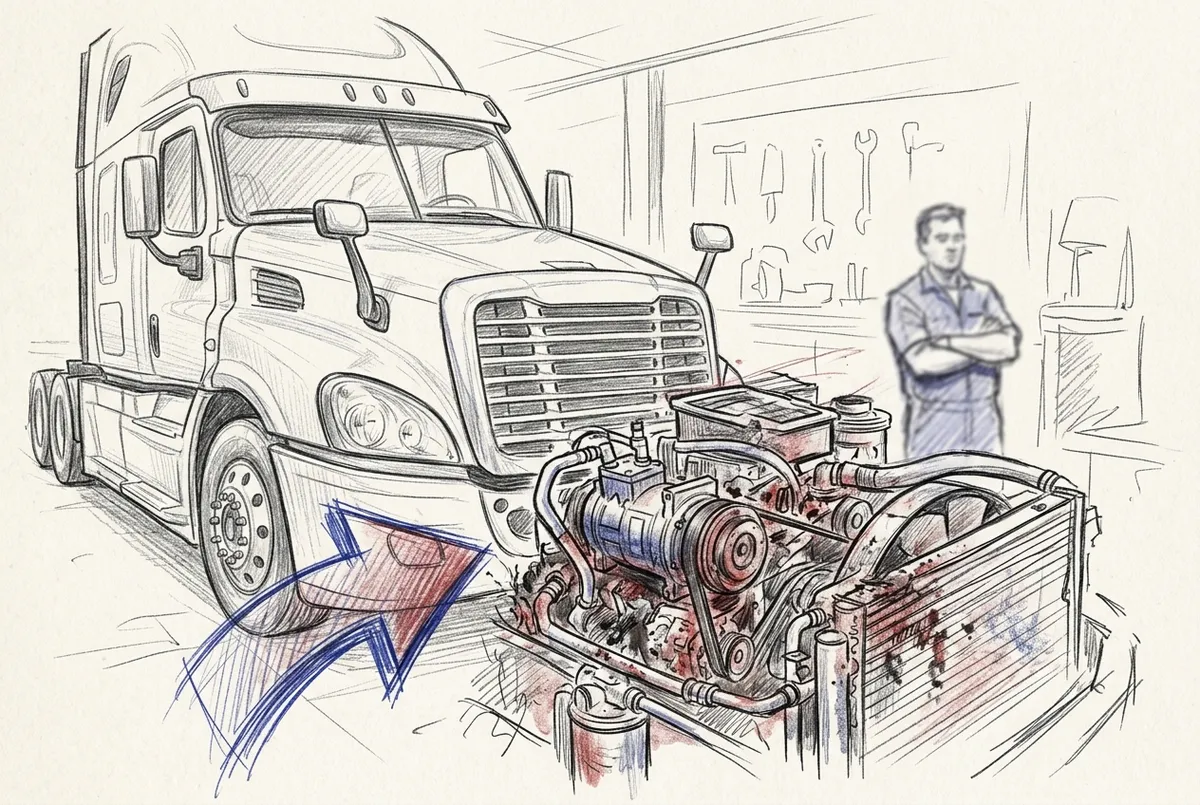
This is the big one. Many fleet managers only address AC problems when a driver complains — by which point, the damage is already done. In Tampa’s climate, where temperatures routinely climb into the 90s with crushing humidity, your fleet’s AC systems run hard every single day. That constant strain wears down compressors, belts, condensers, and refrigerant components faster than you’d expect.
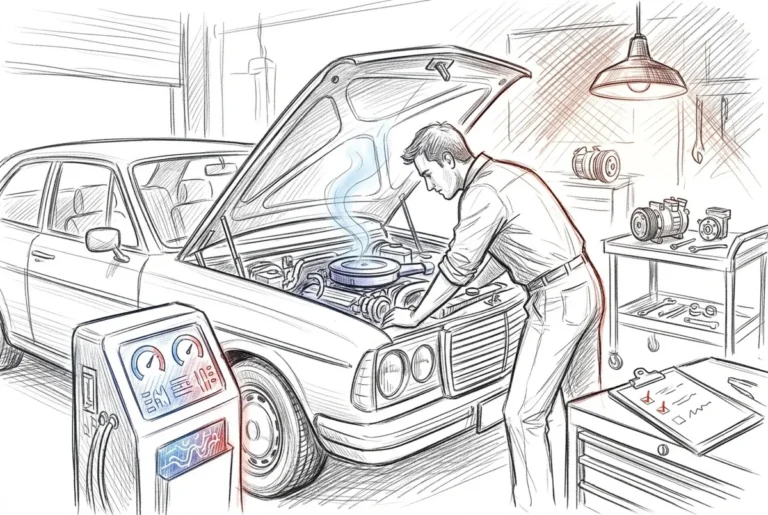
Scheduled preventive maintenance catches small issues before they become expensive repairs. Think of it like oil changes — you wouldn’t wait until your engine seizes to change the oil. The same logic applies to your AC. A solid AC maintenance routine is one of the smartest investments you can make for your fleet.
Mistake 2: Ignoring Early Warning Signs
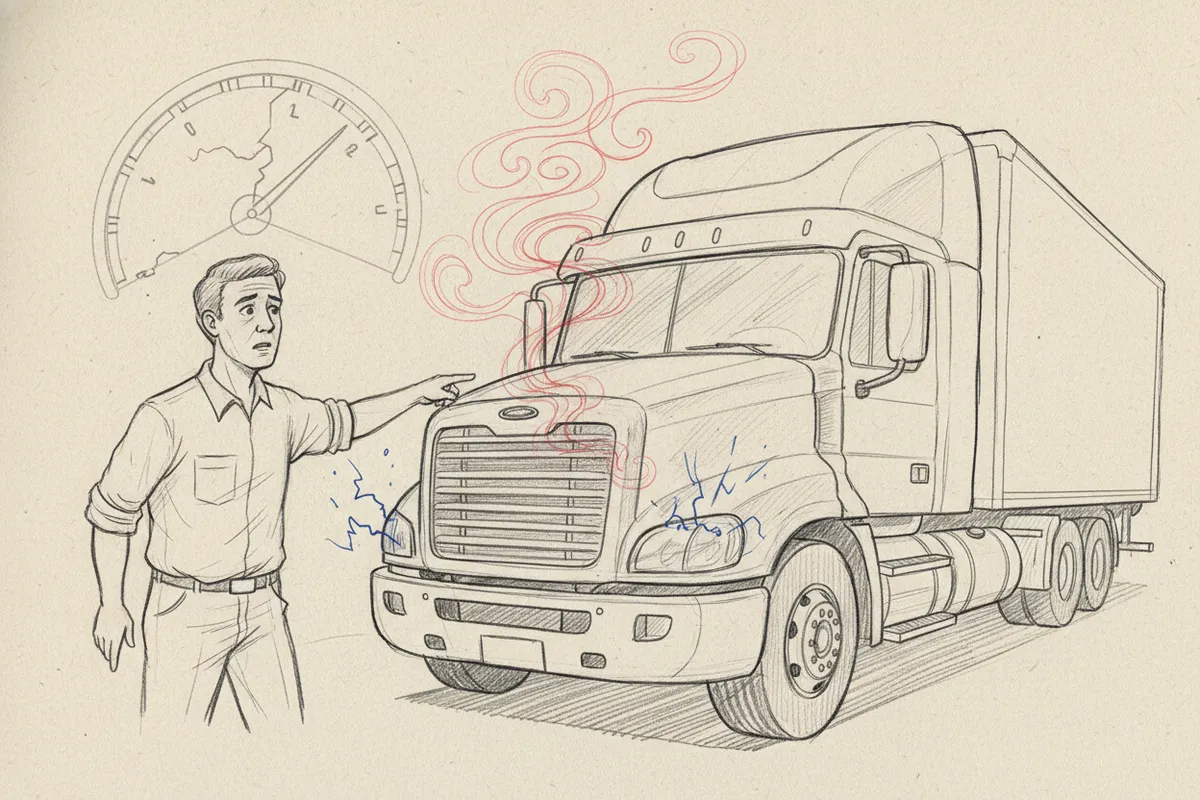
Drivers are your first line of defense. When they mention the AC “isn’t as cold as it used to be” or notice a strange noise when the system kicks on, that’s your cue to act. Ignoring early warning signs is a classic mistake that turns a small refrigerant recharge into a full compressor replacement.
Common early warning signs in fleet vehicles include:
- Weak or warm airflow from vents
- Unusual clicking, squealing, or grinding noises
- Musty or foul odors from the vents
- AC system cycling on and off rapidly
- Visible moisture or condensation inside the cab
- Driver complaints about uneven cooling
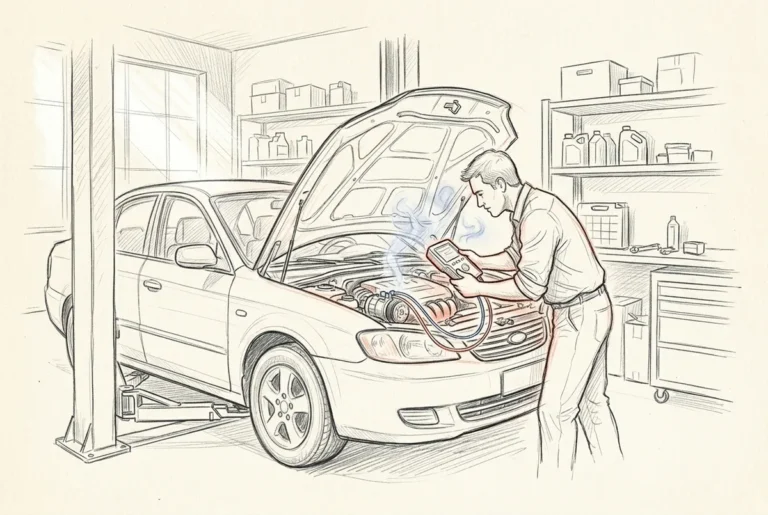
If your drivers are reporting any of these, it’s time to schedule a diagnostic inspection before the problem escalates. You can also check out why your AC might be blowing warm air for more detail on what to watch for.
Mistake 3: Using the Wrong Refrigerant
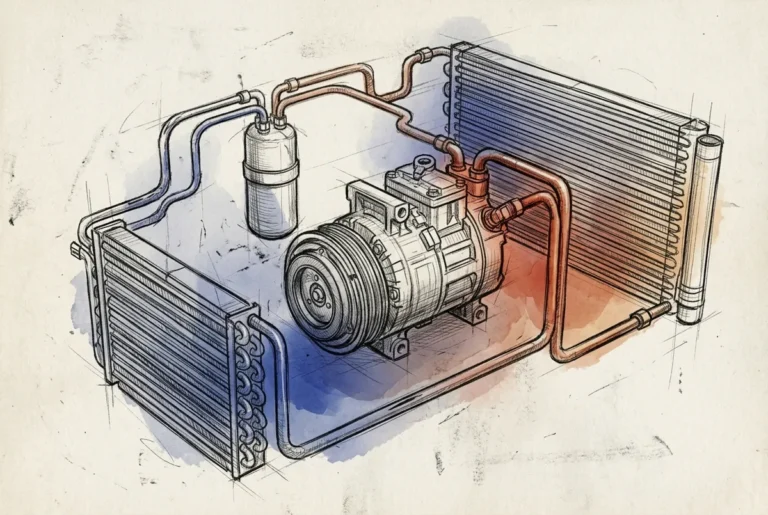
Modern fleet vehicles don’t all use the same refrigerant. Many newer models — including late-model vans, trucks, and buses — use R-1234yf instead of the older R-134a. Mixing refrigerants or using the wrong type can damage seals, reduce system efficiency, and even void warranties.
This is especially important in 2026, as more fleet operators are updating their vehicles with newer HVAC components. Always confirm the correct refrigerant type before any AC service. A qualified technician who handles professional AC services will know exactly what your vehicle requires and use certified equipment to handle modern refrigerants safely.
Mistake 4: Delaying Repairs to Save Money Short-Term
We get it — budget pressure is real. But delaying a necessary AC repair to cut costs today almost always leads to bigger bills tomorrow. A refrigerant leak left unaddressed can corrode internal components. A failing compressor that keeps running will eventually seize and damage other parts of the system.
Here’s a quick look at how repair costs typically escalate when issues are ignored:
| Issue | Repair Cost If Fixed Early | Repair Cost If Delayed |
|---|---|---|
| Refrigerant leak | Low (seal + recharge) | High (compressor damage) |
| Worn belt | Low (belt replacement) | High (belt breaks, system fails) |
| Blower motor issue | Moderate (motor swap) | High (electrical damage + motor) |
| Clogged condenser | Low (cleaning) | Moderate to High (condenser replacement) |
Understanding how much auto AC repair costs upfront can actually help you make smarter budget decisions for your fleet.
Mistake 5: Not Having a Written Maintenance Plan
Flying blind with fleet maintenance is a recipe for chaos. Without a written plan, it’s easy to lose track of when each vehicle last had its AC serviced. This leads to inconsistent service intervals, missed inspections, and preventable breakdowns.
A good fleet AC maintenance plan should include:
- Service intervals by mileage, hours of operation, or season
- A log of refrigerant levels and recharges for each vehicle
- Documentation of all past repairs and parts replaced
- Scheduled pre-summer inspections before Tampa’s hottest months hit
- A process for drivers to report AC issues in real time
You can learn more about the difference between preventive vs. reactive fleet AC maintenance to find the right approach for your operation. Also, check out these fleet vehicle AC repair tips that save you money for practical guidance.
Mistake 6: Choosing the Wrong AC Service Provider
Not every auto shop is equipped to handle fleet AC work. General mechanics may lack the specialized tools, refrigerant handling certifications, or parts availability to service your entire fleet efficiently. Choosing the wrong provider leads to longer downtime, repeat repairs, and frustrated drivers.
When selecting a Tampa fleet AC repair provider, look for these qualities:
- Experience with commercial vehicles (trucks, vans, buses, heavy equipment)
- EPA 609 certification for refrigerant handling
- Same-day diagnostics and repair capability
- In-house parts inventory for fast turnaround
- Knowledge of both older R-134a and newer R-1234yf systems
Marks Air has been serving Tampa fleets since 1971. As a family-owned, woman-owned business, they bring decades of specialized vehicle AC experience to every repair — from delivery vans to city buses to heavy construction equipment. You can read what customers say to get a feel for the quality of service. Also take a look at how to find reliable auto AC service in Tampa Bay for a helpful guide.
Mistake 7: Overlooking AC Parts Quality
When you’re managing multiple vehicles, it’s tempting to go with the cheapest parts available. But low-quality AC components fail faster, require more frequent replacements, and can cause secondary damage to other parts of the system. Over time, cutting corners on parts actually costs more.
Trusted fleet AC components should meet OEM specifications or better. Look for parts from reputable brands and suppliers who stand behind what they sell. Having access to a well-stocked local parts source — like the AC parts inventory at Marks Air — means faster repairs and less waiting. You’ll also want to brush up on 6 AC parts every vehicle owner should know in 2026 to understand what goes into your system.
Here’s a breakdown of key AC components and their typical replacement needs for fleet vehicles:
| AC Component | Common Failure Cause | Replacement Frequency |
|---|---|---|
| Compressor | Low oil, refrigerant loss, overuse | Every 5–7 years or as needed |
| Condenser | Road debris, clogging, corrosion | Every 8–10 years or as needed |
| Blower motor | Debris, worn brushes, electrical fault | Every 5–6 years or as needed |
| Expansion valve | Clogging, wear | With major system service |
| Belts and hoses | Heat, age, wear | Inspect annually |
Mistake 8: Not Training Drivers to Report AC Issues Promptly
Your drivers spend more time in those vehicles than anyone else. They are uniquely positioned to notice when something feels off with the AC — but only if they know what to look for and feel empowered to report it. Failing to train your drivers on basic AC awareness is a missed opportunity that leads to delayed repairs and bigger problems.
A simple driver AC awareness program should cover:
- What normal AC performance looks and feels like for their specific vehicle
- Common symptoms to watch for (warm air, odd smells, strange sounds)
- How and when to report AC issues to the fleet manager
- Why reporting early saves time and avoids breakdowns on the road
You might also consider investing in professional AC training programs for your maintenance team. Marks Air offers EPA 609 certification, HFO-1234yf training, and other hands-on programs that help your team stay sharp and handle minor issues in-house. Marks Air is also a proud member of the Mobile Air Climate Systems Association (MACS), which means they stay current with the latest industry standards and best practices.
The Cost of Getting It Wrong in Tampa’s Heat
Tampa’s climate is not forgiving. With summer temperatures regularly hitting the mid-90s and humidity that makes it feel even hotter, your fleet’s AC systems are working overtime from May through October — and often beyond that. The strain is real, and the cost of downtime is even more real.
Think about it this way: if a delivery driver loses a full day of productivity because their AC failed on the road, that’s not just a repair cost. It’s lost deliveries, a stranded driver, a tow bill, and a frustrated customer. The ripple effect of a single AC failure in a fleet can be surprisingly expensive. That’s why AC repair in Tampa is so important for your vehicle — and for your business.
You can also read about why auto AC repair is more important than ever in 2026 for a broader perspective on why this matters right now.
What to Look for in a Tampa Fleet AC Repair Partner
The right AC service partner for your fleet is one who understands the unique demands of commercial vehicles in a hot, humid climate. Here’s what a great fleet AC service relationship looks like:
- Fast diagnostics — same-day or next-day turnaround whenever possible
- Transparent communication — clear explanations of what’s wrong and what it costs
- Broad vehicle experience — comfort servicing everything from cargo vans to buses
- Quality parts — stocked locally so repairs don’t wait on shipping
- A long-term relationship — a provider who gets to know your fleet over time
If you want to see how real customers rate their experience, check out Marks Air on Yelp or visit Marks Air on Google to read what Tampa fleet owners and drivers have to say. You can also follow along on Facebook for helpful tips and updates from the team.
Wrapping Up: Don’t Let These Mistakes Drain Your Fleet Budget
Tampa fleet AC repair doesn’t have to be a constant headache. The key is being proactive, choosing the right service partner, and making sure your team — both your mechanics and your drivers — understands the importance of catching issues early. Avoiding these 8 common mistakes will keep your vehicles on the road, your drivers comfortable, and your repair costs under control.
Whether you manage a small delivery fleet or a large commercial operation with buses and heavy equipment, getting your AC service right is one of the smartest moves you can make in Tampa’s climate. Don’t wait for a breakdown in the middle of a hot July afternoon to take this seriously.
Ready to get your fleet’s AC in great shape? Schedule your fleet AC service with Marks Air today or call us at 813-988-1671 to talk with a specialist who knows Tampa fleet vehicles inside and out. We’re here to help you keep every vehicle cool, every driver comfortable, and every route running on time.
FAQs
Q: What does Tampa fleet AC repair actually include?
A: Tampa fleet AC repair covers everything from refrigerant recharges and leak detection to compressor replacements and full system installations for commercial vehicles like vans, trucks, buses, and heavy equipment. A good fleet AC service will also include diagnostics to catch problems early before they cause costly downtime. Think of it as a complete health check for every vehicle’s cooling system!
Q: How often should commercial fleet vehicles get AC service in Tampa?
A: In Tampa’s hot, humid climate, it’s smart to have your fleet’s AC systems inspected at least once a year — ideally before summer kicks in. High-use vehicles may need more frequent checks based on mileage or hours of operation. A written maintenance plan helps you stay on top of service intervals for every vehicle in your fleet.
Q: What are the most common causes of AC failure in fleet vehicles?
A: The most common culprits include refrigerant leaks, worn compressors, clogged condensers, failing blower motors, and worn belts or hoses. In Tampa’s climate, the AC system runs so frequently that these components wear faster than in cooler regions. Catching small issues early through regular inspections is the best way to avoid a full system failure.
Q: Can fleet AC systems be serviced before they fail completely?
A: Absolutely — and that’s exactly the goal of preventive maintenance! Scheduled inspections can identify refrigerant levels, electrical faults, airflow restrictions, and component wear well before a breakdown happens. Proactive service keeps your drivers on the road and avoids the much higher cost of emergency repairs.
Q: Do fleet AC technicians service trucks, buses, vans, and heavy equipment?
A: Yes! A qualified fleet AC specialist should be comfortable working on a wide range of commercial vehicles, including delivery vans, semi-trucks, transit buses, RVs, and heavy construction or agricultural equipment. Make sure your service provider has specific experience with the types of vehicles in your fleet so you get the right repair the first time.