Key Takeaways
-
Address the five critical warning signs immediately: warm air blowing, strange noises, fluid leaks, musty smells, and inconsistent airflow—each indicates different system failures requiring professional diagnosis.
-
Refrigerant leaks and modern refrigerants like HFO-1234yf require certified technicians with specialized equipment; this is not a DIY fix and environmental regulations mandate proper handling.
-
Choose repair shops with AC specialization, EPA 609 certification, state-of-the-art diagnostic tools, and transparent written estimates before work begins—avoid general auto repair shops without AC expertise.
-
Preventive maintenance such as running AC weekly, annual refrigerant checks, and inspecting hoses at every oil change prevents expensive repairs and extends system component life.
-
Professional diagnostics include visual inspection, refrigerant level checks, leak detection with specialized tools, pressure testing, and component evaluation to identify exact problems before costly repairs.
-
Different vehicle types require specialized AC service: truck drivers need regular belt checks, fleet owners benefit from staggered maintenance schedules, and RV systems require specialty parts availability.
Tampa summers are no joke. When your car’s air conditioning starts acting up, it’s not just uncomfortable — it can turn your daily commute into a sweaty ordeal. Whether you’re a daily driver, a truck driver logging long miles, or a fleet manager keeping vehicles on the road, finding reliable car AC repair near me is a top priority when things go wrong.
The good news? Knowing what to look for early can save you time, money, and a whole lot of frustration. In this guide, we’ll walk you through the five clearest signs your vehicle’s AC needs professional attention, what to expect from a quality repair shop, and how to make the best decision for your vehicle. Let’s get your cool air flowing again!
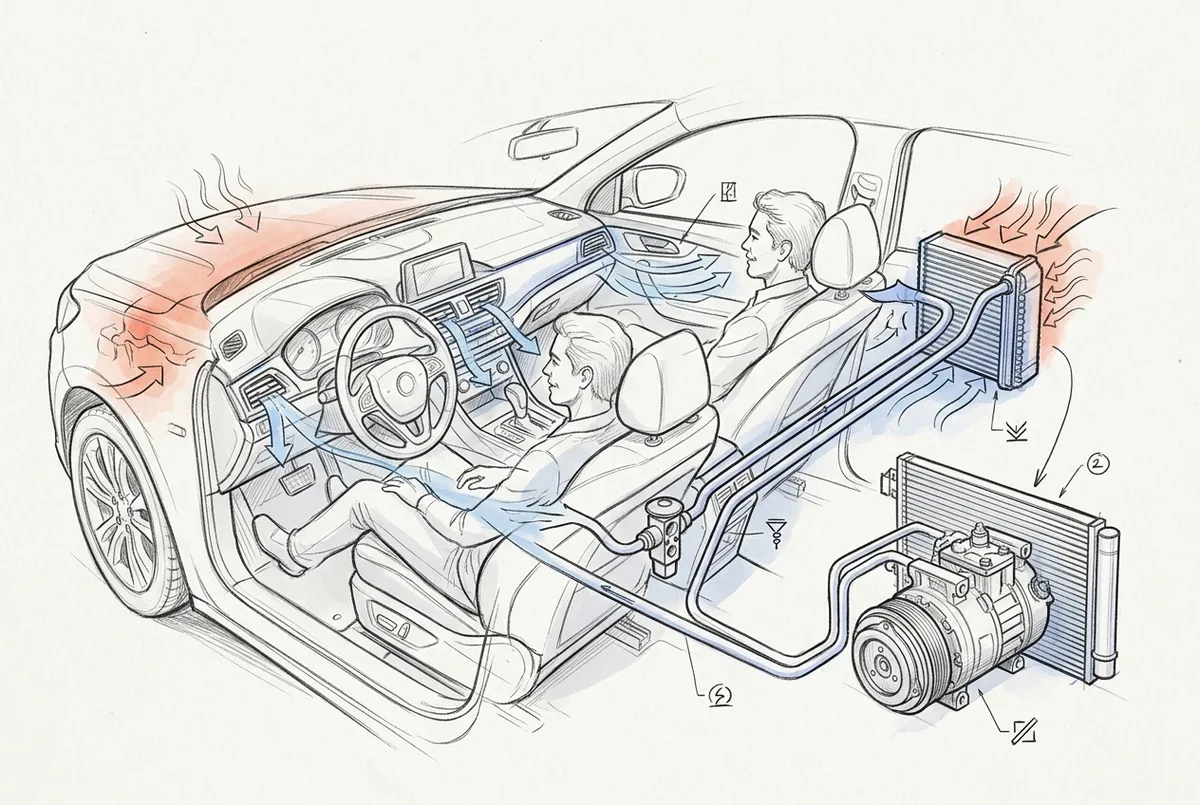
Why Your Car’s AC System Matters More Than You Think
Your vehicle’s air conditioning system is more than a comfort feature — especially in Florida’s heat. For truck drivers, bus operators, and heavy equipment operators, a working AC system directly affects safety and productivity. Driver fatigue increases significantly without proper cooling, and heat-related stress can lead to dangerous situations on the road.
A car’s AC system works by cycling refrigerant through three main components: the compressor, the condenser, and the evaporator. When any of these parts fail or develop leaks, the whole system suffers. Understanding the warning signs early is the key to avoiding costly repairs later. You can also check out 6 A/C Parts Every Vehicle Owner Should Know in 2026 for a deeper breakdown of how these components work together.
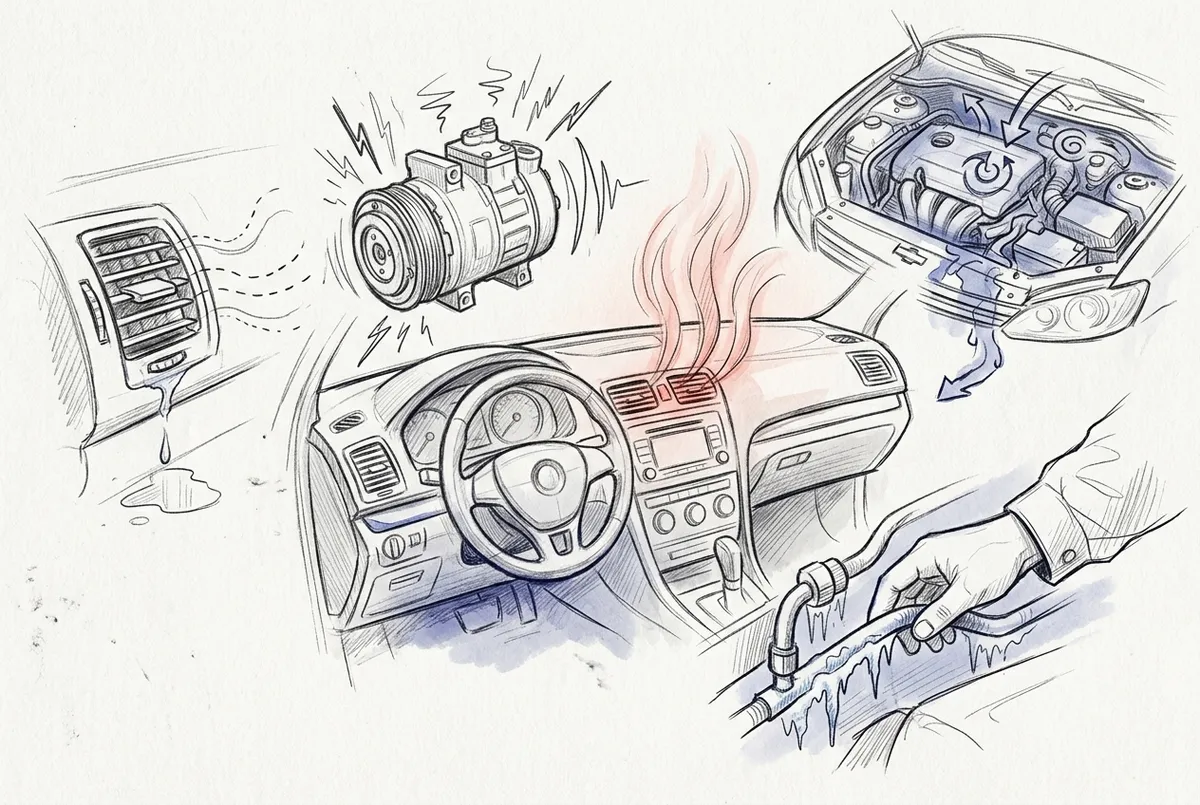
5 Signs You Need Car AC Repair Near Me Right Now
1. Your Air Is Blowing Warm Instead of Cold
This is the most obvious red flag. If you turn on the AC and feel warm or room-temperature air coming through the vents, something is definitely wrong. The most common culprit is low refrigerant, which can happen due to a slow leak somewhere in the system.
However, warm air can also point to a failing compressor, a clogged expansion valve, or a damaged condenser. Don’t guess — a proper diagnostic is the only way to know for sure. If this sounds familiar, check out 10 Reasons Your AC Is Blowing Warm Air (And How to Fix It) for a full breakdown.
2. You Hear Strange Noises When the AC Is On
Rattling, grinding, or squealing sounds when you switch on the AC are never a good sign. These noises often indicate a problem with the compressor or a worn-out drive belt. Catching this early can mean the difference between a simple belt replacement and a full compressor overhaul.
If you’re a fleet owner or truck driver, unusual AC noises in a commercial vehicle should be treated as an urgent repair. Downtime costs money, and a compressor failure on the road is far more expensive than a repair in the shop. Learn more about how to fix an AC compressor in your vehicle to understand what’s involved.
3. You Notice Leaking Fluid or Refrigerant
Seeing a wet spot under your vehicle or noticing an oily residue around AC components is a sign of a refrigerant or oil leak. Refrigerant leaks are serious — they affect cooling performance and can be harmful to the environment if left unaddressed.
Modern refrigerants like HFO-1234yf require specialized equipment and certified technicians to handle safely. This is not a DIY fix. A professional shop will use state-of-the-art leak detection tools to find and seal the issue correctly the first time. Explore our full AC services to see how comprehensive leak detection works.
4. You Smell Something Musty or Foul from the Vents
A bad smell coming through your vents — especially a musty or mildew-like odor — usually means moisture has built up inside the system. This is often related to the evaporator or cabin air filter area. Over time, bacteria and mold can grow in damp conditions, which isn’t great for air quality inside your vehicle.
For bus operators and RV enthusiasts who spend extended time in their vehicles, this issue is especially important to address quickly. Poor air quality in an enclosed cabin can be a health concern for passengers and drivers alike.
5. Your AC System Has Weak or Inconsistent Airflow
If your AC blows cold sometimes and then goes warm, or the airflow feels weaker than usual, there may be a blockage, a failing blower motor, or an issue with the expansion valve. Inconsistent performance is a sign that the system is struggling to maintain pressure.
Don’t wait for total failure to act. Addressing airflow issues early is much more affordable than replacing major components after a full breakdown. Check out why auto AC repair is more important than ever in 2026 for context on how Tampa’s climate makes timely repairs even more critical.
What to Expect from a Professional Car AC Diagnostic
When you bring your vehicle in for car AC repair near me, a professional technician will start with a thorough diagnostic. Here’s what a quality inspection typically includes:
- Visual inspection of the compressor, drive belts, hoses, and seals for visible damage or wear
- Refrigerant level check to determine if the system is low and why
- Leak detection using specialized dye or electronic tools to find even the smallest leaks
- Pressure testing to evaluate system performance under operating conditions
- Component evaluation of the condenser, evaporator, and expansion valve for proper function
A good shop will give you a clear, honest estimate before any work begins. Transparency matters — you should always know what you’re paying for and why. At Marks Air, diagnostics are handled by experienced specialists who focus exclusively on vehicle AC systems, so you get accurate answers without unnecessary upsells.
Common Car AC Repairs and What They Involve
Here’s a quick overview of the most common AC repairs you might encounter:
| Repair Type | Common Cause | Typical Urgency |
|---|---|---|
| Refrigerant Recharge | Slow leak or low charge over time | Moderate — address soon |
| Compressor Replacement | Worn clutch, internal failure | High — system won’t cool |
| Condenser Repair | Road debris, corrosion, leaks | High — causes pressure loss |
| Hose Replacement | Age, cracks, or connection failure | Moderate to high |
| Evaporator Repair | Leaks, corrosion, blockages | High — affects cabin cooling |
| Leak Detection & Seal | Worn seals or damaged fittings | Moderate — worsens over time |
Understanding which repair your vehicle needs helps you have an informed conversation with your technician. If you’re weighing whether to repair or replace your system entirely, AC Repair vs. AC Replacement: Which Is Right for You? is a great resource to read before your appointment.
How to Choose the Right Car AC Repair Shop Near You
Not all auto repair shops have the same level of AC expertise. Here’s what to look for when searching for car AC repair near me:
- Specialization: Look for shops that focus on AC systems, not just general auto repair
- Certified technicians: EPA 609 certification is required for handling refrigerants legally
- Modern diagnostic equipment: State-of-the-art tools mean faster, more accurate diagnoses
- Transparent pricing: A reputable shop gives you a written estimate before starting work
- Experience with your vehicle type: Cars, trucks, buses, RVs, and heavy equipment all have unique AC systems
- Warranty on repairs: Confidence in workmanship backed by a guarantee is a great sign
- Strong reviews: Check what past customers say about reliability and customer service
Marks Air has been Tampa’s trusted AC specialist since 1971 — over 50 years of focused experience on vehicle air conditioning systems. As a proud member of the Mobile Air Climate Systems Association (MACS), Marks Air stays current with the latest industry standards and refrigerant technologies. You can read real customer experiences on Yelp or check out our reviews page to see what Tampa vehicle owners are saying.
AC Repair Tips for Different Vehicle Types
Different vehicles have different AC needs. Here’s a quick snapshot for each audience:
- Car owners: Schedule a system check once a year before summer hits. Early detection of small leaks saves big money.
- Truck drivers: Long-haul AC systems take heavy use. Check belts and refrigerant levels at every major service interval.
- Bus operators: Passenger comfort and safety depend on reliable climate control. Preventive maintenance is essential for fleet buses.
- RV enthusiasts: RV AC systems are unique and often require specialty parts. Make sure your shop stocks the right components.
- Heavy equipment operators: Cab AC in construction equipment sees extreme heat and vibration. Regular hose and seal inspections are critical.
- Fleet owners: Staggered maintenance schedules keep your fleet on the road and reduce costly emergency repairs.
For fleet owners especially, catching problems early across multiple vehicles is a major cost saver. You can schedule a fleet service appointment with Marks Air to set up a regular maintenance program tailored to your vehicles.
How Regular AC Maintenance Prevents Expensive Repairs
Prevention is always cheaper than repair. Regular AC maintenance keeps the system running efficiently, reduces energy load on the engine, and extends the life of all major components. Here’s a simple maintenance checklist to follow:
- Run your AC for at least 10 minutes weekly, even in cooler months, to keep seals lubricated
- Have the refrigerant level checked annually before summer
- Inspect hoses and belts for cracks or wear at every oil change
- Replace the cabin air filter as recommended (usually every 12,000–15,000 miles)
- Schedule a full AC service if you notice any of the five warning signs listed above
Want more tips on keeping your vehicle’s AC in great shape? Check out 5 AC Maintenance Tips Every Tampa Vehicle Owner Needs for practical advice tailored to Tampa’s climate. You can also follow Marks Air on Facebook for seasonal maintenance reminders and helpful AC tips throughout the year.
Why Tampa Vehicle Owners Trust Marks Air
Finding trustworthy car AC repair near me in Tampa means looking for experience, honesty, and specialization. Marks Air checks every box. As a family-owned, woman-owned business, the team brings genuine care to every job — whether it’s a quick refrigerant recharge or a full system installation on a transit bus.
The shop stocks a comprehensive line of AC parts, including the KOOL-TEMP parts line and components from trusted brands. Many parts are available same-day, which means faster turnaround for you. Visit us on Google — Marks Air to see our location, hours, and what Tampa customers are saying about their experience.
Whether you’re an individual car owner, a fleet manager, or an RV traveler passing through Tampa, you deserve an AC shop that knows what they’re doing and treats you with respect. That’s exactly what Marks Air has been delivering since 1971.
Ready to Get Your Car’s AC Fixed? Here’s Your Next Step
Don’t suffer through another hot commute or delay a repair that will only get worse over time. If you’ve noticed any of the five warning signs in this guide, it’s time to act. Bring your vehicle to Tampa’s most trusted AC specialists and get back to driving in comfort.
You can also check out our FAQs page for quick answers to common AC questions, or browse the Marks Air blog for more helpful guides. When you’re ready, schedule your AC service appointment today — or give us a call directly at 813-988-1671. We’re here to help you stay cool, no matter what you drive.
FAQs
Q: How do I know if my car AC needs a recharge or a full repair?
A: Great question! If your AC blows slightly warm air but gradually cools down, a refrigerant recharge might do the trick. But if you’re getting consistently warm air, hearing strange noises, or noticing leaks, a full diagnostic is the way to go — there could be a bigger issue hiding underneath.
Q: How long does a typical car AC repair appointment take?
A: Most car AC repairs can be completed in a few hours, depending on what’s needed. A simple refrigerant recharge is usually quick, while a compressor replacement or hose fabrication may take longer. A good shop will give you a realistic time estimate upfront so you can plan your day!
Q: Is it safe to drive with a broken car AC in Tampa’s heat?
A: Technically you can drive without AC, but it’s not comfortable — and in Tampa’s summer heat, it can actually be dangerous, especially for older drivers, children, or pets. It’s best to get it looked at quickly rather than risk heat exhaustion on a long drive.
Q: What causes a car AC system to stop working suddenly?
A: Sudden AC failure is often caused by a blown fuse, a failed compressor clutch, or a refrigerant leak that’s finally emptied the system. Sometimes it’s something simple, sometimes it’s more involved — that’s why a professional diagnostic is so valuable before assuming the worst!
Q: Do I need to service my car AC every year?
A: Annual AC check-ups are a smart idea, especially in Tampa where the system runs hard almost year-round. A quick seasonal inspection can catch small leaks or low refrigerant before they turn into expensive repairs. Think of it like a wellness checkup for your car’s cooling system!