Key Takeaways
-
Regular annual AC inspections and refrigerant checks every 2 years can catch small problems early, potentially saving hundreds of dollars by preventing costly compressor replacements.
-
Average auto AC repair revenue per job increased 47% from 2021 to 2025, reflecting growing system complexity; refrigerant recharges cost $100-$300 while compressor replacements range from $500-$1,200+.
-
Refrigerant type matters: older vehicles (pre-2015) use R134a while newer models use R1234yf; using the wrong type can damage your system and void your warranty.
-
Electric and hybrid vehicles use electric compressors powered by batteries instead of combustion engines, requiring specialized technician training and different diagnostic approaches.
-
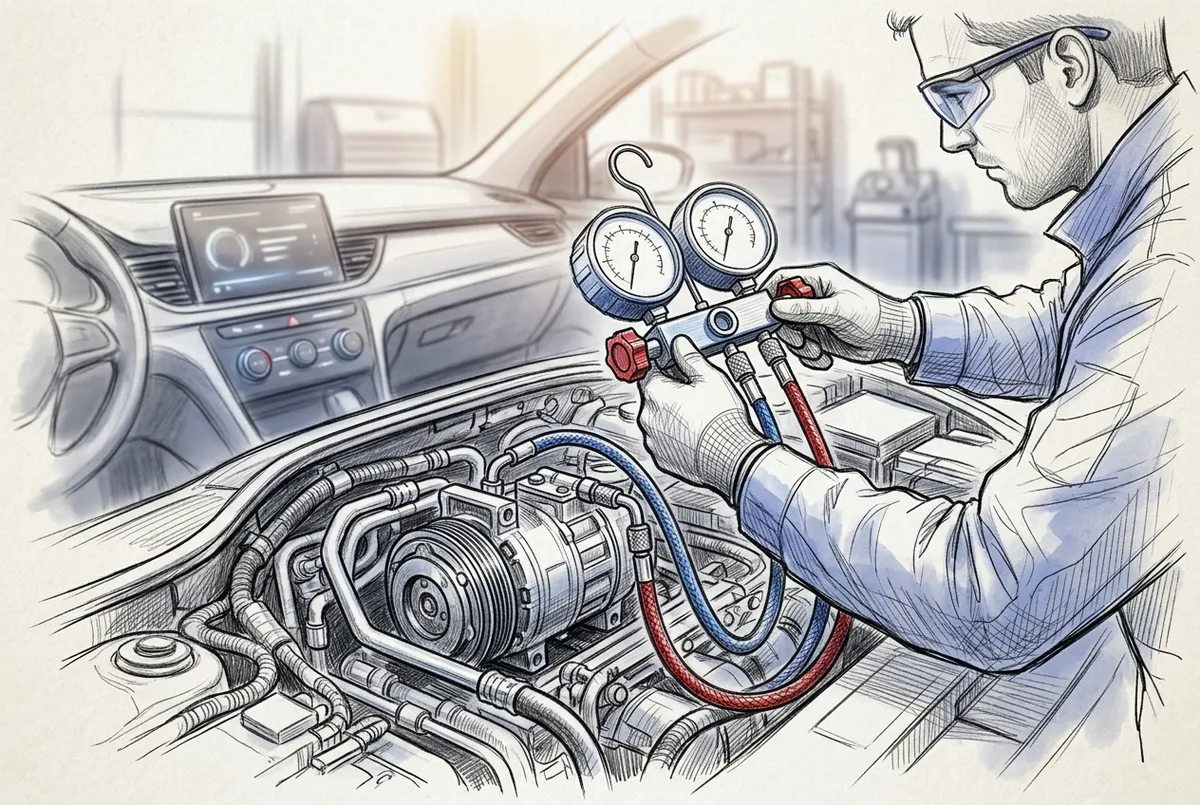
Choose AC repair shops with EPA 609 certification, HFO-1234yf training credentials, in-house parts inventory, experience with your specific vehicle type, and warranty-backed service.
-
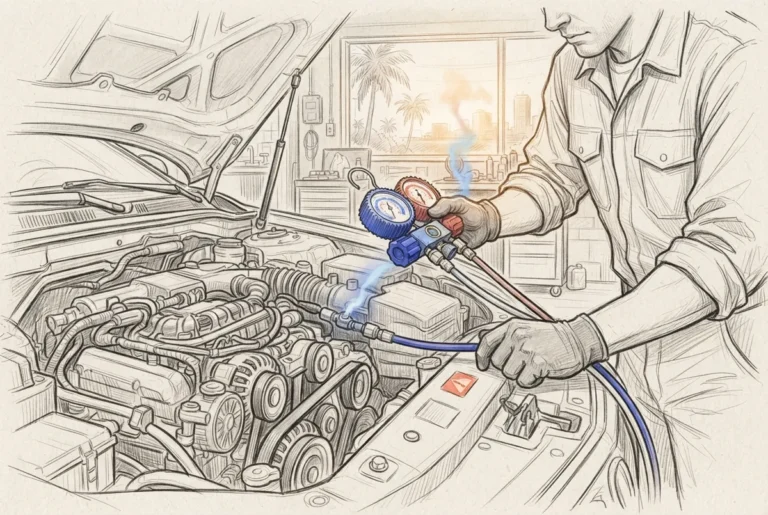
Common AC failures include refrigerant leaks, compressor failure, clogged condensers, broken blower motors, electrical issues, and worn belts; warm air output typically indicates low refrigerant or compressor problems.
If you’ve ever climbed into a hot car on a Tampa summer day and hit the AC button — only to feel a blast of warm air — you know the frustration all too well. Auto AC repair has become one of the fastest-growing service needs in the automotive world, and it’s easy to see why. Temperatures are climbing, vehicles are getting more complex, and drivers everywhere are demanding reliable climate control. Whether you’re a daily commuter, a long-haul truck driver, a bus operator, or a heavy equipment operator, a broken air conditioning system isn’t just uncomfortable — it can affect your health, your productivity, and even your safety. In 2026, the demand for quality auto AC repair services has never been higher. Let’s explore why this matters so much, what’s driving the trend, and how to make sure your vehicle stays cool when it counts most.
The Auto AC Repair Boom: What’s Driving Demand?
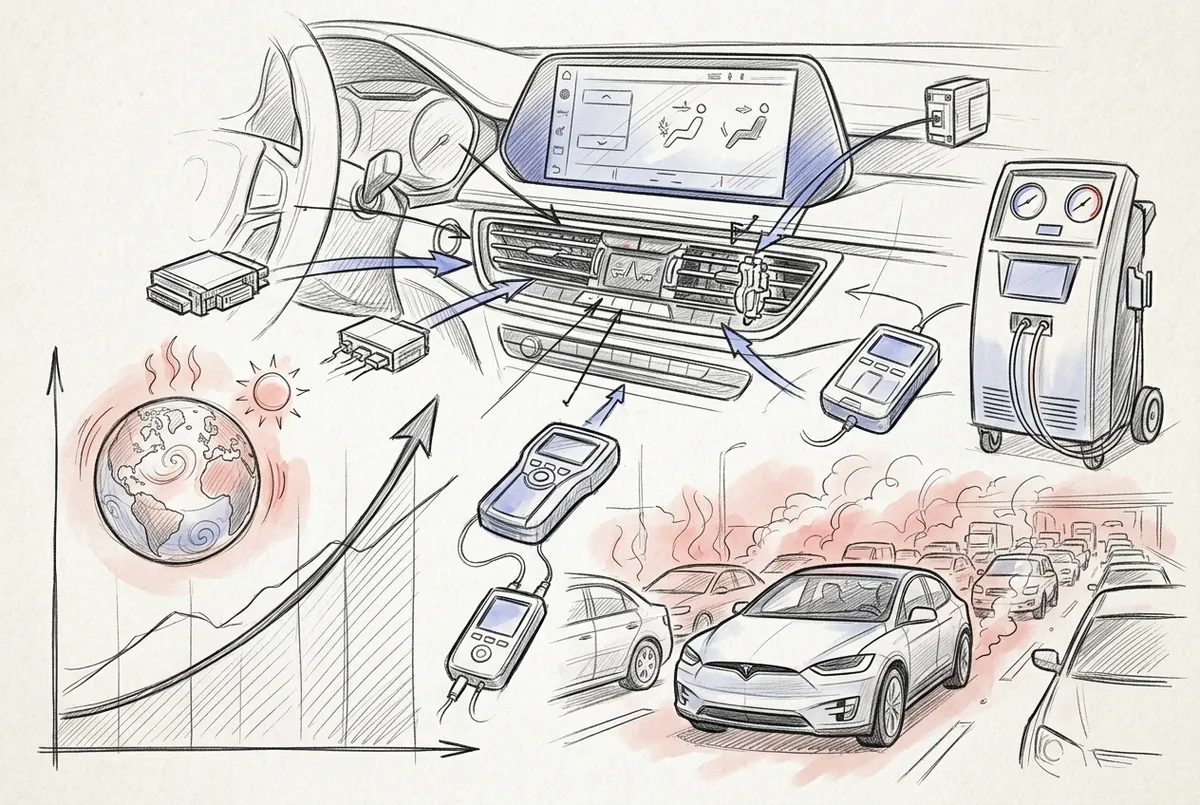
The numbers tell a compelling story. Repair revenue share in the HVAC industry climbed from 21.6% in 2021 to 31.3% in 2025. That’s a significant jump in just a few years. The global automotive HVAC market is valued at around $97.53 billion in 2025 and is projected to grow to $135.78 billion by 2034. Auto AC repair isn’t just a seasonal need anymore — it’s a booming industry segment.
So what’s fueling this growth? Several factors are at play. More vehicles on the road means more AC systems that need attention. Rising temperatures make working AC systems essential, not optional. And as vehicles become more technologically advanced, repairs are becoming more specialized. The average repair revenue per job increased 47% from 2021 to 2025, reflecting the growing complexity and value of these services.
Common Auto AC Repair Issues You Should Know
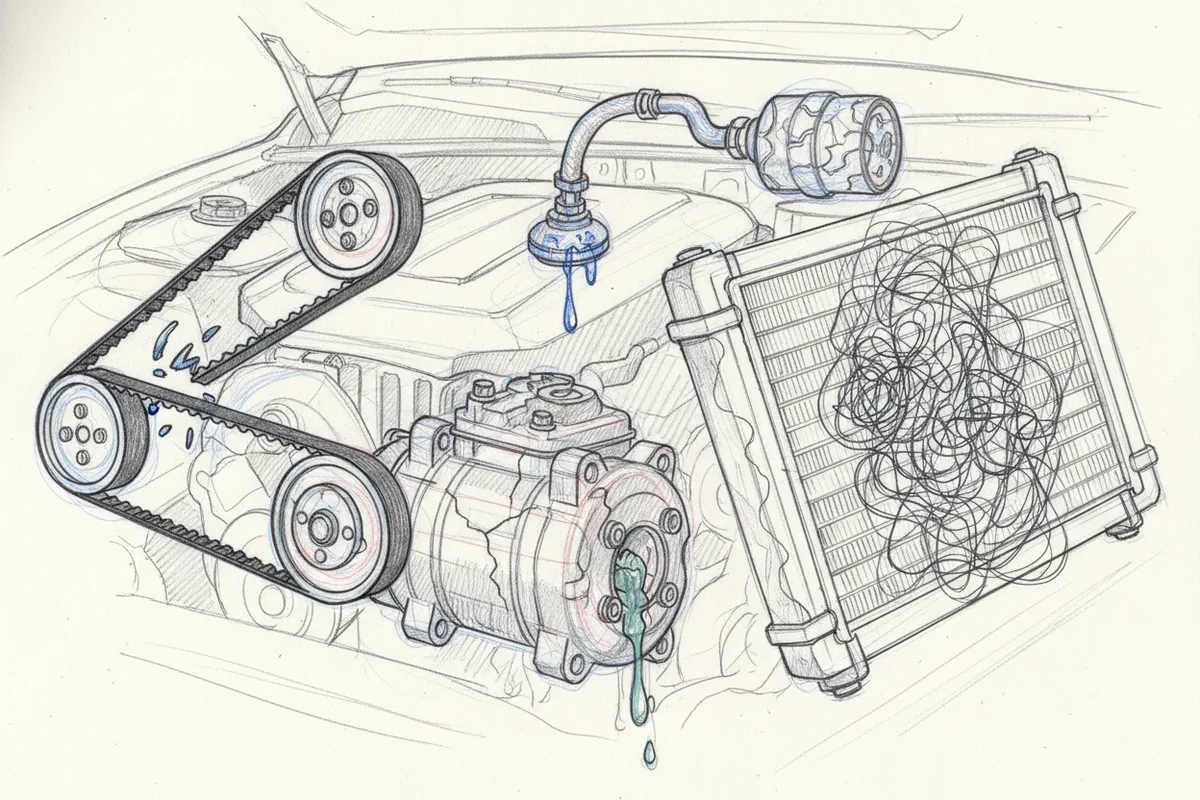
Understanding the most frequent AC problems can help you catch issues early and avoid costly breakdowns. Here are the most common problems vehicle owners encounter:
- Refrigerant leaks: Low refrigerant is one of the top reasons AC systems blow warm air. Leaks can occur in hoses, fittings, or the condenser.
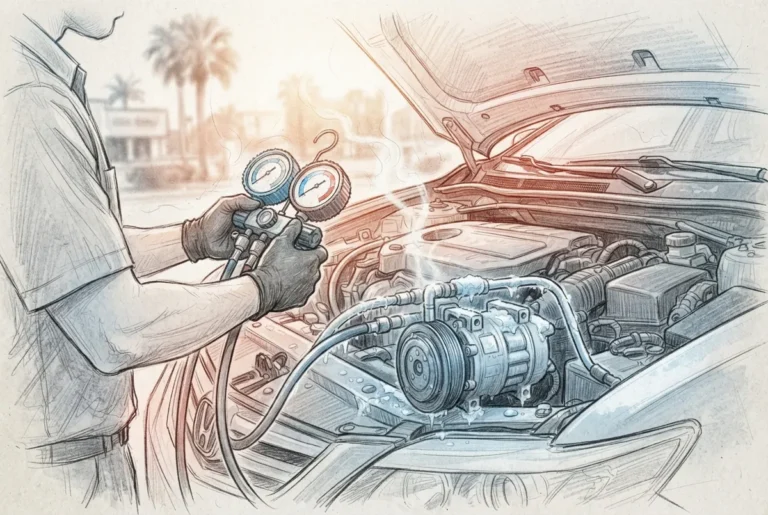
- Compressor failure: The compressor is the heart of your AC system. When it fails, the entire system stops cooling. Learn more about how to fix an AC compressor in your vehicle.
- Clogged or dirty condenser: Road debris and dirt can block the condenser, reducing cooling efficiency significantly.
- Broken blower motor: If air isn’t moving through your vents, the blower motor may be to blame.
- Electrical issues: Faulty wiring, blown fuses, or bad sensors can prevent the AC system from operating correctly.
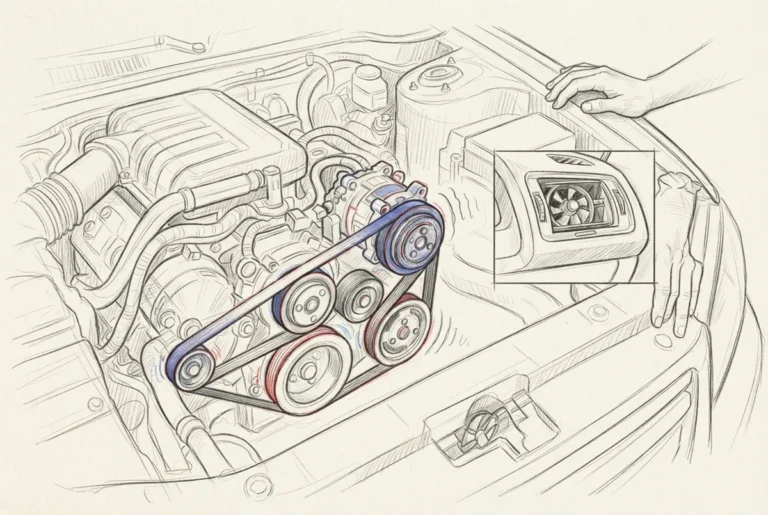
- Worn belts and hoses: Cracked or worn components can cause refrigerant leaks and system failures.
If your AC is blowing warm air, don’t wait. Check out 10 reasons your AC is blowing warm air and how to fix it for a detailed breakdown of the causes.
Auto AC Repair Costs: What to Expect
One of the most common questions people ask is: how much does auto AC repair cost? The answer depends on the type of repair needed. Here’s a general overview to help you plan:
| Repair Type | Estimated Cost Range | Common Vehicles Affected |
|---|---|---|
| Refrigerant recharge | $100 – $300 | Cars, trucks, SUVs |
| Compressor replacement | $500 – $1,200+ | All vehicle types |
| Condenser replacement | $400 – $900 | Cars, RVs, buses |
| Evaporator replacement | $600 – $1,100 | Cars, trucks |
| Leak detection and repair | $150 – $500 | All vehicle types |
| Full system installation | $1,500 – $4,000+ | Heavy equipment, RVs, buses |
Keep in mind that catching a problem early almost always saves money. A small refrigerant leak that costs a few hundred dollars to fix can turn into a full compressor replacement if left unaddressed. Regular maintenance is your best investment. You can also explore AC repair vs. AC replacement to understand which option makes the most sense for your situation.
How Often Should You Service Your Vehicle’s AC?
Many vehicle owners don’t think about their AC until it stops working. That’s a common mistake! Proactive maintenance keeps costs down and ensures your system works reliably when Tampa’s heat peaks. Here’s a simple maintenance schedule to follow:
- Annual AC inspection: Have a certified technician check your system once a year, ideally before summer hits.
- Refrigerant check every 2 years: Refrigerant can deplete over time, even without visible leaks. A top-off or recharge may be needed.
- Cabin air filter replacement: Replace every 12,000–15,000 miles to maintain airflow and air quality inside the vehicle.
- System flush every 3–5 years: Flushing removes contaminants that accumulate in the system and can cause damage over time.
- Inspect belts, hoses, and seals: These wear out with heat and use — check them during every major service visit.
For Tampa drivers especially, staying ahead of AC maintenance is critical. Read our guide on 5 AC maintenance tips every Tampa vehicle owner needs to stay prepared all year long.
Refrigerants in 2026: R134a vs. R1234yf
One of the most talked-about topics in auto AC repair right now is refrigerant type. Many vehicles manufactured before 2015 use R134a refrigerant, while newer models use R1234yf. Here’s a quick comparison:
| Feature | R134a | R1234yf |
|---|---|---|
| Environmental impact | High global warming potential | Much lower global warming potential |
| Cost | Lower cost per pound | Higher cost per pound |
| Vehicle compatibility | Older vehicles (pre-2015) | Newer vehicles (2015 and beyond) |
| Technician certification required | EPA 609 | EPA 609 + HFO-1234yf training |
Choosing the right refrigerant for your vehicle is crucial. Using the wrong type can damage your system and void your warranty. A qualified auto AC repair shop will always verify the correct refrigerant type before servicing your vehicle.
Auto AC Repair for Trucks, Buses, RVs, and Heavy Equipment
Auto AC repair isn’t just for cars. Truck drivers, bus operators, RV enthusiasts, and heavy equipment operators all rely on functioning air conditioning systems to do their jobs safely and comfortably. In Tampa’s heat, a failed AC system in a bus or construction vehicle can quickly become a health hazard.
Heavy equipment and commercial vehicles often require specialized knowledge and parts that standard repair shops simply don’t carry. That’s where experience and a robust parts inventory make a real difference. Explore the full range of AC parts available for all vehicle types, from passenger cars to bulldozers.
Fleet owners, in particular, face unique challenges. Keeping an entire fleet cool and operational requires a repair partner who can handle multiple vehicle types quickly and efficiently. A shop with same-day parts availability and deep AC expertise can be the difference between a productive workday and costly downtime. If you manage a fleet, learn more about comprehensive AC services designed to keep your vehicles running smoothly.
How Electric and Hybrid Vehicles Are Changing Auto AC Repair
The rise of electric vehicles (EVs) and hybrids is reshaping the auto AC repair landscape. Unlike traditional vehicles, EVs don’t have a combustion engine to power the AC compressor. Instead, they use electric compressors that draw directly from the battery. This creates new challenges and new repair needs.
Electric and hybrid vehicles are expected to reach 30% of the overall automotive market by 2030. As these vehicles become more common on Tampa roads, technicians need specialized training to service their AC systems safely and correctly. Marks Air stays ahead of this curve by offering AC training programs that include EVT A/C training for electric vehicles, in addition to EPA 609 certification and HFO-1234yf training.
Smart, connected HVAC systems with AI-enabled climate control are also becoming more common. These systems can personalize temperature settings, predict comfort needs, and optimize energy use — but they also require more sophisticated diagnostic tools to repair. Staying current with these trends is essential for any quality auto AC repair shop.
What to Look for in a Quality Auto AC Repair Shop
Not all auto AC repair shops are created equal. When choosing where to take your vehicle, here are the key things to look for:
- Specialized AC expertise: Look for a shop that focuses on air conditioning systems, not just a general mechanic that handles AC on the side.
- Proper certifications: Technicians should hold EPA 609 certification and, for newer vehicles, HFO-1234yf training credentials.
- Parts availability: A shop with in-house parts inventory can complete repairs faster and more affordably.
- Experience with your vehicle type: Whether you drive a car, truck, bus, RV, or heavy equipment, choose a shop with proven experience on your specific vehicle.
- Warranty on repairs: Quality shops stand behind their work with a warranty.
- Transparent pricing: Ask for a clear estimate before any work begins.
For Tampa drivers, finding the best AC repair in Tampa means looking for a shop with decades of experience and a genuine focus on vehicle air conditioning. You can also check customer reviews on Yelp to see what others have experienced before booking your appointment.
Why Marks Air Is Tampa’s Trusted Auto AC Specialist
Since 1971, Marks Air has been Tampa’s go-to shop for vehicle air conditioning repair, parts, and installation. As a family-owned, woman-owned business, Marks Air brings over 50 years of focused AC expertise to every job — whether it’s a car, truck, bus, RV, or piece of heavy equipment. The shop is a proud member of the Mobile Air Climate Systems Association (MACS), staying aligned with the latest industry standards.
Marks Air stocks same-day parts, offers complete diagnostics and repairs, and even provides technician training programs for professionals in the industry. If you’re unsure whether to repair or replace your system, the experienced team can walk you through your options clearly and honestly. Visit us on Google to read real customer reviews and see why Tampa drivers have trusted Marks Air for generations. You can also follow along on Facebook for tips, updates, and seasonal AC advice.
For emergency situations, emergency AC repair in Tampa is available when you need fast relief. Don’t let a broken AC system ruin your day — or your health.
Steps to Take When Your Vehicle AC Stops Working
If your AC suddenly stops cooling, here’s what to do right away:
- Check the obvious first: Make sure the AC is set to the correct mode and the fan is turned on. Sometimes settings get accidentally changed.
- Listen for unusual sounds: Clicking, squealing, or rattling when the AC runs can indicate a compressor or belt issue.
- Look for visible leaks: Check under your vehicle for puddles or staining near AC components.
- Note the symptoms: Is it blowing warm air, no air at all, or just weak airflow? These details help technicians diagnose the problem faster.
- Schedule a professional inspection: Don’t delay. AC problems tend to worsen quickly, especially in summer heat.
You can also review our AC repair FAQs for quick answers to the most common questions Tampa drivers ask.
Conclusion: Don’t Wait on Auto AC Repair
Auto AC repair is more important than ever in 2026. With rising temperatures, increasingly complex vehicle systems, and a booming demand for quality service, staying proactive about your vehicle’s air conditioning isn’t just smart — it’s essential. Whether you drive a personal car, operate a fleet, or manage heavy equipment, a reliable AC system keeps you comfortable, safe, and productive.
The good news? Quality help is close by. Tampa’s trusted AC specialists are ready to diagnose, repair, and maintain your system so you can focus on what matters most. Don’t wait until the heat becomes unbearable. Schedule your AC service today and experience the difference that decades of expertise makes — or give us a call at 813-988-1671 and we’ll take great care of you!
FAQs
Q: How much does auto AC repair typically cost in Tampa?
A: The cost of auto AC repair varies depending on the issue. Simple refrigerant recharges may run $100–$300, while more involved repairs like compressor replacement can range from $500 to $1,200 or more. Getting an inspection early helps you catch small problems before they turn into big expenses!
Q: How often should I have my vehicle’s AC system serviced?
A: A good rule of thumb is to have your AC inspected at least once a year, ideally before the summer heat kicks in. Refrigerant levels should be checked every couple of years, and cabin air filters should be replaced every 12,000–15,000 miles. Staying ahead of maintenance keeps your system running smoothly and saves you money in the long run.
Q: What’s the difference between R134a and R1234yf refrigerant?
A: R134a is used in older vehicles (generally pre-2015), while R1234yf is used in newer models and is much more environmentally friendly. The two refrigerants aren’t interchangeable, so it’s important to use the correct type for your vehicle. A certified technician will always confirm the right refrigerant before servicing your system.
Q: Can auto AC repair shops service trucks, RVs, and heavy equipment?
A: Absolutely! Specialized shops like Marks Air in Tampa are equipped to handle air conditioning repair and installation for a wide range of vehicles — from personal cars to long-haul trucks, buses, RVs, and even heavy construction equipment. Make sure to choose a shop with experience in your specific vehicle type.
Q: Why is my car AC blowing warm air?
A: Warm air from your AC is most commonly caused by low refrigerant due to a leak, a failing compressor, or a clogged condenser. Electrical issues and a broken blower motor are also common culprits. The best move is to schedule a professional diagnosis so the root cause can be identified and fixed quickly — before the Tampa heat gets the best of you!