Key Takeaways
-
Vehicle A/C repair costs $415-$1,200 in 2026, while full replacement ranges from $1,500-$4,000+; repair is typically best for single component failures, but replacement becomes smarter when multiple parts fail simultaneously or the system exceeds 10-15 years old.
-
Watch for critical warning signs including warm air from vents, unusual noises, weak airflow, musty odors, and visible leaks; addressing these issues immediately prevents small problems from becoming expensive breakdowns in hot climates.
-
Repair costs should not exceed 50% of a new system’s price to justify the investment; use this threshold alongside a professional diagnostic to make the repair-versus-replace decision, as accurate diagnosis saves hundreds of dollars.
-
The 2026 shift to new refrigerants like R-32 and HFO-1234yf means older systems may become incompatible or expensive to repair; systems over 10-15 years old using outdated refrigerants like R-12 or R-134a should be upgraded to comply with new regulations.
-
Preventive maintenance for fleet and commercial vehicles dramatically reduces unexpected breakdowns and downtime costs; regular A/C checks catching refrigerant leaks early can prevent a $300 repair from becoming a $3,000 compressor replacement.
-
Choose service providers with specialization in your vehicle type, in-house diagnostics, same-day parts availability, EPA 609 certified technicians, and strong customer reviews; quality parts from reputable brands matter significantly for system longevity.
Your vehicle’s air conditioning stops working on a hot Tampa day. Sound familiar? You’re sitting in traffic, the sun is blazing, and all you feel is warm air blowing from the vents. The big question hits you fast: should I fix it or replace it?
This is one of the most common dilemmas vehicle owners face. The answer isn’t always obvious. It depends on your vehicle type, the severity of the problem, your budget, and how long you plan to keep the vehicle. Whether you drive a personal car, manage a fleet, operate heavy equipment, or travel in an RV, this guide will help you make the smartest choice.
Let’s break down the difference between air conditioning repair and full system replacement — and help you figure out exactly which path makes sense for your situation.
What Is Air Conditioning Repair?
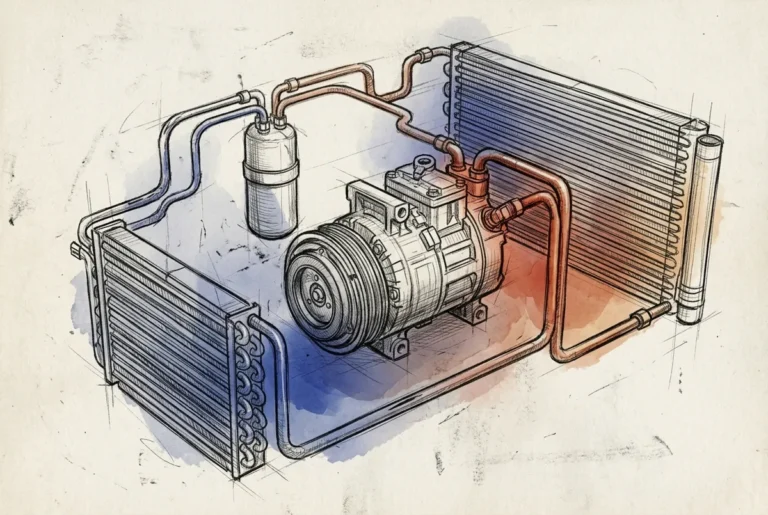
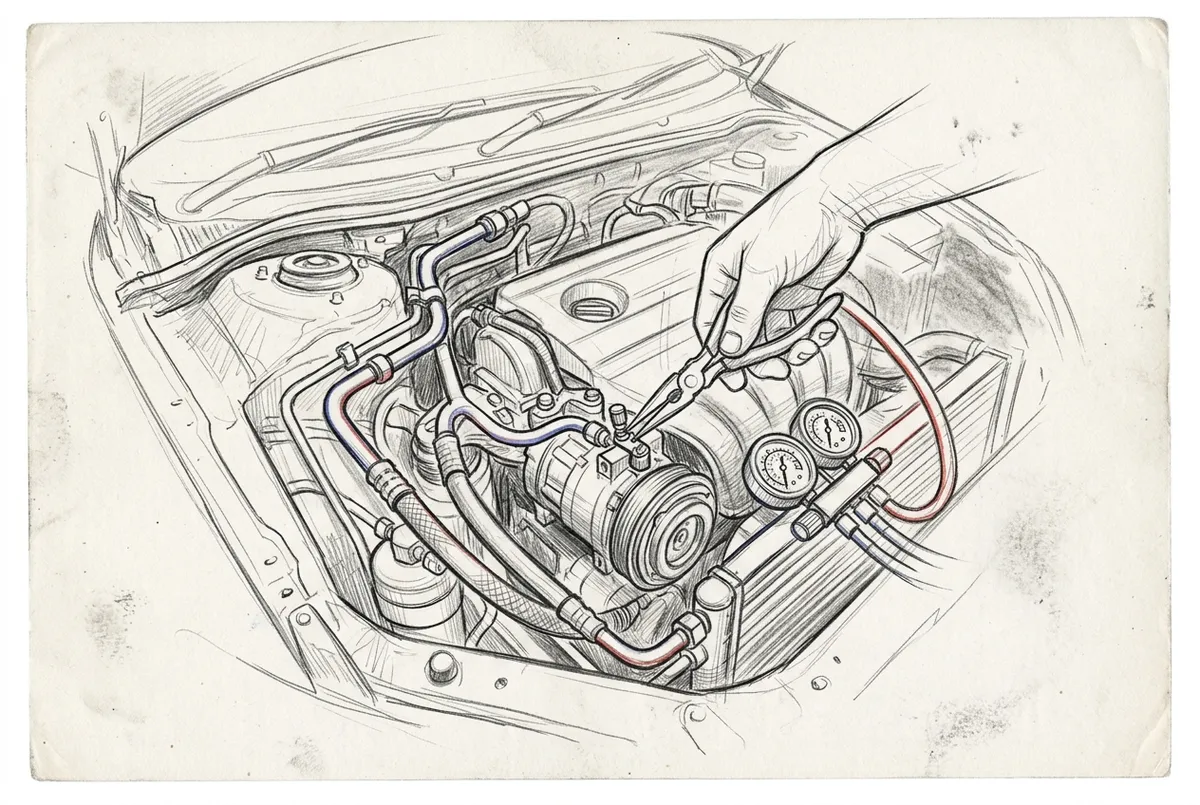
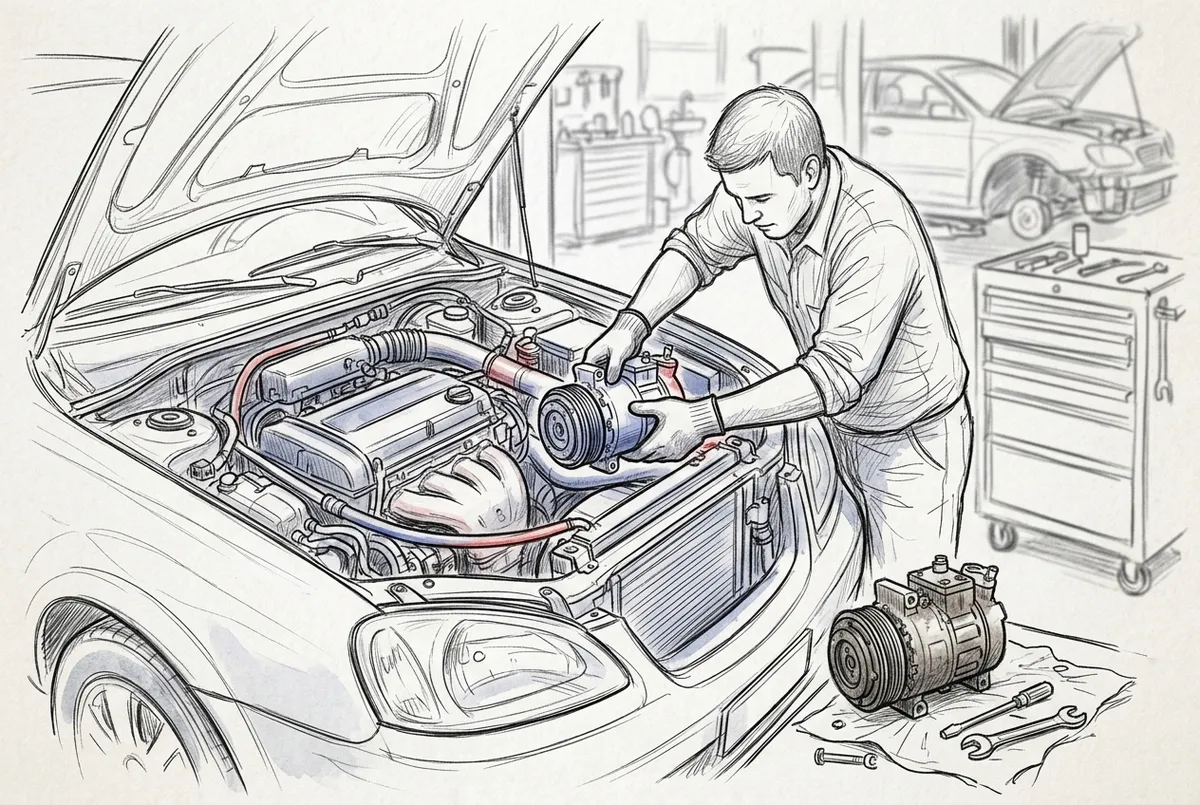
Air conditioning repair means fixing a specific part or problem in your existing A/C system. The goal is to restore proper cooling without changing the entire setup. Most A/C problems can be resolved with targeted repairs.
Common repairs include:
- Refrigerant recharge or leak repair
- Compressor replacement or rebuild
- Condenser or evaporator repair
- Electrical component fixes
- Hose fabrication and replacement
- Expansion valve or receiver-drier replacement
In 2026, the average cost of automotive and vehicle A/C repair ranges from $415 to $1,200, depending on the component and vehicle type. Repairs per HVAC and A/C organization have increased 64.7% from 2022 to 2025 — a sign that more people are choosing to fix rather than abandon their systems.
For vehicles still under warranty, in good shape, or relatively newer, professional A/C services focused on repair are often the smartest and most affordable first step.
What Is AC System Replacement?
Replacing your A/C system means installing a new or upgraded system — either because the old one is beyond repair or because you want better performance. This is a bigger investment but sometimes the right call.
Replacement is typically recommended when:
- The compressor is severely damaged and costly to fix
- Multiple components have failed at the same time
- The system uses an outdated refrigerant that’s no longer supported
- Repairs would cost more than a new system
- You’re upgrading heavy equipment or a bus to meet new comfort standards
Full system replacement costs more upfront but can deliver better efficiency, compatibility with modern refrigerants like R-32 or HFO-1234yf, and longer-lasting results. If you’re curious about what the process involves, check out this helpful resource on common A/C installation mistakes Tampa drivers make.
Repair vs. Replacement: A Side-by-Side Comparison
Not sure which one fits your situation? Here’s a quick comparison to help you decide.
| Factor | AC Repair | AC Replacement |
|---|---|---|
| Average Cost | $415–$1,200 | $1,500–$4,000+ |
| Timeframe | Hours to 1–2 days | 1–3 days |
| Best For | Single component failure | Multiple failures or old system |
| Lifespan Extension | Moderate | Long-term |
| Refrigerant Compatibility | Works with existing refrigerant | Can upgrade to newer refrigerants |
| Disruption to Vehicle Use | Minimal | Moderate |
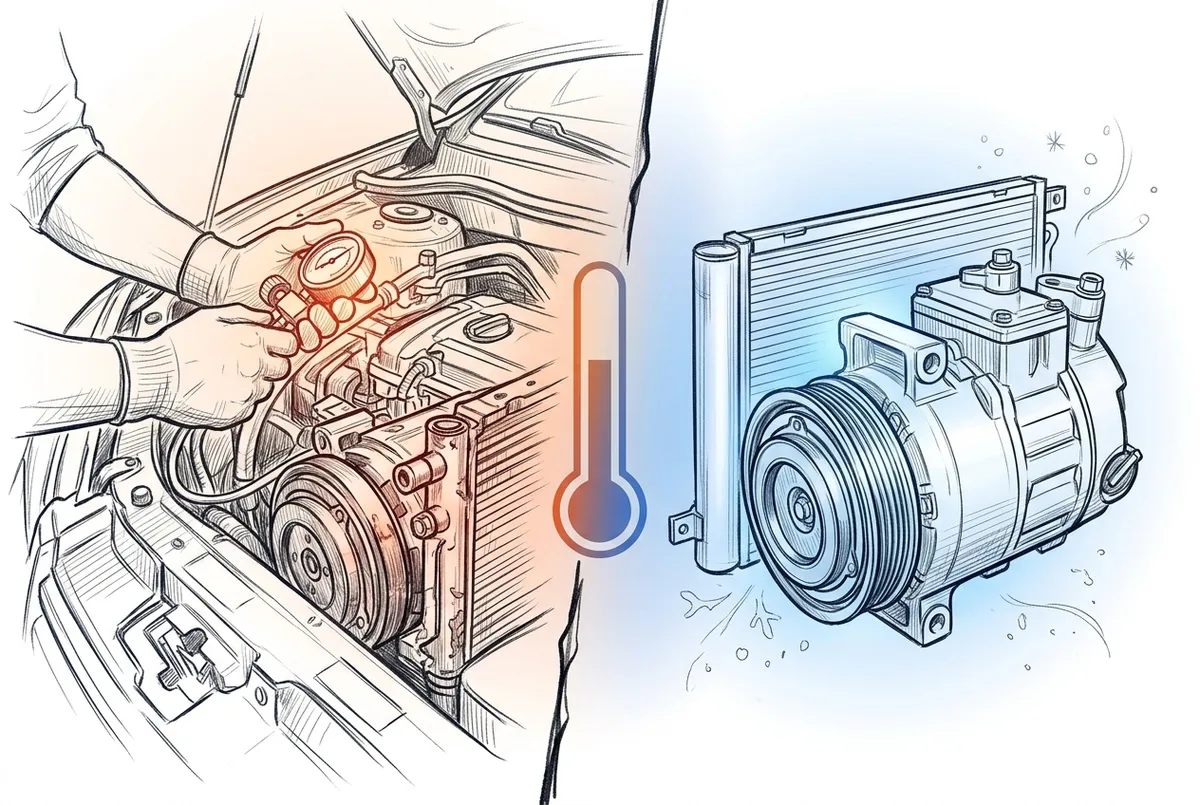
This comparison gives you a starting point, but nothing beats a proper diagnosis from a trained technician. A good diagnostic check can save you hundreds of dollars by pinpointing the exact problem before any work begins.
Key Signs You Need Air Conditioning Repair
Catching problems early can save you money and prevent bigger breakdowns. Here are the most common signs your A/C needs repair:
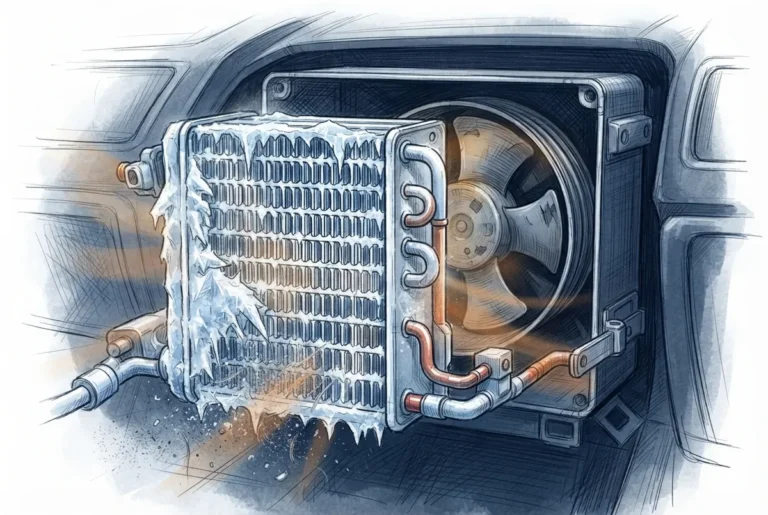
- Warm air from vents — This is the #1 complaint and often points to low refrigerant or a faulty compressor.
- Unusual noises — Banging, clicking, or squealing sounds when the A/C runs usually mean a mechanical issue.
- Weak airflow — If the air is barely reaching you, a clogged filter or blower motor issue could be the cause.
- Bad smells — Musty or chemical odors suggest mold, leaks, or refrigerant issues inside the system.
- Visible leaks — Refrigerant or oil spots under your vehicle or near A/C fittings are a clear red flag.
If you’re noticing any of these, don’t wait. Tampa’s heat can make a small problem unbearable fast. Learn more about why A/C repair in Tampa is so critical for your vehicle — especially during the peak summer months.
When Replacement Makes More Sense
Sometimes repair just isn’t enough. Here’s when replacement becomes the smarter option:
- Age of the system — If your A/C system is more than 10–15 years old and breaking down often, a new system could save you money over time.
- Refrigerant phase-outs — Older systems using R-12 or R-134a may need to be upgraded to comply with new refrigerant regulations in 2026.
- Repeated failures — If you’ve repaired the same part two or three times, that’s a signal the whole system is degrading.
- High-mileage commercial vehicles — For buses, trucks, and heavy equipment with lots of hours, investing in a new system keeps drivers comfortable and productive.
- Custom applications — Some specialty vehicles, RVs, or agricultural equipment benefit from a custom-designed A/C system built specifically for their needs.
For fleet operators and bus companies, downtime costs money. In those cases, a full system replacement might be the more efficient long-term investment. Explore the full range of A/C services to understand what options fit your operation best.
Who Benefits Most From Each Option?
Different drivers and operators have different needs. Here’s how the repair-vs-replace decision breaks down by vehicle type:
| Vehicle Type | Most Likely Choice | Key Consideration |
|---|---|---|
| Personal Car | Repair | Cost-effectiveness, vehicle age |
| Long-Haul Truck | Repair or Replace | Driver comfort, downtime cost |
| Passenger Bus | Replace | Passenger safety, system load |
| RV | Repair or Upgrade | Travel reliability, custom fit |
| Heavy Equipment | Replace or Custom Install | Operator safety, heat exposure |
| Fleet Vehicles | Repair (preventive) | Maintenance schedules, parts availability |
For fleet owners, preventive air conditioning repair through regular maintenance can dramatically reduce unexpected breakdowns. Check out these 5 A/C maintenance tips every Tampa vehicle owner needs to keep your fleet running cool all year long.
The Role of New Refrigerants in 2026
One factor that’s changing the repair-vs-replace conversation in 2026 is refrigerant technology. The industry is actively shifting toward low-GWP (global warming potential) refrigerants like R-32 and HFO-1234yf.
Here’s what this means for you:
- Older systems may not be compatible with newer refrigerants
- Repairs on legacy systems could become more expensive as older refrigerants become harder to source
- New system installations can be designed to use the latest, more environmentally friendly refrigerants
- Technicians need specialized training to handle HFO-1234yf safely — something the team at Marks Air’s training programs covers in depth
Marks Air is proud to be a member of the Mobile Air Climate Systems Association (MACS), which keeps the team up to date on industry standards, refrigerant transitions, and best practices in mobile air conditioning.
How Smart Diagnostics Are Changing Repairs
Technology is making repairs faster and more accurate in 2026. AI-driven diagnostics and smart HVAC tools are helping technicians identify problems before they become catastrophic failures. This means:
- Faster diagnosis means less time in the shop
- More accurate repairs with fewer return visits
- Predictive maintenance alerts for fleet and commercial vehicle operators
- Better documentation for warranty and insurance purposes
If you’re managing a fleet or operate heavy equipment, predictive diagnostics can be a game-changer. Catching a refrigerant leak early could be the difference between a $300 repair and a $3,000 compressor replacement.
How to Choose the Right A/C Service Provider
Choosing the right shop matters — especially when you’re dealing with a complex system in a commercial truck, bus, or piece of heavy equipment. Here’s what to look for:
- Specialization in your vehicle type — Not every shop works on buses, RVs, or agricultural equipment. Find one that does.
- In-house diagnostics — Shops with their own diagnostic tools can find the real problem faster.
- Parts availability — Same-day parts availability means less downtime for you.
- Certified technicians — Look for EPA 609 certification and training in new refrigerants.
- Reputation and reviews — Check what other customers are saying before you commit.
You can read Marks Air’s customer reviews to see why Tampa drivers, fleet operators, and equipment managers have trusted us since 1971. You can also visit us on Google to check out our ratings and recent feedback from real customers.
Need help finding the right service? This guide on how to find reliable auto A/C service in Tampa Bay walks you through exactly what to look for in a trusted repair shop.
Parts Quality: Why It Matters for Longevity
Whether you’re repairing or replacing your A/C system, the quality of parts used makes a big difference in how long results last. Cheap parts may save money upfront but often lead to repeat failures.
Quality A/C parts to look for include:
- Compressors with a solid warranty
- Expansion valves designed for your specific system
- Hoses built to withstand heat and pressure over time
- Driers that effectively remove moisture from the system
At Marks Air, the A/C parts inventory includes trusted brands like SPAL, ACT, BCC, gpd, and Omega — along with the in-house KOOL-TEMP parts line. Many items are available the same day, which is a huge advantage when downtime costs you money. You can also stay connected and see what’s new by following Marks Air on Facebook and Instagram.
Making the Final Call: Repair or Replace?
Still not sure which direction to go? Here’s a simple decision framework:
- Repair if: The problem is isolated, the vehicle is in good condition, and repair costs are less than 50% of a new system.
- Replace if: Multiple components have failed, the system is outdated, or repair costs exceed the value it adds to the vehicle.
- Ask a specialist if: You’re unsure — a proper diagnostic will almost always give you the clearest answer.
Don’t guess. A quick trip to a trusted shop can give you a clear diagnosis, a fair estimate, and honest advice. That peace of mind is worth it — especially in Tampa’s heat. Learn more about Marks Air and why Tampa has counted on this family-owned, woman-owned shop for vehicle A/C service for over 50 years.
Conclusion
Whether you need a quick air conditioning repair or a full system upgrade, the most important step is getting an accurate diagnosis from someone who truly knows vehicle A/C systems. The right choice depends on your vehicle, your budget, and your goals — but you don’t have to figure it out alone.
From personal cars to heavy equipment, Marks Air has been Tampa’s go-to A/C specialist since 1971. With in-house diagnostics, same-day parts, certified technicians, and a genuine commitment to quality, we’re here to help you stay cool and keep moving. If you’ve been dealing with A/C troubles and need expert advice, schedule your A/C service today or give us a call at 813-988-1671 — we’d love to help you get back to comfortable driving!
FAQs
Q: How do I know if my vehicle’s A/C needs repair or replacement?
A: Great question! If only one component has failed — like a refrigerant leak or a bad compressor — repair is usually the right call. If multiple parts are failing at once, the system is very old, or repair costs are creeping close to the price of a new system, replacement might be the smarter long-term investment. A quick diagnostic check from a certified technician gives you the clearest answer.
Q: How much does air conditioning repair cost for a vehicle in 2026?
A: In 2026, vehicle A/C repair typically ranges from $415 to $1,200 depending on what’s broken and what type of vehicle you have. Simpler fixes like refrigerant recharges tend to be on the lower end, while compressor replacements or hose fabrication jobs can push toward the higher range. Getting a proper diagnosis first helps you avoid paying for unnecessary repairs!
Q: What are the most common signs a vehicle’s air conditioning needs repair?
A: The most common warning signs include warm air blowing from the vents, unusual noises when the A/C runs, weak airflow, musty or chemical odors, and visible refrigerant leaks under the vehicle. If you notice any of these in Tampa’s heat, it’s a good idea to get it checked sooner rather than later — small issues can quickly turn into bigger, more expensive problems.
Q: Does the shift to new refrigerants like HFO-1234yf affect my repair options?
A: Yes, it does! In 2026, the industry is moving toward low-GWP refrigerants like R-32 and HFO-1234yf, which are more environmentally friendly. Older systems may not be compatible with these newer refrigerants, which can limit your repair options or increase costs. A specialist who is trained in both old and new refrigerant systems — like the team at Marks Air — can help you figure out the best path forward.
Q: Is preventive A/C maintenance worth it for fleet vehicles and heavy equipment?
A: Absolutely — and it can save you a lot of money! Regular preventive maintenance helps catch small problems like refrigerant leaks or worn hoses before they turn into costly breakdowns. For fleet operators and heavy equipment managers, every hour of downtime has a real cost, so keeping A/C systems in top shape through scheduled maintenance is one of the smartest investments you can make.