Key Takeaways
-
Routine A/C repairs typically cost $150-$650 nationally, while major work like compressor or evaporator replacement can exceed $1,000—but only a hands-on diagnostic inspection provides an accurate quote for your specific vehicle.
-
Always get a written, itemized estimate that lists the diagnosed problem, parts, labor costs, refrigerant type, and warranty coverage; phone quotes without inspection are unreliable because cooling problems have multiple possible causes.
-
Diagnostic fees ($75-$200) vary by shop policy; ask upfront whether the fee is credited toward repair costs if you approve the work, as this significantly affects your total out-of-pocket expense.
-
Vehicle A/C systems differ from home cooling, so specialist shops focusing solely on A/C provide more reliable estimates than general mechanics, especially for tight engine bay access and vehicle-specific parts.
-
Key cost factors include parts availability (OEM vs. aftermarket), labor time for hard-to-reach components, refrigerant type (newer HFO-1234yf costs more than older R-134a), and whether warranty coverage applies to parts, labor, or both.
-
Prevent costly future repairs by running your A/C regularly to maintain seals, watching for warning signs like weak airflow or musty smells, and scheduling yearly preventive checks before peak heat season.
Few things feel worse than a blast of hot air from your vents on a Tampa summer day. Your shirt sticks to the seat. The steering wheel burns your hands. And the first thing you wonder is, “How much is this going to cost me?”
That is a fair question, and you deserve a straight answer. An ac repair price estimate is a preliminary quote for fixing your cooling system. It usually covers a diagnostic visit, labor, parts, and sometimes refrigerant. National consumer cost guides place routine repairs at roughly $150 to $650, while major component work can top $1,000. Those numbers come from broad U.S. guides, so treat them as ballpark figures, not a promise for your vehicle.
Whether you drive a daily commuter, haul freight, run a bus route, or manage a fleet, this guide walks you through what shapes your estimate and how to read it with confidence. For a deeper vehicle-focused look at pricing, check out How Much Does AC Repair Cost for Your Vehicle in 2026?
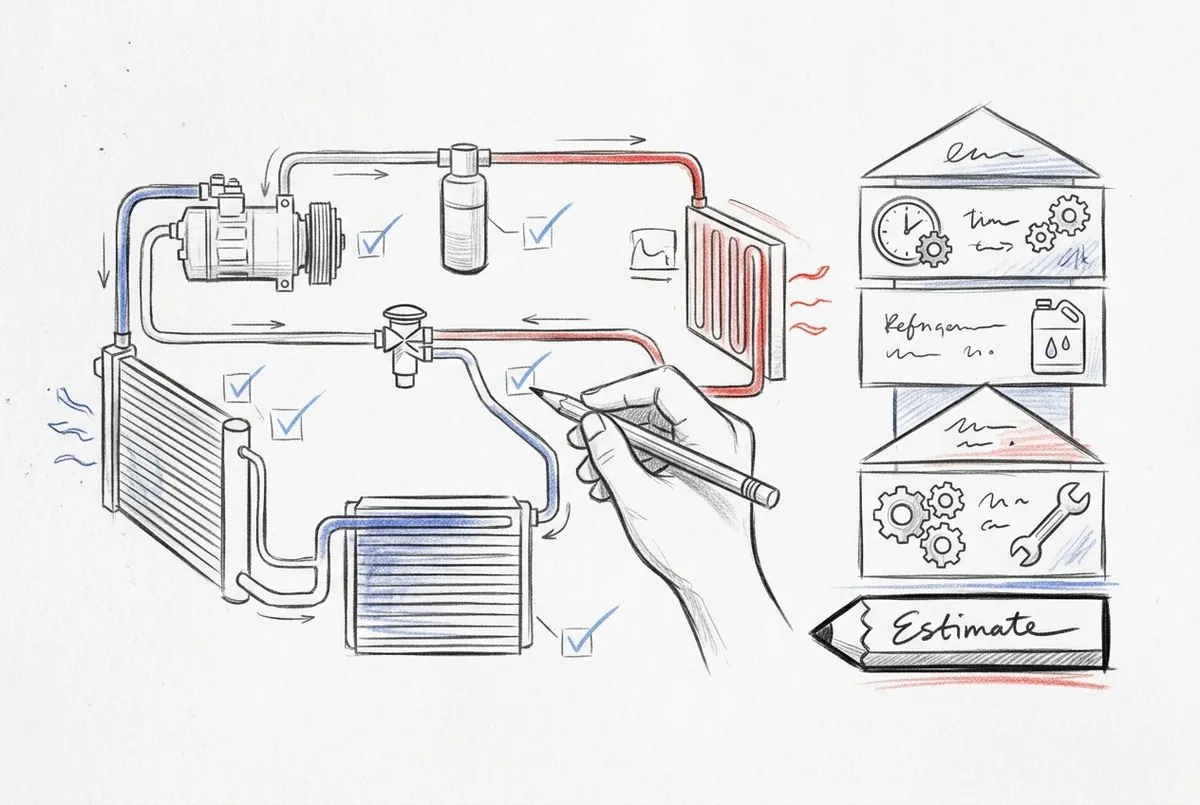
What Is an A/C Repair Price Estimate?
An A/C repair price estimate is your shop’s best guess at what a fix will cost. It is based on what the technician finds when they inspect your system. Think of it like a doctor’s visit. You cannot know the treatment cost until the exam is done.
A good estimate answers three simple questions:
- What is wrong with the A/C system?
- What work will fix it?
- What will it cost, including parts, labor, refrigerant, and fees?
Be careful with price quotes given over the phone with no inspection. Cooling problems can have many causes. A weak airflow complaint might be a simple blower motor issue or a leaking evaporator. Only a hands-on diagnosis can tell the difference.
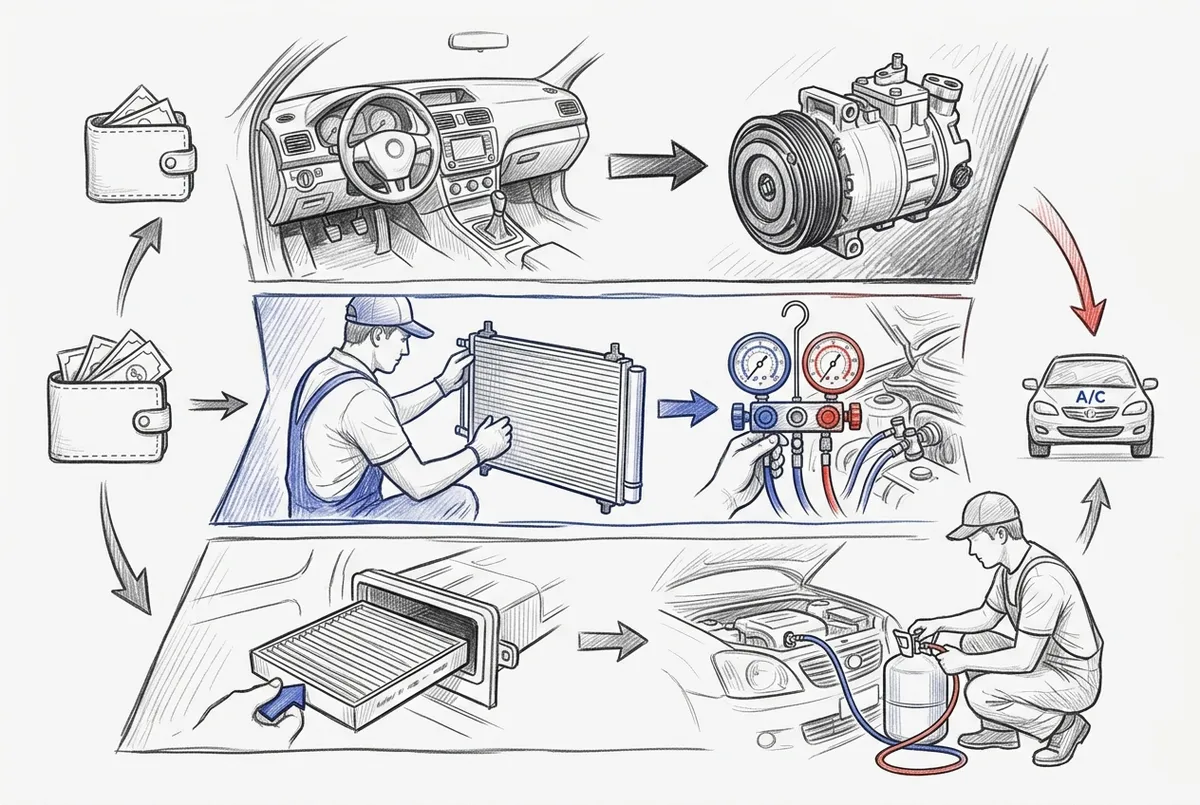
Typical A/C Repair Costs at a Glance
Published cost guides give wide, overlapping ranges. For example, HomeAdvisor reports a typical range of $172 to $664, with an average near $417. HomeGuide lists $150 to $650 for average repairs. These guides cover cooling systems in general, so vehicle prices at a specialist shop may differ based on your make, model, and system type.
Here is a quick look at common repair ballparks pulled from several 2026 consumer guides:
| Repair or Service | Ballpark Range | What Affects It |
|---|---|---|
| Diagnostic or service-call fee | $75 to $200 | Shop policy, system complexity, and whether the fee is credited toward repair |
| Capacitor replacement | $100 to $475 | Part type and labor time |
| Refrigerant recharge | $100 to $600 | Refrigerant type and amount needed |
| Leak detection and repair | $200 to $1,600 | Leak location and parts required |
| Compressor replacement | $900 to $2,900+ | Vehicle type, compressor cost, and added parts |
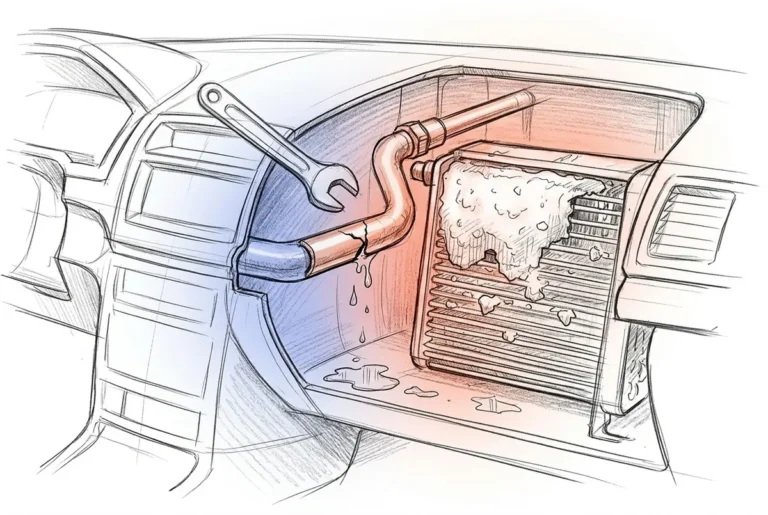
| Evaporator coil replacement | $1,000 to $5,000+ | Dash access and labor hours |
Remember, these are national benchmarks. They are not local quotes. Your actual price depends on your vehicle and what the technician finds.
Why Vehicle A/C Estimates Look Different
The big consumer guides often focus on home cooling systems. Vehicle A/C is its own world. Your cooling system lives in a tight engine bay, rides over bumps, and works through Florida heat and humidity. That changes both the parts and the labor.
Different vehicles bring different needs:
- Cars: Compact spaces can mean more labor to reach parts like the evaporator behind the dash.
- Trucks: Heavy-duty compressors and longer hose runs can raise parts costs.
- Buses: Larger systems have more components and need more refrigerant.
- RVs: Roof units and dash systems may both need attention.
- Heavy equipment: Dusty job sites can clog condensers and wear out parts faster.
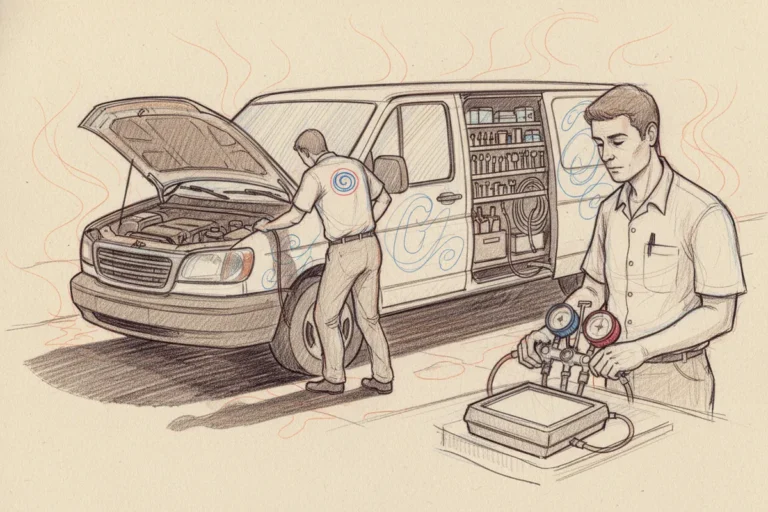
This is why a shop that focuses only on A/C systems can give you a more reliable number. Marks Air has done exactly that in Tampa since 1971. You can learn more about our story on the About Marks Air page.
What Factors Change Your Estimate?
Two vehicles with the same complaint can get very different quotes. Here are the main things that move the price.
The Diagnosis Itself
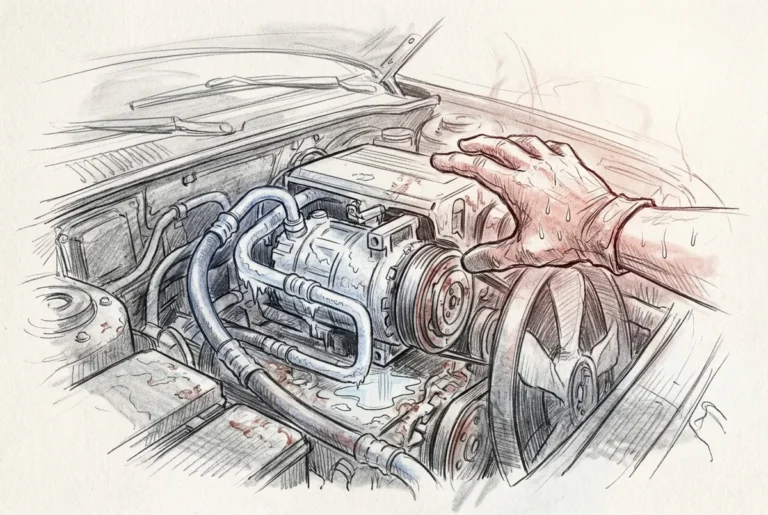
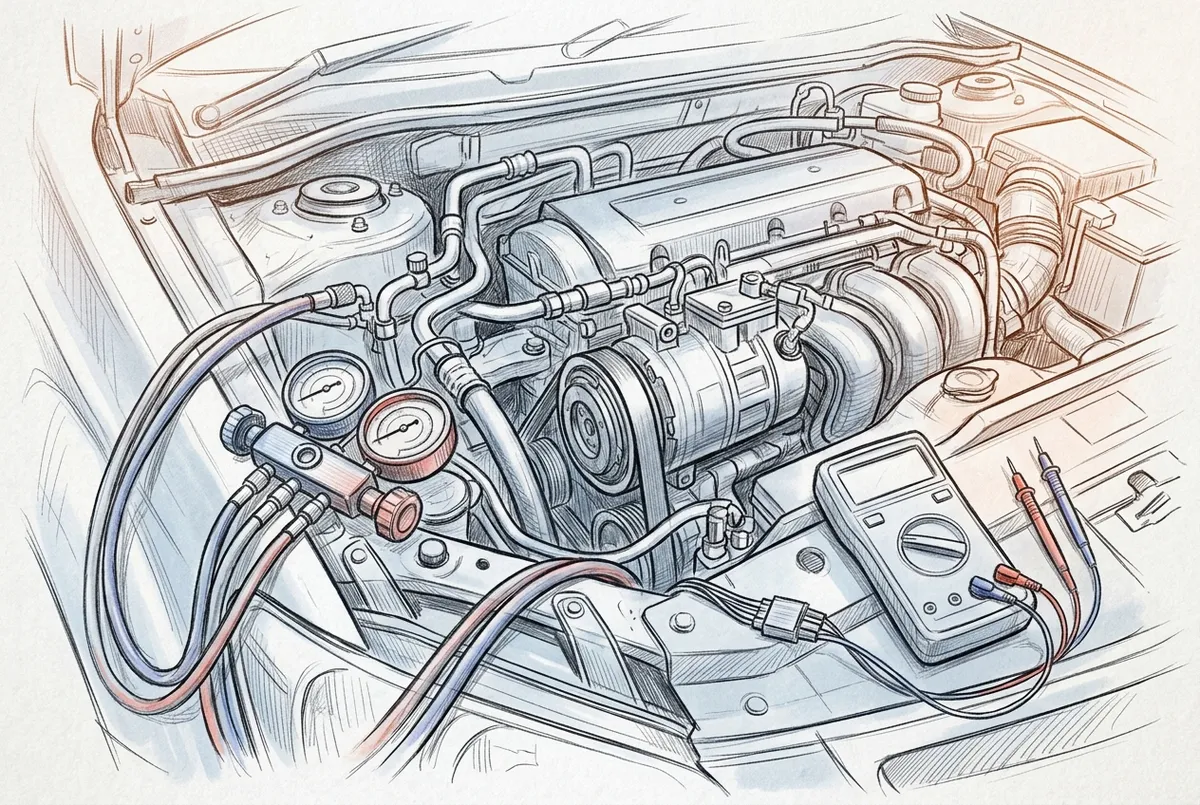
The root cause is the biggest driver. A bad relay is cheap. A failed compressor that sent metal bits through the system is not. Good technicians test pressures, check for leaks, and inspect each part before they quote you.
Parts and Availability
OEM parts, aftermarket parts, and hard-to-find parts all carry different prices. A shop with a deep parts inventory can often get you back on the road faster. If you want to know which parts tend to fail most, see 6 A/C Parts Every Vehicle Owner Should Know in 2026.
Labor and Access
Some parts take twenty minutes to swap. Others require pulling the whole dashboard. Labor rates vary by shop and region, and hard-to-reach parts add hours to the job.
Refrigerant Type
Refrigerant work should be priced after diagnosis. Older systems often use R-134a, while newer vehicles use HFO-1234yf, which usually costs more. The amount needed and the leak location also change the total. If you are curious about the newer type, read HFO-1234yf Refrigerant for Fleets: What You Need to Know.
Timing and Urgency
After-hours, holiday, or rush service can carry higher rates or surcharges. If your A/C quits in the middle of a Tampa heat wave, you may feel pressure to rush. Staying calm and asking questions still pays off.
How to Get a Solid A/C Repair Estimate in 6 Steps
Want the most accurate number with the least stress? Follow these steps.
- Note your symptoms. Write down what you notice. Is the air warm, weak, or smelly? Does it happen all the time or only at idle?
- Share your vehicle details. Give the year, make, model, and any past A/C work. Fleet owners should bring service records.
- Book a diagnostic. Pay for a real inspection instead of relying on a phone guess. Ask what the diagnostic fee covers.
- Ask if the fee is credited. Many shops apply the diagnostic fee toward the repair if you approve the work.
- Get it in writing. A written estimate protects you and the shop.
- Approve the scope. Confirm that extra work needs your okay before the shop begins.
If you want to understand what a diagnostic visit costs on its own, take a look at 3 Key Facts About Car AC Diagnostic Cost in 2026.
What a Good Written Estimate Includes
A clear estimate should never leave you guessing. Look for these items:
- The diagnosed problem and the proposed repair
- An itemized list of parts
- Labor charges, either hourly or flat rate
- Refrigerant type and quantity
- Any shop fees or disposal fees
- Warranty coverage on parts and labor
- A note about whether extra work needs your approval
Always compare estimates for the same scope of work. A lower price may leave out parts, refrigerant, or warranty coverage. A fair comparison looks at the whole picture, not just the bottom line.
Warranty Matters More Than You Think
Warranty status can change your out-of-pocket cost a lot. A manufacturer warranty might cover an eligible part, but you could still pay for diagnostics, labor, or refrigerant. Always ask which charges the warranty covers and which it does not.
Also ask about the shop’s own warranty. A repair that lasts is worth more than a cheap fix that fails again in a month. Marks Air stands behind its work, and you can see what customers say on our Reviews page.
Repair or Replace: How to Decide
Sometimes the estimate lands high enough that you wonder if repair makes sense. Here are a few questions that can help:
- Is the problem one failed part or several?
- How old is the system, and how long do you plan to keep the vehicle?
- Did the old failure damage other parts, like a compressor sending debris through the lines?
- Does the estimate include a warranty?
A single failed relay or hose is usually worth fixing. A compressor failure with system contamination may need a bigger job. For more help weighing this decision, read Repair vs. Replace: Which Fixes Your AC Compressor? and 5 Key Factors That Determine AC Compressor Replacement Cost.
Tips for Fleet Owners and Professional Drivers
If you run trucks, buses, or a work fleet, downtime costs money. A repair estimate is only part of the picture. You also need to think about how quickly the shop can turn your vehicle around.
- Ask about parts on hand. Same-day parts can cut your downtime.
- Keep records. Service history helps technicians diagnose faster.
- Plan ahead. Preventive checks usually cost less than emergency fixes.
- Ask about volume pricing. Some shops work with fleets on ongoing service.
For more fleet-focused ideas, see 4 Fleet Vehicle AC Repair Tips That Save You Money.
How to Keep Future Estimates Lower
The best way to save on A/C repair is to catch small problems early. A tiny leak costs less to fix than a seized compressor. Here are some easy habits:
- Run your A/C regularly, even in cooler months, to keep seals lubricated.
- Watch for warning signs like weak airflow, odd noises, or musty smells.
- Keep the condenser clean and free of debris.
- Schedule a yearly check before Tampa’s hottest months.
For a simple routine to follow, try 5 AC Maintenance Tips Every Tampa Vehicle Owner Needs.
Why Choose a Specialist for Your Estimate
A shop that works on A/C all day, every day, spots problems faster. That can mean fewer guesswork parts swapped and a more honest estimate. Marks Air is a family-owned, woman-owned business that focuses on air conditioning for cars, trucks, buses, RVs, and heavy equipment. We are also a member of the Mobile Air Climate Systems Association (MACS), so we stay current with industry standards.
Want to see how other customers feel about the service? You can read feedback on Yelp or see what our Tampa neighbors say on Google with this link: Visit us on Google — Marks Air. To explore everything we offer, visit our A/C services page.
Ready for a Clear, Honest Estimate?
An ac repair price estimate does not have to feel scary. When you know what drives the cost, ask the right questions, and insist on a written, itemized quote, you stay in control. National guides give you a helpful starting point, but a hands-on diagnosis is the only way to get a number you can trust for your vehicle.
Do not let a warm vent ruin your day in the Tampa heat. Schedule service with our team, or call us at 813-988-1671 to talk through your symptoms. We will give you a clear, friendly estimate and get you back to cool, comfortable driving.
FAQs
Q: How much does A/C repair usually cost?
A: National consumer guides put routine A/C repairs at about $150 to $650, while major jobs like compressor or evaporator work can run $1,000 or more. Your exact price depends on your vehicle, the diagnosed problem, parts, and labor. A hands-on inspection is the only way to get a number you can count on.
Q: How much is an A/C diagnostic fee, and is it applied to the repair?
A: Diagnostic or service-call fees are commonly about $75 to $200. Policies vary, so ask your shop up front whether the fee is credited toward the repair if you approve the work, and what the fee actually covers.
Q: What factors change an A/C repair estimate?
A: The diagnosed fault, parts cost, labor time, refrigerant type and amount, and how hard the part is to reach all play a role. Rush, after-hours, or holiday service can add surcharges too. Warranty status can also lower what you pay out of pocket.
Q: What should a written A/C repair estimate include?
A: It should name the diagnosed problem and the planned repair, then itemize parts, labor, refrigerant, and any fees. It should also explain warranty coverage and note that extra work needs your approval. Comparing estimates for the same scope of work helps you judge value, not just price.
Q: Does a warranty cover my A/C repair costs?
A: A manufacturer warranty may cover an eligible part, but you could still pay for diagnostics, labor, or refrigerant. Always ask exactly what is covered and what is not. It also helps to ask about the shop’s own warranty on parts and labor.