Key Takeaways
-
Schedule yearly A/C inspections before Tampa's hottest months to catch small problems early and avoid expensive failures, as preventive maintenance almost always costs less than reactive repairs.
-
A refrigerant recharge alone won't fix leaks; insist shops locate and repair leaks first, then recharge, since refrigerant doesn't disappear on its own and frequent recharges signal an underlying problem.
-
Choose specialized A/C shops with deep expertise over general repair facilities, as focused technicians spot problems faster and avoid unnecessary repairs that dilute your spending.
-
Don't ignore grinding, clicking, squealing sounds, or musty smells from your A/C system; these indicate compressor/belt issues or mold buildup that worsen without prompt attention.
-
Fleet and commercial vehicle owners must adopt preventive maintenance schedules rather than reactive repairs to minimize downtime costs and keep drivers alert during Tampa's demanding climate.
-
Verify your shop has proper equipment and training for your vehicle's specific refrigerant type (R-134a vs. R-1234yf) before service, as handling requirements differ and improper service violates EPA regulations.
Tampa’s heat doesn’t play around, and neither should your car’s air conditioning. If you’ve ever sat at a red light on I-275 with sweat dripping down your back while your vents blow warm air, you know exactly why a solid tampa bay automotive cooling service matters. The good news? Most of the mistakes that lead to A/C failure are totally avoidable once you know what to look for.
Whether you’re a daily commuter, a truck driver logging long hauls, a bus operator keeping passengers comfortable, or an RV owner planning your next Florida getaway, your cooling system deserves better than a quick fix and a hope-it-works attitude. Let’s walk through the seven biggest mistakes folks make with automotive cooling service in the Tampa Bay area, and how you can steer clear of every single one of them.
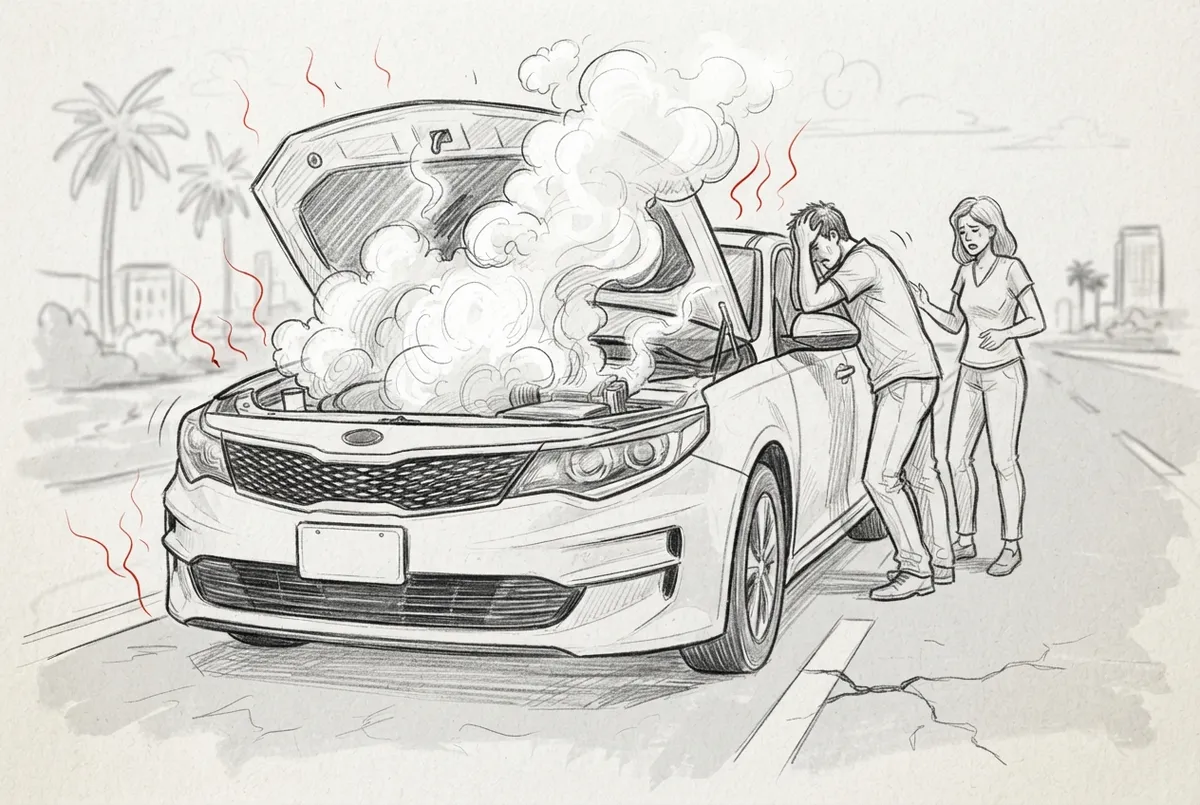
Mistake 1: Waiting Until Your A/C Completely Fails
Here’s the thing about Tampa heat and humidity: it’s relentless, and it wears down A/C components faster than you’d think. Too many drivers wait until they’re blasting hot air before they even think about a checkup.
A yearly inspection, ideally scheduled before the hottest months hit, can catch small problems before they become expensive ones. Waiting for total failure almost always costs more in the long run. If you want to understand why this preventive step matters so much for Tampa vehicles specifically, check out this breakdown on why AC repair in Tampa is so important for your vehicle.
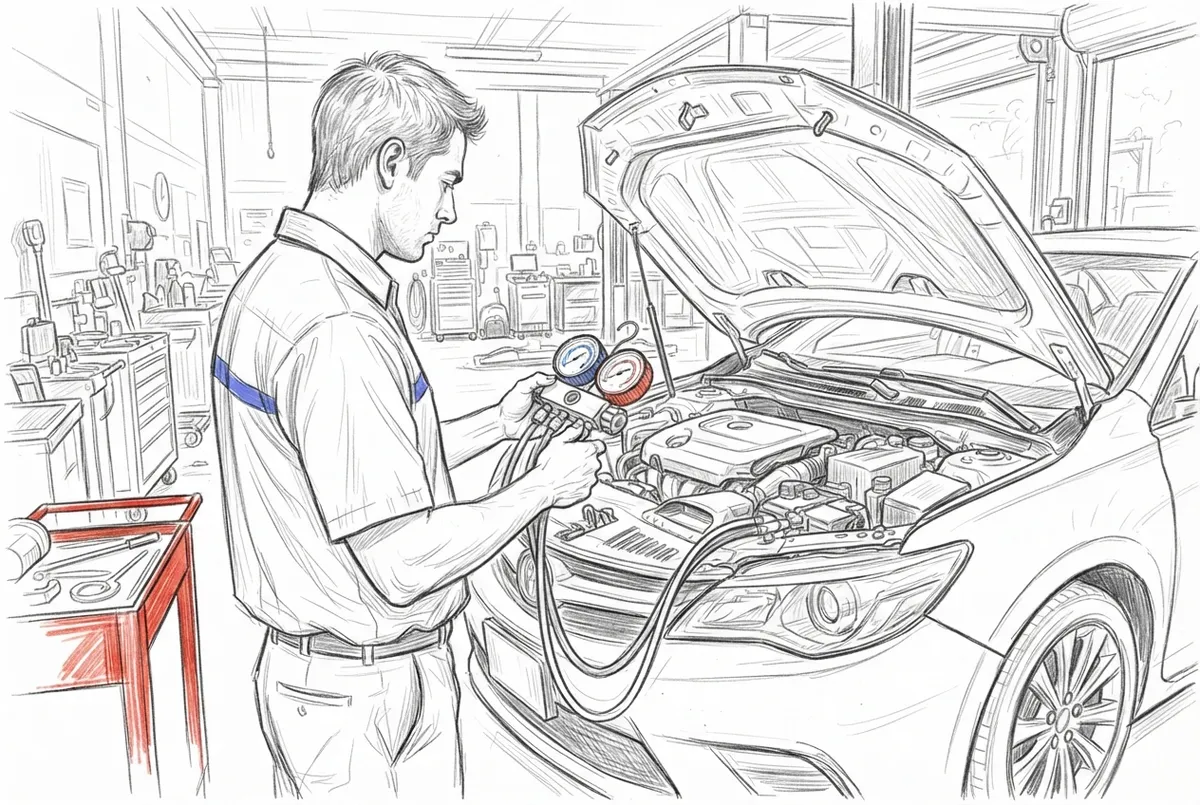
Mistake 2: Assuming a Recharge Fixes Everything
This one trips up a lot of good people. A refrigerant recharge feels like a fix because cold air comes back right away. But if your system has a leak, that cold air won’t last long.
Refrigerant doesn’t just disappear on its own. If your levels are low, something is letting it escape. A trustworthy shop will find that leak and repair it before recharging, not just top off the tank and send you on your way. Learn more about spotting these issues early in our guide on leak detection and repair facts Tampa drivers need.
Signs Your System Has a Leak, Not Just Low Refrigerant
- Cooling works great for a few days, then fades fast
- You notice oily residue near hoses or fittings
- A hissing sound comes from under the dash or hood
- You need a recharge every few months instead of years
Mistake 3: Ignoring Weird Noises and Smells
Your car’s A/C system is talking to you. Grinding, clicking, or squealing sounds when you turn on the air usually mean something mechanical is struggling, often the compressor or a belt.
Musty or sour smells point to mold or bacteria buildup, often from a dirty cabin filter or clogged drain. Ignoring these signs doesn’t make them go away. It just gives the problem more time to spread and get worse. If your air isn’t cooling like it used to, take a look at 10 reasons your AC is blowing warm air and how to fix it.
Mistake 4: Choosing Price Over Experience
We get it, everyone wants a good deal. But automotive A/C work is specialized. A shop that dabbles in everything from brakes to oil changes might not have the deep expertise that pure A/C specialists bring to the table.
Marks Air has focused only on air conditioning systems since 1971, working on cars, trucks, buses, RVs, and heavy equipment throughout the Tampa area. That kind of focused experience means technicians spot problems faster and avoid unnecessary repairs. Curious how specialization stacks up against general shops? Read family-owned A/C shop vs. chain: who fixes it right.
What to Look for in a Qualified Tampa A/C Provider
- Years of experience specifically with automotive or fleet A/C systems
- Proper refrigerant recovery and recycling equipment
- Clear, upfront pricing with no surprise charges
- Warranty coverage on parts and labor
- Same-day parts availability for common repairs
- Positive customer reviews and community reputation
Mistake 5: Overlooking Fleet and Commercial Vehicle Needs
If you manage a fleet of delivery vans, a fleet of buses, or a lineup of heavy equipment, cooling service isn’t just about comfort. It’s about keeping drivers alert, meeting safety standards, and avoiding costly downtime.
Fleet owners often make the mistake of reactive maintenance, fixing A/C only after a breakdown instead of scheduling routine checkups. This approach almost always costs more over time. Our article on preventive vs. reactive fleet AC maintenance: which wins breaks down exactly why prevention wins every time.
Bus operators face their own unique challenges too. Passenger comfort and safety depend on reliable cooling, especially during Tampa’s long summer season. If you’re responsible for a transit fleet, it’s worth reviewing what proper bus AC system maintenance actually involves.
| Vehicle Type | Common Cooling Challenge | Recommended Service Frequency |
|---|---|---|
| Personal Cars | Slow refrigerant leaks, worn compressors | Annual inspection, before summer |
| Long-Haul Trucks | Heavy use, vibration-related wear | Every 6 months or per fleet schedule |
| Transit Buses | Passenger load, frequent door cycling | Quarterly checks recommended |
| RVs | Extended idle time, dust exposure | Before each travel season |
| Heavy Equipment | Dust, vibration, extended outdoor use | Seasonal or per manufacturer guidance |
Mistake 6: Forgetting About Refrigerant Type Compatibility
Newer vehicles often use R-1234yf refrigerant instead of the older R-134a. Some drivers assume any shop can handle either type, but that’s not always true. Proper equipment and training are required to service both safely and legally.
Not sure which refrigerant your car uses, or whether a conversion makes sense? Our guide on things to know about R-134a to 1234yf conversion covers what you need to know before making changes. A qualified shop should be able to answer these questions clearly and confidently, without hesitation.
Mistake 7: Skipping RV and Heavy Equipment A/C Checks
RV enthusiasts sometimes forget their cooling system needs the same attention as their car’s A/C, especially after months of storage. A system that sat unused can develop leaks or weak seals over time.
Construction and agricultural equipment operators face a different challenge: dust, vibration, and long hours in direct sun put extra strain on A/C components. Skipping seasonal checkups can lead to operator fatigue and costly downtime. If you operate heavy machinery, it’s worth reading how to get heavy equipment AC repair done right to keep your crew comfortable and productive.
What a Complete Tampa Bay Automotive Cooling Service Should Include
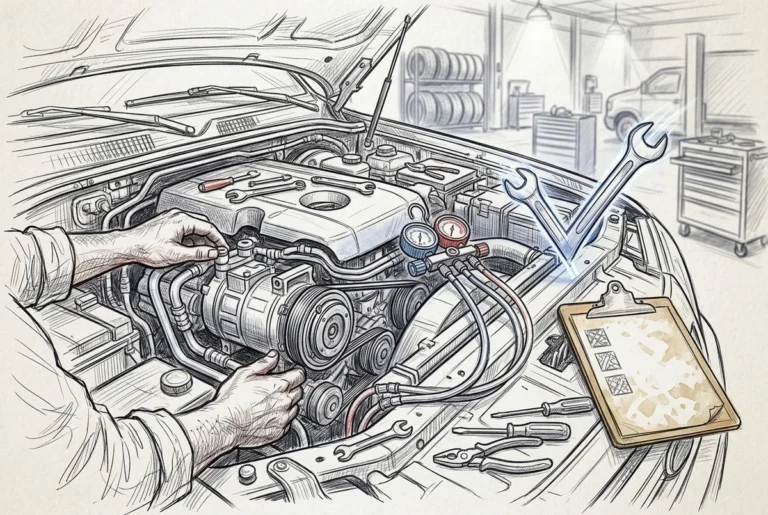
A proper inspection goes far beyond just checking if cold air comes out. Here’s what a thorough service typically covers:
- Vent temperature and system pressure testing
- Visual inspection of the compressor, condenser, and hoses
- Checking belts, wiring, and sensors for wear or damage
- Cabin air filter inspection and replacement if needed
- Refrigerant leak detection using proper equipment
- Evacuation and recharge to manufacturer specifications
- Post-service cooling performance verification
This kind of detailed process is what separates a real diagnostic service from a quick refrigerant top-off. If your vehicle’s cooling has been inconsistent, this AC repair vs. AC replacement guide can help you understand your options before committing to a fix.
Why Local Expertise Matters in Tampa Bay
Tampa’s climate is uniquely tough on vehicle A/C systems. The combination of heat and humidity means components work overtime almost every single day of the year, not just during a short summer season like in other parts of the country.
A shop that’s been rooted in the Tampa community for decades understands these local demands better than a national chain ever could. Marks Air has been part of this community since 1971, and as a family-owned, woman-owned business, it brings a personal touch that larger operations often can’t match. The shop is also a proud member of the Mobile Air Climate Systems Association (MACS), staying current with industry standards for refrigerant handling and system service.
Curious about what real customers have to say? You can read genuine customer reviews or see what people are saying on Yelp. You can also check out photos and updates on Instagram or connect on Facebook to see the shop in action.
Parts, Training, and the Value of a One-Stop Shop
One underrated benefit of working with a specialized A/C shop is access to a full parts inventory. Marks Air stocks its own KOOL-TEMP parts line alongside trusted brands like SPAL, ACT, BCC, gpd, and Omega, often with same-day availability. This matters a lot when you’re trying to get back on the road quickly, especially for fleet owners who can’t afford extended downtime.
The shop also offers hands-on A/C training programs, covering EPA 609 certification, HFO-1234yf best practices, and mobile vehicle A/C standards. This kind of investment in ongoing education shows a real commitment to doing things right, not just doing them fast.
Making the Right Choice for Your Vehicle or Fleet
Choosing the right provider for automotive cooling service in Tampa Bay comes down to a few key factors. Look for specialized experience, transparent pricing, proper equipment for modern refrigerants, and a warranty that backs up the work.
Whether you’re dealing with a single car that’s blowing warm air, a fleet of trucks that need regular upkeep, or heavy equipment that can’t afford downtime, the right shop makes all the difference. You can browse the full range of available A/C services or explore A/C parts options to see what fits your specific needs.
If you want a closer look at the business itself, visit the About Marks Air page or check out frequently asked questions for quick answers. You can also see verified location details and visit us on Google — Marks Air to check hours and directions before you stop by.
Ready to Beat the Tampa Heat?
Nobody enjoys driving around in a hot car, and nobody should have to. Whether you’re dealing with warm air, strange noises, or you simply want peace of mind before summer hits full force, taking action now saves you time, money, and a whole lot of sweat later.
Don’t wait for your A/C to fail completely before reaching out. Schedule service today, or if you’d rather talk it through first, call us at 813-988-1671 to get your questions answered by a friendly, knowledgeable team. Your comfort matters, and staying cool in Tampa Bay shouldn’t be complicated.
FAQs
Q: What does Tampa Bay automotive cooling service include?
A: A complete service checks your vent temperatures, system pressure, compressor, condenser, hoses, and belts. It also includes leak detection, filter checks, and a proper recharge if needed, not just a quick refrigerant top-off.
Q: Why is my car blowing warm air in Tampa, Florida?
A: Warm air usually means low refrigerant from a leak, a failing compressor, or an electrical issue. Tampa’s heat and humidity put extra strain on your system, so it’s smart to get this checked right away instead of waiting it out.
Q: How often should I have my vehicle’s A/C system inspected in Tampa Bay?
A: We recommend an annual inspection, ideally scheduled before the hottest months arrive. Fleet vehicles and buses may benefit from more frequent checkups given their heavier daily use.
Q: Does a car A/C recharge fix a refrigerant leak?
A: No, a recharge alone won’t fix a leak. Refrigerant doesn’t just vanish, so if levels are low, something is letting it escape. A good shop finds and repairs that leak first, then recharges the system properly.
Q: Can a Tampa auto shop repair newer R-1234yf refrigerant systems?
A: Yes, but it requires specific equipment and training since R-1234yf differs from older R-134a systems. Always ask your shop directly to confirm they’re equipped to handle your vehicle’s exact refrigerant type.