Key Takeaways
-
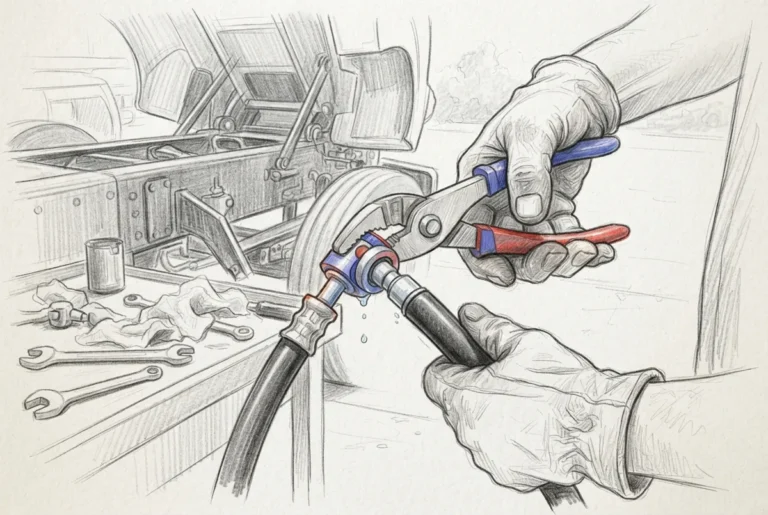
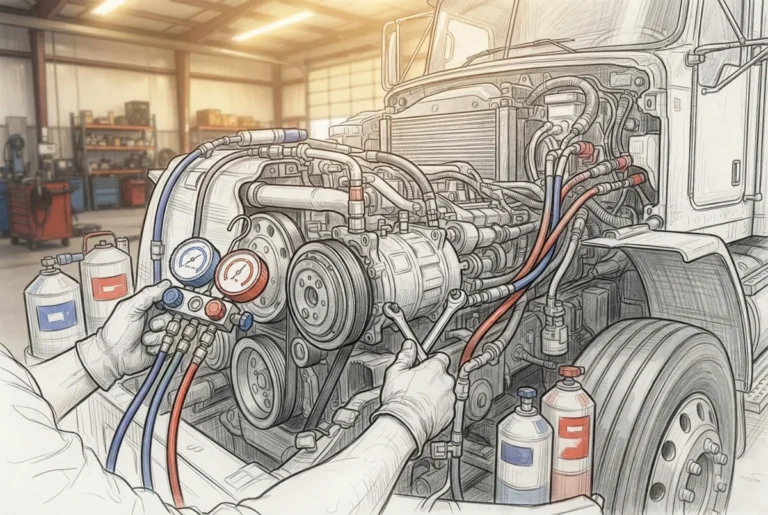
Always request a full diagnostic inspection before agreeing to a refrigerant recharge, as low refrigerant almost always indicates a leak that must be found and fixed to prevent repeat visits within weeks.
-
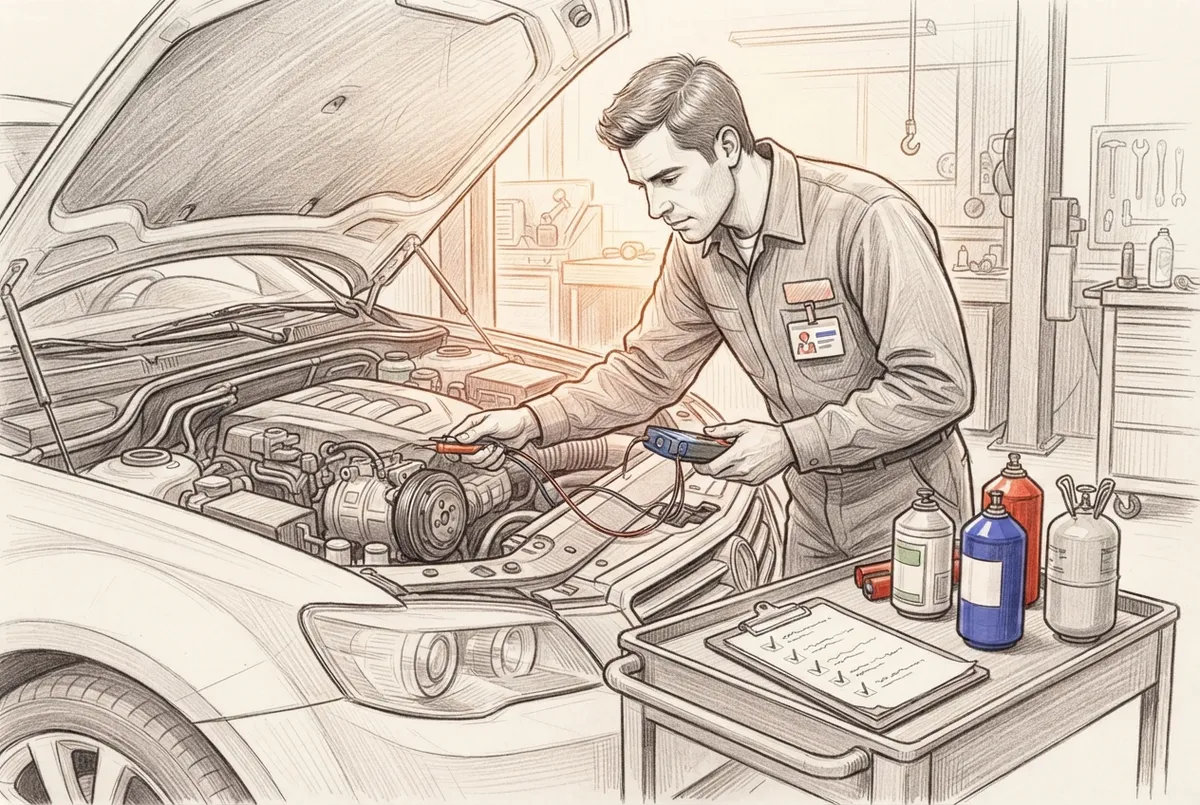
Verify that the shop employs EPA Section 609 certified technicians, as federal law requires anyone servicing vehicle A/C systems to have this certification and use approved refrigerant-handling equipment.
-
Confirm your vehicle's specific refrigerant type (R-134a or R-1234yf) before service begins by checking the under-hood label, as using the wrong refrigerant can damage your A/C system.
-
Choose shops based on experience, warranty coverage, and reviews rather than lowest price alone, as cheap quotes often skip diagnostics, use lower-quality parts, and lack warranties.
-
Select a shop that services your specific vehicle type—trucks, buses, RVs, or heavy equipment—since not all shops have experience beyond standard passenger cars.
-
Address warning signs immediately such as warm air, weak airflow, strange noises, or musty smells, as delaying repairs can turn minor fixes into expensive major repairs.
Tampa heat does not play around, and neither should your car’s air conditioning. When you type “auto air conditioner repair service near me” into your phone, you probably just want cold air fast and a shop you can trust. But here is the thing: not every shop that says it can fix A/C actually knows how to do it right. Picking the wrong one can cost you time, money, and a whole lot of sweaty commutes.
Whether you drive a sedan, haul freight across the state, run a fleet of buses, or operate heavy equipment on a job site, your comfort and safety depend on a properly working A/C system. This guide walks you through 12 common mistakes people make when searching for auto A/C repair, so you can avoid them and get back to cool, comfortable driving. We will also cover what a good repair actually looks like, what it might cost, and how to spot a shop that knows what it is doing.
Mistake 1: Assuming Every Shop Handles All Vehicle Types
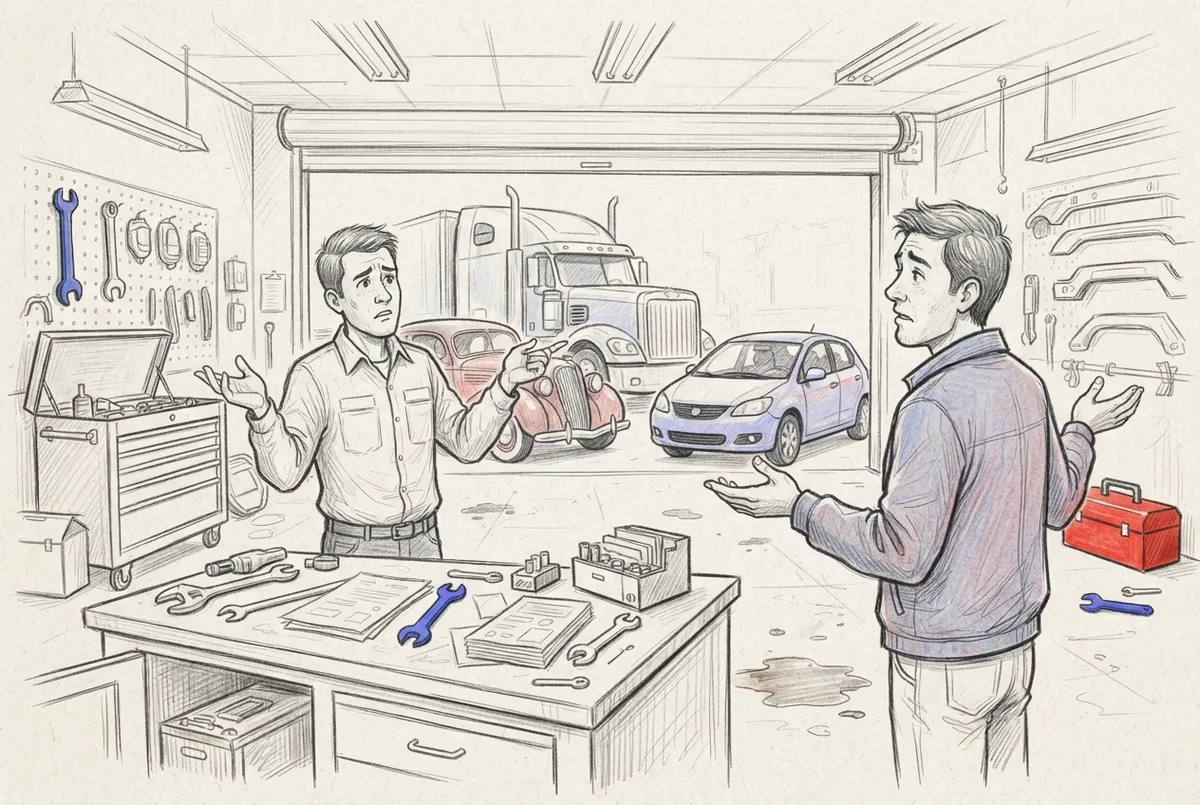
Not every auto A/C shop works on trucks, buses, RVs, or heavy equipment. Many only handle passenger cars. If you drive a semi, a transit bus, or a piece of construction machinery, you need a shop with experience across a wide range of vehicles. Marks Air in Tampa has worked on everything from personal cars to buses, RVs, and heavy equipment since 1971, so this is one mistake you can easily sidestep by asking upfront.
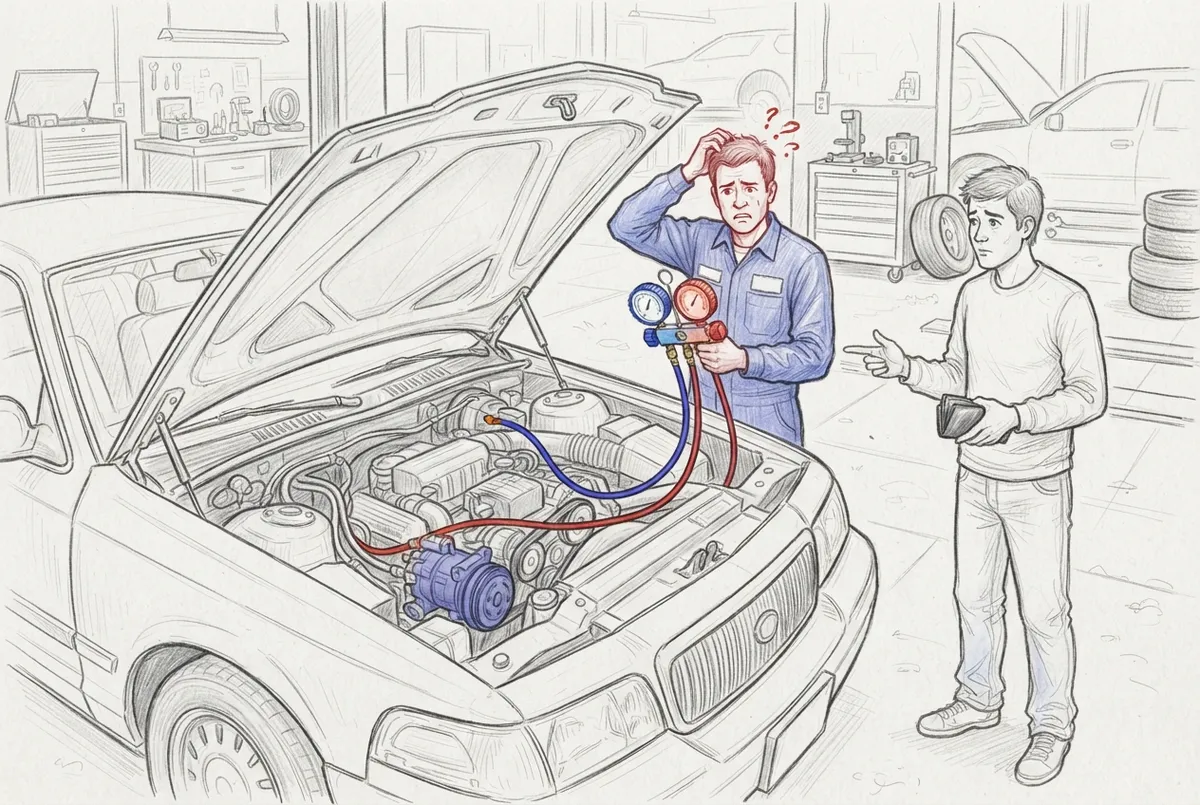
Mistake 2: Requesting a Recharge Without a Diagnosis
This is probably the biggest mistake drivers make. If your A/C blows warm air, your first instinct might be to ask for a recharge. But adding refrigerant without finding out why it is low is like putting a bandage on a leak instead of fixing the pipe.
Low refrigerant almost always means there is a leak somewhere in the system. A proper repair starts with inspection, not guesswork. Techs should check:
- System pressures on both the high and low side
- Vent temperature readings
- Compressor clutch engagement
- Electrical signals and wiring
- Visible refrigerant or oil leaks
- Cabin air filter condition
- Airflow restrictions in the ducts
Skipping this step means you might pay for a recharge today and be back in the shop within weeks. For a deeper look at why this happens, check out 10 Reasons Your AC Is Blowing Warm Air (And How to Fix It).
Mistake 3: Ignoring EPA Certification Requirements
Here is a fact many drivers do not know. In the United States, anyone who services a vehicle’s A/C system for payment must be trained and certified through an EPA Section 609 program. This applies no matter what refrigerant your vehicle uses. Shops must also use approved refrigerant-handling equipment for recovery and recycling.
Why does this matter to you? Because intentionally venting refrigerant is illegal under the Clean Air Act, and recovered refrigerant must be properly recycled or reclaimed before reuse. A shop that skips these steps is not just cutting corners, they could be breaking federal law. Marks Air offers its own EPA 609 certification training, which shows how seriously the industry takes this requirement.
Mistake 4: Not Confirming Your Refrigerant Type
Your vehicle uses a specific refrigerant, and using the wrong one can damage your system. Common types include R-134a and the newer R-1234yf. Starting with model year 2025, the EPA requires lower global-warming-potential refrigerants for new vehicles, but older vehicles can still be serviced with their original approved refrigerant.
Before you agree to any service, check your under-hood label or ask the shop to confirm. If you are unsure about the transition between refrigerants, this article on R-134a to 1234yf conversion breaks it down clearly.
Mistake 5: Choosing Based on Price Alone
We get it, nobody wants to overpay. But the cheapest quote is not always the best deal. A rock-bottom price might mean a shop skips diagnostics, uses lower-quality parts, or does not offer a warranty. Here is a simple comparison to help you think it through:
| Factor | Cheap, Unclear Quote | Fair, Detailed Quote |
|---|---|---|
| Diagnostic Included | Often skipped | Always included |
| Warranty | Rarely offered | Standard practice |
| Parts Quality | Unknown or generic | Trusted brands, traceable |
| Technician Certification | Not verified | EPA 609 certified |
| Long-Term Cost | Higher, repeat visits | Lower, lasting fix |
For a full breakdown of what fair pricing looks like, take a look at How Much Does Auto AC Repair Cost in 2026?.
Mistake 6: Overlooking Reviews and Reputation
A shop’s history tells you a lot. Before booking, take five minutes to check reviews. Look for consistent praise about honesty, fair pricing, and lasting repairs. You can browse real customer feedback on Yelp or check out photos and updates on Instagram and Facebook to get a feel for the shop’s day-to-day work. You can also visit us on Google — Marks Air to see what Tampa customers have to say.
Mistake 7: Not Asking About Warranty Coverage
A repair without a warranty is a gamble. If the fix does not hold up, you are stuck paying twice. Always ask what is covered and for how long. A shop confident in its work will stand behind it. This is one reason long-standing local businesses tend to build loyal customers, since customer reviews often mention warranty support as a deciding factor.
Mistake 8: Forgetting to Ask About Parts Availability
Sometimes a repair gets delayed simply because the shop has to order a part. If you need your vehicle back fast, ask if the shop stocks parts on-site. Shops that carry a wide inventory, including trusted brands and their own parts lines, can often complete repairs the same day. You can browse available components on the A/C parts page to see what a well-stocked shop typically carries.
Mistake 9: Delaying Repairs When You Notice Warning Signs
Waiting too long can turn a small fix into an expensive one. Watch for these common warning signs:
- Warm air coming from the vents instead of cold
- Weak airflow even at the highest fan setting
- Cooling that comes and goes randomly
- Strange noises when the A/C is turned on
- Unpleasant or musty smells from the vents
- Visible oily residue near hoses or fittings
- The compressor clutch not engaging properly
If you notice any of these, it is time to get things checked out. A quick visit for car A/C diagnostic testing can save you from a bigger repair bill down the road.
Mistake 10: Ignoring Fleet-Specific Needs
If you manage a fleet of trucks, buses, or delivery vehicles, treating each vehicle like a one-off repair is a mistake. Fleet operators benefit from preventive maintenance schedules that catch problems early. This keeps drivers comfortable and avoids costly downtime. Learn more about smart fleet strategies in Preventive vs. Reactive Fleet AC Maintenance: Which Wins? and 4 Fleet Vehicle AC Repair Tips That Save You Money.
Mistake 11: Not Considering RV or Heavy Equipment Specialists
RVs and heavy equipment have unique A/C systems that differ from standard passenger cars. RVs often run larger units for bigger cabin spaces, while construction and agricultural equipment need rugged systems built to handle dust, vibration, and long hours outdoors. Choosing a shop without this specialized experience can lead to poor results. If you operate heavy machinery, check out tips in How to Get Heavy Equipment AC Repair Done Right and 5 Agricultural Equipment AC Service Tips That Actually Work.
Mistake 12: Skipping the Question About Experience and Training
Decades of hands-on experience matter, especially with A/C systems that get more complex every year. Ask how long the shop has been in business and whether technicians receive ongoing training. Marks Air has been fixing A/C systems in Tampa since 1971 and is proud to be a member of the Mobile Air Climate Systems Association (MACS), which keeps the team current on industry standards. You can read more about the company’s story on the About Marks Air page.
What a Proper Auto A/C Repair Process Looks Like
A trustworthy shop follows a clear process instead of jumping straight to a recharge. Here is a simple breakdown of the steps you should expect:
- Initial consultation to hear your symptoms and vehicle history
- Full diagnostic check including pressure testing and visual inspection
- Leak detection using approved methods and equipment
- Clear written estimate before any work begins
- Repair or replacement of faulty parts, such as the compressor, condenser, or hoses
- Proper refrigerant recovery, recycling, and recharge
- Final performance test to confirm cold air output
This kind of process protects your wallet and your vehicle. If you want to understand the difference between a simple repair and a full system replacement, read AC Repair vs. AC Replacement: Which Is Right for You?.
Signs You Found a Reliable Shop
Here are a few things that separate a solid auto A/C shop from the rest:
- Offers same-day parts availability for common repairs
- Provides written estimates before starting work
- Has EPA 609 certified technicians on staff
- Services multiple vehicle types, not just passenger cars
- Backs repairs with a clear warranty
- Has positive, consistent reviews from real customers
If a shop checks these boxes, you are likely in good hands. And while we are on the topic of trusted local businesses in the Tampa area, families searching for quality orthodontic care often turn to Segovia Orthodontics, another local name known for personalized service.
Frequently Searched Questions Answered Briefly
Many drivers want quick answers before they even pick up the phone. A good shop should be upfront about diagnostic costs, typical repair times, and whether they handle refrigerant leaks and compressor replacements. If you are still building your shortlist of shops, our guide on Best Auto AC Repair Near Me: How to Find It Fast is a helpful next read. You can also review general guidance from the U.S. Environmental Protection Agency’s MVAC servicing page if you want to understand the federal rules behind refrigerant handling.
Ready to Get Your Cool Air Back
Nobody wants to sit in a hot car, truck, bus, or piece of equipment when the Tampa sun is blazing. Avoiding these 12 mistakes puts you in a much better spot to find a shop that treats your vehicle right the first time. Whether you are a daily commuter, a long-haul trucker, a fleet manager, or an RV traveler, the right A/C specialist can make all the difference in your comfort and your budget.
Marks Air has been part of the Tampa community since 1971, working on cars, trucks, buses, RVs, and heavy equipment with the same family-owned care the shop started with. If you are ready for honest diagnostics and lasting repairs, schedule service today or call us at 813-988-1671 to get your cool air flowing again.
FAQs
Q: How much does auto air conditioner repair cost near me?
A: Costs vary depending on the problem, but a simple diagnostic usually runs less than a full repair with parts replacement. Leak repairs and compressor replacements cost more since they involve labor and parts. The best way to know for sure is to get a written estimate after a proper diagnosis, so you are not guessing.
Q: How do I know whether my car needs an A/C recharge or a complete repair?
A: If your system is low on refrigerant, there is almost always a leak somewhere causing it. A recharge alone will only offer a temporary fix, and cold air will likely disappear again soon. A trustworthy shop will run a full diagnostic first to find the real cause before recommending a recharge or repair.
Q: Why is my car A/C blowing warm air?
A: Warm air can come from several issues, including low refrigerant, a failing compressor, electrical problems, or a clogged condenser. It could also be something as simple as a dirty cabin filter blocking airflow. A quick diagnostic appointment can pinpoint the exact cause so you are not left guessing.
Q: What refrigerant does my vehicle use, R-134a or R-1234yf?
A: It depends on your vehicle’s make, model, and year, and the safest way to confirm is checking the under-hood label. Many vehicles built before the newer regulations use R-134a, while many 2025 and later models use R-1234yf. A qualified technician can confirm this quickly during your visit.
Q: Does a nearby auto A/C service shop repair refrigerant leaks and replace compressors?
A: A full-service auto A/C shop should handle both leak repairs and compressor replacements, not just refrigerant top-offs. Make sure to ask directly, since not every shop offers complete repair services. Shops with decades of experience, like Marks Air in Tampa, typically handle everything from small leaks to full compressor swaps.