Key Takeaways
-
A trustworthy A/C shop diagnoses the system before recharging by identifying refrigerant type, checking for leaks, and evacuating moisture—not just topping off refrigerant, which leads to repeat visits if leaks exist.
-
Technicians must hold EPA Section 609 certification, use EPA-approved recovery equipment, and understand refrigerant handling regulations; verify this directly before booking service.
-
Specialized A/C shops handle diverse vehicles including trucks, buses, RVs, and heavy equipment with different cooling challenges, unlike general shops limited to passenger cars.
-
Proper A/C service costs $150–$300 for recharge, $150–$500 for leak detection, and $150–$800 for minor repairs; always request itemized estimates covering diagnosis, refrigerant, labor, and repairs.
-
R-134a and HFO-1234yf refrigerants are not interchangeable and require different equipment; never mix them, and confirm your vehicle's refrigerant type before service begins.
-
If cooling fails repeatedly after recharge, demand professional leak detection rather than another quick top-off, as this signals an unresolved system problem.
Tampa summers are no joke, and a broken car air conditioner can turn even a short drive into a miserable trip. If you have typed “car air conditioning service near me” into your phone while sitting in traffic sweating through your shirt, you are not alone. The good news is that finding the right shop does not have to feel like guesswork.
Whether you drive a family sedan, haul freight across the state, or manage a whole fleet of vehicles, a properly working A/C system is about more than comfort. It is about safety, focus, and getting where you need to go without misery. This guide breaks down exactly what to look for, what things should cost, and how to tell a great local shop from one that is just adding refrigerant and hoping for the best.
We will walk through the four biggest signs of a trustworthy car A/C service, cover common warning signs your system needs help, and answer the questions we hear most often from Tampa drivers, truckers, RV owners, and fleet managers. Let’s get you back to cool, comfortable driving.
Why Finding the Right Car A/C Service Matters
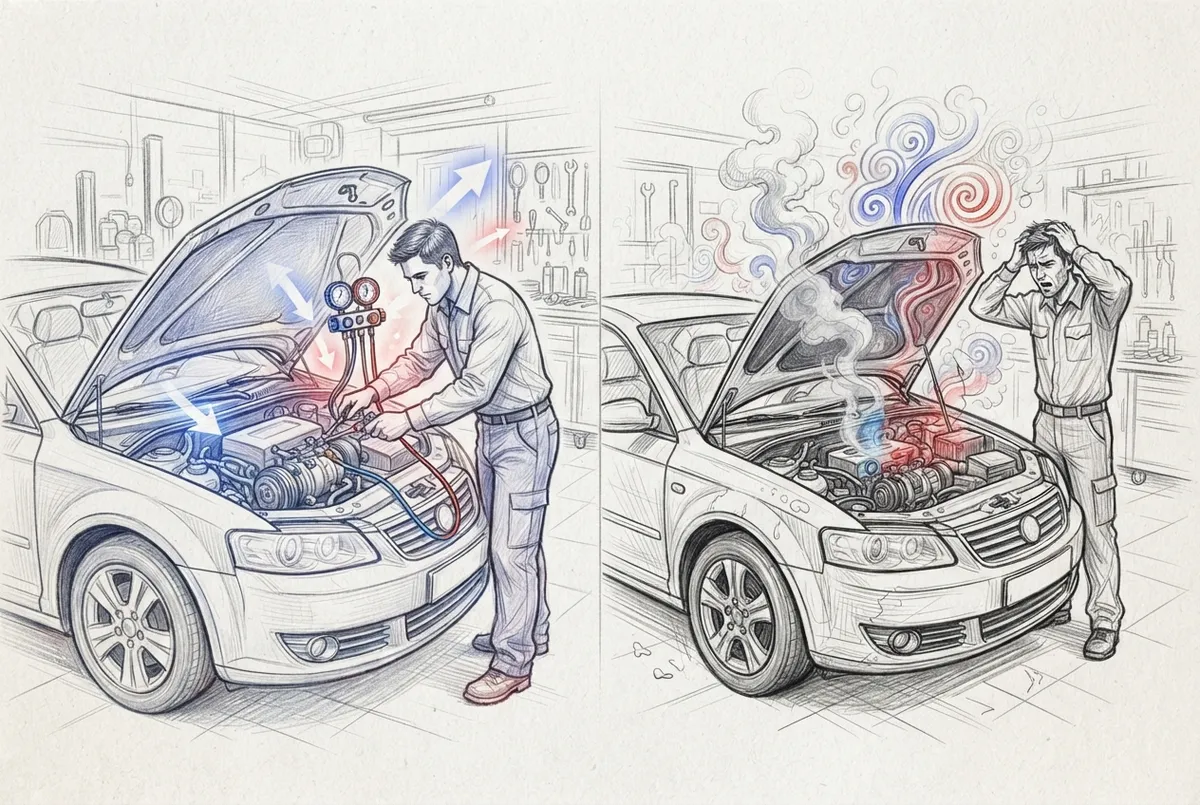
Not every shop that touches your car can properly handle your air conditioning system. A/C work involves refrigerant handling rules, specialized tools, and vehicle-specific knowledge that general repair shops sometimes lack. Picking the wrong shop can mean wasted money, repeat visits, and a system that never truly gets fixed.
Here is a quick look at what separates a basic recharge stop from a real A/C specialist.
| Feature | Basic Quick-Fix Shop | Specialized A/C Service |
|---|---|---|
| Technician certification | Sometimes unclear | EPA Section 609 certified |
| Leak detection | Rarely included | Standard part of diagnosis |
| Refrigerant recovery equipment | May be outdated | EPA-approved, up to date |
| Vehicle types serviced | Cars only, usually | Cars, trucks, buses, RVs, heavy equipment |
| Warranty on repairs | Limited or none | Backed warranty coverage |
4 Signs You Found the Right Car A/C Service Near Me
1. They Diagnose Before They Recharge
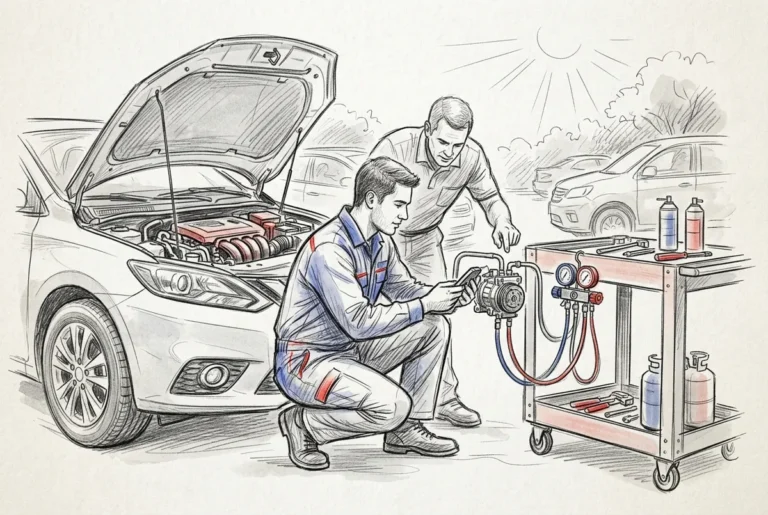
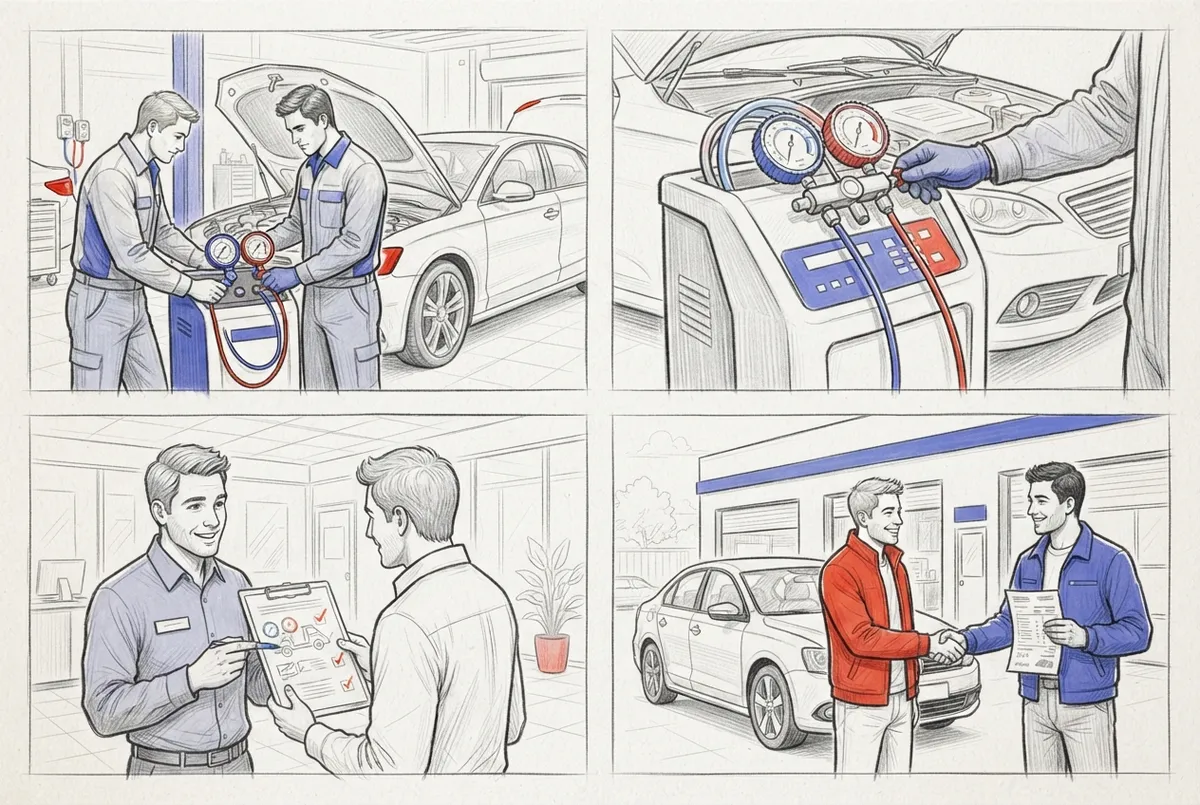
A trustworthy shop never just tops off refrigerant and sends you on your way. Proper service starts by identifying whether your car uses R-134a or the newer HFO-1234yf refrigerant, since these require different equipment and cannot be swapped or mixed. The technician should recover any existing refrigerant, inspect the system for leaks, evacuate moisture and air, and only then recharge to the exact amount your manufacturer specifies.
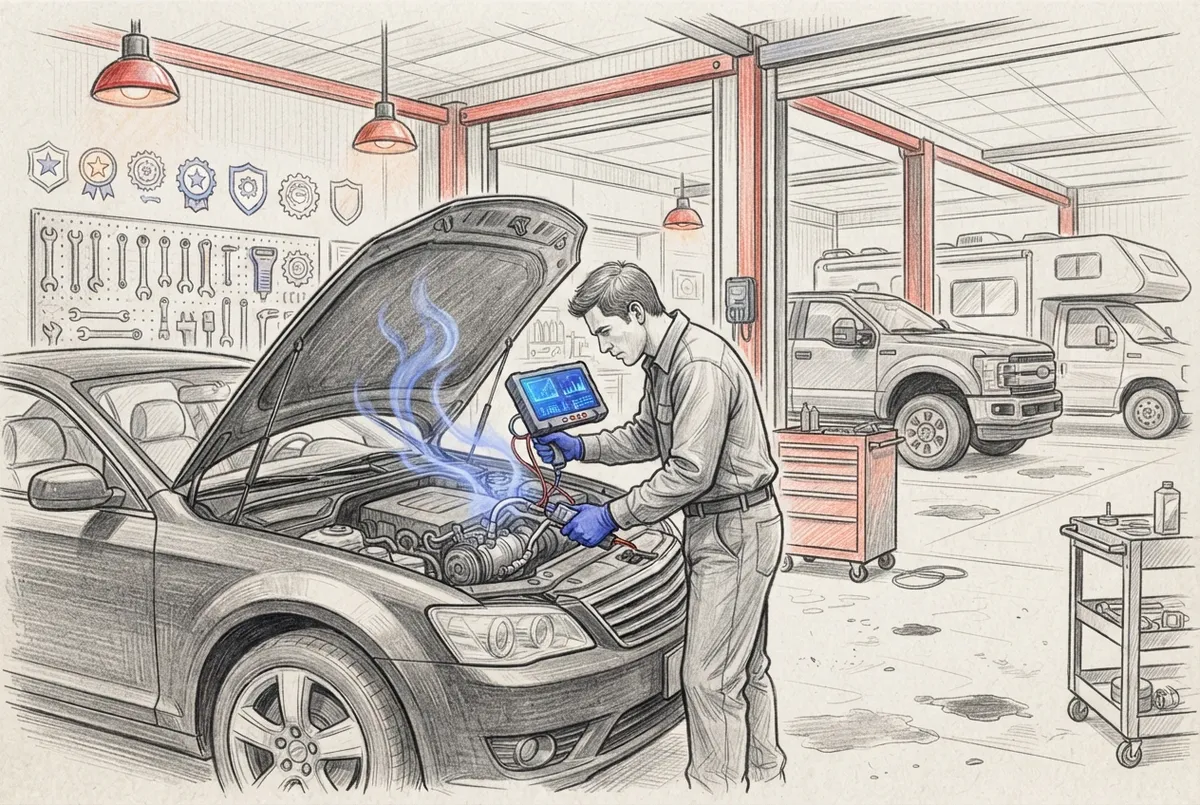
This matters because a quick recharge might make your air blow cold for a week or two, but if there is an unresolved leak, you will be right back where you started. If you keep losing refrigerant every few months, that is a strong signal you need real leak detection and repair rather than another quick top-off.
2. Their Technicians Hold Proper Certifications
Under the Clean Air Act, anyone servicing motor vehicle A/C systems for pay in the United States must use EPA-approved recovery equipment and hold Section 609 certification. This is not just a formality. It means the technician understands refrigerant handling, recovery, and recycling rules designed to protect both your vehicle and the environment.
Ask if the shop’s team stays current on training. Marks Air actually offers A/C training programs covering EPA 609 certification, HFO-1234yf procedures, and mobile air conditioning best practices, so their team is always sharp on the latest standards. They are also a member of the Mobile Air Climate Systems Association (MACS), an industry group focused on keeping shops aligned with current mobile A/C standards.
3. They Handle More Than Just Passenger Cars
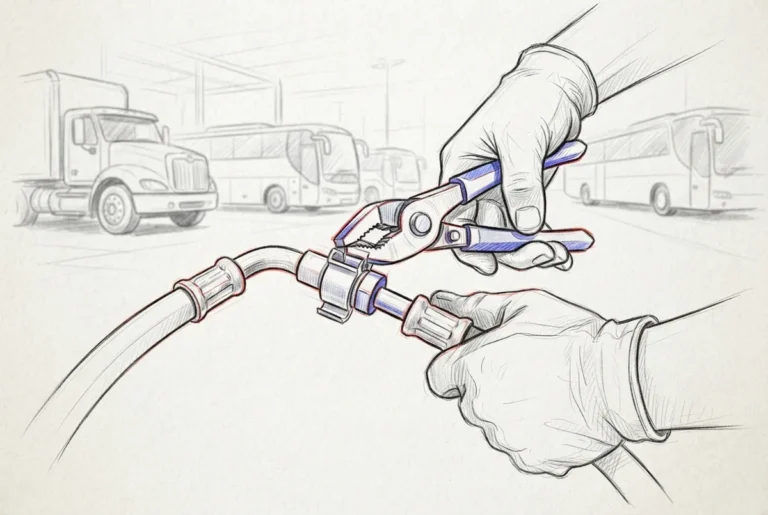
A great local A/C shop is not limited to sedans and SUVs. Tampa’s roads are full of delivery trucks, transit buses, RVs headed to the coast, and construction equipment baking in the sun all day. A shop with real range can service:
- Personal cars, trucks, and SUVs
- Long-haul trucks and commercial fleets
- Transit buses and shuttle vehicles
- RVs and specialty travel vehicles
- Construction and agricultural equipment
- Emergency vehicles like ambulances and fire trucks
This breadth matters because different vehicles bring different challenges. A heavy-duty truck A/C system faces more vibration and longer run times than a commuter car. Buses need reliable cooling for passenger comfort and safety. If you manage a mixed fleet, working with one shop that understands all these systems saves you time and hassle. You can browse the full range of A/C services offered to see how broad this expertise can be.
4. They Stock Real Parts and Stand Behind Their Work
Nothing is more frustrating than waiting days for a part to ship in while your car sits in the driveway. A quality shop keeps a solid inventory of common components on hand, often including trusted brands, so repairs do not stall out. Look for shops that stock their own parts lines along with recognized names in the industry.
Marks Air, for example, carries its own KOOL-TEMP parts line plus components from SPAL, ACT, BCC, gpd, and Omega, with many items available the same day. You can check out the full A/C parts selection to get a sense of what is typically in stock. A shop that also backs its repairs with a warranty gives you real peace of mind, not just crossed fingers.
Common Warning Signs Your Car A/C Needs Attention
You do not need to be a mechanic to notice when something is off. Here are the most common red flags that mean it is time to search for car air conditioning service near me:
- Air blowing warm or barely cool, even on the highest setting
- Weak airflow from the vents despite the fan running
- Strange noises from the compressor or under the hood
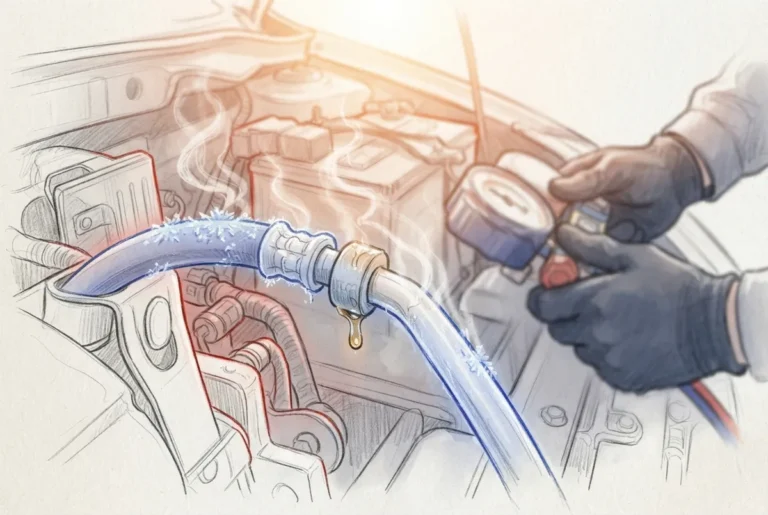
- Oily residue near A/C lines or fittings, often a sign of a leak
- Musty or unpleasant smells coming from the vents
- Cooling that works fine one day and fails the next
- Windows that fog up and will not clear, even with defrost on
If you notice any of these, do not wait until the middle of a Tampa heat wave to deal with it. Our article on why your A/C might be blowing warm air covers this topic in more detail.
What Does a Car A/C Service Actually Cost?
Pricing varies by vehicle, refrigerant type, and the specific repair needed, but here are typical ranges reported for 2025 to help you set expectations.
| Service Type | Typical Cost Range |
|---|---|
| Basic refrigerant recharge | $150 – $300 |
| Leak detection (dye, electronic, or pressure testing) | $150 – $500 |
| Minor repairs (O-rings, hoses, fittings, filters) | $150 – $800 |
Keep in mind these figures depend heavily on your vehicle and the shop’s location. Always ask for an itemized estimate that includes diagnosis, refrigerant, labor, and any leak repair, so you know exactly what you are paying for. Our breakdown of how much auto A/C repair typically costs goes deeper into these numbers.
Understanding Refrigerant Types: R-134a vs HFO-1234yf
Most older and many current vehicles run on R-134a refrigerant, while a growing number of newer models use HFO-1234yf. According to the EPA, R-134a has a global warming potential roughly 1,400 times that of carbon dioxide, though it does not harm the ozone layer. New federal rules set a global warming potential limit of 150 for refrigerants in new light-duty vehicles starting with model year 2025, pushing the industry further toward 1234yf.
These two refrigerants are not interchangeable. HFO-1234yf is mildly flammable and requires equipment meeting specific SAE safety standards. A qualified shop will always confirm which refrigerant your vehicle needs before touching the system, never guessing or substituting one for the other. If you want a deeper dive, our guide on R-134a to 1234yf conversion facts covers what drivers should know.
Special Considerations for Different Drivers
For Truck Drivers and Fleet Operators
Long-haul comfort is not a luxury, it is a safety issue. A tired, overheated driver is a distracted driver. Fleet managers should look for shops offering fleet A/C repair services that minimize downtime and keep trucks on schedule. Preventive maintenance almost always beats waiting for a breakdown on the interstate.
For Bus Operators
Passenger comfort and safety go hand in hand on transit vehicles. A properly maintained bus A/C system keeps riders comfortable and helps prevent heat-related complaints, especially critical during Tampa’s long, hot season. Regular inspections catch small issues before they become full system failures.
For RV Enthusiasts
Nothing ruins a road trip faster than a failing RV A/C unit in the middle of a Florida summer. RV systems often have unique configurations, so it helps to work with a shop experienced in specialty vehicle cooling systems rather than a general auto shop unfamiliar with your setup.
For Heavy Equipment Operators
Construction and agricultural equipment sit outside in direct sun for hours. A functioning cab A/C system reduces operator fatigue and keeps productivity up on demanding job sites. Downtime for A/C repairs can be costly, so working with a shop that understands heavy equipment specifically pays off.
Questions to Ask Before Booking an Appointment
Before you commit to any shop, run through this quick checklist:
- Are your technicians EPA Section 609 certified?
- Do you test for leaks before recharging the system?
- Can you service both R-134a and HFO-1234yf systems?
- Do you offer a warranty on parts and labor?
- Can you handle my specific vehicle type, whether car, truck, bus, or equipment?
- What is your typical appointment length and availability?
A shop that answers these confidently and clearly is one you can trust. If you are still narrowing down your options, our guide on finding reliable auto A/C service in Tampa Bay offers even more detail.
Why Local Experience Matters in Tampa
Tampa’s heat and humidity are relentless on vehicle A/C systems, putting extra strain on compressors, hoses, and seals year-round. A shop with decades of local experience understands these regional stresses better than a general chain location. Marks Air has been serving Tampa drivers since 1971, building a reputation as a family-owned, woman-owned specialist focused entirely on air conditioning for cars, trucks, buses, RVs, and heavy equipment.
That kind of focused, long-term experience tends to mean fewer guessing games and more accurate repairs the first time. You can read more about Marks Air’s history and approach or browse customer reviews to see what other Tampa drivers have experienced. You can also visit us on Google — Marks Air to see ratings and photos from the shop itself.
Do Not Forget the Rest of Your Vehicle
While you are addressing your A/C, it is worth thinking about the rest of your vehicle’s comfort and condition too. If your interior trim or cabin components need attention alongside your cooling system, a trusted local partner like Bucheli Trim Carpentry handles upholstery and trim work that keeps your ride feeling complete inside and out.
Final Thoughts: Get Cool, Stay Comfortable
Searching for car air conditioning service near me does not need to be stressful. Look for a shop with certified technicians, proper diagnostic steps, a wide range of vehicle experience, and solid parts inventory. Whether you are a daily commuter, a trucker logging long miles, a bus operator keeping riders comfortable, or a fleet manager juggling dozens of vehicles, the right shop makes all the difference.
Do not wait until you are stuck in Tampa traffic with the windows down and sweat dripping off your forehead. You can check out real customer feedback on Yelp, follow along on Instagram, or connect on Facebook to see the kind of work being done every day. When you are ready to get your cooling system checked out properly, schedule service or call us at 813-988-1671 and let a team with decades of Tampa experience get you back to comfortable driving.
FAQs
Q: How much does car air conditioning service cost near me?
A: It really depends on what your vehicle needs, but expect around $150 to $300 for a basic recharge, $150 to $500 for leak detection, and $150 to $800 for minor repairs. Always ask for an itemized estimate so there are no surprises. A good shop will walk you through the numbers before any work starts.
Q: How do I find a certified auto A/C technician nearby?
A: Look for shops whose technicians hold EPA Section 609 certification, which is required by law for anyone servicing vehicle A/C systems for pay. Do not be shy about asking directly, a trustworthy shop will happily confirm their credentials. Checking online reviews and asking about warranty coverage helps too.
Q: What is included in a proper car A/C recharge?
A: A proper recharge is never just adding refrigerant and calling it done. It should include identifying your vehicle’s correct refrigerant, recovering the old refrigerant, checking for leaks, evacuating moisture and air, then recharging to the exact manufacturer-specified amount. Skipping these steps often means you will be back in the shop within weeks.
Q: Does my car use R-134a or HFO-1234yf refrigerant?
A: Most older and many current vehicles use R-134a, while a growing number of newer models use HFO-1234yf. Your owner’s manual or the sticker under the hood usually tells you which one your car needs. A qualified shop will always verify this before touching your system, since the two refrigerants cannot be mixed or swapped.
Q: Why is my car A/C blowing warm air right after a recharge?
A: This usually means there is an unresolved leak somewhere in the system that let the new refrigerant escape. A recharge alone treats the symptom, not the actual problem. If this keeps happening, it is time to ask for proper leak detection instead of another quick top-off.