Key Takeaways
-
R-134a and R-1234yf refrigerants are not interchangeable; mixing them causes contamination, incorrect pressures, and poor cooling—a full recovery of old refrigerant is required before adding new refrigerant.
-
Proper conversion requires replacing the compressor oil with R-1234yf-approved formulation and replacing the receiver/drier or accumulator to prevent incompatible residues from damaging the system.
-
R-1234yf systems use different service port fittings than R-134a by design to prevent cross-contamination; shops must have dedicated, certified R-1234yf recovery and recharge equipment to perform conversions.
-
R-1234yf is more expensive than R-134a per pound, and conversion costs are higher due to specialized equipment, additional parts, and labor—but improper conversions lead to larger repair bills.
-
Technicians performing R-1234yf work must have EPA Section 609 certification plus HFO-1234yf-specific training; always verify your service provider has proper credentials and equipment before proceeding.
-
Always check your vehicle's under-hood OEM label to determine which refrigerant your system requires; deviating from manufacturer specifications without proper conversion procedures can void warranties and create system problems.
If your vehicle’s A/C system uses R-134a refrigerant, you may have heard about the shift to R-1234yf. Whether you drive a car, truck, bus, RV, or heavy equipment, understanding this refrigerant change can save you money and headaches. The R-134a to 1234yf conversion is not as simple as swapping one can for another. There are rules, parts, and procedures that matter a lot. Getting it wrong can damage your system — or even run afoul of environmental regulations. At Marks Air, we’ve helped Tampa drivers and fleet operators navigate this transition since it began picking up steam. Here are 12 essential things every vehicle owner should know before considering a refrigerant conversion.
1. R-1234yf Is the New Industry Standard
Automakers started switching to R-1234yf in newer vehicles because it has a much lower global warming potential (GWP) than R-134a. Most new passenger vehicles rolling off the line today use R-1234yf. If your vehicle was made in the last several years, check the under-hood label — it may already use R-1234yf. Understanding which refrigerant your system needs is step one before any service work begins.
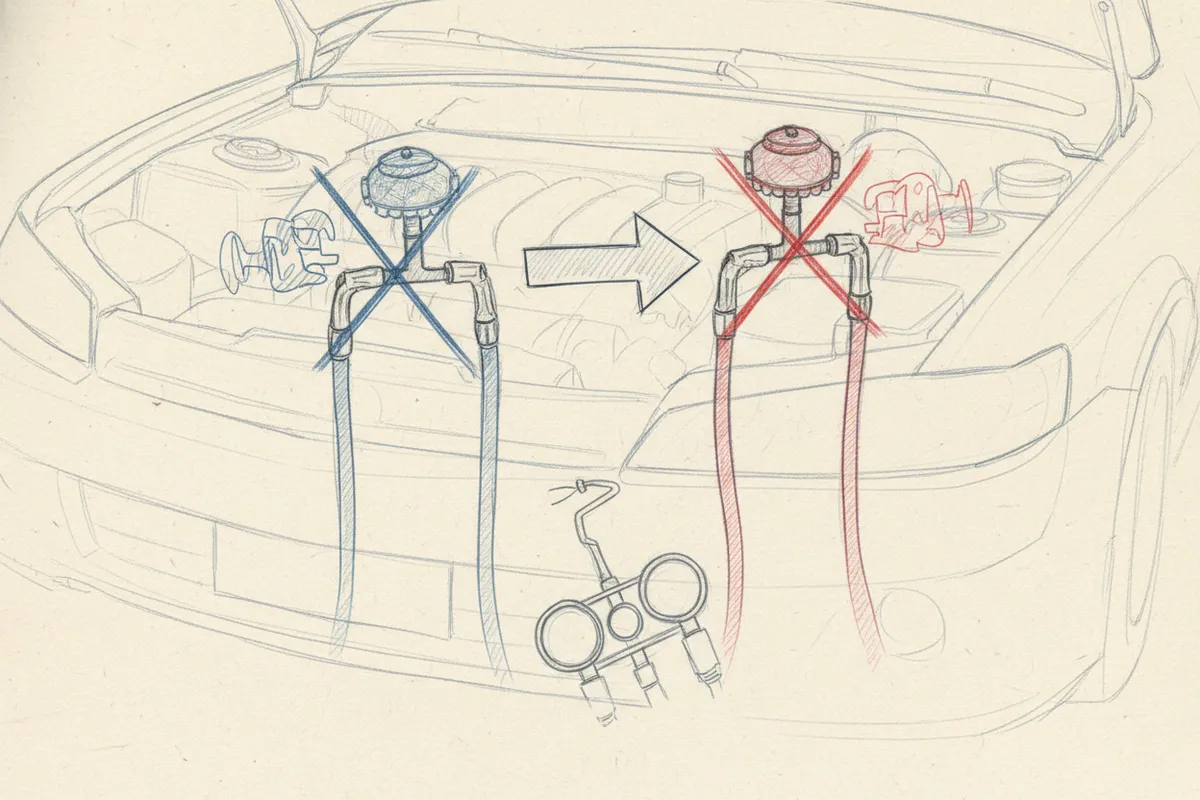
2. You Cannot Simply Swap Refrigerants
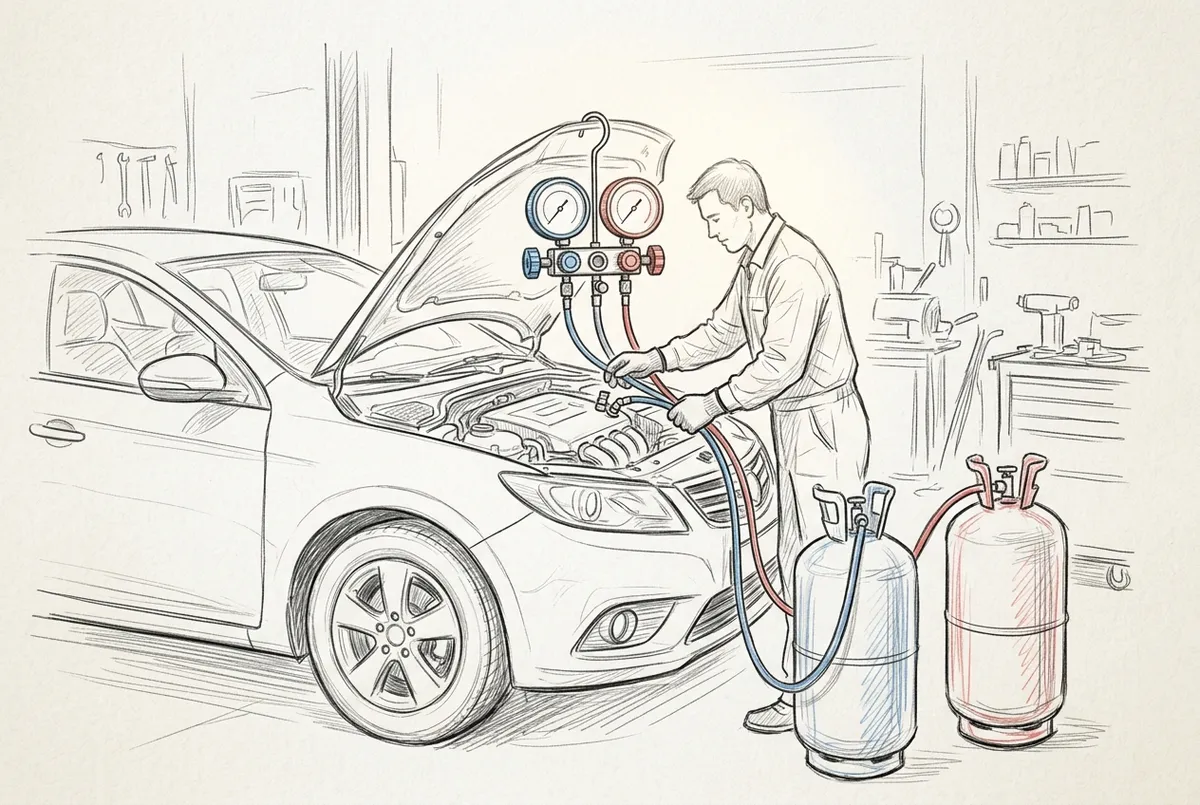
This is one of the biggest misconceptions we hear. R-134a and R-1234yf are not interchangeable. You cannot top off an R-134a system with R-1234yf, or vice versa. Mixing the two creates contamination issues, incorrect system pressures, and poor cooling performance. A proper R-134a to 1234yf conversion involves a full recovery of the old refrigerant before any new refrigerant is added. Think of it like motor oil — you wouldn’t mix two different types and hope for the best.
3. Different Fittings Are Required
R-134a and R-1234yf systems use different service port fittings. This was done intentionally to prevent cross-contamination between the two refrigerants. If you or your technician tries to use the wrong equipment, the fittings simply won’t connect. This safety design protects both the technician and your A/C system. Always make sure your service provider uses dedicated A/C service equipment designed for the specific refrigerant in your vehicle.
4. Specialized Equipment Is Needed
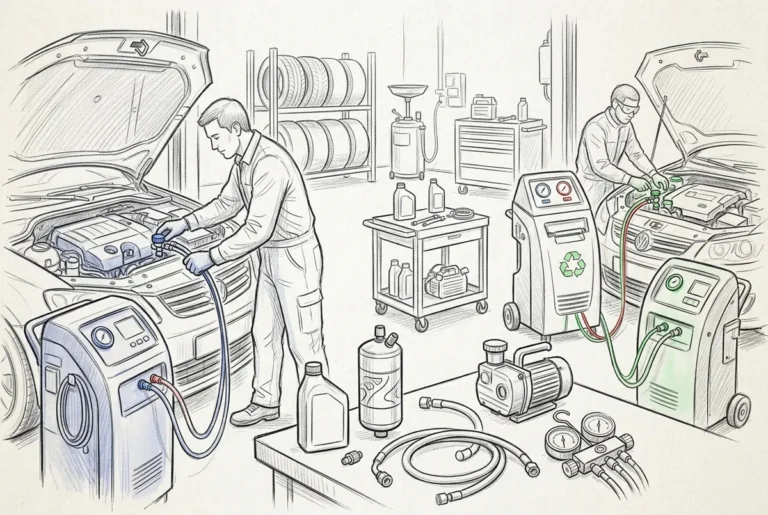
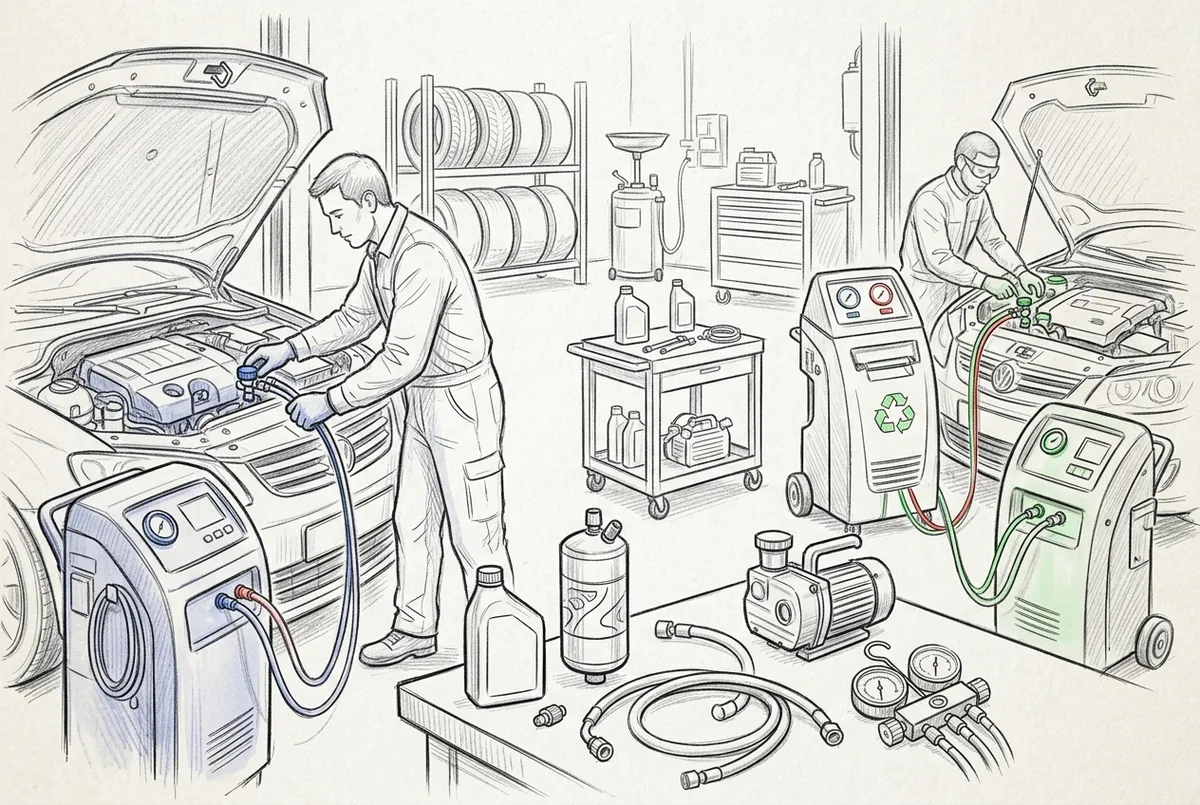
Because of the different fittings and refrigerant properties, technicians need dedicated service machines for R-1234yf work. This equipment is separate from R-134a machines and tends to cost more. Not every shop has invested in this equipment. When looking for a service provider, it’s worth asking whether they have certified R-1234yf recovery and recharge equipment on hand. You can read what Tampa customers think about quality service at Marks Air reviews.
5. Compressor Oil Compatibility Is Critical
When converting from R-134a to R-1234yf, the compressor oil matters just as much as the refrigerant itself. Many R-134a systems use a PAG oil formulation that is not compatible with R-1234yf. Using the wrong oil can damage the compressor and shorten the life of the entire A/C system. A proper conversion includes flushing out the old oil and replacing it with the correct type approved for R-1234yf. If you’re curious about key A/C parts and their roles, that’s a great place to start learning more.
6. The Receiver/Drier or Accumulator Often Needs Replacement
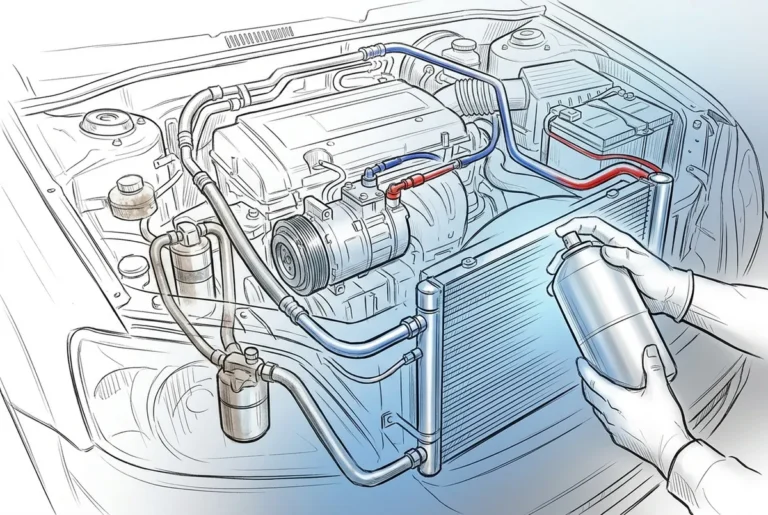
During a proper R-134a to 1234yf conversion, the receiver/drier or accumulator typically needs to be replaced as well. These components absorb moisture and contaminants inside the A/C system. Leaving old ones in place during a conversion risks introducing incompatible residues into the new refrigerant. Replacing them is a relatively small cost compared to the expense of a damaged compressor or clogged system down the road. Check out A/C parts available at Marks Air for quality components your technician can trust.
7. Seals and Gaskets May Need Attention
R-1234yf can behave slightly differently with certain seal materials compared to R-134a. During a conversion, a good technician will inspect O-rings, hose connections, and gaskets for wear or incompatibility. Replacing worn seals at this stage is smart preventive maintenance. It also helps avoid refrigerant leaks after the conversion is complete. Learn more about common A/C leak mistakes that can cost you more in the long run.
8. Environmental Regulations Drive This Change
The push from R-134a to R-1234yf is largely driven by environmental policy. R-134a has a global warming potential roughly 1,430 times that of carbon dioxide. R-1234yf, on the other hand, has a GWP of less than 1 — a dramatic improvement. International agreements and EPA regulations have encouraged automakers to phase out R-134a in new vehicles. Marks Air is a member of the Mobile Air Climate Systems Association (MACS), which keeps our team aligned with the latest regulatory and technical standards in mobile A/C service.
9. Always Follow the OEM Label
Your vehicle’s under-hood sticker is the authority on which refrigerant your system was designed to use. The OEM recommendation should always guide your service decisions. Deviating from it without proper conversion procedures can void warranties and create system problems. If your vehicle calls for R-134a, don’t assume R-1234yf is a drop-in upgrade without following proper vehicle-specific guidance. Need help reading your vehicle’s A/C specs? Our team at Marks Air is ready to help — reach out to schedule service.
10. Technician Certification Matters
Not all technicians are certified to work with R-1234yf. EPA Section 609 certification is required for anyone who purchases and handles refrigerants for mobile A/C service. Additionally, HFO-1234yf specific training is becoming a standard expectation for professional technicians. Marks Air offers A/C training programs that include EPA 609 certification and HFO-1234yf training for technicians who want to stay current in 2026.
11. R-1234yf Refrigerant Costs More Than R-134a
One practical reality of the R-134a to 1234yf conversion is cost. R-1234yf refrigerant is currently more expensive per pound than R-134a. The specialized equipment and additional parts (like the new drier and oil flush) also add to the service cost. That said, investing in a proper conversion protects your system long-term. Cutting corners to save a few dollars upfront often leads to bigger repair bills later. Get a realistic picture of auto A/C repair costs in 2026 so you can budget wisely.
12. Fleet Operators Have Extra Considerations
If you manage a fleet of vehicles — whether that’s delivery trucks, buses, or service vans — the refrigerant transition adds complexity. Some vehicles in your fleet may already use R-1234yf while older ones still run R-134a. Keeping track of which systems use which refrigerant is essential to avoid cross-contamination during routine service. Scheduling regular preventive maintenance can reduce costly emergency repairs across your entire fleet. Explore fleet vehicle A/C repair tips and preventive vs. reactive fleet A/C maintenance strategies to keep your operation running smoothly.
Quick Comparison: R-134a vs. R-1234yf
Here’s a side-by-side look at the two refrigerants to help clarify what makes them different:
| Feature | R-134a | R-1234yf |
|---|---|---|
| Global Warming Potential (GWP) | ~1,430 | <1 |
| Service Fittings | Standard R-134a fittings | Different, dedicated fittings |
| Compressor Oil | PAG oil (standard formulation) | Specific PAG or approved oil |
| Cost per pound | Lower | Higher |
| Vehicles using it | Older vehicles (pre-2014 approx.) | Most newer vehicles (2017+) |
| EPA Certification Required | Section 609 | Section 609 + HFO training |
What a Proper Conversion Looks Like Step by Step
If you and your technician have determined that a refrigerant conversion is appropriate for your vehicle, here’s what the process generally involves:
- Recover the old R-134a refrigerant using certified recovery equipment to prevent release into the atmosphere.
- Inspect seals, O-rings, and hoses for wear or incompatibility with R-1234yf.
- Replace the receiver/drier or accumulator to ensure a clean system before recharging.
- Flush the old compressor oil and replace with the correct oil type approved for R-1234yf.
- Recharge the system with the specified amount of R-1234yf using dedicated R-1234yf service equipment.
- Verify performance by checking pressures, temperatures, and system operation after recharge.
Parts You May Need for an R-134a to 1234yf Conversion
Depending on your vehicle’s condition and system age, your technician may recommend some or all of the following components:
- New receiver/drier or accumulator
- Replacement O-rings and seals compatible with R-1234yf
- R-1234yf-approved compressor oil
- Updated service port fittings (if retrofitting an older system)
- Replacement hoses or hose ends if worn or damaged
Marks Air stocks a full line of A/C parts including components from trusted brands, so we can source what your conversion requires quickly — often same day for Tampa-area customers.
Who Needs to Think About This?
The R-134a to 1234yf conversion topic is relevant for a wide range of vehicle owners and operators. Here’s who should pay close attention:
- Car owners with older vehicles that need A/C repair or refrigerant service
- Truck drivers and fleet operators maintaining vehicles across different model years
- Bus operators managing both old and new passenger vehicles in a mixed fleet
- RV enthusiasts whose older coaches may still run R-134a
- Heavy equipment operators maintaining A/C systems on machinery in the field
- Automobile fleet owners tracking refrigerant types across dozens of vehicles
No matter your situation, understanding these differences helps you ask the right questions and avoid costly mistakes. You can also browse our A/C FAQs for quick answers to common questions about vehicle A/C service in Tampa.
Why Tampa Vehicle Owners Should Take This Seriously
In Tampa’s heat, a working A/C system isn’t a luxury — it’s a necessity. Improper refrigerant handling can lead to a system that blows warm air, a damaged compressor, or a failed inspection. If you’re unsure whether your vehicle uses R-134a or R-1234yf, or if your A/C is underperforming, don’t guess. Get a professional diagnosis first. Read more about why A/C repair in Tampa is so important for your vehicle and what causes warm air from your A/C so you’re armed with the right information.
You can also follow Marks Air on Facebook and Instagram for tips, updates, and seasonal reminders about keeping your vehicle’s A/C in top shape year-round.
Conclusion
The R-134a to 1234yf conversion is not something to take lightly — or to attempt without the right knowledge, equipment, and certified technicians. From different fittings and oil types to environmental regulations and component replacements, there’s a lot to get right. The good news is that a proper conversion done by experienced professionals protects your system and keeps you cool for years to come. Whether you drive a personal car, manage a fleet, or operate heavy equipment in Tampa, the team at Marks Air has the expertise, parts, and training to handle refrigerant conversions the right way. Visit us on Google — Marks Air to read what our Tampa customers are saying. Ready to get started? Schedule your A/C service with Marks Air today or call us at 813-988-1671 — we’re here to help keep you cool.
FAQs
Q: Can you convert an R-134a car A/C system to R-1234yf?
A: Yes, it’s possible — but it’s not a simple swap! A proper R-134a to 1234yf conversion requires recovering the old refrigerant, replacing components like the receiver/drier, flushing the compressor oil, and recharging with R-1234yf using dedicated equipment. Always work with a certified technician to make sure it’s done right.
Q: Do R-134a and R-1234yf use the same service fittings?
A: Nope — they use different fittings on purpose! The industry made this change to prevent accidental mixing of the two refrigerants during service. If your shop doesn’t have the right R-1234yf equipment and fittings, they simply can’t connect to your system, which is actually a good safety feature.
Q: What oil is needed when converting from R-134a to R-1234yf?
A: Great question! R-1234yf requires a specific oil — typically a PAG formulation approved for use with that refrigerant. The old R-134a oil needs to be flushed out completely before recharging with R-1234yf. Using the wrong oil can damage your compressor, so this step is really important to get right.
Q: Is it legal to do an R-134a to R-1234yf conversion?
A: Yes, conversions can be done legally when they follow vehicle-specific guidance and EPA regulations. Technicians must hold EPA Section 609 certification and, for R-1234yf work, additional HFO-1234yf training is recommended. Always follow your vehicle’s OEM label and work with a certified professional to stay compliant.
Q: How much does an R-134a to R-1234yf conversion cost?
A: Costs vary depending on your vehicle and how many components need replacing, but expect it to cost more than a standard R-134a recharge. R-1234yf refrigerant is more expensive per pound, and additional parts like a new drier and compatible oil add to the total. Think of it as a worthwhile investment in your system’s long-term health!