Key Takeaways
-
Custom truck AC systems are engineered to match your specific truck's cab size, compressor capacity, electrical setup, and operating environment—delivering better cooling and durability than generic kits.
-
Aftermarket retrofit AC systems can be installed in older trucks or vehicles that never came factory-equipped with AC, making it viable to add climate control to any working truck.
-
OEM-style custom installations provide a factory-clean appearance with minimal cab modification, maintaining resale value—ideal for newer fleet trucks lacking adequate climate control.
-
Heavy-duty and specialty vehicles like fire trucks and ambulances require reinforced compressor mounts, sealed condensers, and redundant electrical connections to handle vibration, dust, and continuous operation.
-
Professional AC specialists focused exclusively on vehicle air conditioning bring deeper expertise than general auto repair shops, with proper diagnostics and component sourcing preventing costly mistakes.
-
Maintenance habits like running AC year-round, checking for leaks annually, and scheduling pre-summer inspections extend system life and prevent expensive breakdowns during peak heat season.
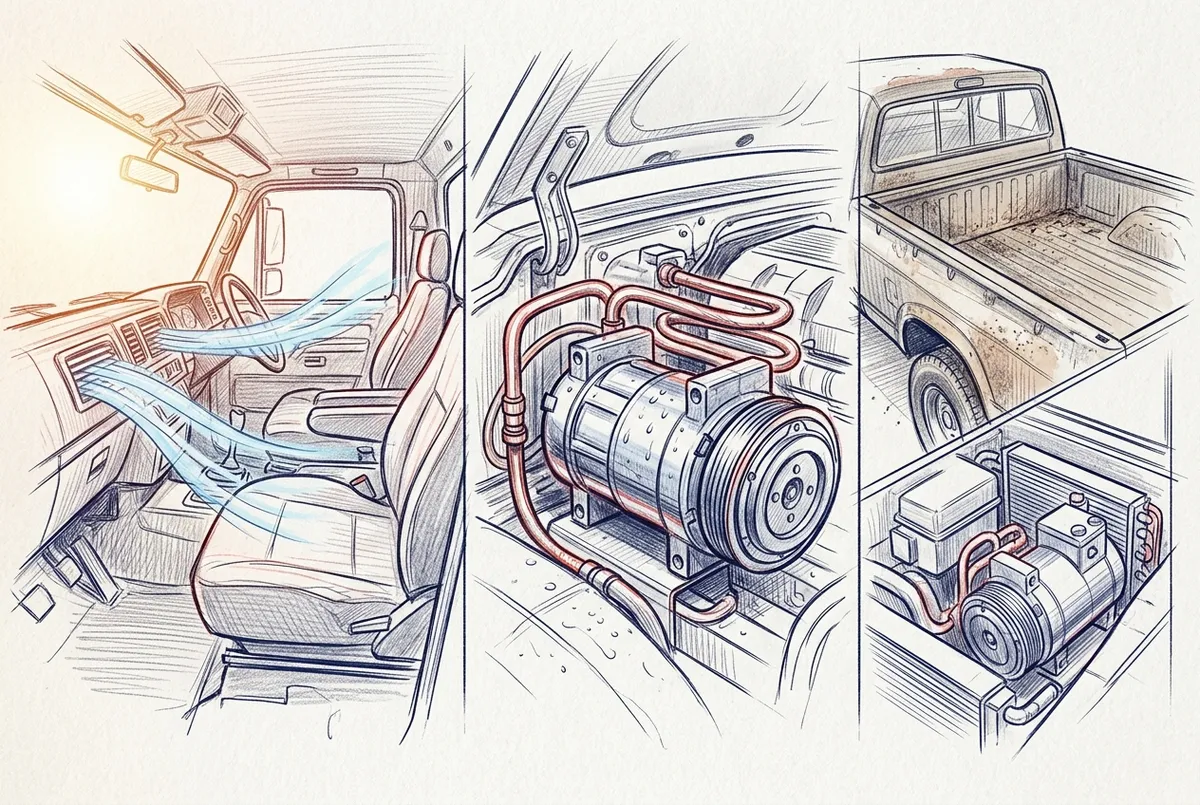
Driving a truck in Florida heat without a working air conditioner isn’t just uncomfortable — it’s exhausting. Whether you operate a dump truck, a delivery fleet, or a specialty vocational vehicle, staying cool on the job matters. That’s where custom AC systems for trucks come in. Unlike one-size-fits-all kits, these systems are built around your specific truck, your cab layout, and how you actually use your vehicle.
At Marks Air, we’ve been helping Tampa-area truck operators find the right climate control solution since 1971. We know every truck has its own quirks — different cab sizes, electrical setups, and duty cycles. In this guide, we’ll walk you through three of the most popular custom truck AC system types, what makes each one special, and how to choose the right fit for your rig.
What Makes a Truck AC System “Custom”?
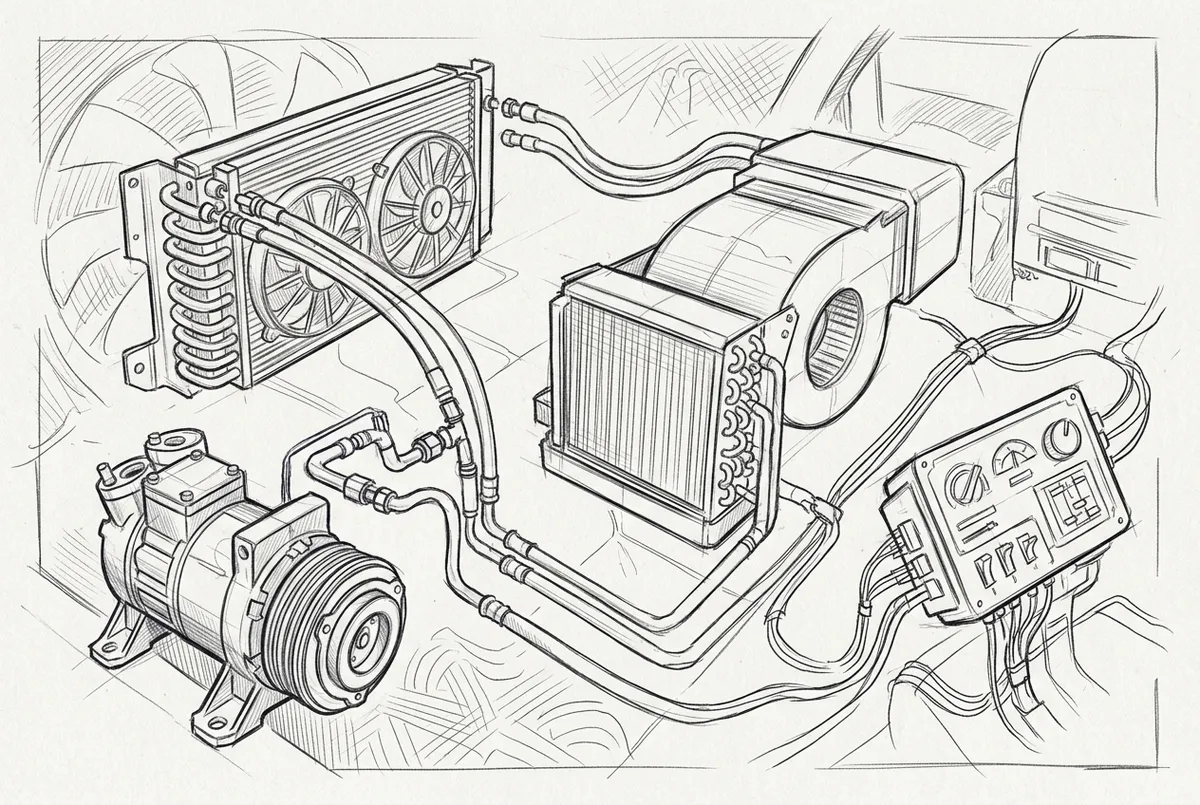
A custom truck AC system isn’t just a bigger version of a car’s air conditioner. It’s engineered to match your truck’s exact specifications. That includes the cab type, the compressor style, the refrigerant used, and how the unit connects to your truck’s electrical or engine-driven power system.
Here’s what goes into building a truly custom system:
- Compressor selection — matched to engine size and power takeoff (PTO) capacity
- Evaporator and condenser sizing — based on cab volume and airflow needs
- Ducting layout — designed around interior cab configurations
- Refrigerant type — typically R-134a or newer HFO-1234yf, depending on the vehicle
- Electrical compatibility — 12V, 24V, or hybrid setups for heavy-duty trucks
- Vibration and dust resistance — critical for off-road and construction environments
If you’re unsure where to start, checking out our full range of AC services is a great first step. We handle everything from diagnostics to full custom installations.

Which Trucks Benefit Most from Custom AC Systems?
Almost any working truck can benefit, but some applications make custom systems especially valuable. Trucks that spend long hours in the sun, operate in harsh environments, or weren’t originally equipped with adequate cooling need purpose-built solutions.
Vehicles that commonly use custom AC systems include:
- Dump trucks and construction vehicles
- Fire trucks and ambulances
- Utility and bucket trucks
- Delivery vans and box trucks
- Agricultural and off-road equipment
- Heavy-duty sleeper and day cab trucks
If you manage a fleet, you know that driver comfort directly affects performance and retention. You might also want to explore these fleet AC repair tips that can save your company real money.
3 Types of Custom AC Systems for Trucks
1. OEM-Style Custom Installations
OEM-style systems are designed to look and function as if they came straight from the factory. These are ideal when you want a clean, seamless installation with minimal visible modification to the cab interior.
Key benefits of OEM-style custom systems:
- Factory-like appearance — vents, controls, and wiring blend into the cab naturally
- Optimal fitment — components are sized for your specific truck model and cab style
- Higher resale value — clean installs don’t raise red flags for future buyers
These systems are a popular choice for newer trucks entering a fleet, especially when the base model didn’t include adequate climate control. The goal is simple: maximum comfort with minimal disruption to the truck’s original design.
When planning this type of install, it’s worth reviewing common AC installation mistakes that Tampa drivers make — avoiding these from the start saves time and money.
2. Aftermarket Retrofit AC Systems
Retrofit systems are designed for trucks that either didn’t come with AC or have an aging factory system that no longer keeps up. This is one of the most common requests we handle at our Tampa facility.
A retrofit system is built around the truck you already own. Technicians assess the available space, engine capacity, and electrical setup, then source components that work together as a cohesive unit. This is not a generic bolt-on kit — it’s a thoughtfully engineered upgrade.
Here’s a quick comparison of OEM-style vs. retrofit systems to help you decide:
| Feature | OEM-Style Custom | Aftermarket Retrofit |
|---|---|---|
| Best for | New or recent trucks | Older or unequipped trucks |
| Appearance | Factory-clean look | Functional; may show some modification |
| Cost range | Typically higher | More flexible pricing |
| Installation time | 1–2 days typical | 1–3 days depending on complexity |
| Refrigerant options | R-134a or HFO-1234yf | R-134a or R-1234yf |
Retrofit options are especially popular with older vocational trucks. If you’ve been wondering whether to repair or replace your current system, this AC repair vs. replacement guide breaks it down in plain language.
3. Heavy-Duty and Specialty Vehicle AC Systems
Some trucks operate in environments that standard AC systems simply can’t handle. Think fire trucks idling for hours in summer heat, ambulances that need reliable cooling in all conditions, or off-road construction equipment bouncing through rough terrain.
These applications demand systems built for extreme durability. Components need to handle vibration, dust, extreme temperatures, and continuous operation. That means:
- Reinforced compressor mounts that absorb shock and vibration
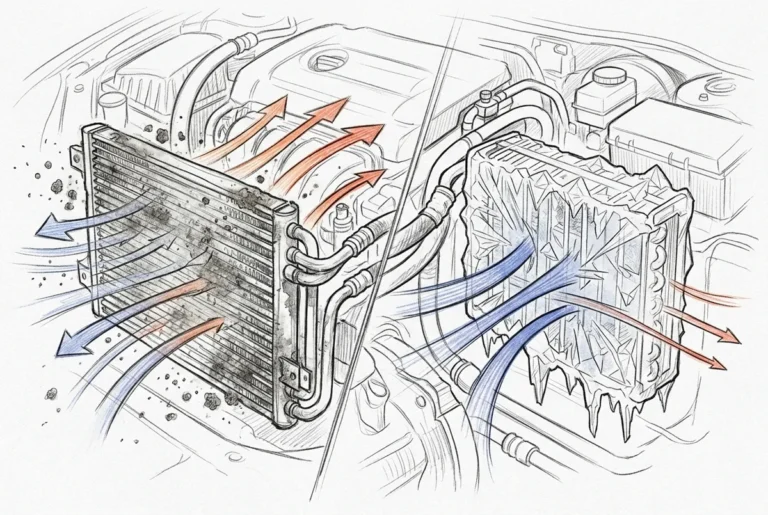
- Sealed or filtered condenser units that resist dirt and debris
- Redundant electrical connections that don’t fail under continuous load
Emergency vehicles also often require both cooling and heating capability, especially for all-season operations. A properly spec’d system accounts for both demands. Marks Air, as a proud member of the Mobile Air Climate Systems Association (MACS), stays current with the latest standards for specialty vehicle climate systems.
For heavy equipment operators dealing with AC issues on the job, this article on why AC repair matters for Tampa vehicles explains the stakes clearly.
How to Choose the Right Custom Truck AC System
Choosing a system isn’t just about picking the most powerful option. It’s about finding the right match for your truck’s specs and your daily operating needs. Here’s a simple step-by-step process:
- Identify your truck type — day cab, sleeper cab, specialty body, or open cab
- Assess your operating environment — highway, construction site, urban delivery, off-road
- Check your power source — engine-driven compressor vs. electric auxiliary power
- Set a budget — include both parts and labor for a realistic total cost
- Consult a qualified AC specialist — get a professional assessment before purchasing
Not sure what parts you might need? Browse our AC parts inventory to get a feel for what goes into a quality truck system. We stock components from trusted brands like SPAL, ACT, BCC, gpd, and Omega, with many items available same day in Tampa.
What to Expect During a Custom Truck AC Installation
Understanding the process helps set realistic expectations. Here’s what a typical custom installation looks like:
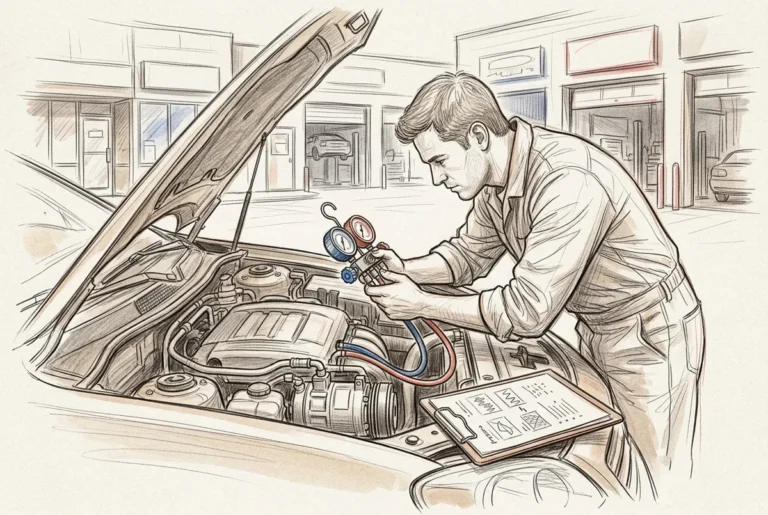
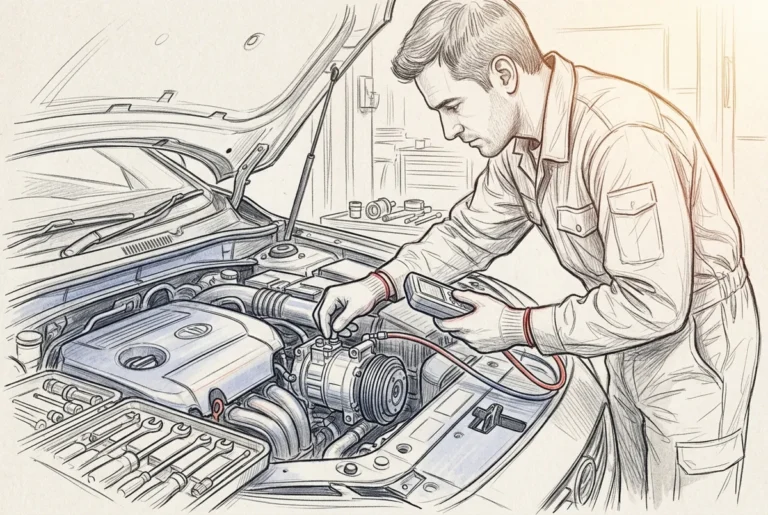
- Initial diagnostic and consultation — the technician reviews your truck’s layout, current system (if any), and your cooling requirements
- Component sourcing — parts are selected or ordered based on your specific truck
- Installation and fabrication — this may include custom hose fabrication and bracket work
- System charging and testing — the system is charged with refrigerant and tested under real operating conditions
- Final inspection — everything is checked for leaks, proper airflow, and control function
Installation time varies based on complexity. A basic retrofit may take one day, while a fully custom build for a specialty vehicle could take two to three days. If you’re worried about cost, this breakdown of auto AC repair costs in 2026 gives you a solid starting point for budgeting.
Keeping Your Custom System Running Well
A custom AC system is an investment worth protecting. Good maintenance habits extend the life of your system and help you avoid expensive breakdowns during Tampa’s brutal summer heat.
Simple habits that go a long way:
- Run your AC regularly, even in cooler months, to keep seals lubricated
- Watch for signs of reduced cooling or unusual noises
- Check for refrigerant leaks at least once a year
- Replace cabin air filters on schedule
- Have a professional inspect the system before peak summer season
If your truck’s AC starts blowing warm air, don’t wait. Here are 10 reasons your AC might be blowing warm air — and what to do about each one. You can also follow Marks Air on Facebook and Instagram for seasonal maintenance reminders and tips.
For a deeper dive into year-round care, these five AC maintenance tips for Tampa vehicle owners are a quick and practical read.
Why Trust a Specialist for Custom Truck AC Work?
Truck AC systems are more complex than car systems. They involve higher power demands, larger components, and more challenging installation environments. A specialist who focuses exclusively on vehicle AC — not general auto repair — brings a different level of knowledge to the job.
Marks Air has been focused exclusively on vehicle air conditioning since 1971. That means no divided attention — just deep, reliable expertise on AC systems for trucks, buses, RVs, heavy equipment, and more. You can read what our customers say about us on Yelp, or visit our Marks Air location on Google to see reviews and get directions to our Tampa shop.
We also offer technician training programs for those who want to build or upgrade their own knowledge. Learn more about our AC training programs if you’re a tech looking to sharpen your skills.
Ready to Get Started?
Whether you’re outfitting a new truck, upgrading an aging system, or building something custom for a specialty vehicle, the right AC solution makes a huge difference in comfort and productivity. Don’t let the Tampa heat slow you down or sideline your crew.
The team at Marks Air is ready to help you find the perfect fit. Schedule your custom AC consultation today and let’s get your truck cool and road-ready — or give us a call directly at 813-988-1671. We’d love to hear from you!
FAQs
Q: What is a custom AC system for a truck?
A: A custom truck AC system is a climate control solution built to match your specific truck’s cab size, power setup, and operating environment. Unlike universal kits, these systems are engineered around your vehicle’s exact dimensions and needs — so you get better cooling, better fit, and longer-lasting results.
Q: Can you install AC in a truck that didn’t originally come with it?
A: Absolutely! Aftermarket retrofit AC systems are designed exactly for this situation. A qualified technician assesses your truck’s layout and power capacity, then builds a system that fits and functions beautifully — even if the truck rolled off the factory floor without any AC at all.
Q: What refrigerant is used in custom truck AC systems?
A: Most custom truck AC systems use either R-134a or the newer HFO-1234yf refrigerant, depending on the truck’s age and system design. Your AC specialist will recommend the right refrigerant for your application and ensure the system is properly charged during installation.
Q: How long does it take to install a custom AC system in a truck?
A: Installation time depends on the complexity of the job. A straightforward retrofit might be completed in one day, while a fully custom build for a specialty or heavy-duty vehicle could take two to three days. Your technician will give you a timeline estimate after the initial consultation.
Q: How do I maintain a custom truck AC system?
A: Regular maintenance keeps your custom system running at its best. Run the AC periodically throughout the year, watch for leaks or reduced cooling performance, replace filters on schedule, and schedule a professional inspection before each summer season. Staying proactive saves you from bigger repair bills down the road!