Key Takeaways
-
Preventive AC maintenance saves fleets an average of $390 per vehicle annually and reduces emergency HVAC repairs by 73% compared to reactive-only approaches.
-
Schedule pre-season inspections 6-8 weeks before peak heat, mid-season checks, and post-season reviews; replace cabin air filters every 6 months or 12,000 miles to prevent compressor damage.
-
Catching refrigerant leaks early during routine checks prevents expensive compressor repairs, which are among the costliest AC system failures.
-
Pre-season AC service scheduling reduced driver HVAC complaints by 88%, directly improving driver comfort, focus, and retention while reducing turnover costs.
-
Partner with AC specialists rather than general mechanics to catch issues before they cause failures, and track all service records to identify patterns across your fleet.
-
Reactive repairs require emergency labor rates, rush-ordered parts, and vehicle downtime, while preventive service happens during normal business hours with planned scheduling flexibility.
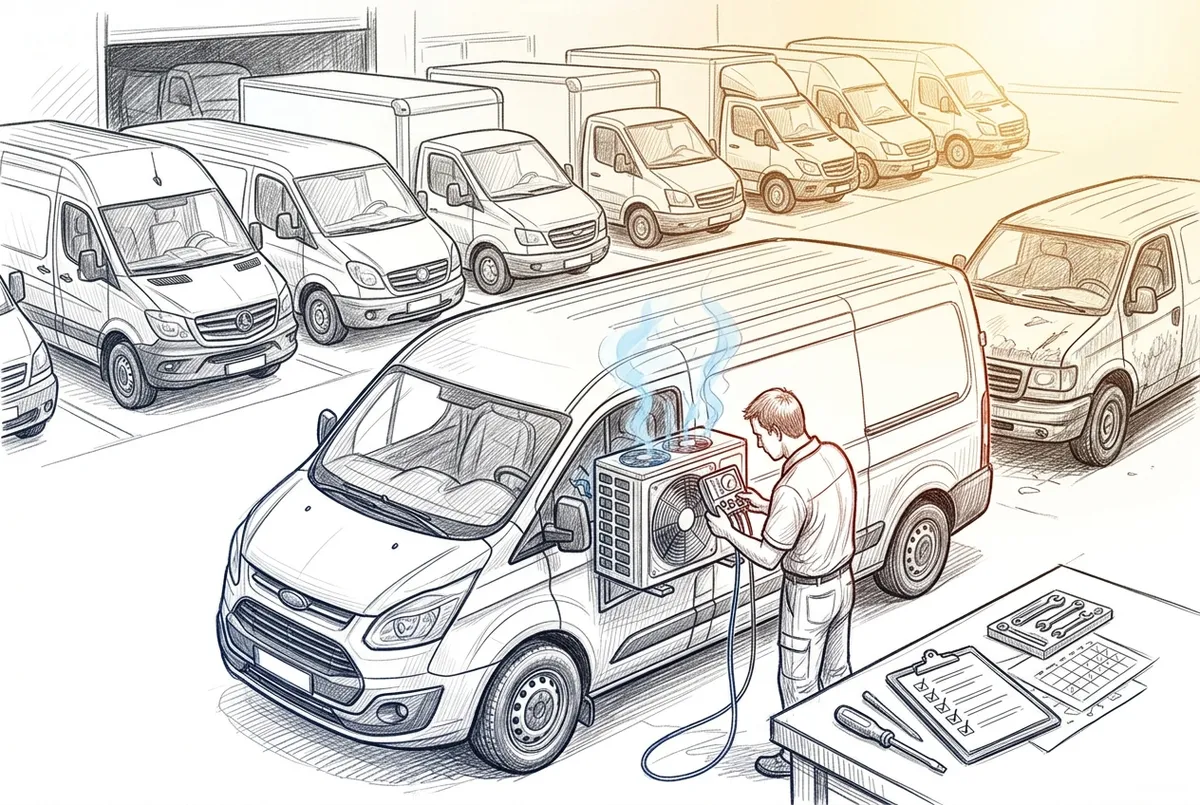
Picture this: It’s the hottest week of Tampa’s summer. Your fleet is running full schedules, drivers are on the road, and then—one by one—AC complaints start rolling in. Sound familiar? If you manage a fleet of vehicles, you already know that a broken air conditioner isn’t just uncomfortable. It’s a productivity problem, a driver retention issue, and an unexpected bill all at once. The good news is that most of these headaches are completely avoidable. The secret? A solid fleet preventive AC maintenance program. But how does it really stack up against the old-fashioned “fix it when it breaks” approach? Let’s break it down in plain terms so you can make the best decision for your fleet—and your budget.
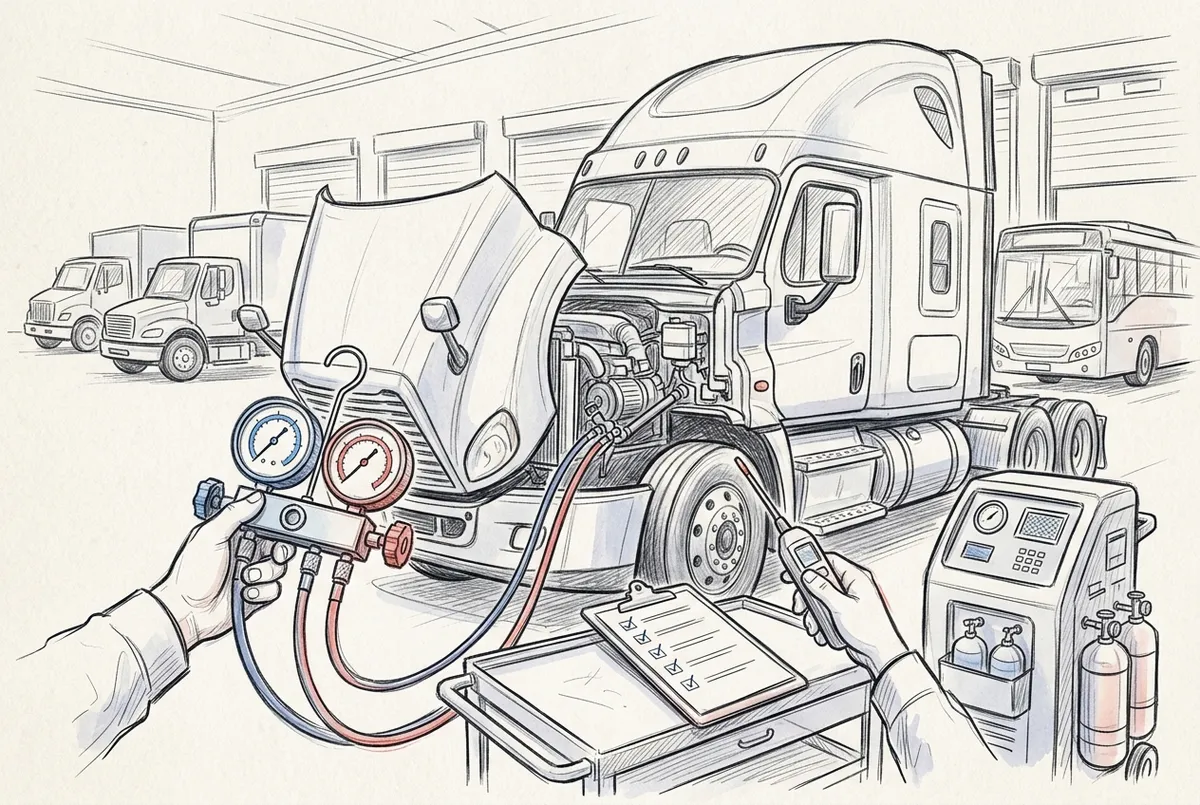
What Is Fleet Preventive AC Maintenance?
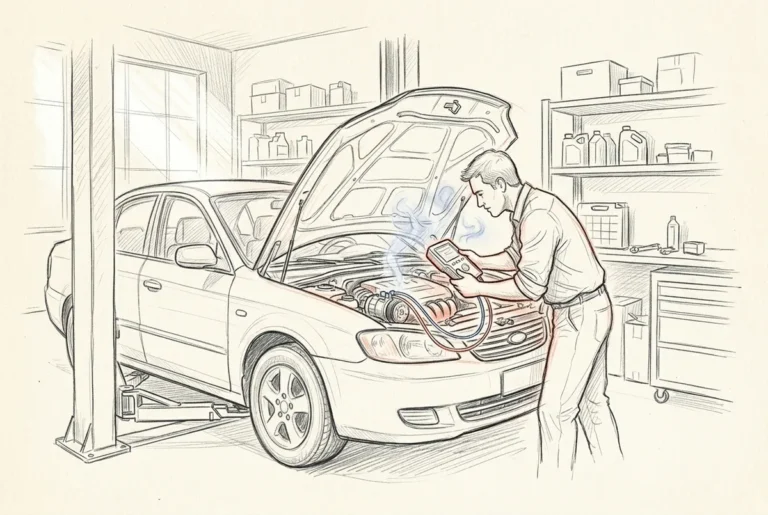
Fleet preventive AC maintenance is a scheduled approach to keeping your vehicles’ air conditioning systems in top shape. Instead of waiting for a driver to report warm air blowing from the vents, you set up regular service intervals based on time, mileage, or season. Think of it like getting an oil change on a schedule—you don’t wait for the engine to seize up before you act.
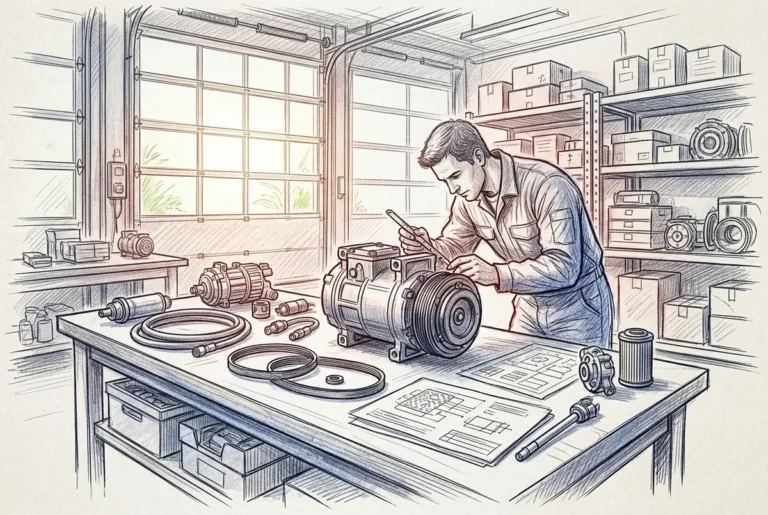
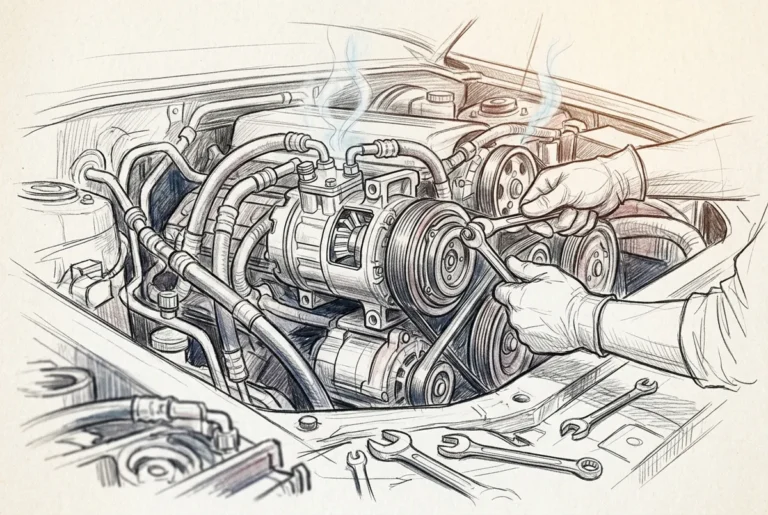
Common service items in a preventive program include refrigerant charge checks, leak detection, condenser cleaning, belt and tensioner inspections, cabin air filter replacement, and vent temperature testing. Each of these tasks catches small problems before they grow into expensive repairs. If you want a closer look at what goes into these checks, the AC services at Marks Air cover the full scope of what fleet vehicles need.
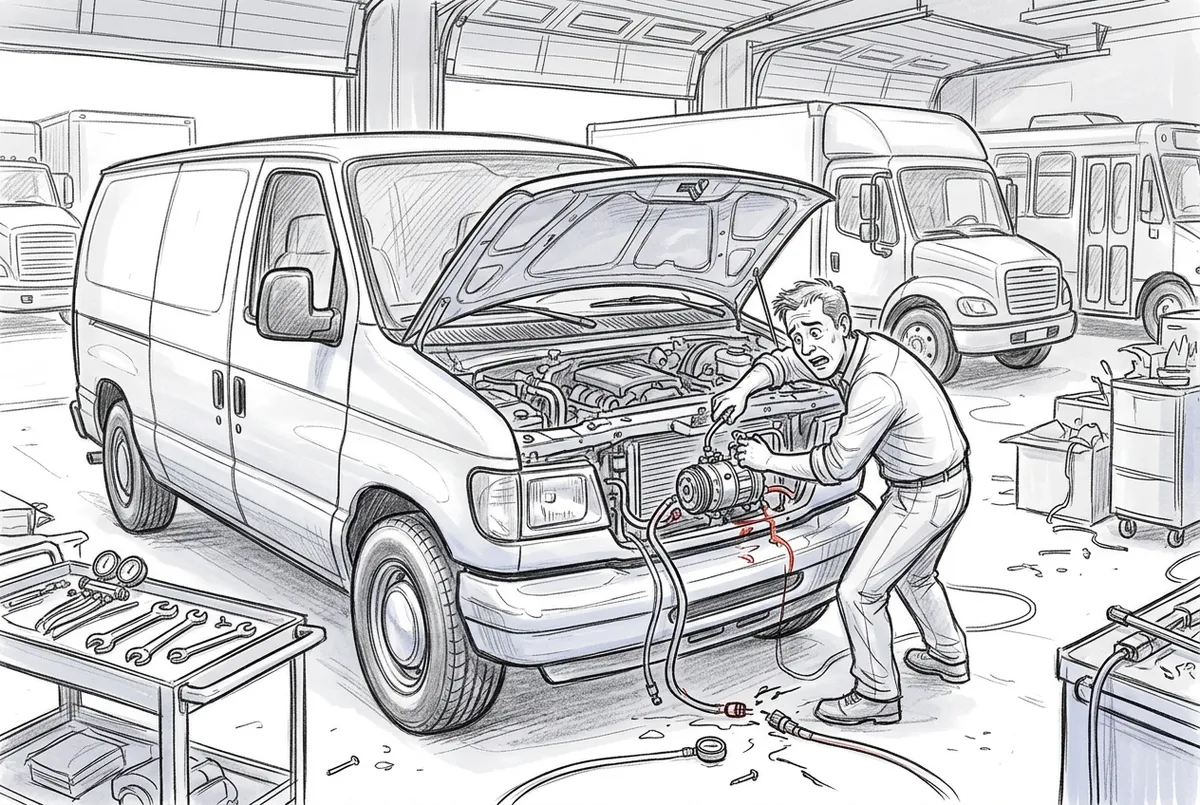
What Is Reactive Fleet AC Maintenance?
Reactive maintenance is exactly what it sounds like: you fix something after it breaks. A driver complains that the AC stopped working. You pull the vehicle off the road, diagnose the problem, order parts, and complete repairs. Only then does the vehicle return to service.
This approach seems simpler on the surface. You only spend money when something actually goes wrong, right? In practice, though, reactive maintenance almost always costs more—in parts, in labor, and in lost vehicle uptime. It also tends to be much more stressful for everyone involved, from the fleet manager to the driver sweating through a Tampa afternoon.
Preventive vs. Reactive: A Side-by-Side Comparison
Let’s lay out the differences clearly so you can see exactly what you’re working with.
| Factor | Preventive AC Maintenance | Reactive AC Maintenance |
|---|---|---|
| Cost per vehicle | Lower long-term cost | Higher due to emergency repairs |
| Vehicle downtime | Minimal and scheduled | Unplanned and often longer |
| Driver comfort | Consistently maintained | Frequently compromised |
| Repair urgency | Low — work is planned ahead | High — emergency response needed |
| Parts availability | Easy to plan and stock | May require rush orders |
| Refrigerant leaks caught early | Yes — during routine checks | No — only found after failure |
| Scheduling flexibility | High — you control the timing | Low — breakdowns dictate timing |
The numbers back this up. According to recent fleet data from 2026, fleets using seasonal AC service scheduling reported a 73% reduction in emergency HVAC repairs compared to a driver-report-only approach. That’s not a small margin—that’s a game-changer for operations.
The Real Cost Difference
Money talks, so let’s talk money. Reactive repairs are almost always more expensive than preventive ones. Emergency labor rates, rush-ordered parts, and the cost of a vehicle sitting idle all add up fast.
Fleet maintenance data from 2026 shows that switching from reactive to preventive AC service saves an average of $390 per vehicle per year. For a fleet of 20 vehicles, that’s $7,800 back in your budget annually—just by being proactive. You can also check out how much auto AC repair typically costs to get a clearer picture of what reactive repair bills look like.
Where the Savings Come From
- Catching refrigerant leaks early — Small leaks are cheap to fix. Leaks that empty the system cause compressor damage, which is expensive to repair.
- Replacing cabin air filters on schedule — A clogged filter makes the whole system work harder, wearing out components faster. Filters should be replaced every 6 months or 12,000 miles, or every 3 months in dusty or high-pollen environments.
- Avoiding emergency labor rates — Planned service happens during normal business hours. Reactive repairs often don’t.
- Extending component life — Belts, compressors, and condensers last longer when they’re regularly inspected and not run to failure.
Driver Comfort and Retention Matter More Than You Think
Happy drivers are productive drivers. When a fleet vehicle’s AC fails mid-route in Tampa’s summer heat, it’s not just uncomfortable—it affects focus, mood, and performance. Chronic AC problems can even contribute to driver turnover, which is a major cost for any fleet operation.
Fleet data from 2026 shows that pre-season service scheduling reduced driver HVAC complaints by 88%—dropping from 4.2 complaints to just 0.5 per 100 vehicles per month. That’s an incredible quality-of-life improvement for your drivers, and it reflects well on your operation as an employer. Learn more about why AC repair in Tampa is so important for keeping vehicles and drivers performing at their best.
What a Good Preventive AC Maintenance Schedule Looks Like
Building a preventive maintenance schedule doesn’t have to be complicated. Here’s a simple framework that works well for most fleets in the Tampa area.
Recommended Fleet AC Service Intervals
- Pre-season inspection (spring) — Schedule 6 to 8 weeks before peak heat. This is your biggest service window. Check refrigerant charge, inspect all belts and hoses, clean the condenser, and test vent output temperatures.
- Mid-season check — A lighter check around mid-summer to catch any issues that developed after the season kicked in. Focus on refrigerant levels and airflow performance.
- Post-season review — After heavy summer use, inspect the system before it sits idle. Catching wear now means fewer surprises next spring.
- Filter replacements every 6 months or 12,000 miles — More often in dusty or pollen-heavy conditions. Clogged filters reduce airflow and put stress on the blower motor and compressor.
Many fleet managers tie these intervals to their existing mileage-based maintenance schedules using telematics software. That way, service reminders happen automatically and nothing falls through the cracks. For more helpful tips, check out these 5 AC maintenance tips every Tampa vehicle owner needs.
Signs Your Fleet AC Systems Need Attention Right Now
Even with a solid schedule in place, it’s smart to know the warning signs that signal a system needs service before its next scheduled visit. Catching these early can prevent a small problem from turning into a roadside emergency.
- Warm or lukewarm air coming from vents despite the AC being on
- Unusual noises like rattling, clicking, or grinding when the AC runs
- Visible oil stains near AC fittings or hoses (a sign of refrigerant leakage)
- A musty or moldy smell when the AC runs (often a clogged cabin filter or drain issue)
- The AC cycling on and off rapidly or inconsistently
- Moisture or frost on AC lines or components
If you spot any of these signs across your fleet, don’t wait for the next scheduled interval. Learn more about why your AC might be blowing warm air and when to take action.
Heavy Equipment and Specialty Vehicles Need It Too
Fleet preventive AC maintenance isn’t just for cars and light trucks. Construction equipment, buses, RVs, and emergency vehicles all have AC systems that demand regular attention. In fact, the stakes are often higher for heavy equipment operators—when a construction machine’s cab gets unbearably hot, operator fatigue sets in fast, which affects both safety and productivity.
At Marks Air, the team has been servicing AC systems across this full range of vehicles and equipment since 1971. Whether you operate a transit bus fleet, a construction crew with heavy machinery, or a delivery fleet of light trucks, the preventive maintenance approach translates directly to lower costs and better reliability. You can also browse AC parts available for fleet vehicles to keep your operation stocked and ready.
Building Your Fleet Preventive AC Program: Key Steps
- Audit your current fleet — Document the AC service history for every vehicle. Identify which units are overdue for service or have recurring issues.
- Set service intervals — Use a combination of mileage, time, and season-based triggers. Align AC service with existing PM schedules where possible.
- Partner with a trusted AC specialist — A shop that focuses exclusively on AC systems will catch things a general mechanic might miss. This depth of specialization matters when you’re managing multiple vehicles.
- Track everything — Log service dates, findings, parts replaced, and refrigerant quantities for every vehicle. Good records make it easier to spot patterns and plan ahead.
- Train your drivers — Teach drivers what signs to watch for and how to report AC issues promptly. Early reporting is your first line of defense against major failures.
For fleets that want to go deeper on driver and technician knowledge, AC training programs are available that cover EPA 609 certification, system diagnostics, and best practices for vehicle AC systems.
What Reactive-Only Fleets Are Really Paying For
It’s worth spelling this out, because the costs of reactive maintenance are often hidden or spread across multiple budget lines.
- Lost productivity — A vehicle out of service for repairs can’t generate revenue or complete route assignments.
- Driver overtime or reassignment costs — When a vehicle is down unexpectedly, someone has to cover that gap.
- Accelerated component wear — Running an AC system low on refrigerant or with a clogged filter damages the compressor over time. Compressor replacement is one of the most expensive AC repairs there is.
- Emergency service premiums — Expedited repairs and rush parts orders cost more than planned service.
- Potential liability — For passenger vehicles like buses and shuttles, a failed AC in extreme heat is a safety and liability concern.
If you’ve been dealing with reactive repairs and want to understand the full picture of what those bills include, this guide on fleet vehicle AC repair tips that save money is a great starting point.
The Verdict: Preventive Wins, and Here’s Why
There’s no contest when you look at the full picture. Preventive fleet AC maintenance delivers lower costs, less downtime, happier drivers, and longer-lasting equipment. Reactive maintenance may feel cheaper in the short term, but the cumulative cost—financially and operationally—is almost always higher.
The data is clear, the logic is sound, and the experience of fleets across Tampa and beyond confirms it: scheduling AC service before problems occur is the smarter, more sustainable way to manage a fleet. Marks Air is proud to be a member of the Mobile Air Climate Systems Association (MACS), staying current with the latest standards and best practices in vehicle AC service.
You can also connect with the Marks Air community on Facebook and read real customer experiences on Yelp to see how preventive service has made a difference for fleet operators in the Tampa area. And if you want to see what longtime customers are saying, visit us on Google — Marks Air to read reviews from fleet managers and vehicle owners who’ve made the switch to preventive care.
Ready to Protect Your Fleet This Season?
Don’t wait for a breakdown to remind you that your fleet’s AC systems need attention. Getting ahead of the heat with a solid preventive maintenance plan is one of the best investments you can make for your vehicles, your drivers, and your bottom line. Schedule your fleet AC service today and let the specialists handle the details—or give us a call directly at 813-988-1671 to talk through your fleet’s specific needs. Your drivers will thank you, and so will your budget.
FAQs
Q: What is fleet preventive AC maintenance?
A: Fleet preventive AC maintenance is a scheduled program for servicing the air conditioning systems in multiple vehicles before problems occur. It typically includes refrigerant checks, leak detection, filter replacements, condenser cleaning, and belt inspections—all timed by mileage, season, or calendar interval rather than waiting for a breakdown.
Q: How often should fleet vehicle AC systems be serviced?
A: A great rule of thumb is to schedule a full AC inspection in the spring, about 6 to 8 weeks before peak summer heat. Cabin air filters should be replaced every 6 months or 12,000 miles—or every 3 months in dusty environments. Adding a mid-season and post-season check rounds out a solid annual program.
Q: Does preventive AC maintenance really reduce downtime for fleets?
A: Absolutely! Fleet data from 2026 shows that seasonal AC service scheduling reduced emergency HVAC repairs by 73% compared to a reactive-only approach. That means far fewer vehicles pulled off the road unexpectedly, which keeps your operation running smoothly and your drivers happy.
Q: What are the signs of a refrigerant leak in a fleet vehicle?
A: Watch for warm or inconsistent airflow from the vents, oily residue near AC fittings or hoses, frost on AC lines, and the AC cycling on and off rapidly. Catching a refrigerant leak early is much cheaper than dealing with the compressor damage that results from running a system low on refrigerant.
Q: How much can a fleet save by switching to preventive AC maintenance?
A: Recent fleet maintenance data from 2026 shows an average savings of $390 per vehicle per year when switching from reactive to preventive AC service. For a fleet of even 10 vehicles, that’s nearly $4,000 back in your budget—money that can go toward growing your operation instead of emergency repair bills.