Key Takeaways
-
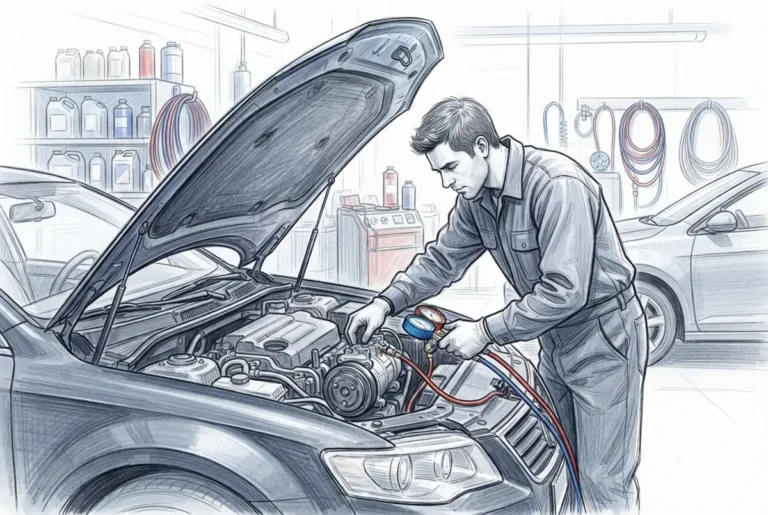
Low refrigerant from leaks is the #1 cause of warm AC air; this requires professional diagnosis to locate the leak and recharge the system properly.
-
A clogged cabin air filter restricts airflow and forces your AC to work harder while delivering less cooling; replace it every 1-3 months for better performance.
-
Before calling a technician, check your thermostat settings (ensure it’s on ‘cool’), inspect the cabin air filter, and listen for unusual sounds to rule out simple fixes.
-
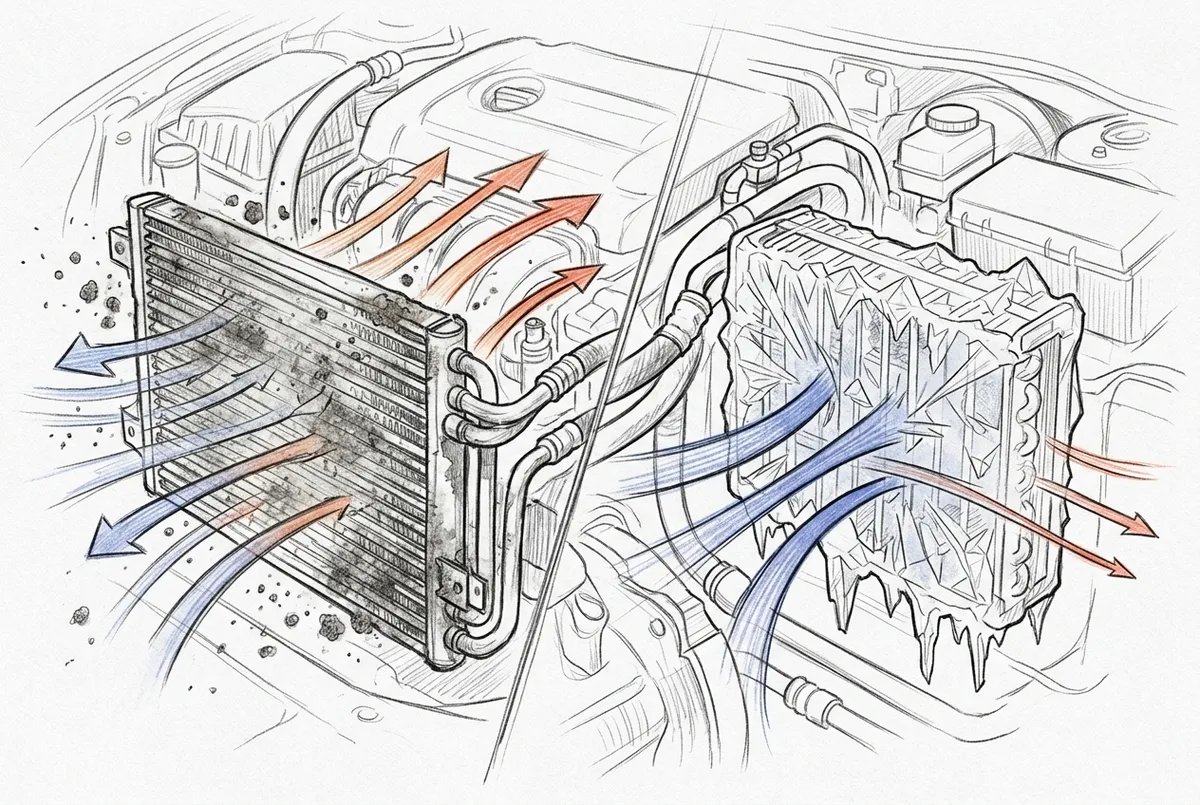
Frozen evaporator coils can paradoxically cause warm air output; turn off the AC to let it thaw, then have a technician identify whether a dirty filter or low refrigerant caused the freeze.
-
Dirty condensers at the front of your vehicle block heat release; regular cleaning is especially important for trucks, RVs, and heavy equipment that travel through dusty environments.
-
Electrical issues, compressor failures, and blower fan problems require professional diagnostics with specialized tools; DIY attempts can lead to costly damage and unnecessary part replacements.
Picture this: You hop into your car, truck, or RV on a scorching Tampa day. You crank up the air conditioning, and instead of that sweet cool breeze — you get a blast of warm air. Frustrating, right? You’re not alone. An AC blowing warm air is one of the most common complaints we hear from drivers across Tampa. And in Florida’s heat, it’s more than just uncomfortable — it can be downright unbearable.
The good news? Most causes are fixable. Whether you drive a passenger car, a fleet vehicle, a bus, or a piece of heavy equipment, understanding why your AC fails to cool is the first step toward getting it fixed fast. Let’s walk through the top 10 reasons your vehicle AC is blowing warm air — and what you can do about each one.
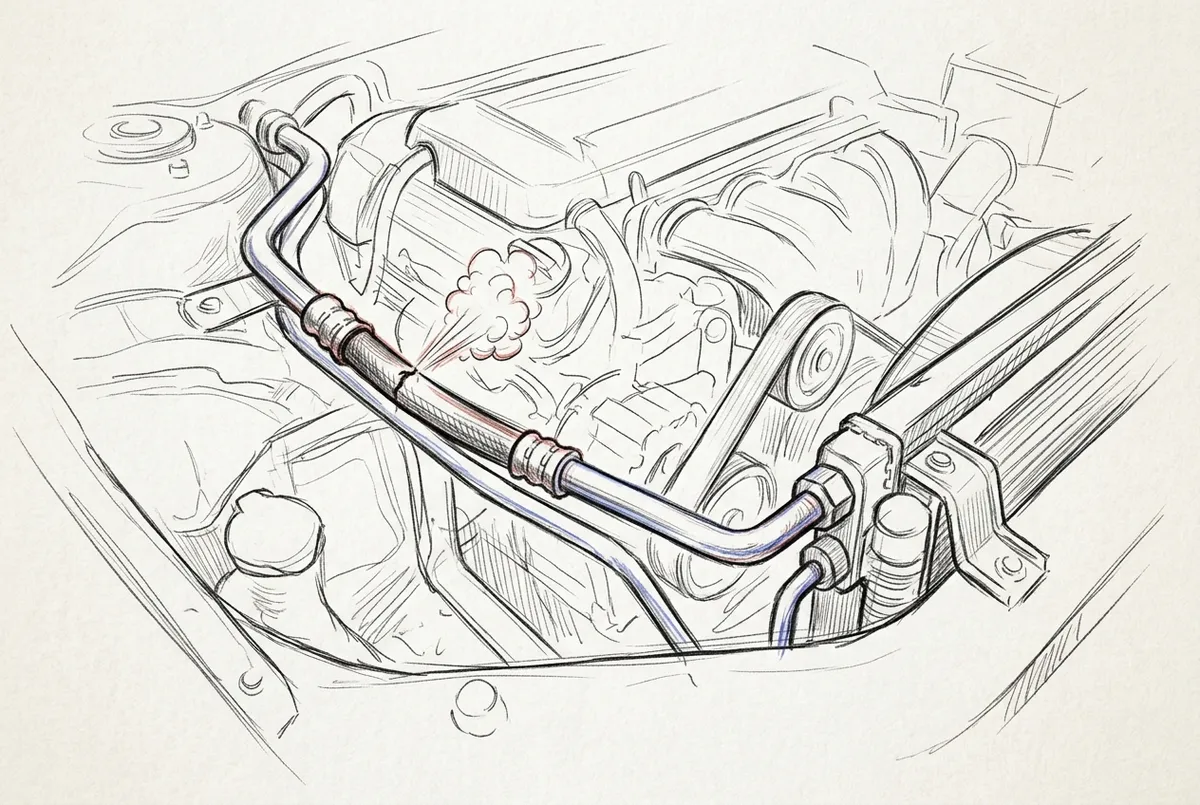
1. Low Refrigerant Due to a Leak
This is the number one culprit. Refrigerant is the lifeblood of your AC system. It absorbs heat from inside your vehicle and releases it outside. When refrigerant levels drop — usually because of a leak somewhere in the system — your AC simply can’t cool the air properly.
Low refrigerant levels account for a large majority of warm air complaints. A refrigerant leak needs professional attention. A certified technician will locate the leak, repair it, and recharge the system. You can learn more about what services are available at Marks Air’s AC services page.
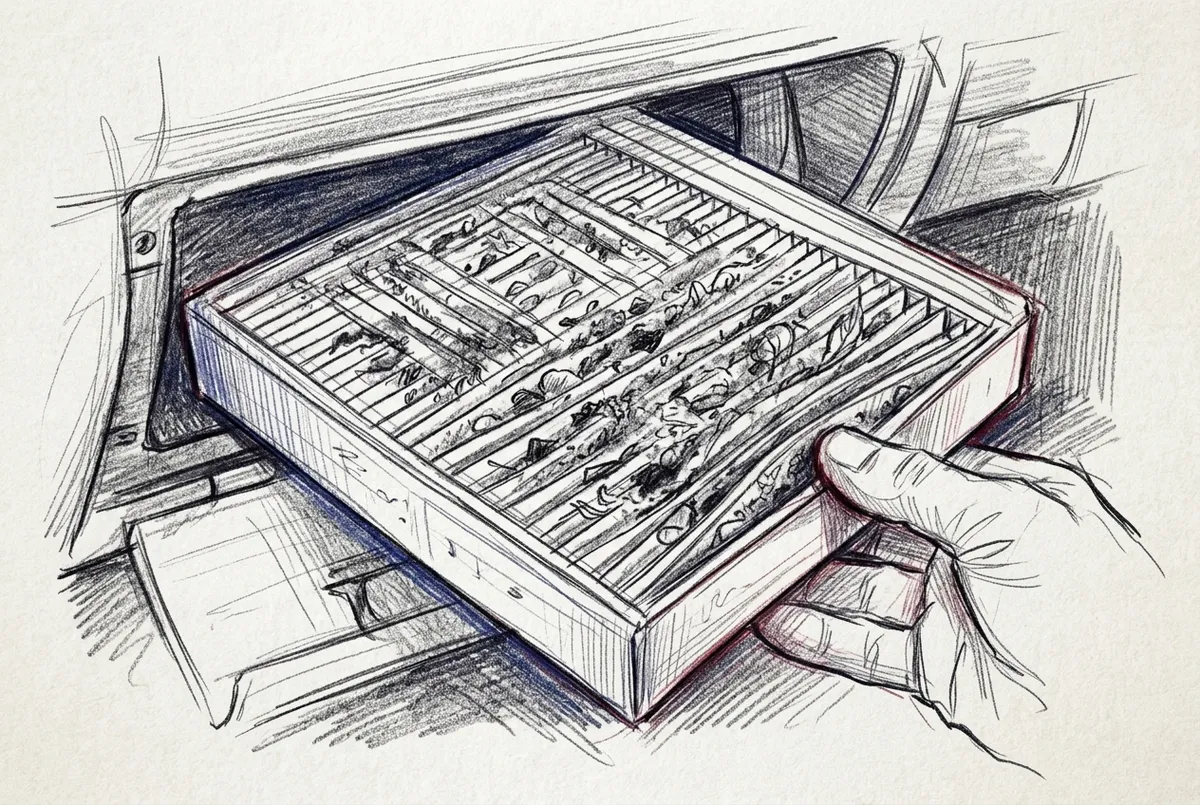
2. Clogged or Dirty Air Filter
Your vehicle’s cabin air filter plays a big role in AC performance. When it gets clogged with dust, pollen, and debris, airflow is restricted. Less airflow means your system has to work harder — and still delivers warm, stuffy air instead of cool comfort.
Experts recommend replacing cabin air filters every 1 to 3 months, depending on your driving environment. This is one of the easiest and most affordable fixes you can do. Here’s a quick checklist to know if your filter needs attention:
- Reduced airflow from the vents
- Musty or dusty smell inside the cabin
- Increased dust buildup on interior surfaces
- Weak AC performance even on high settings
3. Faulty or Incorrect Thermostat Settings
Sometimes the problem is simpler than you think. A setting accidentally left on “heat” or “vent” instead of “cool” can make your AC blow warm air. This is especially common after someone else has used the vehicle.
Beyond settings, a malfunctioning thermostat or climate control module can send the wrong signals to your AC system. If adjusting settings doesn’t help, it’s time to have the system diagnosed properly. Check out our FAQ page for common AC questions and answers.
4. Frozen Evaporator Coils
It might seem counterintuitive — ice causing warm air — but frozen evaporator coils are a real problem. When airflow is restricted (often from a clogged filter or low refrigerant), moisture on the coils freezes. This ice buildup actually blocks the cooling process and causes your AC to blow warm air.
Here’s what typically leads to frozen evaporator coils:
- Restricted airflow from a dirty cabin filter
- Low refrigerant levels reducing pressure
- Blocked or obstructed vents inside the vehicle
- Running the AC system in very low ambient temperatures
If you suspect frozen coils, turn off the AC and let the system thaw before running it again. Then have a technician identify the root cause.
5. Dirty or Blocked Condenser
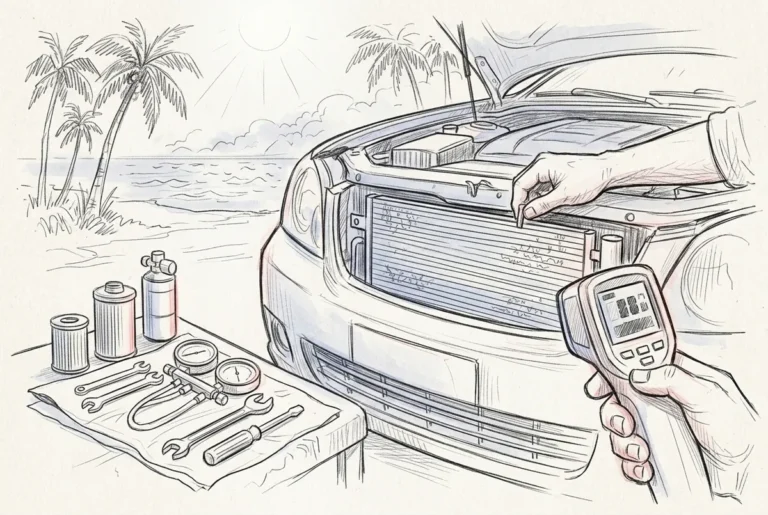
The condenser is located at the front of the vehicle and is responsible for releasing heat from the refrigerant into the outside air. If it gets clogged with bugs, road grime, or debris, it can’t do its job — and your cabin temperature rises.
This is especially common for trucks, buses, RVs, and heavy equipment that travel through dusty or outdoor environments. Regular cleaning of the condenser is a simple but effective way to keep your AC performing well. It’s one of the AC maintenance tips every Tampa vehicle owner needs.
6. Compressor Problems
The compressor is the heart of your AC system. It pressurizes the refrigerant and keeps it moving through the system. If the compressor fails or begins to fail, your AC will stop cooling effectively — or stop working altogether.
Signs your compressor may be failing include:
- AC blowing warm air even when the system is running
- Unusual clicking or grinding noises when the AC is on
- The AC clutch not engaging properly
- Visible leaks around the compressor unit
Compressor repairs or replacements should always be handled by a qualified technician. If you’re in Tampa and dealing with compressor issues, schedule a diagnostic appointment to get to the bottom of it quickly.
7. Electrical Issues and Tripped Breakers
Your vehicle’s AC system relies on electrical components to function. Tripped fuses, blown relays, faulty wiring, or bad capacitors can disrupt the entire cooling cycle. When something in the electrical chain fails, the system may run but produce no actual cooling.
Electrical diagnostics can be tricky without the right tools. This is one area where professional help really pays off. A proper diagnosis can save you from replacing parts that don’t need replacing. You can also read more about why AC repair in Tampa matters for your vehicle’s health.
8. Faulty Condenser or Blower Fan
The blower fan pushes cool air from the evaporator into your vehicle’s cabin. If it stops working — or works at reduced capacity — you’ll feel little to no airflow, or the air that does come through will feel warm. Likewise, if the condenser fan fails, the condenser overheats and can’t cool the refrigerant properly.
Fan issues are often related to worn motors, damaged blades, or electrical faults. Here’s a simple way to diagnose a blower issue:
- Turn on the AC and set it to the highest fan speed
- Listen for unusual sounds like rattling or grinding
- Check if airflow changes between speed settings
- If there’s no change, a technician should inspect the motor
9. Clogged Drain Line
Your AC system produces condensation during the cooling process. This moisture drains away through a drain line. When that line gets clogged with mold, algae, or debris, water backs up and affects system performance — sometimes contributing to warm air output or even water damage inside the cabin.
A clogged drain line might not immediately seem related to warm air, but it affects overall system efficiency. Regular maintenance checks can catch this issue early. Browse the AC parts available at Marks Air to see the components involved in keeping your system running clean.
10. Refrigerant Overcharge
While low refrigerant is the most common issue, too much refrigerant can also cause problems. An overcharged system creates excessive pressure, which actually hinders the cooling process and can damage components over time.
This often happens when refrigerant is added without first checking current levels. It’s another reason why DIY refrigerant recharging isn’t always a good idea. Professional equipment ensures the system gets exactly the right amount — no more, no less.
Quick Comparison: Common Causes and DIY vs. Professional Fix
| Cause | Symptoms | DIY Possible? | Professional Needed? |
|---|---|---|---|
| Low Refrigerant / Leak | Warm air, weak cooling | No | Yes |
| Dirty Air Filter | Weak airflow, musty smell | Yes | Optional |
| Thermostat Setting | Wrong mode selected | Yes | No |
| Frozen Evaporator Coils | Warm air, icing visible | Partial | Yes (for root cause) |
| Dirty Condenser | Poor cooling, overheating | Partial | Recommended |
| Compressor Failure | No cooling, strange noises | No | Yes |
| Electrical Issues | System not responding | No | Yes |
| Blower/Fan Failure | No airflow, rattling | No | Yes |
| Clogged Drain Line | Water inside cabin | Partial | Recommended |
| Refrigerant Overcharge | Poor cooling, high pressure | No | Yes |
What to Do When Your AC Is Blowing Warm Air
Before calling a technician, run through these simple steps to rule out the easy fixes first:
- Check your climate control settings — make sure it’s set to “cool” not “heat”
- Inspect and replace the cabin air filter if it looks dirty
- Look for any visible blockages around your front grille or condenser
- Listen for unusual sounds when the AC turns on
- Notice if airflow has changed — weak airflow often points to a filter or fan issue
If none of those simple fixes solve the problem, it’s time to bring in the professionals. Trying to self-diagnose refrigerant issues or electrical problems can lead to more costly damage down the road. For fleet operators, delays in repair can also mean downtime for multiple vehicles — which makes fast, expert service even more important. Learn how to find reliable auto AC service in Tampa Bay before you’re stuck in the heat.
Why Trust Matters When Your AC Fails
Not all AC shops are the same. When your vehicle’s AC blows warm air, you want a specialist — not a general mechanic who handles AC on the side. That’s where focused expertise makes a real difference. Marks Air has been serving Tampa since 1971, working exclusively on vehicle and equipment air conditioning systems. As a member of the Mobile Air Climate Systems Association (MACS), Marks Air stays current with industry standards and best practices. Their technicians also offer AC training programs including EPA 609 certification — a sign of genuine expertise in the field.
You can check out what customers are saying on Yelp or follow along on Facebook to stay updated on tips and services. When you’re ready to see the team in person, visit us on Google to find our location and read customer reviews before you visit.
How Common AC Problems Affect Different Vehicle Types
The causes of AC blowing warm air can vary depending on the vehicle type. Here’s a quick breakdown:
- Cars: Low refrigerant and dirty filters are the most common issues
- Trucks and fleet vehicles: Electrical faults and compressor wear are frequent culprits due to heavy use
- Buses: Condenser blockage and drain line clogs are common given passenger loads and high usage
- RVs: Blower fan issues and refrigerant leaks are typical, especially after long trips
- Heavy equipment: Dirty condensers and compressor wear from dusty environments top the list
If you’re managing a fleet or operate heavy equipment, staying proactive about AC maintenance can prevent costly downtime. You can also avoid common pitfalls by reading about AC installation mistakes Tampa drivers make every summer. And if you’re ever facing a sudden breakdown, our emergency AC repair in Tampa service is available to get you back on the road fast.
Stay Cool — Don’t Wait It Out
An AC blowing warm air isn’t just uncomfortable — it’s often a warning sign of a larger issue developing. Ignoring it can turn a simple refrigerant recharge into a full compressor replacement. In Tampa’s heat, that’s a risk no driver, fleet manager, or equipment operator should take. Visit the Marks Air reviews page to see how the team has helped Tampa drivers stay cool for over five decades.
The best approach is simple: check the easy stuff first, and if the problem persists, reach out to a specialist you can trust. Don’t sweat it — schedule your AC service appointment today or give us a ring at 813-988-1671 and let the experts at Marks Air get your system blowing cold again.
FAQs
Q: Why is my AC blowing warm air even though the compressor is running?
A: Great question! A running compressor doesn’t always mean everything is working properly. Low refrigerant, a faulty expansion valve, or a dirty condenser can prevent the system from actually cooling the air even when the compressor is on. A quick diagnostic by a certified technician will pinpoint the exact issue.
Q: Can a dirty air filter really cause my AC to blow warm air?
A: Absolutely — and it’s one of the easiest fixes! A clogged cabin air filter restricts airflow through the system, making it work harder while delivering less cooling. Replacing it every 1 to 3 months is a simple, low-cost way to keep your AC performing its best.
Q: How do I know if my vehicle has a refrigerant leak?
A: Common signs include warm air from the vents, a hissing sound near the AC components, or oily residue around AC lines and fittings. Refrigerant leaks need professional attention — a technician will use specialized equipment to detect and repair the leak before recharging the system.
Q: Is it safe to keep driving with AC blowing warm air?
A: You can still drive the vehicle safely, but we’d recommend getting it checked out soon! In Tampa’s heat, a failing AC can make driving uncomfortable and even dangerous. Ignoring the issue can also lead to bigger, more expensive repairs down the road.
Q: How long does an AC repair take for a vehicle blowing warm air?
A: It depends on the root cause! Simple fixes like a filter replacement or thermostat adjustment can be done in under an hour. More involved repairs like compressor replacement or refrigerant leak repairs may take a few hours. A thorough diagnostic up front helps ensure repairs are done right the first time.