Key Takeaways
-
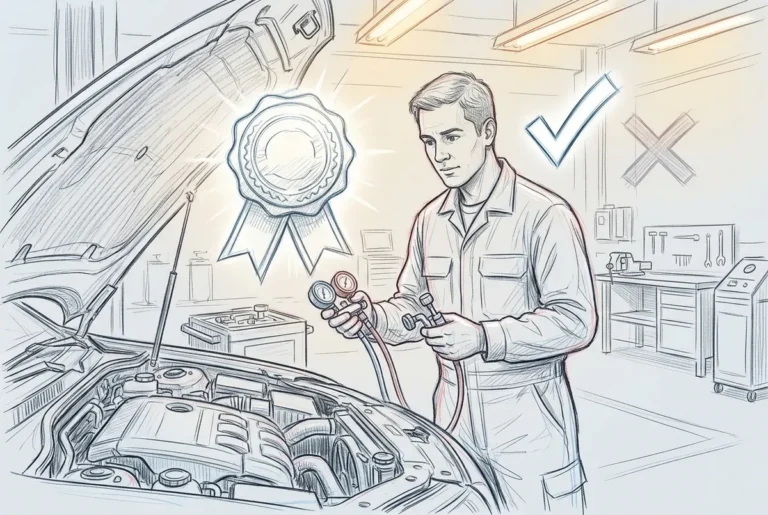
Look for EPA Section 609 certification for vehicle A/C work and ask to see documentation—this credential ensures the technician legally handles refrigerant correctly and never expires once earned.
-
Demand a detailed diagnostic process including electrical testing, airflow measurement, and leak evaluation before any refrigerant is added; repeated top-offs without finding the leak indicate an unreliable shop.
-
Choose a shop specializing in your vehicle type (cars, trucks, buses, RVs, or heavy equipment) since A/C systems behave differently and Tampa's heat/humidity demands type-specific expertise.
-
Get written estimates upfront with clear warranty terms covering parts and labor, and verify the shop stocks quality parts for same-day availability to minimize downtime costs.
Tampa heat doesn’t wait around, and neither should your air conditioning. Whether you’re a car owner sweating through rush hour, a truck driver logging miles across the state, or a fleet manager watching downtime eat your budget, finding the right local ac repair technician matters more than you might think. It’s not just about cooling comfort. It’s about safety, reliability, and keeping your vehicle or equipment running the way it should.
Here’s the good news: you don’t need to be an HVAC expert to find someone qualified. You just need to know what to look for. In this guide, we’ll walk through eight clear signs that tell you a technician knows their stuff. We’ll also answer common questions car owners, truck drivers, bus operators, RV enthusiasts, and heavy equipment operators ask before booking a repair. By the end, you’ll feel confident picking a shop that treats your vehicle like it matters, because it does.
1. They Hold Proper EPA Certification
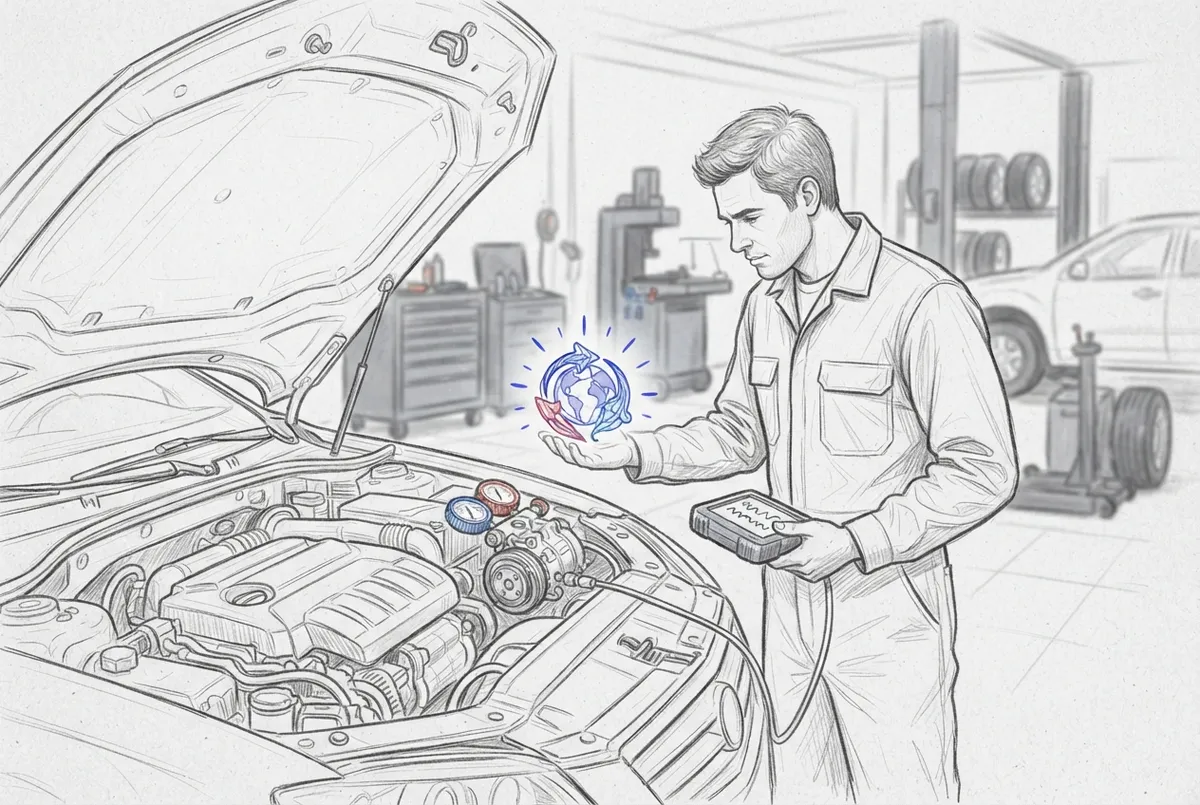
This one is non-negotiable. Anyone who works on refrigerant systems needs EPA Section 608 certification for stationary equipment, or Section 609 certification for vehicle air conditioning. These aren’t the same thing, and a good technician knows the difference. Vehicle A/C work falls under Section 609, which covers refrigerant handling in cars, trucks, and buses.
The EPA offers several certification types depending on the equipment involved. A properly trained technician will have documentation ready to show you, and this credential never expires once earned. If a shop can’t answer basic questions about their certification, that’s a red flag worth taking seriously.
2. They Explain the Diagnostic Process Clearly
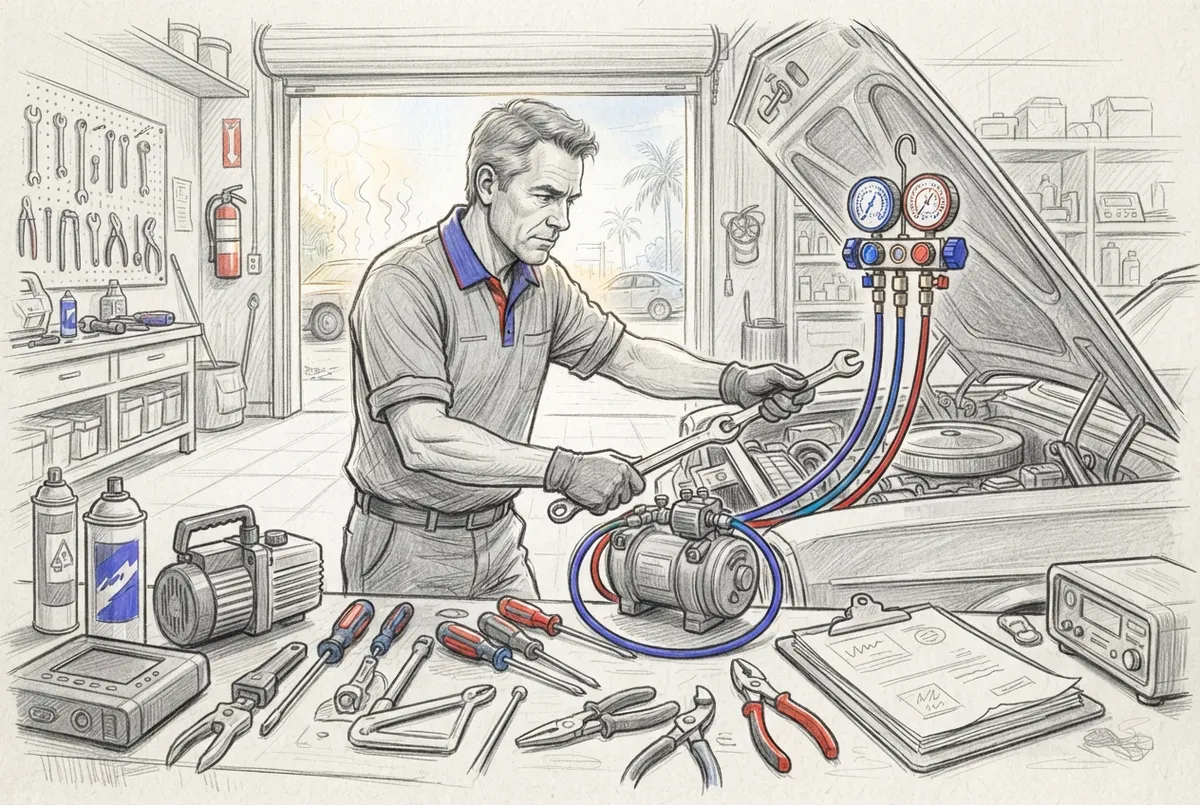
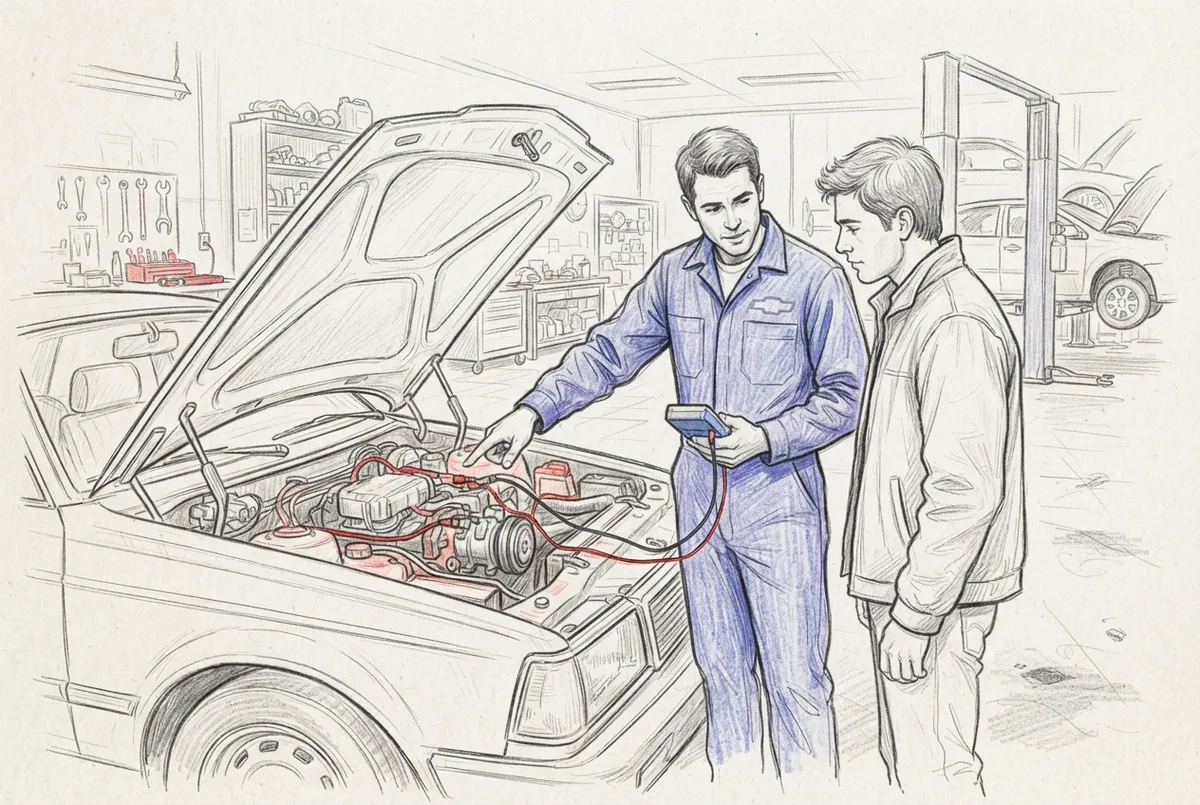
A reliable local ac repair technician doesn’t guess. They inspect your entire system before recommending refrigerant top-offs or part replacements. This usually includes:
- Electrical testing to check wiring and connections
- Airflow measurement across vents and ducts
- Temperature-difference testing between intake and output air
- Coil and drain inspection for blockages or damage
- Leak evaluation using proper detection tools
- Pressure checks to confirm the system is operating correctly
If a shop skips straight to “you need more refrigerant” without explaining why, ask questions. Refrigerant should never be added repeatedly without finding the actual leak first.
3. They Specialize in Your Type of Vehicle
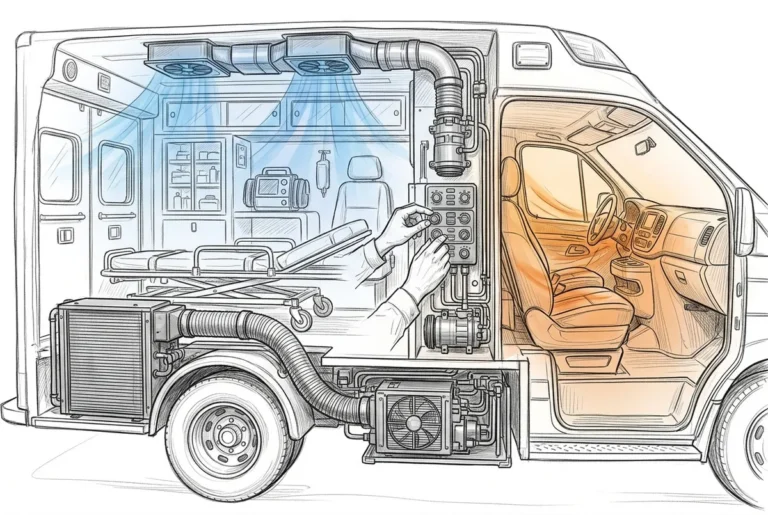
Not every shop understands the quirks of a semi-truck sleeper cab, a transit bus, or a piece of heavy construction equipment. Marks Air has spent decades working across cars, trucks, buses, RVs, and heavy equipment, so the technicians know how each system behaves differently under Florida’s heat and humidity.
Truck drivers need technicians familiar with sleeper cab units and long-haul demands. Bus operators need someone who understands passenger comfort and safety compliance. RV owners need a technician who gets that their A/C also has to survive bumpy roads and outdoor storage. Matching your vehicle type to the right expertise saves time and money.
Why This Matters for Fleet Owners
If you manage a fleet, consistency counts. A shop that services all your vehicle types under one roof means fewer headaches, faster turnaround, and one trusted point of contact instead of juggling multiple repair shops across town.
4. They Offer Transparent, Written Estimates
Before any repair work begins, you should get a written estimate. This protects you from surprise charges and helps you compare pricing if you’re shopping around. Ask whether diagnostic fees apply, and whether those fees get credited toward the repair if you move forward.
A trustworthy shop will also walk you through repair-versus-replacement options rather than pushing the most expensive fix. This is especially important for older vehicles or heavy equipment where a full system replacement might not make financial sense yet.
5. They Stock Quality Parts and Get You Back on the Road Fast
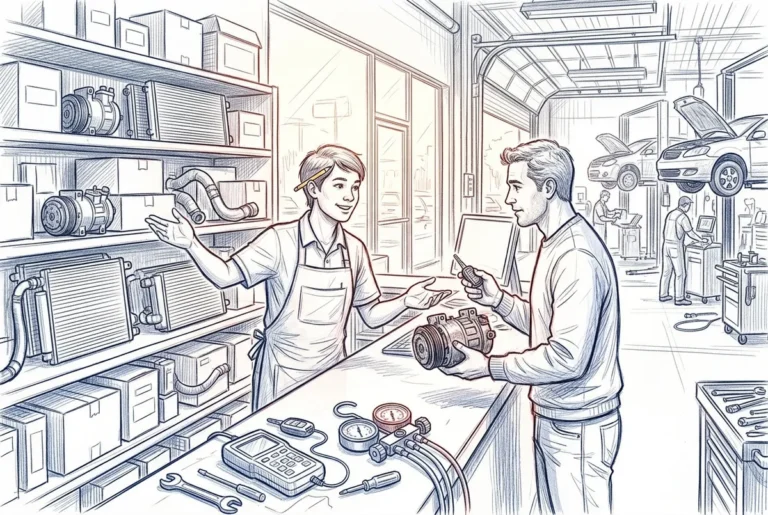
Waiting weeks for a part isn’t an option for most drivers, especially professional truck drivers who need their rigs running. A strong local shop keeps a wide inventory of A/C parts on hand, including compressors, hoses, condensers, and evaporators from trusted brands.
Same-day part availability can mean the difference between a quick fix and days of downtime. This matters even more for commercial fleets and emergency vehicles, where every hour off the road costs money or, in some cases, puts safety at risk.
| Vehicle Type | Common A/C Issues | Why Fast Repair Matters |
|---|---|---|
| Personal Cars | Refrigerant leaks, frozen coils, weak airflow | Daily comfort and resale value |
| Semi-Trucks | Compressor failure, condenser damage | Driver comfort and DOT compliance |
| Transit Buses | Blower motor issues, uneven cooling | Passenger safety and satisfaction |
| RVs | Vibration damage, hose wear | Comfort during travel and camping |
| Heavy Equipment | Dust contamination, electrical faults | Operator focus and reduced fatigue |
6. They Have a Long Track Record in the Community
Experience counts for a lot in this industry. A shop that’s been serving Tampa since 1971 has seen just about every A/C problem imaginable, from stubborn refrigerant leaks to full system overhauls. That kind of history builds trust, and it usually means the business has strong local relationships and a reputation worth protecting.
You can check a shop’s standing by reading customer reviews, browsing feedback on Yelp, or checking their listing on HVACService.io. You can also see what customers say by visiting the Marks Air location on Google, where real customer experiences give you a clearer picture before you book anything.
7. They Stay Current With Industry Standards and Training
The A/C industry changes. Refrigerant regulations shift, new equipment enters the market, and best practices evolve. A technician who invests in ongoing education is one who takes the craft seriously.
Look for shops that offer or participate in technician training programs, covering things like EPA 609 certification, HFO-1234yf handling, and mobile vehicle A/C (MVAC) best practices. Being a member of the Mobile Air Climate Systems Association (MACS) is another strong signal that a shop stays aligned with current standards.
Why Ongoing Training Protects You
Refrigerant rules have changed significantly in recent years, including expanded requirements for substitute refrigerants like HFCs starting in 2018. A technician who hasn’t kept up with these changes might not handle newer refrigerant blends correctly, which can lead to costly mistakes or even safety issues.
8. They Back Their Work With a Warranty
A confident technician stands behind their repairs. Ask about warranty terms before agreeing to any work. Does it cover parts, labor, or both? How long does it last? A shop willing to put its warranty in writing is telling you they trust their own workmanship.
This matters even more for commercial vehicles and heavy equipment, where a failed repair means lost productivity. A solid warranty gives you peace of mind and protects your investment long after the technician has finished the job.
Common A/C Problems a Local Technician Can Solve
Understanding what a technician actually fixes helps you know when it’s time to call. Here are frequent issues across different vehicle types:
- Weak or warm airflow from vents despite the system running
- Refrigerant leaks causing gradual loss of cooling power
- Frozen evaporator coils from restricted airflow or low refrigerant
- Electrical failures affecting the compressor clutch or blower motor
- Thermostat or control panel malfunctions
- Clogged condensate drains leading to moisture buildup
- Unusual noises from the compressor or fan assembly
- Compressor failure requiring full replacement
If you’re noticing any of these symptoms, don’t wait until the problem worsens. A quick diagnostic visit can often catch small issues before they turn into expensive repairs.
What to Ask Before You Approve Any Repair
Before giving the green light on repair work, it helps to ask a few direct questions:
- What exactly is causing the problem, and how did you confirm it?
- Will you show me the diagnostic results?
- Is this a repair or a temporary patch?
- What’s included in the warranty?
- Do you have the parts in stock, or will I need to wait?
A technician who welcomes these questions and answers them clearly is one you can trust. Evasive answers or pressure to decide immediately are signs to look elsewhere.
Local Convenience Without Cutting Corners
Choosing a nearby shop offers real benefits: faster response times, familiarity with Tampa’s climate demands, and easier follow-up visits if something needs adjustment. But proximity alone shouldn’t be your only deciding factor. Pair local convenience with the qualifications we’ve covered above, and you’ll get the best of both worlds.
For fleet owners and heavy equipment operators, having a dependable local partner also means less coordination hassle. Instead of managing multiple vendors, you get one shop that understands your entire vehicle lineup. That kind of relationship builds over time and saves real money on downtime.
Ready to Get Your A/C Fixed Right?
Finding a qualified local ac repair technician doesn’t have to feel overwhelming. Look for proper certification, transparent pricing, strong parts availability, and a track record of trust in the community. Whether you’re dealing with a stubborn refrigerant leak in your sedan or planning a full system upgrade for your fleet, the right shop makes all the difference.
Marks Air has been part of the Tampa community since 1971, working on everything from personal cars to buses, RVs, and heavy equipment. You can follow their latest updates on Instagram or connect through Facebook to see real repairs and customer stories. When you’re ready to get your air conditioning back on track, schedule service today or call us at 813-988-1671 to talk with a team that’s been keeping Tampa cool for over 50 years.
FAQs
Q: How do I find a reliable local AC repair technician in Tampa?
A: Start by checking for proper EPA certification and asking about their experience with your specific vehicle type. Reading reviews and checking a shop’s Google listing also helps, but nothing beats confirming credentials directly with the technician.
Q: How much does a local AC repair technician cost?
A: Costs vary depending on the issue, your vehicle type, and whether parts need replacing. A diagnostic visit typically comes first, and a trustworthy shop will give you a written estimate before starting any repair work.
Q: Does an AC technician need EPA certification to work on my vehicle?
A: Yes, technicians handling refrigerant in vehicle air conditioning systems need EPA Section 609 certification. This ensures they follow proper refrigerant handling and recovery procedures required by law.
Q: Why is my air conditioner running but not cooling?
A: This often points to a refrigerant leak, a failing compressor, or a blocked airflow path. A proper diagnostic check can pinpoint the exact cause instead of just guessing and adding refrigerant.
Q: How often should a professional service my vehicle’s air conditioning?
A: Most vehicles benefit from an annual A/C checkup, especially before Tampa’s hottest months hit. Fleet vehicles and heavy equipment used daily may need more frequent inspections to catch small issues early.