Key Takeaways
-
Always insist on a full diagnostic before any AC repair, including visual inspection, pressure checks, electrical testing, and leak detection—skipping these steps leads to repeated expensive repairs and compressor damage.
-
Verify that your chosen shop holds Section 609 EPA certification and is equipped for your vehicle's specific refrigerant type (R-134a vs. R-1234yf), as not all shops have invested in the required tools and training.
-
Request a written estimate upfront and confirm warranty coverage on parts and labor before committing, as AC repair costs range from $75-$300 for diagnostics to $500-$1,600+ for compressor replacement depending on the problem.
-
Avoid cheap recharge-only services without addressing underlying leaks, as repeated recharges waste money and damage your compressor through inadequate lubrication—low refrigerant systems cost more over time.
-
Choose shops with proven local experience and in-stock parts inventory for faster turnaround, especially if you drive trucks, RVs, or fleet vehicles that can't afford extended downtime during Tampa's hot summer months.
-
Ask specific questions about the shop's experience with your vehicle type (sedan, truck, bus, RV, or heavy equipment) and confirm they understand unique cooling system requirements for hybrid and electric vehicles if applicable.
Tampa summers are no joke. When your car’s air conditioning quits on you at a stoplight in July, typing “car ac shops near me” into your phone feels like an emergency mission. Whether you’re a daily commuter, a truck driver on a tight schedule, or a fleet manager juggling a dozen vehicles, finding a shop you can trust matters more than finding the closest one on the map.
The good news is that choosing the right car AC shop doesn’t have to feel like guesswork. A little know-how goes a long way toward avoiding wasted money and repeat visits. In this guide, we’ll walk through what a proper A/C diagnosis looks like, what things typically cost, and how to spot a shop that actually knows what it’s doing. We’ll also cover special needs for trucks, buses, RVs, and heavy equipment, because cooling systems on these vehicles aren’t quite the same as your everyday sedan.
By the end, you’ll know exactly what to look for and what questions to ask before you hand over your keys. Let’s get into it.
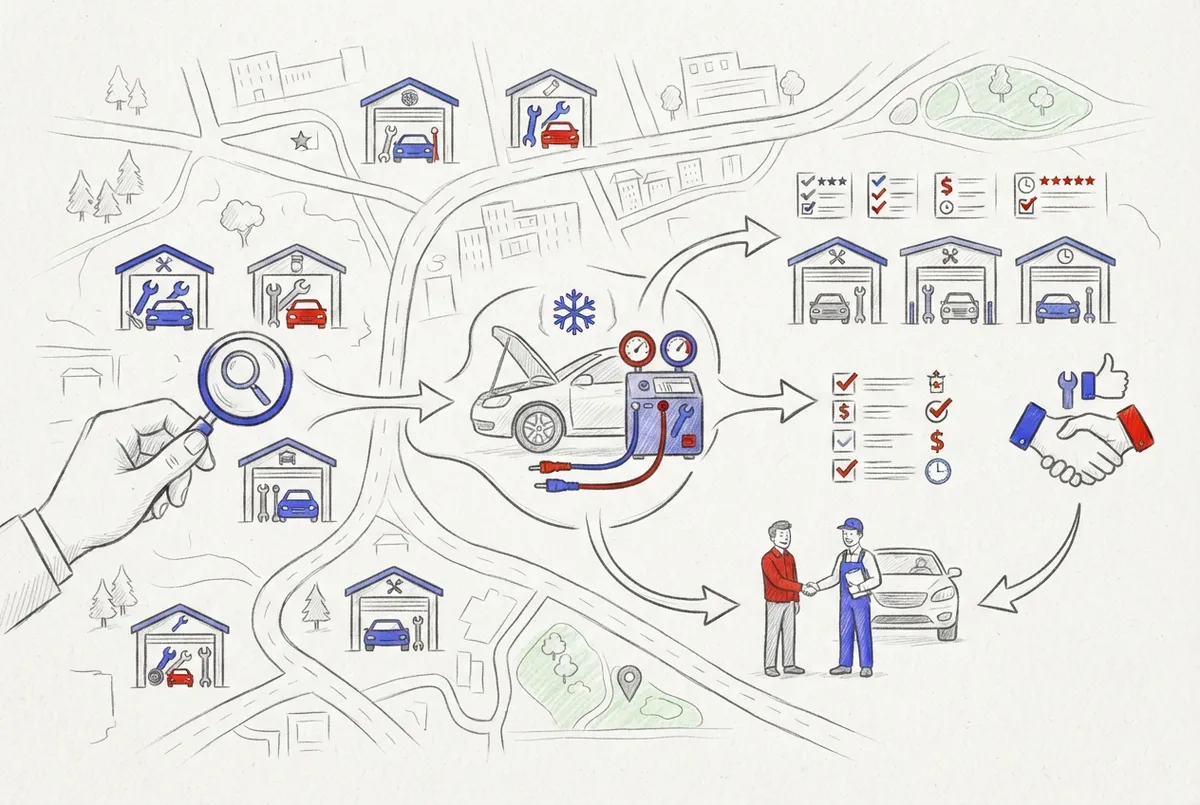
What Does “Car AC Shops Near Me” Really Mean?
When people search this phrase, they usually want one thing: a nearby shop that can diagnose and fix a car, truck, bus, or RV that isn’t blowing cold air anymore. This is different from home air conditioning repair, so it’s worth being specific with your search terms.
A good local shop should be able to look at your whole system, not just top off the refrigerant and send you on your way. That means checking hoses, the compressor, electrical connections, and airflow, not just pressure levels. For a deeper look at how the right technician approaches this, check out how to find auto air conditioning repair near me.
Common Reasons Search Results Vary
Not every shop that pops up online actually specializes in mobile A/C work. Some are general repair garages that only handle basic recharges. Others are dedicated A/C specialists with the right tools for leak detection and full system diagnostics.
Here’s why your results can feel inconsistent:
- Some shops list “AC service” but only do quick refrigerant top-offs
- Location-based searches don’t always filter by vehicle type (car vs. truck vs. RV)
- Reviews may be outdated or not specific to A/C work
- Not every shop is equipped for newer refrigerants like R-1234yf
- Some general mechanics lack Section 609 certification for A/C repair
If you’ve struggled with this before, you’re not alone. We’ve written more about why A/C car repair near me is so hard to find and how to cut through the noise.
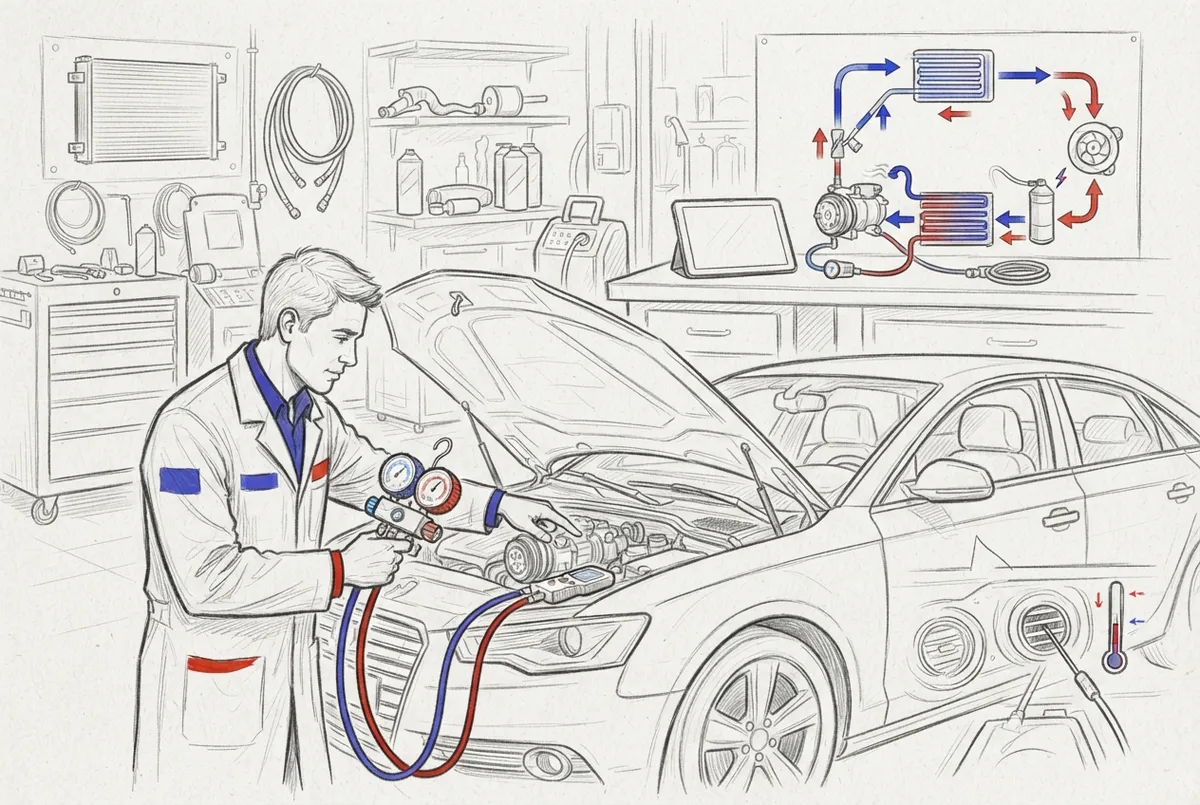
What Should A Proper A/C Diagnosis Include?
A trustworthy shop won’t just guess. They’ll run through a real diagnostic process before recommending any repair. This protects your wallet and your compressor.
The Diagnostic Steps You Should Expect
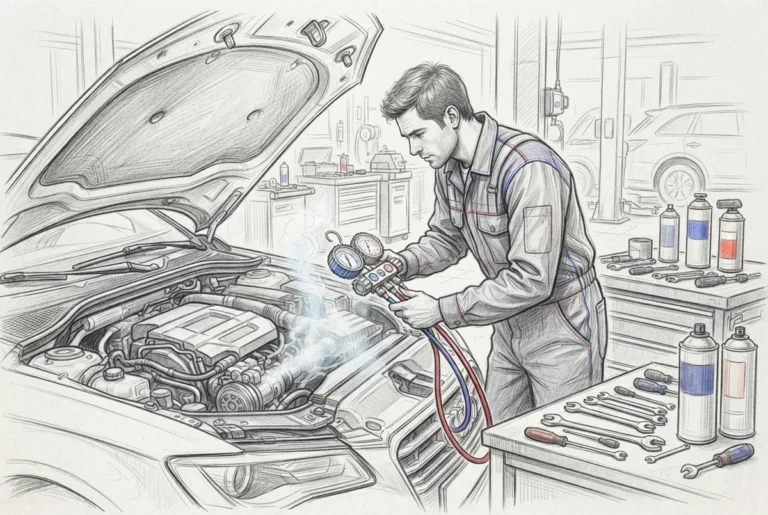
- Visual inspection of hoses, connections, and components for damage or wear
- Vent-temperature testing to measure actual cooling output
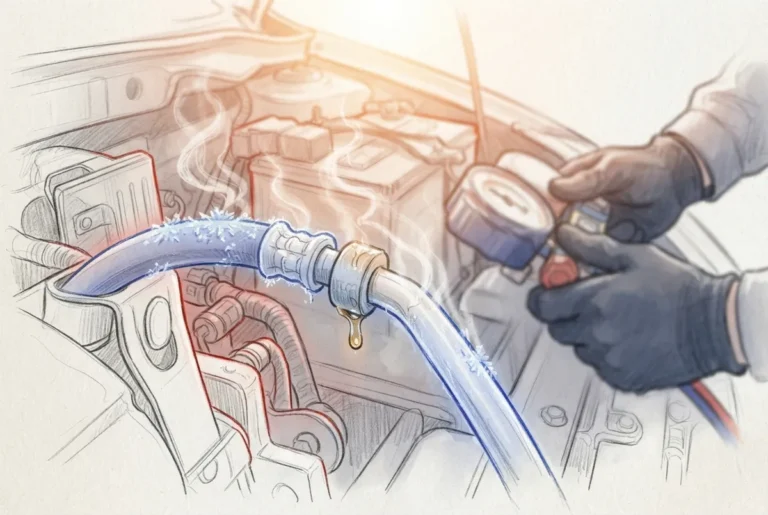
- Pressure checks on the high and low sides of the system
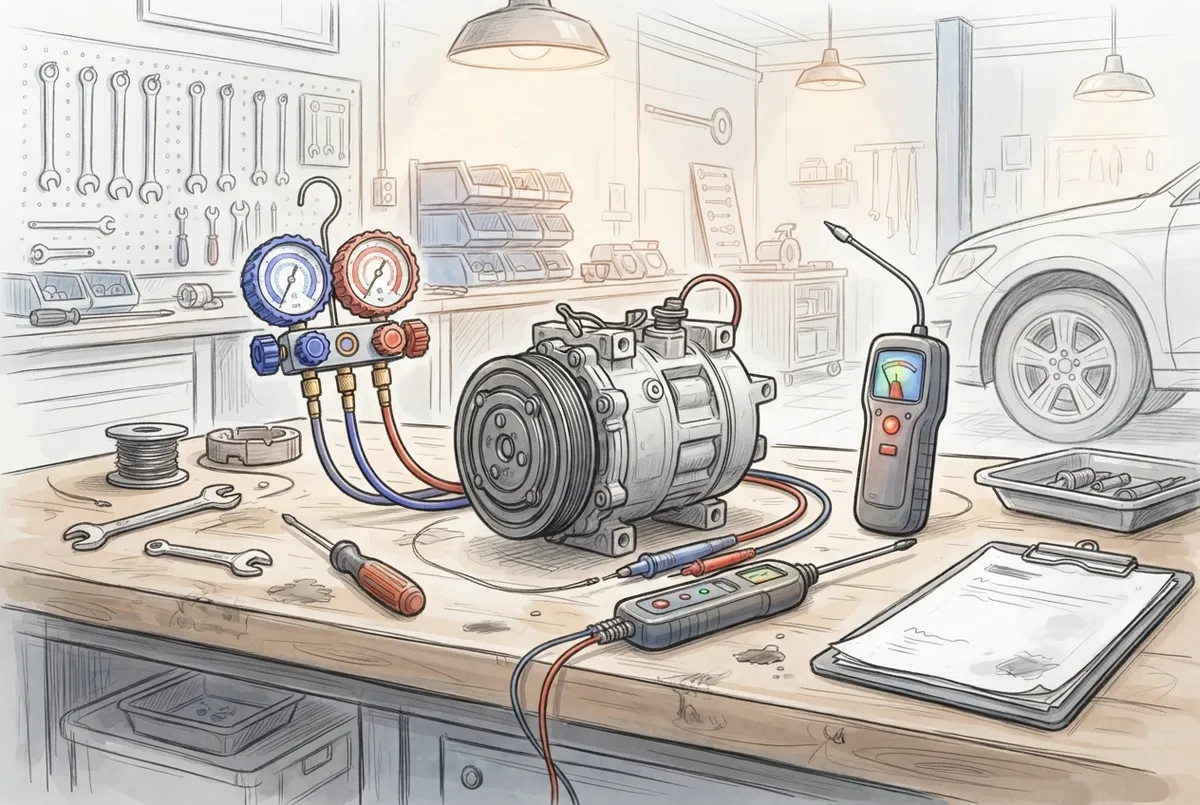
- Electrical testing of the compressor clutch, relays, and blower motor
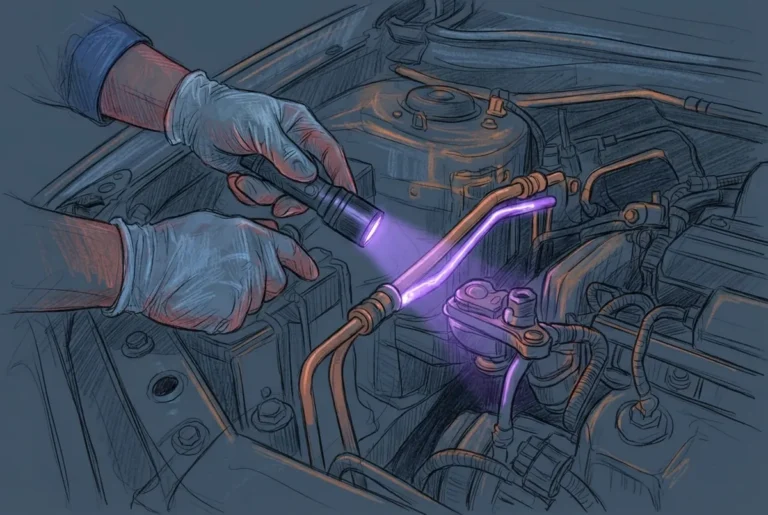
- Leak detection using dye or electronic sensors
- System evacuation if refrigerant needs to be removed and replaced
- A measured refrigerant recharge, only if the system passes inspection
Skipping steps here is how people end up paying for the same repair twice. If a shop offers a recharge without any diagnostic work first, that’s a red flag worth noting.
Common Car AC Problems Local Shops See Every Day
Understanding what usually goes wrong helps you talk to your technician with confidence. Here are the most frequent culprits:
- Low refrigerant caused by a slow leak somewhere in the system
- Compressor failure, often the most expensive fix
- Condenser or hose damage from road debris or age
- Faulty blower motors that stop pushing air through the vents
- Electrical faults in wiring, relays, or the clutch
- Blocked expansion valves restricting refrigerant flow
- Clogged cabin air filters reducing airflow
- R-134a is common in older vehicles and has a global warming potential of about 1,430
- R-1234yf is used in most newer vehicles and has a global warming potential of about 4
- Each refrigerant requires different equipment and handling procedures
- A shop must be properly equipped to legally and safely service both types
- Search using specific terms like your city plus “car AC diagnostic” or your vehicle type
- Check recent reviews that specifically mention automotive A/C work, not just general repairs
- Ask if the shop is certified under Section 609 and equipped for your refrigerant type
- Request a written estimate before any work begins
- Confirm whether parts and labor come with a warranty
- Ask about experience with your specific make, model, or vehicle class
- For hybrid or electric vehicles, confirm the shop has experience with those systems
- Do you diagnose before recommending a recharge?
- Are your technicians Section 609 certified?
- Can you service both R-134a and R-1234yf systems?
- Do you offer a warranty on parts and labor?
- Have you worked on my specific vehicle type before?
- What’s your typical turnaround time for this repair?
Trucks and buses tend to see more wear on hoses and compressors due to constant vibration and long hours on the road. RVs often develop leaks after sitting unused for months. Heavy equipment operators frequently deal with dust and debris clogging condensers. Knowing your vehicle type helps a shop diagnose faster.
How Much Does Car AC Repair Actually Cost?
Pricing varies quite a bit depending on the problem, your vehicle, and the refrigerant type. Here’s a general breakdown based on recent service-market estimates.
| Service Type | Typical Cost Range |
|---|---|
| A/C Diagnostic & Leak Check | $75 – $300 |
| Refrigerant Recharge (R-134a) | $150 – $350 |
| Refrigerant Recharge (R-1234yf) | $250 – $500+ |
| Minor Leak Repair | $150 – $800 |
| Condenser or Hose Repair | $300 – $1,000+ |
| Compressor Replacement | $500 – $1,600+ |
Keep in mind these are estimates, and larger vehicles like buses or heavy equipment can run higher due to part size and labor complexity. For a more detailed cost breakdown by vehicle type, take a look at how much auto AC repair costs in 2026.
Why A Cheap Recharge Isn’t Always A Good Deal
It’s tempting to grab the lowest-priced recharge you find. But a recharge alone won’t fix an active leak. It might feel cold for a few weeks, then you’re right back where you started, except now you’ve spent money twice.
Repeated recharging can also damage your compressor over time. Low refrigerant means less lubrication moving through the system, and that wears out parts faster. If you keep needing recharges, it’s worth reading about AC leak mistakes that cost car owners more money before you spend another dime.
Refrigerant Types: Does Your Shop Know The Difference?
Not all car AC systems use the same refrigerant, and this matters more than most people realize.
R-134a vs. R-1234yf
If you drive a newer car, ask ahead of time whether the shop can handle R-1234yf. Not every garage has invested in the right tools yet. Learn more in our guide on things to know about R-134a to 1234yf conversion.
Certifications That Actually Matter
In the United States, any technician who services mobile A/C systems for payment must hold Section 609 certification under the Clean Air Act. This isn’t the same as a general mechanic’s license.
To earn this certification through ASE, applicants must correctly answer at least 24 of 30 exam questions. It’s a specific, focused credential that shows a technician understands refrigerant handling, recovery, and environmental compliance. Marks Air offers training in this exact area, including EPA 609 certification and HFO-1234yf-specific instruction, which you can read about on the training page.
How To Choose The Right Shop: A Step-By-Step Checklist
Marks Air has been doing exactly this kind of work in Tampa since 1971, and the family-owned, woman-owned shop has built a reputation on thorough diagnostics rather than quick fixes. You can browse real customer feedback in our reviews section or see what people are saying on Yelp.
Special Considerations For Trucks, Buses, RVs, And Heavy Equipment
Truck Drivers And Fleet Operators
Long-haul drivers can’t afford a broken AC system during a Florida summer route. Fleet managers should look for shops that stock parts for quick turnaround and understand DOT comfort requirements. Our article on fleet vehicle AC repair tips that save you money covers this in more detail.
Bus Operators And Transit Companies
Passenger comfort and safety both depend on a working A/C system, especially during peak summer months. Regular preventive checks help avoid mid-route breakdowns. See what proper bus AC system maintenance actually involves for a closer look.
RV Enthusiasts
RVs often sit unused for months, which can lead to seal deterioration and slow leaks. Before a big trip, a full inspection can save you from discovering problems in a campground with no shop nearby.
Heavy Equipment Operators
Dust, vibration, and long hours in direct sun put extra stress on A/C systems in construction and agricultural equipment. Keeping operators cool isn’t just about comfort, it’s about safety and productivity. Our guide on how to get heavy equipment AC repair done right walks through what to expect.
Parts Availability Matters More Than You Think
A shop can have the best technicians around, but if they’re waiting three days for a part to arrive, your vehicle sits idle. Marks Air stocks a wide range of components, including its own KOOL-TEMP line along with trusted brands, with many items available the same day. Browse the full lineup on the A/C parts page.
This matters most for fleet owners and truck drivers who can’t afford extended downtime. Having a shop with in-house inventory means faster repairs and fewer surprises.
How Long Does A Typical Repair Take?
Most straightforward repairs, like a recharge or minor leak fix, can be done in a few hours. More involved jobs, such as compressor replacement or hose fabrication, might take a full day depending on parts availability and vehicle complexity. Larger vehicles like buses or heavy equipment may take longer simply due to size and access.
If you’re facing a hot commute or a delayed route, it helps to call ahead and ask for a time estimate before dropping off your vehicle.
Questions To Ask Before You Commit
Before choosing a shop, run through this quick list:
A shop that answers these clearly and confidently is usually one worth trusting. You can find answers to many common questions on the FAQs page as well.
Why Local Experience And Reputation Matter
Tampa’s heat and humidity put constant stress on vehicle A/C systems, so local experience counts for a lot. A shop that’s worked on thousands of Tampa-area vehicles understands the specific wear patterns caused by our climate. Marks Air has been serving the community since 1971 and is proud to be a member of the Mobile Air Climate Systems Association (MACS), staying current with industry standards.
You can also see photos, updates, and customer interactions on Instagram and Facebook, or check out the shop’s full story on the About Marks Air page. For businesses looking to strengthen their own online presence the way local shops like this one have, tools like SEO Rocket can help improve visibility for service-based websites.
Bringing It All Together
Finding the right car AC shop near you doesn’t have to be stressful. Focus on shops that diagnose before they repair, hold proper certifications, stock reliable parts, and have real experience with your type of vehicle. Whether you’re driving a sedan, hauling freight, operating a transit bus, camping in an RV, or running heavy equipment, the right shop makes all the difference.
If you’re in the Tampa area and ready to get your A/C checked out the right way, our team would love to help. You can schedule service online, or simply call us at 813-988-1671 to talk through your specific situation. You can also visit us on Google — Marks Air to see what our customers have to say. Stay cool out there, Tampa.
FAQs
Q: How do I find a reliable car AC shop near me?
A: Look for shops with recent reviews mentioning actual A/C work, proper Section 609 certification, and a willingness to diagnose before recommending a recharge. It also helps to ask about experience with your specific vehicle type, whether it’s a car, truck, or RV.
Q: How much does car AC repair or recharge cost?
A: Diagnostics typically run $75 to $300, while a recharge can range from $150 for older refrigerant systems to $500 or more for newer R-1234yf systems. Bigger repairs like compressor replacement often fall between $500 and $1,600, depending on your vehicle.
Q: Should I get a diagnostic before an AC recharge?
A: Yes, absolutely. A proper diagnostic finds the real problem, like a leak or failing compressor, so you’re not paying for the same recharge again in a few weeks. Skipping this step is one of the most common ways drivers waste money.
Q: Can a local shop service R-1234yf refrigerant?
A: Not every shop is equipped for it, so it’s worth asking before you book an appointment. Shops that specialize in mobile A/C, like Marks Air, typically carry the right tools and training for both R-134a and R-1234yf systems.
Q: Do car AC shops work on hybrid and electric vehicles?
A: Some do, but it depends on their training and equipment, since hybrid and EV systems can have unique electrical components. Always confirm with the shop ahead of time so you’re not caught off guard on drop-off day.