Key Takeaways
-
Replace the entire compressor assembly rather than attempting partial repairs, as the system operates under extreme pressure and even small imperfections can cause repeat failures.
-
Warm air from vents, grinding noises, non-engaging clutch, refrigerant leaks, and tripping circuit breakers are warning signs requiring immediate professional diagnosis to prevent further system damage.
-
Low refrigerant levels, contaminated refrigerant, worn serpentine belts, and extended inactivity cause most compressor failures; running AC weekly and scheduling annual inspections can prevent these issues.
-
Full compressor replacement typically costs $500-$1,500, while partial repairs cost $400-$800; professional technicians use diagnostic tools and handle refrigerant recovery safely before installation.
-
Replace the accumulator, expansion valve, serpentine belt, and AC hoses alongside the compressor to ensure the complete system functions properly and prevent related component failures.
-
Choose ASE-certified AC specialists over general mechanics; reputable shops offer 3-year/36,000-mile warranties and can complete most car repairs in one day with same-day parts availability.
If your car’s air conditioning has stopped blowing cold air, the AC compressor might be the culprit. The compressor is the heart of your vehicle’s cooling system. When it fails, you’ll feel the difference right away — especially during a Tampa summer. The good news is that a skilled technician can often fix ac compressor problems quickly and get you back to riding in cool comfort. This guide walks you through everything you need to know about compressor issues, warning signs, repair options, and what to expect from the process.
What Does an AC Compressor Actually Do?
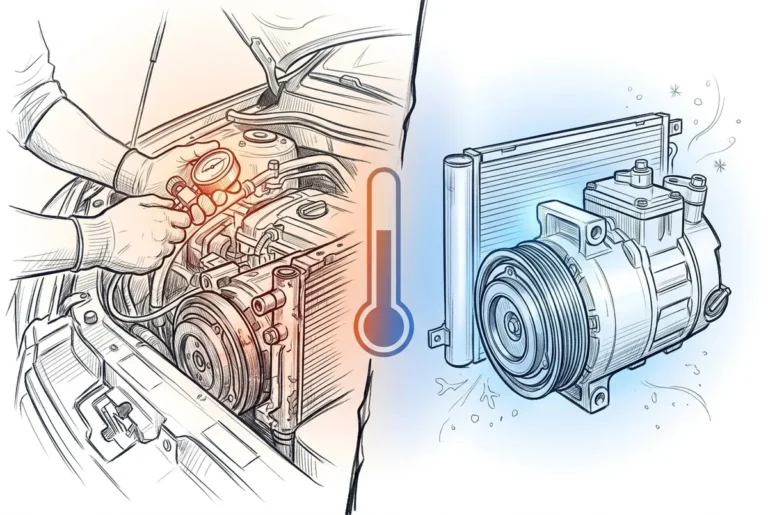
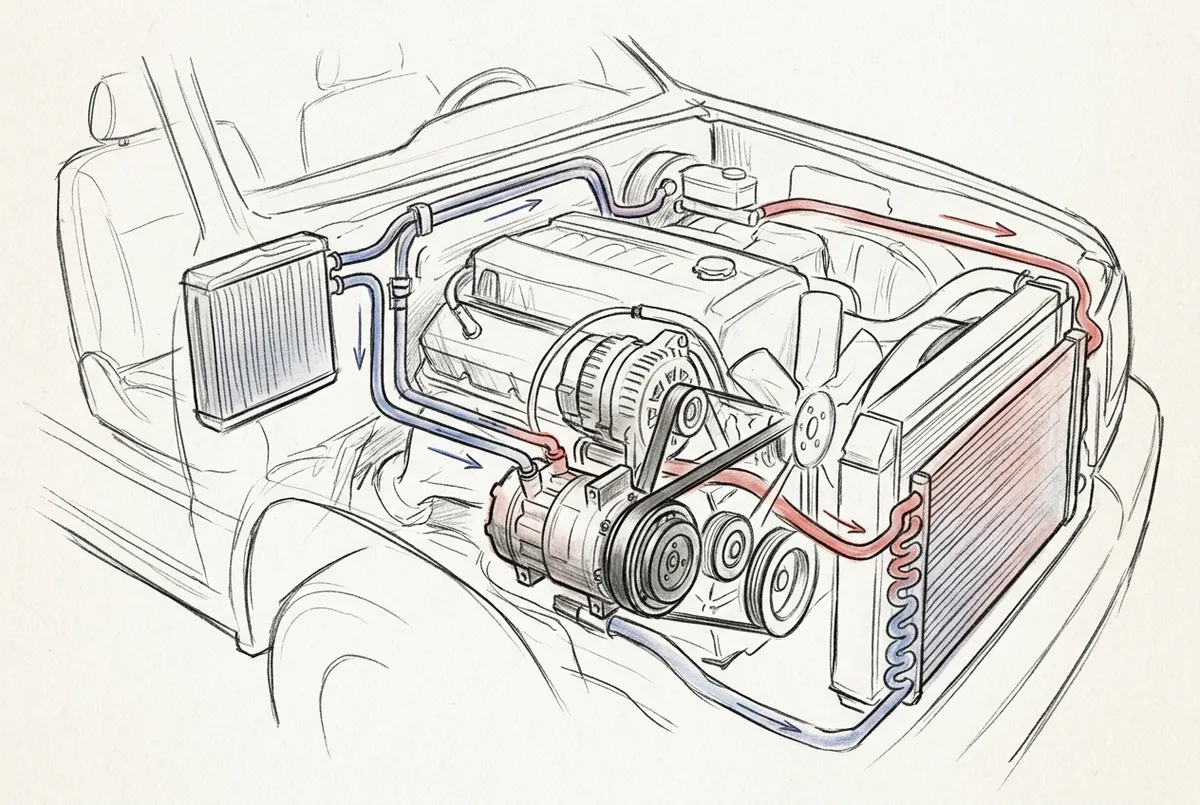
The AC compressor pressurizes refrigerant and pushes it through the cooling system. Think of it as the pump that keeps everything moving. Without it, your AC system simply cannot produce cold air. It’s powered by a serpentine belt connected to your engine, which means it runs whenever your engine runs and your AC is switched on.
Because the compressor operates under extreme pressure, it works harder than almost any other part of your AC system. That’s why it tends to wear out faster and why repairs need to be done right the first time. If you’ve noticed your AC is blowing warm air or making strange noises, check out 10 Reasons Your AC Is Blowing Warm Air (And How to Fix It) for more insight.
Warning Signs Your AC Compressor Is Failing
Catching compressor problems early can save you money and prevent bigger issues down the road. Here are the most common signs that your compressor needs attention:
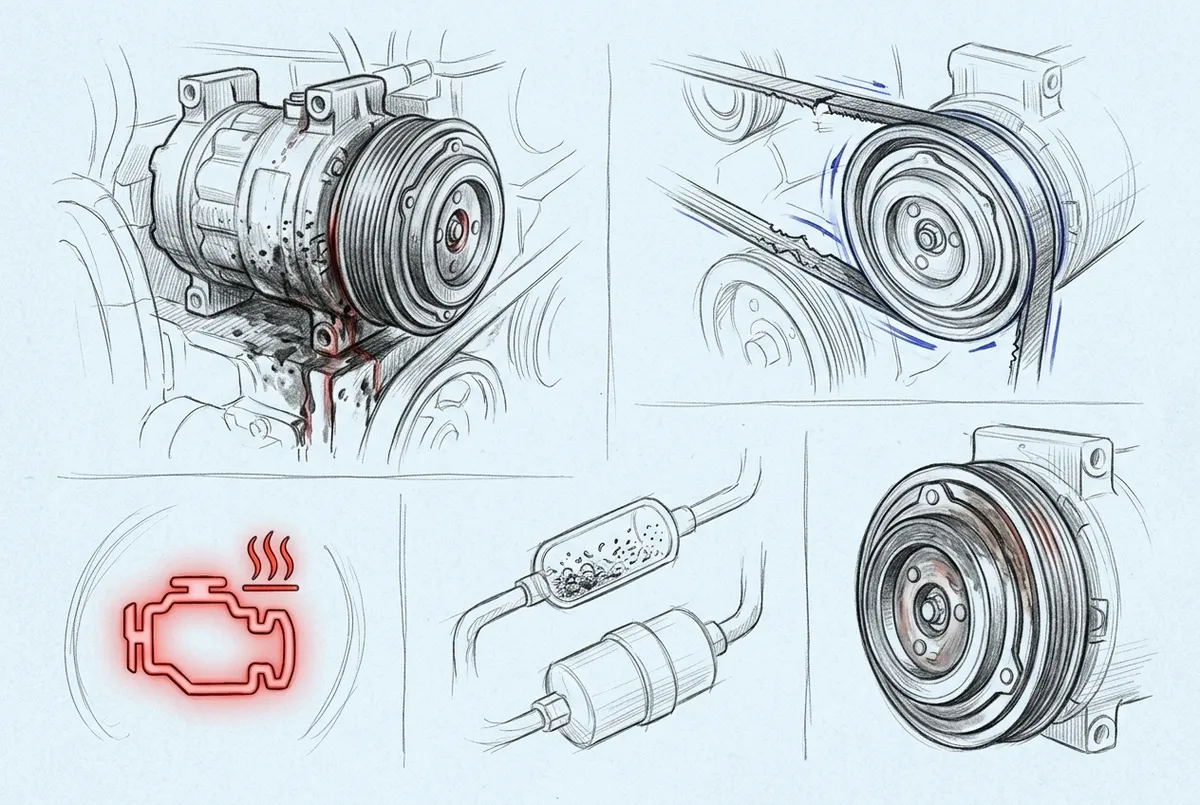
- Warm or hot air blowing from vents — This is the most obvious sign. If cool air turns warm, the compressor may have stopped working.
- Loud or unusual noises — Grinding, rattling, or squealing when the AC kicks on often points to compressor trouble.
- AC clutch not engaging — You can visually check if the clutch on the front of the compressor is spinning. If it isn’t, there’s likely a problem.
- Leaking refrigerant — Oily stains around the compressor or near AC hoses can signal a refrigerant leak caused by compressor damage.
- Circuit breaker or fuse keeps tripping — A failing compressor can draw too much power and cause electrical issues.
- Visible damage or cracks — A cracked or physically damaged compressor housing is a clear sign it needs to be replaced.
If any of these sound familiar, it’s time to get a professional diagnosis. Don’t wait — a failing compressor can damage other parts of the AC system if left unchecked. You can learn more about why AC repair in Tampa is so important for your vehicle and why acting fast matters.
Common Causes of AC Compressor Failure
Understanding why compressors fail helps you prevent the same problem from happening again. Here are the most frequent causes:
- Low refrigerant levels — When refrigerant is low, the compressor runs without enough lubrication. This causes internal wear and eventual failure.
- Dirty or contaminated refrigerant — Moisture or debris in the system can damage internal compressor components over time.
- Worn serpentine belt — A cracked or slipping belt can prevent the compressor from turning properly or cause it to seize.
- Extended periods of inactivity — Compressors that aren’t used for long stretches can develop internal corrosion or seized components.
- Electrical failures — A faulty control board or wiring issue can cut power to the compressor entirely.
- Age and general wear — Like any mechanical part, compressors eventually wear out — especially in vehicles that run their AC heavily, like buses, RVs, and heavy equipment.
Should You Repair or Replace the AC Compressor?
This is the big question most vehicle owners face. In many cases, professional AC shops recommend replacing the complete compressor assembly rather than attempting a partial repair. Here’s why: the compressor operates under such extreme pressure that even a small gap or imperfect seal can lead to system failure all over again.
That said, the right choice depends on your vehicle type, the extent of the damage, and the cost comparison. Check out this helpful resource on AC Repair vs. AC Replacement: Which Is Right for You? to help you decide. A trained technician can inspect the system and give you an honest recommendation.
Repair vs. Replace: A Quick Cost Comparison
| Service Type | Typical Cost Range | Best For |
|---|---|---|
| Refrigerant recharge | $200 – $500 | Minor leaks, low refrigerant |
| Compressor repair (partial) | $400 – $800 | Electrical or belt issues |
| Full compressor replacement | $500 – $1,500 | Severe damage or total failure |
| Complete AC system overhaul | $1,000 – $2,500+ | Multiple failed components |
These figures reflect current 2026 market rates and can vary depending on your vehicle type, the refrigerant used, and the shop you choose. For fleet owners or heavy equipment operators, costs may be higher due to the size and complexity of the systems involved.
What Happens During a Professional AC Compressor Repair
When you bring your vehicle in to fix ac compressor problems, here’s what a professional technician typically does:
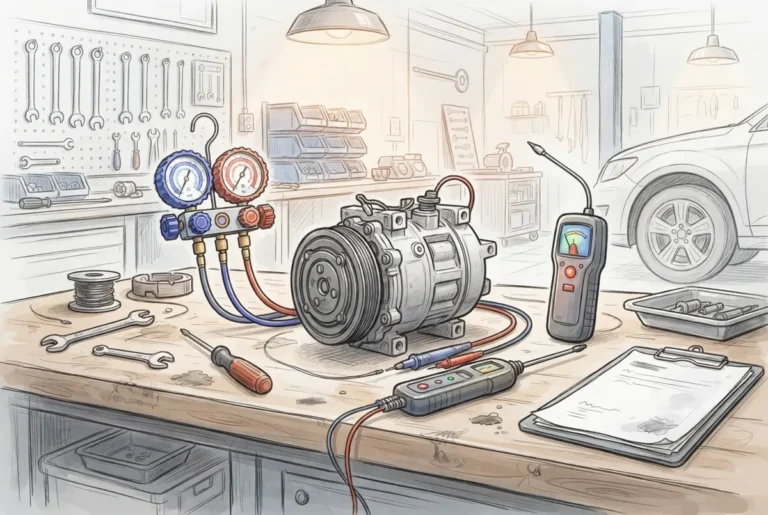
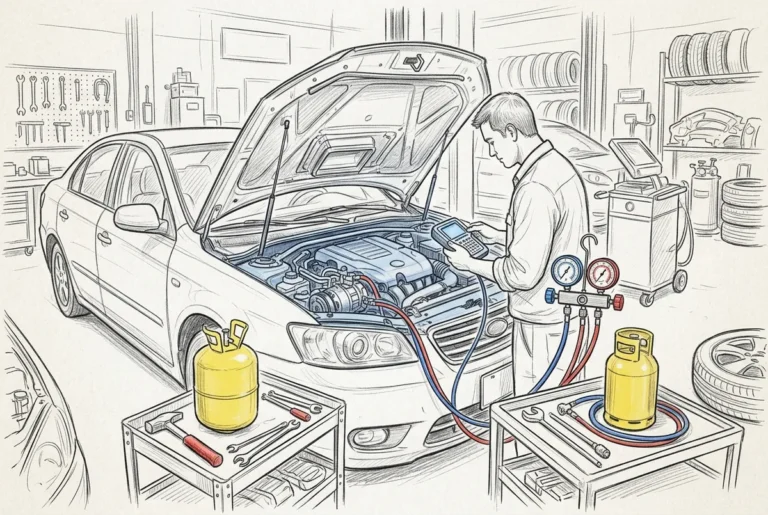
- Full system diagnostic — Using tools like Robinair machines, technicians check refrigerant levels, pressure readings, and electrical connections to pinpoint the problem.
- Visual inspection — They examine the compressor, serpentine belt, clutch, hoses, and surrounding components for visible damage or wear.
- Refrigerant recovery — Before any work begins, refrigerant is safely recovered. Modern systems use refrigerants like R-1234yf, which require ASE-certified technicians to handle properly.
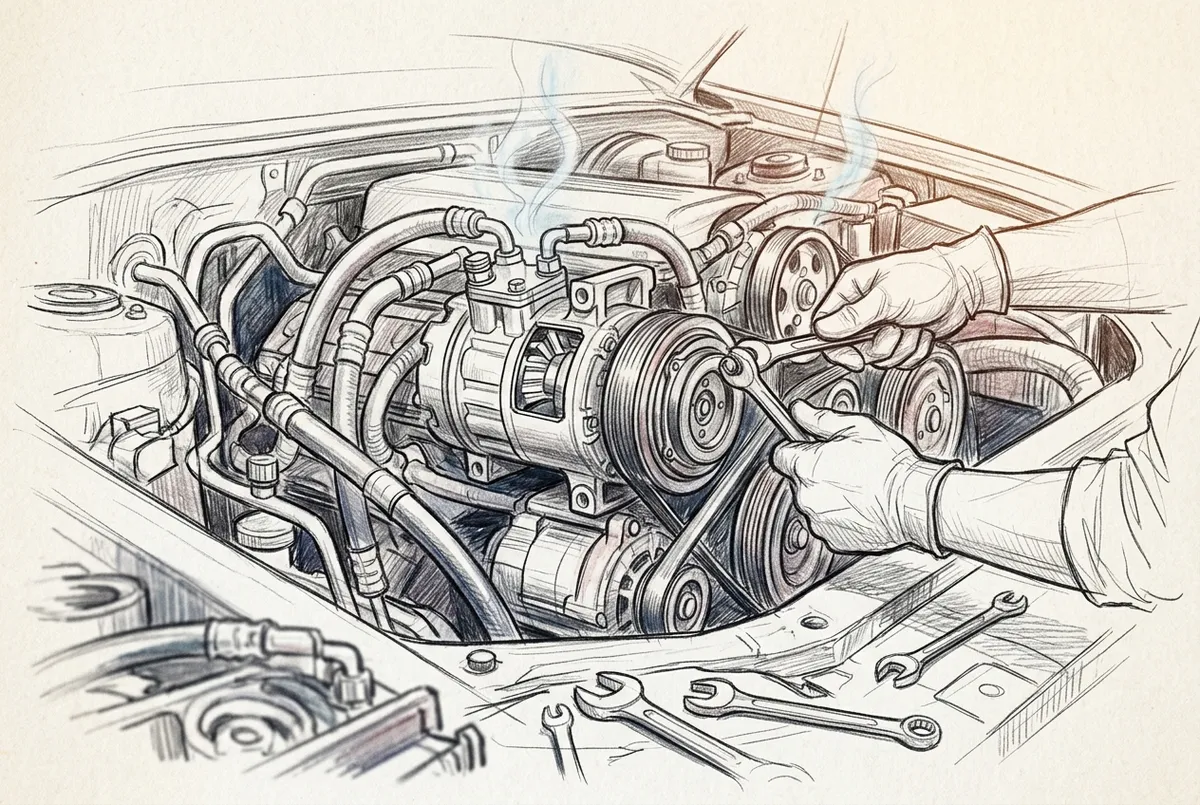
- Compressor removal and assessment — The old compressor is removed and evaluated to determine if repair or full replacement is the better path.
- Installation of new components — A quality repair kit typically includes the compressor unit, accumulator, expansion device, and Rapid Seal components to prevent any gaps in the system.
- System recharge and testing — After installation, the system is recharged with refrigerant and tested to confirm it’s cooling properly.
You can explore the full range of AC services available at Marks Air to understand how thorough a proper repair process should be.
AC Compressor Repairs for Different Vehicle Types
Not all vehicles are the same, and that means compressor repairs aren’t one-size-fits-all. Here’s how the process differs depending on what you drive or operate:
Cars and Light Trucks
Most standard car and light truck compressors are straightforward to access and replace. A typical repair can often be completed in a single day. If you notice AC issues early, repairs tend to be less costly and less involved.
Buses and Transit Vehicles
Buses carry passengers who depend on working AC for safety and comfort, especially in Tampa’s heat. These vehicles often use larger, roof-mounted or multi-zone AC systems. Compressor repairs on buses may take longer and require specialty parts. Regular preventive maintenance is especially important for transit operators.
RVs and Specialty Vehicles
RV owners know how miserable a trip can become when the AC gives out. RV compressor systems can be more complex, sometimes combining automotive and residential-style cooling. Finding a shop with experience in RV AC systems is important for getting the right repair. Marks Air has been handling specialty vehicles since 1971 — you can learn more about Marks Air and the breadth of vehicles they work on.
Heavy Equipment and Construction Machinery
Operators of bulldozers, cranes, and other heavy equipment spend long hours in enclosed cabs. A broken compressor isn’t just uncomfortable — it’s a safety issue. These systems are often rugged and require specialty components. Downtime on a job site can be expensive, so fast and reliable repairs matter most here.
Parts That May Need Replacing Along With the Compressor
When you fix ac compressor problems in a vehicle, related components often need attention too. Here’s what technicians commonly check or replace at the same time:
- Accumulator or receiver-drier — This component removes moisture from the refrigerant. It should typically be replaced whenever the compressor is changed.
- Expansion valve or orifice tube — Controls refrigerant flow into the evaporator. A clogged valve can cause cooling problems to return quickly.
- Serpentine belt — If worn or cracked, it should be replaced during the same service visit.
- AC hoses and fittings — Leaky or brittle hoses are a common cause of refrigerant loss and should be inspected carefully.
- Compressor clutch or relay — Electrical components connected to the compressor can fail independently and are worth checking.
Marks Air stocks a full line of AC parts, including their KOOL-TEMP parts line and trusted brands like SPAL, ACT, BCC, gpd, and Omega. Many parts are available the same day, which helps reduce downtime for fleet operators and commercial users.
How to Keep Your AC Compressor Healthy Longer
A little maintenance goes a long way when it comes to your AC system. These habits can help your compressor last much longer:
- Run your AC for at least 10 minutes every week, even in cooler months, to keep the compressor lubricated.
- Schedule regular AC inspections — at least once a year — to catch small issues before they become big problems.
- Replace cabin air filters on schedule to keep the system running efficiently.
- Address refrigerant leaks immediately instead of waiting for the system to fail completely.
- Have your serpentine belt inspected regularly, since it directly powers the compressor.
For more proactive tips, check out 5 AC Maintenance Tips Every Tampa Vehicle Owner Needs. Being consistent with upkeep can save you hundreds — or even thousands — of dollars over time.
Why Choose a Specialist to Fix Your AC Compressor
Fixing an AC compressor is not a job for a general mechanic who occasionally works on cooling systems. It requires specialized tools, refrigerant handling certifications, and deep knowledge of AC system components. Choosing a shop that focuses exclusively on automotive AC means you get technicians who do this work every single day.
Marks Air has been Tampa’s dedicated AC specialist since 1971. As a member of the Mobile Air Climate Systems Association (MACS), they stay current with the latest industry standards and refrigerant technologies. You can read what satisfied customers have to say by checking out Marks Air on Yelp or by visiting our Google Business Profile to see real reviews from Tampa drivers, fleet managers, and heavy equipment operators.
Many reputable AC shops offer warranties on compressor repairs. Look for shops that back their work with at least a 3-year/36,000-mile guarantee — that kind of coverage gives you peace of mind that the repair was done right.
What to Ask Before You Book an AC Compressor Repair
Before handing over your keys, make sure to ask these questions:
- What diagnostic tools do you use to identify compressor problems?
- Do you recommend full compressor replacement or partial repair — and why?
- What other components will need replacing at the same time?
- What warranty do you offer on the repair and parts?
- How long will the repair take, and do you have loaner options or same-day service available?
A trustworthy shop will answer all of these questions clearly and without pressure. If you’re not sure where to start, reading up on how to find the best AC repair in Tampa for your vehicle can help you ask the right questions and choose the right team.
Ready to Fix Your AC Compressor? Here’s Your Next Step
Don’t let a failing AC compressor ruin your commute, your job, or your road trip. Whether you drive a personal car, manage a fleet of trucks, or operate heavy equipment in the Florida heat, getting your compressor repaired by a qualified specialist makes all the difference. You can also follow along with tips and updates on Marks Air on Facebook or browse their Instagram page for behind-the-scenes looks at real repairs.
If you’re experiencing any of the warning signs mentioned in this article, don’t wait. The longer a failing compressor runs, the more damage it can cause to surrounding components. Early action almost always means a simpler, less expensive repair.
The team at Marks Air is ready to help. Schedule your AC compressor service today or give us a ring directly at 813-988-1671 — we’d love to help you get back to riding cool and comfortable on Tampa’s roads.
FAQs
Q: How much does it cost to fix an AC compressor in a vehicle?
A: Great question! The cost to fix an AC compressor typically ranges from $500 to $1,500 depending on the vehicle type, the extent of the damage, and whether a full replacement is needed. Smaller issues like electrical repairs or belt replacements can cost less, while a complete compressor swap with related components tends to be on the higher end.
Q: What are the most common signs that my AC compressor is failing?
A: The most common signs include warm air blowing from your vents, loud grinding or rattling noises when the AC turns on, visible refrigerant leaks around the compressor, and the AC clutch not engaging. If any of these sound familiar, it’s a good idea to get a professional diagnosis as soon as possible!
Q: Can a damaged AC compressor be repaired, or does it always need full replacement?
A: It depends on the type and severity of the damage. Some issues — like a worn serpentine belt or a faulty electrical connection — can be repaired without replacing the entire compressor. However, most professional AC technicians recommend full compressor replacement when there’s internal damage, because the system operates under extreme pressure and even small imperfections can lead to repeat failures.
Q: How long does an AC compressor repair or replacement take?
A: For most standard cars and light trucks, an AC compressor repair or replacement can usually be completed within a single day. Larger vehicles like buses, RVs, or heavy equipment may take longer depending on the complexity of the system and parts availability. A good shop will give you a realistic time estimate upfront.
Q: Do I need to replace other parts when I fix the AC compressor?
A: Often, yes! When replacing a compressor, technicians typically recommend also replacing the accumulator or receiver-drier, expansion valve, and sometimes the serpentine belt and AC hoses. Replacing these components at the same time helps ensure the whole system works properly and reduces the chance of a related part failing shortly after the repair.