Key Takeaways
-
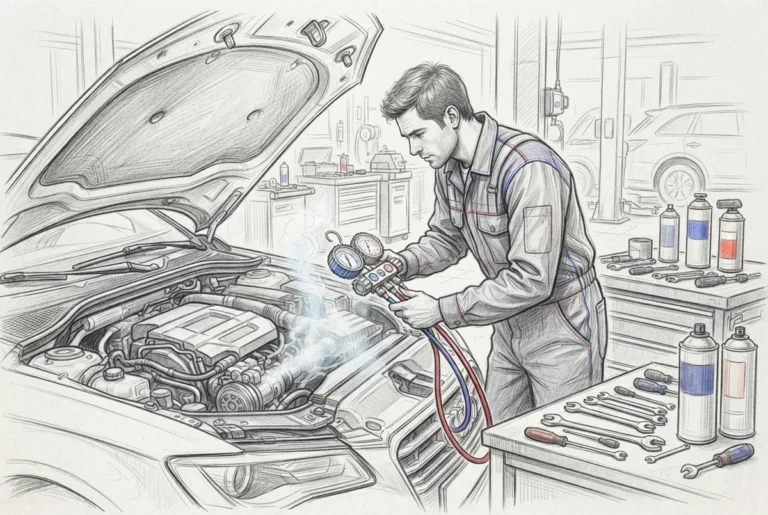
Proper AC diagnostics pinpoint exact problems instead of guesswork, preventing costly repeat repairs and unnecessary part replacements that drain your fleet budget.
-
Schedule diagnostics before peak cooling season in late winter/early spring to catch problems early and avoid emergency breakdowns during your busiest operational times.
-
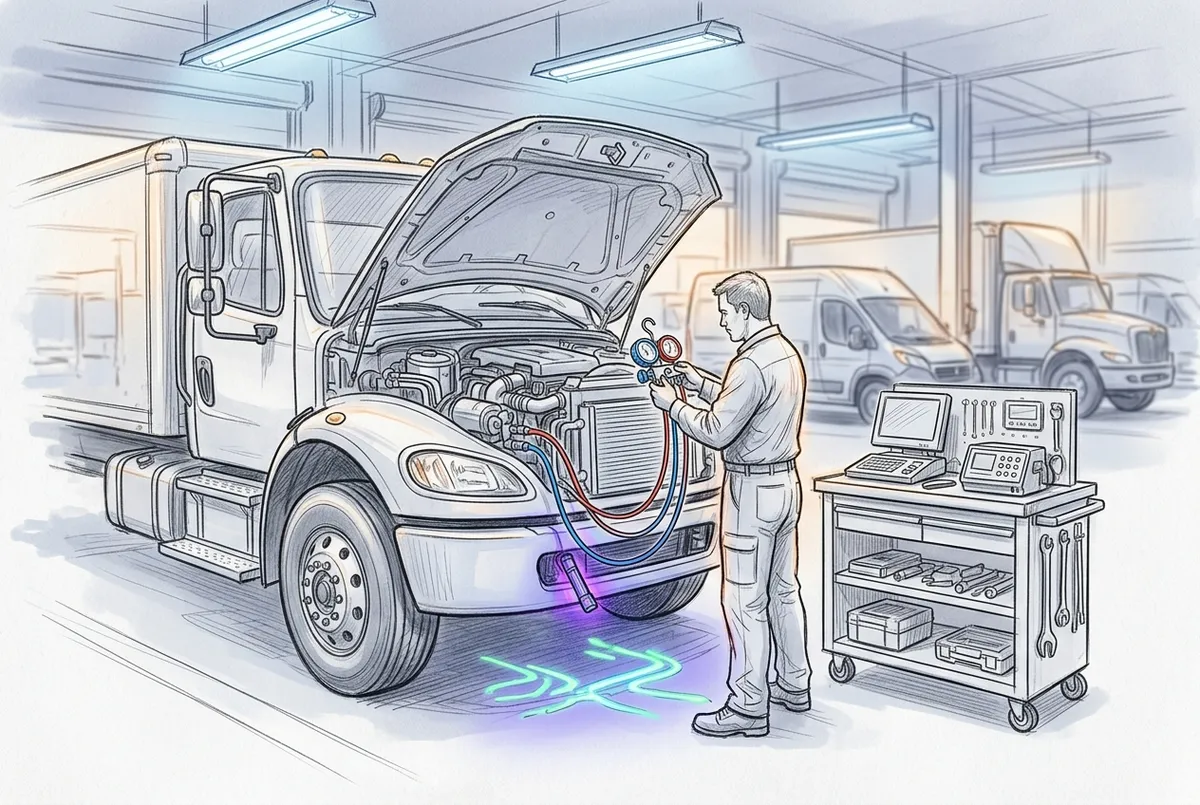
Refrigerant leaks are the most common fleet AC issue; always find and fix leaks with UV dye or electronic detectors before recharging, or you’ll waste money refilling repeatedly.
-
Modern diagnostic tools like manifold gauges, electronic leak detectors, and scan tools provide accurate information in less time, reducing vehicle downtime and improving repair quality.
-
Preventive maintenance diagnostics cost $100-$200 per vehicle upfront but save significantly compared to reactive emergency repairs that disrupt operations and cost more overall.
-
Ensure your service provider has EPA 609 certification, modern equipment to handle multiple refrigerant types (R-134a and HFO-1234yf), and digital reporting for fleet tracking.
Managing a fleet of vehicles in Tampa means dealing with Florida’s intense heat almost year-round. When your drivers report that the air conditioning isn’t working right, you need answers fast. Fleet vehicle AC diagnostics is the process of quickly finding what’s wrong with your vehicle’s cooling system so you can get repairs done and get your drivers back on the road feeling comfortable and productive.
Unlike guessing or just adding refrigerant and hoping for the best, proper diagnostics help you pinpoint the real problem. This saves your fleet money in the long run and reduces the frustration of repeat breakdowns. Whether you manage delivery trucks, service vans, transit buses, or heavy equipment that operates in Tampa’s summer sun, understanding how AC diagnostics work will help you make smarter decisions about maintenance and repairs.
In this guide, we’ll walk you through what fleet vehicle AC diagnostics actually involves, the common problems you’ll encounter, and how to keep your vehicles running cool without blowing your budget. Let’s get started.
What Is Fleet Vehicle AC Diagnostics?
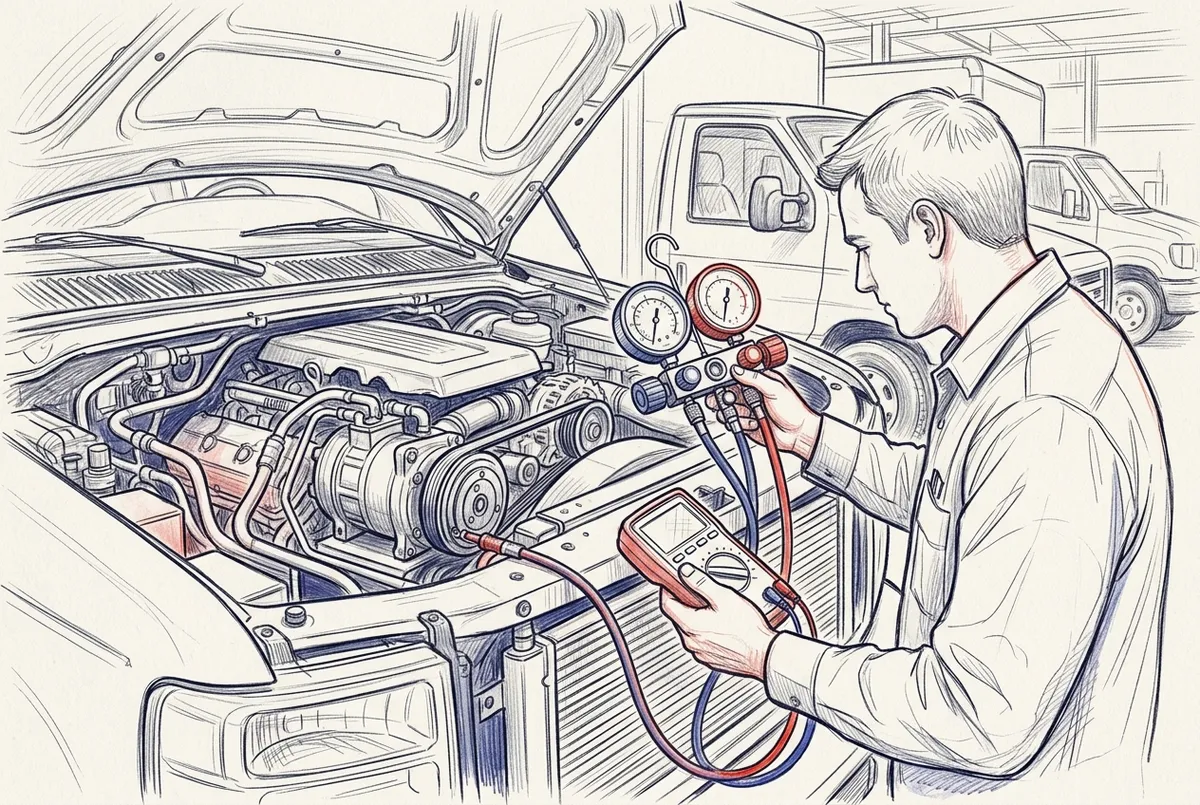
Fleet vehicle AC diagnostics is a step-by-step inspection process that checks your vehicle’s air conditioning system to find out why it’s not cooling properly. Think of it as a health checkup for your AC system, where trained technicians use specialized tools to test every major part of the cooling system.
The goal is simple: identify the exact issue causing the problem so you can fix it once and fix it right. This process goes far beyond just checking if cold air comes out of the vents. Technicians examine refrigerant levels, pressure readings, electrical connections, mechanical parts like the compressor and clutch, and search for leaks that could be draining your system.
For fleet managers, this means less downtime and fewer surprise breakdowns. Instead of patching problems temporarily, diagnostics give you a clear picture of what repairs are actually needed. According to EPA guidance, vehicle AC systems can lose about 10 percent of their refrigerant charge each year from normal leaks and permeation, so regular diagnostics help catch these issues before they become expensive emergencies.
Why Fleet Vehicle AC Diagnostics Matter for Your Business
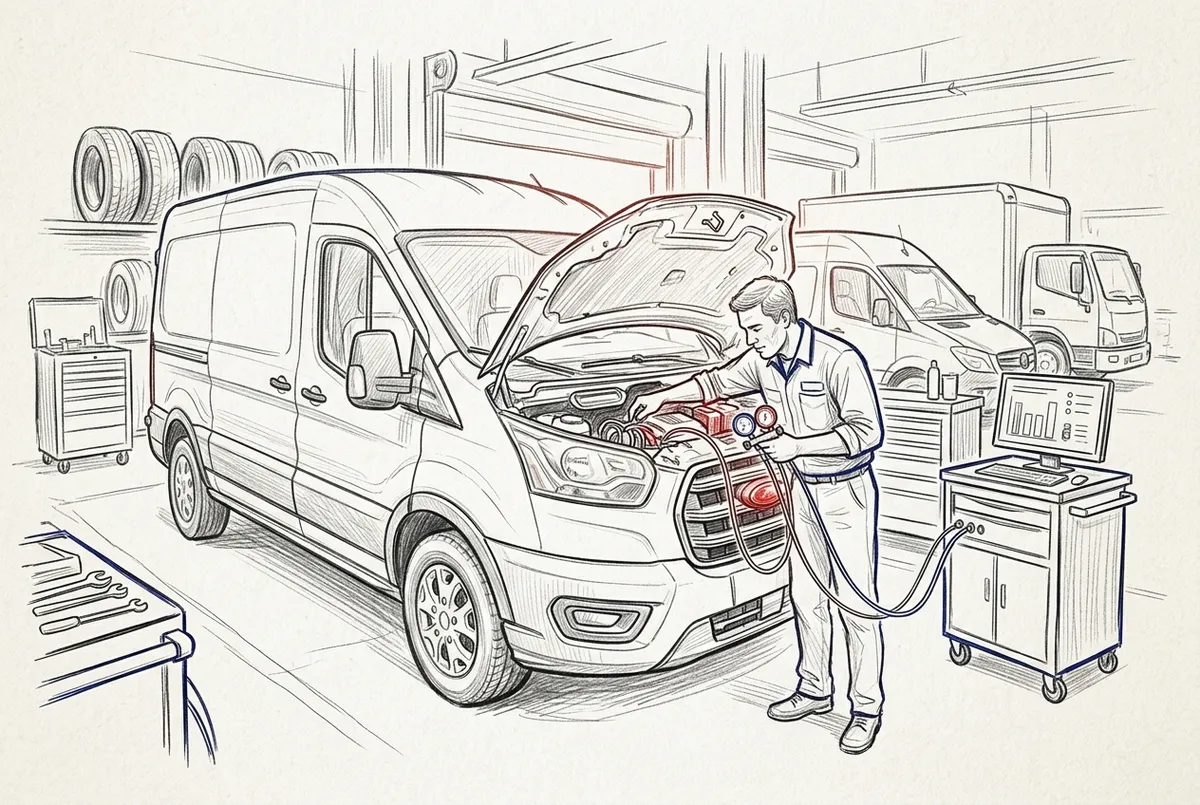
When you’re running a fleet, every vehicle that sits in the shop costs you money. Lost deliveries, delayed service calls, and unhappy drivers all add up fast. That’s why fleet vehicle AC diagnostics matter so much for keeping your operation running smoothly.
Here are three big reasons diagnostics should be part of your fleet maintenance plan:
- Reduce downtime: Finding problems early means you can schedule repairs during slow times instead of dealing with emergency breakdowns during your busiest season.
- Control costs: Proper diagnostics prevent expensive guesswork. You won’t waste money replacing parts that aren’t broken or recharging systems that have leaks.
- Keep drivers happy: Comfortable drivers are more productive and safer on the road. When the AC works right, your team stays focused even during Tampa’s hottest months.
Fleet vehicles often need faster turnaround than personal cars because a downed vehicle can disrupt your entire operation. Diagnostics help you stay ahead of problems and plan repairs that fit your schedule, not the other way around.
Common Fleet AC Problems Found During Diagnostics
Most fleet vehicle AC issues fall into a few common categories. Knowing what technicians look for during diagnostics can help you understand the repair recommendations you receive and spot warning signs before they become major problems.
Refrigerant Leaks
This is the most common AC problem in fleet vehicles. Leaks can happen anywhere in the system, from hose connections to the condenser or evaporator. Sometimes leaks are obvious, but tiny leaks can take months to drain your system completely. Technicians use UV dye or electronic leak detectors during diagnostics to find even the smallest leaks.
Recharging refrigerant without finding and fixing the leak is like filling a tire with a nail in it. The problem will come right back, and you’ll pay for refrigerant over and over again.
Compressor and Clutch Failures
The compressor is the heart of your AC system, pumping refrigerant through the entire cooling cycle. When it fails, your AC stops working completely. The clutch engages and disengages the compressor, and when it wears out, the compressor won’t run even if everything else works fine.
During diagnostics, technicians check for unusual noises, proper engagement, and electrical signals to make sure the compressor and clutch are functioning correctly.
Clogged Condensers and Airflow Problems
Your condenser sits in front of the radiator and needs good airflow to cool the refrigerant. Road debris, bugs, dirt, and damaged cooling fins can block airflow and make your AC work harder or stop cooling altogether. This is especially common in work trucks and equipment that operate in dusty or dirty environments.
Visual inspection during diagnostics can spot these blockages quickly, and cleaning or replacing the condenser restores proper cooling.
Electrical and Sensor Issues
Modern vehicle AC systems rely on sensors, relays, fuses, and control modules to operate correctly. A faulty pressure sensor might shut down the system even when refrigerant levels are fine. A blown fuse or corroded connection can prevent the compressor from engaging.
Technicians use scan tools and electrical testing equipment during diagnostics to check all the electrical components and wiring that control your AC system.
The Fleet AC Diagnostic Process Step by Step
Understanding what happens during a diagnostic appointment helps you know what to expect and why the process takes time. Here’s how a thorough fleet vehicle AC diagnostic typically works:
- Performance testing: The technician starts your vehicle and checks the AC system’s output temperature at the vents. This gives a baseline to measure how far off the system is from normal operation.
- Visual inspection: Next comes a careful look at all visible AC components, including hoses, connections, the compressor, condenser, and belts. This catches obvious damage or wear.
- Pressure testing: Using manifold gauges, the technician checks refrigerant pressure on both the high and low sides of the system. Abnormal readings point to specific problems like leaks, blockages, or compressor issues.
- Leak detection: If pressure is low, the technician uses UV dye or electronic detectors to find where refrigerant is escaping. This step is critical before any recharge happens.
- Electrical testing: The technician checks fuses, relays, sensors, and wiring to make sure electrical components are working and sending correct signals to the AC system.
- Compressor and clutch evaluation: The compressor is tested for proper operation, unusual sounds, and correct engagement of the clutch mechanism.
Once these steps are complete, the technician has enough information to give you a clear diagnosis and repair recommendation. Many shops, including Marks Air, provide detailed written reports so you know exactly what’s wrong and what it will cost to fix.
Modern Diagnostic Tools and Technology
Fleet vehicle AC diagnostics have come a long way from just feeling the air temperature at the vents. Today’s technicians use advanced tools that make diagnostics faster and more accurate, which means less guesswork and better repairs for your fleet.
Here are some of the key diagnostic tools used in 2026:
- Manifold gauge sets: These measure refrigerant pressure on both sides of the AC system, helping identify problems like low charge, blockages, or compressor failure.
- Electronic leak detectors: These sensitive devices can find even tiny refrigerant leaks that aren’t visible to the naked eye.
- UV dye systems: Technicians add UV dye to the refrigerant, then use a special light to spot exactly where leaks are occurring.
- Scan tools and diagnostic software: Modern vehicles have computer-controlled AC systems. Scan tools read error codes and sensor data to pinpoint electrical and control module problems.
- Digital thermometers: Precise temperature measurements at the vents and other points in the system help verify proper cooling performance.
- Digital inspection reports: Many shops now provide photo documentation and detailed digital reports so fleet managers can review findings and approve repairs quickly.
These tools help technicians work efficiently and give you solid information about what repairs your vehicles actually need. For fleet managers juggling multiple vehicles, digital reports and clear documentation make it easier to track maintenance across your entire fleet.
When Should You Schedule Fleet AC Diagnostics?
Timing matters when it comes to fleet vehicle AC diagnostics. Catching problems early prevents breakdowns during your busiest times and saves money on emergency repairs. Here’s when you should consider scheduling diagnostics for your fleet vehicles:
- Before peak cooling season: In Tampa, that means scheduling diagnostics in late winter or early spring before summer heat arrives. Getting ahead of problems means your vehicles are ready when temperatures climb.
- When drivers report weak cooling: If your drivers mention the AC isn’t as cold as it used to be, don’t wait. Weak cooling is usually an early sign of a leak or other developing problem.
- After unusual noises or smells: Strange sounds from the AC system or odd smells coming from the vents signal problems that need immediate attention.
- As part of regular maintenance: Many fleet managers include AC checks in their regular service intervals, especially for vehicles that operate in hot climates year-round.
- Before recharging refrigerant: Never just add refrigerant without diagnostics first. If there’s a leak, you’re throwing money away. Always find and fix leaks before recharging.
Regular preventative AC inspections can help fleets avoid breakdowns during peak heat months and improve driver comfort, which supports productivity and retention. A comfortable driver is a safer, more focused driver.
Cost Considerations for Fleet AC Diagnostics
Fleet managers need to know what to budget for AC diagnostics and repairs. While costs vary based on your fleet size, vehicle types, and the extent of problems found, understanding typical pricing helps you plan maintenance budgets effectively.
| Service Type | Typical Cost Range | What’s Included |
|---|---|---|
| Basic AC performance check | $50-$100 per vehicle | Temperature test, visual inspection, basic pressure check |
| Full diagnostic inspection | $100-$200 per vehicle | Complete pressure testing, leak detection, electrical testing, detailed report |
| Leak detection service | $75-$150 per vehicle | UV dye or electronic leak detection to find refrigerant leaks |
| Refrigerant recharge (after leak repair) | $150-$300 per vehicle | System evacuation, leak check, proper refrigerant fill |
Keep in mind that diagnostic costs are separate from repair costs. Once the diagnostic is complete, you’ll receive a repair estimate based on what needs to be fixed. Investing in proper diagnostics up front saves money compared to trial-and-error repairs or repeatedly recharging a system with leaks.
Many shops offer fleet discounts when you bring in multiple vehicles at once. If you manage a fleet in Tampa, it’s worth asking about volume pricing and scheduled maintenance programs that can reduce your overall costs.
Refrigerant Types and Fleet Considerations
Understanding refrigerant types matters for fleet managers because different vehicles in your fleet might use different refrigerants. This affects parts availability, service costs, and environmental compliance.
R-134a remains widely used in many older vehicles, while newer light-duty vehicles increasingly use HFO-1234yf due to lower global warming potential. The transition to 1234yf started in the 2010s and continues today as manufacturers meet environmental regulations.
For mixed-age fleets, this means you might have some vehicles on R-134a and others on 1234yf. Both systems require different equipment and parts, so make sure your service provider can handle all refrigerant types in your fleet. Some shops offer conversion services if you want to upgrade older systems.
Also, remember that refrigerant handling requires EPA 609 certification. Only certified technicians should service your vehicle AC systems to ensure proper environmental compliance and quality repairs.
Preventive Maintenance vs. Reactive Repairs
Smart fleet managers know that preventing AC problems costs less than fixing emergency breakdowns. Preventive maintenance means scheduling regular AC checks and addressing small issues before they become big, expensive problems.
Here’s how preventive and reactive approaches compare:
| Approach | Pros | Cons |
|---|---|---|
| Preventive AC diagnostics | Lower overall costs, scheduled during slow times, less downtime, extends system life | Upfront cost for diagnostics, requires planning |
| Reactive repairs only | No upfront diagnostic costs, fix only what breaks | Higher emergency repair costs, unexpected downtime, drivers suffer in heat, shorter system life |
Fleet maintenance programs that use digital inspections and standardized diagnostics can reduce repeat visits and improve repair consistency across multiple vehicles. When you have documented history for each vehicle, you can spot patterns and address chronic issues before they spread across your fleet.
If you want to learn more about balancing these approaches, check out this resource on preventive vs reactive fleet AC maintenance.
Choosing the Right AC Diagnostic Service for Your Fleet
Not all AC repair shops are set up to handle fleet vehicles efficiently. When you’re choosing a diagnostic service provider, look for these important qualities:
- Experience with fleet vehicles: You want a shop that understands the urgency of fleet repairs and can handle multiple vehicles efficiently.
- Comprehensive diagnostic capabilities: Make sure they have modern tools, trained technicians, and can work on all types of vehicles in your fleet, from vans to heavy trucks.
- Clear, detailed reporting: Digital inspection reports with photos and clear explanations help you make informed decisions and track maintenance across your fleet.
- Parts availability: Quick access to quality AC parts means faster turnaround times when repairs are needed.
- Flexible scheduling: Look for shops that can accommodate your fleet’s schedule, including after-hours or weekend appointments if needed.
- Fair, transparent pricing: You should know what diagnostics cost upfront and receive detailed repair estimates before any work begins.
Marks Air has been serving Tampa fleets since 1971, specializing exclusively in vehicle AC systems. With decades of focused experience, a full parts inventory, and a commitment to quality diagnostics, Marks Air understands what fleet managers need: accurate answers, fast service, and repairs that last.
What Happens After Diagnostics?
Once the diagnostic process is complete, your service provider should give you a clear, written report explaining what they found and what repairs are recommended. Here’s what to expect and how to make smart decisions with the information you receive:
- Review the diagnostic report: Take time to read through the findings. Ask questions if anything isn’t clear. You should understand exactly what’s wrong with each vehicle.
- Prioritize repairs: Not every issue needs immediate attention. Work with your technician to separate urgent repairs from items that can wait until the next service interval.
- Get repair estimates: Request detailed estimates for recommended work, including parts and labor costs. This helps you budget and plan.
- Approve repairs: Decide which repairs to authorize based on urgency, budget, and vehicle importance to your operation.
- Track maintenance records: Keep detailed records for each vehicle so you can identify patterns and plan future maintenance more effectively.
Good communication with your AC service provider makes this process smoother. Don’t hesitate to ask about warranty coverage, repair timeframes, and whether any preventive work can be done while the vehicle is already in the shop.
Common Fleet AC Diagnostic Questions Answered
Fleet managers often have similar questions about AC diagnostics. Here are quick answers to some of the most common ones:
How long does a fleet vehicle AC diagnostic take?
A thorough diagnostic typically takes one to two hours per vehicle, depending on the complexity of the system and what problems are found. Some shops can handle multiple fleet vehicles at once to reduce your overall downtime.
Can I just add refrigerant instead of doing diagnostics?
This is tempting but usually a mistake. If your system is low on refrigerant, there’s almost certainly a leak. Adding refrigerant without fixing the leak means you’ll need another recharge soon, wasting money every time. Always diagnose and repair leaks first.
What’s the difference between a free AC check and a full diagnostic?
A free AC check is usually a quick performance test to see if your system is cooling properly. It’s a good starting point, but it won’t find the root cause of problems. A full diagnostic includes pressure testing, leak detection, electrical testing, and a detailed inspection of all system components. For fleet vehicles, the thorough diagnostic is worth the investment.
How often should fleet vehicles get AC diagnostics?
As a general rule, have your fleet vehicles checked once a year before cooling season starts. Vehicles that operate in demanding conditions or show any signs of weak cooling should be diagnosed immediately rather than waiting for the annual check.
Take Action to Keep Your Fleet Running Cool
Fleet vehicle AC diagnostics aren’t just about comfort, they’re about keeping your business running smoothly and your drivers safe and productive. By understanding what diagnostics involve, when to schedule them, and how to choose the right service provider, you can reduce downtime, control costs, and avoid emergency breakdowns.
Don’t wait until your drivers are sweating through Tampa’s summer heat to discover AC problems. Schedule preventive diagnostics now and fix small issues before they become expensive emergencies. Your bottom line and your drivers will thank you.
Ready to get your fleet’s AC systems checked out? Schedule your fleet diagnostic service or call us at 813-988-1671 to discuss your fleet’s needs. With over 50 years of AC expertise, Marks Air has the knowledge, tools, and parts to keep your vehicles cool and your operation running strong. You can also visit our Tampa location on Google to see what fleet managers in the area are saying about our service.
Stay connected with Marks Air for more fleet maintenance tips and AC service updates on Facebook and Instagram. We’re here to help your fleet stay cool, no matter how hot Tampa gets.
FAQs
Q: What is fleet vehicle AC diagnostics?
A: Fleet vehicle AC diagnostics is a complete inspection process that checks your vehicle’s air conditioning system to find out exactly why it’s not cooling properly. Trained technicians use special tools to test refrigerant levels, pressure readings, electrical connections, and mechanical parts, then search for leaks. This gives fleet managers a clear picture of what repairs are needed instead of just guessing or temporarily patching problems.
Q: How much does fleet AC diagnostics cost?
A: A basic AC performance check typically costs $50-$100 per vehicle, while a full diagnostic inspection with complete pressure testing, leak detection, and electrical testing usually runs $100-$200 per vehicle. These costs don’t include repairs, but investing in proper diagnostics saves money by preventing unnecessary parts replacement and repeated service visits. Many shops offer fleet discounts when you bring multiple vehicles at once.
Q: Should I recharge my fleet vehicle’s AC before getting diagnostics?
A: No, you should always get diagnostics before recharging refrigerant. If your system is low, there’s almost certainly a leak somewhere. Adding refrigerant without finding and fixing the leak is like filling a tire with a nail in it—the problem will come right back and you’ll waste money on refrigerant over and over. Proper diagnostics find the leak first so repairs actually last.
Q: How often should fleet AC systems be inspected?
A: Fleet vehicles should get AC diagnostics at least once a year, ideally before peak cooling season starts (late winter or early spring in Tampa). Vehicles that operate in demanding conditions or show any signs of weak cooling should be diagnosed immediately rather than waiting. Regular preventive inspections catch small problems early and prevent expensive emergency breakdowns during your busiest times.
Q: What tools are used for vehicle AC diagnostics?
A: Modern AC diagnostics use several specialized tools including manifold gauge sets to measure refrigerant pressure, electronic leak detectors or UV dye systems to find leaks, scan tools to read computer error codes, digital thermometers for precise temperature measurements, and diagnostic software for analyzing sensor data. These tools help technicians work efficiently and give fleet managers accurate information about what repairs are actually needed.